Apr 2, 2025 | Book of the Week, Building Emotional Muscle, Building Financial Muscle, Credit Score, Debt, Debt Payment, Debt Repayment, Educational Series, Episodes, Financial Education, Financial Freedom, Financial Health, Financial Management 101, Holiday Spending, Home Loan, Mindset, Mortgage, Net Worth, Relationships, Retirement, Saving Money, Self Development, Side Hustle
Financial freedom isn’t just about saving money or cutting costs; it’s about truly understanding your financial position. Knowing your numbers means gaining a clear picture of your assets, liabilities, income, and expenses. This knowledge is the foundation for making informed decisions, reducing financial stress, and achieving stability. In this blog, we’ll explore why knowing your numbers is essential and how you can start your journey toward financial clarity today.

Why Knowing Your Numbers Matter
Many people focus on earning more or spending less, but without knowing your numbers, it’s like driving a car without a map or GPS. You might be moving, but you’re not necessarily headed in the right direction. Here’s why understanding your financial position is crucial:
-
- Know Where You Stand: Your net position – the difference between what you own and what you owe is a snapshot of your financial health. It gives you a clear idea of whether you’re building wealth or falling behind.
- Set Realistic Goals: When you know your numbers, you can set achievable financial goals, like paying off debt, saving for a home, or building an emergency fund.
- Identify Opportunities for Growth: Understanding your financial position helps you spot areas where you can save more, invest smarter, or cut unnecessary expenses.
- Reduce Financial Stress: Clarity about your finances reduces anxiety and empowers you to make confident decisions.
Your financial assets consist of your savings, investments, and retirement funds, which represent the resources you own that can contribute to your financial security and future wealth.
Breaking Down the Basics – What to Track
Knowing your numbers involves more than just looking at your bank balance. Here’s what you need to assess:
1. ASSETS
-
-
-
- Tangible Assets: Your home, car, or valuable items like jewellery or collectibles.
- Financial Assets: Savings accounts, investments, and retirement funds.
2. LIABILITIES
-
-
-
- Debts: Credit cards, personal loans, student loans, and mortgages.
- Recurring Obligations: Bills, subscriptions, and other regular expenses.
3. INCOME
-
-
-
- Primary Income: Salary or wages.
- Secondary Income: Side hustles, investment dividends, or rental income.
4. EXPENSES
-
-
-
- Fixed Expenses: Rent, insurance, and utilities.
- Variable Expenses: Groceries, entertainment, and travel.
How to Calculate Your Net Position
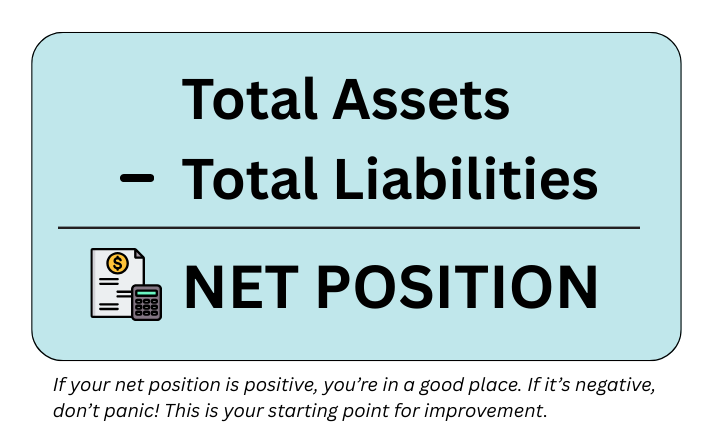
The formula is simple: Net Position = Total Assets – Total Liabilities. Here’s an example:
Assets: $200,000 (home equity, savings, investments)
Liabilities: $150,000 (mortgage, credit card debt, loans)
Net Position: $50,000
If your net position is positive, you’re in a good place. If it’s negative, don’t panic this is your starting point for improvement.
Steps to Take Control of Your Numbers
1. START WITH A FINANCIAL INVENTORY
-
-
-
- Make a detailed list of all assets and liabilities.
- Use tools like spreadsheets or budgeting apps for accuracy.
2. TRACK YOUR SPENDING
-
-
-
- Review your bank and credit card statements to understand your spending habits.
- Categorise expenses to identify areas for adjustment.
3. CREATE A FINANCIAL PLAN
-
-
-
- Set short-term, medium-term, and long-term goals.
- Prioritise high-interest debt and build an emergency fund.
4. REVIEW REGULARLY
-
-
-
- Schedule monthly or quarterly reviews to track progress.
- Adjust your plan as needed based on life changes.
Common Mistakes to Avoid
1. IGNORING THE BIGGER PICTURE
-
-
- Focusing only on day-to-day expenses without understanding your overall financial health.
2. PROCRASTINATING
-
-
- Delaying the process of assessing your finances can make it harder to take control.
3. OVERLOOKING SMALL DEBTS
-
-
- Small debts add up and can significantly impact your net position.
4. NOT SEEKING HELP
-
-
- Don’t hesitate to consult a financial coach or use resources like our “Know Your Numbers” course.
How Our Course Can Help
Our “Know Your Numbers” course is designed to make this process easy and actionable. Here’s what you’ll gain:
1. STEP-BY-STEP GUIDANCE
-
-
- Learn how to assess and improve your financial position.
2. PRACTICAL TOOLS
-
-
- Access calculators, templates, and worksheets.
3. EXPERT INSIGHTS
-
-
- Benefit from tips and strategies sared by experienced financial coaches.
4. ONGOING SUPPORT
-
-
- Get access to our community and resources for continued learning.
Real Life Success Stories
- Emma’s Journey: After taking the “Know Your Numbers” course, Emma discovered she had enough savings to pay off a small loan. She’s now building her emergency fund and feels more confident about her future.
- James’ Transformation: James used the tools from the course to identify unnecessary expenses. By cutting these costs, he’s saved over $500 a month and is on track to pay off his credit card debt.
Conclusion
Knowledge is power, especially when it comes to your finances. Understanding your numbers isn’t just a one-time task—it’s a habit that leads to financial freedom. Take control of your financial future by joining our “Know Your Numbers” course today. Let’s build a stress-free, confident financial life together.
Feb 12, 2025 | Book of the Week, Building Emotional Muscle, Building Financial Muscle, Credit Score, Debt, Debt Payment, Debt Repayment, Educational Series, Financial Education, Financial Freedom, Financial Health, Financial Management 101, Home Loan, Mindset, Mortgage, Net Worth, Saving Money, Self Development
Do you ever feel like your finances are controlling you, instead of the other way around? The good news is that financial control isn’t about being perfect – it’s about making intentional choices and taking consistent steps toward your goals. Let’s break down the five steps that can help you master your money and regain control of your financial future.
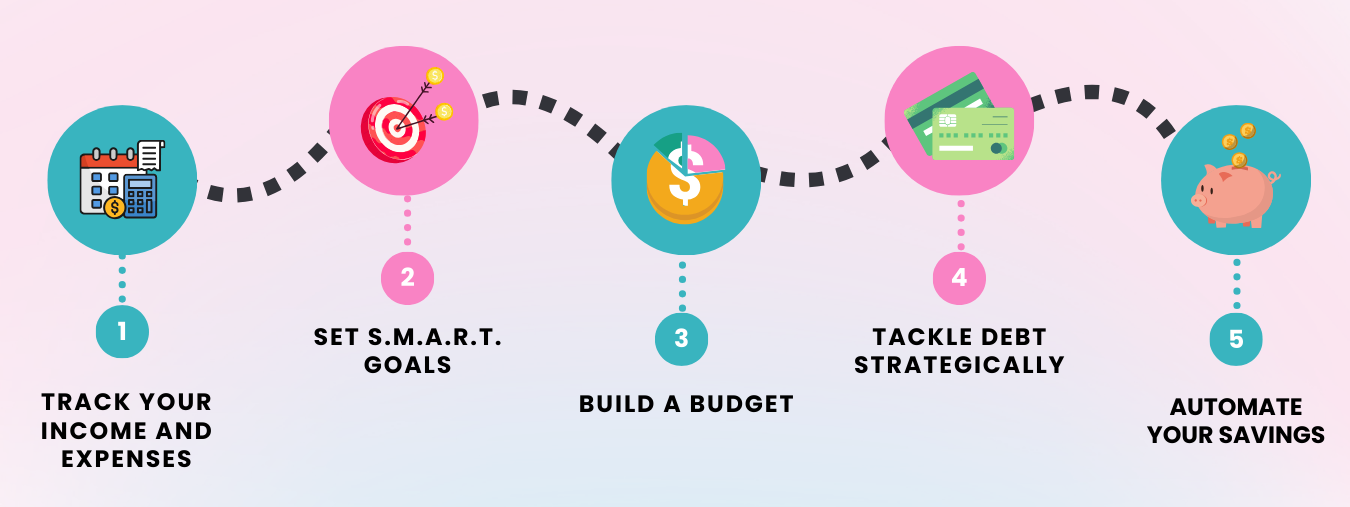
STEP 1: KNOW YOUR NUMBERS
Before you can improve, you need to understand your starting point. Here’s how:
- Track your income and expenses. Use an app, spreadsheet, or pen and paper to list every dollar coming in and going out.
- Identify your financial position. Calculate your net worth by subtracting your liabilities (debts) from your assets (savings, property, etc.).
- Spot patterns. Are there expenses you can cut back on or habits you can change?
The insights from this step often surprise people, and they’re the foundation for everything else.
STEP 2: SET SMART GOALS
Vague goals like “save money” don’t work. Instead, use the SMART framework to set goals that are Specific, Measurable, Achievable, Relevant, and Time-bound.
For example:
- Short-term Goal: Save $1,000 for an emergency fund in three months.
- Medium-term Goal: Pay off a $5,000 credit card balance within a year.
- Long-term Goal: Save a 20% deposit for a home in five years
STEP 3: MASTER THE ART OF BUDGETING
The cornerstone of financial success is budgeting—and there’s no better resource to guide you than the Master Your Money Program. This program teaches you to create a budget that balances your needs, wants, and financial goals.
Key takeaways include:
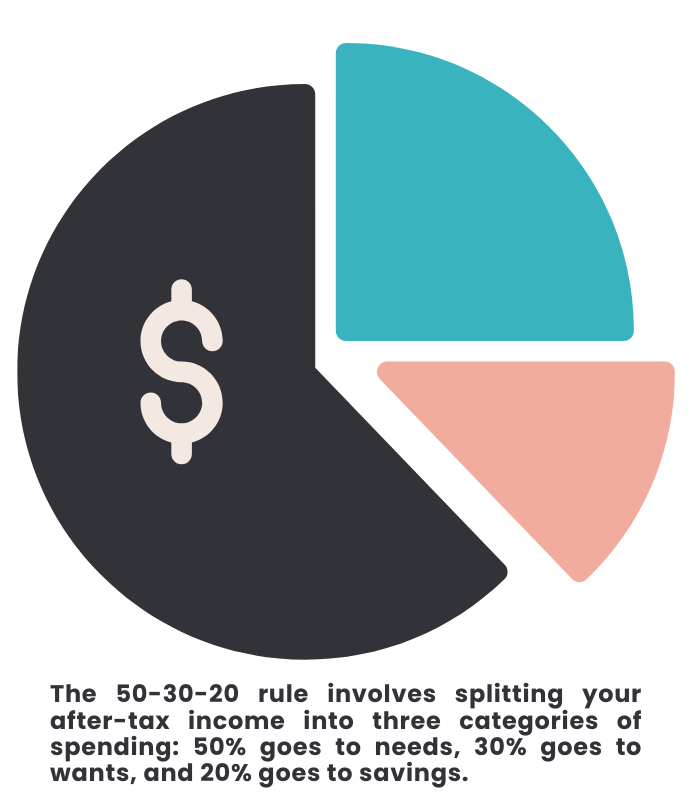
- Understanding the 50/30/20 rule (50% needs, 30% wants, 20% savings/debt repayment).
- Setting up separate accounts for different spending categories.
- Tracking your progress and adjusting as need
STEP 4: ELIMINATE DEBT STRATEGICALLY
Debt doesn’t just drain your wallet; it drains your peace of mind. The Mastering Budgeting and Savings Course provides actionable strategies to tackle debt, including:
- The debt snowball method, which focuses on paying off smaller debts first.
- The debt avalanche method, which prioritizes high-interest debts.
- Techniques for negotiating lower interest rates or consolidating debt.
STEP 5: BUILD A FINANCIAL SAFETY NET
Life is unpredictable, but your finances don’t have to be. Automate your savings to build a robust emergency fund, ideally covering 3–6 months’ worth of expenses. Once your safety net is in place, you can focus on other financial goals with confidence.
Ready to Master Your Money?
Mastering your money isn’t a one-time fix, it’s a journey. But with the right tools, guidance, and a solid plan, you can achieve financial freedom. The Master Your Money Program is for YOU if you are tired of financial stress and ready to transform your relationship with money. Whether you’re managing a family, building your career, or chasing your dreams, this is your chance to gain the clarity, confidence, and habits you need to thrive.
This is more than a mindset shift—it’s a transformation that puts you on the path to lasting financial success! ?
Feb 5, 2025 | Book of the Week, Building Emotional Muscle, Building Financial Muscle, Debt, Debt Repayment, Educational Series, Episodes, Financial Education, Financial Freedom, Financial Health, Financial Management 101, Home Loan, Mindset, Net Worth, Relationships, Retirement, Saving Money, Self Development, Side Hustle
Managing money isn’t just about numbers; it’s about habits, mindset, and access to the right resources. That’s where THE VAULT comes in. It provides the roadmap, monthly coaching, tools, and support you need to transform your finances and unlock your financial potential.
Why Monthly Coaching Matters?
Imagine having a financial coach by your side every month, helping you navigate challenges, stay on track, and celebrate milestones. Here’s what makes regular coaching a life-changing experience:
1. Personalised Guidance
Your financial situation is unique, and cookie-cutter advice just won’t cut it. Monthly Coaching gives you tailored strategies to help you meet your goals, whether you’re tackling debt, building savings, or preparing for a big purchase.
2. Accountability
How often have you set a financial goal only to lose focus within weeks? A monthly check-in with your coach ensures you remain on track. Accountability is the key to transforming intentions into actions.
3. Supportive Community
Being part of a group of like-minded individuals who share their struggles, successes, and insights can be incredibly motivating. You’re not in this alone!
The Power of THE VAULT
1. Comprehensive Courses
THE VAULT includes everything from basic financial literacy to advanced topics like investment understanding. It also features my most popular program, the Mastering Budgeting and Savings Course, which has helped countless clients take control of their money.
2. Interactive Tools
Use tools like budget calculators, expense trackers, and goal-setting worksheets to make managing money practical and straightforward.
3. Live Webinars and Q&A Sessions
Join monthly webinars where you can ask questions, learn from experts, and gain new insights. Topics include budgeting, debt reduction, and financial goal setting.
4. Step-by-step Guides
Not sure where to start? THE VAULT includes step-by-step instructions to help you build a strong foundation in managing your money.
Success Stories: Real People, Real Results
Take the story of Lisa, a single mum working full-time. She joined THE VAULT after struggling for years to make ends meet. With Coach Karen’s guidance and the resources she got from THE VAULT, Lisa paid off $8,000 in credit card debt, built a $5,000 emergency fund, and started saving for her daughter’s education—all in under a year.
Her secret? Following the proven budgeting strategies in the Mastering Budgeting and Savings Course while leveraging the monthly coaching sessions for motivation and accountability.
Ready to Transform Your Finances?
With joining THE VAULT, the life you’ve always dreamed of is within reach. It’s not about earning more—it’s about managing what you have more effectively. Join today and start your journey to financial freedom!
Ready to take the next step? Join THE VAULT today and unlock access to the tools and resources you need to take the stress out of managing your money.
Jan 22, 2025 | Book of the Week, Building Emotional Muscle, Building Financial Muscle, Credit Score, Debt, Debt Payment, Debt Repayment, Financial Education, Financial Freedom, Financial Health, Financial Management 101, Holiday Season, Holiday Spending, Mindset, Net Worth, Relationships, Saving Money, Self Development
Does the thought of opening your bank app make your stomach drop? Are you constantly worried about bills, debt, or whether you’ll ever have enough to get ahead? You’re not alone. Financial overwhelm is incredibly common, especially with the rising cost of living and competing demands on your paycheck. But here’s the good news: you don’t have to stay stuck in this cycle.
In this blog, we’ll explore why financial overwhelm happens and, more importantly, how you can overcome it. By following these practical steps, you can regain control, reduce stress, and create a plan to manage your money with confidence.
Why Do We Feel Overwhelmed by Money?
1. Too Many Unknowns
When you’re not sure where your money is going or how much debt you owe, it’s easy to feel out of control. The unknown creates anxiety, and avoidance becomes a coping mechanism.
2. Unrealistic Expectations
Social media and society often paint an idealised picture of what financial success looks like – think flashy cars, designer clothes, and lavish holidays. Trying to measure up can make you feel like you’re failing, even if you’re doing fine.
3. Emotional Baggage
Money is rarely just about numbers. It’s tied to emotions, past experiences, and even our self-worth. Financial stress can feel personal, making it harder to address objectively.
How to Stop Feeling Overwhelmed?
Step 1: Acknowledge Your Feelings
The first step to overcoming financial overwhelm is to acknowledge it. Pretending you’re fine or ignoring the problem only makes things worse.
How To Do This?
-
-
- Take a moment to name your emotions: Are you feeling stressed, ashamed, or frustrated?
- Write down your worries in a journal. Sometimes, seeing them on paper helps put them into perspective.
- Remind yourself that financial challenges are common and not a reflection of your worth.
Step 2: Understand Your Starting Point
You can’t fix what you don’t measure. It’s time to face the numbers, even if it feels uncomfortable. Knowledge is power, and understanding your financial situation is the first step to regaining control.
How To Do This?
-
-
- List Your Debts: Write down every debt you owe, including balances, interest rates, and minimum payments.
- Track Your Spending: For 30 days, track every expense. This helps you understand where your money is going.
- Calculate Your Net Worth: Add up your assets (savings, investments, property) and subtract your liabilities (debts).
This process might feel daunting, but remember: it’s just data. The goal is to understand your starting point, not to judge yourself.
Step 3: Simplify Your Finances
Complex financial systems add to the sense of overwhelm. Simplify your money management by automating as much as possible and consolidating accounts when appropriate.
How To Do This?
-
-
- Automate Bill Payments: Set up automatic payments for recurring expenses like utilities, rent, or mortgage.
- Streamline Accounts: Consider consolidating multiple credit cards or savings accounts to reduce confusion.
- Set Up Automatic Savings: Even a small, consistent transfer to savings builds momentum and reduces the stress of “finding” money to save.
Step 4: Break Goals Into Bite-sized Steps
Big financial goals can feel intimidating. Instead of trying to tackle everything at once, break your goals into smaller, actionable steps.
Example:
-
-
- Instead of “Pay off $10,000 in debt,” focus on paying an extra $100 a month toward your highest-interest debt.
- Instead of “Save for a home deposit,” aim to save $50 a week into a designated savings account.
- Instead of “Fix my finances,” commit to reviewing your budget once a week.
These small wins build confidence and momentum, making the larger goal feel achievable.
Step 5: Focus On What You Can Control
Financial overwhelm often comes from focusing on things outside your control, like unexpected expenses or economic conditions. Shift your energy to what you can influence.
What You Can Control:
-
-
- How you spend your money
- How you budget and save
- How you approach debt repayment
When you focus on actionable steps, you’ll feel more empowered and less overwhelmed.
Step 6: Build A Support System
You don’t have to navigate your financial challenges alone. Whether it’s a friend, family member, or myself as your financial coach, having someone to talk to can make a world of difference.
Ways To Build Support:
-
-
- Join a Community: Online groups or forums can connect you with people facing similar challenges.
- Work with a Coach: Programs like Master Your Money provide step-by-step guidance and accountability.
- Talk to Your Partner: If you share finances, make sure you’re working together toward shared goals.
Step 7: Shift Your Money Mindset
Sometimes, financial overwhelm is more about mindset than numbers. Reframing how you think about money can reduce stress and help you approach challenges with clarity.
Mindset Shifts To Try:
-
-
- Replace “I’ll never get out of debt” with “I’m taking small steps every day to reduce my debt.”
- Replace “I’m bad with money” with “I’m learning how to manage money better.”
- Focus on progress, not perfection.
Step 8: Celebrate Your Wins
Overcoming financial overwhelm doesn’t happen overnight, but every step you take is progress worth celebrating. Recognising your achievements – big or small, keeps you motivated.
Ways to Celebrate:
-
-
- Treat yourself to a small reward, like a coffee or a movie night, when you hit a milestone.
- Keep a “win journal” where you document every positive financial step.
- Share your success with someone who will cheer you on.
Why 2025 Can Be The Year You Break Free
This year is your opportunity to turn things around. With a clear plan, a supportive community, and the right mindset, you can overcome financial overwhelm and take control of your money. Programs like Master Your Money are designed to help you break through the noise and focus on what matters most: your financial peace of mind.
Conclusion
Feeling overwhelmed by your finances is common, but it’s not permanent. By taking small, intentional steps and focusing on what you can control, you can move from chaos to clarity. Remember, progress is better than perfection, and every step forward is a step closer to financial freedom.
Start today by choosing one action, whether it’s tracking your spending, automating a bill, or simply acknowledging your financial stress. Your future self will thank you for it.
?? You’re earning good income but still feel stuck in a cycle of stress or overspending.
?? You want to break free from limiting beliefs like “I’m bad with money” or “There’s never enough.”
?? You’re ready to build wealth without sacrificing the things you love.
?? You dream of financial freedom and need the tools and mindset to make it happen.
This is more than a mindset shift—it’s a transformation that puts you on the path to lasting financial success! ?
Dec 30, 2024 | Book of the Week, Building Emotional Muscle, Building Financial Muscle, Credit Score, Debt, Debt Payment, Debt Repayment, Educational Series, Financial Health, Financial Management 101, Holiday Season, Holiday Spending, Home Loan, Mindset, Mortgage, Relationships, Retirement, Saving Money, Self Development, Side Hustle
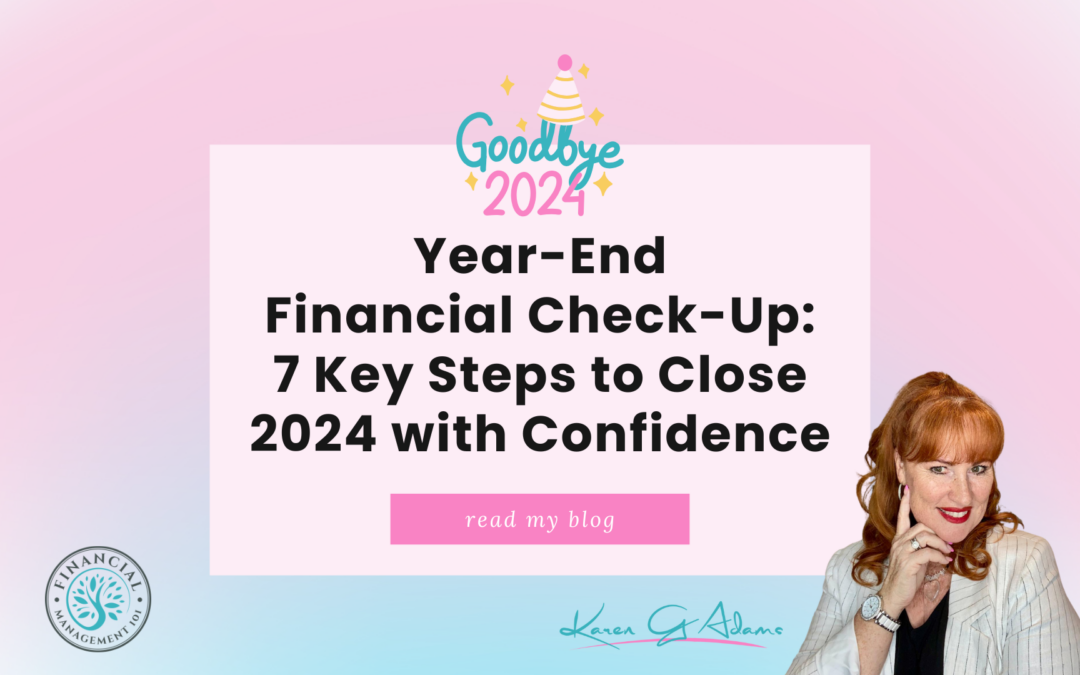
As the year wraps up, it’s time to give your finances a little TLC and prepare to start the new year strong! Think of this as your yearly financial check-up, a simple routine that sets you up for a financially fit future. Here are seven straightforward steps to help you close out 2024 with confidence.
1. Review Your Budget with Fresh Eyes
December is perfect for giving your budget a quick health check. Ask yourself:
-
- Did you stick to your budget most months?
- Are there categories where you regularly overspent?
If you find that certain areas of your budget were tough to stick to, don’t worry; you’re not alone! Make notes on what worked and what didn’t, and consider if those categories need adjusting. Next year’s budget will feel easier to manage if it aligns more closely with your actual spending patterns.
2. Evaluate Your Financial Goals for 2024
Reflect on the goals you set at the beginning of 2024. Did you aim to build an emergency fund, pay off a certain amount of debt, or save for a big purchase? Take a moment to celebrate any wins, big or small, you’ve earned it! If there were goals you couldn’t reach, try to pinpoint what might have held you back. Life happens, and sometimes, adjustments are necessary. Use these reflections to set realistic goals for 2025 that build on the progress you’ve made.
3. Audit Your Subscriptions and Recurring Expenses
Subscriptions can sneak up on you! Take a look at all the services you’re subscribed to, streaming platforms, gym memberships, software, meal kits and decide if they’re still worth the monthly or annual fee. Ask yourself:
-
- Do you use each service enough to justify the cost?
- Are there better deals or bundles that could help you save?
Canceling or downgrading services you no longer use can free up cash you can redirect toward your savings or debt goals.
4. Set a Holiday Spending Plan
The holiday season can be a big budget-buster if you’re not careful. This December, approach holiday spending with a clear plan:
-
- Set a total holiday budget and stick to it.
- Focus on meaningful gifts within your budget and avoid last-minute splurges.
- Consider experiences instead of material items, they often make more memorable gifts and can be cost-effective.
You’ll thank yourself in January when your credit card bills aren’t sky-high!
5. Check-in On Your Emergency Fund
Your emergency fund is your financial safety net, and December is a great time to assess its status. Ideally, you want enough to cover three to six months’ worth of essential expenses.
If your fund has been depleted due to unexpected expenses this year, make a plan to rebuild it. If it’s in good shape, well done!
Consider adding a little extra, even if it’s just a small amount each month, it’s always better to be prepared.
5. Update Your Financial Goals for 2025
End the year by setting some intentional goals for 2025. These don’t have to be massive changes; small, achievable goals can have a big impact on your financial future. A few ideas:
-
- Set a target for increasing your savings rate, even if it’s by a modest amount.
- Commit to paying down a certain percentage of your debt.
- Plan to invest in education or skills that could lead to higher income opportunities.
Whatever your financial goals, write them down and keep them visible. By starting now, you’ll be well-prepared to tackle them come January.
Final Thoughts
Closing out the year with a financial check-up is a powerful way to put yourself in the driver’s seat for 2025. These six steps are simple but effective and give you a clear view of your financial health. Here’s to closing out 2024 strong and stepping into 2025 with confidence!
Are you ready to make 2025 your breakthrough year?
MASTER YOUR MONEY is for YOU if you are tired of financial stress and ready to transform your relationship with money. Whether you’re managing a family, building your career, or chasing your dreams, this is your chance to gain the clarity, confidence, and habits you need to thrive.
This is more than a mindset shift—it’s a transformational program that puts you on the path to lasting financial success! ? Click the button below to book a call with Karen to see if this program is right for you!