Budgeting Without the Boring: The Money Map Method That Actually Works

Budgeting Without the Boring: The Money Map Method That Actually Works

Let’s be honest for a second. The word “budget” has the same vibe as:

  • “We need to talk…”
  • “Your call is being transferred…”
  • “Please see the attached invoice…”

It makes people tense. Defensive. Slightly sweaty. 😅

And here’s the irony: most people don’t hate having a plan. They hate the way budgeting has been sold to them – like it’s punishment for daring to enjoy life.

So today, I’m giving you a different approach.

Not a strict budget.
Not a spreadsheet that needs a PhD to operate.
Not a system that makes you feel like you have to track every piece of gum you’ve ever purchased.

This is Money Mapping – the method I use with clients who want to feel in control, not controlled.

Because your money doesn’t need a prison.

It needs a plan. A plan that fits your actual life. Not the version of you who meal preps on Sundays and never impulse buys at Kmart.

(If that version of you exists, I’d like to meet her. She sounds organised and slightly intimidating.)

Why Traditional Budgets Fail (and why it’s not your fault)

Most budgets fail for three reasons:

1) They’re too restrictive

People try to cut everything at once: coffees, fun, birthdays, little treats, takeaway, holidays… and then wonder why they rebound like a rubber band.

If a budget feels like suffering, you won’t stick to it.
Your brain will treat it like a threat.
And humans don’t do “threat” long-term.

2) They’re too complicated

Forty-seven categories. Daily tracking. Constant adjustments.
You miss one thing and suddenly you feel like you’ve “failed.”

A budget that requires constant maintenance becomes another job.
And nobody needs a second job that doesn’t pay.

3) They’re built on guilt, not goals

Many budgets are basically: “Stop spending money on things that make you happy.”

No thanks.

Money mapping works because it’s:

  • simple
  • flexible
  • based on priorities
  • designed for consistency, not perfection

What is a Money Map?

A Money Map is a simple plan that tells your money where to go before life grabs it.

It answers these questions:

  1. What must be paid? (essentials + bills)
  2. What matters to you? (your priorities)
  3. What are we building? (savings, emergency fund, investing, debt reduction)
  4. How do we keep your life enjoyable while still making progress? (yes, fun stays)

A money map is not about tracking every dollar.
It’s about creating a flow.

And when your money flows with intention, financial stress drops fast

A Money Map is a simple plan that tells your money where to go before life grabs it.

The Big Mindset Shift: A Budget Isn’t Restriction – It’s Permission

I want you to reframe this:

A budget isn’t a list of things you can’t do.
It’s a permission slip that says:

✅ “Yes, you can spend money on what you love.”
✅ “Yes, you can have fun.”
✅ “Yes, you can enjoy your life.”
and also
✅ “Yes, you can build wealth and feel safe.”

That’s the goal: enjoying today while protecting tomorrow.

The Money Map Framework (Simple, Powerful, Real-Life Friendly)

Here’s the structure I recommend. It’s clean and easy:

Category 1: Essentials (Must Pays)

These are the costs of keeping your life running:

  • mortgage/rent
  • utilities
  • groceries
  • fuel/transport
  • insurance
  • minimum debt repayments
  • childcare/school essentials
  • basic medical

These are your “keep the lights on” expenses.

Category 2: Future You (Your Financial Muscle)

This is where you build safety and wealth:

  • emergency fund
  • sinking funds (car rego, Christmas, school costs, rates, holidays)
  • extra debt repayments
  • investing/super top-ups (where appropriate)

Future You deserves funding. Not “whatever’s left.”

Rainy Day Fund or Emergency Fund

Category 3: Fun & Freedom (Guilt-Free Spending)

This is the category that keeps you sane:

  • coffees
  • dinners out
  • entertainment
  • hobbies
  • shopping (within reason, Karen… within reason 😄)
  • little treats

The reason most budgets fail is because this category is either missing or unrealistically small.

We’re not doing that here.

Step-by-Step: How to Build Your Money Map in Under an Hour

Grab a pen, notes app, or whatever you use when you’re feeling productive for five minutes.

Step 1: Find your baseline numbers

Look at the last 4–8 weeks of spending (not because we love pain, but because data helps).

Write down:

  • total income (after tax)
  • total essentials
  • average weekly spending (groceries, fuel, eating out, shopping)
  • debt minimums
  • any annual bills that sneak up (rego, insurance, school, rates)

You’re not judging. You’re observing.

Step 2: Choose your “Money Map style”

There are two main styles:

  1. A) Weekly Flow Map (best for people paid weekly/fortnightly)
  • Allocate money each pay into Essentials / Future You / Fun
  1. B) Monthly Map (best for salaried monthly pay)
  • Set amounts for each category and automate them

If you’ve tried budgeting before and it didn’t stick, weekly is usually easier because it gives faster feedback.

Step 3: Set up separate accounts (this is where the magic happens)

I’m going to say this lovingly:

If all your money sits in one account, your brain will treat it like it’s all available.
That’s not a discipline problem. That’s a human brain problem.

A simple setup is:

  1. Bills account (Essentials)
  2. Spending account (groceries/fuel/fun)
  3. Future You account (emergency + sinking funds)

Automation is your best friend. Because you’re busy.
And your money system should run even when you’re tired.

Step 4: Decide your “non-negotiables”

These are your priorities — the things you want your money to reflect.

Examples:

  • “I want to stop feeling anxious about bills.”
  • “I want an emergency fund.”
  • “I want to pay off this debt.”
  • “I want to travel without putting it on a credit card.”
  • “I want to stop fighting with my partner about money.”

Your money map should support your real goals — not someone else’s idea of financial success.

Step 5: Allocate your numbers (start simple)

Here’s a starting point many people can relate to:

  • Essentials: 60–75%
  • Future You: 10–20% (even 5% is a start if money is tight)
  • Fun & Freedom: 10–20%

If your essentials are currently higher than 75% — you’re not alone. Cost of living has been doing the most.

This is where strategy matters: we might need to reduce leaks, renegotiate bills, or adjust the debt plan to create breathing room.

Step 6: Create one weekly “Money Date” (10 minutes)

Once a week:

  • check what’s coming out
  • check what’s coming in
  • make sure bills are covered
  • adjust your spending category if needed

No drama. No self-lectures. Just a quick check-in.

Think of it like brushing your teeth. You don’t do it once and call it done forever.

The “I Hate Tracking” Version: The 3-Number Method

If you’re someone who rebels against tracking (I see you), do this instead:

Pick three numbers each week:

  1. Your weekly spending limit (food + fuel + fun)
  2. Your weekly Future You transfer
  3. Your “buffer amount” you want to keep in your spending account

Then the rule is simple:
When spending hits the limit… you stop spending until next week.
No guilt. Just boundaries.

This is the system many of my clients love because it’s:

  • quick
  • clear
  • low-maintenance
  • effective

Money Map in Real Life: What This Looks Like (Example)

Let’s say your household brings in $2,500 a week after tax.

You might map it like this:

  • $1,700 Essentials (bills, groceries, fuel, minimum debt)
  • $400 Future You (emergency fund + sinking funds + extra debt)
  • $400 Fun & Freedom (eating out, treats, spending money)

Then you automate:

  • $1,700 goes straight into Bills account
  • $400 into Future You account
  • $400 stays in Spending account

Now you’re not trying to “budget” daily.
You’re simply spending from the right place.

And when your Spending account runs low, it gives you a clear signal:
“That’s it for this week.”

No spreadsheet required.

What If There’s Not Enough Money to Map?

This is the part where I get very real with you:

If you feel like there’s never enough, it doesn’t mean you’re failing.
It means your map needs to include leak-plugging and breathing space first.

Here’s what I do with clients when money is tight:

  1. tighten obvious leaks (subscriptions, lazy renewals, bank fees)
  2. build a tiny emergency buffer (even $500 can change your stress levels)
  3. stabilise bills and reduce panic spending
  4. create sinking funds for predictable expenses
  5. then build momentum

You don’t jump from stressed to thriving in one week.
But you can absolutely move from chaos to calm with the right steps.

The Most Important Part: Your Money Map Must Match Your Personality

Some people need structure.
Some need flexibility.
Some need boundaries.
Some need permission.

So here are a few personality-based tweaks:

If you’re an overspender:

  • reduce “available money” in your spending account
  • use separate “fun” cash or a dedicated card
  • increase automation

If you’re an underspender/anxious saver:

  • allocate guilt-free fun money and actually spend it
  • focus on safety targets (emergency fund)
  • build confidence with small consistent steps

If you’re a “set and forget” person:

  • automate everything
  • schedule the weekly money check-in
  • keep categories very simple

If you’re a couple/family:

  • do a shared Money Map + personal spending allowances
  • agree on the weekly “household number”
  • remove judgement from the conversation

Money mapping isn’t one-size-fits-all.
It’s “your life, your values, your plan.”

If You Want This to Stick, Join the Membership

Now, if you’re reading this thinking:

“Okay… this makes sense. But I need help setting it up properly.” or “I’ve tried before and I fall off the wagon.” or “I want a system that actually fits my life.”

That’s exactly what my Membership is for.

Because here’s the truth:

Most people don’t need more information. They need support, structure, and someone to keep them consistent.

Inside the Membership, we don’t just talk about budgeting. We:
✅ build your personal Money Map (based on your real numbers)
✅ set up accounts and automation so it runs without willpower
✅ create sinking funds so life stops surprising you
✅ learn how to manage spending without guilt
✅ build financial muscle with ongoing guidance and community

You’re not meant to do this alone.

If you’re ready to stop winging it and start feeling calm and in control, join the Membership.
Let’s build your Money Map together — and get your financial house in order the smart way.
budgeting without spreadsheets, simple budget method, cash flow planning, how to budget in Australia, reduce financial stress, personal finance tips, money management system, budgeting for beginners, weekly money check-in, sinking funds, financial management 101, Karen G Adams, financial coaching


 

How Can I Reset My Money Mindset This Year and Finally Feel in Control of My Finances?

How Can I Reset My Money Mindset This Year and Finally Feel in Control of My Finances?

It’s Not Just About the Numbers – It’s About Your Mindset

Look, you can have the best spreadsheet in the world…

You can download all the budget apps, cut back on coffee, and cancel every subscription.

But if your money mindset hasn’t shifted? You’ll still feel stuck, overwhelmed, or like “you’re just not good with money.”

Let’s fix that because 2026 is the year we stop dragging last year’s money baggage into our future.

This blog is your ultimate guide to resetting your mindset, clearing out old financial beliefs, and building a powerful, positive relationship with money.

And yes – it’s fun, it’s doable, and it’s way more effective than another boring budget.

Let’s go.

What Even Is a Money Mindset?

Your money mindset is the collection of beliefs, emotions, and thoughts you have about money. It’s your personal “money story” – the internal script you repeat (often subconsciously) about earning, saving, spending, and wealth.

Some of it comes from your childhood, your past experiences, or society’s weird money rules. And here’s the wild part: It influences every single money decision you make.

Your mindset determines whether you:

  • Save confidently or hoard out of fear
  • Ask for more money or shrink your value
  • Budget with ease or avoid your bank balance like it’s haunted

Signs You Might Need a Money Mindset Reset

?‍♀️ You feel anxious or guilty every time you spend money
? You avoid looking at your bank account or credit card
?‍♂️ You say things like “I’m just bad with money” or “I’ll never get ahead”
?‍♀️ You feel stuck in a paycheck-to-paycheck cycle, even when your income grows

If that sounds like you, it doesn’t mean you’re broken – it means it’s time to reprogram your financial brain.

Step 1: Identify the Old Money Stories Holding You Back

Before you can shift your mindset, you need to see what you’re working with.

Ask yourself:

  • What did I learn about money growing up?
  • What do I believe about wealthy people?
  • When I think about money, do I feel free or fearful?

Some common limiting beliefs:

  • “There’s never enough money.”
  • “Money is hard to manage.”
  • “I’m not good with numbers.”
  • “More money means more stress.”

? None of these are facts. They’re just beliefs. And beliefs can change.

Step 2: Choose Empowering New Money Beliefs

You get to write a new story this year. Start by replacing the old thoughts with intentional, positive ones:

Instead of: “I’m bad with money” → Say: “I’m learning how to manage my money powerfully.”
Instead of: “I’ll never get ahead” → Say: “Every dollar I manage well moves me forward.”
Instead of: “Money is stressful” → Say: “Money is a tool I’m learning to use with confidence.”

✨ Tip: Write your new beliefs down. Post them on your mirror. Make them your phone wallpaper. Say them out loud. Train your brain to believe better.

Step 3: Connect Your Money to What You Actually Value

Ask yourself:

  • What do I want money to do for me this year?
  • What do I value most – freedom? stability? generosity? joy?
  • How can I align my spending and saving with those values?

Example: 

If you value peace of mind, create a savings plan.
If you value freedom, reduce debt.
If you value fun, build in guilt-free spending money.

Money doesn’t just serve numbers – it should serve your life.

Money doesn’t just serve numbers - it should serve your life.

Step 4: Make Mindset Work Part of Your Routine

You don’t go to the gym once and expect abs, right?
Same with your mindset. It takes repetition.

Here’s a weekly reset routine you can follow:

? Money Mindset Reset (10 Minutes):

  • Review your thoughts from the week – what came up around money?
  • Journal one thing you’re proud of financially
  • Write or say one new belief out loud
  • Visualise yourself succeeding with money

? Do this every Sunday before your weekly budget check-in and you’ll be unstoppable.

Step 5: Surround Yourself With New Financial Energy

If you want to upgrade your mindset, you need to upgrade your environment.

That might look like:

  • Listening to empowering money podcasts
  • Following financial educators who speak your language (hello ? yes me ?)
  • Talking about money with friends who are also growing
  • Hiring a coach who helps you reframe, reset, and rise (hello ? yes me again ?)

You can’t change your money mindset in isolation. That’s why I created my Financial Muscle Coaching Membership.  It’s where financial growth meets real community and support.

Listen to empowering money podcasts like Managing Money Made Easy

Step 6: Replace Shame With Curiosity

When things go “wrong”  you overspend, forget a bill, or avoid a budget – don’t spiral into shame. Instead, ask:

  • What triggered this?
  • What do I need right now – support, structure, or space?
  • What can I do differently next time?

Every financial hiccup is just data. Don’t let one moment of messiness define your entire money story.

You’re allowed to be a work in progress and a success story at the same time.

Step 7: Set Mindset-Based Goals for the Year

Let’s skip the boring “save more, spend less” vibe.

Try these instead:

  • “This year, I’m building my financial self-trust.”
  • “This year, I’m proving I can stick to one habit consistently.”
  • “This year, I’m learning to enjoy managing my money.”

Then break that into monthly goals:
✅ January: Track every dollar
✅ February: Create a spending plan aligned to my values
✅ March: Build an emergency fund of $300

Momentum creates confidence and mindset fuels momentum.

Final Thoughts: You Can’t Budget Your Way Out of a Scarcity Mindset

If you’re stuck in fear, guilt, or shame around money, no spreadsheet will save you. You have to go deeper. And you have to believe that a new relationship with money is possible for you.

Because it is.

You are not bad with money.
You are not too far behind.
You are not stuck – you’re just getting started.

And when you build a strong, positive money mindset? Everything else gets easier.

Let’s build that mindset muscle together.

? Join Financial Muscle Coaching

If you’re ready to change your money mindset, build real financial confidence, and create a life that feels good – not just looks good on paper – I’ve got you.

Join Financial Muscle Coaching – my coaching community where we:
✅ Rewrite limiting money stories
✅ Build strong, sustainable habits
✅ Create aligned goals you actually want to follow

This isn’t just budgeting. This is mindset, motivation, and muscle – built week by week, with me in your corner.

Your money mindset reset starts here. Let’s go. ?

Join Financial Muscle Coaching Now

#HowToResetMyMoneyMindset #WhyDoIFeelOutOfControlWithMoney #HowToFeelInControlOfFinances #ResetMoneyMindset2025 #NewYearFinancialMindset #HowToStartFreshWithMoney #MindsetShiftForMoney #RebuildMoneyConfidence #WhatIsMoneyMindset #MoneyMindsetTransformation #MoneyMindset #MoneyConfidence #FinancialReset #MoneyHealing #FinancialEmpowerment #AbundanceMindset #WealthMindset #MoneyCoach #MoneyGoals2025 #FinancialMuscle

Why Do Most People Fail at Their New Year’s Resolutions and How Can I Actually Stick to My Financial Goals This Year?

Why Do Most People Fail at Their New Year’s Resolutions and How Can I Actually Stick to My Financial Goals This Year?

New Year, Same Resolutions? Let’s Talk About It.

Ahhh January the month of green smoothies, gym selfies, and freshly purchased planners that are definitely going to change your life this time, right?

If you’re like most people, you’ve probably made a few New Year’s resolutions that sounded amazing on January 1st… but by February? They’re long forgotten, buried under Uber Eats receipts and good intentions.

And when it comes to money goals? Ohhh, this is where the guilt hits hard.

So let’s break it down: Why do New Year’s resolutions fail and what can you do instead to actually stick to your financial goals this year?

Spoiler: It’s not about willpower. It’s about building financial muscle and that’s what I help people do every day.

The Stats Don’t Lie – Most Resolutions Don’t Last

According to research:

  • 43% of people expect to fail their resolutions by February
  • Only 9% actually feel successful by the end of the year
  • The most common failed resolutions? Diet, fitness… and yes — money

Why? Because most resolutions are made in the heat of a moment – not rooted in a system, a strategy, or support.

We say things like:

  • “I’m going to save $5,000 this year!”
  • “I’m cutting up ALL my credit cards!”
  • “I’ll never spend money on takeout again!”

…but we don’t have a real plan behind it. Just hope, hype, and maybe a pretty notebook.

New Year’s Resolutions

Why Financial Resolutions Fail: The Real Talk

Here’s what I’ve seen in my coaching practice over and over:

  1. The goal is too vague.
    “Get better with money” isn’t a goal – it’s a wish. Your brain doesn’t know what to do with that.
  2. There’s no timeline.
    Saving “someday” or “this year” doesn’t create urgency or clarity.
  3. You try to do too much, too fast.
    Going from zero to “never spending a dollar unless it’s pre-budgeted” is like deciding to run a marathon when you haven’t walked around the block in months.
  4. No accountability.
    When you’re the only one who knows your goals… it’s easy to quit. Life gets busy, bills pile up, and suddenly, your “big resolution” is a tab you closed weeks ago.
  5. Shame gets in the way.
    One slip-up, and your inner critic screams, “See?! You always mess this up!” And so you give up again.

Sound familiar?

So What Actually Works? (This Is Where It Gets Fun)

Instead of setting rigid resolutions, try this instead:

✅ Set Clear Financial Intentions – Not Punishments

Financial intentions focus on who you want to become and how you want to feel – not just what you want to do.

For example:

  • “I want to feel peaceful when I check my bank account.”
  • “I want to be someone who saves consistently.”
  • “I want to feel proud of my money decisions.”

From there, we build small, tangible goals that align with that intention. That’s the sweet spot.

✅ Build Micro Goals That Stack Into Momentum

Instead of “Save $5,000 this year,” try:

  • “Transfer $100 every payday to my savings account.”
  • “Do 1 no-spend weekend per month.”
  • “Track my spending daily for 30 days.”

These small actions feel doable and when done consistently, they change everything.

✅ Have a System – Not Just a Goal

Anyone can write a goal. But what’s your system to get there?

Here’s a basic system I teach inside my Financial Muscle Coaching:

  1. Weekly money check-ins (10 minutes)
  2. Monthly budget reviews
  3. Track 1 habit at a time (like spending or debt payments)
  4. Celebrate progress every month.

Have a Money Budgeting System

Systems create structure and structure creates success. Don’t wait – join the membership now and start living your best life from today.

Join Financial Muscle Coaching Now

#WhyDoResolutionsFail #HowToStickToFinancialGoals #WhyCantIKeepNewYearGoals #NewYearMoneyResolutionHelp #HowToMakeMoneyGoalsThatLast #MoneyGoalsNotResolutions #HowToStayMotivatedWithMoney #BreakTheCycleWithMoney #SmartFinancialGoals2025 #BuildBetterMoneyHabits #NewYearsResolutionFail #MoneyGoals2025 #FinancialGoalsThatStick #BudgetGoals #MoneyHabits #ResolutionReset #MoneyCoaching #FinancialMuscle #GoalSettingTips #SmartMoneyMoves 

Debt Freedom: 3 Simple Shifts That Accelerate Your Payoff Plan (Without Losing Your Mind!)

Debt Freedom: 3 Simple Shifts That Accelerate Your Payoff Plan (Without Losing Your Mind!)

Let’s get honest for a second. Debt… it’s a heavy word, right? For many of us, just hearing it triggers:

  • A knot in the stomach.
  • A wave of shame or regret.
  • That overwhelming thought: “Will I ever get out of this?”

If this sounds familiar, take a deep breath – you are not alone. Whether it’s credit cards, student loans, car payments, or that lingering medical bill, debt can feel like a mountain that just keeps growing. But here’s the truth most people won’t tell you:

Debt freedom isn’t just about paying more toward your balances – it’s about shifting the way you think, act, and plan with your money.

Today, I’m going to walk you through:

  • Why traditional debt payoff advice often backfires.
  • The three powerful mindset shifts that can accelerate your debt payoff (without sucking all the joy out of your life).
  • How your credit score, saving, and debt freedom are more connected than you think.
  • Simple steps you can take right now to start feeling empowered and in control.

And yes, we’ll keep it light, fun, and inspiring, because you deserve to feel good about your money journey, even while tackling debt.

? The Problem with Traditional Debt Advice (Why It Doesn’t Work for Most People)

Let’s start here. If you’ve ever Googled “how to pay off debt fast,” you’ve probably seen some version of this advice:

  • “Cut out all unnecessary spending.”
  • “Stop eating out.”
  • “Work a second (or third) job.”
  • “Sell everything you own.”

And sure… some of these tips can help in extreme situations. But for most people, this kind of advice:

  • Feels impossible to stick with long-term.
  • Creates a cycle of guilt and burnout.
  • Ignores the emotional and psychological side of debt.

Here’s the truth:

Debt isn’t just a numbers problem, it’s a behavior and mindset problem, too. Yes, we need to talk about strategy, but if we skip the emotional side of debt, we’ll never create lasting results.

Getting Out of Debt Starts in Your Mind

Why Getting Out of Debt Starts in Your Mind (Not Just Your Wallet)

Debt can feel like quicksand, but it’s often not just about the math. It’s about:

  • The stories you tell yourself about money.
  • The shame or guilt you carry from past mistakes.
  • The anxiety that makes you want to avoid looking at your accounts.

Think about it:

  • How many times have you avoided checking your credit card balance?
  • How often do you think, “I’ll deal with this later,” when it comes to debt?
  • How many times have you paid off a balance, only to end up back in debt again later?

This isn’t about being “bad” with money – it’s about being human.

We live in a world that encourages overspending, instant gratification, and comparison. Debt happens. But freedom from it? That happens when you combine practical steps with internal shifts.

? The 3 Simple Shifts That Can Speed Up Your Debt Freedom Journey

Let’s dive into the real magic. Here are the three powerful mindset shifts that can help you:

  • Pay off debt faster.
  • Stop the cycle of yo-yo debt.
  • Build financial confidence along the way.

Shift #1: From Shame to Ownership

Here’s the thing about debt: It thrives in secrecy.

The more we hide from it, the more it grows, and the worse we feel. Shame sounds like:

  • “I should have known better.”
  • “I’m terrible with money.”
  • “I’ll never get ahead.”

But here’s the truth:

  • Debt doesn’t define you.
  • Your past mistakes don’t determine your future.
  • You can learn new skills and create different results.

The first step toward debt freedom isn’t cutting expenses, it’s cutting the shame.

Action Step:

  • Write down your total debt, every dollar, every balance.
  • Look at it with neutrality – this is data, not a character flaw.

Say this out loud:

“This is where I am right now. It’s not permanent. I have the power to change it.” This simple shift from shame to ownership changes everything.

Shift #2: From Scarcity to Empowered Planning

Many people approach debt payoff from a place of fear:

“I need to get rid of this ASAP or else!”

“I have to sacrifice everything until I’m debt-free.”

But here’s the problem:

  • Extreme approaches rarely last.
  • Scarcity leads to burnout and yo-yo spending.

Instead, approach debt payoff from a place of empowerment: “I am intentionally choosing where my money goes each month.”

This means:

  • Making a realistic debt payoff plan that fits your actual life.
  • Balancing progress with joy, you don’t have to cut everything you love.
  • Prioritising consistency over speed.

Action Step: Choose a debt payoff method that feels good to you:

  • Debt Snowball: Pay off the smallest balance first for quick wins.
  • Debt Avalanche: Pay off the highest-interest debt first to save money long-term.

Create a monthly payment plan that includes money for fun and savings. This way, you’ll stay motivated—and avoid slipping back into debt later.

Create a monthly payment plan that includes money for fun and savings.

Shift #3: From Avoidance to Proactive Credit Care

Ah, credit scores, the mysterious numbers that somehow rule our financial lives. Many people either obsess over their credit or completely avoid it. But here’s the truth:

  • Your credit score isn’t your enemy, it’s just a tool.
  • You don’t need to obsess over it daily, but ignoring it won’t help either.

Proactive credit care means:

  • Checking your credit report at least once a year (you can do this for free!).
  • Disputing any errors that could be dragging your score down.
  • Making consistent, on-time payments to build positive credit history.
  • Keeping credit utilization low (aim for under 30% of your limits).

Action Step:

  • Go to equifax.com.au and pull your free credit report.
  • Check for errors or suspicious activity.
  • Set up automatic payments for at least the minimum on all debts to protect your score.

When you face your credit head-on, it becomes a tool, not a threat.

? Debt Freedom & Saving: The Power Duo

Here’s something most debt advice misses: Paying off debt without saving at the same time can backfire. Why? Because if you throw every dollar at debt but don’t have any savings, guess what happens the next time life throws a curveball? Yep – you end up right back in debt.

Even while you’re paying off debt, it’s essential to:

  • Build a starter emergency fund (even just $500 to $1,000).
  • Save a little every month, even if it’s $10 or $25.

This small cushion keeps you from relying on credit when unexpected expenses pop up, and they will.

Action Step:

  • Open a separate savings account (nicknamed “Safety Net” if you like!).
  • Set up automatic transfers – even small ones.
  • Celebrate every deposit, no matter how small.

This helps break the cycle of debt for good.

? Why Debt Freedom Is More Emotional Than You Think

Here’s something I see all the time in my coaching work: People think paying off debt will automatically make them feel better.

But here’s the secret:

  • Debt freedom feels amazing, but it also brings up unexpected emotions.
  • Many people feel a strange sense of loss when they finish paying off debt.
  • Others struggle with identity shifts – “Who am I without debt?”
  • And some even self-sabotage and fall back into debt again.

This is why working on your money mindset while paying off debt is so important. It’s not just about the numbers, it’s about your emotional relationship with money, freedom, and self-worth.

Working on your money mindset while paying off debt is so important.

? Your Debt-Free Future Starts with One Step (But It’s Not What You Think)

If you’re feeling overwhelmed by your debt right now, here’s what I want you to know:

You don’t need to:

  • Have a perfect plan.
  • Pay it all off overnight.
  • Deprive yourself to succeed.

You just need to:

  • Get clear on your numbers.
  • Shift your mindset from shame to empowerment.
  • Take consistent, small actions.

And yes – this is exactly why inside my Your Financial Freedom Breakthrough™ – 90 Day Money Makeover program, we don’t just talk about debt payoff tactics. We go deep into:

  • Money mindset shifts that last.
  • Customised debt payoff strategies that work for your real life.
  • Credit confidence – so you’re empowered, not intimidated.
  • Saving alongside debt payoff to build true financial stability.

It’s about creating a debt-free life you love – not one that feels like a punishment. 

? Ready to Take Action? (Mini Challenge!)

Let’s finish this post with a quick action step to help you get started today.

Debt Freedom Mini Challenge:

  1. Write down your current total debt balance – no judgment, just facts.
  2. Choose your preferred payoff method: Snowball (smallest balance first) or Avalanche (highest interest first).
  3. Set a realistic target date for your first major milestone – paying off ONE account.
  4. Automate your minimum payments, plus an extra small amount toward your top-priority debt.
  5. Start a tiny emergency fund – even just $10 this week – to protect your progress.

Take one step at a time, and watch the momentum build.

? Final Thoughts: You’re Closer to Debt Freedom Than You Think

Here’s what I want you to walk away with today: Debt freedom isn’t about punishment – it’s about empowerment. You don’t have to wait to feel good about your money – you can start now, even while in debt. Small, consistent shifts – both practical and emotional – are what create lasting change.

And if you’re ready to take this work deeper – so you can finally break free from debt, grow your savings, and feel peaceful with your money? Your Financial Freedom Breakthrough™ – 90 Day Money Makeover program opens on September 10th. Inside, we’ll tackle:

  • Debt payoff (without shame or extreme restrictions).
  • Credit confidence (in plain English!).
  • Sustainable saving habits.
  • And the deep money mindset work that makes all the difference.

This isn’t just another debt payoff plan, it’s a total transformation for your financial life. Get ready, friend – your next chapter starts soon.

Your Financial Freedom Breakthrough™
Your Financial Freedom Breakthrough™ - Scope
From Chaos to Clarity: How to Create a Money Plan That Actually Works

From Chaos to Clarity: How to Create a Money Plan That Actually Works

Ever feel like your money is running you instead of the other way around? Like no matter how much you earn, there’s always more month than money?

If you nodded (or sighed), you’re not alone. The good news? You don’t need a finance degree, a six-figure income, or a strict budget to take control. You just need a money plan that works for you.

In this blog, we’ll ditch the overwhelm and walk through exactly how to create a simple, empowering money plan that gives you clarity, confidence, and real momentum.

Let’s go from chaos to clarity – starting today.

1. Start With Your “Why”: Anchor Your Money to What Matters

Before we dive into numbers, let’s get clear on your why. Because unless your money plan connects to something meaningful, it won’t stick.

Ask yourself:

  • What would feeling in control of my money allow me to do?
  • What does financial peace look like to me?
  • What am I working toward?

Your answers might include:

  • Paying off debt to sleep better at night
  • Saving for a dream trip or home deposit
  • Creating options so you can work less or start a business

Write your top 2 – 3 motivations down. These are your compass when the budget feels boring or things go off track.

2. Know Your Numbers (Without the Shame Spiral)

You can’t improve what you don’t measure. So let’s get honest, not harsh. Gather the basics:

  • Your income (all sources)
  • Your recurring bills
  • Your debt repayments
  • Your spending patterns (groceries, eating out, transport, etc.)
  • Your current savings and investments

Pro tip: Use the last 2–3 months of bank statements to see where your money actually went. You might be surprised (hello, Uber Eats). This isn’t about judgment. It’s about clarity.

3. Create a Simple Money Plan (The 70/20/10 Rule)

Forget complicated budgets with 47 categories. Here’s a simple, flexible formula you can actually stick to:

  • 70% for living: rent/mortgage, groceries, transport, lifestyle
  • 20% for financial goals: savings, debt repayments, investments
  • 10% for the future: extra super, long-term wealth building

The percentages aren’t set in stone. Adjust based on your situation. The key is having a structure that makes sure you’re not spending 100% of your income with nothing left to show for it.

Action step: Plug your own numbers into this formula and see where you land. If you’re off track, that’s your roadmap for change.

Create a Simple Money Plan

4. Automate Your Money Flow (And Take the Stress Out)

Once you know where your money should go, make it happen on autopilot.
Set up automatic transfers:

  • To a separate savings account (nickname it for motivation: “Italy 2026” or “Debt-Free Me”)
  • To cover bills and direct debits
  • To long-term savings or investment accounts

When you automate, you eliminate the willpower game. You’ll save without thinking and avoid last-minute money panic.

Bonus tip: Use a separate account for discretionary spending (like a digital “cash envelope”). When it’s empty, it’s empty.

5. Create an Emergency Buffer (For Life’s “Oh No!” Moments)

Life is full of surprises. Your washing machine breaks, your car needs fixing, or your job suddenly changes.

Having even $1,000 in a buffer fund means you don’t have to reach for the credit card every time life happens.

Aim for 1 month of essential expenses first, then build to 3. But start where you are, every $50 counts. Keep it in a separate high-interest savings account you can access in a true emergency (not Friday night online shopping).

6. Track Progress Without Obsessing

You don’t need to check your bank app five times a day. But regular check-ins keep you engaged and help you spot problems early.

Ideas to stay on track:

  • Weekly money date: review transactions, check balances, update goals
  • Monthly review: celebrate wins, adjust if needed

Use a simple app or spreadsheet to track goals

The goal isn’t perfection. It’s progress.

7. Keep Learning and Stay Inspired

Your relationship with money is lifelong. The more you understand it, the more confident you’ll feel. Try:

  • Reading a finance book this quarter
  • Listening to a weekly money podcast
  • Following finance educators on socials
  • Booking a session with a financial coach to personalise your plan

There’s no shame in not knowing something – only in staying stuck.

Clarity = Confidence = Momentum

When your money feels chaotic, it can affect everything: your stress levels, your sleep, your relationships, and your ability to plan ahead. But creating a money plan that actually works isn’t about spreadsheets or sacrifice. It’s about:

  • Getting clear on what matters to you
  • Creating a simple, sustainable system
  • Building habits that support your goals

And the best part? You can start today. One step. One decision. One plan.

If you’re ready to get out of the fog and into financial clarity, let’s talk. Book your free discovery call and let’s map out your next steps – with zero jargon, zero judgment, and 100% support.

Because you can feel good about your money. You just need a plan that fits your life.

No more chaos. It’s your time for clarity. Let’s make it happen.

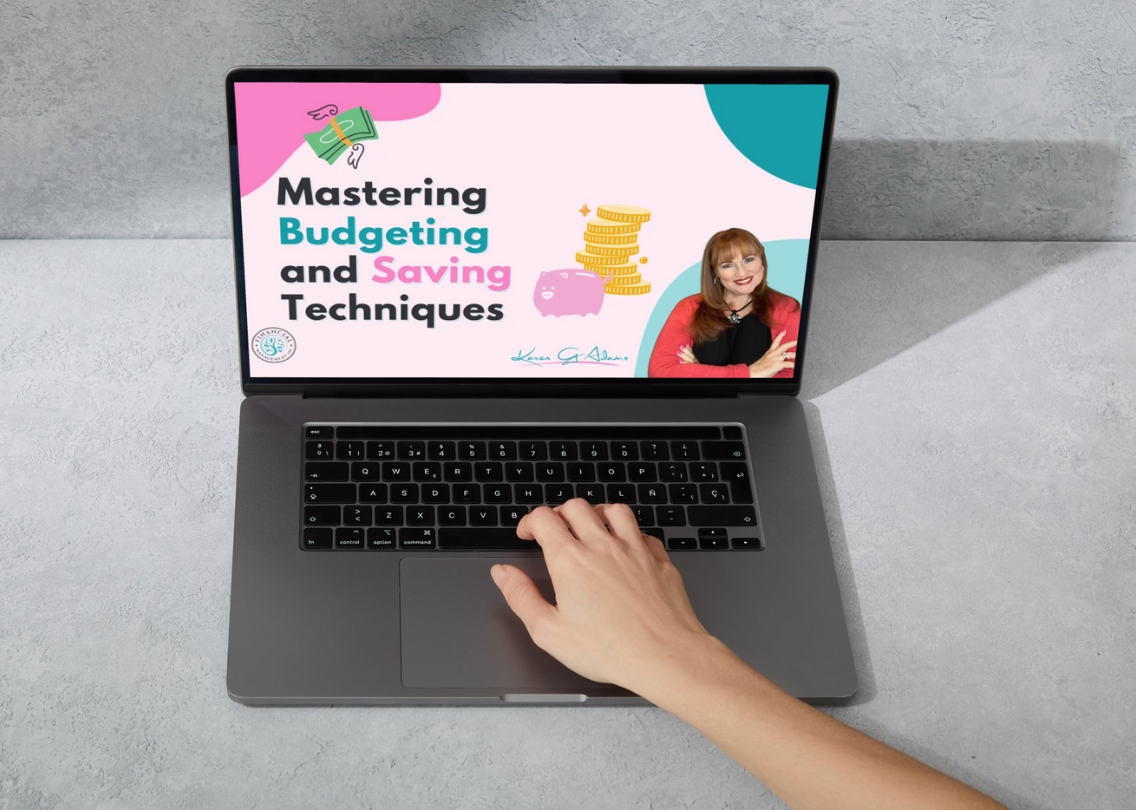
Mastering Budgeting and Saving
The Vault