How to Stop Feeling Overwhelmed by Your Finances in 2025

How to Stop Feeling Overwhelmed by Your Finances in 2025

Does the thought of opening your bank app make your stomach drop? Are you constantly worried about bills, debt, or whether you’ll ever have enough to get ahead? You’re not alone. Financial overwhelm is incredibly common, especially with the rising cost of living and competing demands on your paycheck. But here’s the good news: you don’t have to stay stuck in this cycle.

In this blog, we’ll explore why financial overwhelm happens and, more importantly, how you can overcome it. By following these practical steps, you can regain control, reduce stress, and create a plan to manage your money with confidence.

Why Do We Feel Overwhelmed by Money?

1. Too Many Unknowns

When you’re not sure where your money is going or how much debt you owe, it’s easy to feel out of control. The unknown creates anxiety, and avoidance becomes a coping mechanism.

2. Unrealistic Expectations

Social media and society often paint an idealised picture of what financial success looks like – think flashy cars, designer clothes, and lavish holidays. Trying to measure up can make you feel like you’re failing, even if you’re doing fine.

3. Emotional Baggage

Money is rarely just about numbers. It’s tied to emotions, past experiences, and even our self-worth. Financial stress can feel personal, making it harder to address objectively.

Money is rarely just about numbers. It’s tied to emotions, past experiences, and even our self-worth.

How to Stop Feeling Overwhelmed?

Step 1: Acknowledge Your Feelings

The first step to overcoming financial overwhelm is to acknowledge it. Pretending you’re fine or ignoring the problem only makes things worse.

How To Do This?

      • Take a moment to name your emotions: Are you feeling stressed, ashamed, or frustrated?
      • Write down your worries in a journal. Sometimes, seeing them on paper helps put them into perspective.
      • Remind yourself that financial challenges are common and not a reflection of your worth.

Step 2: Understand Your Starting Point

You can’t fix what you don’t measure. It’s time to face the numbers, even if it feels uncomfortable. Knowledge is power, and understanding your financial situation is the first step to regaining control.

How To Do This?

      • List Your Debts: Write down every debt you owe, including balances, interest rates, and minimum payments.
      • Track Your Spending: For 30 days, track every expense. This helps you understand where your money is going.
      • Calculate Your Net Worth: Add up your assets (savings, investments, property) and subtract your liabilities (debts).

This process might feel daunting, but remember: it’s just data. The goal is to understand your starting point, not to judge yourself.

Write down every debt you owe, including balances, interest rates, and minimum payments.<br />

Step 3: Simplify Your Finances

Complex financial systems add to the sense of overwhelm. Simplify your money management by automating as much as possible and consolidating accounts when appropriate.

How To Do This?

      • Automate Bill Payments: Set up automatic payments for recurring expenses like utilities, rent, or mortgage.
      • Streamline Accounts: Consider consolidating multiple credit cards or savings accounts to reduce confusion.
      • Set Up Automatic Savings: Even a small, consistent transfer to savings builds momentum and reduces the stress of “finding” money to save.

Step 4: Break Goals Into Bite-sized Steps

Big financial goals can feel intimidating. Instead of trying to tackle everything at once, break your goals into smaller, actionable steps.

Example:

      • Instead of “Pay off $10,000 in debt,” focus on paying an extra $100 a month toward your highest-interest debt.
      • Instead of “Save for a home deposit,” aim to save $50 a week into a designated savings account.
      • Instead of “Fix my finances,” commit to reviewing your budget once a week.

These small wins build confidence and momentum, making the larger goal feel achievable.
Break Goals into Bite-Sized Steps

Step 5: Focus On What You Can Control

Financial overwhelm often comes from focusing on things outside your control, like unexpected expenses or economic conditions. Shift your energy to what you can influence.

What You Can Control:

      • How you spend your money
      • How you budget and save
      • How you approach debt repayment

When you focus on actionable steps, you’ll feel more empowered and less overwhelmed.

Step 6: Build A Support System

You don’t have to navigate your financial challenges alone. Whether it’s a friend, family member, or myself as your financial coach, having someone to talk to can make a world of difference.

Ways To Build Support:

      • Join a Community: Online groups or forums can connect you with people facing similar challenges.
      • Work with a Coach: Programs like Master Your Money provide step-by-step guidance and accountability.
      • Talk to Your Partner: If you share finances, make sure you’re working together toward shared goals.

Step 7: Shift Your Money Mindset

Sometimes, financial overwhelm is more about mindset than numbers. Reframing how you think about money can reduce stress and help you approach challenges with clarity.

Mindset Shifts To Try:

      • Replace “I’ll never get out of debt” with “I’m taking small steps every day to reduce my debt.”
      • Replace “I’m bad with money” with “I’m learning how to manage money better.”
      • Focus on progress, not perfection.

Step 8: Celebrate Your Wins

Overcoming financial overwhelm doesn’t happen overnight, but every step you take is progress worth celebrating. Recognising your achievements – big or small, keeps you motivated.

Ways to Celebrate:

      • Treat yourself to a small reward, like a coffee or a movie night, when you hit a milestone.
      • Keep a “win journal” where you document every positive financial step.
      • Share your success with someone who will cheer you on.
Keep a “win journal” where you document every positive financial step

Why 2025 Can Be The Year You Break Free

This year is your opportunity to turn things around. With a clear plan, a supportive community, and the right mindset, you can overcome financial overwhelm and take control of your money. Programs like Master Your Money are designed to help you break through the noise and focus on what matters most: your financial peace of mind.

Conclusion

Feeling overwhelmed by your finances is common, but it’s not permanent. By taking small, intentional steps and focusing on what you can control, you can move from chaos to clarity. Remember, progress is better than perfection, and every step forward is a step closer to financial freedom.

Start today by choosing one action, whether it’s tracking your spending, automating a bill, or simply acknowledging your financial stress. Your future self will thank you for it.

The Master Your Money Program is FOR YOU if:

?? You’re earning good income but still feel stuck in a cycle of stress or overspending.
?? You want to break free from limiting beliefs like “I’m bad with money” or “There’s never enough.”
?? You’re ready to build wealth without sacrificing the things you love.
?? You dream of financial freedom and need the tools and mindset to make it happen.

This is more than a mindset shift—it’s a transformation that puts you on the path to lasting financial success! ?


The 90 Day Money Makeover
How to Save for a House Deposit Faster (with Tips on Australian Government Grants for First Home Buyers)

How to Save for a House Deposit Faster (with Tips on Australian Government Grants for First Home Buyers)

Saving for a house deposit can feel like an uphill battle, especially with property prices rising across Australia. But with the right strategies and some government assistance, you can speed up the process and make homeownership a reality sooner than you think.

In this guide, I’ll share some actionable tips on how to save for your house deposit faster, and I’ll also highlight key Australian government grants and schemes designed to support first-time homebuyers.

Let’s dive in!

1. Set a Clear Goal and Budget

The first step in saving for a house deposit is knowing how much you’ll need. In Australia, the general rule is that you need a 20% deposit to avoid lenders’ mortgage insurance (LMI). But many lenders will accept a deposit as low as 5%, though you’ll need to pay LMI if you’re below the 20% threshold.

Here’s an example: If you’re looking to buy a house worth $500,000, a 20% deposit would be $100,000. But if you’re going for a 5% deposit, you’d only need $25,000 upfront, though LMI will apply. Set your deposit target based on the property market in your area and your financial situation.

Next, create a budget to work toward your goal. Break down your deposit target into smaller, manageable chunks. For instance, if you’re aiming to save $50,000 in three years, that’s about $1,400 per month. Once you have a budget in place, you’ll be more aware of your spending habits and can start cutting unnecessary expenses.

In Australia, the general rule is that you need a 20% deposit to avoid lenders’ mortgage insurance (LMI). But many lenders will accept a deposit as low as 5%, though you’ll need to pay LMI if you’re below the 20% threshold.

2. Automate Your Savings

One of the best ways to save consistently is by automating your savings. Set up an automatic transfer from your everyday account into a high-interest savings account. Make this transfer every payday, so you’re consistently saving without thinking about it.

The key here is to treat your savings like a bill that has to be paid. Automating the process removes the temptation to spend the money elsewhere. You could even consider setting up a dedicated account specifically for your house deposit, this can give you a clear view of how close you’re getting to your goal without the risk of dipping into the funds.

Additionally, consider using a high-interest savings account or a term deposit to make your money work harder for you. While interest rates aren’t sky-high right now, every little bit helps when you’re saving for a big goal like a house deposit.

3. Boost Your Income

Increasing your income is another great way to speed up your house deposit savings. Here are a few options to explore:

  • Side Hustles: Whether it’s freelancing, tutoring, selling products online, or driving for rideshare services, side hustles can give you extra cash to put towards your deposit.
  • Overtime or Extra Hours: If your current job offers overtime or the opportunity to pick up extra shifts, take advantage of that extra income.
  • Sell Unused Items: Decluttering your home and selling things you no longer need – like electronics, clothes, or furniture—can give you a quick cash boost.

Boosting your income isn’t always easy, but every dollar earned and saved brings you closer to your dream home.

Whether it’s freelancing, tutoring, selling products online, or driving for rideshare services, side hustles can give you extra cash to put towards your deposit.

4. Take Advantage of Australian Government Grants and Schemes for First Home Buyers

The Australian government offers several programs to help first-time homebuyers get into the property market sooner. If you’re eligible, these programs can reduce the amount you need for a deposit or provide significant financial support.

First Home Owner Grant (FHOG)

The First Home Owner Grant is a one-off payment to first-time buyers purchasing a new or substantially renovated property. The grant amount varies by state or territory. For instance:

      • In Western Australia, you can receive up to $10,000 designed to assist eligible first-time homebuyers in purchasing or building a new residential property for use as their principal place of residence. The total value of the home and land must not exceed $750,000 if located south of the 26th parallel (which includes all Perth metropolitan areas) or $1,000,000 if located north of the 26th parallel.
      • In Queensland, you can receive up to $15,000 for a new home valued up to $750,000.
      • In Victoria, the grant is $10,000 for homes up to $750,000, or $20,000 if you’re building or buying in a regional area.

This grant can make a big difference to your savings, so check your state or territory’s specific eligibility requirements and grant amounts.

First Home Guarantee Scheme

Under the First Home Guarantee Scheme, eligible first-home buyers can purchase a property with a deposit as low as 5%, with the government guaranteeing up to 15% of the loan. This helps you avoid lenders’ mortgage insurance (LMI), which can otherwise add thousands to your costs.

This scheme has annual limits on the number of guarantees available, so it’s essential to check availability and eligibility as part of your planning.

First Home Super Saver Scheme (FHSS)

The First Home Super Saver Scheme allows you to make voluntary contributions to your superannuation fund and then withdraw those contributions, plus earnings, to use for a house deposit. You can contribute up to $15,000 per financial year, with a total limit of $50,000 (or $100,000 for couples).

The advantage of this scheme is that the contributions you make to super are taxed at a lower rate than your regular income, allowing you to save more efficiently.

Stamp Duty Concessions or Exemptions

Many states and territories offer stamp duty concessions or exemptions for first-home buyers. For example:

In Perth:

      • Full Exemption: If you’re a first home buyer in Perth purchasing a property valued up to $450,000, you are exempt from paying stamp duty. This provides a saving of up to $15,390.
      • Concessional Rates: For properties valued between $450,001 and $600,000 in Perth, a concessional rate applies. The duty payable is calculated at $15.01 for every $100 (or part thereof) over $450,000.

In New South Wales, if your first home is valued up to $800,000, you may be exempt from stamp duty.

In Victoria, first-time buyers are exempt from paying stamp duty for properties up to $600,000, and there are concessions for homes valued up to $750,000.

This can save you thousands, so make sure to check out your state’s specific policies.

5. Cut Expenses and Stay Focused 

Cutting back on unnecessary spending is essential when you’re saving for a big goal like a house deposit. Here are some simple ways to trim your expenses:

Review Subscriptions

Cancel subscriptions you don’t use or need, such as streaming services, magazines, or gym memberships.

Eat Out Less

Limit takeout and dining out, and focus on home-cooked meals, which are often much cheaper.

Review Subscriptions

Cancel subscriptions you don’t use or need, such as streaming services, magazines, or gym memberships.

It’s also important to stay motivated throughout the savings journey. Set short-term milestones and celebrate small wins to keep yourself on track.

FINAL THOUGHTS

Saving for a house deposit might seem challenging, but with careful planning, smart saving strategies, and government assistance, it’s achievable. Set a clear savings goal, automate your deposits, boost your income where you can, and make sure to take full advantage of the grants and schemes available to first-home buyers in Australia.

By combining these strategies, you’ll be on the fast track to saving for your house deposit and unlocking the door to your first home sooner than you think.

Buying your first home is a big and important step in your life. This guide is here to help you navigate through the process, making it easier and less overwhelming.

We understand that buying a home might feel like a maze of unfamiliar terms and decisions. That’s why this guide is designed to break down each step into simple and easy-to-follow instructions. Whether you’re a first-time buyer or need a refresher, this guide is here to support you in making informed choices.

Remember, buying a home is a journey, and just like any journey, it starts with a single step. So, dive in and learn how to turn your dream of homeownership into a reality!

Get your free copy today!

Step-by-Step Guide to Buying Your First Home
Breaking Free: Your Journey to Financial Freedom

Breaking Free: Your Journey to Financial Freedom

Hello, finance enthusiasts! Are you ready to turn the page and start a new chapter called “Financial Freedom”? If you’re between the ages of 30 and 55, you’re at a prime time in your life to make some transformative moves. Whether you’re climbing the career ladder, juggling family responsibilities, or planning for retirement, financial freedom is a goal we all share. Today, I’m here to walk you through some fun and engaging steps to achieve that sweet state of economic bliss!

STEP 1: DEFINE WHAT FINANCIAL FREEDOM MEANS TO YOU

Before we dive into the how, let’s talk about the what. Financial freedom looks different for everyone. For some, it’s about being debt-free; for others, it’s accumulating enough savings to travel the world or retire comfortably. Take a moment to really picture what financial freedom looks like for you. Is it quitting your 9 to 5 job? Is it having the resources to pursue your passions? Define it, so you can own it!

STEP 2: ASSESS YOUR CURRENT FINANCIAL SITUATION

It’s time for a little reality check (but make it fun!). Grab your favourite drink, sit down, and crunch some numbers. Look at your income, debts, savings, and expenses. Understanding where you stand financially is crucial to setting realistic goals. Use apps or spreadsheets to track your finances—seeing everything on one screen can make managing money more engaging and less daunting. I have a FREE budgeting spreadsheet that you can download, which makes it easy and quick to get a snapshot of your financial position.  Download the spreadsheet HERE. 

STEP 3: SET SMART FINANCIAL GOALS

Specific, Measurable, Achievable, Relevant, and Time-bound – these are the golden rules for goal-setting. Break your financial freedom dream into smaller, achievable milestones. Maybe you want to pay off your credit card debt in two years or save for a deposit and down payment on a home in five years. Whatever those goals may be, write them down and commit to them.

STEP 4. CREATE A BULLETPROOF BUDGET

Now, let’s craft a budget that’s as vibrant and dynamic as you are. Your budget is your blueprint to financial freedom. It should allocate funds for your necessities, savings, debts, and a little fun money too—because what’s life without a little spice? Use budgeting tools or apps to keep you on track and make adjustments as your financial situation evolves.  As mentioned earlier in this blog, you can download the spreadsheet HERE.

STEP 5: BUILD AN EMERGENCY FUND

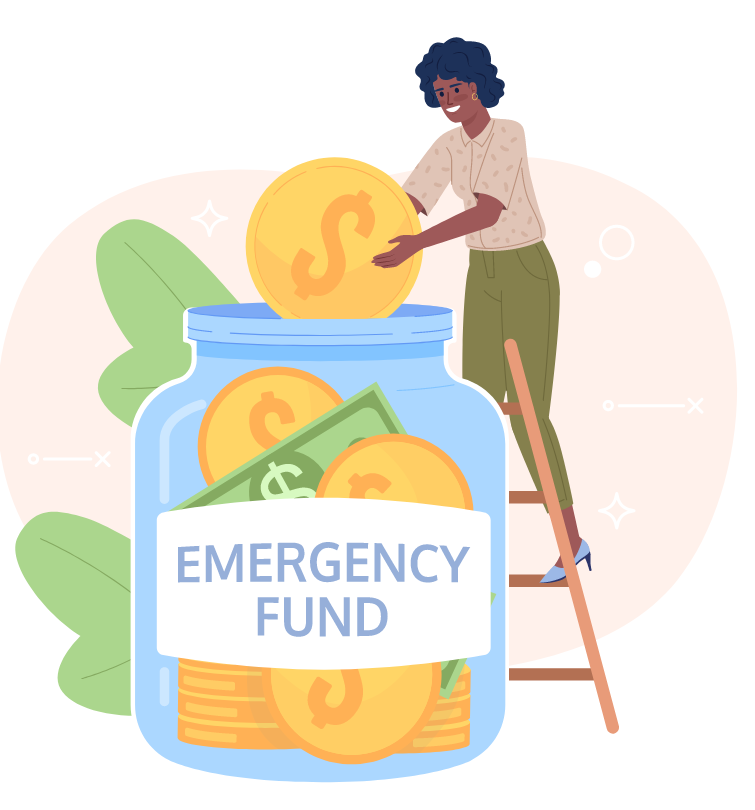
Life loves to throw curveballs, and sometimes they hit us right in the wallet. An emergency fund acts as a financial safety net. Start by saving enough to cover at least three to six months’ worth of living expenses. This fund will protect you from unforeseen circumstances like medical emergencies, urgent home repairs, or unexpected job loss. 

STEP 6: ELIMINATE AND MANAGE DEBT

Debt can be a heavy chain holding you back from your freedom. Focus on paying off high-interest debts first, such as credit card balances or personal loans. Consider strategies like the debt snowball or avalanche methods. Remember, every payment is a step closer to your financial liberation.

Life’s unexpected financial challenges can catch us off guard. Having an emergency fund can provide a safety net to help cover these unforeseen costs without the need to go into debt or disrupt long-term financial goals.

STEP 7: INCREASE YOUR INCOME

Sometimes cutting expenses isn’t enough to achieve your financial goals quickly. Look for ways to boost your income. Could you ask for a raise, change jobs for a higher salary, or start a side hustle? Maybe now’s the time to turn your hobby into a profit-making venture!

STEP 8: INVEST IN YOUR FUTURE

Investing can be a game-changer in your journey to financial freedom. Research different investment options like stocks, bonds, mutual funds, or real estate. Consider speaking with a financial advisor first before investing to tailor an investment strategy that suits your risk tolerance and financial goals.

STEP 9: STAY EDUCATED AND ADAPT

The financial world is always evolving, and so should your strategies. Keep learning, read books, attend workshops, follow my blogs, and join my community of like-minded individuals via the Learning Hub or Monthly Coaching. The more you know, the better equipped you’ll be to make informed financial decisions.

STEP 10: CELEBRATE YOUR PROGRESS

Don’t forget to celebrate your victories, big or small. Achieving financial freedom is a journey, not a sprint. Set up little rewards for yourself as you hit milestones. This not only makes the process enjoyable but also keeps you motivated.

CONCLUSION

Remember, financial freedom isn’t about having lots of money; it’s about having choices. It’s about living your life on your terms. So, let’s raise our glasses (of budget-friendly wine, of course!) to a brighter, financially free future. 

Here’s to making smart choices, being strategic, and having fun along the way. You’ve got this!

Take Control of Your Finances Today!

Are you tired of living paycheck to paycheck? Do you want to make smarter financial decisions but don’t know where to start? This monthly financial coaching program is designed to help you take control of your finances and achieve your financial goals.

Mastering Budget and Saving Techniques
How to Become Debt-Free: A Step-by-Step Guide to Financial Freedom

How to Become Debt-Free: A Step-by-Step Guide to Financial Freedom

Are you tired of feeling trapped by debt? You’re not alone. Debt can feel like a heavy burden, but the good news is that it doesn’t have to be a lifelong sentence. With the right mindset and strategies, you can break free from debt and start building a more secure financial future. Let’s dive into the steps to becoming debt-free and reclaiming control over your finances!

1. UNDERSTAND YOUR DEBT SITUATION

Before you can tackle your debt, you need to have a clear understanding of what you’re dealing with. Start by making a list of all your debts, including:

  • Credit cards
  • Student loans
  • Personal loans
  • Car loans
  • Mortgage

For each debt, write down the total amount owed, the interest rate, and the minimum monthly payment. This will give you a comprehensive view of your debt landscape and help you prioritise which debts to focus on first.  If you need a little hand with getting this down, you can download my FREE debt repayment spreadsheet by clicking HERE.

2. CREATE A BUDGET AND STICK TO IT

Creating a budget is an important step towards debt freedom. A budget helps you track your income and expenses, ensuring you’re not spending more than you earn. Here’s how to create an effective budget:

  • Calculate your monthly income: Include all sources of income, such as your salary, side gigs, and any other earnings.
  • List your monthly expenses: Categorise your expenses into essentials (like rent, utilities, groceries) and non-essentials (like dining out, entertainment).
  • Allocate funds for debt repayment: After covering your essentials, allocate a portion of your income specifically for debt repayment.

Sticking to your budget requires discipline, but it’s essential if you want to make significant progress towards becoming debt-free.

Want some help creating your budget then download my FREE budget spreadsheet where I make it easier to workout what’s happening with your money. Click HERE.

3. CUT UNNECESSARY EXPENSES

One of the quickest ways to free up money for debt repayment is by cutting unnecessary expenses. Review your budget and identify areas where you can reduce spending. Here are some common areas where people tend to overspend:

  • Dining out: Try cooking at home more often.
  • Subscription services: Cancel subscriptions you don’t use regularly.
  • Impulse purchases: Avoid buying items you don’t need by implementing a 24-hour rule before making non-essential purchases.

Remember, every dollar saved is a dollar that can go towards paying off your debt faster!

4. CHOOSE A DEBT REPAYMENT STRATEGY

There are several strategies for repaying debt, but two of the most popular are the Debt Snowball and Debt Avalanche methods:

  • Debt Snowball Method: Focus on paying off your smallest debt first while making minimum payments on all others. Once the smallest debt is paid off, move on to the next smallest. This method gives you quick wins and boosts motivation.
  • Debt Avalanche Method: Focus on paying off the debt with the highest interest rate first while making minimum payments on all others. This method saves you the most money in interest over time.

Choose the method that resonates most with you and start chipping away at your debt!

5. INCREASE YOUR INCOME

If cutting expenses isn’t enough, consider ways to increase your income. This additional income can be used entirely for debt repayment. Here are a few ideas to boost your income:

  • Take on a side hustle: Consider freelancing, tutoring, or driving for a ride-share service.
  • Sell unused items: Declutter your home and sell items you no longer need.
  • Ask for a raise or promotion: If you’ve been excelling at work, now might be the time to ask for a raise.

Every bit of extra income helps in accelerating your journey to becoming debt-free.

6. BUILD AN EMERGENCY FUND 

While it might seem counterintuitive to save money when you’re trying to pay off debt, having an emergency fund is crucial. An emergency fund acts as a financial safety net, preventing you from going deeper into debt when unexpected expenses arise. Aim to save at least $1,000 initially and gradually build it to cover 3-6 months’ worth of expenses.

7. NEGOTIATE LOWER INTEREST RATES

High-interest rates can significantly increase the amount you owe over time. Don’t be afraid to negotiate with your creditors to lower your interest rates. Here’s how:

  • Call your creditors: Explain your financial situation and request a lower interest rate.
  • Consider transferring your balance: Some credit cards offer 0% interest on balance transfers for a limited period. This can help reduce interest costs and pay off debt faster.
  • Refinance loans: Refinancing can lower your interest rate and reduce monthly payments.

Lowering your interest rates means more of your payments go towards reducing the principal amount, helping you get out of debt faster.

8. AVOID NEW DEBT

While you’re working to become debt-free, it’s essential to avoid accumulating new debt. Resist the temptation to use credit cards or take out new loans. If necessary, consider freezing your credit to prevent taking on new debt until you’re back on solid financial footing.

9. TRACK YOUR PROGRESS AND CELEBRATE MILESTONES

Tracking your progress is vital to staying motivated. Use a debt repayment tracker or app to monitor your journey. Celebrate each milestone you reach, whether it’s paying off a specific amount or clearing a particular debt. Celebrating these wins keeps you motivated and committed to your goal.

10. SEEK PROFESSIONAL HELP IF NEEDED

If your debt feels overwhelming, or if you’re struggling to create a repayment plan, consider seeking help from me as your financial coach. As a financial coach, I can provide personalised advice and strategies tailored to your situation, helping you navigate your way out of debt more effectively.

11. STAY COMMITTED TO THE JOURNEY

Becoming debt-free is a marathon, not a sprint. It requires time, effort, and unwavering commitment. There will be challenges along the way, but staying focused on your goal will make the journey worth it. Remember, the freedom and peace of mind that come with being debt-free are invaluable.


CONCLUSION: EMBRACE YOUR FINANCIAL FREEDOM

Becoming debt-free is one of the most empowering steps you can take for your financial future. It opens up a world of possibilities, from building wealth to achieving your financial dreams. By understanding your debt, creating a budget, cutting expenses, increasing your income, and sticking to a debt repayment strategy, you’re well on your way to financial freedom.

Start today—your debt-free future awaits!

By following these steps and staying committed, you’ll not only become debt-free but also build a strong foundation for a financially secure future. Remember, every step you take towards eliminating debt brings you closer to the life you desire.

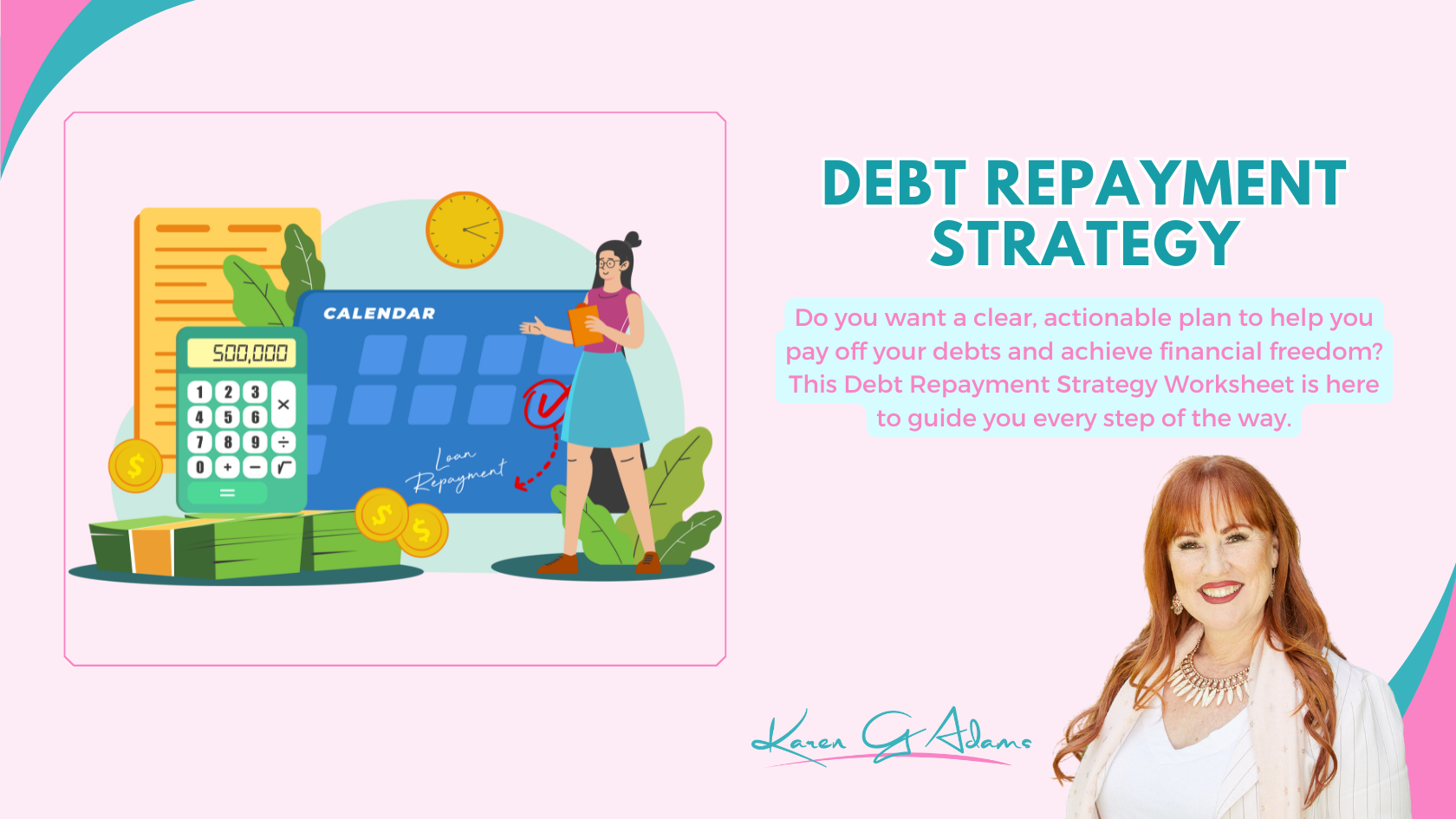
Are you feeling overwhelmed by debt? Do you want a clear, actionable plan to help you pay off your debts and achieve financial freedom? This Debt Repayment Strategy Worksheet is here to guide you every step of the way.

Mastering Budget and Saving Techniques
Free Budgeting Spreadsheet

GRAB YOUR OWN COPY FOR FREE

YOUR MONEY eMagazine

Are you ready to take control of your finances and secure a brighter future?

Dive into “Your Money,” the premier e-magazine by Karen G Adams, the Founder of Financial Management 101.

Subscribe for FREE!

Understanding How Money Works

Understanding How Money Works

Remember when we thought adults knew everything about money? Joke’s on us! But it’s never too late to learn. Here’s your crash course in Money 101.

Why Understanding Money Matters

Understanding money is essential because it influences every aspect of your life. From buying groceries to planning for retirement, money management skills can mean the difference between financial stability and stress. By learning how money works, you can make informed decisions that lead to a more secure and fulfilling life.

THE BASICS OF BUDGETING

Budgeting is the cornerstone of good money management. It helps you track income and expenses, ensuring you live within your means and save for future goals.

Action Steps:

  1. Track Your Income and Expenses: Write down all sources of income and all your monthly expenses. Use a spreadsheet, a budgeting app, or even a notebook to keep track.
  2. Categorise Your Spending: Divide your expenses into categories like housing, groceries, transportation, entertainment, and savings. This helps you see where your money is going.
  3. Set Budget Limits: Based on your income, set limits for each spending category. Be realistic but disciplined.
  4. Review and Adjust: At the end of each month, review your budget to see if you stayed within your limits. Adjust your budget as needed to better align with your financial goals.

Budgeting helps you control your spending, avoid debt, and save money. It’s the foundation of financial health.

Use Budgeting Apps

Categorise Your Spending

Categorise your expenses to see where your money is going.

THE POWER OF COMPOUND INTEREST

Compound interest is a magical concept that can either work for or against you. Understanding it is crucial for managing both savings and debt.

Action Steps:

  1. Learn the Formula: Compound interest is calculated using the formula A = P(1 + r/n)^(nt), where A is the amount of money accumulated, P is the principal amount, r is the annual interest rate, n is the number of times interest is compounded per year, and t is the time the money is invested for.
  2. Start Early: The earlier you start saving or investing, the more time compound interest has to work its magic. Even small contributions can grow significantly over time.
  3. Pay-off High-Interest Debts: Compound interest can also work against you when it comes to debt. High-interest debt, like credit card debt, can quickly spiral out of control due to compound interest. Focus on paying it off as soon as possible.

By harnessing the power of compound interest, you can grow your savings and investments exponentially over time.

CREDIT SCORES AND THEIR IMPORTANCE

Your credit score is a numerical representation of your creditworthiness. It affects your ability to get loans, credit cards, and even rent an apartment. Maintaining a good credit score is essential for financial stability.

Action Steps:

  1. Understand the Factors: Your credit score is influenced by payment history (35%), amounts owed (30%), length of credit history (15%), new credit (10%), and credit mix (10%).
  2. Pay Bills on Time: Late payments can significantly damage your credit score. Set up automatic payments or reminders to ensure you never miss a due date.
  3. Keep Balances Low: Aim to use less than 30% of your available credit. High credit utilisation can negatively impact your score.
  4. Check Your Credit Report: Regularly review your credit report for errors and discrepancies. You can get a free report annually from each of the three major credit bureaus.

A good credit score opens doors to better loan terms, lower interest rates, and more financial opportunities.

Investing is a powerful way to grow your wealth over time.

The longer your money is invested, the more time it has to grow through compound interest, where your earnings generate additional earnings.

Long-term investments are assets that you plan to hold for an extended period, usually more than three years. They’re meant to grow in value over time and achieve your long-term financial goals, like retirement or for your child’s education. 

THE BASICS OF INVESTING

Investing is a powerful way to grow your wealth over time. By putting your money to work in various assets, you can build a substantial financial cushion for the future.

Action Steps:

  1. Understand Different Types of Investments: Common investment types include stocks, bonds, mutual funds, and real estate. Each has its own risk and return profile.
  2. Start with Retirement Accounts: Take advantage of tax-advantaged retirement accounts like superannuation funds, 401(k)s and IRAs. These accounts allow your investments to grow tax-free or tax-deferred.
  3. Diversify Your Portfolio: Don’t put all your eggs in one basket. Spread your investments across different asset classes to reduce risk.
  4. Learn About Risk and Return: Higher potential returns usually come with higher risk. Understand your risk tolerance and invest accordingly.

Investing wisely can help you build wealth and achieve long-term financial goals, such as retirement or buying a home.

EMERGENCY FUND: YOUR SAFETY FINANCIAL NET

An emergency fund is a crucial component of financial stability. It’s a savings buffer that protects you from unexpected expenses and financial shocks.

Action Steps:

  1. Determine Your Target Amount: Aim to save 3-6 months’ worth of living expenses. This amount provides a cushion for emergencies like job loss, medical bills, or major repairs.
  2. Start Small and Build Up: If saving several months’ worth of expenses seems daunting, start with a smaller goal, like $1,000. Gradually increase your savings over time.
  3. Keep It Accessible: Store your emergency fund in a high-yield savings account where it can earn interest but still be easily accessible in case of emergency.
  4. Use It Wisely: Only dip into your emergency fund for true emergencies. Avoid the temptation to use it for non-essential expenses.

Having an emergency fund gives you peace of mind and financial security, knowing you’re prepared for unexpected situations.

Smart Spending

SMART SPENDING: GETTING MORE BANG FOR YOUR BUCK

Being a smart spender means making informed choices that maximise the value of your money. It’s about prioritising needs over wants and finding ways to save on everyday expenses.

Action Steps:

  1. Differentiate Needs and Wants: Before making a purchase, ask yourself if it’s a necessity or a luxury. Prioritise spending on essentials and limit discretionary spending.
  2. Shop Smart: Look for sales, use coupons, and compare prices before making purchases. Online tools and apps can help you find the best deals.
  3. Plan Your Purchases: Avoid impulse buying by planning your purchases in advance. Make a shopping list and stick to it.
  4. Buy Quality, Not Quantity: Sometimes, spending a bit more on a high-quality item can save you money in the long run, as it lasts longer and performs better.

Smart spending helps you get the most value out of your money and prevents unnecessary debt.

THE IMPORTANCE OF FINANCIAL GOALS

Setting financial goals gives you direction and motivation. It helps you stay focused on what’s important and measure your progress over time.

Action Steps:

  1. Identify Your Goals: Think about what you want to achieve financially. This could include saving for a down payment on a house, paying off debt, or building an emergency fund.
  2. Set Specific and Measurable Goals: Make your goals specific and measurable. For example, “Save $10,000 for a down payment within two years” is more effective than “Save money.”
  3. Create a Plan: Outline the steps you need to take to achieve your goals. Break them down into manageable tasks and set deadlines.
  4. Review and Adjust: Regularly review your progress and adjust your plan as needed. Life changes, and your financial goals might need to change too.

Having clear financial goals keeps you motivated and provides a roadmap for achieving financial success.

Conclusion

Understanding how money works is crucial for achieving financial stability and success. By mastering the basics of budgeting, leveraging compound interest, maintaining a good credit score, investing wisely, building an emergency fund, spending smartly, and setting financial goals, you can take control of your finances and create a secure future. It’s never too late to start learning and making positive changes. So, dive in, educate yourself, and watch as your financial confidence and stability grow. You’ve got this!

Learn the fundamental concepts of how budgeting and saving are important to your financial well-being. Registration is now open for the course: Mastering Budget and Saving Techniques. This is a hands-on course with me guiding you on how to budget, track and look at managing your money like a pro.

Mastering Budget and Saving Techniques
Free Budgeting Spreadsheet

MONTHLY COACHING

Take Control of Your Finances Today!

Are you tired of living paycheck to paycheck? Do you want to make smarter financial decisions but don’t know where to start? This monthly financial coaching program is designed to help you take control of your finances and achieve your financial goals.