
From Chaos to Clarity: How to Create a Money Plan That Actually Works

From Chaos to Clarity: How to Create a Money Plan That Actually Works

Ever feel like your money is running you instead of the other way around? Like no matter how much you earn, there’s always more month than money?

If you nodded (or sighed), you’re not alone. The good news? You don’t need a finance degree, a six-figure income, or a strict budget to take control. You just need a money plan that works for you.

In this blog, we’ll ditch the overwhelm and walk through exactly how to create a simple, empowering money plan that gives you clarity, confidence, and real momentum.

Let’s go from chaos to clarity – starting today.

1. Start With Your “Why”: Anchor Your Money to What Matters

Before we dive into numbers, let’s get clear on your why. Because unless your money plan connects to something meaningful, it won’t stick.

Ask yourself:

  • What would feeling in control of my money allow me to do?
  • What does financial peace look like to me?
  • What am I working toward?

Your answers might include:

  • Paying off debt to sleep better at night
  • Saving for a dream trip or home deposit
  • Creating options so you can work less or start a business

Write your top 2 – 3 motivations down. These are your compass when the budget feels boring or things go off track.

2. Know Your Numbers (Without the Shame Spiral)

You can’t improve what you don’t measure. So let’s get honest, not harsh. Gather the basics:

  • Your income (all sources)
  • Your recurring bills
  • Your debt repayments
  • Your spending patterns (groceries, eating out, transport, etc.)
  • Your current savings and investments

Pro tip: Use the last 2–3 months of bank statements to see where your money actually went. You might be surprised (hello, Uber Eats). This isn’t about judgment. It’s about clarity.

3. Create a Simple Money Plan (The 70/20/10 Rule)

Forget complicated budgets with 47 categories. Here’s a simple, flexible formula you can actually stick to:

  • 70% for living: rent/mortgage, groceries, transport, lifestyle
  • 20% for financial goals: savings, debt repayments, investments
  • 10% for the future: extra super, long-term wealth building

The percentages aren’t set in stone. Adjust based on your situation. The key is having a structure that makes sure you’re not spending 100% of your income with nothing left to show for it.

Action step: Plug your own numbers into this formula and see where you land. If you’re off track, that’s your roadmap for change.

Create a Simple Money Plan

4. Automate Your Money Flow (And Take the Stress Out)

Once you know where your money should go, make it happen on autopilot.
Set up automatic transfers:

  • To a separate savings account (nickname it for motivation: “Italy 2026” or “Debt-Free Me”)
  • To cover bills and direct debits
  • To long-term savings or investment accounts

When you automate, you eliminate the willpower game. You’ll save without thinking and avoid last-minute money panic.

Bonus tip: Use a separate account for discretionary spending (like a digital “cash envelope”). When it’s empty, it’s empty.

5. Create an Emergency Buffer (For Life’s “Oh No!” Moments)

Life is full of surprises. Your washing machine breaks, your car needs fixing, or your job suddenly changes.

Having even $1,000 in a buffer fund means you don’t have to reach for the credit card every time life happens.

Aim for 1 month of essential expenses first, then build to 3. But start where you are, every $50 counts. Keep it in a separate high-interest savings account you can access in a true emergency (not Friday night online shopping).

6. Track Progress Without Obsessing

You don’t need to check your bank app five times a day. But regular check-ins keep you engaged and help you spot problems early.

Ideas to stay on track:

  • Weekly money date: review transactions, check balances, update goals
  • Monthly review: celebrate wins, adjust if needed

Use a simple app or spreadsheet to track goals

The goal isn’t perfection. It’s progress.

7. Keep Learning and Stay Inspired

Your relationship with money is lifelong. The more you understand it, the more confident you’ll feel. Try:

  • Reading a finance book this quarter
  • Listening to a weekly money podcast
  • Following finance educators on socials
  • Booking a session with a financial coach to personalise your plan

There’s no shame in not knowing something – only in staying stuck.

Clarity = Confidence = Momentum

When your money feels chaotic, it can affect everything: your stress levels, your sleep, your relationships, and your ability to plan ahead. But creating a money plan that actually works isn’t about spreadsheets or sacrifice. It’s about:

  • Getting clear on what matters to you
  • Creating a simple, sustainable system
  • Building habits that support your goals

And the best part? You can start today. One step. One decision. One plan.

If you’re ready to get out of the fog and into financial clarity, let’s talk. Book your free discovery call and let’s map out your next steps – with zero jargon, zero judgment, and 100% support.

Because you can feel good about your money. You just need a plan that fits your life.

No more chaos. It’s your time for clarity. Let’s make it happen.
Mastering Budgeting and Saving
The Vault
Money Mindset Makeover: Rewiring Your Brain for Financial Success

Money Mindset Makeover: Rewiring Your Brain for Financial Success

Have you ever felt like no matter what you do, financial success always seems just out of reach? Maybe you’ve tried budgeting, saving, and cutting expenses, but something still holds you back from true financial freedom. What if the key to transforming your financial reality isn’t just in spreadsheets and numbers but in your mindset?

The Power of Money Mindset

Your thoughts and beliefs about money shape your financial reality more than you think. If you grew up hearing phrases like “money doesn’t grow on trees” or “rich people are greedy,” you may unconsciously hold limiting beliefs that prevent you from achieving financial success.

Your money mindset determines how you earn, spend, save, and invest. A scarcity mindset can keep you stuck in fear and lack, while an abundance mindset opens doors to financial opportunities. If you’re ready to shift from financial stress to success, let’s start rewiring your brain for wealth!

Step 1: Identify Your Money Beliefs

Before you can change your mindset, you must first uncover the deep-rooted beliefs you hold about money. Ask yourself:

  • What did I hear about money growing up?
  • Do I believe that making money is hard?
  • How do I feel when I spend money – guilt, fear, excitement?
  • Do I see money as a tool or an obstacle?

Write down your answers and notice any patterns. Awareness is the first step to transformation.

Build a Buffer Fund

Step 2: Reframe Your Money Story

Now that you’ve identified limiting beliefs, it’s time to replace them with empowering ones. If you’ve been telling yourself, “I’ll never get ahead financially,” flip the script to “I am capable of creating financial abundance.” Instead of “I’m bad with money,” tell yourself, “I am learning to master my finances.”

Affirmations like these rewire your subconscious mind to support your financial goals. Say them daily, write them down, and believe them.

Step 3: Visualise Your Financial Success

Elite athletes use visualisation to win competitions, and you can use the same technique to achieve financial success. Close your eyes and imagine:

  • Seeing a healthy bank balance
  • Living in your dream home
  • Traveling without financial worry
  • Feeling empowered and in control of your money

The more vividly you picture your financial success, the more your brain works to turn it into reality.

Step 4: Upgrade Your Financial Cycle

You are the average of the five people you spend the most time with. If those around you constantly complain about money, struggle financially, or discourage your financial growth, it might be time to upgrade your financial circle.

Surround yourself with people who inspire and uplift you financially. Join money-focused communities, listen to financial podcasts, and invest in programs that teach financial mastery.

Step 5: Take Action With Confidence

Mindset without action won’t lead to results. Set clear financial goals and take intentional steps toward them. Whether it’s increasing your income, paying off debt, or investing, make decisions with confidence, knowing you are in control of your financial destiny.

 FINAL THOUGHTS

Transforming your financial mindset is the most powerful step toward wealth and success. When you change your thoughts, you change your actions, and when you change your actions, you change your life.

If you’re ready to take your financial transformation to the next level and want a complete money transformation, the Master Your Money Program will guide you every step of the way.

Start today — your wealthy future is waiting!

How to Stop Feeling Overwhelmed by Your Finances in 2025

How to Stop Feeling Overwhelmed by Your Finances in 2025

Does the thought of opening your bank app make your stomach drop? Are you constantly worried about bills, debt, or whether you’ll ever have enough to get ahead? You’re not alone. Financial overwhelm is incredibly common, especially with the rising cost of living and competing demands on your paycheck. But here’s the good news: you don’t have to stay stuck in this cycle.

In this blog, we’ll explore why financial overwhelm happens and, more importantly, how you can overcome it. By following these practical steps, you can regain control, reduce stress, and create a plan to manage your money with confidence.

Why Do We Feel Overwhelmed by Money?

1. Too Many Unknowns

When you’re not sure where your money is going or how much debt you owe, it’s easy to feel out of control. The unknown creates anxiety, and avoidance becomes a coping mechanism.

2. Unrealistic Expectations

Social media and society often paint an idealised picture of what financial success looks like – think flashy cars, designer clothes, and lavish holidays. Trying to measure up can make you feel like you’re failing, even if you’re doing fine.

3. Emotional Baggage

Money is rarely just about numbers. It’s tied to emotions, past experiences, and even our self-worth. Financial stress can feel personal, making it harder to address objectively.

Money is rarely just about numbers. It’s tied to emotions, past experiences, and even our self-worth.

How to Stop Feeling Overwhelmed?

Step 1: Acknowledge Your Feelings

The first step to overcoming financial overwhelm is to acknowledge it. Pretending you’re fine or ignoring the problem only makes things worse.

How To Do This?

      • Take a moment to name your emotions: Are you feeling stressed, ashamed, or frustrated?
      • Write down your worries in a journal. Sometimes, seeing them on paper helps put them into perspective.
      • Remind yourself that financial challenges are common and not a reflection of your worth.

Step 2: Understand Your Starting Point

You can’t fix what you don’t measure. It’s time to face the numbers, even if it feels uncomfortable. Knowledge is power, and understanding your financial situation is the first step to regaining control.

How To Do This?

      • List Your Debts: Write down every debt you owe, including balances, interest rates, and minimum payments.
      • Track Your Spending: For 30 days, track every expense. This helps you understand where your money is going.
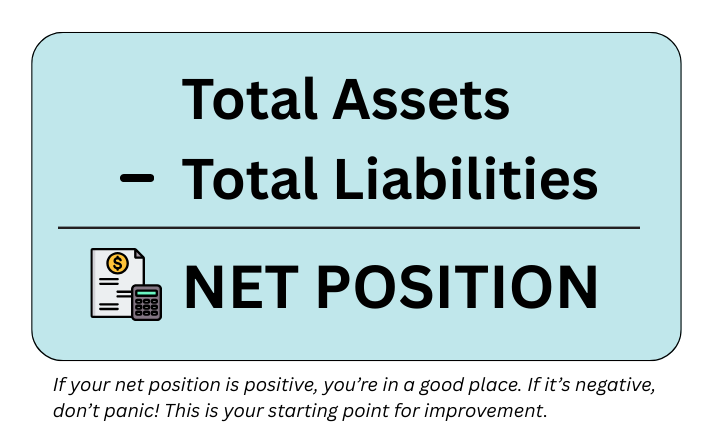
      • Calculate Your Net Worth: Add up your assets (savings, investments, property) and subtract your liabilities (debts).

This process might feel daunting, but remember: it’s just data. The goal is to understand your starting point, not to judge yourself.

Write down every debt you owe, including balances, interest rates, and minimum payments.<br />

Step 3: Simplify Your Finances

Complex financial systems add to the sense of overwhelm. Simplify your money management by automating as much as possible and consolidating accounts when appropriate.

How To Do This?

      • Automate Bill Payments: Set up automatic payments for recurring expenses like utilities, rent, or mortgage.
      • Streamline Accounts: Consider consolidating multiple credit cards or savings accounts to reduce confusion.
      • Set Up Automatic Savings: Even a small, consistent transfer to savings builds momentum and reduces the stress of “finding” money to save.

Step 4: Break Goals Into Bite-sized Steps

Big financial goals can feel intimidating. Instead of trying to tackle everything at once, break your goals into smaller, actionable steps.

Example:

      • Instead of “Pay off $10,000 in debt,” focus on paying an extra $100 a month toward your highest-interest debt.
      • Instead of “Save for a home deposit,” aim to save $50 a week into a designated savings account.
      • Instead of “Fix my finances,” commit to reviewing your budget once a week.

These small wins build confidence and momentum, making the larger goal feel achievable.

Break Goals into Bite-Sized Steps

Step 5: Focus On What You Can Control

Financial overwhelm often comes from focusing on things outside your control, like unexpected expenses or economic conditions. Shift your energy to what you can influence.

What You Can Control:

      • How you spend your money
      • How you budget and save
      • How you approach debt repayment

When you focus on actionable steps, you’ll feel more empowered and less overwhelmed.

Step 6: Build A Support System

You don’t have to navigate your financial challenges alone. Whether it’s a friend, family member, or myself as your financial coach, having someone to talk to can make a world of difference.

Ways To Build Support:

      • Join a Community: Online groups or forums can connect you with people facing similar challenges.
      • Work with a Coach: Programs like Master Your Money provide step-by-step guidance and accountability.
      • Talk to Your Partner: If you share finances, make sure you’re working together toward shared goals.

Step 7: Shift Your Money Mindset

Sometimes, financial overwhelm is more about mindset than numbers. Reframing how you think about money can reduce stress and help you approach challenges with clarity.

Mindset Shifts To Try:

      • Replace “I’ll never get out of debt” with “I’m taking small steps every day to reduce my debt.”
      • Replace “I’m bad with money” with “I’m learning how to manage money better.”
      • Focus on progress, not perfection.

Step 8: Celebrate Your Wins

Overcoming financial overwhelm doesn’t happen overnight, but every step you take is progress worth celebrating. Recognising your achievements – big or small, keeps you motivated.

Ways to Celebrate:

      • Treat yourself to a small reward, like a coffee or a movie night, when you hit a milestone.
      • Keep a “win journal” where you document every positive financial step.
      • Share your success with someone who will cheer you on.
Keep a “win journal” where you document every positive financial step

Why 2025 Can Be The Year You Break Free

This year is your opportunity to turn things around. With a clear plan, a supportive community, and the right mindset, you can overcome financial overwhelm and take control of your money. Programs like Master Your Money are designed to help you break through the noise and focus on what matters most: your financial peace of mind.

Conclusion

Feeling overwhelmed by your finances is common, but it’s not permanent. By taking small, intentional steps and focusing on what you can control, you can move from chaos to clarity. Remember, progress is better than perfection, and every step forward is a step closer to financial freedom.

Start today by choosing one action, whether it’s tracking your spending, automating a bill, or simply acknowledging your financial stress. Your future self will thank you for it.

The Master Your Money Program is FOR YOU if:

?? You’re earning good income but still feel stuck in a cycle of stress or overspending.
?? You want to break free from limiting beliefs like “I’m bad with money” or “There’s never enough.”
?? You’re ready to build wealth without sacrificing the things you love.
?? You dream of financial freedom and need the tools and mindset to make it happen.

This is more than a mindset shift—it’s a transformation that puts you on the path to lasting financial success! ?

The 90 Day Money Makeover