
Mastering Money with Ease: The Secrets to Financial Flow

Mastering Money with Ease: The Secrets to Financial Flow

What if managing money felt effortless instead of stressful? What if financial decisions felt natural rather than overwhelming? Welcome to the concept of financial flow – where money moves in and out of your life with ease, and you feel confident and in control every step of the way.

Financial flow isn’t about luck, nor is it reserved for the wealthy. It’s about aligning your mindset, habits, and systems so that money becomes a source of empowerment rather than anxiety. Let’s dive into the secrets of mastering money with ease.

Secret #1: Trust That Money Flows to and Through You

One of the biggest money struggles people face is the feeling of scarcity – thinking there’s never enough. But here’s a powerful reframe: Money is energy. It moves, circulates, and returns when managed intentionally.

Rather than clinging tightly to every dollar out of fear, shift your perspective:

    • Trust that more opportunities to earn will come.
    • Believe that when you spend intentionally, money will return in other ways.
    • Recognise that wealth grows when you let money work for you through smart investments and aligned spending.

The key is to create a flow where money moves through your life in a way that serves you, rather than feeling stuck or stagnant.

Secret #2: Design a Financial System That Works for You

Many people resist financial planning because they think it’s restrictive. But the truth is, having a system actually frees you. A good financial system automates the boring stuff so you can focus on what matters. A simple, effective system includes:

    • A Spending Plan (not a strict budget, but a flexible plan for where your money should go each month)
    • Automatic Transfers to savings and investments so they grow without you overthinking it
    • A Guilt-Free Fun Fund so you can enjoy your money without worry
    • A Weekly Money Check-In to keep things on track without stress

When your system is designed for ease, managing money stops being a chore and starts feeling like second nature.

Design a Financial System That Works for You

Secret #3: Align Your Money with Your Joy

Ever notice how some purchases feel amazing while others leave you with regret? That’s because true financial satisfaction comes from spending in alignment with your values and priorities.

Take a look at your expenses and ask:

    • Does this purchase bring me joy, security, or opportunity?
    • Am I spending out of habit, pressure, or impulse?
    • How can I redirect my money toward things that truly enrich my life?

When money is spent intentionally on things that light you up rather than weigh you down, you feel at ease with your financial decisions.

Secret #4: Remove the Money Blocks Keeping You Stuck

Sometimes, it’s not just financial strategies that hold people back – it’s emotional and mental blocks. Thoughts like:

    • “I’ll never get ahead.”
    • “Money is stressful.”
    • “I don’t deserve to be wealthy.”

These hidden money blocks create resistance, keeping you stuck in the same cycles. The key is to identify them, challenge them, and replace them with beliefs that support financial ease.

Instead of “Money is stressful,” try “I am learning to manage money with confidence.” Small shifts in mindset create massive shifts in financial reality.

Secret #5: Surround Yourself with Financial Flow Energy

Just like anything in life, who and what you surround yourself with influences your financial experience. If your circle is always complaining about money or reinforcing scarcity thinking, it’s harder to break free.

Instead, seek out:

    • Books and podcasts that expand your financial knowledge
    • Mentors or communities that uplift and encourage abundance
    • Coaching or courses that provide actionable steps toward financial confidence

This is exactly why I created my Monthly Coaching program, giving you access to THE VAULT – a collection of resources to help you create lasting financial flow. And if you’re ready to take full control of your financial journey, the Master Your Money program will guide you every step of the way.

THE VAULT and Master Your Money Program

Final Thoughts: Financial Flow is a Choice

Mastering money with ease isn’t about earning more, it’s about creating a relationship with money that feels natural and empowering. When you remove resistance, align your money with your joy, and put systems in place, you create a life where money works for you, not against you.


So ask yourself: What’s one step you can take today to step into financial flow? Your money journey is yours to design, and you have everything it takes to make it happen and effortless.

The 90 Day Money Makeover
Your Money Story is Holding You Back: Here’s How to Rewrite It

Your Money Story is Holding You Back: Here’s How to Rewrite It

We all have a money story. It’s the narrative we’ve built over time based on our experiences, upbringing, and beliefs about money. Some of us grew up hearing, “Money doesn’t grow on trees,” while others were told, “You have to work hard for every penny.” These messages, whether spoken or unspoken, shape how we interact with money as adults.

But what if your money story is holding you back? What if deep down, you believe you’re not capable of financial success or that you’re destined to struggle? The good news is that your money story isn’t set in stone. You have the power to rewrite it.

Here’s how to break free from limiting beliefs and create a financial narrative that empowers you.

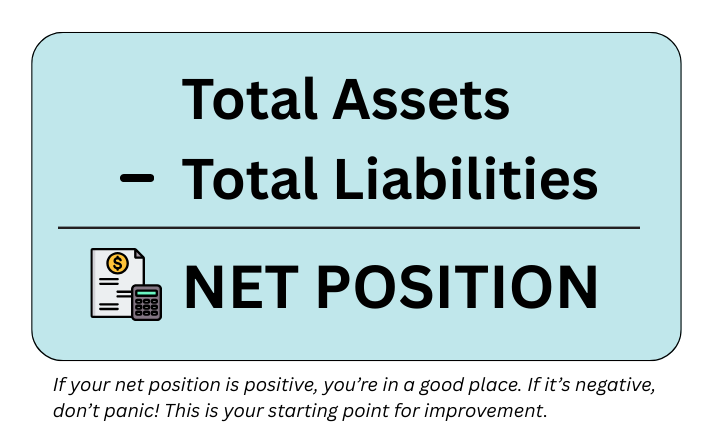
STEP 1: KNOW YOUR NUMBERS

Before you can change your money story, you need to understand what it is. Ask yourself:

    • What did I hear about money growing up?
    • How did my parents or caregivers handle money?
    • What emotions come up when I think about my finances?
    • Do I believe money is a source of stress, power, freedom, or something else?

Write down the recurring patterns you’ve noticed in your financial life. Have you always lived paycheck to paycheck, even when you earn more? Do you sabotage financial success out of guilt or fear? Awareness is the first step to transformation.

What did you hear about money growing up?

STEP 2: CHALLENGE THE BELIEFS THAT NO LONGER SERVE YOU

Many of our money beliefs were inherited, not chosen. But just because you grew up with certain financial patterns doesn’t mean you have to continue them.

Take a belief like, “I’m just bad with money.” Ask yourself: Is this actually true? Or have I just made mistakes in the past that I can learn from? Reframe it: “I am learning how to manage my money in a way that aligns with my goals.”

Your beliefs create your reality. If you constantly tell yourself you’ll never be wealthy, your actions will reflect that. Instead, adopt empowering beliefs like:

    • “I am capable of building wealth.”
    • “Money is a tool that supports my dreams.”
    • “I deserve financial abundance.”

STEP 3: REWRITE YOUR MONEY STORY

Now it’s time to create a new money story, one that aligns with your goals and values. Imagine your ideal financial future. What does it look like? How do you feel about money? How do you handle it?

Write down your new story as if it’s already true. For example: “I am financially confident. I make smart decisions with my money, and I attract opportunities for abundance. I feel secure, knowing that I am in control of my finances. Money flows to me easily, and I use it to create a fulfilling life.”

The more you affirm this new story, the more your subconscious mind starts to accept it as reality.

Take Actions That Support Your New Money Story

STEP 4: ELIMINATE DEBT STRATEGICALLY

Your environment shapes your mindset. If you’re constantly hearing negative messages about money, it’s harder to shift your beliefs. Seek out people, books, and resources that reinforce your new money story.

This is why I created my Monthly Coaching program, where you can access THE VAULT – a collection of financial courses, tools, and community support designed to help you step into financial empowerment. And if you’re ready for a full financial transformation, the Master Your Money program will guide you through everything you need to break free from financial limitations.

Ready to Master Your Money?

Your financial future isn’t dictated by your past. You have the power to rewrite your money story and create a new reality – one where you feel confident, in control, and financially free.

The question is: What story will you choose to tell yourself from today onward?

The pen is in your hands.

The 90 Day Money Makeover
Why Most Resolutions Fail (And How to Succeed with Your Finances This Year)

Why Most Resolutions Fail (And How to Succeed with Your Finances This Year)

Every January, millions of people make resolutions, vowing to lose weight, save money, or finally organise their lives. Yet, by February, most of those resolutions are a distant memory. When it comes to finances, the stakes are even higher, failed resolutions can lead to continued debt, stress, and a lack of progress toward your goals. But why do so many resolutions fail? More importantly, how can you set yourself up for success, especially with your financial goals?

This year, let’s break the cycle. Here’s why most resolutions don’t stick and how you can set realistic, actionable financial goals that actually work.

New Year's Resolutions and Goals

The Problem with Resolutions

1. They’re Too Vague
A resolution like “save more money” or “spend less” sounds great in theory, but without specifics, it’s destined to fail. What does “save more” mean? How much? By when? Without clarity, it’s easy to lose focus.

2. No Plan, Just Hope
Many resolutions rely on sheer willpower. While motivation can get you started, it won’t sustain you for the long haul. A solid plan is essential for turning intentions into results.

3. All-or-Nothing Thinking
Ever decided to “cut all unnecessary spending” and then given up after one unplanned purchase? All-or-nothing approaches set you up for failure because they don’t allow for flexibility.

4. No Accountability
When no one knows about your goals, it’s easy to let them slide. Having someone to cheer you on, or nudge you when you’re slipping makes a huge difference.

Why Financial Intentions Are Different

Financial goals often come with emotional baggage. Many of us have habits or mindsets about money that were shaped long before we started earning. Whether it’s fear of budgeting, guilt about past mistakes, or simply feeling overwhelmed, these emotions can sabotage even the best intentions.

The good news? Financial habits are learnable. With the right mindset, tools, and support, you can rewrite your financial story.

How to Succeed with Your Financial Goals This Year

1. Get Specific About Your Goals
Instead of “save more money,” try something like:

        • “Save $1,000 for an emergency fund by March 31.”
        • “Pay an extra $200 per month toward my credit card debt.”
        • “Spend no more than $400 a month on dining out.”

Specific goals give you a clear target to aim for. Break them down into smaller, actionable steps, and you’ll feel a sense of accomplishment with every milestone.

2. Create a 90-Day Action Plan
While it’s tempting to set year-long goals, short-term plans are more effective. That’s why 90 days is the perfect timeframe—it’s long enough to make meaningful progress but short enough to stay motivated.
For example:

        • Month 1: Assess your financial situation. Track all your expenses and create a realistic budget.
        • Month 2: Implement your budget and identify areas to cut back. Start small, like reducing subscription services or packing lunches for work.
        • Month 3: Focus on building momentum. Add any savings or debt reduction progress to your plan.
While it’s tempting to set year-long goals, short-term plans are more effective.

3. Reframe Your Money Mindset
Your mindset plays a massive role in your financial success. If you believe “I’m just bad with money” or “I’ll never get out of debt,” those beliefs will hold you back. Instead, practice positive affirmations like:

        • “I am capable of learning new money skills.”
        • “Every small step I take brings me closer to financial freedom.”

Even better, pair these affirmations with concrete actions. Every time you stick to your budget or save a little extra, you’re proving to yourself that change is possible.

4. Start Small But Stay Consistent
Big changes often fail because they’re overwhelming. Start with small, manageable habits that build over time.

        • Save $5 a day by skipping a coffee run.
        • Commit to a weekly money check-in where you review your budget and spending.
        • Set up automatic transfers to your savings account—even if it’s just $10 a week.

These small wins add up and help build confidence and momentum.

5. Track Your Progress
It’s easy to lose motivation when you don’t see results. That’s why tracking is so important. Whether it’s a spreadsheet, an app, or even a notebook, record every step of your financial journey.

        • Watch your savings grow each week.
        • Celebrate when you pay off a credit card.
        • Note the changes in your spending habits.

Seeing progress, no matter how small, reinforces your commitment to your goals.

6. Find Your Why
Why do you want to improve your finances? Maybe it’s to take your family on a dream vacation, eliminate the stress of living paycheck to paycheck, or finally buy a home.

Your “why” is your motivation. Write it down, visualize it, and keep it front and center. When the going gets tough, reminding yourself of your deeper purpose will help you stay on track.

7. Get Support
Accountability is a game-changer. Whether it’s a friend, partner, or coach, having someone to share your goals with can make all the difference. Programs like the 90-Day Money Makeover offer a built-in support system, with resources, community, and guidance to keep you on track.

Common Pitfalls and How to Avoid Them

1. Expecting Perfection
You will slip up and that’s okay. What matters is how you recover. Instead of giving up after a mistake, ask yourself: “What can I learn from this?”

2. Overloading Yourself
Don’t try to tackle everything at once. Focus on one or two key goals at a time. Once you’ve mastered them, move on to the next.

3. Comparing Yourself to Others
Your financial journey is unique. Comparing your progress to others will only discourage you. Stay focused on your own goals and celebrate your wins.

Conclusion

This year, break the cycle of failed resolutions and make 2025 the year you take control of your finances. By setting clear goals, creating a plan, and staying consistent, you’ll build habits that last a lifetime.

Remember: small steps lead to big changes. Start with one goal today, and by next January, you’ll be amazed at how far you’ve come. If you’re ready to supercharge your progress, join the LEARNING HUB and get immediate access to all courses and books including ongoing financial and mindset monthly coaching now.

Financial Resolutions

Your financial future is in your hands — let’s make it a great one! Click the button below to join the LEARNING HUB at FINANCIAL MANAGEMENT 101. It promotes long-term financial stability, provides insights into wealth-building strategies, and equips you with the skills to adapt to economic changes.

The 90 Day Money Makeover