Financial Resilience: Planning for Setbacks on Your Path to Debt Freedom

Financial Resilience: Planning for Setbacks on Your Path to Debt Freedom

Achieving a debt free life is a journey filled with highs and lows. While it’s great to stay optimistic, it’s equally important to be prepared for setbacks that might knock you off your progress. Unexpected expenses, job loss, medical bills, or even just plain old burnout can throw a spanner in your plans. The key to overcoming these challenges lies in building financial resilience. In this post, we’ll explore strategies to prepare for and bounce back from setbacks, ensuring you stay on track to becoming debt-free.

1. IDENTIFY YOUR MARKETABLE SKILLS

I bang on about this one all the time, why because an emergency fund is your financial safety net. It’s the cushion that helps absorb the shock of unexpected expenses without relying on credit cards or loans. A common rule of thumb is to have three to six months’ worth of living expenses saved.

Action Step:
Start by setting aside a small, manageable amount each week or month. Even $10 a week can add up. Automate your savings to ensure consistency and resist the temptation to dip into this fund for non-emergencies.

7. OFFER VIRTUAL SERVICES OR COACHING

Relying solely on one source of income can be risky. If you lose your job or face a reduction in hours, your finances can take a significant hit. Diversifying your income through side hustles, freelance work, or passive income streams can provide a buffer against such setbacks. I mentioned in a recent blog post tips and strategies on how “Using Your Talents to Accelerate Debt Repayment”. Go check this post out HERE.

Action Step:
Identify a side hustle or freelance opportunity that aligns with your skills. Set aside dedicated time each week to develop this secondary income stream.

3. CREATE A FINANCIAL CONTINGENCY PLAN

A contingency plan outlines what you’ll do in the face of financial setbacks. It could include steps like cutting back on non-essential expenses, using savings, or temporarily taking on additional work.

Action Step:
List potential setbacks and corresponding actions you would take to mitigate their impact. Keep this plan accessible and review it regularly.

4. PRACTICE CONSCIOUS SPENDING

Conscious spending involves being aware of where your money goes and making intentional choices. By being mindful of your spending, you’re better equipped to adjust your budget when faced with financial challenges.

Action Step:
Track all your spending for a month to identify where your money is going. Create a budget that prioritises essential expenses and allocates funds towards debt repayment and savings.

5. INVEST IN INSURANCE

Insurance is a vital component of financial resilience. Health insurance, home insurance, car insurance, and even disability insurance can protect you from significant financial setbacks. While it’s an added expense, the cost of not having adequate insurance can be much higher.

Action Step:
Review your current insurance policies and assess if you have adequate coverage. If not, consider adjusting your policies or shopping around for better rates.

6. PREPARE FOR IRREGULAR EXPENSES

Irregular expenses – like car repairs, home maintenance, or annual subscriptions can disrupt your debt repayment plan if not anticipated. Preparing for these expenses can prevent the need to rely on credit.

Action Step:
Review past expenses to identify irregular costs and create a separate savings fund for them. Allocate a small amount each month to this fund.

7. DEVELOP A DEBT REPAYMENT BUFFER

Instead of putting every last dollar towards debt, consider building a small buffer in your savings or checking account. This buffer can help cover unexpected expenses without halting your debt repayment plan.

Action Step:
Determine a comfortable buffer amount (e.g., $500) and gradually build it up by allocating a portion of your income each month.

8. KEEP YOUR CREDIT IN GOOD STANDING

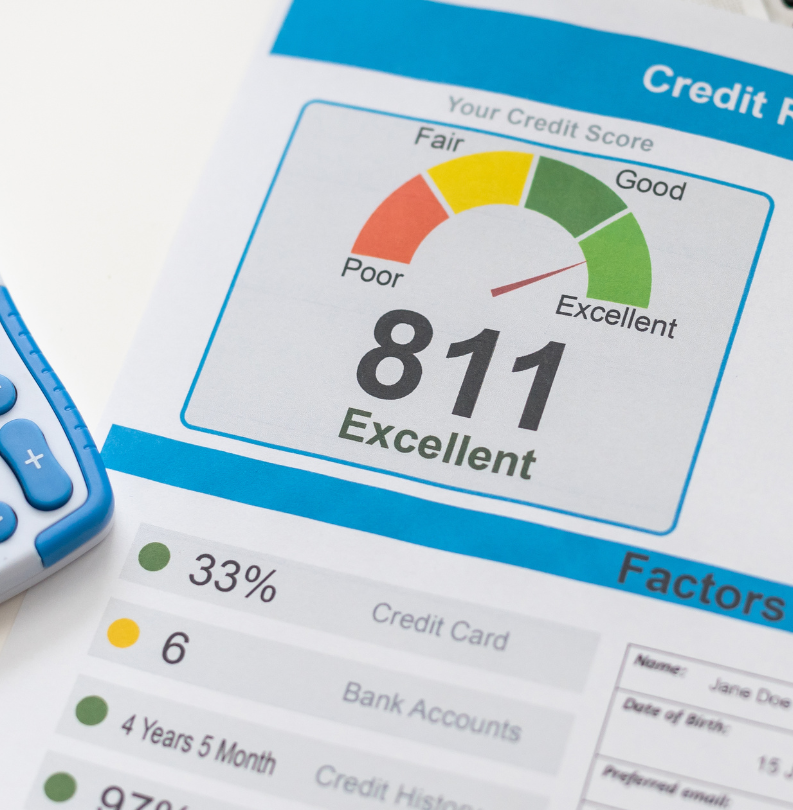
Maintaining a good credit score is crucial, even when you’re working to pay off debt. In the event of a financial emergency, having access to credit can provide a temporary solution without resorting to high-interest loans.

Action Step:
Regularly check your credit report for errors and keep credit card balances low. Make all payments on time, even if it’s just the minimum amount.
9. EMBRACE THE POWER OF NEGOTIATION

Unexpected expenses can often be negotiated or spread out. Medical bills, for instance, are notorious for being negotiable. Don’t hesitate to ask for a payment plan, a reduction in interest rates, or even a discount.

Action Step:
If faced with a large, unexpected bill, contact the service provider and enquire about payment options, discounts, or financial assistance programs.

10. FOSTER A RESILIENT MINDSET

Building financial resilience isn’t just about money—it’s also about mindset. Understand that setbacks are a part of life, and maintaining a positive outlook will help you navigate them more effectively.

Action Step:
Practice stress-management techniques such as mindfulness, meditation, or journaling. Develop a routine that helps you stay focused and calm during financial challenges.

11. BUILD A SUPPORT NETWORK

Having a support network of friends, family, or a financial advisor can provide emotional and practical support during challenging times. Surround yourself with people who understand your goals and can offer advice or encouragement.

Action Step:
Identify three people who can be part of your financial support network. Share your goals with them and ask for their support in staying accountable. 

12. PLAN FOR FUTURE SETBACKS

While it’s impossible to predict every setback, planning for potential scenarios can make them less overwhelming. Think about what could go wrong in your financial journey and devise strategies to deal with them.

Action Step:
Conduct a “financial fire drill.” Write down potential setbacks (e.g., job loss, major car repair) and create a response plan for each scenario.

13. REGULARLY REVIEW AND ADJUST YOUR FINANCIAL PLAN

Your financial situation and priorities can change over time. Regularly reviewing and adjusting your debt repayment plan ensures you stay on track and adapt to new circumstances.

Action Step:
Set a reminder to review your financial plan every quarter. Adjust your budget, debt repayment, and savings strategies based on your current situation.

CONCLUSION

Setbacks are inevitable on the path to becoming debt-free, but with the right preparation, they don’t have to derail your progress. By building financial resilience through strategic planning, conscious spending, and a positive mindset, you can bounce back stronger from any challenge. Remember, becoming debt-free is not a sprint; it’s a marathon. Stay focused, stay prepared, and keep moving forward. 

Take Control of Your Finances Today!

Are you tired of living paycheck to paycheck? Do you want to make smarter financial decisions but don’t know where to start? This monthly financial coaching program is designed to help you take control of your finances and achieve your financial goals.

As your financial coach, Karen will teach you how to build financial muscle, so that you have money working to your advantage and not to your bank or financial institution’s benefit. Click here to enrol!

Mastering Budget and Saving Techniques

Are you ready to take control of your finances and start your debt-free journey?

In this empowering 30-day course, we’ll guide you through actionable steps to help you break free from debt and achieve financial stability.
How to Become Debt-Free: A Step-by-Step Guide to Financial Freedom

How to Become Debt-Free: A Step-by-Step Guide to Financial Freedom

Are you tired of feeling trapped by debt? You’re not alone. Debt can feel like a heavy burden, but the good news is that it doesn’t have to be a lifelong sentence. With the right mindset and strategies, you can break free from debt and start building a more secure financial future. Let’s dive into the steps to becoming debt-free and reclaiming control over your finances!

1. UNDERSTAND YOUR DEBT SITUATION

Before you can tackle your debt, you need to have a clear understanding of what you’re dealing with. Start by making a list of all your debts, including:

  • Credit cards
  • Student loans
  • Personal loans
  • Car loans
  • Mortgage

For each debt, write down the total amount owed, the interest rate, and the minimum monthly payment. This will give you a comprehensive view of your debt landscape and help you prioritise which debts to focus on first.  If you need a little hand with getting this down, you can download my FREE debt repayment spreadsheet by clicking HERE.

2. CREATE A BUDGET AND STICK TO IT

Creating a budget is an important step towards debt freedom. A budget helps you track your income and expenses, ensuring you’re not spending more than you earn. Here’s how to create an effective budget:

  • Calculate your monthly income: Include all sources of income, such as your salary, side gigs, and any other earnings.
  • List your monthly expenses: Categorise your expenses into essentials (like rent, utilities, groceries) and non-essentials (like dining out, entertainment).
  • Allocate funds for debt repayment: After covering your essentials, allocate a portion of your income specifically for debt repayment.

Sticking to your budget requires discipline, but it’s essential if you want to make significant progress towards becoming debt-free.

Want some help creating your budget then download my FREE budget spreadsheet where I make it easier to workout what’s happening with your money. Click HERE.

3. CUT UNNECESSARY EXPENSES

One of the quickest ways to free up money for debt repayment is by cutting unnecessary expenses. Review your budget and identify areas where you can reduce spending. Here are some common areas where people tend to overspend:

  • Dining out: Try cooking at home more often.
  • Subscription services: Cancel subscriptions you don’t use regularly.
  • Impulse purchases: Avoid buying items you don’t need by implementing a 24-hour rule before making non-essential purchases.

Remember, every dollar saved is a dollar that can go towards paying off your debt faster!

4. CHOOSE A DEBT REPAYMENT STRATEGY

There are several strategies for repaying debt, but two of the most popular are the Debt Snowball and Debt Avalanche methods:

  • Debt Snowball Method: Focus on paying off your smallest debt first while making minimum payments on all others. Once the smallest debt is paid off, move on to the next smallest. This method gives you quick wins and boosts motivation.
  • Debt Avalanche Method: Focus on paying off the debt with the highest interest rate first while making minimum payments on all others. This method saves you the most money in interest over time.

Choose the method that resonates most with you and start chipping away at your debt!

5. INCREASE YOUR INCOME

If cutting expenses isn’t enough, consider ways to increase your income. This additional income can be used entirely for debt repayment. Here are a few ideas to boost your income:

  • Take on a side hustle: Consider freelancing, tutoring, or driving for a ride-share service.
  • Sell unused items: Declutter your home and sell items you no longer need.
  • Ask for a raise or promotion: If you’ve been excelling at work, now might be the time to ask for a raise.

Every bit of extra income helps in accelerating your journey to becoming debt-free.

6. BUILD AN EMERGENCY FUND 

While it might seem counterintuitive to save money when you’re trying to pay off debt, having an emergency fund is crucial. An emergency fund acts as a financial safety net, preventing you from going deeper into debt when unexpected expenses arise. Aim to save at least $1,000 initially and gradually build it to cover 3-6 months’ worth of expenses.

7. NEGOTIATE LOWER INTEREST RATES

High-interest rates can significantly increase the amount you owe over time. Don’t be afraid to negotiate with your creditors to lower your interest rates. Here’s how:

  • Call your creditors: Explain your financial situation and request a lower interest rate.
  • Consider transferring your balance: Some credit cards offer 0% interest on balance transfers for a limited period. This can help reduce interest costs and pay off debt faster.
  • Refinance loans: Refinancing can lower your interest rate and reduce monthly payments.

Lowering your interest rates means more of your payments go towards reducing the principal amount, helping you get out of debt faster.

8. AVOID NEW DEBT

While you’re working to become debt-free, it’s essential to avoid accumulating new debt. Resist the temptation to use credit cards or take out new loans. If necessary, consider freezing your credit to prevent taking on new debt until you’re back on solid financial footing.

9. TRACK YOUR PROGRESS AND CELEBRATE MILESTONES

Tracking your progress is vital to staying motivated. Use a debt repayment tracker or app to monitor your journey. Celebrate each milestone you reach, whether it’s paying off a specific amount or clearing a particular debt. Celebrating these wins keeps you motivated and committed to your goal.

10. SEEK PROFESSIONAL HELP IF NEEDED

If your debt feels overwhelming, or if you’re struggling to create a repayment plan, consider seeking help from me as your financial coach. As a financial coach, I can provide personalised advice and strategies tailored to your situation, helping you navigate your way out of debt more effectively.

11. STAY COMMITTED TO THE JOURNEY

Becoming debt-free is a marathon, not a sprint. It requires time, effort, and unwavering commitment. There will be challenges along the way, but staying focused on your goal will make the journey worth it. Remember, the freedom and peace of mind that come with being debt-free are invaluable.


CONCLUSION: EMBRACE YOUR FINANCIAL FREEDOM

Becoming debt-free is one of the most empowering steps you can take for your financial future. It opens up a world of possibilities, from building wealth to achieving your financial dreams. By understanding your debt, creating a budget, cutting expenses, increasing your income, and sticking to a debt repayment strategy, you’re well on your way to financial freedom.

Start today—your debt-free future awaits!

By following these steps and staying committed, you’ll not only become debt-free but also build a strong foundation for a financially secure future. Remember, every step you take towards eliminating debt brings you closer to the life you desire.

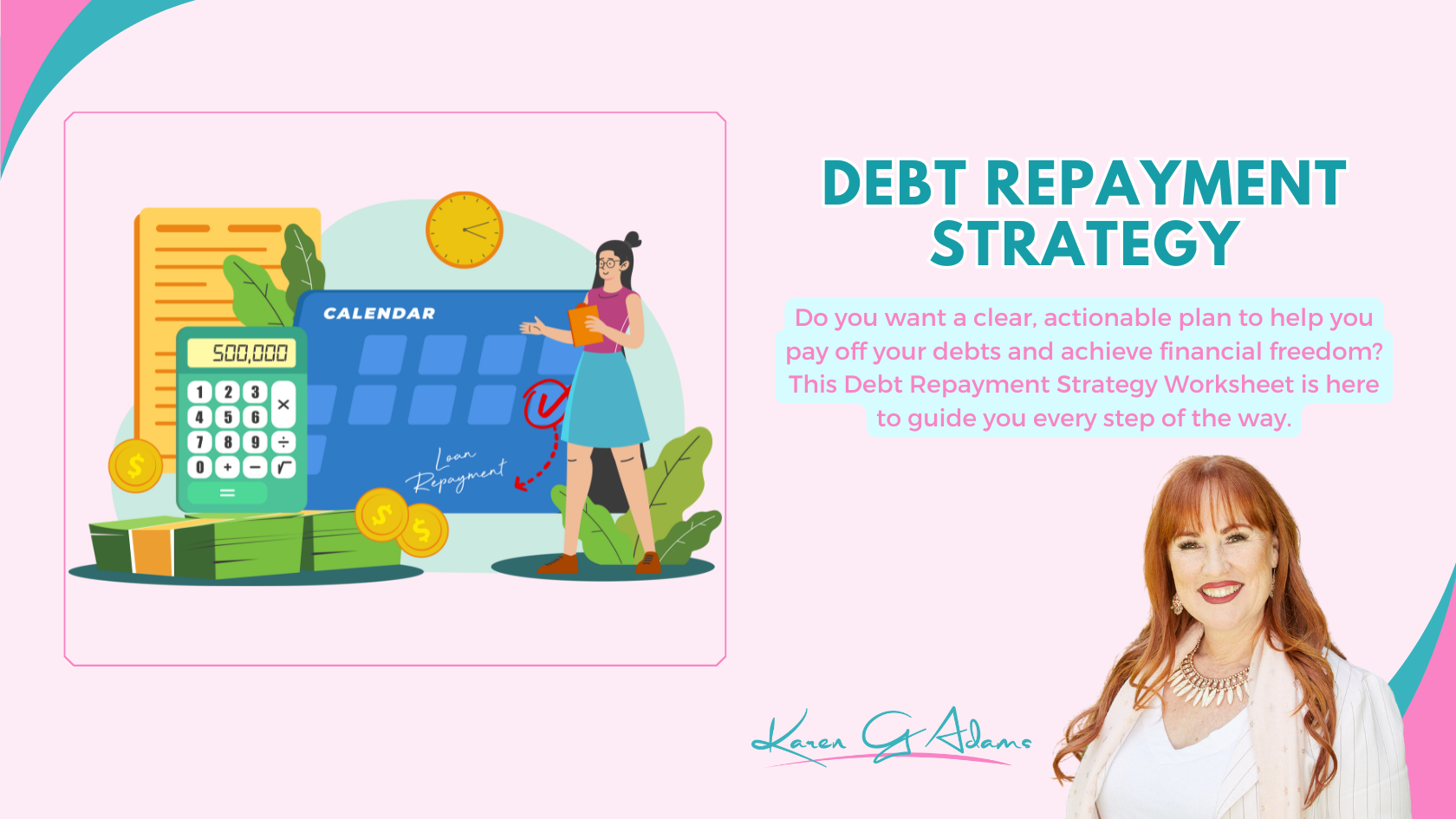
Are you feeling overwhelmed by debt? Do you want a clear, actionable plan to help you pay off your debts and achieve financial freedom? This Debt Repayment Strategy Worksheet is here to guide you every step of the way.

Mastering Budget and Saving Techniques
Free Budgeting Spreadsheet

GRAB YOUR OWN COPY FOR FREE

YOUR MONEY eMagazine

Are you ready to take control of your finances and secure a brighter future?

Dive into “Your Money,” the premier e-magazine by Karen G Adams, the Founder of Financial Management 101.

Subscribe for FREE!

Financial Fitness: How to Get Your Money in Shape in Your 40s and 50s

Financial Fitness: How to Get Your Money in Shape in Your 40s and 50s

Welcome to the Financial Fitness Bootcamp, where we will whip your finances into shape while smiling and laughing along the way. Financial fitness, like physical fitness, requires discipline, consistency, and a sense of humour. So grab your sweatband and water bottle—we are about to get your money in great shape!

1. SET YOUR FINANCIAL GOALS: THE FITNESS PLAN

Every fitness journey starts with a goal, and your financial fitness is no exception. What are you hoping to achieve? Paying off debt? Building an emergency fund? Saving for retirement? Write down your goals and make them SMART—Specific, Measurable, Achievable, Relevant, and Time-bound. Having clear goals gives you direction and motivation to stay on track.

2. BUDGET: THE FINANCIAL WORKOUT PLAN

Consider your budget to be your financial exercise plan. It outlines how you’ll allocate your income to meet your goals. Start by keeping track of your income and expenses. Identify areas where you can cut back (for eg; unused gym membership) and reallocate those funds towards your goals. Use budgeting tools or apps to keep it simple. And remember, just like with a workout plan, consistency is key. Review your budget regularly and make adjustments as needed.

3. BUILD AN EMERGENCY FUND: YOUR FINANCIAL SAFETY NET

An emergency fund is like a spotter in the gym—it’s there to catch you when you fall. Aim to save 3-6 months’ worth of living expenses. Start with a small, achievable goal, like $1,000, and build from there. Automate your savings to make it easier. Having a financial safety net provides peace of mind and protects you from unexpected expenses.

4. DEBT REPAYMENT: THE CARDIO OF FINANCIAL FITNESS

Paying down debt is the cardio of financial fitness. It may not be fun, but it is necessary for a healthy financial life. List your debts and prioritise them. Use the avalanche method to pay off high-interest debt first, and the snowball method to tackle smaller debts and gain momentum. Celebrate every victory along the way, no matter how small. Remember, each payment brings you closer to financial freedom.

5. RETIREMENT SAVINGS: THE STRENGTH TRAINING OF FINANCE

Saving for retirement is similar to strength training in that it gradually increases your financial muscle. Make regular contributions to your retirement accounts. Take full advantage of any matching benefits provided by your employer. Increase your contributions whenever possible, particularly if you receive a raise or bonus. And remember to diversify your investments to reduce risk. The goal is to lay a solid financial foundation that will help you in your golden years.

6. INVESTING: THE PERSONAL TRAINER OF YOUR FINANCES 

Investing can be intimidating, but think of it like a personal trainer—it will help you achieve your goals faster. Start with basic investment accounts such as superannuation funds or retirement savings accounts. Learn about different investment options and strategies. Consider working with a financial advisor to create a personalised investment plan. The key is to start now and let the power of compound interest work in your favour.

7. FINANCIAL SELF-CARE: DON’T FORGET TO STRETCH 

Just as stretching is essential for physical fitness, so is financial self-care. Take the time to review your financial goals and progress on a regular basis. Celebrate your achievements, no matter how small. And don’t forget to reward yourself—within reason. Financial fitness is all about balance, so make sure to enjoy life along the way.

8. ACCOUNTABILITY: FIND YOUR FINANCIAL WORKOUT BUDDY

A workout buddy makes it easier to stay accountable, as does financial fitness. Share your goals with a trusted friend or family member. Join financial communities or forums to find support and motivation. Consider working with a financial coach or advisor to help you stay on track. Having someone to encourage you and hold you accountable can make all the difference. Join my monthly coaching program to stay motivated and on track with your financial goals, like a personal trainer does when you want to achieve your fitness goals.

9. KEEP LEARNING: FINANCIAL EDUCATION NEVER STOPS

The world of finance is constantly changing, and staying informed is crucial. Keep your knowledge up to date by reading books, taking courses, and following financial blogs. Consider subscribing to financial newsletters or podcasts for regular updates and tips. The more you know, the better equipped you are to make informed financial decisions. You can stay informed by subscribing to my regular podcast and newsletter – so be sure to check them out.

10. STAY FLEXIBLE: ADAPT AND ADJUST

Just like with physical fitness, your financial journey will have ups and downs. Stay flexible and be ready to adapt. Life happens—unexpected expenses, changes in income, or shifting priorities. The key is to stay focused on your goals and adjust your plan as needed. Remember, this is a marathon, not a sprint.

Congratulations, you’ve completed the Financial Fitness Bootcamp! By setting goals, creating a budget, building an emergency fund, paying off debt, saving for retirement, investing, practicing financial self-care, staying accountable, continuing your financial education, and staying flexible, you’re well on your way to financial health. Now, go ahead and achieve your financial goals—you have got this!

Learn the fundamental concepts of how budgeting and saving are important to your financial well-being. Registration is now open for the course: Mastering Budget and Saving Techniques. This is a hands-on course with me guiding you on how to budget, track and look at managing your money like a pro.

Mastering Budget and Saving Techniques
Free Budgeting Spreadsheet

GRAB YOUR OWN COPY FOR FREE

YOUR MONEY eMagazine

Are you ready to take control of your finances and secure a brighter future?

Dive into “Your Money,” the premier e-magazine by Karen G Adams, the Founder of Financial Management 101.

Subscribe for FREE!