
How to Save When You Have Debt and the Cost of Living is High

How to Save When You Have Debt and the Cost of Living is High

Feeling like a hamster on a wheel, running fast but getting nowhere? High debt and living costs can do that. But fear not, because even a hamster can break free with a plan! Let’s explore how you can save money even when debt and high living costs are dragging you down.

The Debt Dillema

Debt is like an unwelcome guest who overstays their welcome, eating away at your peace of mind and your wallet. High living costs add fuel to this fire, making it seem impossible to save. But just as there’s a way out of every maze, there’s a path to financial freedom for you too.

STEP 1. TRACK EVERY DOLLAR

The first step to saving is knowing where your money is going. You might think you have a good handle on your spending, but tracking every dollar can reveal surprising patterns and money leaks you didn’t know existed.

Action Steps:

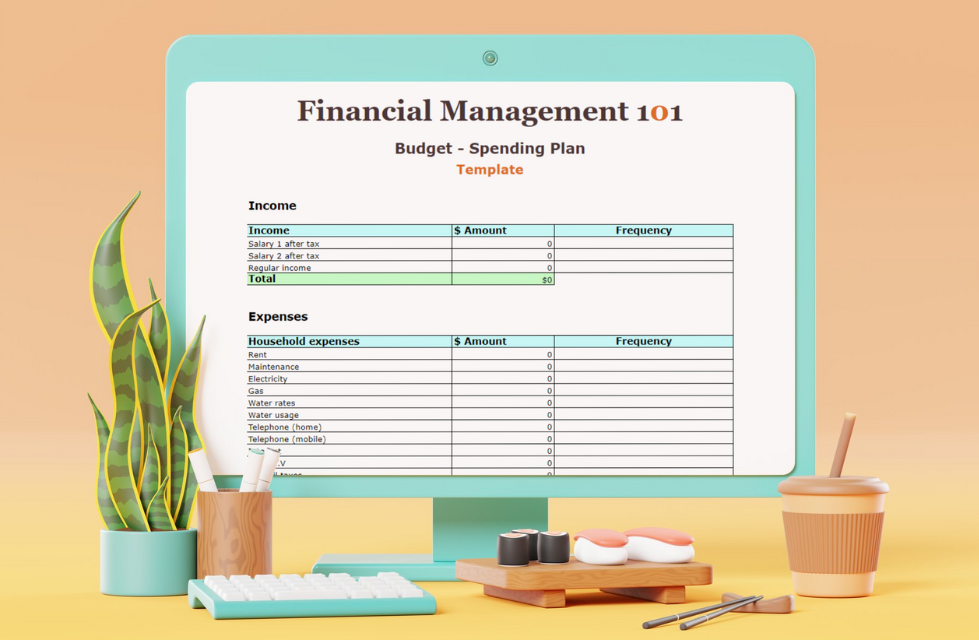
  1. Use Budgeting Apps: They can help you track your spending in real-time. They categorise your expenses and show you where your money goes. I have a budgeting spreadsheet that you can download and use, it’s free so check the link below.
  2. Manual Tracking: If you prefer, use an excel spreadsheet or a good old notebook. Write down every expense, no matter how small. This manual process can make you more mindful of your spending.

By tracking your expenses, you gain awareness of your spending habits, which is the first step to making changes.

Use Budgeting Apps

Use Budgeting Apps

They can help you track your spending in real-time.

STEP 2: PRIORITISE YOUR DEBTS

Not all debts are created equal. High-interest debts like credit card balances can quickly spiral out of control. By prioritising these, you can reduce the amount of interest you pay, freeing up money for savings.

Action Steps:

  1. List Your Debts: Write down all your debts, including interest rates and minimum payments. This gives you a clear picture of what you’re dealing with.
  2. Debt Avalanche Method: Focus on paying off the debt with the highest interest rate first while making minimum payments on others. Once the highest interest debt is paid off,move one to the next highest. This method saves you the most money in interest.
  3. Debt Snowball Method: Alternatively, pay off the smallest debt first to gain a psychological win. This boosts your confidence and motivation to tackle larger debts.

Prioritising your debts helps you tackle them systematically, reducing your overall financial burden.

STEP 3: NEGOTIATE YOUR BILLS

You’d be surprised at how often you can negotiate better terms on your bills. From credit card interest rates to cable bills, a simple phone call can result in significant savings.

Action Steps:

  1. Credit Card Rates: Call your credit card companies and ask for a lower interest rate. Explain your situation and your history as a good customer. You might be surprised at their willingness to help.
  2. Utility Bills: Check your monthly utility bills for any errors or unnecessary services. Contact your providers and negotiate lower rates or switch to a cheaper plan.
  3. Subscriptions and Services: Review your subscriptions (like cable, internet, gym memberships) and see if you can negotiate a lower rate or cancel unused services

Negotiating your bills can free up extra cash to put towards savings or debt repayment.

Review your subscriptions (like cable, internet, gym memberships) and see if you can negotiate a lower rate or cancel unused services.

Review your subscriptions (like cable, internet, gym memberships) and see if you can negotiate a lower rate or cancel unused services.

STEP 4: BOOST YOUR INCOME WITH SIDE HUSTLES

Increasing your income can make a significant difference when you’re trying to save and pay off debt. A side hustle can provide the extra cash you need to get ahead.

Action Steps:

  1. Identify Your Skills: What skills do you have that others might pay for? Freelancing, tutoring, pet sitting, or even selling crafts online can be great side gigs.
  2. Explore Gig Economy Jobs: Consider gig economy jobs like driving for Uber or Lyft, delivering groceries with Instacart, or doing tasks on TaskRabbit. These flexible jobs can fit into your schedule and provide additional income.
  3. Sell Unused Items: Declutter your home and sell items you no longer need on platforms like eBay, Craigslist, or Facebook Marketplace.

A side hustle can provide the financial boost you need to start saving and pay off debt faster.

STEP 5: CUT COSTS CLEVERLY

When living costs are high, cutting expenses might seem impossible. But with some creativity, you can find ways to reduce your spending without sacrificing too much.

Action Steps:

  1. Meal Planning and Cooking at Home: Eating out can drain your budget quickly. Plan your meals, buy groceries in bulk, and cook at home to save money. Consider batch cooking and freezing meals to save time.
  2. DIY and Repair: Before buying something new, see if you can repair or repurpose what you already have. YouTube is a great resource for DIY repair tutorials.
  3. Shop Smart: Use coupons, cashback apps, and shop during sales to save on groceries and household items. Compare prices online before making purchases.
  4. Energy Efficiency: Save on utility bills by making your home more energy-efficient. Use LED bulbs, unplug electronics when not in use, and adjust your thermostat to save on heating and cooling costs.

Cutting costs doesn’t mean you have to live a frugal, joyless life. It’s about making smarter choices that align with your financial goals.

Cut Costs Cleverly

Meal planning, doing your own house repairs, and using discount coupons and cashback apps can help you cut costs and save some bucks!

STEP 6: BUILD A SAVINGS HABIT

Even when money is tight, it’s important to build the habit of saving. Start small and gradually increase your savings as you pay off debt and free up more income.

Action Steps:

  1. Automate Your Savings: Set up automatic transfers to your savings account. Start with a small amount, like $5 or $10 a week, and increase it over time.
  2. Save Windfalls: Whenever you receive unexpected money (like a tax refund, bonus, or gift), put a portion of it into savings. This can give your savings a significant boost.
  3. Create a Savings Challenge: Challenge yourself to save a specific amount each month. Track your progress and reward yourself when you hit your targets.

Building a savings habit, even with small amounts, sets the foundation for long-term financial security.

STEP 7: STAY MOTIVATED AND FOCUSED

Paying off debt and saving money can be a long journey, but staying motivated is key to your success.

Action Steps:

  1. Set Clear Goals: Define your savings and debt repayment goals. Write them down and review them regularly to keep yourself focused.
  2. Celebrate Milestones: Celebrate your progress along the way. Whether it’s paying off a debt or reaching a savings milestone, acknowledge your achievements.
  3. Stay Positive: It’s easy to get discouraged when progress is slow. Surround yourself with positive influences, whether it’s friends, family, or online communities focused on financial goals.

Remember, every small step you take brings you closer to financial freedom. Stay focused, stay motivated, and keep pushing forward.

Conclusion

Saving money when you have debt and the cost of living is high might seem like a daunting task, but it’s not impossible. By tracking your expenses, prioritising your debts, negotiating your bills, boosting your income, cutting costs cleverly, building a savings habit, and staying motivated, you can make significant progress toward your financial goals. Remember, it’s not about making huge changes overnight, but about taking small, consistent steps that add up over time. So, start today and watch as your financial situation gradually improves, one penny at a time.

Learn the fundamental concepts of how budgeting and saving are important to your financial well-being. Registration is now open for the course: Mastering Budget and Saving Techniques. This is a hands-on course with me guiding you on how to budget, track and look at managing your money like a pro.
Mastering Budget and Saving Techniques
How Can I Reduce My Monthly Expenses?

How Can I Reduce My Monthly Expenses?

Reducing your monthly expenses involves a combination of identifying where you can cut costs and implementing habits that foster financial efficiency. Here are some strategies:

TRACK YOUR SPENDING

Start by tracking all your expenses for a month. This will give you a clear picture of where your money is going.

CREATE A BUDGET

Once you understand your spending patterns, create a budget. Allocate amounts for necessities like rent, groceries, utilities, and savings, and then see how much is left for other expenses.

CUT UNNECESSARY SUBSCRIPTIONS

Cancel any subscriptions you don’t use regularly, like streaming services, magazines, or gym memberships.

REDUCE UTILITY BILLS

Try to lower your electricity, water, and gas usage. This can be done by turning off lights when not in use, fixing leaks, and using energy-efficient appliances.

SAVE ON GROCERIES

Plan your meals, use coupons, buy in bulk, and choose store brands over name brands. Also, avoid eating out frequently.

LIMIT IMPULSE BUYS

Avoid making unplanned purchases. If you see something you want, wait a few days to decide if you really need it.

USE PUBLIC TRANSPORTATION

If possible, use public transportation, carpool, bike, or walk instead of driving. This can save money on gas, parking, and maintenance.

Save money on groceries

Focus on budget-friendly foods to save money on groceries.

NEGOTIATE BILLS

Call service providers for things like insurance, cell phone, and internet to see if you can get a better rate.

DIY WHEN POSSIBLE

Do tasks yourself instead of paying someone else, like home repairs, car washes, and landscaping.

SHOP SECOND-HAND

Buy used items when possible. This can include clothes, furniture, and electronics.

AUTOMATE SAVINGS

Set up an automatic transfer to your savings account each payday. This ensures you save before you have a chance to spend.

LOOK FOR FREE ENTERTAINMENT

Take advantage of free community events, parks, and libraries for entertainment instead of spending money on outings.

REVIEW INSURANCE POLICIES

Ensure you’re not over-insured and that you’re getting the best rate for your needs.

PAY DOWN HIGH-INTEREST DEBTS

Prioritise paying off high-interest debt, which can be a significant drain on your finances.

Take advantage of free community events, parks, and libraries for entertainment

BUY IN BULK

For items you use regularly, buying in bulk can offer significant savings.

By implementing these strategies, you can effectively reduce your monthly expenses and improve your overall financial health. Remember, small changes can add up to big savings over time.

Learn the fundamental concepts of how budgeting and saving are important to your financial well-being. Registration is now open for the course: Mastering Budget and Saving Techniques. This is a hands-on course with me guiding you on how to budget, track and look at managing your money like a pro.
ENTER THE CODE WORD: BUDGETING2024 to get $100 off this course.

Mastering Budget and Saving Techniques

How Can I Improve My Credit Score?

How Can I Improve My Credit Score?

Your credit report and score plays a huge role not only with future borrowing, but sometimes with future employment opportunities, if you’re applying for jobs that look at handling money and finances.

How Can I Improve My Credit Score?

Improving your credit score is an important step towards financial stability and can be achieved through several key practices:

PAY YOUR BILLS ON TIME

Late payments can significantly impact your credit score. Ensure that all your bills, including utilities, credit cards, and loans, are paid on time. Setting up automatic payments can be helpful to avoid missing due dates.

KEEP CREDIT CARD BALANCES LOW

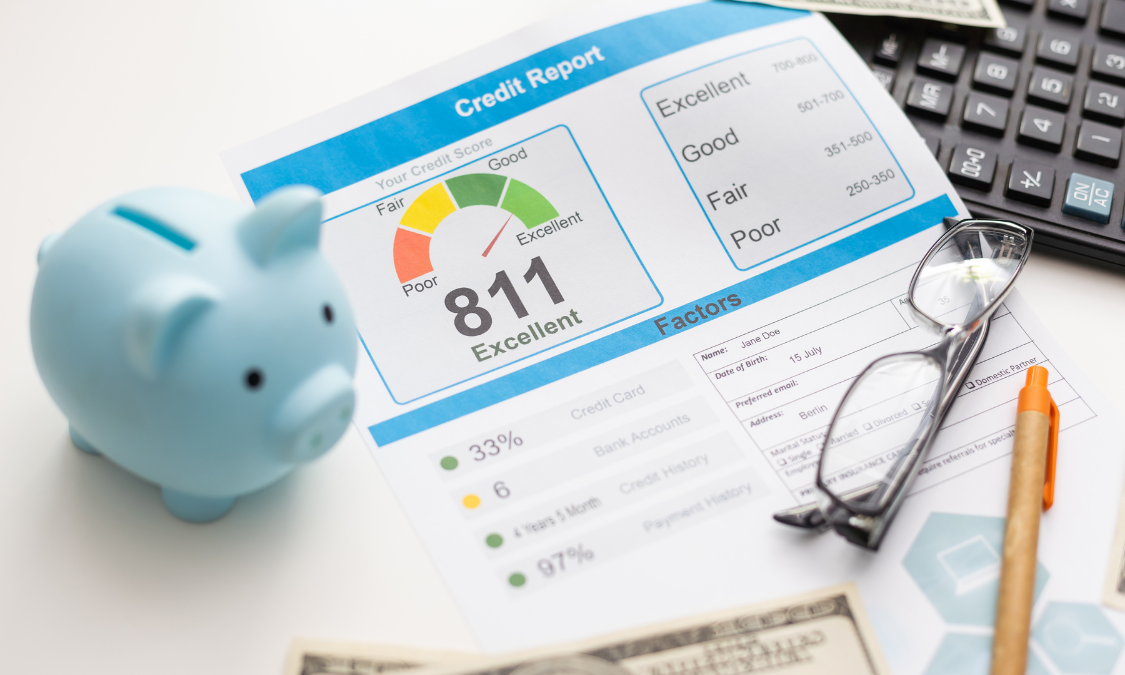
High credit card balances can negatively affect your credit score. Aim to keep your credit utilisation ratio (the amount of credit you use compared to your credit limit) below 30%. Paying down existing balances is crucial to achieving this.

AVOID OPENING TOO MANY NEW ACCOUNTS AT ONCE

Each time you apply for credit, a hard inquiry is made, which can slightly lower your credit score. Opening several new accounts in a short period of time can compound this effect. It’s better to apply for new credit sparingly.

CHECK YOUR CREDIT REPORTS REGULARLY

Errors on your credit report can harm your score. Regularly checking your credit reports allows you to spot and dispute any inaccuracies. You are entitled to a free credit report from each of the three major credit bureaus (Equifax, Experian, and TransUnion) every year.

MAINTAIN A MIX OF CREDIT TYPES

If possible, have a mix of different types of credit, such as revolving credit (like credit cards) and installment loans (like auto or student loans). This can positively impact your credit score, but only take on debt that you can manage.

Check Your Credit Reports Regularly

KEEP OLD ACCOUNTS OPEN

The length of your credit history affects your score. Keeping older accounts open, even if you don’t use them, can be beneficial. However, ensure they don’t have high fees.

LIMIT HARD INQUIRIES

When you apply for credit, a hard inquiry is recorded on your credit report, which can lower your score. Be cautious about applying for new credit unless necessary.

NEGOTIATE WITH CREDITORS 

If you’re struggling with debt, try negotiating with creditors. Some may offer solutions, like lower interest rates or payment plans.

SEEK PROFESSIONAL HELP IF NEEDED

If you’re overwhelmed, consider consulting a credit counselor. They can provide personalised advice and help you develop a plan to improve your credit.

Remember, improving your credit score is a gradual process. It requires consistent effort and financial discipline. Avoid quick-fix solutions, as they are often ineffective and can lead to further financial troubles.

Looking to get some knowledge and skills to effectively read, interpret, and manage your credit report? Join the course “Mastering Your Credit Report – A Comprehensive Guide,” FREE for a limited time. HURRY, slots are filling up fast!

Mastering Your Credit Report - A Comprehensive Guide
How To Create A Budget or Spending Plan

How To Create A Budget or Spending Plan

For many people, this is where they get stuck with the first step in managing their money.  When they hear the word budget they think it means cutting back or going without and they could not be further from the truth.

A budget doesn’t have to be a cumbersome task and it’s something I like to call a spending plan instead of a budget.  By calling it a spending plan, it means you manage your money so that you have money for the fun stuff, as well as the ongoing regular stuff that comes out every month.

Creating your own spending plan involves several steps that help you manage your finances and money more effectively. Here’s a guideline to get you started:

ASSESS YOUR FINANCIAL SITUATION

  • Income: Calculate your total monthly income, including salaries, bonuses, and any other sources.
  • Expenses: List all your monthly expenses. This includes rent/mortgage, utilities, groceries, transportation, insurance, debts, and entertainment.

CATEGORISE YOUR EXPENSES

  • Fixed Expenses: These are regular, predictable costs like rent, loan payments, or insurance.
  • Variable Expenses: These costs can vary, such as groceries, dining out, and entertainment.

Assess Your Financial Situation

TRACK YOUR SPENDING

  • Use a spreadsheet, a budgeting app, or a simple notebook to track where your money goes. This will help you identify areas where you might be overspending.

SET FINANCIAL GOALS

  • Short-term goals might include saving for a vacation or paying off a small debt.
  • Long-term goals could be saving for retirement, a home down payment, or paying off a significant debt.

CREATE THE SPENDING PLAN

  • Allocate specific amounts to each expense category based on your income and financial goals.
  • Ensure your expenses do not exceed your income.

PLAN FOR SAVINGS AND EMERGENCIES

  • Aim to set aside a portion of your income for savings and an emergency fund.

REVIEW AND ADJUST REGULARLY

  • Regularly review your budget, preferably monthly, to adjust for any changes in income or expenses.
  • Be flexible and realistic with your spending plan to make it sustainable.

UTILISE TOOLS AND RESOUCES

  • Consider using budgeting tools or apps to make the process easier and more efficient.

REDUCE UNNECESSARY EXPENSES

  • Look for ways to cut back, such as reducing dining out, unsubscribing from unused services, or shopping for better deals on recurring expenses.

Consider using budgeting tools or apps to make the process easier and more efficient.

Using budgeting tools or apps is helpful if you want to make your spending plan easier and more efficient.

STAY COMMITTED

  • Stick to your spending plan as closely as possible, but allow for occasional indulgences to keep it realistic and manageable.

Remember, the key to a successful spending plan is consistency and willingness to adapt as your financial situation changes.

The LEARNING HUB helps you gain more financial knowledge, while providing you with the support and help you and others need. Join now for only $79 USD per month.

Join the Learning Hub - Financial Management 101 by Karen G Adams

Fixed vs. Variable: Navigating Mortgage Interest Types for Homebuyers

Fixed vs. Variable: Navigating Mortgage Interest Types for Homebuyers

Hello, aspiring homeowners and financial adventurers! As your trusty financial coach and savvy mortgage broker, I’m here to guide you through the thrilling yet often perplexing world of mortgage interest types. 

Picture this: you’re embarking on a quest to find the perfect home, but there’s a fork in the road. Do you take the path of fixed interest rates or venture down the trail of variable rates? Let’s unpack these options together, with a sprinkle of fun and a dash of wisdom, to ensure you make the best decision for your financial future.

The Tale of Two Rates: Setting the Scene

Imagine two characters in our story: Fiona Fixed and Victor Variable. Fiona enjoys predictability in her life. She loves knowing exactly how much her payments will be each month, providing her with a sense of security and peace of mind. Victor, on the other hand, is a bit more daring. He’s willing to ride the waves of the market, betting that interest rates will go in his favour, potentially saving him money in the long run. 

Steady Ship vs. Sailboat

The Fixed Rate: A Steady Ship in Stormy Seas

Fixed-rate mortgages are like a sturdy ship that can weather any storm. They offer the same interest rate for the entire term of the loan, whether it’s 15, 20, or 30 years. This means your monthly mortgage payments remain unchanged, making budgeting as easy as pie. It’s perfect for those who, like Fiona, prefer stability over surprises.

Pros:

    • Predictability: You’ll sleep soundly knowing your payments won’t change.
    • Simplicity: Easy to understand, especially for first-time homebuyers.
    • Protection: You’re shielded from sudden spikes in interest rates.

Cons:

    • Higher Initial Rates: Fixed rates are usually higher than the initial variable rates.
    • Less Flexibility: If interest rates fall, you’re stuck with your rate unless you refinance.

The Variable Rate: Sailing the Winds of Chance

On the flip side, variable-rate mortgages are like a nimble sailboat that adjusts its sails with the winds of the market. The interest rate can fluctuate based on market conditions, meaning your monthly payments could increase or decrease. This is where Victor finds his thrill, in the potential for lower overall costs when rates favour the borrower.

Pros:

    • Lower Initial Rates: Start with a lower rate compared to fixed-rate mortgages.
    • Potential Savings: Benefit from paying less interest when rates decrease.
    • Flexibility: Often includes options to lock in a fixed rate if the winds change.

Cons:

    • Uncertainty: Your monthly payment could change, making budgeting a challenge.
    • Risk: If interest rates soar, so do your payments.

Navigating Through the Fog: How to Choose

Now, how do you choose between these two? Consider your financial situation, lifestyle, and risk tolerance. Here are a few lanterns to help illuminate your path:

Financial Stability: If you’re in a stable financial position and can handle potential increases in your payments, Victor’s variable rate might be your calling. However, if you prefer the safety of a predictable budget, follow Fiona’s lead with a fixed rate.

Market Trends: Keep an ear to the ground on market trends. If rates are historically low, locking in a fixed rate might be wise. But if you’re feeling optimistic about where rates are headed, the variable rate could be your treasure.

Term Length: Consider how long you plan to stay in your home. If it’s a short-term stay, a variable rate might offer lower initial payments. For a long haul, a fixed rate could offer long-term stability.

Ask the Experts: Consult with me, your financial coach and mortgage broker. I love helping heroes of homeownership chart their course to the perfect mortgage.

The Adventure Awaits

Remember, choosing between fixed and variable interest rates isn’t just about crunching numbers; it’s about aligning your mortgage with your life’s voyage. Whether you’re a Fiona Fixed, preferring the calm seas of predictability, or a Victor Variable, ready to sail the fluctuating financial tides, the right choice is out there.

As your financial navigator, I’m here to help you explore the possibilities and make an informed decision. So, gather your maps and set your sights on the horizon; your dream home awaits, and the perfect mortgage is your key to unlocking the door. Happy house hunting, brave explorers.

Whether you’re dipping your toes into the home-buying waters for the first time, eyeing a smarter refinancing strategy, coming off a fixed interest rate, or expanding your portfolio with another investment property, Karen’s 20-minute discovery call, is your first step towards mortgage mastery! Let’s dive into your financing needs, explore your options, and perform a FREE mortgage health check to ensure your plans aren’t just dreams but achievable realities.  

Karen Adams of Financial Management 101