How to Save for a House Deposit Faster (with Tips on Australian Government Grants for First Home Buyers)

How to Save for a House Deposit Faster (with Tips on Australian Government Grants for First Home Buyers)

Saving for a house deposit can feel like an uphill battle, especially with property prices rising across Australia. But with the right strategies and some government assistance, you can speed up the process and make homeownership a reality sooner than you think.

In this guide, I’ll share some actionable tips on how to save for your house deposit faster, and I’ll also highlight key Australian government grants and schemes designed to support first-time homebuyers.

Let’s dive in!

1. Set a Clear Goal and Budget

The first step in saving for a house deposit is knowing how much you’ll need. In Australia, the general rule is that you need a 20% deposit to avoid lenders’ mortgage insurance (LMI). But many lenders will accept a deposit as low as 5%, though you’ll need to pay LMI if you’re below the 20% threshold.

Here’s an example: If you’re looking to buy a house worth $500,000, a 20% deposit would be $100,000. But if you’re going for a 5% deposit, you’d only need $25,000 upfront, though LMI will apply. Set your deposit target based on the property market in your area and your financial situation.

Next, create a budget to work toward your goal. Break down your deposit target into smaller, manageable chunks. For instance, if you’re aiming to save $50,000 in three years, that’s about $1,400 per month. Once you have a budget in place, you’ll be more aware of your spending habits and can start cutting unnecessary expenses.

In Australia, the general rule is that you need a 20% deposit to avoid lenders’ mortgage insurance (LMI). But many lenders will accept a deposit as low as 5%, though you’ll need to pay LMI if you’re below the 20% threshold.

2. Automate Your Savings

One of the best ways to save consistently is by automating your savings. Set up an automatic transfer from your everyday account into a high-interest savings account. Make this transfer every payday, so you’re consistently saving without thinking about it.

The key here is to treat your savings like a bill that has to be paid. Automating the process removes the temptation to spend the money elsewhere. You could even consider setting up a dedicated account specifically for your house deposit, this can give you a clear view of how close you’re getting to your goal without the risk of dipping into the funds.

Additionally, consider using a high-interest savings account or a term deposit to make your money work harder for you. While interest rates aren’t sky-high right now, every little bit helps when you’re saving for a big goal like a house deposit.

3. Boost Your Income

Increasing your income is another great way to speed up your house deposit savings. Here are a few options to explore:

  • Side Hustles: Whether it’s freelancing, tutoring, selling products online, or driving for rideshare services, side hustles can give you extra cash to put towards your deposit.
  • Overtime or Extra Hours: If your current job offers overtime or the opportunity to pick up extra shifts, take advantage of that extra income.
  • Sell Unused Items: Decluttering your home and selling things you no longer need – like electronics, clothes, or furniture—can give you a quick cash boost.

Boosting your income isn’t always easy, but every dollar earned and saved brings you closer to your dream home.

Whether it’s freelancing, tutoring, selling products online, or driving for rideshare services, side hustles can give you extra cash to put towards your deposit.

4. Take Advantage of Australian Government Grants and Schemes for First Home Buyers

The Australian government offers several programs to help first-time homebuyers get into the property market sooner. If you’re eligible, these programs can reduce the amount you need for a deposit or provide significant financial support.

First Home Owner Grant (FHOG)

The First Home Owner Grant is a one-off payment to first-time buyers purchasing a new or substantially renovated property. The grant amount varies by state or territory. For instance:

      • In Western Australia, you can receive up to $10,000 designed to assist eligible first-time homebuyers in purchasing or building a new residential property for use as their principal place of residence. The total value of the home and land must not exceed $750,000 if located south of the 26th parallel (which includes all Perth metropolitan areas) or $1,000,000 if located north of the 26th parallel.
      • In Queensland, you can receive up to $15,000 for a new home valued up to $750,000.
      • In Victoria, the grant is $10,000 for homes up to $750,000, or $20,000 if you’re building or buying in a regional area.

This grant can make a big difference to your savings, so check your state or territory’s specific eligibility requirements and grant amounts.

First Home Guarantee Scheme

Under the First Home Guarantee Scheme, eligible first-home buyers can purchase a property with a deposit as low as 5%, with the government guaranteeing up to 15% of the loan. This helps you avoid lenders’ mortgage insurance (LMI), which can otherwise add thousands to your costs.

This scheme has annual limits on the number of guarantees available, so it’s essential to check availability and eligibility as part of your planning.

First Home Super Saver Scheme (FHSS)

The First Home Super Saver Scheme allows you to make voluntary contributions to your superannuation fund and then withdraw those contributions, plus earnings, to use for a house deposit. You can contribute up to $15,000 per financial year, with a total limit of $50,000 (or $100,000 for couples).

The advantage of this scheme is that the contributions you make to super are taxed at a lower rate than your regular income, allowing you to save more efficiently.

Stamp Duty Concessions or Exemptions

Many states and territories offer stamp duty concessions or exemptions for first-home buyers. For example:

In Perth:

      • Full Exemption: If you’re a first home buyer in Perth purchasing a property valued up to $450,000, you are exempt from paying stamp duty. This provides a saving of up to $15,390.
      • Concessional Rates: For properties valued between $450,001 and $600,000 in Perth, a concessional rate applies. The duty payable is calculated at $15.01 for every $100 (or part thereof) over $450,000.

In New South Wales, if your first home is valued up to $800,000, you may be exempt from stamp duty.

In Victoria, first-time buyers are exempt from paying stamp duty for properties up to $600,000, and there are concessions for homes valued up to $750,000.

This can save you thousands, so make sure to check out your state’s specific policies.

5. Cut Expenses and Stay Focused 

Cutting back on unnecessary spending is essential when you’re saving for a big goal like a house deposit. Here are some simple ways to trim your expenses:

Review Subscriptions

Cancel subscriptions you don’t use or need, such as streaming services, magazines, or gym memberships.

Eat Out Less

Limit takeout and dining out, and focus on home-cooked meals, which are often much cheaper.

Review Subscriptions

Cancel subscriptions you don’t use or need, such as streaming services, magazines, or gym memberships.

It’s also important to stay motivated throughout the savings journey. Set short-term milestones and celebrate small wins to keep yourself on track.

FINAL THOUGHTS

Saving for a house deposit might seem challenging, but with careful planning, smart saving strategies, and government assistance, it’s achievable. Set a clear savings goal, automate your deposits, boost your income where you can, and make sure to take full advantage of the grants and schemes available to first-home buyers in Australia.

By combining these strategies, you’ll be on the fast track to saving for your house deposit and unlocking the door to your first home sooner than you think.

Buying your first home is a big and important step in your life. This guide is here to help you navigate through the process, making it easier and less overwhelming.

We understand that buying a home might feel like a maze of unfamiliar terms and decisions. That’s why this guide is designed to break down each step into simple and easy-to-follow instructions. Whether you’re a first-time buyer or need a refresher, this guide is here to support you in making informed choices.

Remember, buying a home is a journey, and just like any journey, it starts with a single step. So, dive in and learn how to turn your dream of homeownership into a reality!

Get your free copy today!

Step-by-Step Guide to Buying Your First Home
The Debt-Free Mindset: How to Train Your Brain for Financial Freedom

The Debt-Free Mindset: How to Train Your Brain for Financial Freedom

Becoming debt-free isn’t just about paying off balances; it’s about reshaping your mindset to align with financial freedom. Many people get trapped in a cycle of debt because their mindset is stuck in a place of scarcity or fear. Let us look at some actionable steps for developing a debt-free mindset.

1. UNDERSTAND YOUR DEBT SITUATION

Every financial decision you make is influenced by your beliefs about money, often shaped by your experiences. Reflect on your “debt story”—the events, habits, and emotions that led you to where you are now. Write it down. Understanding your history with money is the first step to rewriting your financial future.

ACTION STEP:
Journal about your first memory of money, your feelings towards debt, and how that might have shaped your current situation.

2. REFRAME YOUR THOUGHTS ABOUT MONEY

Instead of viewing debt as a burden, see it as a challenge to overcome. Change your language from “I’m in debt” to “I am working towards financial freedom.” Positive affirmations can help you stay motivated and focused on your goal.

ACTION STEP:
Create a list of positive money affirmations, such as “I am capable of managing my finances,” and repeat them daily.

3. VISUALISE DEBT FREEDOM

Visualisation is a powerful tool. Imagine how your life will look and feel once you’re debt-free. Picture the freedom, the opportunities, and the peace of mind that comes with it. The more vivid your vision, the more motivated you’ll be to achieve it.

ACTION STEP:
Spend 5 minutes every morning visualising your debt-free life. Write down what you see and feel.

4. SURROUND YOURSELF WITH FINANCIAL POSITIVITY 

Your environment influences your mindset. If you’re surrounded by people who are also striving to be debt-free, or who have achieved it, their energy can motivate you. Join a debt-free community or follow influencers who share your financial goals.

ACTION STEP:
Join my monthly coaching program where you will feel supported and be part of a community all working towards helping you achieve your financial independence and goals. CLICK HERE for more information.

5. CHALLENGE YOUR LIMITING BELIEFS

Many of us have limiting beliefs about money—like thinking we’ll always be in debt or that financial freedom is only for the wealthy. Challenge these beliefs by seeking evidence to the contrary and reprogramming your mind with empowering thoughts.

ACTION STEP:
Write down three limiting beliefs you have about money and challenge them with factual statements or examples.

6. PRACTICE GRATITUDE FOR WHAT YOU HAVE

Shifting your focus from what you lack to what you have can create a more abundant mindset. When you’re grateful for your current resources, you’re more likely to use them wisely and attract more.

ACTION STEP:
Start a gratitude journal and list three things you’re grateful for each day, focusing on non-material aspects of your life.

7. SET REALISTIC AND ACHIEVABLE GOALS

Setting small, achievable goals can help build momentum. Instead of focusing solely on the end goal of being debt-free, set smaller milestones. Celebrate each win, no matter how small.

ACTION STEP:
Break down your debt into smaller, manageable chunks and create a reward system for achieving each milestone.

Only purchase essentials and document the impact on your finances and mindset.

8. EMBRACE MINIMALISM IN SPENDING

Adopting a minimalist approach to spending helps shift the focus from consuming to saving and investing in experiences rather than things. This mindset shift can significantly contribute to becoming debt-free.

ACTION STEP:
For one month, only purchase essentials and document the impact on your finances and mindset.

9. LEARN FROM YOUR MISTAKES WITHOUT GUILT

Everyone makes financial mistakes, but dwelling on them with guilt can keep you stuck. Instead, view them as learning opportunities. Reflect on what went wrong and how you can prevent it from happening again.

ACTION STEP:
List past financial mistakes and write down the lessons you’ve learned from each. 

10. COMMIT TO LIFELONG LEARNING ABOUT MONEY

Developing a debt-free mindset is an ongoing process. Make a commitment to continue learning about money management, investing, and wealth-building. This growth mindset will keep you motivated and informed.

ACTION STEP:
Choose one financial book or one of my online courses and programs to complete each month.

CONCLUSION

Becoming debt-free starts with transforming your mindset. By understanding your debt story, reframing your thoughts about money, and setting realistic goals, you can begin the journey towards financial freedom with a clear and positive outlook. Remember, the path to being debt-free is not just about the numbers but also about your mindset.

Take Control of Your Finances Today!

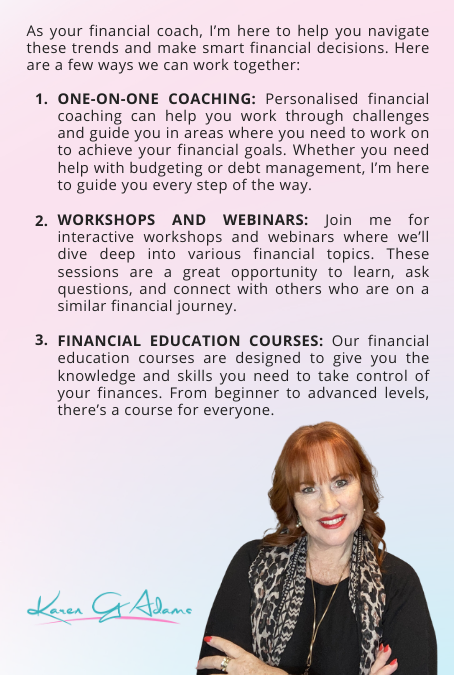
Are you tired of living paycheck to paycheck? Do you want to make smarter financial decisions but don’t know where to start? This monthly financial coaching program is designed to help you take control of your finances and achieve your financial goals.

Mastering Budget and Saving Techniques
Free Budgeting Spreadsheet

GRAB YOUR OWN COPY FOR FREE

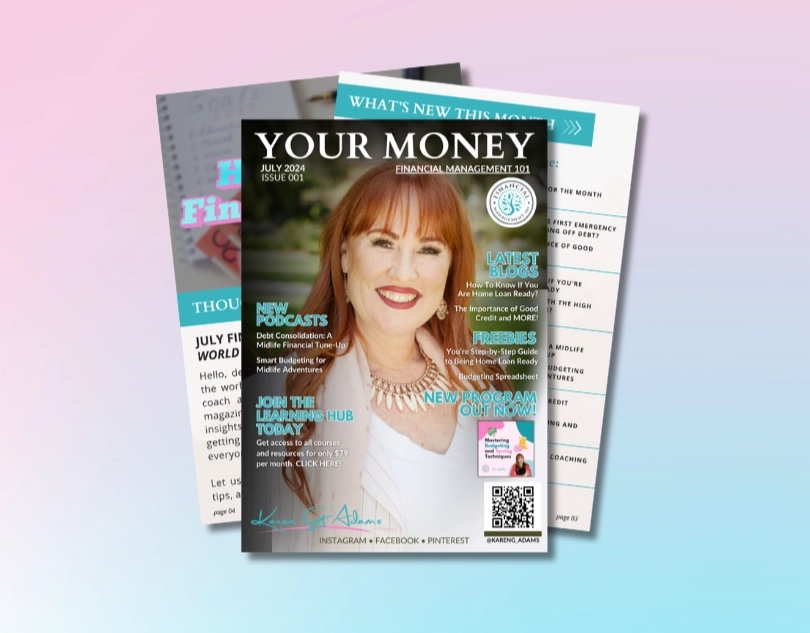
YOUR MONEY eMagazine

Are you ready to take control of your finances and secure a brighter future?

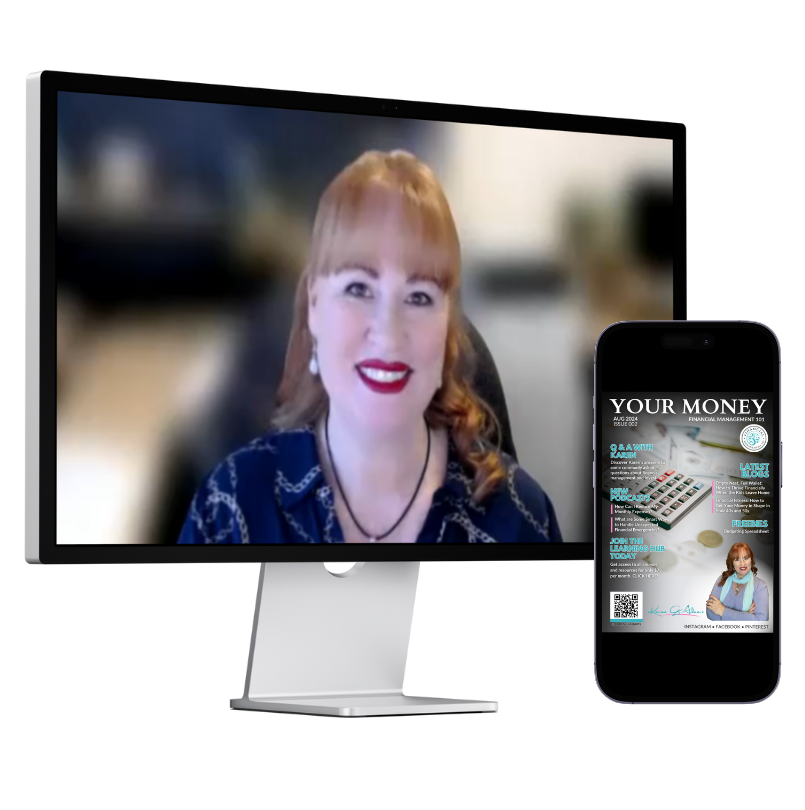
Dive into “Your Money,” the premier e-magazine by Karen G Adams, the Founder of Financial Management 101.

Subscribe for FREE!

What Happens When You Miss a Loan Payment: Avoiding the Financial Pitfalls

What Happens When You Miss a Loan Payment: Avoiding the Financial Pitfalls

Hey there, my savvy money managers!

Today, we are going over a topic that is about as fun as stepping on a Lego in the middle of the night: missing loan payments. Missing a payment on a credit card, mortgage, or personal loan can have serious consequences for your financial health. But do not worry, we will navigate these rough waters together, so by the end of this post, you will understand why you should not miss payments and how to stay on track like a financial ninja. Let’s get started!

The Domino Effect of Missing a Payment

1. CREDIT SCORE TAKES A HIT

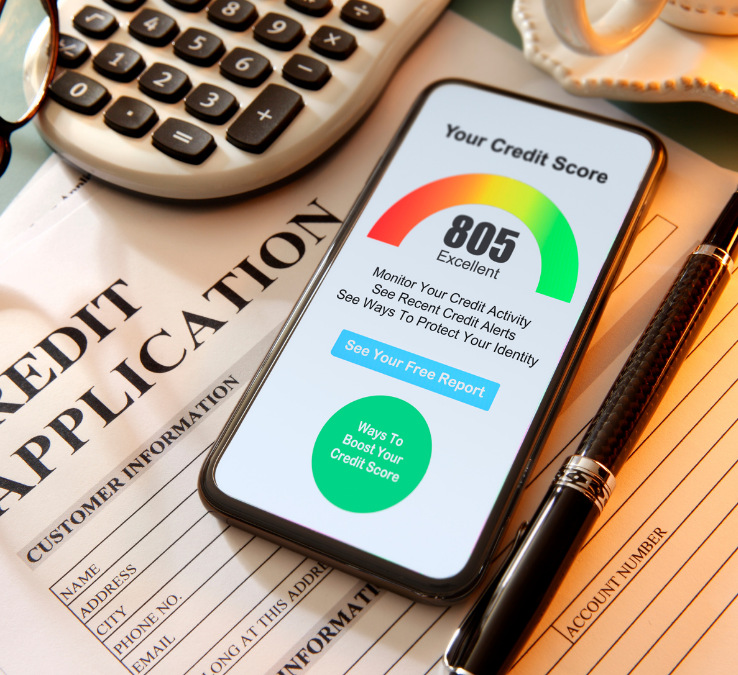
Consider your credit score to be a report card for your finances. Missing a payment is similar to failing a big test; it hurts. When you miss a payment, your lender reports it to the credit bureaus (Experian, Equifax, Veda and TransUnion), and your credit score may suffer significantly. A lower credit score means higher interest rates on future loans and credit cards, and it may even limit your ability to rent an apartment or find work. Yikes!

    2. LATE FEES AND PENALTIES

    Lenders love late fees because it is their way of saying, “We told you so!” These fees can range from mildly annoying to extremely painful. Late fees on credit cards can be up to $40. Mortgages and personal loans may have even steeper penalties. These additional costs can quickly accumulate, making it difficult to catch up.

    3. HIGHER INTEREST RATES

    If you fail to pay your credit card bill on time, you may face the dreaded annual penalty rate. This is a higher interest rate that can apply to your existing balance and future purchases. Penalty rates can soar up to 29.99%, turning your manageable debt into a mountain of despair.

    4. COLLECTION AGENCIES COME CALLING

    If you continue to miss payments, your debt may be sent to a collection agency. These people are persistent; they will call, email, and possibly even write you a letter or two. Having a debt in collections can harm your credit score even more and cause a lot of stress.

    5. FORECLOSURE AND REPOSSESSION

    Missing multiple mortgage payments can result in foreclosure, in which the lender takes back your home. Similarly, if you default on a car loan, the lender may seize your vehicle. Losing your home or car is a life-changing event that you should definitely avoid.

    The Ripple Effect on Your Life

    1. EMOTIONAL AND MENTAL STRESS

    Financial issues can be extremely stressful. Worrying about missed payments, mounting debt, and the potential loss of assets can have a negative impact on your mental health. Anxiety, depression, and insomnia are common side effects.

    2. RELATIONSHIP STRAIN

    Money problems are one of the most common causes of relationship stress. Arguments about money can strain relationships with your partner, family, and friends. Being open and working together on a plan can help mitigate these issues. 

    3. LIMITED FINANCIAL FLEXIBILITY 

    When you fall behind on your payments, you lose financial flexibility. You may have to forego saving for emergencies, retirement, and other goals. Living paycheck to paycheck becomes a harsh reality.

    How To Avoid Missing Payments Like a Pro

    1. MAKE A BUDGET AND STICK TO IT

    Yes, the B-word – budget. It might not sound glamorous, but creating a budget is the foundation of good financial health. Keep track of your income and expenses to ensure that you have enough money set aside for loan payments. There are numerous budgeting apps available that can make this process easier and even more enjoyable.

    2. SET UP AUTOMATIC PAYMENTS

    Automated payments are your best friend. They ensure that you never miss a due date, and many lenders provide this feature. Just make sure you have enough money in your account to cover the payments – you don’t want to incur overdraft fees!

    3. CREATE AN EMERGENCY FUND

    Life is unpredictable. An emergency fund serves as a financial cushion for unforeseen expenses that can disrupt your payment schedule. Aim to save three to six months’ worth of living expenses in a separate, easily accessible account.

    4. COMMUNICATE WITH YOUR LENDER

    If you think you are going to miss a payment, do not hide under the rock. Contact your lender as soon as possible. Many lenders are willing to work with you if you take proactive steps. They might offer temporary relief options like payment deferrals, reduced interest rates, or a modified payment plan.

    5. PRIORITISE YOUR DEBTS

    Not all debts are equal. High-interest debts, such as credit cards, should be your primary focus because they can quickly spiral out of control. Use the snowball or avalanche method to tackle your debts systematically.

    6. REVIEW YOUR STATEMENTS REGULARLY

    Keep track of your loan statements and bank accounts. This allows you to catch any errors or unauthorised charges early and keeps you informed of your payment due dates.

    7. IF IT SEEMS LIKE THERE’S NOT ENOUGH MONEY

    You may need to look for some extra money, like a side hustle or additional part time work— anything that you can fit into your already busy schedule to help ease the stress and pay down those debts quicker.  There are many ways you can earn a few extra dollars, so look at your creative talents and see if you can earn extra income from areas like tutoring, arts and crafts to name a few.

    Look at your creative talents and see if you can earn extra income from areas like tutoring, arts and crafts to name a few.

    A Fun Challenge: The No-Spend Week

    Here’s a fun little challenge to help you stay on track – try a no-spend week. For one week, don’t spend money on anything that isn’t a necessity. Use up what you have in the pantry, avoid eating out, and avoid online shopping. This can help you save a significant amount of money, which you can put towards your loan payments.

    Conclusion: Stay Ahead of the Game

    Missing a loan payment may feel like the end of the world, but it does not have to be. Understanding the consequences and taking proactive steps will help you avoid pitfalls and stay financially healthy. Remember, it is all about staying informed, being organised, and making sound decisions.

    So buckle up, set up those automatic payments, and keep an eye on your finances. With a little discipline and planning, you will be able to navigate your financial journey with ease in no time. And hey, if you ever need a pep talk or some financial coaching, you know where to find me. Enjoy managing your money!

    By following these suggestions, you will be well on your way to avoiding late payments and maintaining a healthy financial future. Now get out there and conquer those loan payments like the financial superstar you are!

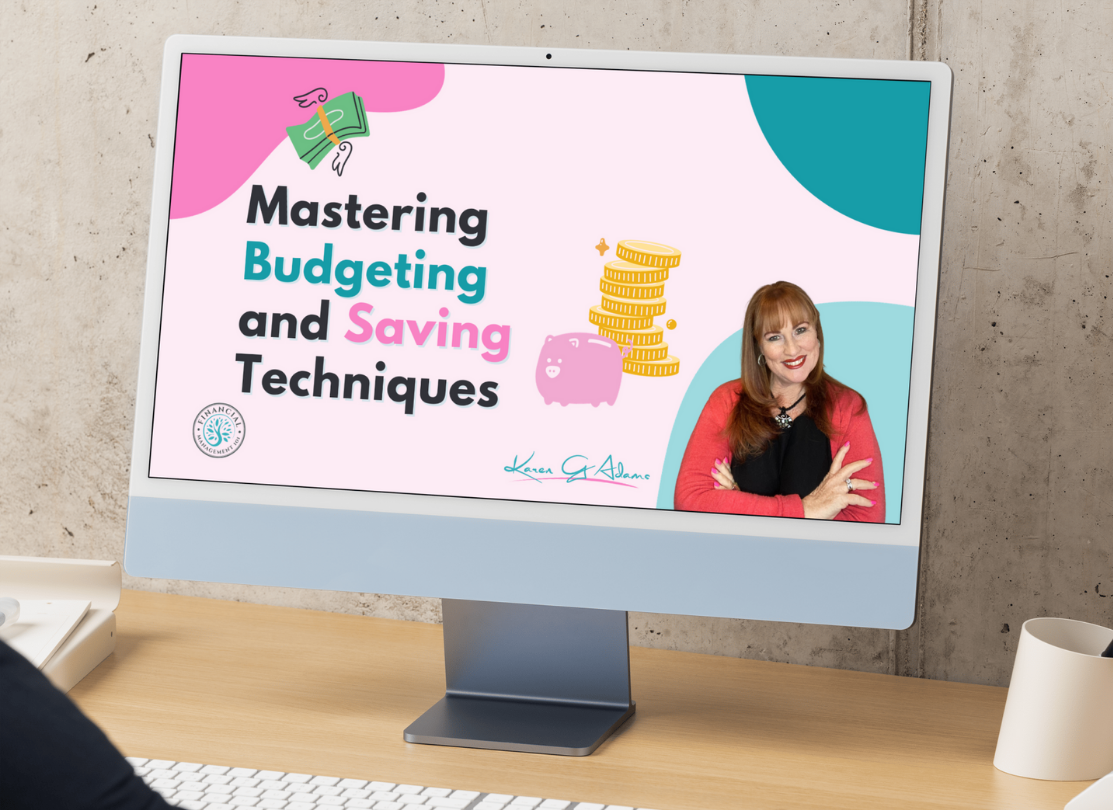
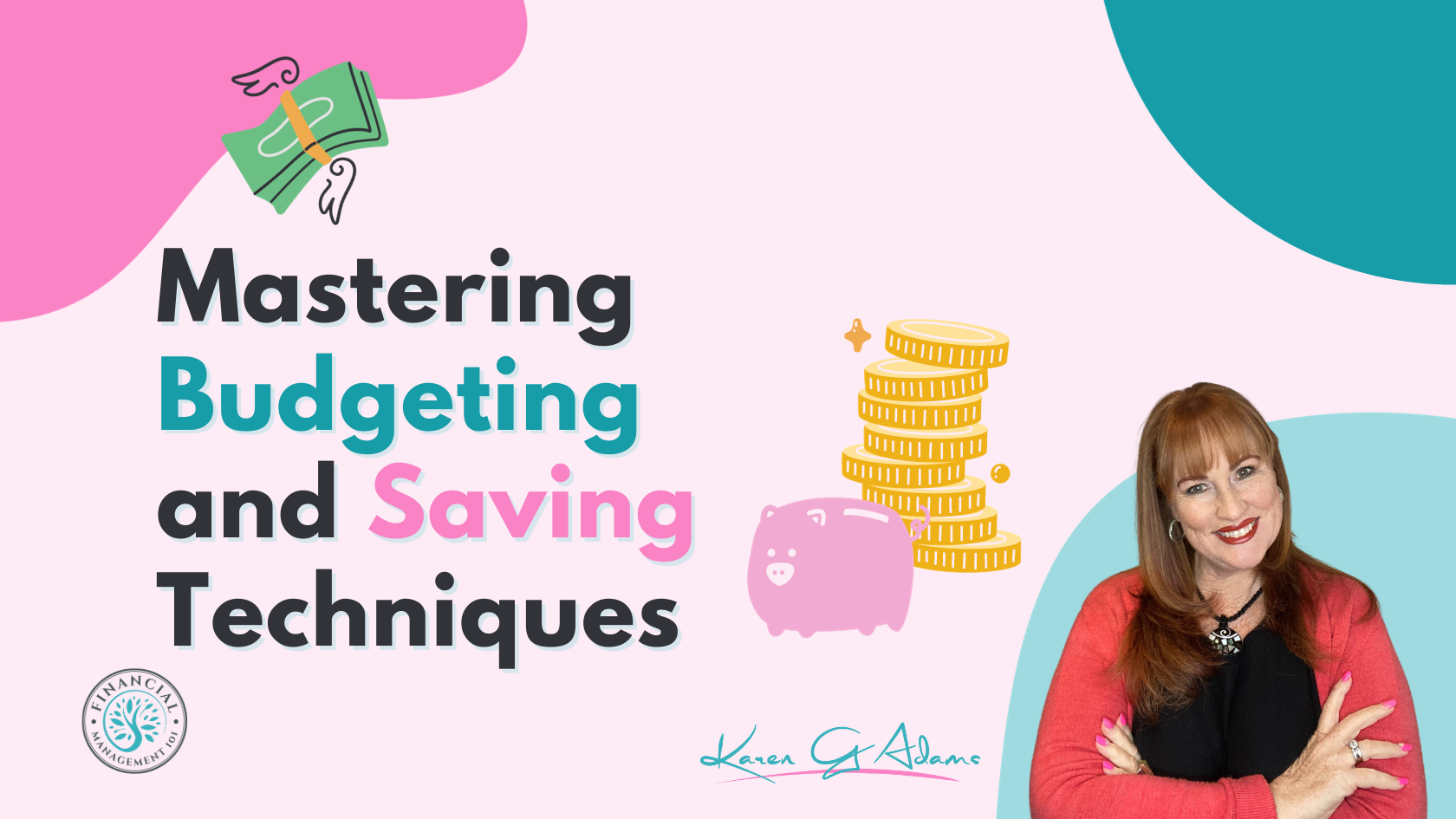
    Learn the fundamental concepts of how budgeting and saving are important to your financial well-being. Registration is now open for the course: Mastering Budget and Saving Techniques. This is a hands-on course with me guiding you on how to budget, track and look at managing your money like a pro.

    Mastering Budget and Saving Techniques
    Free Budgeting Spreadsheet

    GRAB YOUR OWN COPY FOR FREE

    YOUR MONEY eMagazine

    Are you ready to take control of your finances and secure a brighter future?

    Dive into “Your Money,” the premier e-magazine by Karen G Adams, the Founder of Financial Management 101.

    Subscribe for FREE!

    How to Become Debt-Free: A Step-by-Step Guide to Financial Freedom

    How to Become Debt-Free: A Step-by-Step Guide to Financial Freedom

    Are you tired of feeling trapped by debt? You’re not alone. Debt can feel like a heavy burden, but the good news is that it doesn’t have to be a lifelong sentence. With the right mindset and strategies, you can break free from debt and start building a more secure financial future. Let’s dive into the steps to becoming debt-free and reclaiming control over your finances!

    1. UNDERSTAND YOUR DEBT SITUATION

    Before you can tackle your debt, you need to have a clear understanding of what you’re dealing with. Start by making a list of all your debts, including:

    • Credit cards
    • Student loans
    • Personal loans
    • Car loans
    • Mortgage

    For each debt, write down the total amount owed, the interest rate, and the minimum monthly payment. This will give you a comprehensive view of your debt landscape and help you prioritise which debts to focus on first.  If you need a little hand with getting this down, you can download my FREE debt repayment spreadsheet by clicking HERE.

    2. CREATE A BUDGET AND STICK TO IT

    Creating a budget is an important step towards debt freedom. A budget helps you track your income and expenses, ensuring you’re not spending more than you earn. Here’s how to create an effective budget:

    • Calculate your monthly income: Include all sources of income, such as your salary, side gigs, and any other earnings.
    • List your monthly expenses: Categorise your expenses into essentials (like rent, utilities, groceries) and non-essentials (like dining out, entertainment).
    • Allocate funds for debt repayment: After covering your essentials, allocate a portion of your income specifically for debt repayment.

    Sticking to your budget requires discipline, but it’s essential if you want to make significant progress towards becoming debt-free.

    Want some help creating your budget then download my FREE budget spreadsheet where I make it easier to workout what’s happening with your money. Click HERE.

    3. CUT UNNECESSARY EXPENSES

    One of the quickest ways to free up money for debt repayment is by cutting unnecessary expenses. Review your budget and identify areas where you can reduce spending. Here are some common areas where people tend to overspend:

    • Dining out: Try cooking at home more often.
    • Subscription services: Cancel subscriptions you don’t use regularly.
    • Impulse purchases: Avoid buying items you don’t need by implementing a 24-hour rule before making non-essential purchases.

    Remember, every dollar saved is a dollar that can go towards paying off your debt faster!

    4. CHOOSE A DEBT REPAYMENT STRATEGY

    There are several strategies for repaying debt, but two of the most popular are the Debt Snowball and Debt Avalanche methods:

    • Debt Snowball Method: Focus on paying off your smallest debt first while making minimum payments on all others. Once the smallest debt is paid off, move on to the next smallest. This method gives you quick wins and boosts motivation.
    • Debt Avalanche Method: Focus on paying off the debt with the highest interest rate first while making minimum payments on all others. This method saves you the most money in interest over time.

    Choose the method that resonates most with you and start chipping away at your debt!

    5. INCREASE YOUR INCOME

    If cutting expenses isn’t enough, consider ways to increase your income. This additional income can be used entirely for debt repayment. Here are a few ideas to boost your income:

    • Take on a side hustle: Consider freelancing, tutoring, or driving for a ride-share service.
    • Sell unused items: Declutter your home and sell items you no longer need.
    • Ask for a raise or promotion: If you’ve been excelling at work, now might be the time to ask for a raise.

    Every bit of extra income helps in accelerating your journey to becoming debt-free.

    6. BUILD AN EMERGENCY FUND 

    While it might seem counterintuitive to save money when you’re trying to pay off debt, having an emergency fund is crucial. An emergency fund acts as a financial safety net, preventing you from going deeper into debt when unexpected expenses arise. Aim to save at least $1,000 initially and gradually build it to cover 3-6 months’ worth of expenses.

    7. NEGOTIATE LOWER INTEREST RATES

    High-interest rates can significantly increase the amount you owe over time. Don’t be afraid to negotiate with your creditors to lower your interest rates. Here’s how:

    • Call your creditors: Explain your financial situation and request a lower interest rate.
    • Consider transferring your balance: Some credit cards offer 0% interest on balance transfers for a limited period. This can help reduce interest costs and pay off debt faster.
    • Refinance loans: Refinancing can lower your interest rate and reduce monthly payments.

    Lowering your interest rates means more of your payments go towards reducing the principal amount, helping you get out of debt faster.

    8. AVOID NEW DEBT

    While you’re working to become debt-free, it’s essential to avoid accumulating new debt. Resist the temptation to use credit cards or take out new loans. If necessary, consider freezing your credit to prevent taking on new debt until you’re back on solid financial footing.

    9. TRACK YOUR PROGRESS AND CELEBRATE MILESTONES

    Tracking your progress is vital to staying motivated. Use a debt repayment tracker or app to monitor your journey. Celebrate each milestone you reach, whether it’s paying off a specific amount or clearing a particular debt. Celebrating these wins keeps you motivated and committed to your goal.

    10. SEEK PROFESSIONAL HELP IF NEEDED

    If your debt feels overwhelming, or if you’re struggling to create a repayment plan, consider seeking help from me as your financial coach. As a financial coach, I can provide personalised advice and strategies tailored to your situation, helping you navigate your way out of debt more effectively.

    11. STAY COMMITTED TO THE JOURNEY

    Becoming debt-free is a marathon, not a sprint. It requires time, effort, and unwavering commitment. There will be challenges along the way, but staying focused on your goal will make the journey worth it. Remember, the freedom and peace of mind that come with being debt-free are invaluable.


    CONCLUSION: EMBRACE YOUR FINANCIAL FREEDOM

    Becoming debt-free is one of the most empowering steps you can take for your financial future. It opens up a world of possibilities, from building wealth to achieving your financial dreams. By understanding your debt, creating a budget, cutting expenses, increasing your income, and sticking to a debt repayment strategy, you’re well on your way to financial freedom.

    Start today—your debt-free future awaits!

    By following these steps and staying committed, you’ll not only become debt-free but also build a strong foundation for a financially secure future. Remember, every step you take towards eliminating debt brings you closer to the life you desire.

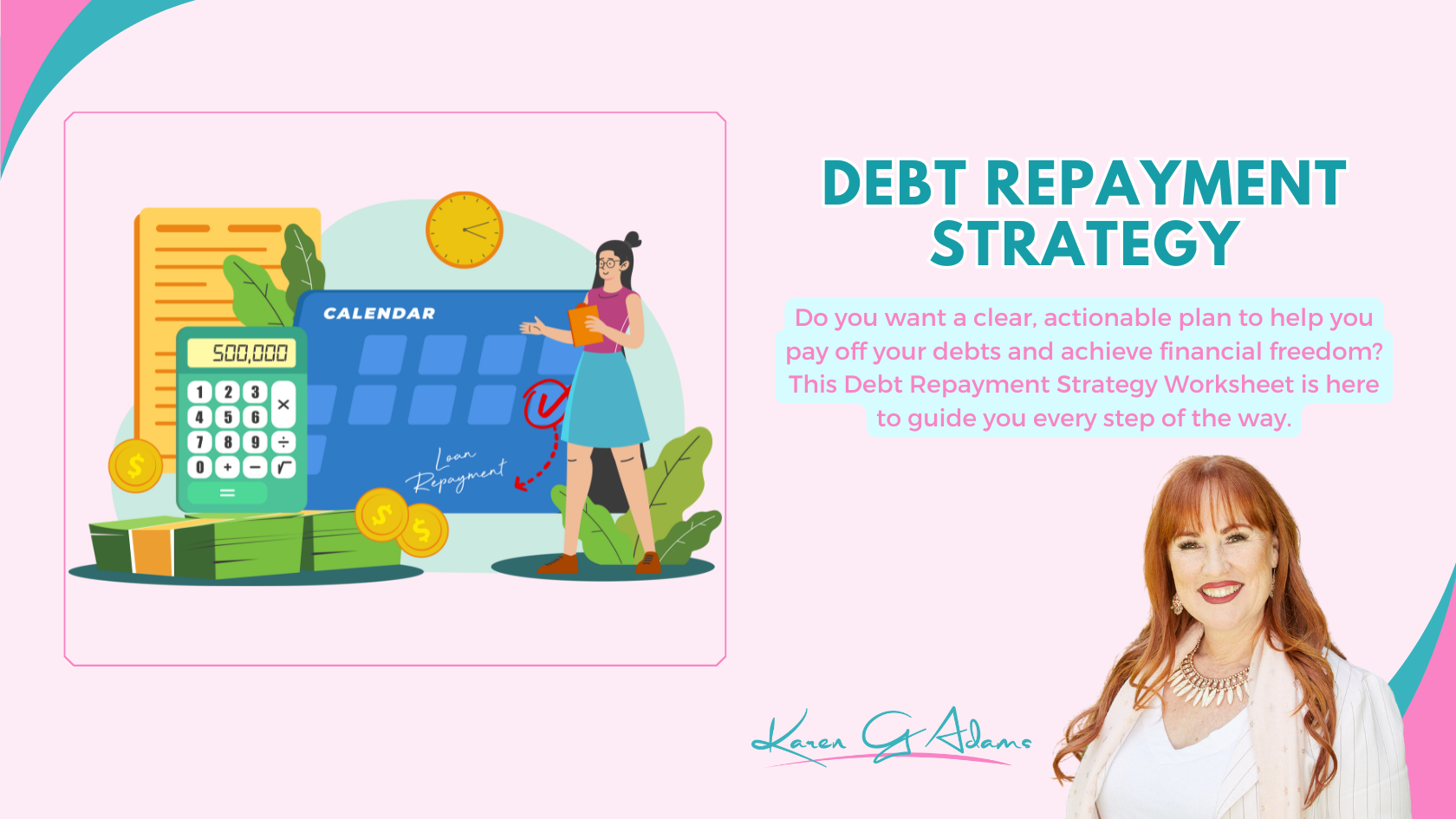
    Are you feeling overwhelmed by debt? Do you want a clear, actionable plan to help you pay off your debts and achieve financial freedom? This Debt Repayment Strategy Worksheet is here to guide you every step of the way.

    Mastering Budget and Saving Techniques
    Free Budgeting Spreadsheet

    GRAB YOUR OWN COPY FOR FREE

    YOUR MONEY eMagazine

    Are you ready to take control of your finances and secure a brighter future?

    Dive into “Your Money,” the premier e-magazine by Karen G Adams, the Founder of Financial Management 101.

    Subscribe for FREE!