Why Most Resolutions Fail (And How to Succeed with Your Finances This Year)

Why Most Resolutions Fail (And How to Succeed with Your Finances This Year)

Every January, millions of people make resolutions, vowing to lose weight, save money, or finally organise their lives. Yet, by February, most of those resolutions are a distant memory. When it comes to finances, the stakes are even higher, failed resolutions can lead to continued debt, stress, and a lack of progress toward your goals. But why do so many resolutions fail? More importantly, how can you set yourself up for success, especially with your financial goals?

This year, let’s break the cycle. Here’s why most resolutions don’t stick and how you can set realistic, actionable financial goals that actually work.

New Year's Resolutions and Goals

The Problem with Resolutions

1. They’re Too Vague
A resolution like “save more money” or “spend less” sounds great in theory, but without specifics, it’s destined to fail. What does “save more” mean? How much? By when? Without clarity, it’s easy to lose focus.

2. No Plan, Just Hope
Many resolutions rely on sheer willpower. While motivation can get you started, it won’t sustain you for the long haul. A solid plan is essential for turning intentions into results.

3. All-or-Nothing Thinking
Ever decided to “cut all unnecessary spending” and then given up after one unplanned purchase? All-or-nothing approaches set you up for failure because they don’t allow for flexibility.

4. No Accountability
When no one knows about your goals, it’s easy to let them slide. Having someone to cheer you on, or nudge you when you’re slipping makes a huge difference.

Why Financial Intentions Are Different

Financial goals often come with emotional baggage. Many of us have habits or mindsets about money that were shaped long before we started earning. Whether it’s fear of budgeting, guilt about past mistakes, or simply feeling overwhelmed, these emotions can sabotage even the best intentions.

The good news? Financial habits are learnable. With the right mindset, tools, and support, you can rewrite your financial story.

How to Succeed with Your Financial Goals This Year

1. Get Specific About Your Goals
Instead of “save more money,” try something like:

        • “Save $1,000 for an emergency fund by March 31.”
        • “Pay an extra $200 per month toward my credit card debt.”
        • “Spend no more than $400 a month on dining out.”

Specific goals give you a clear target to aim for. Break them down into smaller, actionable steps, and you’ll feel a sense of accomplishment with every milestone.

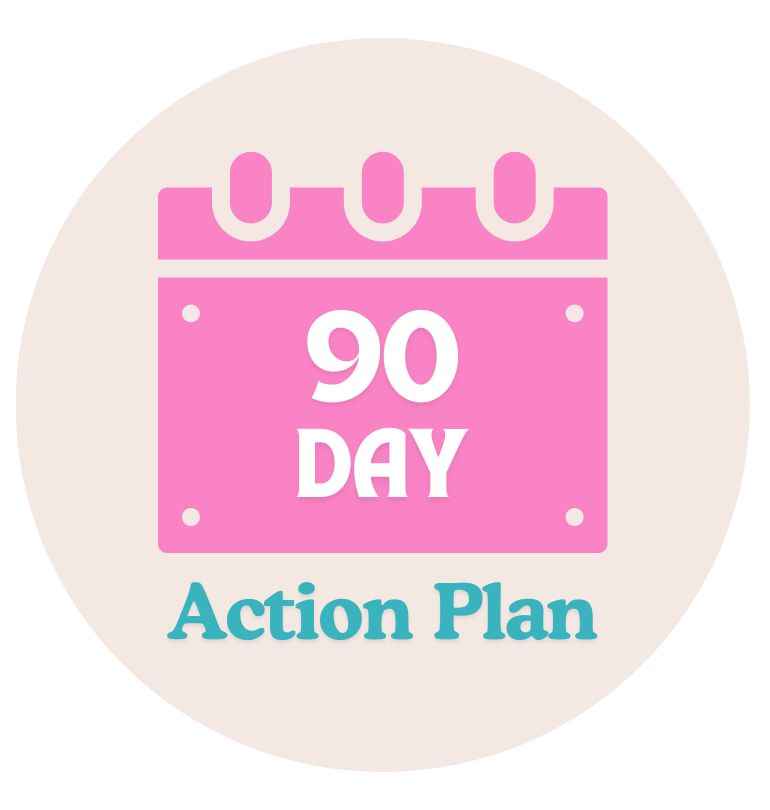
2. Create a 90-Day Action Plan
While it’s tempting to set year-long goals, short-term plans are more effective. That’s why 90 days is the perfect timeframe—it’s long enough to make meaningful progress but short enough to stay motivated.
For example:

        • Month 1: Assess your financial situation. Track all your expenses and create a realistic budget.
        • Month 2: Implement your budget and identify areas to cut back. Start small, like reducing subscription services or packing lunches for work.
        • Month 3: Focus on building momentum. Add any savings or debt reduction progress to your plan.
While it’s tempting to set year-long goals, short-term plans are more effective.

3. Reframe Your Money Mindset
Your mindset plays a massive role in your financial success. If you believe “I’m just bad with money” or “I’ll never get out of debt,” those beliefs will hold you back. Instead, practice positive affirmations like:

        • “I am capable of learning new money skills.”
        • “Every small step I take brings me closer to financial freedom.”

Even better, pair these affirmations with concrete actions. Every time you stick to your budget or save a little extra, you’re proving to yourself that change is possible.

4. Start Small But Stay Consistent
Big changes often fail because they’re overwhelming. Start with small, manageable habits that build over time.

        • Save $5 a day by skipping a coffee run.
        • Commit to a weekly money check-in where you review your budget and spending.
        • Set up automatic transfers to your savings account—even if it’s just $10 a week.

These small wins add up and help build confidence and momentum.

5. Track Your Progress
It’s easy to lose motivation when you don’t see results. That’s why tracking is so important. Whether it’s a spreadsheet, an app, or even a notebook, record every step of your financial journey.

        • Watch your savings grow each week.
        • Celebrate when you pay off a credit card.
        • Note the changes in your spending habits.

Seeing progress, no matter how small, reinforces your commitment to your goals.

6. Find Your Why
Why do you want to improve your finances? Maybe it’s to take your family on a dream vacation, eliminate the stress of living paycheck to paycheck, or finally buy a home.

Your “why” is your motivation. Write it down, visualize it, and keep it front and center. When the going gets tough, reminding yourself of your deeper purpose will help you stay on track.

7. Get Support
Accountability is a game-changer. Whether it’s a friend, partner, or coach, having someone to share your goals with can make all the difference. Programs like the 90-Day Money Makeover offer a built-in support system, with resources, community, and guidance to keep you on track.

Common Pitfalls and How to Avoid Them

1. Expecting Perfection
You will slip up and that’s okay. What matters is how you recover. Instead of giving up after a mistake, ask yourself: “What can I learn from this?”

2. Overloading Yourself
Don’t try to tackle everything at once. Focus on one or two key goals at a time. Once you’ve mastered them, move on to the next.

3. Comparing Yourself to Others
Your financial journey is unique. Comparing your progress to others will only discourage you. Stay focused on your own goals and celebrate your wins.

Conclusion

This year, break the cycle of failed resolutions and make 2025 the year you take control of your finances. By setting clear goals, creating a plan, and staying consistent, you’ll build habits that last a lifetime.

Remember: small steps lead to big changes. Start with one goal today, and by next January, you’ll be amazed at how far you’ve come. If you’re ready to supercharge your progress, join the LEARNING HUB and get immediate access to all courses and books including ongoing financial and mindset monthly coaching now.

Financial Resolutions

Your financial future is in your hands — let’s make it a great one! Click the button below to join the LEARNING HUB at FINANCIAL MANAGEMENT 101. It promotes long-term financial stability, provides insights into wealth-building strategies, and equips you with the skills to adapt to economic changes.

The 90 Day Money Makeover
How to Become Debt-Free: A Step-by-Step Guide to Financial Freedom

How to Become Debt-Free: A Step-by-Step Guide to Financial Freedom

Are you tired of feeling trapped by debt? You’re not alone. Debt can feel like a heavy burden, but the good news is that it doesn’t have to be a lifelong sentence. With the right mindset and strategies, you can break free from debt and start building a more secure financial future. Let’s dive into the steps to becoming debt-free and reclaiming control over your finances!

1. UNDERSTAND YOUR DEBT SITUATION

Before you can tackle your debt, you need to have a clear understanding of what you’re dealing with. Start by making a list of all your debts, including:

  • Credit cards
  • Student loans
  • Personal loans
  • Car loans
  • Mortgage

For each debt, write down the total amount owed, the interest rate, and the minimum monthly payment. This will give you a comprehensive view of your debt landscape and help you prioritise which debts to focus on first.  If you need a little hand with getting this down, you can download my FREE debt repayment spreadsheet by clicking HERE.

2. CREATE A BUDGET AND STICK TO IT

Creating a budget is an important step towards debt freedom. A budget helps you track your income and expenses, ensuring you’re not spending more than you earn. Here’s how to create an effective budget:

  • Calculate your monthly income: Include all sources of income, such as your salary, side gigs, and any other earnings.
  • List your monthly expenses: Categorise your expenses into essentials (like rent, utilities, groceries) and non-essentials (like dining out, entertainment).
  • Allocate funds for debt repayment: After covering your essentials, allocate a portion of your income specifically for debt repayment.

Sticking to your budget requires discipline, but it’s essential if you want to make significant progress towards becoming debt-free.

Want some help creating your budget then download my FREE budget spreadsheet where I make it easier to workout what’s happening with your money. Click HERE.

3. CUT UNNECESSARY EXPENSES

One of the quickest ways to free up money for debt repayment is by cutting unnecessary expenses. Review your budget and identify areas where you can reduce spending. Here are some common areas where people tend to overspend:

  • Dining out: Try cooking at home more often.
  • Subscription services: Cancel subscriptions you don’t use regularly.
  • Impulse purchases: Avoid buying items you don’t need by implementing a 24-hour rule before making non-essential purchases.

Remember, every dollar saved is a dollar that can go towards paying off your debt faster!

4. CHOOSE A DEBT REPAYMENT STRATEGY

There are several strategies for repaying debt, but two of the most popular are the Debt Snowball and Debt Avalanche methods:

  • Debt Snowball Method: Focus on paying off your smallest debt first while making minimum payments on all others. Once the smallest debt is paid off, move on to the next smallest. This method gives you quick wins and boosts motivation.
  • Debt Avalanche Method: Focus on paying off the debt with the highest interest rate first while making minimum payments on all others. This method saves you the most money in interest over time.

Choose the method that resonates most with you and start chipping away at your debt!

5. INCREASE YOUR INCOME

If cutting expenses isn’t enough, consider ways to increase your income. This additional income can be used entirely for debt repayment. Here are a few ideas to boost your income:

  • Take on a side hustle: Consider freelancing, tutoring, or driving for a ride-share service.
  • Sell unused items: Declutter your home and sell items you no longer need.
  • Ask for a raise or promotion: If you’ve been excelling at work, now might be the time to ask for a raise.

Every bit of extra income helps in accelerating your journey to becoming debt-free.

6. BUILD AN EMERGENCY FUND 

While it might seem counterintuitive to save money when you’re trying to pay off debt, having an emergency fund is crucial. An emergency fund acts as a financial safety net, preventing you from going deeper into debt when unexpected expenses arise. Aim to save at least $1,000 initially and gradually build it to cover 3-6 months’ worth of expenses.

7. NEGOTIATE LOWER INTEREST RATES

High-interest rates can significantly increase the amount you owe over time. Don’t be afraid to negotiate with your creditors to lower your interest rates. Here’s how:

  • Call your creditors: Explain your financial situation and request a lower interest rate.
  • Consider transferring your balance: Some credit cards offer 0% interest on balance transfers for a limited period. This can help reduce interest costs and pay off debt faster.
  • Refinance loans: Refinancing can lower your interest rate and reduce monthly payments.

Lowering your interest rates means more of your payments go towards reducing the principal amount, helping you get out of debt faster.

8. AVOID NEW DEBT

While you’re working to become debt-free, it’s essential to avoid accumulating new debt. Resist the temptation to use credit cards or take out new loans. If necessary, consider freezing your credit to prevent taking on new debt until you’re back on solid financial footing.

9. TRACK YOUR PROGRESS AND CELEBRATE MILESTONES

Tracking your progress is vital to staying motivated. Use a debt repayment tracker or app to monitor your journey. Celebrate each milestone you reach, whether it’s paying off a specific amount or clearing a particular debt. Celebrating these wins keeps you motivated and committed to your goal.

10. SEEK PROFESSIONAL HELP IF NEEDED

If your debt feels overwhelming, or if you’re struggling to create a repayment plan, consider seeking help from me as your financial coach. As a financial coach, I can provide personalised advice and strategies tailored to your situation, helping you navigate your way out of debt more effectively.

11. STAY COMMITTED TO THE JOURNEY

Becoming debt-free is a marathon, not a sprint. It requires time, effort, and unwavering commitment. There will be challenges along the way, but staying focused on your goal will make the journey worth it. Remember, the freedom and peace of mind that come with being debt-free are invaluable.


CONCLUSION: EMBRACE YOUR FINANCIAL FREEDOM

Becoming debt-free is one of the most empowering steps you can take for your financial future. It opens up a world of possibilities, from building wealth to achieving your financial dreams. By understanding your debt, creating a budget, cutting expenses, increasing your income, and sticking to a debt repayment strategy, you’re well on your way to financial freedom.

Start today—your debt-free future awaits!

By following these steps and staying committed, you’ll not only become debt-free but also build a strong foundation for a financially secure future. Remember, every step you take towards eliminating debt brings you closer to the life you desire.

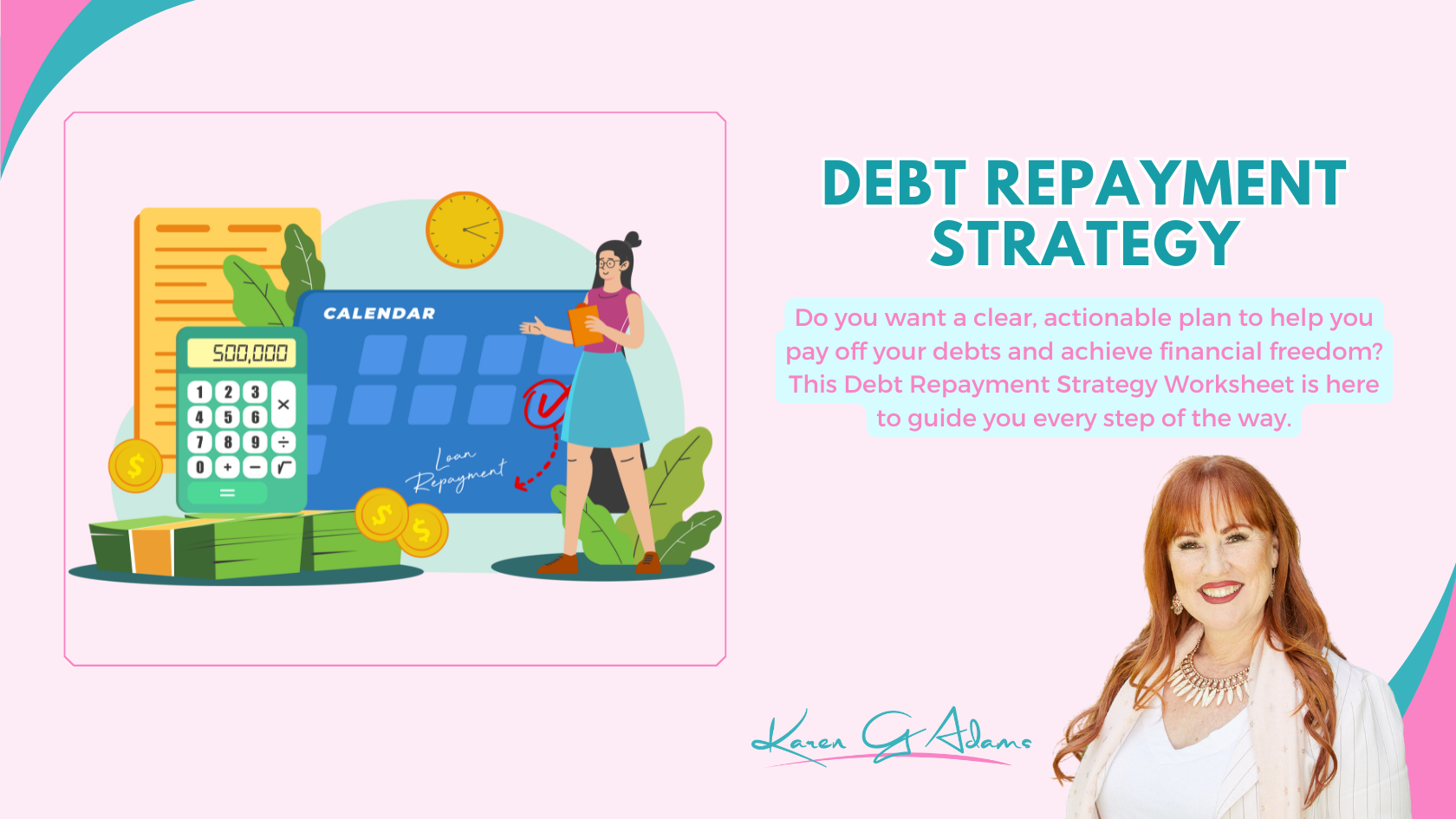
Are you feeling overwhelmed by debt? Do you want a clear, actionable plan to help you pay off your debts and achieve financial freedom? This Debt Repayment Strategy Worksheet is here to guide you every step of the way.

Mastering Budget and Saving Techniques
Free Budgeting Spreadsheet

GRAB YOUR OWN COPY FOR FREE

YOUR MONEY eMagazine

Are you ready to take control of your finances and secure a brighter future?

Dive into “Your Money,” the premier e-magazine by Karen G Adams, the Founder of Financial Management 101.

Subscribe for FREE!

How to Stay Motivated When You Feel Trapped in Debt

How to Stay Motivated When You Feel Trapped in Debt

Debt is like a bad haircut – it feels like everyone notices, and it seems to last forever. But fear not, for even bad hair grows out, and so can your debt! When you feel trapped under a mountain of debt, staying motivated can be a challenge. But with the right strategies, you can keep pushing forward and eventually conquer your financial obstacles.

Understanding the Debt Trap

Debt can feel overwhelming, especially when it seems like there’s no end in sight. High interest rates, minimum payments, and everyday expenses can create a cycle that’s hard to break. The key is to remember that every step you take towards paying off debt, no matter how small, brings you closer to financial freedom.

STEP 1. VISUALISE FREEDOM

Visualisation is a powerful tool for staying motivated. By clearly seeing your goal, you can maintain focus and drive, even when the going gets tough.

Action Steps:

  1. Create a Vision Board: Find images and quotes that represent your debt-free future. This could include pictures of a dream vacation, a new home, or simply a big “zero” to represent being debt-free. Place your vision board somewhere you’ll see it daily.
  2. Daily Visualisation: Spend a few minutes each day imagining your life without debt. Visualise the relief, the freedom, and the possibilities that come with being debt-free.

Visualising your goal helps you stay focused on the end result and keeps your motivation high.

By clearly seeing your goal, you can maintain focus and drive, even when the going gets tough.<br />

What are your goals?

By clearly seeing your goal, you can maintain focus and drive, even when the going gets tough.

STEP 2: BREAK DOWN YOUR DEBTS

When you look at your total debt amount, it can seem insurmountable. Breaking it down into smaller, more manageable chunks can make it feel more achievable.

Action Steps:

  1. List Your Debts: Write down all your debts, including the amounts, interest rates, and minimum payments. This gives you a clear picture of what you’re dealing with.
  2. Set Milestones: Break your total debt down into smaller goals. For example, focus on paying off $500 or $1,000 at a time. Each milestone you reach is a victory that keeps you motivated.

By breaking down your debt, you create a series of achievable goals that make the overall task less daunting.

STEP 3: CELEBRATE SMALL WINS

Celebrating your progress is crucial for maintaining motivation. Each small win brings you closer to your ultimate goal and deserves recognition.

Action Steps:

  1. Acknowledge Every Victory: Paid off a credit card? Reduced your total debt by 10%? Celebrate these achievements! Reward yourself with something small and enjoyable, like a favorite meal or a day off to relax.
  2. Create a Rewards System: Set up a system where you reward yourself for reaching specific milestones. For example, treat yourself to a movie night after paying off your smallest debt, or plan a weekend getaway after paying off a larger chunk.

Celebrating small wins keeps you motivated and makes the journey to becoming debt-free more enjoyable.

STEP 4: FIND A DEBT-BUSTING BUDDY

Going through the debt repayment process alone can be isolating. Finding a friend or family member who is also working towards financial freedom can provide support and motivation. Even joining my monthly coaching sessions, can help and provide you the accountability you may need.

Action Steps:

  1. Share Your Goals: Talk to your debt-busting buddy about your goals and progress. Share tips, strategies, and encouragement with each other.
  2. Accountability Check-ins: Schedule regular check-ins with your buddy to discuss your progress and any challenges you’re facing. Knowing that someone else is rooting for you can be incredibly motivating.

Having a support system makes the debt repayment process less lonely and more motivating.

STEP 5: FOCUS ON PROGRESS, NOT PERFECTION

It’s easy to get discouraged by setbacks or slow progress. Instead of aiming for perfection, focus on the progress you’re making.

Action Steps:

  1. Track Your Progress: Use a spreadsheet, app, or journal to track your debt repayment journey. Celebrate the progress you’ve made, no matter how small.
  2. Learn from Setbacks: If you have a setback, don’t beat yourself up. Analyse what went wrong, learn from it, and get back on track. Remember, progress is more important than perfection.

By focusing on progress, you can stay motivated and avoid getting discouraged by minor setbacks.

Reward Your Progress

STEP 6: REWARD YOUR PROGRESS

In addition to celebrating small wins, it’s important to reward your overall progress in non-monetary ways. This keeps you motivated without derailing your financial goals.

Action Steps:

  1. Plan Free or Low-cost Rewards: Treat yourself to activities that don’t cost much, like a hike, a movie night at home, or a day trip to a nearby park.
  2. Non-monetary Rewards: Focus on rewards that don’t involve spending money, such as taking a day off to relax, indulging in a favorite hobby, or spending time with loved ones.

Rewarding your progress helps you stay motivated and reinforces the positive steps you’re taking towards becoming debt-free.

STEP 7: EDUCATE YOURSELF

Knowledge is power, especially when it comes to managing debt. Educating yourself about personal finance can boost your confidence and motivation.

Action Steps:

  1. Read Books and Articles: Find books, blogs, and articles about personal finance and debt repayment. Learning from experts can provide new strategies and inspiration.
  2. Listen to Podcasts: There are many personal finance podcasts that offer tips, success stories, and motivation. Listen to them during your commute or while doing chores to stay inspired.

Educating yourself empowers you to make informed decisions and stay motivated on your debt repayment journey.

STEP 8: CREATE A DEBT REPAYMENT PLAN

Having a clear plan is essential for staying motivated and on track. A detailed plan helps you see the light at the end of the tunnel and keeps you focused on your goals.

Action Steps:

  1. Choose a Repayment Strategy: Decide on a repayment strategy that works for you, such as the debt avalanche or debt snowball method. Stick to it and track your progress.
  2. Set a Timeline: Establish a realistic timeline for paying off your debts. Having a clear end date can provide a sense of urgency and motivation.

A well-structured plan provides direction and keeps you focused on your debt repayment goals.

STEP 9: MAINTAIN A POSITIVE MINDSET

A positive mindset is crucial for staying motivated. Remind yourself that debt repayment is a journey, and every step you take brings you closer to your goal.

Action Steps:

  1. Practice Gratitude: Focus on the positive aspects of your life and your progress. Write down things you’re grateful for and reflect on them regularly.
  2. Stay Positive: Surround yourself with positive influences, whether it’s friends, family, or online communities. Avoid negativity and focus on the progress you’re making.

Maintaining a positive mindset helps you stay motivated and resilient throughout your debt repayment journey.

STEP 10: SEEK PROFESSIONAL HELP

If you’re struggling to stay motivated or manage your debt, consider seeking professional help. Financial advisors or credit counsellors can provide guidance and support.

Action Steps:

  1. Find a Credit Counselor: Look for reputable credit counseling agencies that can help you create a debt repayment plan and provide support.
  2. Consult a Financial Advisor: A financial advisor can offer personalised advice and strategies for managing your debt and building a strong financial future.

Professional help can provide the guidance and support you need to stay motivated and successfully manage your debt.

Conclusion

Staying motivated when you feel trapped in debt can be challenging, but it’s not impossible. By visualizing your goals, breaking down your debt, celebrating small wins, finding a debt-busting buddy, focusing on progress, rewarding yourself, educating yourself, creating a repayment plan, maintaining a positive mindset, and seeking professional help, you can stay motivated and make significant progress towards becoming debt-free. Remember, every small step you take brings you closer to financial freedom. Stay focused, stay positive, and keep pushing forward – you’ve got this!

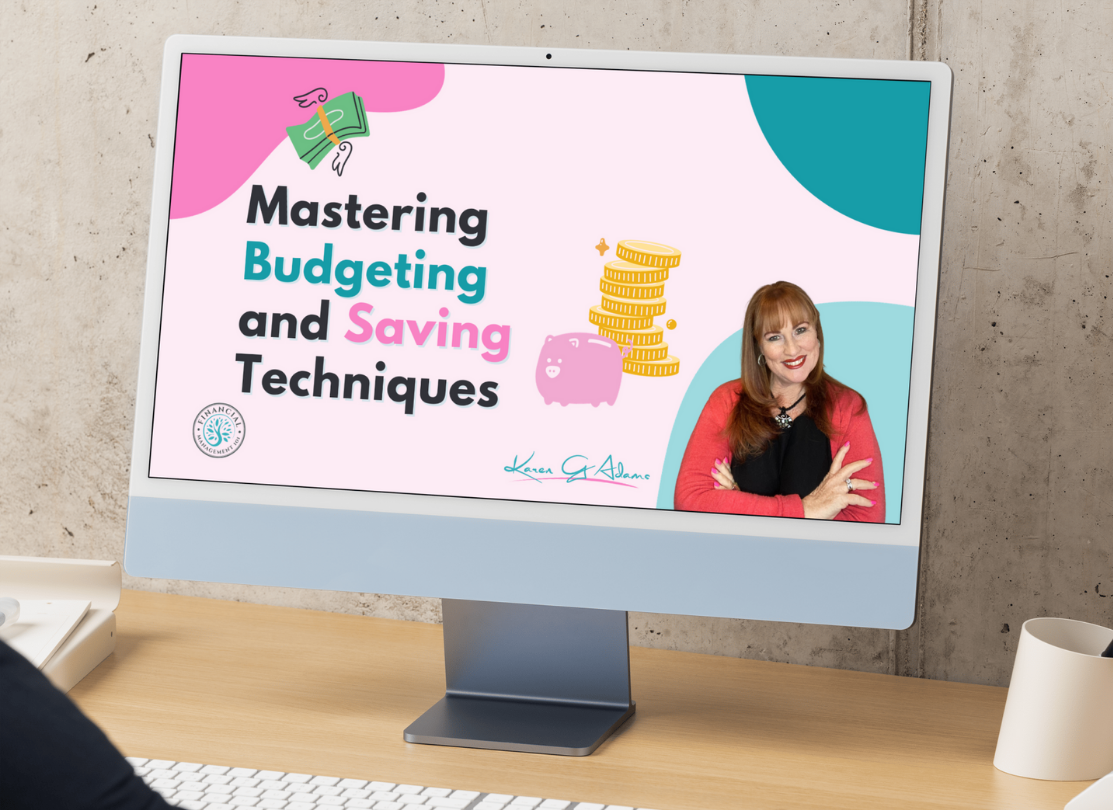
Learn the fundamental concepts of how budgeting and saving are important to your financial well-being. Registration is now open for the course: Mastering Budget and Saving Techniques. This is a hands-on course with me guiding you on how to budget, track and look at managing your money like a pro.

Mastering Budget and Saving Techniques
Debt Elimination Worksheet

DEBT ELIMINATION WORKSHEET

Are you feeling overwhelmed by debt? Do you want a clear, actionable plan to help you pay off your debts and achieve financial freedom? This Debt Elimination Worksheet is here to guide you every step of the way.