
Understanding Debt: The Good, the Bad, and the Ugly

Understanding Debt: The Good, the Bad, and the Ugly

Debt is a word that evokes a wide range of emotions – stress, confusion, maybe even shame. But as a financial coach, I want to help you look at debt through a clearer lens. Not all debt is created equal, and by understanding the types of debt and how they impact your financial health, you can make smarter decisions and take control of your money.


In this blog, we’ll dive into the three types of debt: the good, the bad, and the ugly. You’ll learn how to differentiate between them and how to navigate debt effectively to avoid financial stress.

THE GOOD — Productive Debt

Yes, you read that right. Not all debt is bad, some can actually help you build wealth when used strategically. Productive debt refers to borrowing money that helps you acquire something that appreciates in value or generates income. Here are some examples of good debt:

1. MORTGAGE

A mortgage is often considered good debt because you’re investing in an asset – your home that typically appreciates over time. By paying down your mortgage, you’re building equity, which can be a significant part of your net worth. Plus, homeownership can provide stability and a sense of security for you and your family.

However, it’s important to avoid over-extending yourself. A mortgage should fit within your budget without putting too much strain on your day-to-day living expenses. If the payments are manageable, your home can be one of your best investments.

2. STUDENT LOANS

Student loans fall into the category of good debt if they lead to higher earning potential. Education is an investment in yourself, and if a degree can significantly boost your income or open up better career opportunities, then the loan can pay off in the long run.

The key here is not to borrow more than necessary and to have a clear plan for repayment. It’s essential to research the expected salary for your chosen career field and weigh it against the cost of your education.

The key is not to borrow more than necessary and to have a clear repayment plan for your student loans.

3. BUSINESS LOANS

If you’re starting or expanding a business, taking on debt can be a smart move if done thoughtfully. Business loans can help you grow and increase revenue, eventually paying off the loan and improving your financial standing. However, business debt should be used carefully, with a clear plan for how the funds will lead to profit.

THE BAD — Unnecessary or Mismanaged Debt

Bad debt, on the other hand, is borrowing that doesn’t provide long-term value or doesn’t help you build wealth. It’s often used to purchase depreciating assets or to cover non-essential expenses. Let’s look at a few examples of bad debt:

1. CREDIT CARD DEBT

Credit cards can be useful tools for building credit, but they can easily turn into bad debt if mismanaged. The average interest rate on a credit card hovers around 15-20%, which means carrying a balance can quickly spiral out of control. When you only make minimum payments, most of your money goes toward interest, not reducing the actual debt.

Credit card debt is often incurred for things that don’t appreciate in value, like clothing, dining out, or vacations. While these expenses may be fun in the moment, they don’t contribute to your financial future and can burden you with high-interest payments.

2. CAR LOANS

A car is a necessity for many, but car loans can easily become bad debt. Vehicles lose value the moment they leave the lot, which means you’re paying for something that’s depreciating. If you finance a car you can’t afford or extend the loan term too long, you could end up paying much more than the car is worth.

If you need to finance a car, aim to keep the loan term as short as possible and choose a vehicle that fits your budget. Avoid the temptation to upgrade to a fancy model that comes with higher payments and long-term debt.

3. RETAIL FINANCING

We’ve all seen the “buy now, pay later” options that stores offer. While it might seem convenient to spread out payments, retail financing is often bad debt. These loans usually come with high interest rates, and they’re typically used for non-essential items like furniture or electronics. Before signing up for these payment plans, ask yourself if the purchase is truly necessary and if you can afford it without going into debt.

THE UGLY — Toxic Debt

Ugly debt is the kind of debt that can wreak havoc on your financial health, often leading to long-term financial hardship. This is typically high-interest, high-risk debt that is difficult to escape from once you’ve fallen into it.

1. PAYDAY LOANS

Payday loans are one of the ugliest forms of debt. These short-term, high-interest loans are marketed as quick fixes for immediate cash needs, but they come with astronomical interest rates—sometimes as high as 400%. The short repayment period often traps borrowers in a cycle of borrowing more just to pay off the original loan.

If you find yourself relying on payday loans, it’s crucial to explore other options, like negotiating with creditors, cutting expenses, or seeking help from a financial advisor. Payday loans can quickly turn a small financial issue into a long-term problem.

2. TITLE LOANS

Title loans are another form of predatory lending. In these cases, you use your car as collateral to secure a loan. The danger here is that if you fail to repay the loan, you could lose your vehicle—an asset that might be essential for getting to work or taking care of family responsibilities.

The interest rates on title loans are usually extremely high, and the repayment terms are often short, making it difficult for borrowers to catch up once they fall behind.

How To Tackle Debt

No matter what kind of debt you have, whether it’s good, bad, or ugly, having a plan to manage and reduce it is essential. Here are a few steps to take:

1. ASSESS YOUR DEBT

The first step in tackling debt is to get a clear picture of what you owe. List all of your debts, including the amounts, interest rates, and minimum payments. This will help you prioritise which debts to tackle first.

2. CREATE  A BUDGET

Having a solid budget is key to managing debt. Allocate a portion of your income specifically toward debt repayment, and be consistent with it. Even small additional payments can make a big difference over time.

3. FOCUS ON HIGH-INTEREST DEBTS

Start by paying down high-interest debt first, like credit cards or payday loans. This will save you money on interest and help you get out of debt faster.

4. CONSIDER CONSOLIDATION

If you’re overwhelmed by multiple debts, debt consolidation might be an option. This involves combining your debts into a single loan with a lower interest rate, making it easier to manage.

5. SEEK PROFESSSIONAL HELP

If debt feels unmanageable, don’t hesitate to seek help. As a financial coach, I can help you develop a personalised plan to reduce debt and improve your financial health.

FINAL THOUGHTS

Debt doesn’t have to be a four-letter word. By understanding the difference between good, bad, and ugly debt, you can make more informed decisions about borrowing and avoid the financial stress that comes from mismanaged debt. Remember, the goal is to use debt as a tool to build wealth and security, not as a burden that holds you back.

Are you ready to tackle your debt and create a stress-free financial future? Let’s work together to make a plan that works for you! The Learning Hub at Financial Management 101 promotes long-term financial stability, provides insights into wealth-building strategies, and equips you with the skills to adapt to economic changes.
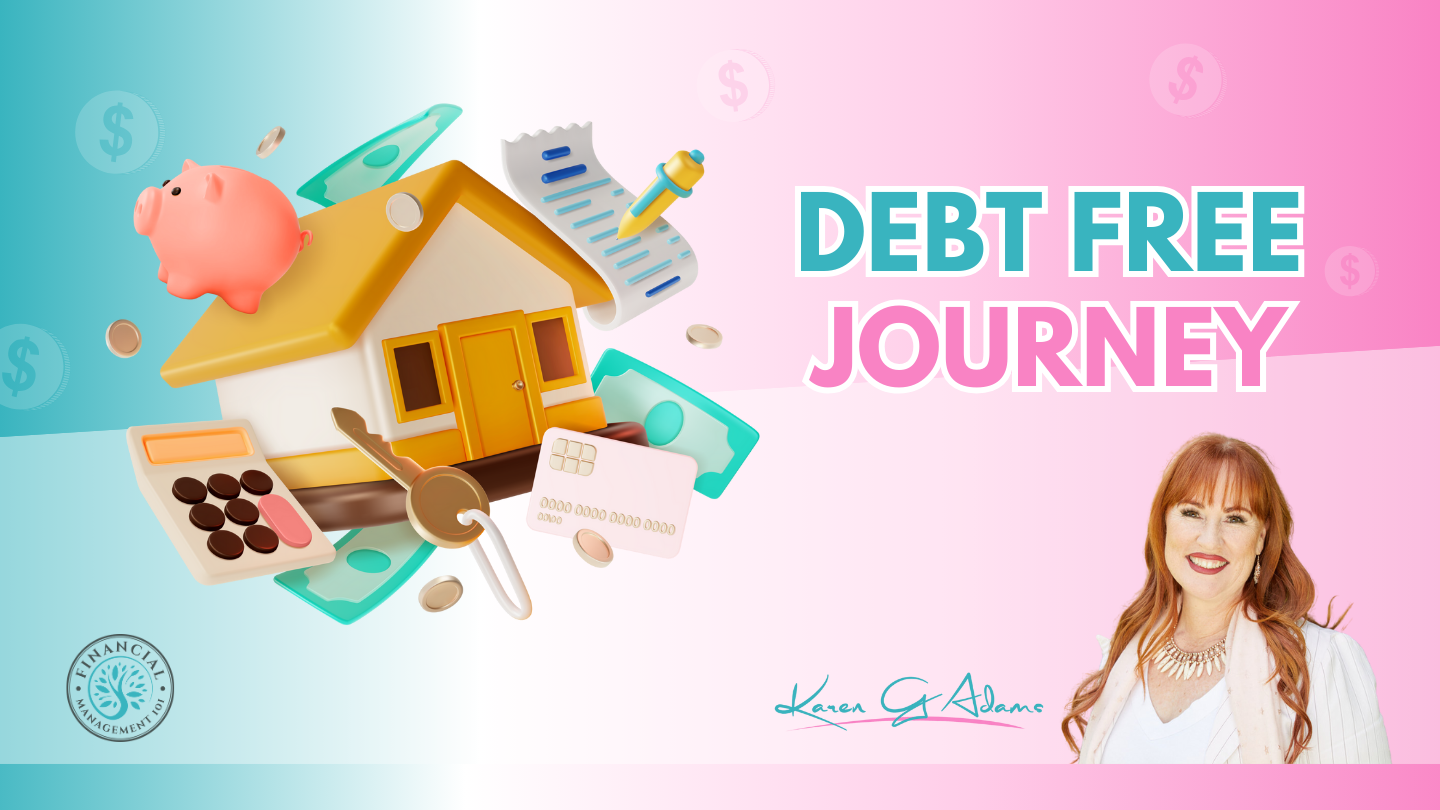
Are you ready to take control of your finances and start your debt-free journey?

In this empowering 30-day course, we’ll guide you through actionable steps to help you break free from debt and achieve financial stability.


The Debt-Free Mindset: How to Train Your Brain for Financial Freedom

The Debt-Free Mindset: How to Train Your Brain for Financial Freedom

Becoming debt-free isn’t just about paying off balances; it’s about reshaping your mindset to align with financial freedom. Many people get trapped in a cycle of debt because their mindset is stuck in a place of scarcity or fear. Let us look at some actionable steps for developing a debt-free mindset.

1. UNDERSTAND YOUR DEBT SITUATION

Every financial decision you make is influenced by your beliefs about money, often shaped by your experiences. Reflect on your “debt story”—the events, habits, and emotions that led you to where you are now. Write it down. Understanding your history with money is the first step to rewriting your financial future.

ACTION STEP:
Journal about your first memory of money, your feelings towards debt, and how that might have shaped your current situation.

2. REFRAME YOUR THOUGHTS ABOUT MONEY

Instead of viewing debt as a burden, see it as a challenge to overcome. Change your language from “I’m in debt” to “I am working towards financial freedom.” Positive affirmations can help you stay motivated and focused on your goal.

ACTION STEP:
Create a list of positive money affirmations, such as “I am capable of managing my finances,” and repeat them daily.

3. VISUALISE DEBT FREEDOM

Visualisation is a powerful tool. Imagine how your life will look and feel once you’re debt-free. Picture the freedom, the opportunities, and the peace of mind that comes with it. The more vivid your vision, the more motivated you’ll be to achieve it.

ACTION STEP:
Spend 5 minutes every morning visualising your debt-free life. Write down what you see and feel.

4. SURROUND YOURSELF WITH FINANCIAL POSITIVITY 

Your environment influences your mindset. If you’re surrounded by people who are also striving to be debt-free, or who have achieved it, their energy can motivate you. Join a debt-free community or follow influencers who share your financial goals.

ACTION STEP:
Join my monthly coaching program where you will feel supported and be part of a community all working towards helping you achieve your financial independence and goals. CLICK HERE for more information.

5. CHALLENGE YOUR LIMITING BELIEFS

Many of us have limiting beliefs about money—like thinking we’ll always be in debt or that financial freedom is only for the wealthy. Challenge these beliefs by seeking evidence to the contrary and reprogramming your mind with empowering thoughts.

ACTION STEP:
Write down three limiting beliefs you have about money and challenge them with factual statements or examples.

6. PRACTICE GRATITUDE FOR WHAT YOU HAVE

Shifting your focus from what you lack to what you have can create a more abundant mindset. When you’re grateful for your current resources, you’re more likely to use them wisely and attract more.

ACTION STEP:
Start a gratitude journal and list three things you’re grateful for each day, focusing on non-material aspects of your life.

7. SET REALISTIC AND ACHIEVABLE GOALS

Setting small, achievable goals can help build momentum. Instead of focusing solely on the end goal of being debt-free, set smaller milestones. Celebrate each win, no matter how small.

ACTION STEP:
Break down your debt into smaller, manageable chunks and create a reward system for achieving each milestone.

Only purchase essentials and document the impact on your finances and mindset.

8. EMBRACE MINIMALISM IN SPENDING

Adopting a minimalist approach to spending helps shift the focus from consuming to saving and investing in experiences rather than things. This mindset shift can significantly contribute to becoming debt-free.

ACTION STEP:
For one month, only purchase essentials and document the impact on your finances and mindset.

9. LEARN FROM YOUR MISTAKES WITHOUT GUILT

Everyone makes financial mistakes, but dwelling on them with guilt can keep you stuck. Instead, view them as learning opportunities. Reflect on what went wrong and how you can prevent it from happening again.

ACTION STEP:
List past financial mistakes and write down the lessons you’ve learned from each. 

10. COMMIT TO LIFELONG LEARNING ABOUT MONEY

Developing a debt-free mindset is an ongoing process. Make a commitment to continue learning about money management, investing, and wealth-building. This growth mindset will keep you motivated and informed.

ACTION STEP:
Choose one financial book or one of my online courses and programs to complete each month.

CONCLUSION

Becoming debt-free starts with transforming your mindset. By understanding your debt story, reframing your thoughts about money, and setting realistic goals, you can begin the journey towards financial freedom with a clear and positive outlook. Remember, the path to being debt-free is not just about the numbers but also about your mindset.

Take Control of Your Finances Today!

Are you tired of living paycheck to paycheck? Do you want to make smarter financial decisions but don’t know where to start? This monthly financial coaching program is designed to help you take control of your finances and achieve your financial goals.

Mastering Budget and Saving Techniques
Free Budgeting Spreadsheet

GRAB YOUR OWN COPY FOR FREE

YOUR MONEY eMagazine

Are you ready to take control of your finances and secure a brighter future?

Dive into “Your Money,” the premier e-magazine by Karen G Adams, the Founder of Financial Management 101.

Subscribe for FREE!

What Happens When You Miss a Loan Payment: Avoiding the Financial Pitfalls

What Happens When You Miss a Loan Payment: Avoiding the Financial Pitfalls

Hey there, my savvy money managers!

Today, we are going over a topic that is about as fun as stepping on a Lego in the middle of the night: missing loan payments. Missing a payment on a credit card, mortgage, or personal loan can have serious consequences for your financial health. But do not worry, we will navigate these rough waters together, so by the end of this post, you will understand why you should not miss payments and how to stay on track like a financial ninja. Let’s get started!

The Domino Effect of Missing a Payment

1. CREDIT SCORE TAKES A HIT

Consider your credit score to be a report card for your finances. Missing a payment is similar to failing a big test; it hurts. When you miss a payment, your lender reports it to the credit bureaus (Experian, Equifax, Veda and TransUnion), and your credit score may suffer significantly. A lower credit score means higher interest rates on future loans and credit cards, and it may even limit your ability to rent an apartment or find work. Yikes!

    2. LATE FEES AND PENALTIES

    Lenders love late fees because it is their way of saying, “We told you so!” These fees can range from mildly annoying to extremely painful. Late fees on credit cards can be up to $40. Mortgages and personal loans may have even steeper penalties. These additional costs can quickly accumulate, making it difficult to catch up.

    3. HIGHER INTEREST RATES

    If you fail to pay your credit card bill on time, you may face the dreaded annual penalty rate. This is a higher interest rate that can apply to your existing balance and future purchases. Penalty rates can soar up to 29.99%, turning your manageable debt into a mountain of despair.

    4. COLLECTION AGENCIES COME CALLING

    If you continue to miss payments, your debt may be sent to a collection agency. These people are persistent; they will call, email, and possibly even write you a letter or two. Having a debt in collections can harm your credit score even more and cause a lot of stress.

    5. FORECLOSURE AND REPOSSESSION

    Missing multiple mortgage payments can result in foreclosure, in which the lender takes back your home. Similarly, if you default on a car loan, the lender may seize your vehicle. Losing your home or car is a life-changing event that you should definitely avoid.

    The Ripple Effect on Your Life

    1. EMOTIONAL AND MENTAL STRESS

    Financial issues can be extremely stressful. Worrying about missed payments, mounting debt, and the potential loss of assets can have a negative impact on your mental health. Anxiety, depression, and insomnia are common side effects.

    2. RELATIONSHIP STRAIN

    Money problems are one of the most common causes of relationship stress. Arguments about money can strain relationships with your partner, family, and friends. Being open and working together on a plan can help mitigate these issues. 

    3. LIMITED FINANCIAL FLEXIBILITY 

    When you fall behind on your payments, you lose financial flexibility. You may have to forego saving for emergencies, retirement, and other goals. Living paycheck to paycheck becomes a harsh reality.

    How To Avoid Missing Payments Like a Pro

    1. MAKE A BUDGET AND STICK TO IT

    Yes, the B-word – budget. It might not sound glamorous, but creating a budget is the foundation of good financial health. Keep track of your income and expenses to ensure that you have enough money set aside for loan payments. There are numerous budgeting apps available that can make this process easier and even more enjoyable.

    2. SET UP AUTOMATIC PAYMENTS

    Automated payments are your best friend. They ensure that you never miss a due date, and many lenders provide this feature. Just make sure you have enough money in your account to cover the payments – you don’t want to incur overdraft fees!

    3. CREATE AN EMERGENCY FUND

    Life is unpredictable. An emergency fund serves as a financial cushion for unforeseen expenses that can disrupt your payment schedule. Aim to save three to six months’ worth of living expenses in a separate, easily accessible account.

    4. COMMUNICATE WITH YOUR LENDER

    If you think you are going to miss a payment, do not hide under the rock. Contact your lender as soon as possible. Many lenders are willing to work with you if you take proactive steps. They might offer temporary relief options like payment deferrals, reduced interest rates, or a modified payment plan.

    5. PRIORITISE YOUR DEBTS

    Not all debts are equal. High-interest debts, such as credit cards, should be your primary focus because they can quickly spiral out of control. Use the snowball or avalanche method to tackle your debts systematically.

    6. REVIEW YOUR STATEMENTS REGULARLY

    Keep track of your loan statements and bank accounts. This allows you to catch any errors or unauthorised charges early and keeps you informed of your payment due dates.

    7. IF IT SEEMS LIKE THERE’S NOT ENOUGH MONEY

    You may need to look for some extra money, like a side hustle or additional part time work— anything that you can fit into your already busy schedule to help ease the stress and pay down those debts quicker.  There are many ways you can earn a few extra dollars, so look at your creative talents and see if you can earn extra income from areas like tutoring, arts and crafts to name a few.

    Look at your creative talents and see if you can earn extra income from areas like tutoring, arts and crafts to name a few.

    A Fun Challenge: The No-Spend Week

    Here’s a fun little challenge to help you stay on track – try a no-spend week. For one week, don’t spend money on anything that isn’t a necessity. Use up what you have in the pantry, avoid eating out, and avoid online shopping. This can help you save a significant amount of money, which you can put towards your loan payments.

    Conclusion: Stay Ahead of the Game

    Missing a loan payment may feel like the end of the world, but it does not have to be. Understanding the consequences and taking proactive steps will help you avoid pitfalls and stay financially healthy. Remember, it is all about staying informed, being organised, and making sound decisions.

    So buckle up, set up those automatic payments, and keep an eye on your finances. With a little discipline and planning, you will be able to navigate your financial journey with ease in no time. And hey, if you ever need a pep talk or some financial coaching, you know where to find me. Enjoy managing your money!

    By following these suggestions, you will be well on your way to avoiding late payments and maintaining a healthy financial future. Now get out there and conquer those loan payments like the financial superstar you are!

    Learn the fundamental concepts of how budgeting and saving are important to your financial well-being. Registration is now open for the course: Mastering Budget and Saving Techniques. This is a hands-on course with me guiding you on how to budget, track and look at managing your money like a pro.

    Mastering Budget and Saving Techniques
    Free Budgeting Spreadsheet

    GRAB YOUR OWN COPY FOR FREE

    YOUR MONEY eMagazine

    Are you ready to take control of your finances and secure a brighter future?

    Dive into “Your Money,” the premier e-magazine by Karen G Adams, the Founder of Financial Management 101.

    Subscribe for FREE!

    How to Become Debt-Free: A Step-by-Step Guide to Financial Freedom

    How to Become Debt-Free: A Step-by-Step Guide to Financial Freedom

    Are you tired of feeling trapped by debt? You’re not alone. Debt can feel like a heavy burden, but the good news is that it doesn’t have to be a lifelong sentence. With the right mindset and strategies, you can break free from debt and start building a more secure financial future. Let’s dive into the steps to becoming debt-free and reclaiming control over your finances!

    1. UNDERSTAND YOUR DEBT SITUATION

    Before you can tackle your debt, you need to have a clear understanding of what you’re dealing with. Start by making a list of all your debts, including:

    • Credit cards
    • Student loans
    • Personal loans
    • Car loans
    • Mortgage

    For each debt, write down the total amount owed, the interest rate, and the minimum monthly payment. This will give you a comprehensive view of your debt landscape and help you prioritise which debts to focus on first.  If you need a little hand with getting this down, you can download my FREE debt repayment spreadsheet by clicking HERE.

    2. CREATE A BUDGET AND STICK TO IT

    Creating a budget is an important step towards debt freedom. A budget helps you track your income and expenses, ensuring you’re not spending more than you earn. Here’s how to create an effective budget:

    • Calculate your monthly income: Include all sources of income, such as your salary, side gigs, and any other earnings.
    • List your monthly expenses: Categorise your expenses into essentials (like rent, utilities, groceries) and non-essentials (like dining out, entertainment).
    • Allocate funds for debt repayment: After covering your essentials, allocate a portion of your income specifically for debt repayment.

    Sticking to your budget requires discipline, but it’s essential if you want to make significant progress towards becoming debt-free.

    Want some help creating your budget then download my FREE budget spreadsheet where I make it easier to workout what’s happening with your money. Click HERE.

    3. CUT UNNECESSARY EXPENSES

    One of the quickest ways to free up money for debt repayment is by cutting unnecessary expenses. Review your budget and identify areas where you can reduce spending. Here are some common areas where people tend to overspend:

    • Dining out: Try cooking at home more often.
    • Subscription services: Cancel subscriptions you don’t use regularly.
    • Impulse purchases: Avoid buying items you don’t need by implementing a 24-hour rule before making non-essential purchases.

    Remember, every dollar saved is a dollar that can go towards paying off your debt faster!

    4. CHOOSE A DEBT REPAYMENT STRATEGY

    There are several strategies for repaying debt, but two of the most popular are the Debt Snowball and Debt Avalanche methods:

    • Debt Snowball Method: Focus on paying off your smallest debt first while making minimum payments on all others. Once the smallest debt is paid off, move on to the next smallest. This method gives you quick wins and boosts motivation.
    • Debt Avalanche Method: Focus on paying off the debt with the highest interest rate first while making minimum payments on all others. This method saves you the most money in interest over time.

    Choose the method that resonates most with you and start chipping away at your debt!

    5. INCREASE YOUR INCOME

    If cutting expenses isn’t enough, consider ways to increase your income. This additional income can be used entirely for debt repayment. Here are a few ideas to boost your income:

    • Take on a side hustle: Consider freelancing, tutoring, or driving for a ride-share service.
    • Sell unused items: Declutter your home and sell items you no longer need.
    • Ask for a raise or promotion: If you’ve been excelling at work, now might be the time to ask for a raise.

    Every bit of extra income helps in accelerating your journey to becoming debt-free.

    6. BUILD AN EMERGENCY FUND 

    While it might seem counterintuitive to save money when you’re trying to pay off debt, having an emergency fund is crucial. An emergency fund acts as a financial safety net, preventing you from going deeper into debt when unexpected expenses arise. Aim to save at least $1,000 initially and gradually build it to cover 3-6 months’ worth of expenses.

    7. NEGOTIATE LOWER INTEREST RATES

    High-interest rates can significantly increase the amount you owe over time. Don’t be afraid to negotiate with your creditors to lower your interest rates. Here’s how:

    • Call your creditors: Explain your financial situation and request a lower interest rate.
    • Consider transferring your balance: Some credit cards offer 0% interest on balance transfers for a limited period. This can help reduce interest costs and pay off debt faster.
    • Refinance loans: Refinancing can lower your interest rate and reduce monthly payments.

    Lowering your interest rates means more of your payments go towards reducing the principal amount, helping you get out of debt faster.

    8. AVOID NEW DEBT

    While you’re working to become debt-free, it’s essential to avoid accumulating new debt. Resist the temptation to use credit cards or take out new loans. If necessary, consider freezing your credit to prevent taking on new debt until you’re back on solid financial footing.

    9. TRACK YOUR PROGRESS AND CELEBRATE MILESTONES

    Tracking your progress is vital to staying motivated. Use a debt repayment tracker or app to monitor your journey. Celebrate each milestone you reach, whether it’s paying off a specific amount or clearing a particular debt. Celebrating these wins keeps you motivated and committed to your goal.

    10. SEEK PROFESSIONAL HELP IF NEEDED

    If your debt feels overwhelming, or if you’re struggling to create a repayment plan, consider seeking help from me as your financial coach. As a financial coach, I can provide personalised advice and strategies tailored to your situation, helping you navigate your way out of debt more effectively.

    11. STAY COMMITTED TO THE JOURNEY

    Becoming debt-free is a marathon, not a sprint. It requires time, effort, and unwavering commitment. There will be challenges along the way, but staying focused on your goal will make the journey worth it. Remember, the freedom and peace of mind that come with being debt-free are invaluable.


    CONCLUSION: EMBRACE YOUR FINANCIAL FREEDOM

    Becoming debt-free is one of the most empowering steps you can take for your financial future. It opens up a world of possibilities, from building wealth to achieving your financial dreams. By understanding your debt, creating a budget, cutting expenses, increasing your income, and sticking to a debt repayment strategy, you’re well on your way to financial freedom.

    Start today—your debt-free future awaits!

    By following these steps and staying committed, you’ll not only become debt-free but also build a strong foundation for a financially secure future. Remember, every step you take towards eliminating debt brings you closer to the life you desire.

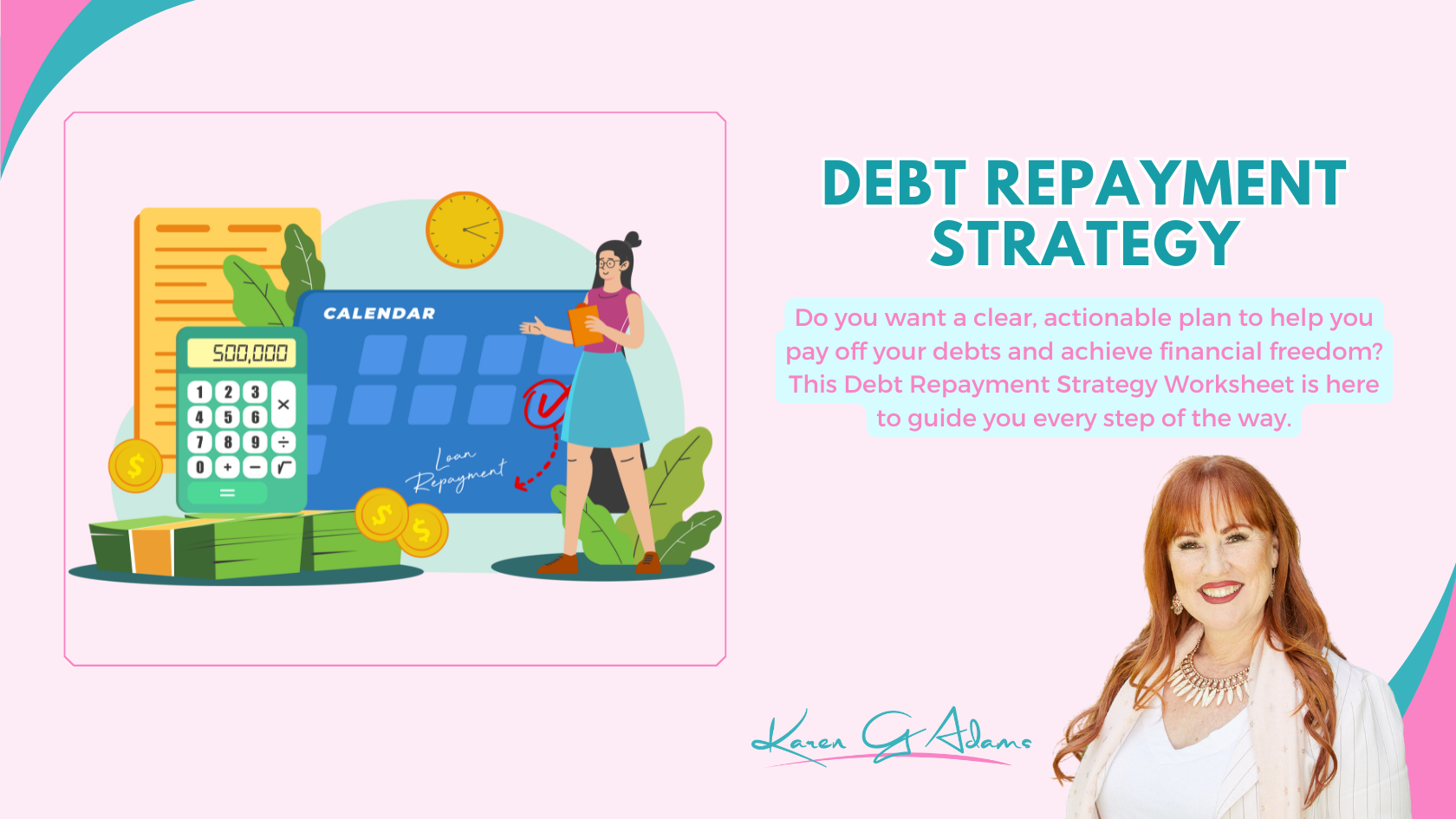
    Are you feeling overwhelmed by debt? Do you want a clear, actionable plan to help you pay off your debts and achieve financial freedom? This Debt Repayment Strategy Worksheet is here to guide you every step of the way.

    Mastering Budget and Saving Techniques
    Free Budgeting Spreadsheet

    GRAB YOUR OWN COPY FOR FREE

    YOUR MONEY eMagazine

    Are you ready to take control of your finances and secure a brighter future?

    Dive into “Your Money,” the premier e-magazine by Karen G Adams, the Founder of Financial Management 101.

    Subscribe for FREE!

    Why Savings is Important – And No, It’s Not Just for Squirrels

    Why Savings is Important – And No, It’s Not Just for Squirrels

    Ever seen a squirrel in a panic? Me neither. That’s because they save their acorns for winter. Now, unless you’re planning on a diet of nuts, let’s talk about why saving money is your ticket to a stress-free life.

    Why Savings is Important

    Saving money might not seem like the most exciting thing, but it’s one of the smartest moves you can make. Here’s why:

    1. EMERGENCIES HAPPEN

    Life has a funny way of throwing curveballs. Whether it’s a medical emergency, car trouble, or an unexpected job loss, having a savings cushion can turn a potential crisis into a manageable inconvenience. Think of it as your personal financial airbag.

    2. OPPORTUNITIES KNOCK

    Ever dreamt of starting your own business, going back to school, or taking a sabbatical to travel the world? Savings make these dreams achievable. When opportunities arise, you want to be ready to seize them without financial hesitation.

    Starting your own business or going back to school is possible if you have enough savings!

    3. PEACE OF MIND

    Knowing you have money set aside reduces stress and helps you sleep better at night. It’s about having control over your future and being prepared for whatever comes your way.

    4. AVOID DEBT

    When you have savings, you’re less likely to rely on credit cards or loans for unexpected expenses. This means you avoid the interest and fees that come with borrowing money, keeping more of your hard-earned cash in your pocket.

    5. FINANCIAL FREEDOM

    Saving money is the foundation of financial independence. It’s the stepping stone to investing, growing your wealth, and eventually having the freedom to live life on your own terms.

    The Psychology of Saving

    Saving money isn’t just a financial act; it’s a psychological one. Here’s how to make it work for you:

    1. VISUALISE YOUR GOALS

    Imagine what your life would look like with a solid savings account. What dreams can you achieve? What stressors disappear? Visualisation can be a powerful motivator.

    2. CREATE A SAVINGS RITUAL

    Make saving a regular habit. Whether it’s every payday or every week, set a specific time to transfer money into your savings account. Treat it as non-negotiable as paying your rent or mortgage.

    3. TRACK YOUR PROGRESS

    Use a spreadsheet, an app, or a good old-fashioned journal to track your savings growth. Seeing your progress can be incredibly motivating and reinforce your commitment to saving.

    Create a Savings Ritual

    4. REWARD YOURSELF

    Give yourself small rewards when you hit savings milestones. This doesn’t mean spending a fortune – even a small treat can reinforce positive behavior.

    Practical Steps to Start Saving

    Now that you understand the importance and psychology of saving, let’s dive into some practical steps to help you get started:

    1. START SMALL, DREAM BIG

    Begin by saving just $1 a day. It might not seem like much, but over time, it adds up. By the end of the year, you’ll have $365. This can cover a small emergency or give you a sense of accomplishment that motivates you to save even more.

    • Action Step: Set a daily reminder on your phone to transfer $1 to your savings account. Make it a game to see how many days in a row you can keep the streak going.

    2. AUTOMATE YOUR SAVINGS

    Automation is your best friend when it comes to saving money. Set up automatic transfers from your checking account to your savings account. This way, you’re saving without even thinking about it.

    • Action Step: Log into your online banking and set up a recurring transfer. Start with a small amount that won’t disrupt your budget and gradually increase it as you get more comfortable.

    3. NAME YOUR GOALS

    Give your savings accounts specific names based on your goals. Whether it’s “Vacation Fund,” “Emergency Cushion,” or “New Car Fund,” naming your accounts makes your goals tangible and exciting.

    • Action Step: Rename your savings accounts in your online banking or create new ones with your chosen names. Visualise each deposit bringing you closer to your goal.

    4. CUT UNNECESSARY EXPENSES

    Review your monthly expenses and identify areas where you can cut back. Do you really need that premium cable package or daily coffee shop latte? Redirect those funds to your savings instead.

    • Action Step: Take a month to track all your spending. Highlight non-essential expenses and challenge yourself to eliminate or reduce them. Channel the saved money into your savings account.

    5. MAKE SAVING FUN

    Turn saving into a game. Challenge yourself to save a specific amount each week or month and track your progress. Reward yourself for hitting your targets.

    • Action Step: Create a savings challenge with a friend or family member. Set a goal and see who can save the most by a certain date. The winner gets a small, fun prize.

    Overcoming Common Savings Obstacles

    Saving money can be challenging, especially when life gets in the way. Here’s how to overcome common obstacles:

    1. LIVING PAYCHECK TO PAYCHECK

    If you’re barely making ends meet, saving can feel impossible. Start with small amounts and gradually increase them as you find ways to cut costs or increase your income.

    • Action Step: Commit to saving even a small amount each month. Look for ways to boost your income, such as a side gig or selling unused items.

    2. DEBT

    If you have high-interest debt, focus on paying it off first. However, still set aside a small amount for savings to build the habit and provide a buffer for emergencies.

    • Action Step: Allocate a portion of your budget to debt repayment and a smaller portion to savings. As your debt decreases, increase your savings contributions.

    Commit to saving even a small amount each month.

    Teaching kids about saving money with a piggy bank can be a fun and educational experience. Teach them how to create a simple budget, allocating money for saving, spending, and giving. When they’re ready, help them open a savings account at a bank to teach them about banking and earning interest.

    3. INCONSISTENT INCOME

    If your income varies month to month, saving can be tricky. Create a budget based on your lowest monthly income and save more during high-income months.

    • Action Step: Calculate your average monthly income and expenses. Save any surplus during high-income months to cover shortfalls during leaner times.

    4. LACK OF MOTIVATION

    If saving feels like a chore, find ways to make it more engaging. Set short-term goals and celebrate your progress along the way. 

    • Action Step: Create a vision board with images and quotes that represent your savings goals. Place it somewhere you’ll see it daily to stay motivated.

    The Long-Term Benefits of Saving

    Saving money isn’t just about covering emergencies or achieving short-term goals. It’s about creating a foundation for long-term financial stability and freedom. Here’s what you can look forward to:

    1. RETIREMENT SECURITY

    The earlier you start saving for retirement, the more time your money has to grow. Compound interest works its magic over the years, helping you build a substantial nest egg.

    2. FINANCIAL INDEPENDENCE

    Saving and investing wisely can lead to financial independence, where you have enough assets to cover your living expenses without relying on a traditional job. This opens up opportunities to pursue passions, travel, or even retire early.

    3. GENERATIONAL WEALTH

    Building savings and wealth allows you to support your family and create a legacy for future generations. You can provide for your children’s education, help them buy their first home, or leave an inheritance.

    4. FREEDOM TO TAKE RISKS

    With a healthy savings cushion, you have the freedom to take calculated risks, such as starting a business, switching careers, or pursuing further education. You’re not tied down by financial constraints. 

    Generational Wealth

    Generational Wealth

    Building savings and wealth allows you to support your family and create a legacy for future generations.

    Conclusion

    Saving money isn’t just about covering emergencies or achieving short-term goals. It’s about creating a foundation for long-term financial stability and freedom. Here

    Learn the fundamental concepts of how budgeting and saving are important to your financial well-being. Registration is now open for the course: Mastering Budget and Saving Techniques. This is a hands-on course with me guiding you on how to budget, track and look at managing your money like a pro.

    Mastering Budget and Saving Techniques