
Tax Time Without the Panic – The Simple Systems That Keep More of Your Hard-Earned Money

Tax Time Without the Panic – The Simple Systems That Keep More of Your Hard-Earned Money

Tax Time Shouldn’t Feel Like a Horror Movie

If “BAS” makes your eye twitch or tax time feels like a jump scare, you’re not alone.

For many business owners, tax time looks like:

  • digging through email for receipts
  • trying to remember what that transaction was
  • realising GST money has been accidentally spent
  • asking your accountant, “Is this bad?” 😅
  • promising yourself (again) that you’ll get organised next year

Whether you’re a tradie, franchisee, coach, consultant, or self-employed professional, it’s easy for tax to become the thing you avoid… until you can’t.

But here’s the thing:
Tax panic isn’t a personality trait. It’s a system issue.

And the solution isn’t “try harder.”
It’s: build foundations that make tax time boring.

Boring is the goal.
Boring means organised.
Boring means you’re in control.

The Real Reason Tax Time Feels So Stressful

Most tax stress comes from one (or more) of these:

1) You’re spending money that isn’t actually yours

If GST/tax isn’t separated, the bank balance lies.

It looks like there’s cash available… but a chunk of that cash belongs to the ATO (or will soon). So when BAS hits, it feels like a crisis.

2) Your numbers aren’t clean

Mixed transactions, personal spending from business accounts, inconsistent invoicing, missing receipts – these all make reporting harder.

And when reporting is hard, you avoid it.

3) You don’t have a simple routine

If you only look at your money when something is due, you’ll always be reacting.

4) You’re not clear on what’s “normal”

Many owners don’t know what to expect from their obligations (GST, PAYG, super, income tax, etc.). That uncertainty turns into anxiety.

The fix is not complicated, but it does require a shift from reactive to proactive.

Owner Pay Is the Cornerstone of a Healthy Business

The “Tax Calm” Blueprint (Simple, Practical, Repeatable)

Let’s build tax calm from the ground up.

Step 1: Separate business and personal (because clarity = calm)

This is the first domino.

When business and personal are mixed:

  • profit looks different than it really is
  • expenses get miscategorised
  •  your accountant has to untangle it (costly + time-consuming)

  •  BAS reporting becomes messy

  • tax estimates become unreliable

When you separate them, your numbers get clearer fast. Even if you’re not ready to overhaul everything, start with this:

  • separate bank accounts (or at least strict allocation “buckets”)
  • a clear rule: business expenses only from business, personal only from personal
  • owner pay transferred as owner pay (not random withdrawals)

This one change reduces stress massively.

Step 2: Quarantine GST/tax weekly (so it never surprises you again)

If you do nothing else after reading this blog, do this one thing.

When GST and tax are quarantined weekly:

  • you stop “accidentally spending” future obligations
  • BAS becomes a planned payment
  • your cash flow becomes more reliable
  • you feel calm because you know the money is there

A simple habit: Each week (or each time income lands), transfer a percentage into a tax/GST bucket

The right percentage depends on your structure and circumstances (and this is where your accountant or qualified adviser can guide you). But the foundation is non-negotiable:

Set aside first. Spend second.

Step 3: Create a weekly money routine (30 minutes that changes everything)

You don’t need a full day of admin.

You need a repeatable routine.

Pick one day per week – your “money check-in.”

On that day, you:

  1. review what came in
  2. allocate GST/tax set-aside
  3. check bills due in the next 7 – 14 days
  4. confirm owner pay
  5. quickly check that transactions are being categorised correctly
  6. look at ONE key number (margin, break-even, or cash runway)

That’s it.

This is how tax time becomes boring, because you’ve been managing it in small pieces all year.

Step 4: Keep records simple (no one’s trying to win an admin award)

Receipts and records are one of the biggest stress points, so let’s make it easy.

Your goal is not “perfect bookkeeping.”
Your goal is “good enough that nothing becomes a disaster.”

Simple record habits that help:

  • snap receipts immediately (or forward them to a dedicated email)
  • keep a consistent filing approach (even if it’s just “by month”)
  • reconcile regularly (weekly or fortnightly)
  • don’t leave it until BAS is due

Future you will thank you.

Step 5: Understand the 3 reports that remove the fear

You don’t need to become an accountant, but you do need to feel confident in the basics.

These three reports reduce stress instantly:

  1. Profit & Loss (P&L): tells you if the business is making money
  2. Balance Sheet (basic understanding): tells you what the business owns/owes
  3. Cash Flow position: tells you what’s actually available and what’s coming

You’ll build confidence understanding key reports, including Xero if you use it (and the principles still apply if you use other systems).

Confidence with these reports is what stops tax time feeling like a mystery.

The Hidden Cost of Tax Panic (It’s Not Just the Bill)

Tax panic doesn’t only cost you money. It costs you:

  • time (scrambling, chasing receipts, fixing mistakes)
  • stress (constant background anxiety)
  •  decision fatigue (avoiding choices because you don’t trust your numbers)

  • opportunity (hesitating to invest, hire, grow, or take time off)


When your numbers are clean and your system is simple:

  • you price more confidently
  • you choose better clients 
  • you stop discounting out of fear
  • you plan ahead instead of catching up 
  • you keep more of what you earn (because you stop leaking money through chaos)

Common “Tax Time Traps” (and how to avoid them)

Here are the patterns I see all the time:

Trap #1: “I’ll sort it out when it’s quieter”

If you’re a tradie or franchisee, it might never get quieter.
If you’re a coach/consultant, the quiet seasons are often when you’re building the next offer.

Solution: a weekly rhythm. It’s small enough to do even when busy.

Trap #2: “My accountant will handle it”

Your accountant is essential, but they shouldn’t be your emergency clean-up crew.

Solution: you handle the foundation; they handle the strategy and compliance.

Trap #3: “I’m scared to look”

Avoidance creates bigger problems.

Solution: start with one number, one routine, one week at a time.

Trap #4: “I don’t use Xero so I can’t get organised”

Tools help, but tools aren’t the solution.

Solution: the system works regardless of platform. (Xero is just a tool; your habits are the strategy.

What “Tax Calm” Looks Like in Real Life

When you’ve built foundations, tax time becomes:

  • “Yep, that’s due – money’s already set aside.”
  • “My reports make sense.”
  • “My accountant has what they need.”
  • “I’m not guessing.”
  • “I’m not panicking.” 

And here’s the best part: When tax becomes calm, you stop running your business from stress. You start running it from strategy.

 

When tax becomes calm, you stop running your business from stress.
You start running it from strategy.

How The Edge Bootcamp Supports This (and why it’s perfect before EOFY planning)

The Edge Bootcamp is designed for business owners who want more profit, better systems, cleaner numbers, and less overwhelm.

You’ll walk away with:

  • a simple money system
  • clearer separation between business and personal finances
  • confidence understanding Xero and key reports
  • and a clear 90-day implementation plan so you know what to do first, next, and next

Tickets include:

  • the 2-day live bootcamp
  • digital resources
  • templates
  • 90-day action plan tools

And yes, recordings are provided after the event for ticket holders.

If you’re thinking, “I’m behind and embarrassed,” this is a practical and judgement-free event – designed to help you build confidence step-by-step.

You can attend:

So whether you’re based in Perth, Fremantle, East Fremantle, regional WA, interstate, or juggling a packed schedule, you can still get the foundations in place.

Want Tax Time to Be Boring (In the Best Way)?

If you’re ready to stop the stress spiral and build a simple system that makes tax time calm, cash flow predictable, and owner pay consistent…

✅ Join The Edge Bootcamp (2-day live event)
✅ Attend in person at East Fremantle Yacht Club or live online
✅ Get templates + digital resources + your 90-day action plan tools included
✅ Receive recordings after the event so you can rewatch while you implement

CTA: Book your spot for The Edge Bootcamp and walk away with the foundations to manage your business and finances with clarity, confidence, and a plan.

Note: This is general education only, not personalised financial, tax, accounting, legal, health, or investment advice. Please seek advice from qualified professionals for your specific circumstances.

Join The Membership at Financial Management 101

#HowToResetMyMoneyMindset #WhyDoIFeelOutOfControlWithMoney #HowToFeelInControlOfFinances #ResetMoneyMindset2025 #NewYearFinancialMindset #HowToStartFreshWithMoney  emergency fund australia, money management, family savings 

 

The Financial House Inspection: 10 Sneaky Money Leaks (And How to Plug Them Fast)

The Financial House Inspection: 10 Sneaky Money Leaks (And How to Plug Them Fast)

Let me ask you something… if your financial house was a real house, would you invite guests over right now?

Or would you do that frantic pre-visit panic clean where you shove everything into the laundry or the spare room and pray nobody opens that door?

Because that’s what most people are doing financially.
Not because they’re “bad with money” (you’re not), but because life is busy, expensive, and full of sneaky little costs that quietly set up camp in your bank account like they pay rent.

And the truth is… you don’t always need a bigger income to feel more in control.
Sometimes you just need to find the leaks.

Today, we’re doing a Financial House Inspection – warm cuppa in hand, no shame, no judgement, and definitely no stiff “financial coach voice.”  You’ll walk away with practical fixes, a clearer head, and probably a few “WAIT… WHAT?!” moments.

Let’s inspect your money house.

Why “Money Leaks” Matter (Even If You Earn Good Money)

A money leak is not a big, dramatic purchase you remember forever (like buying a car or going on a holiday).

A money leak is the “small stuff” you don’t notice… until you look at your bank statement and think:

“Excuse me, where did my money go?”

Leaks are dangerous because they:

  • feel harmless in the moment
  • happen repeatedly
  • add up faster than you think
  • make you feel like you’re always behind even when you’re trying

And here’s the kicker: leaks are often emotionally driven, not logically driven. They’re convenience, comfort, habit, exhaustion, reward, stress, or just not having a system in place.

So let’s find them and plug them like the financially strong legend you are.

The Financial House Inspection Checklist: 10 Common Money Leaks

1) The Subscription Graveyard

This one is so common it deserves its own memorial plaque.

Streaming services, apps, software, gym memberships, delivery memberships, random “productivity tools,” audiobooks, meditation apps, cloud storage…

And you know what makes subscriptions sneaky?
They don’t hurt enough to notice. It’s just $9.99 here… $14.99 there… $24.99 for something you “might use.”

Until suddenly you’re donating $300 a month to the Subscription Graveyard.

Quick Fix:

  • Go through your bank statements and highlight every recurring payment.
  • Ask: “Would I buy this again today?”
  • Cancel anything that isn’t a HELL YES.

Pro tip:
If cancelling makes you panic (“but what if I need it one day?”), that’s not logic, that’s fear. And fear is expensive.

2) Lazy Renewals (Insurance, Utilities, Phone Plans)

Lazy renewals are like leaving a tap dripping for years and being shocked your water bill is high.

Insurance companies love loyal customers… because loyal customers often don’t check the price.

Phone plans creep up. Internet deals expire. Electricity rates change. Suddenly you’re paying premium pricing for basic service.

Quick Fix:

  1. Put a recurring reminder in your calendar every 6–12 months:
    • car/home insurance
    • health insurance
    • electricity/gas
    • phone/internet
  2. Compare and renegotiate.

Money mindset note:
Being financially responsible is not being “cheap.” It’s being strategic.

3) Bank Fees and “Oops” Charges

Account keeping fees. International transaction fees. ATM fees. Late payment fees. Overdraft fees.

These aren’t “just the cost of banking.” They’re often the cost of not having the right account setup or system.

Quick Fix:

  • Review your bank accounts and credit cards.
  • Ask your bank: “Is there a fee-free option?”
  • Set up alerts for low balances and bill due dates.
  • Automate minimum payments to avoid late fees.

You don’t need to pay $10 – $30 a month in fees just to have a bank account. Your money deserves better.

4) Convenience Spending (AKA “I’m Too Tired” Tax)

This is the one people don’t want to admit because it’s so relatable.

Convenience spending is:

  • takeaway because you’re exhausted
  • Uber because parking feels like emotional warfare
  • delivery apps because “I’ll just get one thing”
  • pre-made meals because you can’t face thinking

And honestly? Sometimes it’s worth it. Life is busy. You’re human. But if it’s happening on autopilot, it becomes a leak.

Quick Fix:

  • Create a weekly “convenience budget”  –  guilt-free, planned.
  • Have one or two “emergency meals” at home (freezer meals, eggs, wraps, anything easy).
  • Decide your rules before you’re tired.

This isn’t about perfection. It’s about awareness + boundaries.

Convenience Spending includes food delivery services.

5) Supermarket Drift (The “Just One More Thing” Trap)

You go in for milk and bread. You come out with:

  • fancy dips
  • a plant you didn’t need
  • snacks for “school lunches” (even though you don’t have kids)
  • and a candle because self-care.

The supermarket is designed to separate you from your money with maximum efficiency.

Quick Fix:

  • Shop with a list (yes, like a grown-up, annoying but effective).
  • Eat before you shop.
  • Do click-and-collect if you’re an impulse buyer.
  • Track your weekly grocery spend for 4 weeks and be honest about what’s happening.

Groceries are one of the easiest leaks to tighten without feeling deprived.

6) The Servo Snack & Coffee Leak

The little daily habits: coffee, snacks, “just grabbing something,” the quick drink on the way home, the “treat” because the day was hard.

And let me be clear: you’re allowed joy. But when joy is unplanned and daily, it becomes a leak.

Quick Fix:

  • Choose what’s worth it.
  • If café coffee is your thing, keep it, but make it intentional.
  • Set a weekly allowance for treats and stick to it.

The goal isn’t to become a finance robot. The goal is to stop accidentally overspending.

7) Lifestyle Inflation (The “I Deserve It” Spiral)

This one is sneaky because it feels like progress. You earn more… so you spend more. New car. Nicer clothes. More dinners out. Better holidays. Upgraded everything.

And you might still feel broke. Lifestyle inflation isn’t about being irresponsible. It’s about missing the moment where you lock in your future before upgrading your present.

Quick Fix:

  1. When income increases, decide in advance:
    • what percentage goes to lifestyle
    • what percentage goes to savings/investing
    • what percentage goes to debt reduction
  2. Automate “Future You” first.

Future You is not asking for everything.
Future You is asking for something.

8) “Buy Now Pay Later” (BNPL) and Payment Splitting

BNPL is basically like inviting little debts into your house and then being shocked they’re eating all your groceries.

It doesn’t feel like debt because it’s broken up into payments.
But it still reduces your future cash flow and adds mental load.

Quick Fix:

  • List every BNPL account and total outstanding.
  • Pause new purchases until the balances are cleared.
  • Rebuild a sinking fund for things you commonly use BNPL for (clothes, gifts, school costs, etc.

BNPL is not evil. But it is dangerous if it becomes your normal.

9) Unused Memberships and “Aspirational Spending”

This is spending money on the version of you who:

  • goes to the gym 5 days a week
  • does yoga at sunrise
  • reads 2 business books a week
  • meal preps like a wellness influencer
  • uses that online course “soon”

We’re funding our aspirational selves while our current selves are just trying to get through Tuesday.

Quick Fix:

  • Keep one “growth” commitment at a time.
  • If you’re not using it, pause it.
  • Choose what actually fits your life right now.

The goal is to build financial muscle, not financial guilt.

10) The “No System” Leak (The Biggest One)

This is the mother of all leaks. Because even if you fix everything above, if you don’t have a system, the leaks come back.

A system is what creates calm. It tells your money where to go before life grabs it first.

Quick Fix:
Start with these basics:

  • a separate bills account
  • automatic transfers on pay day
  • a weekly money check-in (10 minutes)
  • clear spending categories (not 47 categories… just the ones that matter)

Most people don’t have a money problem. They have a money flow problem.

And that is fixable.

Your Mini Action Plan: Plug Leaks in 30 Minutes This Week

If you want to feel immediate relief, do this:

  1. Print your last 30 days of transactions (or pull them up on your banking app).
  2. Highlight anything that surprised you.
  3. Circle:
    • subscriptions
    • takeaway/coffee
    • shopping
    • fees
  4. Choose 3 leaks to plug this week.
  5. Move the money you save into a separate “Future Me” account.

That last step matters. If you don’t redirect the savings, it disappears into new spending. Money is like that. It loves momentum.

Print your last 30 days of transactions (or pull them up on your banking app). Then, highlight anything that surprised you.

The Real Truth: You Don’t Need More Willpower – You Need Support + Structure

I want to say something kindly but clearly:

If you’ve tried to “get on top of money” before and it didn’t stick, it’s not because you’re hopeless. It’s because you’ve been trying to do it alone, in between work, kids, stress, bills, and exhaustion… with zero structure and a lot of pressure.

And that’s not a character flaw. That’s a strategy gap.

Come Into the Membership (Because This Is What We Do Together)

If reading this has you thinking, “Okay… I can see the leaks, but I need help making this a real system,” then babe – this is exactly why I created my Membership.

Inside the Membership, we don’t just talk about money. We build financial muscle.

✅ We identify your personal leaks (not generic ones).
✅ We set up a simple money system that actually fits your life.
✅ We make progress without shame, overwhelm, or perfection.
✅ You get guidance, structure, education, and support – so you’re not constantly starting over.

Because getting your financial house in order isn’t about a one-time clean-up.
It’s about building habits and systems that keep it running smoothly long-term.

If you’re ready to stop guessing and start feeling in control, join the Membership.
Let’s plug the leaks, create a plan, and turn your financial house into a place you feel proud to live in.

#HowToResetMyMoneyMindset #WhyDoIFeelOutOfControlWithMoney #HowToFeelInControlOfFinances #ResetMoneyMindset2025 #NewYearFinancialMindset #HowToStartFreshWithMoney Discover 10 sneaky money leaks draining your bank account and simple fixes to plug them fast. Get your financial house in order without the guilt. financial house in order, stop overspending, budgeting without stress, cash flow tips reduce financial stress, personal finance Australia spending habits save money fast, subscriptions costing me money, how to manage money better


10 Small Changes That Can Lead to Big Wins for Your Wallet

10 Small Changes That Can Lead to Big Wins for Your Wallet

When it comes to improving your finances, it’s easy to feel like you need a big windfall or drastic lifestyle changes to make progress. But here’s the truth: small, consistent changes often lead to the biggest wins. Whether it’s trimming everyday expenses, tweaking your habits, or making smarter financial decisions, these small steps can create a ripple effect that transforms your wallet—and your life.

In this blog, we’ll explore 10 simple yet impactful changes you can make today to start seeing big financial results.

1 – Automate Your Savings

One of the easiest ways to build your savings without even thinking about it is to automate the process.

How It Helps:

      • You prioritise savings before spending.
      • It removes the temptation to skip saving.

How To Do It:
Set up a recurring transfer from your checking account to a savings account on payday. Even $10 or $20 a week adds up over time.

Write down every debt you owe, including balances, interest rates, and minimum payments.

2 – Cancel Subscriptions You Don’t Use

Streaming services, gym memberships, and subscription boxes can quietly drain your wallet if you’re not careful.

How It Helps:

      • Frees up money for other priorities.
      • Eliminates guilt over unused services.

How To Do It:
Review your bank statements for recurring charges. Cancel any subscription you haven’t used in the past month.

3 – Switch to Cash for Discretionary Spending

Using cash or visa debit card instead of credit cards for things like dining out, entertainment, or shopping helps you stay within budget.

How It Helps:

      • Makes spending feel more tangible.
      • Helps you avoid overspending.

How To Do It:
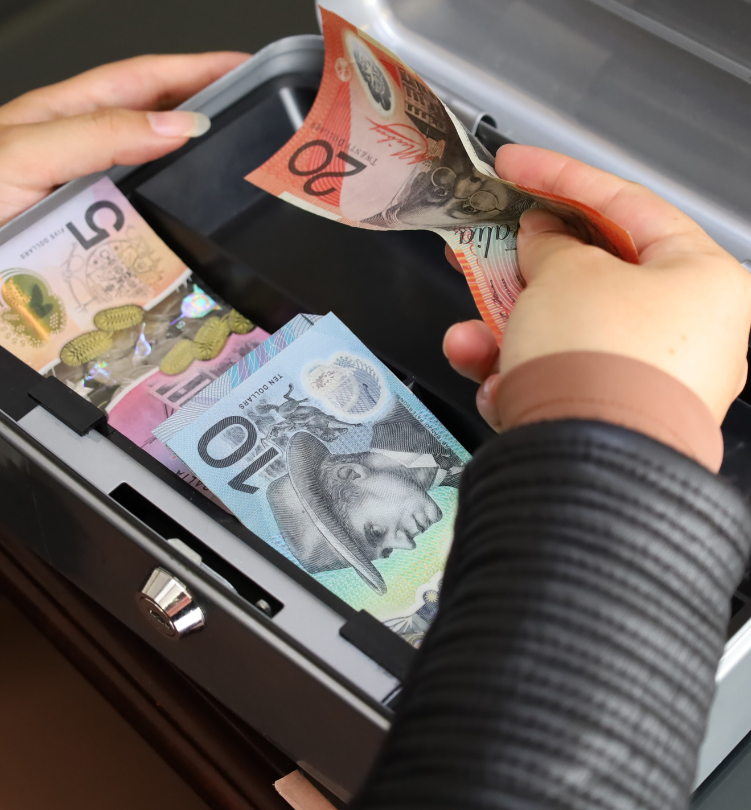
As cash is getting hard these days to use and get out, you can either – withdraw a set amount each week for discretionary spending or open a visa debit card where it’s your cash and you can see what you spend and what you have left over. When the cash or money in your visa debit card is gone, you’re done for the week.

Switch to Cash for Discretionary Spending

4 – Meal Prep to Avoid Eating Out

Eating out frequently is one of the biggest budget busters. Preparing meals at home is not only healthier but also significantly cheaper.

How It Helps:

      • Reduces dining-out expenses.
      • Saves time and stress during busy weeks.

How To Do It:
Plan and prepare your meals for the week on Sunday. Cook in batches and store portions in the fridge or freezer.

5 – Negotiate Your Bills

You’d be surprised how many service providers are willing to offer discounts or promotions if you simply ask.

How It Helps:

      • Lowers your monthly expenses.
      • Gives you more breathing room in your budget.

How To Do It:
Call your internet, phone, or insurance provider and ask if they can lower your rate. Mention competitor pricing to strengthen your case.

6 – Unsubscribe from Retail Emails

Retailers are experts at tempting you with “limited-time offers” and discounts. Avoid unnecessary spending by unsubscribing.

How It Helps:

      • Reduces impulse purchases.
      • Keeps your inbox less cluttered.

How To Do It:
Take five minutes to unsubscribe from any email lists that promote shopping. Out of sight, out of mind.

Break Goals into Bite-Sized Steps

7 – Set Mini Financial Goals

Big goals like paying off debt or saving for a house can feel overwhelming. Breaking them into smaller milestones makes them more achievable

How It Helps:

      • Keeps you motivated.
      • Allows you to celebrate small wins.

How To Do It:
If your goal is to save $5,000, start with a mini goal of $500. Reward yourself (in a budget-friendly way) when you hit each milestone.

8 – Sell Items You No Longer Need

Decluttering your home can also give your wallet a boost. From clothes to gadgets, many unused items could be turned into cash.

How It Helps:

      • Provides extra money for savings or debt repayment.
      • Clears up space in your home.

How To Do It:
List items on platforms like Facebook Marketplace, eBay, or Gumtree. Focus on selling things you haven’t used in the past year.

9 – Use Cashback and Rewards Programs

If you’re already spending money, you might as well earn something back. Cashback and rewards programs offer a way to save while you spend.

How It Helps:

      • Reduces the cost of everyday purchases.
      • Can provide free perks like gift cards or travel rewards.

How To Do It:
Take five minutes to unsubscribe from any email lists that promote shopping. Out of sight, out of mind.

    Use Cashback and Rewards Programs

    10 – Track Your Progress

    Financial wins can feel invisible if you’re not paying attention. Regularly tracking your progress helps you stay motivated and see how far you’ve come.

    How It Helps:

        • Keeps you accountable.
        • Provides encouragement to stick with your plan.

    How To Do It:
    Set aside 15 minutes each week to review your budget, check your savings, and reflect on your financial goals.

    How Small Changes Add Up To Big Wins

    Each of these changes might seem minor on its own, but together, they can create a powerful impact. For example:

      • Automating savings builds a habit that grows over time.
      • Canceling unused subscriptions frees up money to pay down debt.
      • Tracking progress keeps you on track toward your larger financial goals.

    When combined, these small actions help you feel more in control of your money and reduce financial stress.

    Why Programs Like Master Your Money Make a Difference

    If you’re looking for a structured way to implement these changes, programs like Master Your Money can guide you. By combining practical tips with personalised coaching, you’ll learn how to make sustainable financial progress and achieve your goals faster.

    Conclusion

    Improving your finances doesn’t have to involve drastic changes or sacrifices. By focusing on small, consistent actions, you can make big strides toward financial stability and freedom. Start with just one or two changes from this list and build from there.

    Remember, every step you take brings you closer to a brighter financial future. So, what small change will you make today?

    The Master Your Money Program is FOR YOU if:

    ?? You’re earning good income but still feel stuck in a cycle of stress or overspending.
    ?? You want to break free from limiting beliefs like “I’m bad with money” or “There’s never enough.”
    ?? You’re ready to build wealth without sacrificing the things you love.
    ?? You dream of financial freedom and need the tools and mindset to make it happen.

    This is more than a mindset shift—it’s a transformation that puts you on the path to lasting financial success! ?

    The 90 Day Money Makeover
    What are Some Smart Ways to Handle Unexpected Financial Emergencies?

    What are Some Smart Ways to Handle Unexpected Financial Emergencies?

    Handling unexpected financial emergencies requires a mix of planning, resourcefulness, and informed decision-making. Here are some smart ways to manage such situations:

    EMERGENCY FUND

    The best strategy is to have an emergency fund. This should ideally cover 3-6 months of living expenses and be easily accessible.

    BUDGET ADJUSTMENTS

    Review and adjust your budget to cut non-essential expenses. Temporarily reducing discretionary spending can free up funds.

    LIQUIDATE NON-ESSENTIAL ITEMS

    Consider selling items you don’t need. This could include electronics, jewellery, or other valuables.

    Emergency Fund

    Emergency funds create a financial buffer that can keep you afloat in a time of need without having to rely on credit cards or high-interest loans.

    USE OF CREDIT WISELY

    If you have access to credit lines or credit cards, use them wisely. Ensure that you understand the terms and interest rates to avoid worsening your financial situation.

    PAYMENT PLANS

    Contact creditors or service providers to negotiate payment plans or extensions. Many are willing to work with you during hardships.

    INSURANCE CLAIMS

    If your emergency is due to events like accidents, natural disasters, or health issues, check if your insurance policies can provide financial relief.

    GOVERNMENT ASSISTANCE AND COMMUNITY RESOURCES

    Explore if you’re eligible for any government relief programs or community assistance during your crisis.

    SIDE JOBS OR FREELANCING

    Consider taking on temporary work or freelancing to generate additional income.

    FAMILY AND FRIENDS

    As a last resort, consider borrowing from family or friends. Be sure to treat it as a formal loan and communicate clearly about repayment terms.

    FINANCIAL COUNSELLING

    Seek advice from a financial counsellor or advisor. They can offer personalised advice and help you plan for the future.

    INVEST IN EDUCATION AND SKILL DEVELOPMENT

    In the long term, improving your skills can lead to better job opportunities and higher income, making you more resilient to financial emergencies.

    REGULAR FINANCIAL REVIEWS

    Regularly review your financial situation to adjust your savings and spending, keeping potential emergencies in mind.

    Remember, personal finance is personal. Your priorities and goals will dictate how you manage your spending, so tailor these steps to fit your unique situation.

    Invest in Education and Skill Development

    Learn the fundamental concepts of how budgeting and saving are important to your financial well-being. Registration is now open for the course: Mastering Budget and Saving Techniques. This is a hands-on course with me guiding you on how to budget, track and look at managing your money like a pro.

    ENTER THE CODE WORD: BUDGETING2024 to get $100 off this course.

    Mastering Budget and Saving Techniques