
How to Stop Feeling Overwhelmed by Your Finances in 2025

How to Stop Feeling Overwhelmed by Your Finances in 2025

Does the thought of opening your bank app make your stomach drop? Are you constantly worried about bills, debt, or whether you’ll ever have enough to get ahead? You’re not alone. Financial overwhelm is incredibly common, especially with the rising cost of living and competing demands on your paycheck. But here’s the good news: you don’t have to stay stuck in this cycle.

In this blog, we’ll explore why financial overwhelm happens and, more importantly, how you can overcome it. By following these practical steps, you can regain control, reduce stress, and create a plan to manage your money with confidence.

Why Do We Feel Overwhelmed by Money?

1. Too Many Unknowns

When you’re not sure where your money is going or how much debt you owe, it’s easy to feel out of control. The unknown creates anxiety, and avoidance becomes a coping mechanism.

2. Unrealistic Expectations

Social media and society often paint an idealised picture of what financial success looks like – think flashy cars, designer clothes, and lavish holidays. Trying to measure up can make you feel like you’re failing, even if you’re doing fine.

3. Emotional Baggage

Money is rarely just about numbers. It’s tied to emotions, past experiences, and even our self-worth. Financial stress can feel personal, making it harder to address objectively.

Money is rarely just about numbers. It’s tied to emotions, past experiences, and even our self-worth.

How to Stop Feeling Overwhelmed?

Step 1: Acknowledge Your Feelings

The first step to overcoming financial overwhelm is to acknowledge it. Pretending you’re fine or ignoring the problem only makes things worse.

How To Do This?

      • Take a moment to name your emotions: Are you feeling stressed, ashamed, or frustrated?
      • Write down your worries in a journal. Sometimes, seeing them on paper helps put them into perspective.
      • Remind yourself that financial challenges are common and not a reflection of your worth.

Step 2: Understand Your Starting Point

You can’t fix what you don’t measure. It’s time to face the numbers, even if it feels uncomfortable. Knowledge is power, and understanding your financial situation is the first step to regaining control.

How To Do This?

      • List Your Debts: Write down every debt you owe, including balances, interest rates, and minimum payments.
      • Track Your Spending: For 30 days, track every expense. This helps you understand where your money is going.
      • Calculate Your Net Worth: Add up your assets (savings, investments, property) and subtract your liabilities (debts).

This process might feel daunting, but remember: it’s just data. The goal is to understand your starting point, not to judge yourself.

Write down every debt you owe, including balances, interest rates, and minimum payments.<br />

Step 3: Simplify Your Finances

Complex financial systems add to the sense of overwhelm. Simplify your money management by automating as much as possible and consolidating accounts when appropriate.

How To Do This?

      • Automate Bill Payments: Set up automatic payments for recurring expenses like utilities, rent, or mortgage.
      • Streamline Accounts: Consider consolidating multiple credit cards or savings accounts to reduce confusion.
      • Set Up Automatic Savings: Even a small, consistent transfer to savings builds momentum and reduces the stress of “finding” money to save.

Step 4: Break Goals Into Bite-sized Steps

Big financial goals can feel intimidating. Instead of trying to tackle everything at once, break your goals into smaller, actionable steps.

Example:

      • Instead of “Pay off $10,000 in debt,” focus on paying an extra $100 a month toward your highest-interest debt.
      • Instead of “Save for a home deposit,” aim to save $50 a week into a designated savings account.
      • Instead of “Fix my finances,” commit to reviewing your budget once a week.

These small wins build confidence and momentum, making the larger goal feel achievable.
Break Goals into Bite-Sized Steps

Step 5: Focus On What You Can Control

Financial overwhelm often comes from focusing on things outside your control, like unexpected expenses or economic conditions. Shift your energy to what you can influence.

What You Can Control:

      • How you spend your money
      • How you budget and save
      • How you approach debt repayment

When you focus on actionable steps, you’ll feel more empowered and less overwhelmed.

Step 6: Build A Support System

You don’t have to navigate your financial challenges alone. Whether it’s a friend, family member, or myself as your financial coach, having someone to talk to can make a world of difference.

Ways To Build Support:

      • Join a Community: Online groups or forums can connect you with people facing similar challenges.
      • Work with a Coach: Programs like Master Your Money provide step-by-step guidance and accountability.
      • Talk to Your Partner: If you share finances, make sure you’re working together toward shared goals.

Step 7: Shift Your Money Mindset

Sometimes, financial overwhelm is more about mindset than numbers. Reframing how you think about money can reduce stress and help you approach challenges with clarity.

Mindset Shifts To Try:

      • Replace “I’ll never get out of debt” with “I’m taking small steps every day to reduce my debt.”
      • Replace “I’m bad with money” with “I’m learning how to manage money better.”
      • Focus on progress, not perfection.

Step 8: Celebrate Your Wins

Overcoming financial overwhelm doesn’t happen overnight, but every step you take is progress worth celebrating. Recognising your achievements – big or small, keeps you motivated.

Ways to Celebrate:

      • Treat yourself to a small reward, like a coffee or a movie night, when you hit a milestone.
      • Keep a “win journal” where you document every positive financial step.
      • Share your success with someone who will cheer you on.
Keep a “win journal” where you document every positive financial step

Why 2025 Can Be The Year You Break Free

This year is your opportunity to turn things around. With a clear plan, a supportive community, and the right mindset, you can overcome financial overwhelm and take control of your money. Programs like Master Your Money are designed to help you break through the noise and focus on what matters most: your financial peace of mind.

Conclusion

Feeling overwhelmed by your finances is common, but it’s not permanent. By taking small, intentional steps and focusing on what you can control, you can move from chaos to clarity. Remember, progress is better than perfection, and every step forward is a step closer to financial freedom.

Start today by choosing one action, whether it’s tracking your spending, automating a bill, or simply acknowledging your financial stress. Your future self will thank you for it.

The Master Your Money Program is FOR YOU if:

?? You’re earning good income but still feel stuck in a cycle of stress or overspending.
?? You want to break free from limiting beliefs like “I’m bad with money” or “There’s never enough.”
?? You’re ready to build wealth without sacrificing the things you love.
?? You dream of financial freedom and need the tools and mindset to make it happen.

This is more than a mindset shift—it’s a transformation that puts you on the path to lasting financial success! ?

The 90 Day Money Makeover
How to Become Debt-Free: A Step-by-Step Guide to Financial Freedom

How to Become Debt-Free: A Step-by-Step Guide to Financial Freedom

Are you tired of feeling trapped by debt? You’re not alone. Debt can feel like a heavy burden, but the good news is that it doesn’t have to be a lifelong sentence. With the right mindset and strategies, you can break free from debt and start building a more secure financial future. Let’s dive into the steps to becoming debt-free and reclaiming control over your finances!

1. UNDERSTAND YOUR DEBT SITUATION

Before you can tackle your debt, you need to have a clear understanding of what you’re dealing with. Start by making a list of all your debts, including:

  • Credit cards
  • Student loans
  • Personal loans
  • Car loans
  • Mortgage

For each debt, write down the total amount owed, the interest rate, and the minimum monthly payment. This will give you a comprehensive view of your debt landscape and help you prioritise which debts to focus on first.  If you need a little hand with getting this down, you can download my FREE debt repayment spreadsheet by clicking HERE.

2. CREATE A BUDGET AND STICK TO IT

Creating a budget is an important step towards debt freedom. A budget helps you track your income and expenses, ensuring you’re not spending more than you earn. Here’s how to create an effective budget:

  • Calculate your monthly income: Include all sources of income, such as your salary, side gigs, and any other earnings.
  • List your monthly expenses: Categorise your expenses into essentials (like rent, utilities, groceries) and non-essentials (like dining out, entertainment).
  • Allocate funds for debt repayment: After covering your essentials, allocate a portion of your income specifically for debt repayment.

Sticking to your budget requires discipline, but it’s essential if you want to make significant progress towards becoming debt-free.

Want some help creating your budget then download my FREE budget spreadsheet where I make it easier to workout what’s happening with your money. Click HERE.

3. CUT UNNECESSARY EXPENSES

One of the quickest ways to free up money for debt repayment is by cutting unnecessary expenses. Review your budget and identify areas where you can reduce spending. Here are some common areas where people tend to overspend:

  • Dining out: Try cooking at home more often.
  • Subscription services: Cancel subscriptions you don’t use regularly.
  • Impulse purchases: Avoid buying items you don’t need by implementing a 24-hour rule before making non-essential purchases.

Remember, every dollar saved is a dollar that can go towards paying off your debt faster!

4. CHOOSE A DEBT REPAYMENT STRATEGY

There are several strategies for repaying debt, but two of the most popular are the Debt Snowball and Debt Avalanche methods:

  • Debt Snowball Method: Focus on paying off your smallest debt first while making minimum payments on all others. Once the smallest debt is paid off, move on to the next smallest. This method gives you quick wins and boosts motivation.
  • Debt Avalanche Method: Focus on paying off the debt with the highest interest rate first while making minimum payments on all others. This method saves you the most money in interest over time.

Choose the method that resonates most with you and start chipping away at your debt!

5. INCREASE YOUR INCOME

If cutting expenses isn’t enough, consider ways to increase your income. This additional income can be used entirely for debt repayment. Here are a few ideas to boost your income:

  • Take on a side hustle: Consider freelancing, tutoring, or driving for a ride-share service.
  • Sell unused items: Declutter your home and sell items you no longer need.
  • Ask for a raise or promotion: If you’ve been excelling at work, now might be the time to ask for a raise.

Every bit of extra income helps in accelerating your journey to becoming debt-free.

6. BUILD AN EMERGENCY FUND 

While it might seem counterintuitive to save money when you’re trying to pay off debt, having an emergency fund is crucial. An emergency fund acts as a financial safety net, preventing you from going deeper into debt when unexpected expenses arise. Aim to save at least $1,000 initially and gradually build it to cover 3-6 months’ worth of expenses.

7. NEGOTIATE LOWER INTEREST RATES

High-interest rates can significantly increase the amount you owe over time. Don’t be afraid to negotiate with your creditors to lower your interest rates. Here’s how:

  • Call your creditors: Explain your financial situation and request a lower interest rate.
  • Consider transferring your balance: Some credit cards offer 0% interest on balance transfers for a limited period. This can help reduce interest costs and pay off debt faster.
  • Refinance loans: Refinancing can lower your interest rate and reduce monthly payments.

Lowering your interest rates means more of your payments go towards reducing the principal amount, helping you get out of debt faster.

8. AVOID NEW DEBT

While you’re working to become debt-free, it’s essential to avoid accumulating new debt. Resist the temptation to use credit cards or take out new loans. If necessary, consider freezing your credit to prevent taking on new debt until you’re back on solid financial footing.

9. TRACK YOUR PROGRESS AND CELEBRATE MILESTONES

Tracking your progress is vital to staying motivated. Use a debt repayment tracker or app to monitor your journey. Celebrate each milestone you reach, whether it’s paying off a specific amount or clearing a particular debt. Celebrating these wins keeps you motivated and committed to your goal.

10. SEEK PROFESSIONAL HELP IF NEEDED

If your debt feels overwhelming, or if you’re struggling to create a repayment plan, consider seeking help from me as your financial coach. As a financial coach, I can provide personalised advice and strategies tailored to your situation, helping you navigate your way out of debt more effectively.

11. STAY COMMITTED TO THE JOURNEY

Becoming debt-free is a marathon, not a sprint. It requires time, effort, and unwavering commitment. There will be challenges along the way, but staying focused on your goal will make the journey worth it. Remember, the freedom and peace of mind that come with being debt-free are invaluable.


CONCLUSION: EMBRACE YOUR FINANCIAL FREEDOM

Becoming debt-free is one of the most empowering steps you can take for your financial future. It opens up a world of possibilities, from building wealth to achieving your financial dreams. By understanding your debt, creating a budget, cutting expenses, increasing your income, and sticking to a debt repayment strategy, you’re well on your way to financial freedom.

Start today—your debt-free future awaits!

By following these steps and staying committed, you’ll not only become debt-free but also build a strong foundation for a financially secure future. Remember, every step you take towards eliminating debt brings you closer to the life you desire.

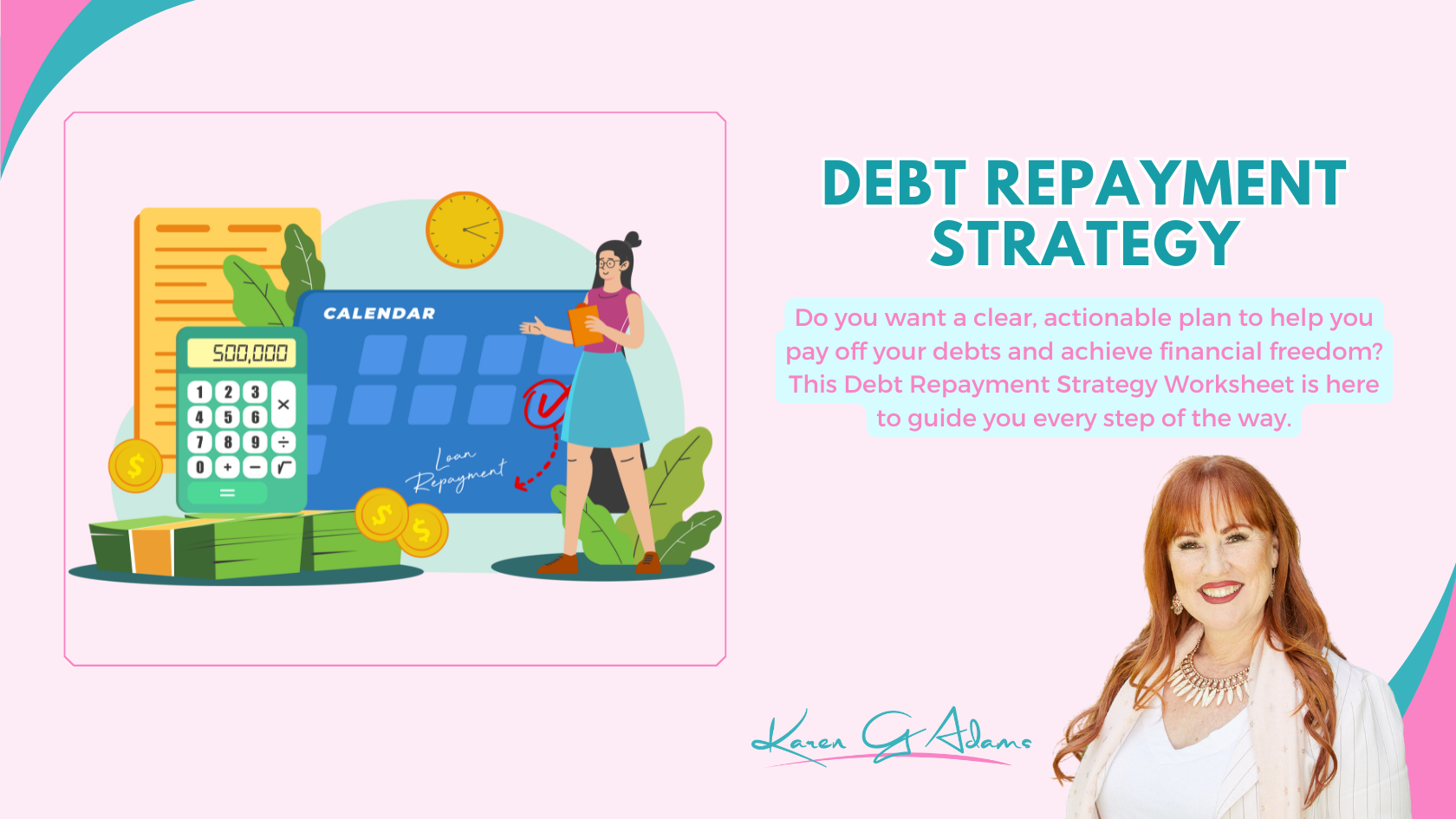
Are you feeling overwhelmed by debt? Do you want a clear, actionable plan to help you pay off your debts and achieve financial freedom? This Debt Repayment Strategy Worksheet is here to guide you every step of the way.

Mastering Budget and Saving Techniques
Free Budgeting Spreadsheet

GRAB YOUR OWN COPY FOR FREE

YOUR MONEY eMagazine

Are you ready to take control of your finances and secure a brighter future?

Dive into “Your Money,” the premier e-magazine by Karen G Adams, the Founder of Financial Management 101.

Subscribe for FREE!

Midlife Crisis or Opportunity? Finding Financial Zen in Your 40s and 50s

Midlife Crisis or Opportunity? Finding Financial Zen in Your 40s and 50s

So, if you listened to and read my previous blog and podcast, you would have heard some advice for those in the financial sandwich age 35 to 50.
So, let us talk about people in their mid-40s and 50s. This is the stage where you are old enough to have gained some wisdom but young enough to wonder if you have made all the right financial decisions. If you feel like you are on the verge of a midlife financial crisis, take a deep breath. Your trusted financial coach is here to turn that crisis into an opportunity, with a dash of humour to keep things light.

1. THE MIDLIFE FINANCIAL CHECK-UP

Do not skip your financial checkup any more than you would your annual physical. Take a hard look at your finances. Review your budget, debt, savings, and investments. Are you on track to achieve your goals? If not, it is time to make adjustments. Think of it as a financial tune-up. You would not drive your car with the check engine light on indefinitely, so do not neglect your finances.

2. DEBT DETOX: TIME TO CLEAN THE HOUSE

Debt is like that guest who overstays their welcome. It’s time to show it the door. Start by listing all your debts: credit cards, student loans, car loans, and any other liabilities. Tackle high-interest de bt first using the avalanche method or start small with the snowball method. Whatever strategy you choose, the key is to be consistent in your payments. Celebrate small victories along the way—each paid-off debt is a step closer to financial freedom.

3. REVIEW YOUR RETIREMENT GOALS

By now, you probably have some retirement savings, but is it enough? Use retirement calculators to estimate how much you’ll need. Adjust your contributions if necessary. Do not be concerned if you are falling behind. If you are over 50, consider maxing out your retirement accounts or looking into catch-up contributions. And remember that every little bit helps. Even small increases in your contributions can make a big difference over time.

4. HEALTH SAVINGS ACCOUNT (HSA): THE TRIPLE TAX BENEFIT

If you have a high-deductible health plan, an HSA is your new best friend. Contributions are tax deductible, funds grow tax-free, and withdrawals for qualified medical expenses are tax-free. It’s like a financial hat trick. Plus, after age 65, you can use HSA funds for non-medical expenses without a penalty (though you’ll pay regular income tax). It’s a win-win.

5. SIDE HUSTLES: NOT JUST FOR MILLENIALS

Who says side hustles are only for the younger generation? Your 40s and 50s are ideal times to investigate new income streams. A side hustle, whether it is freelancing, consulting, or turning a hobby into a business, can help you earn more money while also providing you with creative opportunities. It is also an excellent way to test the waters if you are thinking about changing careers or staying active in retirement.

6. PROTECT YOUR ASSETS: INSURANCE AND ESTATE PLANNING

Life insurance, disability insurance, and long-term care insurance may not be the most exciting topics, but they are critical for safeguarding your assets and ensuring your family’s financial stability. Review your policies and make sure they align with your current needs. And don’t forget estate planning. A will, power of attorney, and healthcare directive are all important documents that can save your loved ones a lot of stress and heartache.

Estate Planning ensures that your assets are distributed according to your wishes. Without a plan, state laws will dictate the distribution, which may not align with your desires.

7. INVEST IN EXPERIENCES, NOT JUST THINGS

As you get older, you realise that memories are worth more than material possessions. Prioritise spending on experiences that will improve your life. Travel, hobbies, and quality time with loved ones all contribute to your happiness and well-being. Plus, they don’t depreciate like that fancy car or gadget.

8. KEEP LEARNING: FINANCIAL EDUCATION NEVER STOPS

The financial world is constantly changing, and staying informed is essential. Keep your financial knowledge up to date by reading books, attending seminars, or taking online courses. Consider working with a financial advisor to help you navigate complex decisions and stay on track. Remember: knowledge is power, and it is never too late to learn something new.

Take these suggestions with a sense of humour and an open mind. Your 40s and 50s can be a time of financial growth and opportunity. So, dust off those financial cobwebs, make a plan, and move forward with confidence. You’ve got this!

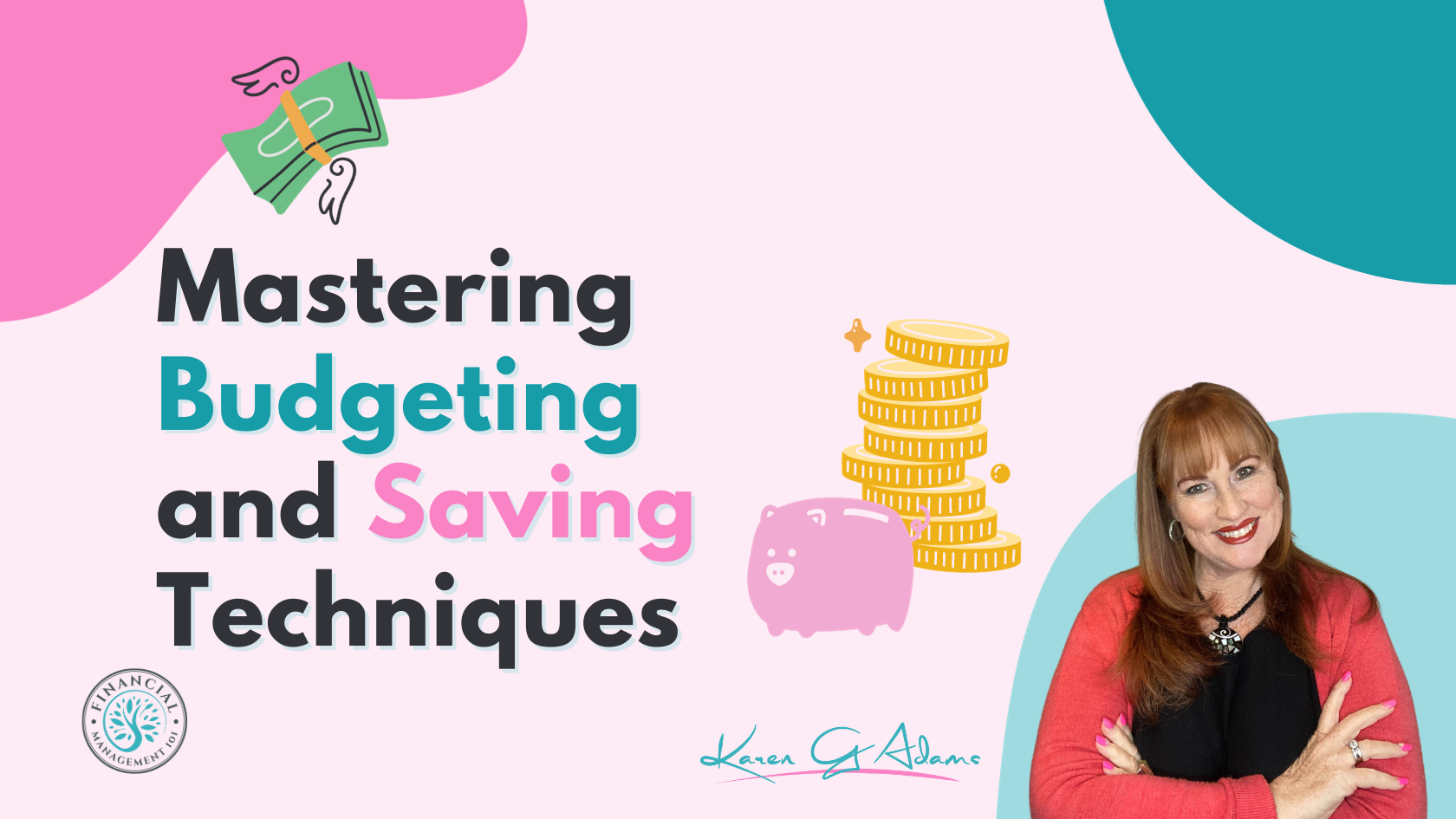
Learn the fundamental concepts of how budgeting and saving are important to your financial well-being. Registration is now open for the course: Mastering Budget and Saving Techniques. This is a hands-on course with me guiding you on how to budget, track and look at managing your money like a pro.

Mastering Budget and Saving Techniques
Free Budgeting Spreadsheet

MONTHLY COACHING

Take Control of Your Finances Today!

Are you tired of living paycheck to paycheck? Do you want to make smarter financial decisions but don’t know where to start? This monthly financial coaching program is designed to help you take control of your finances and achieve your financial goals.