Reflect, Review, and Refresh: A Guide to Assessing Your Finances Before 2025

Reflect, Review, and Refresh: A Guide to Assessing Your Finances Before 2025

As the year draws to a close, it’s natural to think about what’s next. But before you dive into new resolutions, let’s take a step back and look at your 2024 finances. Reflecting on what worked (and what didn’t) helps you move forward with clarity and confidence. Here’s a simple guide to reviewing your finances so you can start 2025 refreshed and ready to go.

1. Celebrate Your Wins

Before you jump into what needs improving, take a moment to celebrate your financial wins. Did you manage to save more than expected? Finally pay off a credit card? Stick to a new budget? Acknowledging your achievements, no matter how small, gives you a sense of progress and keeps you motivated.

Make a list of all the positive changes you’ve made or financial goals you’ve met this year. Reflecting on what you’ve achieved will give you a boost of confidence as you prepare for your next steps.

2. Identify Areas for Improvement

Once you’ve celebrated, it’s time to take an honest look at where you could improve. Ask yourself questions like:

    • Were there any unexpected expenses that threw off your budget?
    • Did you struggle to stick to any specific financial goals?
    • Are there areas where you overspent?

This reflection isn’t about criticising yourself, it’s about understanding where things may have gone off track. Knowing where you struggled will help you set realistic goals for next year and find ways to tackle those challenges head-on.

3. Review Your Debt and Savings Process

Your debt and savings are two major pillars of financial health. Look at where you stand with each:

    • Debt: How much debt have you paid down? Did you reach any of your debt reduction targets?
    • Savings: How is your emergency fund? Are you on track with your retirement savings or other savings goals?

If you didn’t reach your targets, that’s okay. Use this information to adjust for next year. Maybe you’ll aim to contribute a bit more to your debt payments or bump up your savings rate. Small changes can have a big impact over time, so don’t feel pressured to overhaul everything at once.

4. Assess Your Spending Habits

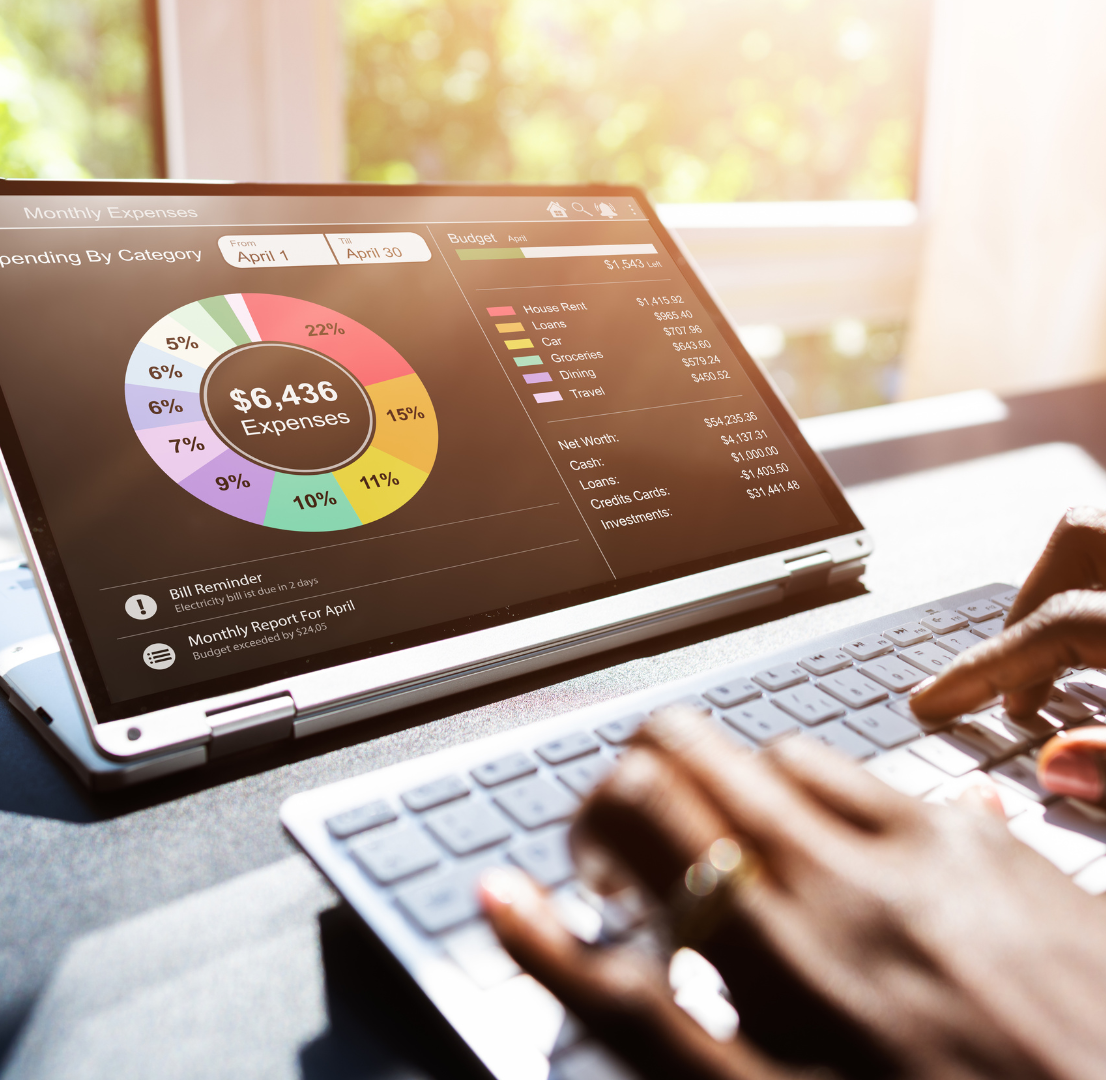
Sometimes, our spending habits change without us even noticing. Take a look at your spending patterns over the past few months. Are there categories where you consistently overspend, like dining out, online shopping, or subscriptions?

This review can reveal where your budget could use a little tweaking. By identifying your personal spending triggers, you can plan ahead and avoid overspending in the future. It’s all about aligning your spending with your priorities and making sure your budget works for you, not the other way around. 

Assess Your Spending Habits in the Past Year

5. Update Your Financial Goals for 2025

Based on your review, set fresh goals for 2025. Remember to keep your goals specific and realistic. Here are a few examples to get you started:

    • Build an emergency fund with three months’ worth of expenses by the end of the year.
    • Pay off one credit card or reduce your debt by a specific amount.
    • Save for a family vacation or a big purchase, like a car or home improvement project.

Whatever goals you choose, make sure they’re meaningful to you. When your goals reflect what you truly value, you’re more likely to stay committed.

6. Adjust Your Budget to Reflect New Priorities

A new year often brings new priorities. After reflecting on your 2024 finances, update your budget to reflect any changes in your income, expenses, or financial goals. This might mean increasing your savings contributions, adjusting debt payments, or cutting back in certain areas to make room for new expenses.

Remember, your budget is a tool, it’s there to serve you. Make adjustments that help you live comfortably within your means while still working toward your goals.

7. Setup a New System for Regular Check-ins

One of the best ways to stay on track financially is to check in regularly. Whether it’s a monthly review or a weekly “money date,” commit to a consistent routine where you:

    • Review your spending and savings.
    • Track your progress toward goals.
    • Adjust your budget as needed.

Regular check-ins make it easier to catch any issues early and keep your goals top of mind. Plus, they help you stay accountable and give you the chance to celebrate progress each step of the way.

Avoid Adding New Debt

Final Thoughts

Reflecting on your financial journey from the past year can give you valuable insights and help you start 2025 with confidence. By assessing where you are now, you’re giving yourself the power to make informed decisions and set realistic, meaningful goals. Here’s to wrapping up 2024 on a positive note and building a prosperous year ahead!

Are you ready to to build wealth without sacrificing the things you love? Do want to break free from limiting beliefs like “I’m bad with money” or “There’s never enough”?

MASTER YOUR MONEY is for YOU if you are tired of financial stress and ready to transform your relationship with money. Whether you’re managing a family, building your career, or chasing your dreams, this is your chance to gain the clarity, confidence, and habits you need to thrive.

This is more than a mindset shift—it’s a transformational program that puts you on the path to lasting financial success! ? Click the button below to book a call with Karen to see if this program is right for you!


Mastering Budget and Saving Techniques
Top 5 Money Habits to Start Now for a Prosperous New Year

Top 5 Money Habits to Start Now for a Prosperous New Year

As we look toward the new year, it’s the perfect time to set ourselves up for financial success. Building smart money habits now can lead to big rewards down the road. Here are five simple yet powerful habits you can start today to help you achieve a prosperous 2025.

1. Automate Your Savings

One of the easiest ways to build savings consistently is through automation. By setting up automatic transfers to your savings account each payday, you’re making saving effortless. Start with a small percentage, even if it’s just 5-10% of your income, and increase it gradually over time.

Automating your savings does two things: it keeps you consistent, and it makes saving painless since you won’t even have to think about it. Over time, these regular contributions add up, helping you build a strong financial cushion.

2. Track Your Spending to Spot Leaks

Most of us have small spending habits that quietly add up, whether it’s daily coffees, app subscriptions, or impulse buys. Take a few minutes to review your spending patterns over the past month and identify any recurring purchases that might be eating into your budget.

Use a simple app or spreadsheet to track your spending daily. This habit helps you become more mindful about where your money goes, making it easier to spot areas for improvement. By eliminating or reducing unnecessary expenses, you can redirect those funds toward more important goals, like saving or debt reduction.

Track Your Spending to Spot Leaks

Reviewing your spending allows you to see if you’re nearing or exceeding your budget, enabling you to adjust future purchases and transactions.

3. Set Clear and Realistic Financial Goals

Setting goals gives you something to work toward and helps keep you motivated. But goals need to be both realistic and specific. Instead of saying, “I want to save more,” try “I want to save $5,000 by the end of next year.” Breaking down a large goal into monthly or weekly targets can make it more achievable.

Take a few minutes to write down one or two financial goals for 2025. Think about what matters most to you, whether it’s paying off debt, saving for a vacation, or building an emergency fund. The clearer your goals are, the easier it will be to stay focused and committed.

4. Pay Yourself First

This habit goes hand-in-hand with automating your savings. The concept of “paying yourself first” means treating your savings like any other essential bill, making it a non-negotiable part of your budget. Rather than saving what’s left at the end of the month, prioritize your savings at the start.

Set a specific amount to save each month, and make sure it’s the first transaction after your paycheck arrives. This approach not only ensures that you’re saving consistently but also helps build a mindset where saving is a priority, not an afterthought.

5. Practice a Monthly Financial Review

A monthly financial review can be incredibly empowering. This doesn’t have to be a long or complicated process—it’s simply a quick check-in on your finances to see how you’re progressing. Use this time to:

  • Review your spending.
  • Assess your savings progress.
  • Identify any upcoming expenses or adjustments needed.

By doing a regular financial review, you’ll catch any issues before they become problems and stay motivated as you watch your progress. It’s a habit that creates accountability and gives you the opportunity to celebrate small wins along the way.

A gift list is a holiday essential!

FINAL THOUGHTS

Building these five habits doesn’t require a lot of time or drastic lifestyle changes, but the impact can be significant. Start now, and you’ll be amazed at how much progress you can make by the end of next year. Here’s to stepping into the new year with smart money habits and a renewed commitment to financial health!

Join the program Mastering Budgeting and Saving Techniques and learn how to budget, track and look at managing your money like a pro.

Mastering Budget and Saving Techniques
How to Save for a House Deposit Faster (with Tips on Australian Government Grants for First Home Buyers)

How to Save for a House Deposit Faster (with Tips on Australian Government Grants for First Home Buyers)

Saving for a house deposit can feel like an uphill battle, especially with property prices rising across Australia. But with the right strategies and some government assistance, you can speed up the process and make homeownership a reality sooner than you think.

In this guide, I’ll share some actionable tips on how to save for your house deposit faster, and I’ll also highlight key Australian government grants and schemes designed to support first-time homebuyers.

Let’s dive in!

1. Set a Clear Goal and Budget

The first step in saving for a house deposit is knowing how much you’ll need. In Australia, the general rule is that you need a 20% deposit to avoid lenders’ mortgage insurance (LMI). But many lenders will accept a deposit as low as 5%, though you’ll need to pay LMI if you’re below the 20% threshold.

Here’s an example: If you’re looking to buy a house worth $500,000, a 20% deposit would be $100,000. But if you’re going for a 5% deposit, you’d only need $25,000 upfront, though LMI will apply. Set your deposit target based on the property market in your area and your financial situation.

Next, create a budget to work toward your goal. Break down your deposit target into smaller, manageable chunks. For instance, if you’re aiming to save $50,000 in three years, that’s about $1,400 per month. Once you have a budget in place, you’ll be more aware of your spending habits and can start cutting unnecessary expenses.

In Australia, the general rule is that you need a 20% deposit to avoid lenders’ mortgage insurance (LMI). But many lenders will accept a deposit as low as 5%, though you’ll need to pay LMI if you’re below the 20% threshold.

2. Automate Your Savings

One of the best ways to save consistently is by automating your savings. Set up an automatic transfer from your everyday account into a high-interest savings account. Make this transfer every payday, so you’re consistently saving without thinking about it.

The key here is to treat your savings like a bill that has to be paid. Automating the process removes the temptation to spend the money elsewhere. You could even consider setting up a dedicated account specifically for your house deposit, this can give you a clear view of how close you’re getting to your goal without the risk of dipping into the funds.

Additionally, consider using a high-interest savings account or a term deposit to make your money work harder for you. While interest rates aren’t sky-high right now, every little bit helps when you’re saving for a big goal like a house deposit.

3. Boost Your Income

Increasing your income is another great way to speed up your house deposit savings. Here are a few options to explore:

  • Side Hustles: Whether it’s freelancing, tutoring, selling products online, or driving for rideshare services, side hustles can give you extra cash to put towards your deposit.
  • Overtime or Extra Hours: If your current job offers overtime or the opportunity to pick up extra shifts, take advantage of that extra income.
  • Sell Unused Items: Decluttering your home and selling things you no longer need – like electronics, clothes, or furniture—can give you a quick cash boost.

Boosting your income isn’t always easy, but every dollar earned and saved brings you closer to your dream home.

Whether it’s freelancing, tutoring, selling products online, or driving for rideshare services, side hustles can give you extra cash to put towards your deposit.

4. Take Advantage of Australian Government Grants and Schemes for First Home Buyers

The Australian government offers several programs to help first-time homebuyers get into the property market sooner. If you’re eligible, these programs can reduce the amount you need for a deposit or provide significant financial support.

First Home Owner Grant (FHOG)

The First Home Owner Grant is a one-off payment to first-time buyers purchasing a new or substantially renovated property. The grant amount varies by state or territory. For instance:

      • In Western Australia, you can receive up to $10,000 designed to assist eligible first-time homebuyers in purchasing or building a new residential property for use as their principal place of residence. The total value of the home and land must not exceed $750,000 if located south of the 26th parallel (which includes all Perth metropolitan areas) or $1,000,000 if located north of the 26th parallel.
      • In Queensland, you can receive up to $15,000 for a new home valued up to $750,000.
      • In Victoria, the grant is $10,000 for homes up to $750,000, or $20,000 if you’re building or buying in a regional area.

This grant can make a big difference to your savings, so check your state or territory’s specific eligibility requirements and grant amounts.

First Home Guarantee Scheme

Under the First Home Guarantee Scheme, eligible first-home buyers can purchase a property with a deposit as low as 5%, with the government guaranteeing up to 15% of the loan. This helps you avoid lenders’ mortgage insurance (LMI), which can otherwise add thousands to your costs.

This scheme has annual limits on the number of guarantees available, so it’s essential to check availability and eligibility as part of your planning.

First Home Super Saver Scheme (FHSS)

The First Home Super Saver Scheme allows you to make voluntary contributions to your superannuation fund and then withdraw those contributions, plus earnings, to use for a house deposit. You can contribute up to $15,000 per financial year, with a total limit of $50,000 (or $100,000 for couples).

The advantage of this scheme is that the contributions you make to super are taxed at a lower rate than your regular income, allowing you to save more efficiently.

Stamp Duty Concessions or Exemptions

Many states and territories offer stamp duty concessions or exemptions for first-home buyers. For example:

In Perth:

      • Full Exemption: If you’re a first home buyer in Perth purchasing a property valued up to $450,000, you are exempt from paying stamp duty. This provides a saving of up to $15,390.
      • Concessional Rates: For properties valued between $450,001 and $600,000 in Perth, a concessional rate applies. The duty payable is calculated at $15.01 for every $100 (or part thereof) over $450,000.

In New South Wales, if your first home is valued up to $800,000, you may be exempt from stamp duty.

In Victoria, first-time buyers are exempt from paying stamp duty for properties up to $600,000, and there are concessions for homes valued up to $750,000.

This can save you thousands, so make sure to check out your state’s specific policies.

5. Cut Expenses and Stay Focused 

Cutting back on unnecessary spending is essential when you’re saving for a big goal like a house deposit. Here are some simple ways to trim your expenses:

Review Subscriptions

Cancel subscriptions you don’t use or need, such as streaming services, magazines, or gym memberships.

Eat Out Less

Limit takeout and dining out, and focus on home-cooked meals, which are often much cheaper.

Review Subscriptions

Cancel subscriptions you don’t use or need, such as streaming services, magazines, or gym memberships.

It’s also important to stay motivated throughout the savings journey. Set short-term milestones and celebrate small wins to keep yourself on track.

FINAL THOUGHTS

Saving for a house deposit might seem challenging, but with careful planning, smart saving strategies, and government assistance, it’s achievable. Set a clear savings goal, automate your deposits, boost your income where you can, and make sure to take full advantage of the grants and schemes available to first-home buyers in Australia.

By combining these strategies, you’ll be on the fast track to saving for your house deposit and unlocking the door to your first home sooner than you think.

Buying your first home is a big and important step in your life. This guide is here to help you navigate through the process, making it easier and less overwhelming.

We understand that buying a home might feel like a maze of unfamiliar terms and decisions. That’s why this guide is designed to break down each step into simple and easy-to-follow instructions. Whether you’re a first-time buyer or need a refresher, this guide is here to support you in making informed choices.

Remember, buying a home is a journey, and just like any journey, it starts with a single step. So, dive in and learn how to turn your dream of homeownership into a reality!

Get your free copy today!

Step-by-Step Guide to Buying Your First Home
Understanding Debt: The Good, the Bad, and the Ugly

Understanding Debt: The Good, the Bad, and the Ugly

Debt is a word that evokes a wide range of emotions – stress, confusion, maybe even shame. But as a financial coach, I want to help you look at debt through a clearer lens. Not all debt is created equal, and by understanding the types of debt and how they impact your financial health, you can make smarter decisions and take control of your money.


In this blog, we’ll dive into the three types of debt: the good, the bad, and the ugly. You’ll learn how to differentiate between them and how to navigate debt effectively to avoid financial stress.

THE GOOD — Productive Debt

Yes, you read that right. Not all debt is bad, some can actually help you build wealth when used strategically. Productive debt refers to borrowing money that helps you acquire something that appreciates in value or generates income. Here are some examples of good debt:

1. MORTGAGE

A mortgage is often considered good debt because you’re investing in an asset – your home that typically appreciates over time. By paying down your mortgage, you’re building equity, which can be a significant part of your net worth. Plus, homeownership can provide stability and a sense of security for you and your family.

However, it’s important to avoid over-extending yourself. A mortgage should fit within your budget without putting too much strain on your day-to-day living expenses. If the payments are manageable, your home can be one of your best investments.

2. STUDENT LOANS

Student loans fall into the category of good debt if they lead to higher earning potential. Education is an investment in yourself, and if a degree can significantly boost your income or open up better career opportunities, then the loan can pay off in the long run.

The key here is not to borrow more than necessary and to have a clear plan for repayment. It’s essential to research the expected salary for your chosen career field and weigh it against the cost of your education.

The key is not to borrow more than necessary and to have a clear repayment plan for your student loans.

3. BUSINESS LOANS

If you’re starting or expanding a business, taking on debt can be a smart move if done thoughtfully. Business loans can help you grow and increase revenue, eventually paying off the loan and improving your financial standing. However, business debt should be used carefully, with a clear plan for how the funds will lead to profit.

THE BAD — Unnecessary or Mismanaged Debt

Bad debt, on the other hand, is borrowing that doesn’t provide long-term value or doesn’t help you build wealth. It’s often used to purchase depreciating assets or to cover non-essential expenses. Let’s look at a few examples of bad debt:

1. CREDIT CARD DEBT

Credit cards can be useful tools for building credit, but they can easily turn into bad debt if mismanaged. The average interest rate on a credit card hovers around 15-20%, which means carrying a balance can quickly spiral out of control. When you only make minimum payments, most of your money goes toward interest, not reducing the actual debt.

Credit card debt is often incurred for things that don’t appreciate in value, like clothing, dining out, or vacations. While these expenses may be fun in the moment, they don’t contribute to your financial future and can burden you with high-interest payments.

2. CAR LOANS

A car is a necessity for many, but car loans can easily become bad debt. Vehicles lose value the moment they leave the lot, which means you’re paying for something that’s depreciating. If you finance a car you can’t afford or extend the loan term too long, you could end up paying much more than the car is worth.

If you need to finance a car, aim to keep the loan term as short as possible and choose a vehicle that fits your budget. Avoid the temptation to upgrade to a fancy model that comes with higher payments and long-term debt.

3. RETAIL FINANCING

We’ve all seen the “buy now, pay later” options that stores offer. While it might seem convenient to spread out payments, retail financing is often bad debt. These loans usually come with high interest rates, and they’re typically used for non-essential items like furniture or electronics. Before signing up for these payment plans, ask yourself if the purchase is truly necessary and if you can afford it without going into debt.

THE UGLY — Toxic Debt

Ugly debt is the kind of debt that can wreak havoc on your financial health, often leading to long-term financial hardship. This is typically high-interest, high-risk debt that is difficult to escape from once you’ve fallen into it.

1. PAYDAY LOANS

Payday loans are one of the ugliest forms of debt. These short-term, high-interest loans are marketed as quick fixes for immediate cash needs, but they come with astronomical interest rates—sometimes as high as 400%. The short repayment period often traps borrowers in a cycle of borrowing more just to pay off the original loan.

If you find yourself relying on payday loans, it’s crucial to explore other options, like negotiating with creditors, cutting expenses, or seeking help from a financial advisor. Payday loans can quickly turn a small financial issue into a long-term problem.

2. TITLE LOANS

Title loans are another form of predatory lending. In these cases, you use your car as collateral to secure a loan. The danger here is that if you fail to repay the loan, you could lose your vehicle—an asset that might be essential for getting to work or taking care of family responsibilities.

The interest rates on title loans are usually extremely high, and the repayment terms are often short, making it difficult for borrowers to catch up once they fall behind.

How To Tackle Debt

No matter what kind of debt you have, whether it’s good, bad, or ugly, having a plan to manage and reduce it is essential. Here are a few steps to take:

1. ASSESS YOUR DEBT

The first step in tackling debt is to get a clear picture of what you owe. List all of your debts, including the amounts, interest rates, and minimum payments. This will help you prioritise which debts to tackle first.

2. CREATE  A BUDGET

Having a solid budget is key to managing debt. Allocate a portion of your income specifically toward debt repayment, and be consistent with it. Even small additional payments can make a big difference over time.

3. FOCUS ON HIGH-INTEREST DEBTS

Start by paying down high-interest debt first, like credit cards or payday loans. This will save you money on interest and help you get out of debt faster.

4. CONSIDER CONSOLIDATION

If you’re overwhelmed by multiple debts, debt consolidation might be an option. This involves combining your debts into a single loan with a lower interest rate, making it easier to manage.

5. SEEK PROFESSSIONAL HELP

If debt feels unmanageable, don’t hesitate to seek help. As a financial coach, I can help you develop a personalised plan to reduce debt and improve your financial health.

FINAL THOUGHTS

Debt doesn’t have to be a four-letter word. By understanding the difference between good, bad, and ugly debt, you can make more informed decisions about borrowing and avoid the financial stress that comes from mismanaged debt. Remember, the goal is to use debt as a tool to build wealth and security, not as a burden that holds you back.

Are you ready to tackle your debt and create a stress-free financial future? Let’s work together to make a plan that works for you! The Learning Hub at Financial Management 101 promotes long-term financial stability, provides insights into wealth-building strategies, and equips you with the skills to adapt to economic changes.

Are you ready to take control of your finances and start your debt-free journey?

In this empowering 30-day course, we’ll guide you through actionable steps to help you break free from debt and achieve financial stability.

The Debt-Free Mindset: How to Train Your Brain for Financial Freedom

The Debt-Free Mindset: How to Train Your Brain for Financial Freedom

Becoming debt-free isn’t just about paying off balances; it’s about reshaping your mindset to align with financial freedom. Many people get trapped in a cycle of debt because their mindset is stuck in a place of scarcity or fear. Let us look at some actionable steps for developing a debt-free mindset.

1. UNDERSTAND YOUR DEBT SITUATION

Every financial decision you make is influenced by your beliefs about money, often shaped by your experiences. Reflect on your “debt story”—the events, habits, and emotions that led you to where you are now. Write it down. Understanding your history with money is the first step to rewriting your financial future.

ACTION STEP:
Journal about your first memory of money, your feelings towards debt, and how that might have shaped your current situation.

2. REFRAME YOUR THOUGHTS ABOUT MONEY

Instead of viewing debt as a burden, see it as a challenge to overcome. Change your language from “I’m in debt” to “I am working towards financial freedom.” Positive affirmations can help you stay motivated and focused on your goal.

ACTION STEP:
Create a list of positive money affirmations, such as “I am capable of managing my finances,” and repeat them daily.

3. VISUALISE DEBT FREEDOM

Visualisation is a powerful tool. Imagine how your life will look and feel once you’re debt-free. Picture the freedom, the opportunities, and the peace of mind that comes with it. The more vivid your vision, the more motivated you’ll be to achieve it.

ACTION STEP:
Spend 5 minutes every morning visualising your debt-free life. Write down what you see and feel.

4. SURROUND YOURSELF WITH FINANCIAL POSITIVITY 

Your environment influences your mindset. If you’re surrounded by people who are also striving to be debt-free, or who have achieved it, their energy can motivate you. Join a debt-free community or follow influencers who share your financial goals.

ACTION STEP:
Join my monthly coaching program where you will feel supported and be part of a community all working towards helping you achieve your financial independence and goals. CLICK HERE for more information.

5. CHALLENGE YOUR LIMITING BELIEFS

Many of us have limiting beliefs about money—like thinking we’ll always be in debt or that financial freedom is only for the wealthy. Challenge these beliefs by seeking evidence to the contrary and reprogramming your mind with empowering thoughts.

ACTION STEP:
Write down three limiting beliefs you have about money and challenge them with factual statements or examples.

6. PRACTICE GRATITUDE FOR WHAT YOU HAVE

Shifting your focus from what you lack to what you have can create a more abundant mindset. When you’re grateful for your current resources, you’re more likely to use them wisely and attract more.

ACTION STEP:
Start a gratitude journal and list three things you’re grateful for each day, focusing on non-material aspects of your life.

7. SET REALISTIC AND ACHIEVABLE GOALS

Setting small, achievable goals can help build momentum. Instead of focusing solely on the end goal of being debt-free, set smaller milestones. Celebrate each win, no matter how small.

ACTION STEP:
Break down your debt into smaller, manageable chunks and create a reward system for achieving each milestone.

Only purchase essentials and document the impact on your finances and mindset.

8. EMBRACE MINIMALISM IN SPENDING

Adopting a minimalist approach to spending helps shift the focus from consuming to saving and investing in experiences rather than things. This mindset shift can significantly contribute to becoming debt-free.

ACTION STEP:
For one month, only purchase essentials and document the impact on your finances and mindset.

9. LEARN FROM YOUR MISTAKES WITHOUT GUILT

Everyone makes financial mistakes, but dwelling on them with guilt can keep you stuck. Instead, view them as learning opportunities. Reflect on what went wrong and how you can prevent it from happening again.

ACTION STEP:
List past financial mistakes and write down the lessons you’ve learned from each. 

10. COMMIT TO LIFELONG LEARNING ABOUT MONEY

Developing a debt-free mindset is an ongoing process. Make a commitment to continue learning about money management, investing, and wealth-building. This growth mindset will keep you motivated and informed.

ACTION STEP:
Choose one financial book or one of my online courses and programs to complete each month.

CONCLUSION

Becoming debt-free starts with transforming your mindset. By understanding your debt story, reframing your thoughts about money, and setting realistic goals, you can begin the journey towards financial freedom with a clear and positive outlook. Remember, the path to being debt-free is not just about the numbers but also about your mindset.

Take Control of Your Finances Today!

Are you tired of living paycheck to paycheck? Do you want to make smarter financial decisions but don’t know where to start? This monthly financial coaching program is designed to help you take control of your finances and achieve your financial goals.

Mastering Budget and Saving Techniques
Free Budgeting Spreadsheet

GRAB YOUR OWN COPY FOR FREE

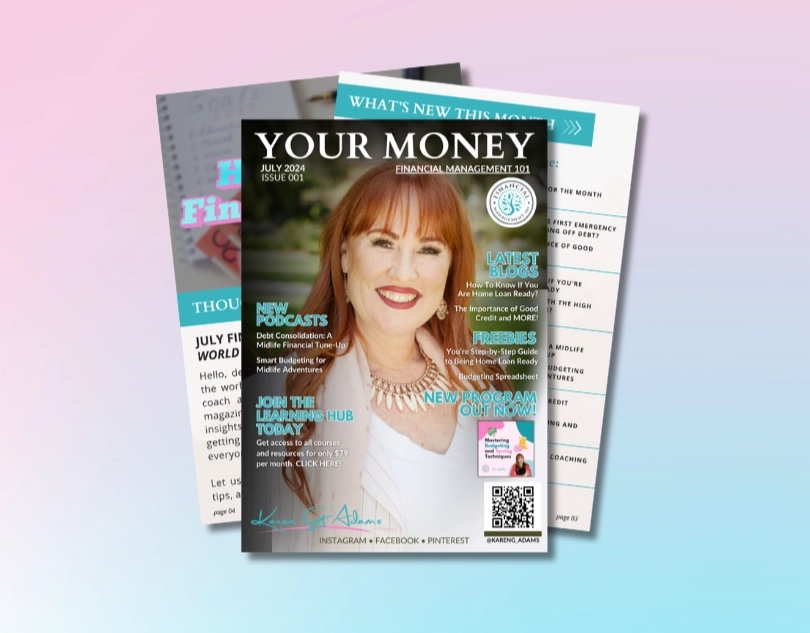
YOUR MONEY eMagazine

Are you ready to take control of your finances and secure a brighter future?

Dive into “Your Money,” the premier e-magazine by Karen G Adams, the Founder of Financial Management 101.

Subscribe for FREE!