Year-End Financial Check-Up: 7 Key Steps to Close 2024 with Confidence

Year-End Financial Check-Up: 7 Key Steps to Close 2024 with Confidence

As the year wraps up, it’s time to give your finances a little TLC and prepare to start the new year strong! Think of this as your yearly financial check-up, a simple routine that sets you up for a financially fit future. Here are seven straightforward steps to help you close out 2024 with confidence.

1. Review Your Budget with Fresh Eyes

December is perfect for giving your budget a quick health check. Ask yourself:

    • Did you stick to your budget most months?
    • Are there categories where you regularly overspent?

If you find that certain areas of your budget were tough to stick to, don’t worry; you’re not alone! Make notes on what worked and what didn’t, and consider if those categories need adjusting. Next year’s budget will feel easier to manage if it aligns more closely with your actual spending patterns.

2. Evaluate Your Financial Goals for 2024

Reflect on the goals you set at the beginning of 2024. Did you aim to build an emergency fund, pay off a certain amount of debt, or save for a big purchase? Take a moment to celebrate any wins, big or small, you’ve earned it! If there were goals you couldn’t reach, try to pinpoint what might have held you back. Life happens, and sometimes, adjustments are necessary. Use these reflections to set realistic goals for 2025 that build on the progress you’ve made.

Audit Your Subscriptions and Recurring Expenses

3. Audit Your Subscriptions and Recurring Expenses

Subscriptions can sneak up on you! Take a look at all the services you’re subscribed to, streaming platforms, gym memberships, software, meal kits and decide if they’re still worth the monthly or annual fee. Ask yourself:

    • Do you use each service enough to justify the cost?
    • Are there better deals or bundles that could help you save?

Canceling or downgrading services you no longer use can free up cash you can redirect toward your savings or debt goals.

4. Set a Holiday Spending Plan

The holiday season can be a big budget-buster if you’re not careful. This December, approach holiday spending with a clear plan:

    • Set a total holiday budget and stick to it.
    • Focus on meaningful gifts within your budget and avoid last-minute splurges.
    • Consider experiences instead of material items, they often make more memorable gifts and can be cost-effective.

You’ll thank yourself in January when your credit card bills aren’t sky-high!

5. Check-in On Your Emergency Fund


Your emergency fund is your financial safety net, and December is a great time to assess its status. Ideally, you want enough to cover three to six months’ worth of essential expenses.

If your fund has been depleted due to unexpected expenses this year, make a plan to rebuild it. If it’s in good shape, well done!

Consider adding a little extra, even if it’s just a small amount each month, it’s always better to be prepared.
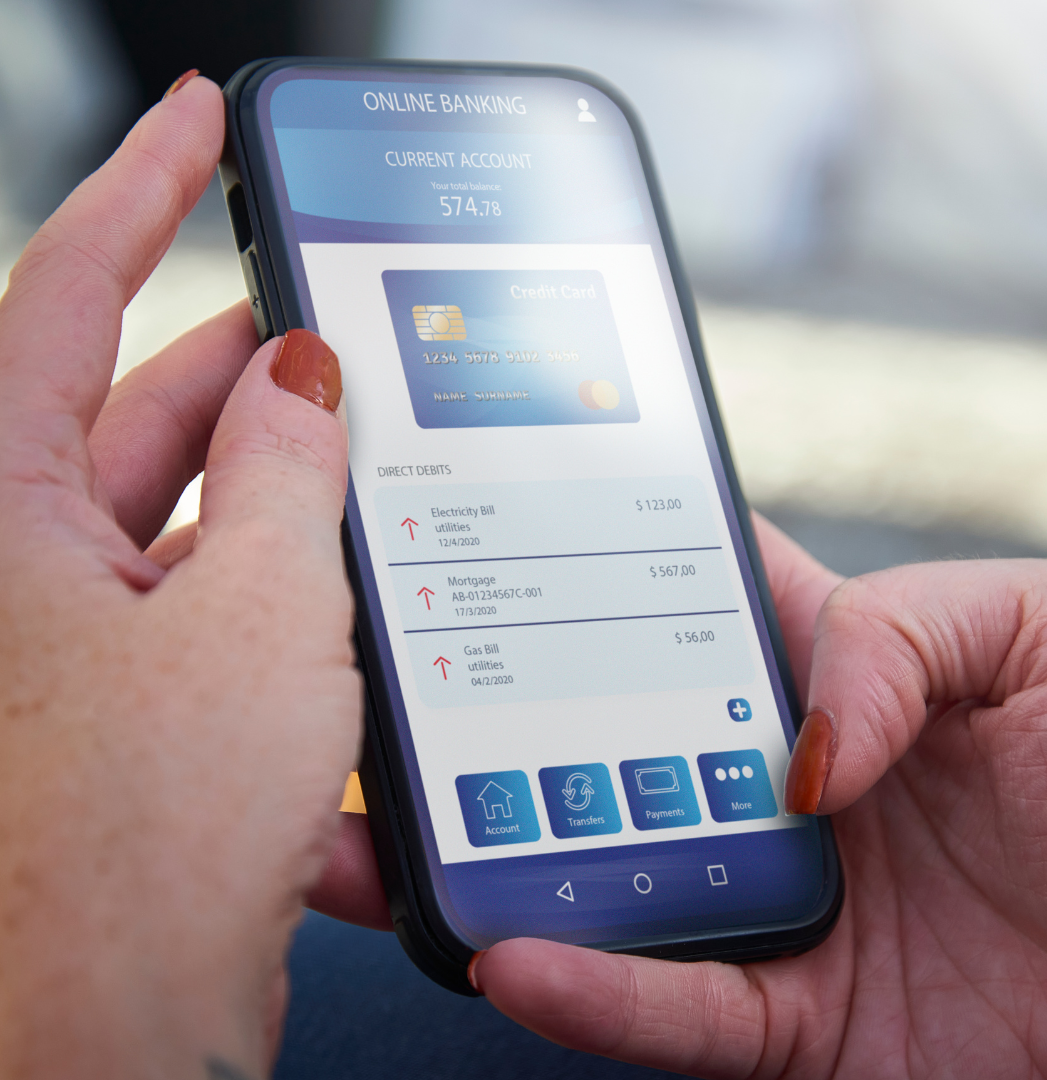
You want enough to cover three to six months’ worth of essential expenses on your emergency fund

5. Update Your Financial Goals for 2025

End the year by setting some intentional goals for 2025. These don’t have to be massive changes; small, achievable goals can have a big impact on your financial future. A few ideas:

    • Set a target for increasing your savings rate, even if it’s by a modest amount.
    • Commit to paying down a certain percentage of your debt.
    • Plan to invest in education or skills that could lead to higher income opportunities.

Whatever your financial goals, write them down and keep them visible. By starting now, you’ll be well-prepared to tackle them come January.

End the year by setting some intentional goals for 2025.

Final Thoughts

Closing out the year with a financial check-up is a powerful way to put yourself in the driver’s seat for 2025. These six steps are simple but effective and give you a clear view of your financial health. Here’s to closing out 2024 strong and stepping into 2025 with confidence!

Are you ready to make 2025 your breakthrough year?

MASTER YOUR MONEY is for YOU if you are tired of financial stress and ready to transform your relationship with money. Whether you’re managing a family, building your career, or chasing your dreams, this is your chance to gain the clarity, confidence, and habits you need to thrive.

This is more than a mindset shift—it’s a transformational program that puts you on the path to lasting financial success! ? Click the button below to book a call with Karen to see if this program is right for you!


Mastering Budget and Saving Techniques
Understanding Debt: The Good, the Bad, and the Ugly

Understanding Debt: The Good, the Bad, and the Ugly

Debt is a word that evokes a wide range of emotions – stress, confusion, maybe even shame. But as a financial coach, I want to help you look at debt through a clearer lens. Not all debt is created equal, and by understanding the types of debt and how they impact your financial health, you can make smarter decisions and take control of your money.


In this blog, we’ll dive into the three types of debt: the good, the bad, and the ugly. You’ll learn how to differentiate between them and how to navigate debt effectively to avoid financial stress.

THE GOOD — Productive Debt

Yes, you read that right. Not all debt is bad, some can actually help you build wealth when used strategically. Productive debt refers to borrowing money that helps you acquire something that appreciates in value or generates income. Here are some examples of good debt:

1. MORTGAGE

A mortgage is often considered good debt because you’re investing in an asset – your home that typically appreciates over time. By paying down your mortgage, you’re building equity, which can be a significant part of your net worth. Plus, homeownership can provide stability and a sense of security for you and your family.

However, it’s important to avoid over-extending yourself. A mortgage should fit within your budget without putting too much strain on your day-to-day living expenses. If the payments are manageable, your home can be one of your best investments.

2. STUDENT LOANS

Student loans fall into the category of good debt if they lead to higher earning potential. Education is an investment in yourself, and if a degree can significantly boost your income or open up better career opportunities, then the loan can pay off in the long run.

The key here is not to borrow more than necessary and to have a clear plan for repayment. It’s essential to research the expected salary for your chosen career field and weigh it against the cost of your education.

The key is not to borrow more than necessary and to have a clear repayment plan for your student loans.

3. BUSINESS LOANS

If you’re starting or expanding a business, taking on debt can be a smart move if done thoughtfully. Business loans can help you grow and increase revenue, eventually paying off the loan and improving your financial standing. However, business debt should be used carefully, with a clear plan for how the funds will lead to profit.

THE BAD — Unnecessary or Mismanaged Debt

Bad debt, on the other hand, is borrowing that doesn’t provide long-term value or doesn’t help you build wealth. It’s often used to purchase depreciating assets or to cover non-essential expenses. Let’s look at a few examples of bad debt:

1. CREDIT CARD DEBT

Credit cards can be useful tools for building credit, but they can easily turn into bad debt if mismanaged. The average interest rate on a credit card hovers around 15-20%, which means carrying a balance can quickly spiral out of control. When you only make minimum payments, most of your money goes toward interest, not reducing the actual debt.

Credit card debt is often incurred for things that don’t appreciate in value, like clothing, dining out, or vacations. While these expenses may be fun in the moment, they don’t contribute to your financial future and can burden you with high-interest payments.

2. CAR LOANS

A car is a necessity for many, but car loans can easily become bad debt. Vehicles lose value the moment they leave the lot, which means you’re paying for something that’s depreciating. If you finance a car you can’t afford or extend the loan term too long, you could end up paying much more than the car is worth.

If you need to finance a car, aim to keep the loan term as short as possible and choose a vehicle that fits your budget. Avoid the temptation to upgrade to a fancy model that comes with higher payments and long-term debt.

3. RETAIL FINANCING

We’ve all seen the “buy now, pay later” options that stores offer. While it might seem convenient to spread out payments, retail financing is often bad debt. These loans usually come with high interest rates, and they’re typically used for non-essential items like furniture or electronics. Before signing up for these payment plans, ask yourself if the purchase is truly necessary and if you can afford it without going into debt.

THE UGLY — Toxic Debt

Ugly debt is the kind of debt that can wreak havoc on your financial health, often leading to long-term financial hardship. This is typically high-interest, high-risk debt that is difficult to escape from once you’ve fallen into it.

1. PAYDAY LOANS

Payday loans are one of the ugliest forms of debt. These short-term, high-interest loans are marketed as quick fixes for immediate cash needs, but they come with astronomical interest rates—sometimes as high as 400%. The short repayment period often traps borrowers in a cycle of borrowing more just to pay off the original loan.

If you find yourself relying on payday loans, it’s crucial to explore other options, like negotiating with creditors, cutting expenses, or seeking help from a financial advisor. Payday loans can quickly turn a small financial issue into a long-term problem.

2. TITLE LOANS

Title loans are another form of predatory lending. In these cases, you use your car as collateral to secure a loan. The danger here is that if you fail to repay the loan, you could lose your vehicle—an asset that might be essential for getting to work or taking care of family responsibilities.

The interest rates on title loans are usually extremely high, and the repayment terms are often short, making it difficult for borrowers to catch up once they fall behind.

How To Tackle Debt

No matter what kind of debt you have, whether it’s good, bad, or ugly, having a plan to manage and reduce it is essential. Here are a few steps to take:

1. ASSESS YOUR DEBT

The first step in tackling debt is to get a clear picture of what you owe. List all of your debts, including the amounts, interest rates, and minimum payments. This will help you prioritise which debts to tackle first.

2. CREATE  A BUDGET

Having a solid budget is key to managing debt. Allocate a portion of your income specifically toward debt repayment, and be consistent with it. Even small additional payments can make a big difference over time.

3. FOCUS ON HIGH-INTEREST DEBTS

Start by paying down high-interest debt first, like credit cards or payday loans. This will save you money on interest and help you get out of debt faster.

4. CONSIDER CONSOLIDATION

If you’re overwhelmed by multiple debts, debt consolidation might be an option. This involves combining your debts into a single loan with a lower interest rate, making it easier to manage.

5. SEEK PROFESSSIONAL HELP

If debt feels unmanageable, don’t hesitate to seek help. As a financial coach, I can help you develop a personalised plan to reduce debt and improve your financial health.

FINAL THOUGHTS

Debt doesn’t have to be a four-letter word. By understanding the difference between good, bad, and ugly debt, you can make more informed decisions about borrowing and avoid the financial stress that comes from mismanaged debt. Remember, the goal is to use debt as a tool to build wealth and security, not as a burden that holds you back.

Are you ready to tackle your debt and create a stress-free financial future? Let’s work together to make a plan that works for you! The Learning Hub at Financial Management 101 promotes long-term financial stability, provides insights into wealth-building strategies, and equips you with the skills to adapt to economic changes.

Are you ready to take control of your finances and start your debt-free journey?

In this empowering 30-day course, we’ll guide you through actionable steps to help you break free from debt and achieve financial stability.

How to Become Debt-Free: A Step-by-Step Guide to Financial Freedom

How to Become Debt-Free: A Step-by-Step Guide to Financial Freedom

Are you tired of feeling trapped by debt? You’re not alone. Debt can feel like a heavy burden, but the good news is that it doesn’t have to be a lifelong sentence. With the right mindset and strategies, you can break free from debt and start building a more secure financial future. Let’s dive into the steps to becoming debt-free and reclaiming control over your finances!

1. UNDERSTAND YOUR DEBT SITUATION

Before you can tackle your debt, you need to have a clear understanding of what you’re dealing with. Start by making a list of all your debts, including:

  • Credit cards
  • Student loans
  • Personal loans
  • Car loans
  • Mortgage

For each debt, write down the total amount owed, the interest rate, and the minimum monthly payment. This will give you a comprehensive view of your debt landscape and help you prioritise which debts to focus on first.  If you need a little hand with getting this down, you can download my FREE debt repayment spreadsheet by clicking HERE.

2. CREATE A BUDGET AND STICK TO IT

Creating a budget is an important step towards debt freedom. A budget helps you track your income and expenses, ensuring you’re not spending more than you earn. Here’s how to create an effective budget:

  • Calculate your monthly income: Include all sources of income, such as your salary, side gigs, and any other earnings.
  • List your monthly expenses: Categorise your expenses into essentials (like rent, utilities, groceries) and non-essentials (like dining out, entertainment).
  • Allocate funds for debt repayment: After covering your essentials, allocate a portion of your income specifically for debt repayment.

Sticking to your budget requires discipline, but it’s essential if you want to make significant progress towards becoming debt-free.

Want some help creating your budget then download my FREE budget spreadsheet where I make it easier to workout what’s happening with your money. Click HERE.

3. CUT UNNECESSARY EXPENSES

One of the quickest ways to free up money for debt repayment is by cutting unnecessary expenses. Review your budget and identify areas where you can reduce spending. Here are some common areas where people tend to overspend:

  • Dining out: Try cooking at home more often.
  • Subscription services: Cancel subscriptions you don’t use regularly.
  • Impulse purchases: Avoid buying items you don’t need by implementing a 24-hour rule before making non-essential purchases.

Remember, every dollar saved is a dollar that can go towards paying off your debt faster!

4. CHOOSE A DEBT REPAYMENT STRATEGY

There are several strategies for repaying debt, but two of the most popular are the Debt Snowball and Debt Avalanche methods:

  • Debt Snowball Method: Focus on paying off your smallest debt first while making minimum payments on all others. Once the smallest debt is paid off, move on to the next smallest. This method gives you quick wins and boosts motivation.
  • Debt Avalanche Method: Focus on paying off the debt with the highest interest rate first while making minimum payments on all others. This method saves you the most money in interest over time.

Choose the method that resonates most with you and start chipping away at your debt!

5. INCREASE YOUR INCOME

If cutting expenses isn’t enough, consider ways to increase your income. This additional income can be used entirely for debt repayment. Here are a few ideas to boost your income:

  • Take on a side hustle: Consider freelancing, tutoring, or driving for a ride-share service.
  • Sell unused items: Declutter your home and sell items you no longer need.
  • Ask for a raise or promotion: If you’ve been excelling at work, now might be the time to ask for a raise.

Every bit of extra income helps in accelerating your journey to becoming debt-free.

6. BUILD AN EMERGENCY FUND 

While it might seem counterintuitive to save money when you’re trying to pay off debt, having an emergency fund is crucial. An emergency fund acts as a financial safety net, preventing you from going deeper into debt when unexpected expenses arise. Aim to save at least $1,000 initially and gradually build it to cover 3-6 months’ worth of expenses.

7. NEGOTIATE LOWER INTEREST RATES

High-interest rates can significantly increase the amount you owe over time. Don’t be afraid to negotiate with your creditors to lower your interest rates. Here’s how:

  • Call your creditors: Explain your financial situation and request a lower interest rate.
  • Consider transferring your balance: Some credit cards offer 0% interest on balance transfers for a limited period. This can help reduce interest costs and pay off debt faster.
  • Refinance loans: Refinancing can lower your interest rate and reduce monthly payments.

Lowering your interest rates means more of your payments go towards reducing the principal amount, helping you get out of debt faster.

8. AVOID NEW DEBT

While you’re working to become debt-free, it’s essential to avoid accumulating new debt. Resist the temptation to use credit cards or take out new loans. If necessary, consider freezing your credit to prevent taking on new debt until you’re back on solid financial footing.

9. TRACK YOUR PROGRESS AND CELEBRATE MILESTONES

Tracking your progress is vital to staying motivated. Use a debt repayment tracker or app to monitor your journey. Celebrate each milestone you reach, whether it’s paying off a specific amount or clearing a particular debt. Celebrating these wins keeps you motivated and committed to your goal.

10. SEEK PROFESSIONAL HELP IF NEEDED

If your debt feels overwhelming, or if you’re struggling to create a repayment plan, consider seeking help from me as your financial coach. As a financial coach, I can provide personalised advice and strategies tailored to your situation, helping you navigate your way out of debt more effectively.

11. STAY COMMITTED TO THE JOURNEY

Becoming debt-free is a marathon, not a sprint. It requires time, effort, and unwavering commitment. There will be challenges along the way, but staying focused on your goal will make the journey worth it. Remember, the freedom and peace of mind that come with being debt-free are invaluable.


CONCLUSION: EMBRACE YOUR FINANCIAL FREEDOM

Becoming debt-free is one of the most empowering steps you can take for your financial future. It opens up a world of possibilities, from building wealth to achieving your financial dreams. By understanding your debt, creating a budget, cutting expenses, increasing your income, and sticking to a debt repayment strategy, you’re well on your way to financial freedom.

Start today—your debt-free future awaits!

By following these steps and staying committed, you’ll not only become debt-free but also build a strong foundation for a financially secure future. Remember, every step you take towards eliminating debt brings you closer to the life you desire.

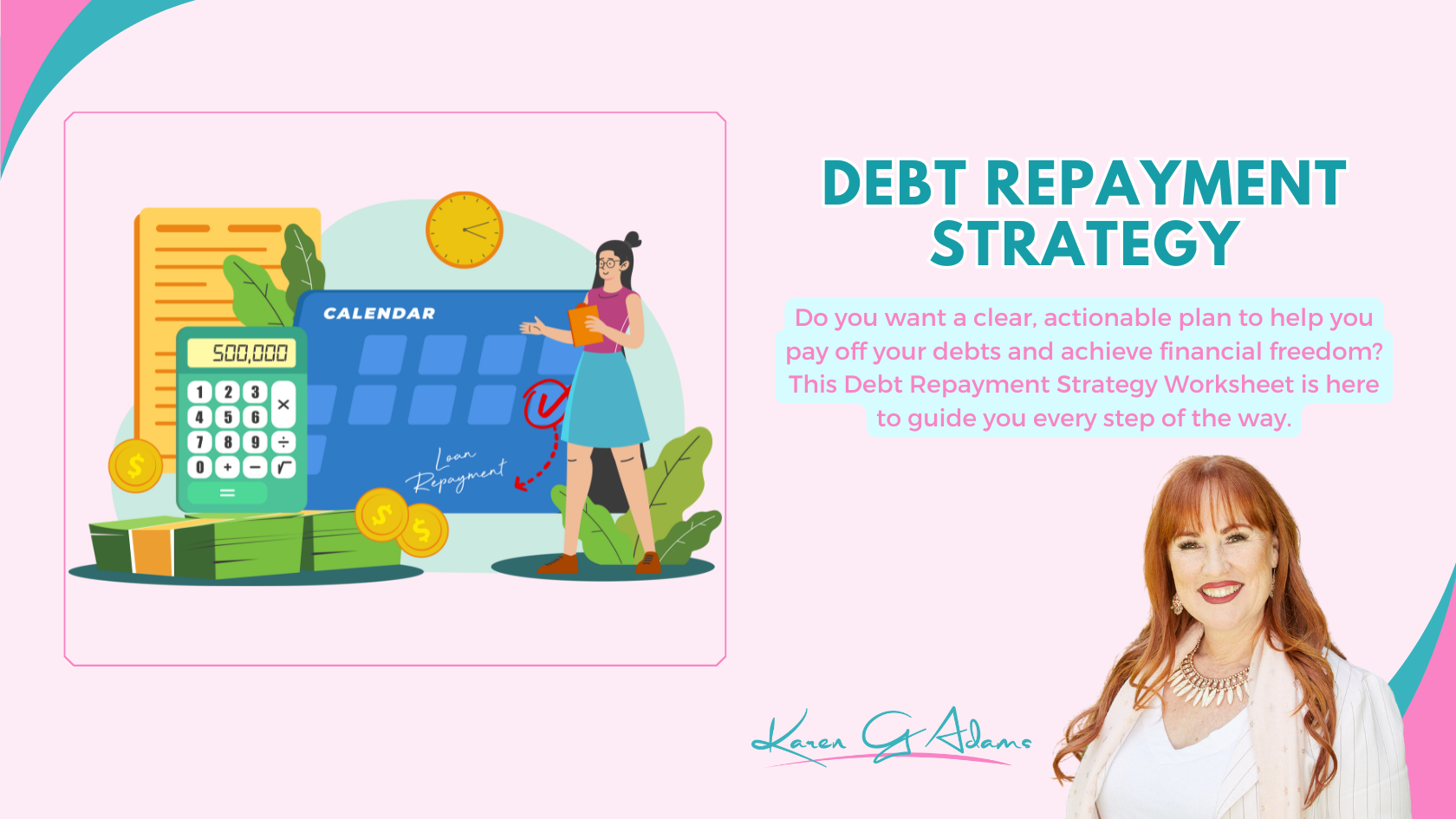
Are you feeling overwhelmed by debt? Do you want a clear, actionable plan to help you pay off your debts and achieve financial freedom? This Debt Repayment Strategy Worksheet is here to guide you every step of the way.

Mastering Budget and Saving Techniques
Free Budgeting Spreadsheet

GRAB YOUR OWN COPY FOR FREE

YOUR MONEY eMagazine

Are you ready to take control of your finances and secure a brighter future?

Dive into “Your Money,” the premier e-magazine by Karen G Adams, the Founder of Financial Management 101.

Subscribe for FREE!

Midlife Money Crisis: Surviving the Sandwich Years Without Losing Your Mind (or Wallet)

Midlife Money Crisis: Surviving the Sandwich Years Without Losing Your Mind (or Wallet)

Ah, the years of 35-55. When you are either too old to know the latest TikTok trends or young enough to have a general understanding of what TikTok is. Welcome to the sandwich generation, where you’re caught between raising kids and/or taking care of ageing parents. Your wallet feels thinner than a supermodel on a juice cleanse, and what about your time? Forget about it. But do not worry, your financial coach is here to help you navigate these treacherous waters with a smile.

1. EMBRACE THE BUDGET

First things first, let’s talk budget. Yes, it is the dreaded “b” word. However, creating a budget is similar to wearing stretchy pants after a big dinner—it is both comfortable and necessary. Start by tracking your expenses for a month. Once you have gathered the information, categorise your expenses. You may be surprised at how much you are spending on things like takeout or subscriptions you forgot you had (RIP, gym membership you have not used since the last government election).

Use Budgeting Apps

Emergency Fund: Your Financial Superhero

Consider this scenario: your car breaks down, your water heater explodes, and your child decides to join an expensive sport all in the same week. Enter the emergency fund, your financial hero.

2. EMERGENCY FUND: YOUR FINANCIAL SUPERHERO

Consider this scenario: your car breaks down, your water heater explodes, and your child decides to join an expensive sport all in the same week. Enter the emergency fund, your financial hero. Aim to save 3-6 months’ worth of living expenses. It may seem daunting, but start small. Set up automatic monthly transfers to a high-yield savings account. Over time, you will create a buffer that will save your bacon (and sanity) when life throws you a curveball.

3. CUT THE FINANCIAL FAT

Look, we all have financial fat. The little luxuries add up over time. Maybe it’s the daily lattes, the premium cable channels, or the tendency to buy gadgets that end up gathering dust. Identify these money drains and trim them. You don’t have to go cold turkey, but reducing these expenses can free up funds for more important things, like that emergency fund we just talked about. Plus, homemade coffee is not bad, especially if you invest in a good coffee machine; it will pay off.

4. PREPARE FOR RETIREMENT (YES, NOW!)

Retirement may seem like a distant dream, but believe me, it sneaks up faster than you can say “superannuation fund.” If your employer offers a retirement plan, contribute as much as you can, especially if there’s a matching program. That is free money, people! If you’re self-employed or your employer doesn’t offer a plan, look into other retirement accounts. The key is to start now, even if you can only contribute a small amount. Compound interest is like a snowball rolling down a hill—it starts small but can grow into something massive over time.

Smart Spending

5. TALK MONEY WITH YOUR KIDS (WITHOUT BORING THEM TO TEARS)

Teaching your kids about money is crucial, but it doesn’t have to be boring. Get creative! Find apps to give them a hands-on experience with managing money. Play games like Monopoly or The Game of Life to introduce financial concepts. And most importantly, lead by example. Show them how you budget, save, and invest. They’re watching and learning, even if they don’t show it.

6. THE PARENT TRAP: MANAGING ELDERLY CARE COSTS

Caring for ageing parents can be emotionally and financially draining. Start those difficult conversations early. Discuss their financial situation, insurance policies, and long-term care options. Look into resources, like local and government senior services, to help cover costs. And don’t be afraid to seek professional advice from a financial planner. They can assist you in developing a plan that strikes a balance between your parents’ needs and your own financial stability.

7. INVEST IN YOURSELF

Finally, remember to invest in yourself. Whether it is furthering your education, starting a side hustle, or simply caring for your health, investing in yourself pays off. A healthy, happy you is better prepared to face the financial and emotional challenges that come with being part of the sandwich generation.

Remember that managing your money from 35 to 55 does not have to be a nightmare. With a little planning, some wise decisions, and a good sense of humour, you can get through these years with confidence and possibly a little extra cash in your pocket. Now go conquer that budget like the financial superhero you are!

Learn the fundamental concepts of how budgeting and saving are important to your financial well-being. Registration is now open for the course: Mastering Budget and Saving Techniques. This is a hands-on course with me guiding you on how to budget, track and look at managing your money like a pro.

Mastering Budget and Saving Techniques
Free Budgeting Spreadsheet

MONTHLY COACHING

Take Control of Your Finances Today!

Are you tired of living paycheck to paycheck? Do you want to make smarter financial decisions but don’t know where to start? This monthly financial coaching program is designed to help you take control of your finances and achieve your financial goals.
The Secrets of Financial Independence – It’s Not Just for the Rich

The Secrets of Financial Independence – It’s Not Just for the Rich

Ever dream of telling your boss “I quit” and living life on your own terms? Welcome to the concept of financial independence (FI). Spoiler: You don’t have to be rich to achieve it. With the right mindset, strategies, and determination, anyone can reach financial independence and enjoy the freedom that comes with it.

What is Financial Independence?

Financial independence means having enough savings, investments, and income to cover your living expenses without relying on a traditional job. It’s about having the financial freedom to make choices based on what you want to do, rather than what you have to do to earn a paycheck. 

The Path to Financial Independence

Achieving financial independence is a journey that requires planning, discipline, and a willingness to make some sacrifices. Here’s how you can get started:

STEP 1. LIVE BELOW YOUR MEANS

Living below your means is the foundation of financial independence. It’s about spending less than you earn and saving the difference. This simple but powerful principle helps you build savings and avoid debt.

Action Steps:

  1. Create a Budget: Start by tracking your income and expenses. Create a budget that prioritizes savings and limits discretionary spending.
  2. Cut Unnecessary Expenses: Identify areas where you can reduce spending. This might include dining out less, canceling unused subscriptions, or finding cheaper alternatives for everyday items.
  3. Embrace Frugality: Adopt a frugal mindset by focusing on needs over wants. Find joy in simple, low-cost activities and avoid the trap of lifestyle inflation.

Living below your means allows you to save more and invest in your future, bringing you closer to financial independence.

Use Budgeting Apps

Find Deals and Discounts for Everyday Items

Coupons are a great way to save money on groceries, household items, and even clothing. You can find coupons in newspapers, magazines, and online. Many retailers also offer digital coupons that you can download and use.

STEP 2: SAVE AGGRESSIVELY

To achieve financial independence, you need to save a significant portion of your income. Aim to save at least 50% of your income if possible. While this might seem ambitious, it’s doable with careful planning and commitment.

Action Steps:

  1. Automate Your Savings: Set up automatic transfers to your savings and investment accounts. This ensures you save consistently without having to think about it.
  2. Increase Your Savings Rate Gradually: If saving 50% seems impossible, start with a smaller percentage and gradually increase it. Every little bit helps.
  3. Take Advantage of Tax-Advantaged Accounts: Maximize contributions to retirement accounts like superannuation, 401(k)s and IRAs. These accounts offer tax benefits that can help your savings grow faster.

Aggressive saving speeds up your journey to financial independence by allowing you to accumulate a sizable financial cushion.

STEP 3: INVEST WISELY

Investing is critical for increasing your wealth and becoming financially independent. By investing in a variety of assets, you can generate passive income and build a strong financial portfolio.

Action Steps:

  1. Educate Yourself About Investing: Learn the basics of investing, including different asset classes, risk management, and investment strategies. Books, blogs, and online courses can be valuable resources.
  2. Diversify Your Portfolio: Spread your investments across different asset classes, such as stocks, bonds, and real estate. Diversification reduces risk and increases potential returns.
  3. Focus on Low-Cost Index Funds: Consider investing in low-cost index funds or ETFs. These funds offer broad market exposure and have lower fees compared to actively managed funds.
  4. Reinvent Dividends: Automatically reinvest dividends to benefit from compound interest and grow your investments over time.

Smart investing helps you build wealth and generate passive income, which is essential for financial independence.

STEP 4: DEVELOP MULTIPLE INCOME STREAMS

Relying on one source of income can be risky. To achieve financial independence, diversify your income streams by looking into side hustles, passive income opportunities, and business ventures.

Action Steps:

  1. Identify Your Skills and Talents: Consider how you can monetise your skills and hobbies. This could include freelancing, consulting, or starting a small business.
  2. Explore Passive Income Opportunities: Look into passive income sources like rental properties, dividend stocks, or creating digital products (e.g., eBooks, online courses).
  3. Invest in Real Estate: Real estate can be a valuable addition to your income streams. Consider rental properties, REITs (Real Estate Investment Trusts), or real estate crowdfunding.
  4. Create a Side Hustle: A side hustle can provide extra income and potentially grow into a full-time business. Choose something you enjoy and are passionate about.

Multiple income streams improve your financial stability and speed up your journey to financial independence.

Develop Multiple Income Streams

Develop Multiple Income Streams

With several income sources, you can potentially earn more money than relying on a single job or business. Multiple income streams can also allow you to pursue various interests and passions, leading to a more fulfilling career and it can speed up your journey to financial independence!

STEP 5: MINDSET SHIFT: FOCUS ON THE LONG TERM

To achieve financial independence, you must change your mindset. Instead of seeking immediate gratification, consider the long-term benefits. It’s about making intentional choices that align with your financial goals.

Action Steps:

  1. Set Clear Goals: Define what financial independence means to you. Set specific, measurable, and time-bound goals to guide your journey.
  2. Visualise Your Future: Regularly visualise your life after achieving financial independence. Imagine the freedom, opportunities, and peace of mind you’ll experience.
  3. Practice Patience and Discipline: Stay committed to your goals, even when progress seems slow. Financial independence is a marathon, not a sprint.
  4. Surround Yourself with Supportive People: Engage with like-minded individuals who share your financial goals. Join online communities, attend meetups, or join my monthly coaching program where you will get mentored and supported.

A long-term mindset helps you stay focused and motivated on your journey to financial independence.

STEP 6: MONITOR AND ADJUST YOUR PLAN

Regularly reviewing your progress and adjusting your plan is essential for staying on track. Life changes, and so do your financial circumstances. Be flexible and adapt as needed.

Action Steps:

  1. Track Your Progress: Use financial apps, spreadsheets, or journals to monitor your income, expenses, savings, and investments. Review your progress regularly.
  2. Adjust Your Budget: As your income and expenses change, update your budget to reflect your current situation and goals.
  3. Rebalance Your Portfolio: Periodically review your investment portfolio and rebalance it to maintain your desired asset allocation.
  4. Celebrate Milestones: Acknowledge and celebrate your achievements along the way. Reward yourself for reaching significant milestones, such as paying off debt or reaching a savings goal.

Monitoring and adjusting your plan ensures you stay aligned with your financial goals and continue making progress.

STEP 7: ENJOY THE JOURNEY

The journey to financial independence can be long and challenging, but it’s also rewarding. Enjoy the process and the positive changes you’re making in your life.

Action Steps:

  1. Find Joy in Simple Pleasures: Embrace activities that bring you happiness without costing a lot of money. Enjoy nature, spend time with loved ones, and practice mindfulness.
  2. Focus on Personal Growth: Use this journey as an opportunity for personal growth. Develop new skills, pursue passions, and build meaningful relationships.
  3. Give Back: As you progress towards financial independence, consider giving back to your community. Volunteer, donate, or mentor others on their financial journeys.

Enjoying the journey helps you stay motivated and appreciate the positive impact of your efforts.

Develop Multiple Income Streams

Enjoy the Journey

Find Joy in Simple Pleasures: Embrace activities that bring you happiness without costing a lot of money. Enjoy nature, spend time with loved ones, and practice mindfulness.

Conclusion

Financial independence isn’t just for the rich. With the right mindset, strategies, and commitment, anyone can achieve it. By living below your means, saving aggressively, investing wisely, developing multiple income streams, focusing on the long-term, monitoring your progress, and enjoying the journey, you can reach financial independence and live life on your terms. Start today and take control of your financial future. The freedom and opportunities that come with financial independence are within your reach. You’ve got this!

Learn the fundamental concepts of how budgeting and saving are important to your financial well-being. Registration is now open for the course: Mastering Budget and Saving Techniques. This is a hands-on course with me guiding you on how to budget, track and look at managing your money like a pro.

Mastering Budget and Saving Techniques
Free Budgeting Spreadsheet

MONTHLY COACHING PROGRAM

With years of experience in financial management, Karen offers insightful guidance and coaching on budgeting, saving, debt reduction, and other financial know-how to help you live a life without financial stress.

Regular monthly check-ins ensure you stay on track and motivated. Karen provides the encouragement and support you need to stick to your financial goals and plan.