Year-End Financial Check-Up: 7 Key Steps to Close 2024 with Confidence

Year-End Financial Check-Up: 7 Key Steps to Close 2024 with Confidence

As the year wraps up, it’s time to give your finances a little TLC and prepare to start the new year strong! Think of this as your yearly financial check-up, a simple routine that sets you up for a financially fit future. Here are seven straightforward steps to help you close out 2024 with confidence.

1. Review Your Budget with Fresh Eyes

December is perfect for giving your budget a quick health check. Ask yourself:

    • Did you stick to your budget most months?
    • Are there categories where you regularly overspent?

If you find that certain areas of your budget were tough to stick to, don’t worry; you’re not alone! Make notes on what worked and what didn’t, and consider if those categories need adjusting. Next year’s budget will feel easier to manage if it aligns more closely with your actual spending patterns.

2. Evaluate Your Financial Goals for 2024

Reflect on the goals you set at the beginning of 2024. Did you aim to build an emergency fund, pay off a certain amount of debt, or save for a big purchase? Take a moment to celebrate any wins, big or small, you’ve earned it! If there were goals you couldn’t reach, try to pinpoint what might have held you back. Life happens, and sometimes, adjustments are necessary. Use these reflections to set realistic goals for 2025 that build on the progress you’ve made.

Audit Your Subscriptions and Recurring Expenses

3. Audit Your Subscriptions and Recurring Expenses

Subscriptions can sneak up on you! Take a look at all the services you’re subscribed to, streaming platforms, gym memberships, software, meal kits and decide if they’re still worth the monthly or annual fee. Ask yourself:

    • Do you use each service enough to justify the cost?
    • Are there better deals or bundles that could help you save?

Canceling or downgrading services you no longer use can free up cash you can redirect toward your savings or debt goals.

4. Set a Holiday Spending Plan

The holiday season can be a big budget-buster if you’re not careful. This December, approach holiday spending with a clear plan:

    • Set a total holiday budget and stick to it.
    • Focus on meaningful gifts within your budget and avoid last-minute splurges.
    • Consider experiences instead of material items, they often make more memorable gifts and can be cost-effective.

You’ll thank yourself in January when your credit card bills aren’t sky-high!

5. Check-in On Your Emergency Fund


Your emergency fund is your financial safety net, and December is a great time to assess its status. Ideally, you want enough to cover three to six months’ worth of essential expenses.

If your fund has been depleted due to unexpected expenses this year, make a plan to rebuild it. If it’s in good shape, well done!

Consider adding a little extra, even if it’s just a small amount each month, it’s always better to be prepared.
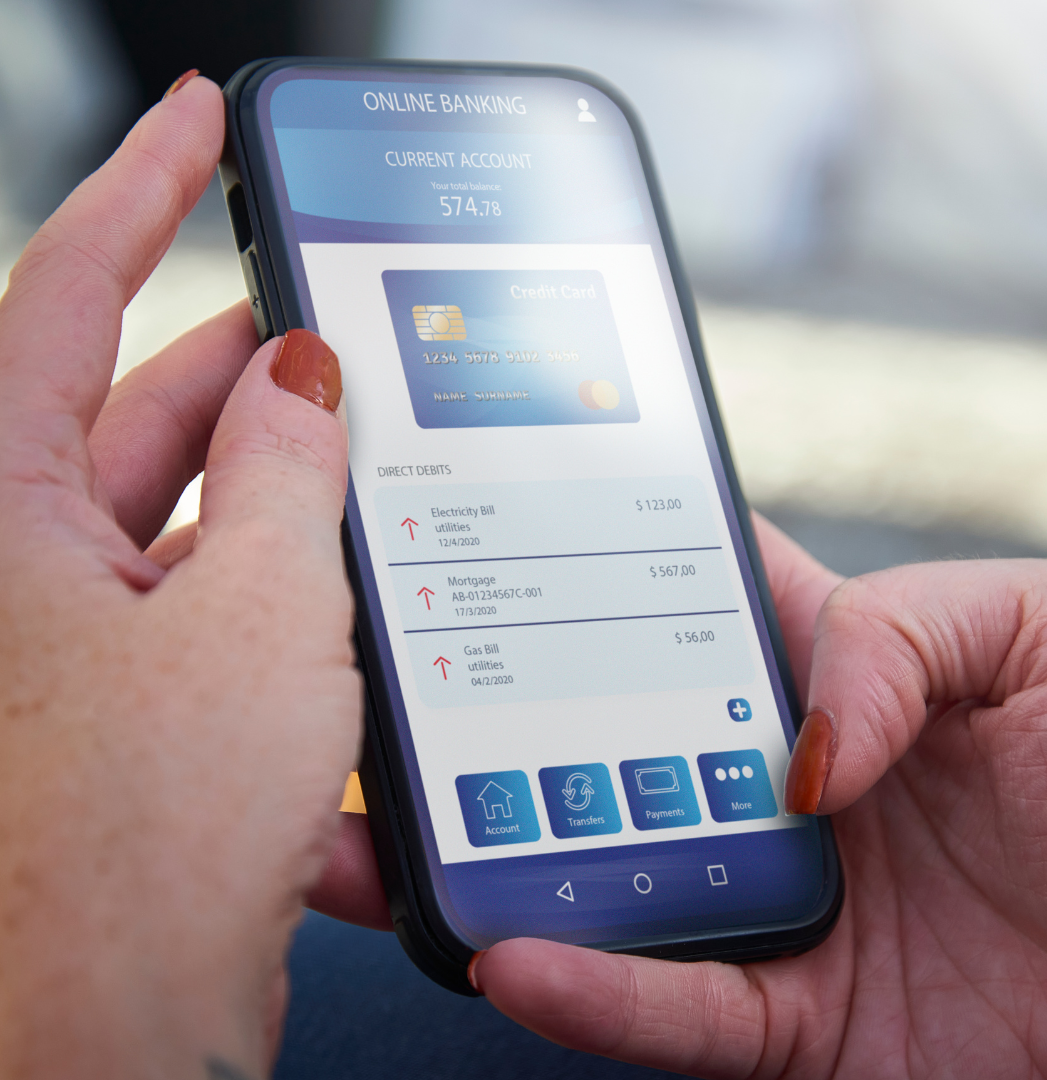
You want enough to cover three to six months’ worth of essential expenses on your emergency fund

5. Update Your Financial Goals for 2025

End the year by setting some intentional goals for 2025. These don’t have to be massive changes; small, achievable goals can have a big impact on your financial future. A few ideas:

    • Set a target for increasing your savings rate, even if it’s by a modest amount.
    • Commit to paying down a certain percentage of your debt.
    • Plan to invest in education or skills that could lead to higher income opportunities.

Whatever your financial goals, write them down and keep them visible. By starting now, you’ll be well-prepared to tackle them come January.

End the year by setting some intentional goals for 2025.

Final Thoughts

Closing out the year with a financial check-up is a powerful way to put yourself in the driver’s seat for 2025. These six steps are simple but effective and give you a clear view of your financial health. Here’s to closing out 2024 strong and stepping into 2025 with confidence!

Are you ready to make 2025 your breakthrough year?

MASTER YOUR MONEY is for YOU if you are tired of financial stress and ready to transform your relationship with money. Whether you’re managing a family, building your career, or chasing your dreams, this is your chance to gain the clarity, confidence, and habits you need to thrive.

This is more than a mindset shift—it’s a transformational program that puts you on the path to lasting financial success! ? Click the button below to book a call with Karen to see if this program is right for you!


Mastering Budget and Saving Techniques
Financial Fitness: How to Get Your Money in Shape in Your 40s and 50s

Financial Fitness: How to Get Your Money in Shape in Your 40s and 50s

Welcome to the Financial Fitness Bootcamp, where we will whip your finances into shape while smiling and laughing along the way. Financial fitness, like physical fitness, requires discipline, consistency, and a sense of humour. So grab your sweatband and water bottle—we are about to get your money in great shape!

1. SET YOUR FINANCIAL GOALS: THE FITNESS PLAN

Every fitness journey starts with a goal, and your financial fitness is no exception. What are you hoping to achieve? Paying off debt? Building an emergency fund? Saving for retirement? Write down your goals and make them SMART—Specific, Measurable, Achievable, Relevant, and Time-bound. Having clear goals gives you direction and motivation to stay on track.

2. BUDGET: THE FINANCIAL WORKOUT PLAN

Consider your budget to be your financial exercise plan. It outlines how you’ll allocate your income to meet your goals. Start by keeping track of your income and expenses. Identify areas where you can cut back (for eg; unused gym membership) and reallocate those funds towards your goals. Use budgeting tools or apps to keep it simple. And remember, just like with a workout plan, consistency is key. Review your budget regularly and make adjustments as needed.

3. BUILD AN EMERGENCY FUND: YOUR FINANCIAL SAFETY NET

An emergency fund is like a spotter in the gym—it’s there to catch you when you fall. Aim to save 3-6 months’ worth of living expenses. Start with a small, achievable goal, like $1,000, and build from there. Automate your savings to make it easier. Having a financial safety net provides peace of mind and protects you from unexpected expenses.

4. DEBT REPAYMENT: THE CARDIO OF FINANCIAL FITNESS

Paying down debt is the cardio of financial fitness. It may not be fun, but it is necessary for a healthy financial life. List your debts and prioritise them. Use the avalanche method to pay off high-interest debt first, and the snowball method to tackle smaller debts and gain momentum. Celebrate every victory along the way, no matter how small. Remember, each payment brings you closer to financial freedom.

5. RETIREMENT SAVINGS: THE STRENGTH TRAINING OF FINANCE

Saving for retirement is similar to strength training in that it gradually increases your financial muscle. Make regular contributions to your retirement accounts. Take full advantage of any matching benefits provided by your employer. Increase your contributions whenever possible, particularly if you receive a raise or bonus. And remember to diversify your investments to reduce risk. The goal is to lay a solid financial foundation that will help you in your golden years.

6. INVESTING: THE PERSONAL TRAINER OF YOUR FINANCES 

Investing can be intimidating, but think of it like a personal trainer—it will help you achieve your goals faster. Start with basic investment accounts such as superannuation funds or retirement savings accounts. Learn about different investment options and strategies. Consider working with a financial advisor to create a personalised investment plan. The key is to start now and let the power of compound interest work in your favour.

7. FINANCIAL SELF-CARE: DON’T FORGET TO STRETCH 

Just as stretching is essential for physical fitness, so is financial self-care. Take the time to review your financial goals and progress on a regular basis. Celebrate your achievements, no matter how small. And don’t forget to reward yourself—within reason. Financial fitness is all about balance, so make sure to enjoy life along the way.

8. ACCOUNTABILITY: FIND YOUR FINANCIAL WORKOUT BUDDY

A workout buddy makes it easier to stay accountable, as does financial fitness. Share your goals with a trusted friend or family member. Join financial communities or forums to find support and motivation. Consider working with a financial coach or advisor to help you stay on track. Having someone to encourage you and hold you accountable can make all the difference. Join my monthly coaching program to stay motivated and on track with your financial goals, like a personal trainer does when you want to achieve your fitness goals.

9. KEEP LEARNING: FINANCIAL EDUCATION NEVER STOPS

The world of finance is constantly changing, and staying informed is crucial. Keep your knowledge up to date by reading books, taking courses, and following financial blogs. Consider subscribing to financial newsletters or podcasts for regular updates and tips. The more you know, the better equipped you are to make informed financial decisions. You can stay informed by subscribing to my regular podcast and newsletter – so be sure to check them out.

10. STAY FLEXIBLE: ADAPT AND ADJUST

Just like with physical fitness, your financial journey will have ups and downs. Stay flexible and be ready to adapt. Life happens—unexpected expenses, changes in income, or shifting priorities. The key is to stay focused on your goals and adjust your plan as needed. Remember, this is a marathon, not a sprint.

Congratulations, you’ve completed the Financial Fitness Bootcamp! By setting goals, creating a budget, building an emergency fund, paying off debt, saving for retirement, investing, practicing financial self-care, staying accountable, continuing your financial education, and staying flexible, you’re well on your way to financial health. Now, go ahead and achieve your financial goals—you have got this!

Learn the fundamental concepts of how budgeting and saving are important to your financial well-being. Registration is now open for the course: Mastering Budget and Saving Techniques. This is a hands-on course with me guiding you on how to budget, track and look at managing your money like a pro.

Mastering Budget and Saving Techniques
Free Budgeting Spreadsheet

GRAB YOUR OWN COPY FOR FREE

YOUR MONEY eMagazine

Are you ready to take control of your finances and secure a brighter future?

Dive into “Your Money,” the premier e-magazine by Karen G Adams, the Founder of Financial Management 101.

Subscribe for FREE!