How to Price Your Products or Services Properly (Without Undervaluing Yourself)

How to Price Your Products or Services Properly (Without Undervaluing Yourself)

Pricing your products or services can feel like one of the most uncomfortable parts of running a business.

You sit there staring at a number, wondering:

Is this too high?
Is this too low?
Will people actually pay this?
What if I lose customers?

So instead of making a clear, strategic decision, you do what most small business owners do…

You guess.

Maybe you look at what competitors are charging and land somewhere in the middle. Maybe you choose a number that “feels reasonable”. Or maybe you go lower than you’d like, just to be safe.

And while that might feel like the least risky option, it’s actually one of the biggest reasons businesses struggle to grow.

Because pricing isn’t just about making a sale, it’s about building a business that actually works.

If your pricing is off, everything feels harder. You work more, earn less, and constantly feel like you’re chasing your tail. But when your pricing is right, things start to click. You attract better clients, your workload becomes more manageable, and your business becomes far more sustainable.

So let’s break this down properly and give you a clear, practical approach to pricing your products or services, without the guesswork.

The first thing to understand is that pricing is not just a financial decision. It’s also a positioning decision.

The price you set tells your customers something about your business before you even speak to them.

A lower price often signals affordability and accessibility, but it can also suggest lower value. A higher price can position you as premium, but only if the experience and results match.

Neither approach is right or wrong, but it has to be intentional.

The problem is that many business owners don’t choose a position. They end up somewhere in the middle, without a clear strategy, trying to appeal to everyone, and ultimately attracting the wrong customers.

And this is where pricing starts to create stress.

Because when your pricing doesn’t align with your costs, your value, and your positioning, you feel it every single day in your business.

Because when your pricing doesn’t align with your costs, your value, and your positioning, you feel it every single day in your business.<br />

One of the most common mistakes is relying too heavily on competitor pricing.

It seems like the logical place to start. After all, if everyone else is charging a certain amount, it must be the “right” price… right?

Not necessarily.

You don’t know their financial situation. You don’t know their cost structure. You don’t know their profit margins. And you definitely don’t know whether they’re actually making money.

There are plenty of businesses out there that look successful on the surface but are barely breaking even behind the scenes.

So when you base your pricing on competitors, you’re not creating a strategy – you’re copying someone else’s guess.

And that’s a risky way to run a business.

Instead, your pricing needs to start with your numbers.

At its simplest level, pricing comes down to one core idea: Your price must cover your costs and generate a profit.

Sounds straightforward, but this is where most business owners get it wrong. Because they don’t fully understand their costs.

When people think about costs, they often focus on the obvious ones; materials, stock, or direct expenses tied to delivering a product or service.

But there are so many hidden costs that get overlooked.

Your time is a cost. Admin work is a cost. Emails, phone calls, quoting, planning, travel—it all adds up. Even things like software subscriptions, marketing tools, insurance, and professional services need to be factored in.

If you’re not accounting for all of these, you’re underpricing – whether you realise it or not. And that’s where the frustration begins. You’re busy. You’re making sales. But at the end of the month, there’s not much left over.

Not because your business isn’t working, but because your pricing isn’t supporting it.

Then there’s the topic of profit.

This is where things get a little uncomfortable for many business owners. Because profit can feel… optional. Something extra. Something you’ll get to “eventually”.

But here’s the reality: Profit is not a bonus. It’s a requirement. Profit is what allows you to:

  • Pay yourself properly
  • Reinvest in your business
  • Handle unexpected expenses
  • Grow sustainably

Without profit, your business becomes a job and often not a very well-paid one. So instead of hoping there’s money left at the end, you need to build profit into your pricing from the start.

Even if it’s small to begin with, it needs to be intentional.

Now, once you understand your costs and include a profit margin, the next step is thinking about value. Because pricing isn’t just about covering costs – it’s also about what your customer is receiving.

This is where value-based pricing comes into play

Let’s say you’re offering a service that helps a client increase their revenue, save time, or reduce stress. The value of that outcome is often far greater than the time it takes you to deliver it.

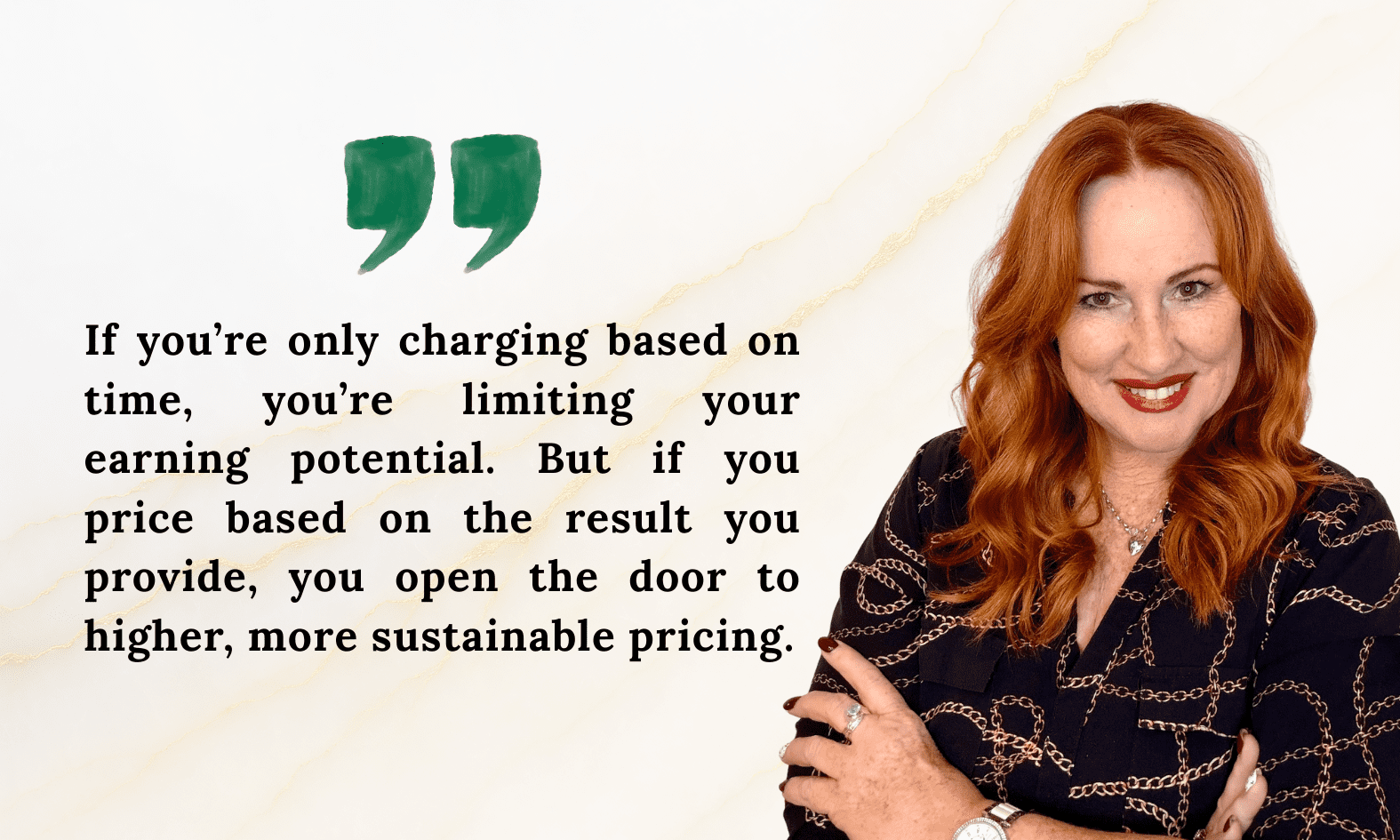
If you’re only charging based on time, you’re limiting your earning potential. But if you price based on the result you provide, you open the door to higher, more sustainable pricing.

This doesn’t mean ignoring your costs; it means combining both approaches.

Know your baseline (your costs and required profit), then position your pricing based on the value you deliver.

Of course, even when you understand all of this, there are still a few traps that can quietly pull your pricing down.
One of the biggest is underpricing to win customers

It feels like a smart move to make your offer more attractive, get more sales, and build momentum.

But what often happens is that you attract price-sensitive customers who are always looking for the cheapest option. They’re harder to please, quicker to leave, and less loyal overall. And because your margins are lower, you need more of them just to stay afloat.

That’s not a recipe for a healthy business.

Another common trap is discounting too quickly. A customer hesitates, and before they even ask, you offer a lower price. It might help close the sale in the moment, but it also reduces your perceived value and sets a precedent.

Over time, it trains customers to expect discounts and makes it harder to charge your full price.

Then there’s the habit of avoiding price increases altogether.

Costs go up. Expenses rise. But your prices stay the same.

This slowly erodes your profitability, often without you noticing until things feel tight.

Raising your prices doesn’t have to be dramatic. Even small, regular adjustments can make a big difference over time.

And in most cases, customers expect it, especially if you’re continuing to deliver value.

If the idea of increasing your prices feels uncomfortable, you’re not alone.

But here’s a helpful way to think about it.

When you raise your prices, you’re not just charging more – you’re creating space.

Space to:

  • Deliver a better experience
  • Reduce stress and burnout
  • Focus on quality over quantity
  • Build a more sustainable business

And while you might lose a small number of customers, you often gain better ones.

Clients who value what you do, respect your time, and are willing to pay for quality.

Confidence in pricing doesn’t come from mindset alone – it comes from clarity.

When you understand your numbers, your costs, and your value, pricing becomes less emotional and more strategic.

You stop second-guessing yourself. You stop apologising for your prices. And you start making decisions that support the business you actually want to build.

So where should you start?

Keep it simple. Choose one product or service and break it down properly.

Work out what it truly costs you to deliver. Include your time. Add a profit margin. Then compare that to what you’re currently charging.

If there’s a gap, adjust. Not perfectly. Not all at once. Just intentionally. Because small improvements in pricing can have a huge impact over time.

At the end of the day, pricing properly isn’t about being the most expensive or the cheapest.

It’s about building a business that works for you.

A business that pays you properly.
A business that supports your lifestyle.
A business that gives you room to grow.

And that starts with one decision, stopping the guesswork and taking control of your pricing.

Ready to Get Started?

If you’re serious about changing your money…

Not just thinking about it…

Join the membership and let’s build this together!

Membership - FM101

#HowToResetMyMoneyMindset #WhyDoIFeelOutOfControlWithMoney #HowToFeelInControlOfFinances #ResetMoneyMindset2025 #NewYearFinancialMindset #HowToStartFreshWithMoney  emergency fund australia, money management, family savings 
 

Budgeting Without the Boring: The Money Map Method That Actually Works

Budgeting Without the Boring: The Money Map Method That Actually Works

Let’s be honest for a second. The word “budget” has the same vibe as:

  • “We need to talk…”
  • “Your call is being transferred…”
  • “Please see the attached invoice…”

It makes people tense. Defensive. Slightly sweaty. 😅

And here’s the irony: most people don’t hate having a plan. They hate the way budgeting has been sold to them – like it’s punishment for daring to enjoy life.

So today, I’m giving you a different approach.

Not a strict budget.
Not a spreadsheet that needs a PhD to operate.
Not a system that makes you feel like you have to track every piece of gum you’ve ever purchased.

This is Money Mapping – the method I use with clients who want to feel in control, not controlled.

Because your money doesn’t need a prison.

It needs a plan. A plan that fits your actual life. Not the version of you who meal preps on Sundays and never impulse buys at Kmart.

(If that version of you exists, I’d like to meet her. She sounds organised and slightly intimidating.)

Why Traditional Budgets Fail (and why it’s not your fault)

Most budgets fail for three reasons:

1) They’re too restrictive

People try to cut everything at once: coffees, fun, birthdays, little treats, takeaway, holidays… and then wonder why they rebound like a rubber band.

If a budget feels like suffering, you won’t stick to it.
Your brain will treat it like a threat.
And humans don’t do “threat” long-term.

2) They’re too complicated

Forty-seven categories. Daily tracking. Constant adjustments.
You miss one thing and suddenly you feel like you’ve “failed.”

A budget that requires constant maintenance becomes another job.
And nobody needs a second job that doesn’t pay.

3) They’re built on guilt, not goals

Many budgets are basically: “Stop spending money on things that make you happy.”

No thanks.

Money mapping works because it’s:

  • simple
  • flexible
  • based on priorities
  • designed for consistency, not perfection

What is a Money Map?

A Money Map is a simple plan that tells your money where to go before life grabs it.

It answers these questions:

  1. What must be paid? (essentials + bills)
  2. What matters to you? (your priorities)
  3. What are we building? (savings, emergency fund, investing, debt reduction)
  4. How do we keep your life enjoyable while still making progress? (yes, fun stays)

A money map is not about tracking every dollar.
It’s about creating a flow.

And when your money flows with intention, financial stress drops fast

A Money Map is a simple plan that tells your money where to go before life grabs it.

The Big Mindset Shift: A Budget Isn’t Restriction – It’s Permission

I want you to reframe this:

A budget isn’t a list of things you can’t do.
It’s a permission slip that says:

✅ “Yes, you can spend money on what you love.”
✅ “Yes, you can have fun.”
✅ “Yes, you can enjoy your life.”
and also
✅ “Yes, you can build wealth and feel safe.”

That’s the goal: enjoying today while protecting tomorrow.

The Money Map Framework (Simple, Powerful, Real-Life Friendly)

Here’s the structure I recommend. It’s clean and easy:

Category 1: Essentials (Must Pays)

These are the costs of keeping your life running:

  • mortgage/rent
  • utilities
  • groceries
  • fuel/transport
  • insurance
  • minimum debt repayments
  • childcare/school essentials
  • basic medical

These are your “keep the lights on” expenses.

Category 2: Future You (Your Financial Muscle)

This is where you build safety and wealth:

  • emergency fund
  • sinking funds (car rego, Christmas, school costs, rates, holidays)
  • extra debt repayments
  • investing/super top-ups (where appropriate)

Future You deserves funding. Not “whatever’s left.”

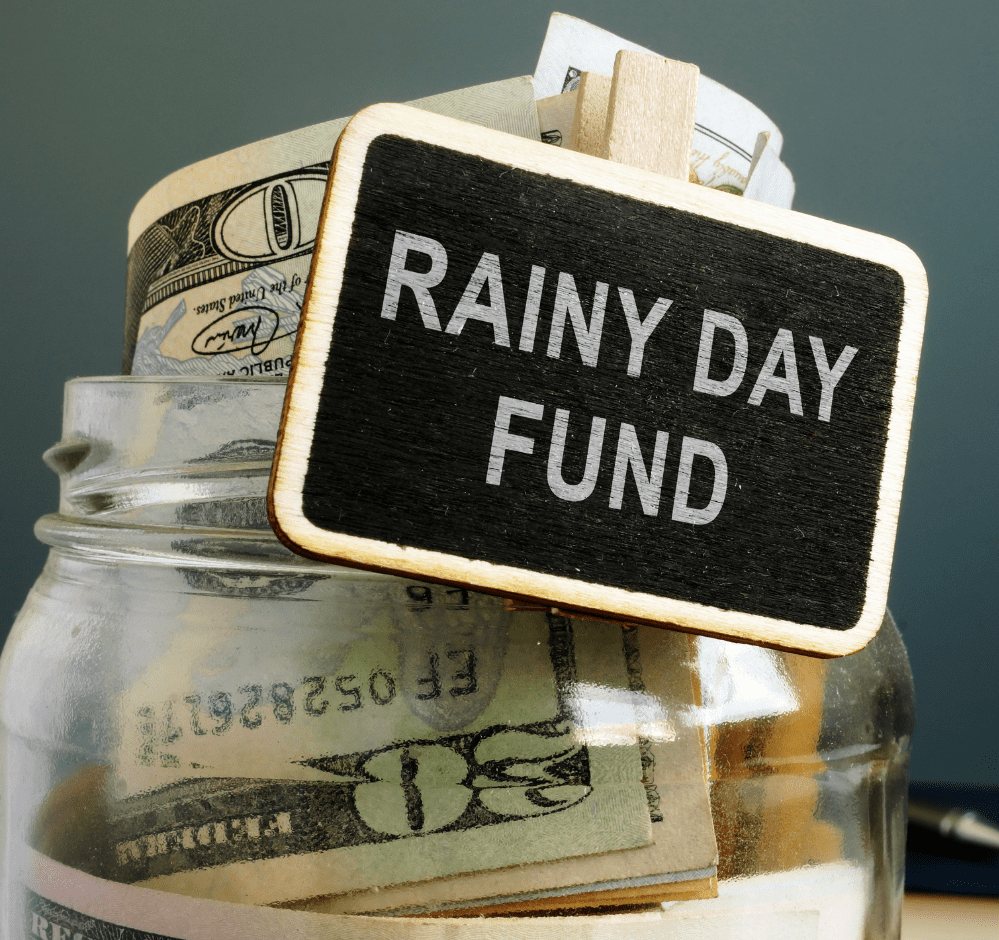
Rainy Day Fund or Emergency Fund

Category 3: Fun & Freedom (Guilt-Free Spending)

This is the category that keeps you sane:

  • coffees
  • dinners out
  • entertainment
  • hobbies
  • shopping (within reason, Karen… within reason 😄)
  • little treats

The reason most budgets fail is because this category is either missing or unrealistically small.

We’re not doing that here.

Step-by-Step: How to Build Your Money Map in Under an Hour

Grab a pen, notes app, or whatever you use when you’re feeling productive for five minutes.

Step 1: Find your baseline numbers

Look at the last 4–8 weeks of spending (not because we love pain, but because data helps).

Write down:

  • total income (after tax)
  • total essentials
  • average weekly spending (groceries, fuel, eating out, shopping)
  • debt minimums
  • any annual bills that sneak up (rego, insurance, school, rates)

You’re not judging. You’re observing.

Step 2: Choose your “Money Map style”

There are two main styles:

  1. A) Weekly Flow Map (best for people paid weekly/fortnightly)
  • Allocate money each pay into Essentials / Future You / Fun
  1. B) Monthly Map (best for salaried monthly pay)
  • Set amounts for each category and automate them

If you’ve tried budgeting before and it didn’t stick, weekly is usually easier because it gives faster feedback.

Step 3: Set up separate accounts (this is where the magic happens)

I’m going to say this lovingly:

If all your money sits in one account, your brain will treat it like it’s all available.
That’s not a discipline problem. That’s a human brain problem.

A simple setup is:

  1. Bills account (Essentials)
  2. Spending account (groceries/fuel/fun)
  3. Future You account (emergency + sinking funds)

Automation is your best friend. Because you’re busy.
And your money system should run even when you’re tired.

Step 4: Decide your “non-negotiables”

These are your priorities — the things you want your money to reflect.

Examples:

  • “I want to stop feeling anxious about bills.”
  • “I want an emergency fund.”
  • “I want to pay off this debt.”
  • “I want to travel without putting it on a credit card.”
  • “I want to stop fighting with my partner about money.”

Your money map should support your real goals — not someone else’s idea of financial success.

Step 5: Allocate your numbers (start simple)

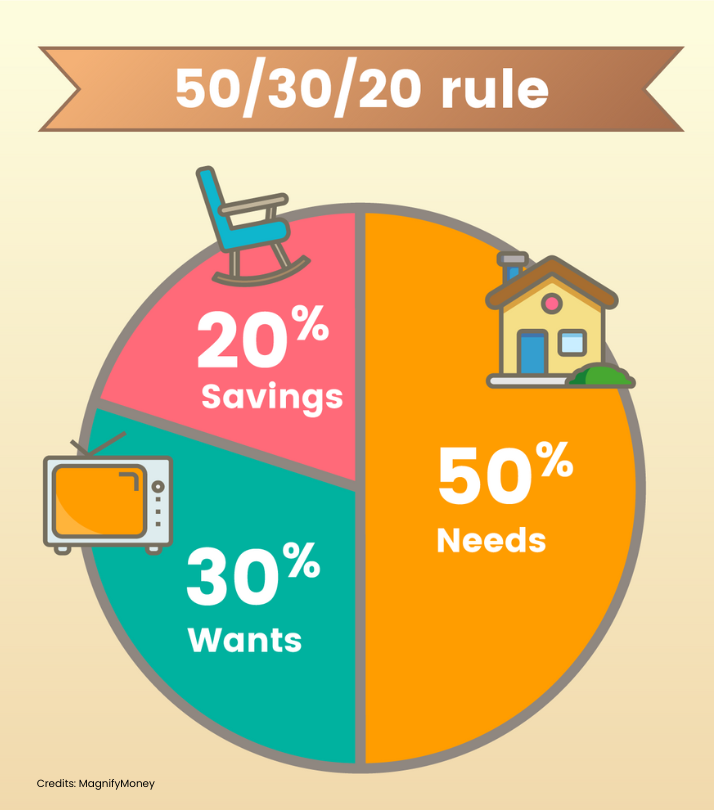
Here’s a starting point many people can relate to:

  • Essentials: 60–75%
  • Future You: 10–20% (even 5% is a start if money is tight)
  • Fun & Freedom: 10–20%

If your essentials are currently higher than 75% — you’re not alone. Cost of living has been doing the most.

This is where strategy matters: we might need to reduce leaks, renegotiate bills, or adjust the debt plan to create breathing room.

Step 6: Create one weekly “Money Date” (10 minutes)

Once a week:

  • check what’s coming out
  • check what’s coming in
  • make sure bills are covered
  • adjust your spending category if needed

No drama. No self-lectures. Just a quick check-in.

Think of it like brushing your teeth. You don’t do it once and call it done forever.

The “I Hate Tracking” Version: The 3-Number Method

If you’re someone who rebels against tracking (I see you), do this instead:

Pick three numbers each week:

  1. Your weekly spending limit (food + fuel + fun)
  2. Your weekly Future You transfer
  3. Your “buffer amount” you want to keep in your spending account

Then the rule is simple:
When spending hits the limit… you stop spending until next week.
No guilt. Just boundaries.

This is the system many of my clients love because it’s:

  • quick
  • clear
  • low-maintenance
  • effective

Money Map in Real Life: What This Looks Like (Example)

Let’s say your household brings in $2,500 a week after tax.

You might map it like this:

  • $1,700 Essentials (bills, groceries, fuel, minimum debt)
  • $400 Future You (emergency fund + sinking funds + extra debt)
  • $400 Fun & Freedom (eating out, treats, spending money)

Then you automate:

  • $1,700 goes straight into Bills account
  • $400 into Future You account
  • $400 stays in Spending account

Now you’re not trying to “budget” daily.
You’re simply spending from the right place.

And when your Spending account runs low, it gives you a clear signal:
“That’s it for this week.”

No spreadsheet required.

What If There’s Not Enough Money to Map?

This is the part where I get very real with you:

If you feel like there’s never enough, it doesn’t mean you’re failing.
It means your map needs to include leak-plugging and breathing space first.

Here’s what I do with clients when money is tight:

  1. tighten obvious leaks (subscriptions, lazy renewals, bank fees)
  2. build a tiny emergency buffer (even $500 can change your stress levels)
  3. stabilise bills and reduce panic spending
  4. create sinking funds for predictable expenses
  5. then build momentum

You don’t jump from stressed to thriving in one week.
But you can absolutely move from chaos to calm with the right steps.

The Most Important Part: Your Money Map Must Match Your Personality

Some people need structure.
Some need flexibility.
Some need boundaries.
Some need permission.

So here are a few personality-based tweaks:

If you’re an overspender:

  • reduce “available money” in your spending account
  • use separate “fun” cash or a dedicated card
  • increase automation

If you’re an underspender/anxious saver:

  • allocate guilt-free fun money and actually spend it
  • focus on safety targets (emergency fund)
  • build confidence with small consistent steps

If you’re a “set and forget” person:

  • automate everything
  • schedule the weekly money check-in
  • keep categories very simple

If you’re a couple/family:

  • do a shared Money Map + personal spending allowances
  • agree on the weekly “household number”
  • remove judgement from the conversation

Money mapping isn’t one-size-fits-all.
It’s “your life, your values, your plan.”

If You Want This to Stick, Join the Membership

Now, if you’re reading this thinking:

“Okay… this makes sense. But I need help setting it up properly.” or “I’ve tried before and I fall off the wagon.” or “I want a system that actually fits my life.”

That’s exactly what my Membership is for.

Because here’s the truth:

Most people don’t need more information. They need support, structure, and someone to keep them consistent.

Inside the Membership, we don’t just talk about budgeting. We:
✅ build your personal Money Map (based on your real numbers)
✅ set up accounts and automation so it runs without willpower
✅ create sinking funds so life stops surprising you
✅ learn how to manage spending without guilt
✅ build financial muscle with ongoing guidance and community

You’re not meant to do this alone.

If you’re ready to stop winging it and start feeling calm and in control, join the Membership.
Let’s build your Money Map together — and get your financial house in order the smart way.

budgeting without spreadsheets, simple budget method, cash flow planning, how to budget in Australia, reduce financial stress, personal finance tips, money management system, budgeting for beginners, weekly money check-in, sinking funds, financial management 101, Karen G Adams, financial coaching


Think Rich, Stay Rich: Building Wealth + Protecting It with Wills, Insurance & Estate Planning

Think Rich, Stay Rich: Building Wealth + Protecting It with Wills, Insurance & Estate Planning

Wealth isn’t just about having money.

It’s about building it strategically and protecting it wisely.

And let’s be honest:

Most people focus so hard on making money that they forget to plan for what happens once they have it.

In this blog, we’re unpacking:

  • The mindset shift from making money to keeping money
  • What wealth-building really looks like (even if you’re starting small)
  • Why insurance and estate planning matter at every stage
  • How to future-proof your finances for yourself and your family

Let’s get into it.

? First: Shift from Earning to Building

When you’re in survival mode, your focus is on earning and paying bills. But true financial freedom comes when you start thinking long-term.

Here’s what wealthy people understand:

It’s not just what you make that matters. It’s what you keep, grow, and protect.

That shift in thinking is powerful. It means you’re no longer reacting to money problems – you’re planning for prosperity.

? What Does Wealth-Building Look Like?

Wealth-building isn’t about flashy cars or seven-figure salaries. It’s about consistent, values-aligned habits over time.

Here are some key wealth-building actions:

1. Investing Early & Often

You don’t need thousands to start. With micro-investing apps and superannuation (or retirement accounts), you can begin small and grow big.

2. Multiple Income Streams

Wealth builders don’t rely on just one source. Think side hustles, passive income, rental properties, or dividend stocks.

3. Automated Saving

Treat savings like a non-negotiable bill. Automation makes it effortless and consistent.

4. Asset Growth

Buy appreciating assets (like property or shares), not just liabilities (cars, gadgets, etc.).

5. Financial Literacy

Wealthy people are constantly learning. They read books, hire coaches, and surround themselves with financial wisdom.

? Why Protecting Your Wealth Matters

Building wealth is only one part of the equation.

Protecting it is just as important.

This is where too many people drop the ball. Without protection, all your hard work could be undone by:

  • Illness or injury
  • Legal disputes
  • Death without a plan

Let’s talk about the tools that safeguard your legacy.

? Wills, Insurance & Estate Planning: The Wealth Protectors

1. Life Insurance

If anyone depends on your income, you need life insurance. It’s about protecting your loved ones from financial stress in the worst-case scenario.

2. Income Protection Insurance

What happens if you’re too sick or injured to work for months? Income protection can cover up to 75% of your income to keep you afloat.

3. Wills & Power of Attorney

Wills ensure your assets go where you want them to. Power of Attorney gives someone legal authority to act on your behalf if you become incapacitated.

No one wants to think about worst-case scenarios. But planning now means your family won’t be left scrambling later.

4. Advance Care Directives

These outline your medical wishes if you can’t speak for yourself. It brings peace of mind for you and your family.

5. Trusts (for those further ahead)

If you have significant assets or dependents, trusts can help manage, protect, and distribute wealth according to your wishes.

Working on your money mindset while paying off debt is so important.

? Estate Planning Is an Act of Love

Let’s be real. Avoiding your numbers can lead to:

  • Overspending without realising it
  • Paying late fees or higher interest
  • Never knowing where your money is going
  • Constant financial anxiety

This creates the cycle of financial fog:

Avoid → Panic → Overspend → Avoid again

You deserve better.

? How This Fits Into the Financial Freedom Diagram

At the top of the Financial Management 101 Diagram are people who are:

  • Confident
  • Happy
  • Focused
  • Designing a life of freedom and purpose

That includes growing their wealth and protecting their assets.

This is the final layer of your financial muscle. It’s where you move from “doing okay” to building a legacy.

⚡ Ready to Build and Protect Your Future?

Here are 3 steps to take today:

  1. Schedule a review of your current insurances and will (or start one if you haven’t yet!)
  2. Join our Financial Freedom Breakthrough Program to get tools, templates, and expert support
  3. Have a money conversation with your family – start talking about future plans

? Final Thoughts

You work hard for your money. Now it’s time to make sure your money works hard for you.

Wealth is not just about what you earn. It’s about what you grow. What you protect. And what you pass on.

Think rich. Stay rich. And build a life and legacy – you’re proud of.

Your Financial Freedom Breakthrough™
How to Stop the Feast and Famine Cycle and Finally Take Control of Your Business Money

How to Stop the Feast and Famine Cycle and Finally Take Control of Your Business Money

Let’s get real for a moment.

Running a small business is a wild ride. One month you’re rolling in sales and feeling unstoppable. The next, you’re counting coins, putting off paying that supplier, and wondering if you’ll need to dip into your personal savings again (that’s if you have any left).

Sound familiar?

If you’re living in the stressful loop of feast and famine, you’re not alone – and it’s not your fault. Most business owners start their business because they’re great at what they do, not because they’re experts in money management.

But here’s the good news: you can absolutely break the cycle and build a business that pays you consistently, without losing your mind in the process.

Let’s dive into what causes this rollercoaster and, more importantly, how to hop off it for good.

What is the Feast and Famine Cycle, Anyway?

It’s the classic small business trap. When you’re in “feast” mode, you’re busy delivering services, taking on all the clients, and hustling hard. You’re making money, and it feels great.

But because you’re so busy working in the business, you’re not working on it. Marketing falls off. You don’t follow up on leads. You’re not planning ahead.

Then, suddenly – bam! – the work dries up. The cash stops flowing, and panic sets in. So, you hustle hard again to find more clients. And the cycle repeats.

It’s exhausting, stressful, and totally unsustainable.


Feast and Famine Cycle

Why It Happens (And Why It’s Not Your Fault)

Here’s what no one tells you when you start your own business: Cash flow is everything.

But too many small business owners don’t have a plan for their money. They treat their business account like a personal piggy bank, or they’re too busy wearing 15 hats to track expenses properly.

Without systems, buffers, and strategy, you’re flying blind. And that’s a dangerous way to run a business – no matter how good you are at what you do.

How to Break the Cycle: 7 Steps to Consistent, Confident Business Finances

It’s time to turn your financial chaos into clarity. Here’s how you do it – step by step.

1. GET CLEAR ON YOUR NUMBERS

Let’s start with a little tough love: if you don’t know your numbers, you don’t know your business.

That means knowing:

  • How much it really costs to run your business monthly
  • Your average monthly revenue
  • Your break-even point
  • How much you need to earn to pay yourself properly

This doesn’t have to be complicated. Use a simple spreadsheet or accounting tool (like Xero, QuickBooks, or even a Google Sheet) to track everything that comes in and goes out.

Knowledge is power, and in business, it’s the difference between survival and success.

2. SEPARATE YOUR PERSONAL AND BUSINESS FINANCES

If you’re still using one bank account for everything, we need to talk.

Mixing personal and business money is a recipe for confusion, stress, and tax-time nightmares.

Set up a separate business account, and commit to paying yourself a “business wage” regularly, even if it starts small. This not only helps you manage your cash flow better, it makes you feel more like the CEO you are.

3. CREATE A MONEY FLOW SYSTEM THAT WORKS FOR YOU

Ever heard of Profit First? It’s a simple but powerful cash management system where you allocate money into separate “buckets” every time income comes in.

Here’s a basic version you can try:

  • Income Account – where all your revenue lands
  • Profit Account – set aside 5-10% for long-term savings or growth
  • Owner’s Pay Account – your regular wage
  • Tax Account – avoid nasty surprises at BAS time
  • Expenses Account – to cover day-to-day costs

The goal is to become intentional with every dollar. This way, you’re not wondering where all the money went at the end of the month. 

4. PLAN FOR THE LOWS – WHILE YOU’RE IN THE HIGHS

In “feast” mode, it’s easy to feel like the good times will last forever.

They won’t. And that’s okay, if you’re prepared.

Start building a business buffer fund – at least one month’s worth of operating expenses. When things slow down, you’ve got breathing room and don’t have to make decisions from a place of fear.

Pro tip: Automate transfers to your buffer fund after every client payment. Out of sight, out of spend.

5. SET REGULAR MONEY DATES (WITH YOURSELF OR WITH YOUR BOOKKEEPER)

You wouldn’t ignore a partner for months and expect the relationship to thrive, right? Same goes for your business finances.

Block out 30–60 minutes every week to:

  • Check your cash flow
  • Send invoices
  • Pay bills
  • Review your numbers
  • Track your goals

Make it fun – grab a coffee and put on your favourite playlist. The more you connect with your money, the more empowered you’ll feel.

6. DITCH THE HUSTLE CULTURE AND CREATE RECURRING REVENUE

Feast and famine often come from project-based or one-off work. If every sale requires a new client or fresh hustle, your income will always be up and down.

What can you do to create consistent income?

  • Offer monthly retainers or packages
  • Launch a membership or group program
  • Create digital products (courses, ebooks, templates)
  • Automate a funnel that sells for you in the background

Even just one recurring income stream can bring serious stability.

7. GET HELP SOONER, NOT LATER

You don’t have to do this alone.

If you’re constantly stuck in financial stress, it’s time to call in some support. A good financial coach (?‍♀️ like me!) can help you set up systems, build a plan, and create a business that pays you – without the burnout.

Sometimes the biggest breakthrough is admitting you need help and taking that first step toward real change.

Bonus Tips for Aussie Small Biz Owners

Since I’m based in Australia and many of my clients are too, here are a few extra pointers:

  • Stay on top of BAS and GST obligations – set aside a percentage of income as soon as you get paid.
  • Consider using accounting software like Xero to automate your BAS and income tracking.
  •  Use the ATO’s small business cash flow projection tool to forecast your months ahead.
  •  Look into government grants or support – there may be funding or mentoring programs available. 

Final Thoughts: You Deserve Consistent Cash, Not Constant Stress

Here’s the truth: You didn’t start your business to feel financially anxious all the time. You started it for freedom, flexibility, and fulfillment.

The feast and famine cycle might feel normal – but it’s not healthy, and it’s not inevitable.

With the right systems, support, and mindset, you can step into a whole new way of doing business. One where you feel in control, empowered, and finally able to enjoy the fruits of your hard work.

Ready to Ditch Feast and Famine for Good?

If this blog lit a fire in you, and you’re ready to say goodbye to cash flow stress, I’ve got your back.

Book a call so we can talk about how I can help you build your financial muscle, take control of your cash flow, and finally get paid like the boss you are.

? Let’s stop just surviving—and start thriving. 

The Vault