Breaking the Chains: How to Escape the Cycle of Living Paycheck to Paycheck

Breaking the Chains: How to Escape the Cycle of Living Paycheck to Paycheck

Do you feel like your money disappears as soon as you get paid? Are you constantly counting the days until your next paycheck? If so, you’re not alone – millions of people find themselves trapped in the cycle of living paycheck to paycheck. But here’s the good news: escaping this cycle isn’t just possible, it’s within your control.

Let’s break the chains and create a life where money works for you, not the other way around.

Step 1: Shift from Survival Mode to Financial Strategy

Most people stuck in the paycheck-to-paycheck cycle don’t have a spending problem, they have a strategy problem. Instead of reacting to financial emergencies, it’s time to start planning proactively.

Ask yourself:

  • What would financial stability look like for me?
  • How much money do I need to feel secure between paychecks?
  • What’s stopping me from breaking free?

By shifting your focus from surviving to strategising, you take back control of your finances.

Shift from Survival Mode to Financial Strategy

Step 2: Find Your Financial Leaks (and Plug Them!)

Ever wonder where all your money goes? It’s time to find out. Track your spending for a month and identify the small, sneaky expenses draining your bank account. These could be:

  • Subscription services you forgot about
  • Daily coffee runs that add up to hundreds a month
  • Unused gym memberships
  • Frequent food delivery orders

Plugging these leaks doesn’t mean cutting out all enjoyment – it means being intentional about where your money goes.

Small, sneaky expenses might be draining your bank account

Step 3: Pay Yourself First – Even If It’s Just $10

The key to breaking the cycle is creating a buffer between you and financial stress. Start by setting aside a small amount from every paycheck – yes, even if it’s just $10. The act of saving builds momentum and rewires your brain for financial growth.

Open a separate savings account and automate deposits. Over time, you’ll build a financial cushion that prevents you from relying on the next paycheck.

Step 4: Increase Your Income Without Working More Hours

If your expenses leave you with nothing to save, it’s time to boost your income. But before you assume that means working more hours, consider these options:

  • Ask for a raise – most employees don’t, and employers often have room to negotiate.
  • Sell unused items – your clutter could be someone else’s treasure.
  • Offer freelance or side gigs – platforms like Fiverr, Upwork, and Etsy offer ways to monetise your skills.
  • Rent out assets – if you have an extra room, parking space, or equipment, consider renting it out.

Small income boosts can create big shifts in your financial freedom.

Step 5: Use Your Credit Wisely (Not Recklessly)

Credit can be a tool or a trap – it all depends on how you use it. Instead of relying on credit cards to cover gaps, use them strategically:

  • Pay off balances in full to avoid high-interest debt.
  • Use credit card rewards for cash back or travel perks.
  • Build your credit score to access lower rates on future loans.

Mastering your credit is key to long-term wealth-building.

Step 6: Create a 3-Month Escape Plan

Breaking free isn’t about overnight miracles, it’s about consistent steps in the right direction. Create a 3-month plan with small, achievable goals:

  • Month 1: Cut financial leaks and save at least $50.
  • Month 2: Increase income by $200 through side gigs or negotiations.
  • Month 3: Use extra income to build a financial cushion and pay off high-interest debt.

By the end of 90 days, you’ll have proof that escaping the paycheck-to-paycheck cycle is possible.

FINAL THOUGHTS

Financial freedom isn’t just for the lucky, it’s for those who take action. You have the power to rewrite your financial story and create a life where money works for you.

If you’re ready for a deeper transformation and a complete guide to managing your money, my Master Your Money Program will provide the step-by-step tools to take control once and for all.

You deserve financial peace – start your escape plan today!

Why Every Small Business Owner Needs a Financial Coach in Their Corner

Why Every Small Business Owner Needs a Financial Coach in Their Corner

Running a small business is no joke. You wear all the hats – CEO, marketer, customer service rep, bookkeeper, and sometimes even janitor. The freedom and flexibility of entrepreneurship are amazing, but let’s be real: it can also feel like you’re juggling flaming swords while riding a unicycle on a tightrope. And when it comes to managing money? That tightrope can feel extra wobbly.


Enter the financial coach.


While accountants and bookkeepers keep track of the numbers, a financial coach helps you understand what those numbers mean for your goals, mindset, and long-term business strategy. They’re not just here to look at your past, they’re here to help you shape your future.
Let’s break down exactly why working with a financial coach can be a total game-changer for small business owners.

1. Clarity is Power

So many business owners hustle day in and day out without a clear picture of where their money is going or how much they’re really making. A financial coach helps you:

  • Understand your cash flow
  • Track your expenses
  • Price your products/services strategically
  • Set income goals that align with your vision

When you know your numbers, you can make smarter decisions with more confidence. No more crossing your fingers and hoping there’s enough to cover next month.

Understand your cash flow

2. Mindset Matters More Than You Think

Money mindset is one of the most overlooked aspects of running a business. If you’ve got a hidden belief that you’re not “good with money” or that it’s wrong to want to be profitable, it will impact your business.

A financial coach helps you identify and rewrite those limiting beliefs so you can:

  • Raise your prices without guilt
  • Pay yourself consistently
  • Invest in growth with confidence
  • Stop playing small with your money goals

You don’t just need spreadsheets – you need support for the emotional and psychological side of money, too.

3. From Reactive to Proactive

Too many small business owners operate in reaction mode: paying bills as they come, scrambling during tax season, and constantly putting out financial fires. A financial coach helps you shift from reactive to proactive.

That means:

  • Planning for taxes year-round
  • Setting aside money for slow seasons
  • Creating a strategy to build consistent income
  • Mapping out your financial goals and the steps to get there

This isn’t just about staying afloat. It’s about building a solid, scalable foundation that supports long-term success.

4. Ditch the DIY Trap

There’s a lot of pressure on small business owners to figure everything out themselves. Google, YouTube, and online courses can only take you so far. But just like you wouldn’t expect your clients to solve all their problems without your help, you shouldn’t expect yourself to master business finances without support.

A financial coach gives you:

  • Accountability
  • Expert insights tailored to your business
  • A safe space to ask the “dumb” questions (spoiler alert: they’re never dumb)
  • A partner who’s as invested in your success as you are

5. You Deserve to be Paid Well for Your Work

Too many small business owners put themselves last on the payroll. They reinvest everything back into the business, believing that one day, it will all pay off. But guess what? You don’t have to wait to be profitable.

A financial coach helps you:

  • Create a plan to pay yourself regularly
  • Separate personal and business finances
  • Build profitability into your pricing and systems
  • Stop undercharging and undervaluing your genius

Because you didn’t start your business to just survive. You started it to thrive.

Create a plan to pay yourself regularly

6. Create a Business That Supports Your Life

Your business is a part of your life – not the other way around. A great financial coach will always bring the focus back to what you want:

  • More time with your family?
  • Travel?
  • Buying a home?
  • Debt freedom?

Whatever your version of success looks like, your financial plan should support it. A coach helps you design a business model and money strategy that aligns with your lifestyle goals.

Final Thoughts: Your Business Deserves a Financial Wingwoman (or Wingman)

You don’t have to have it all figured out. You just need the right support.

A financial coach isn’t just for people who are struggling. It’s for anyone who wants to grow with intention, take control of their finances, and build a business that actually feels good to run.

At Financial Management 101, that’s exactly what we’re here for. Whether you join our Monthly Coaching program and unlock The Vault, or dive deep into transformation through The EDGE, you’ll get the tools, clarity, and mindset shifts you need to run your business with confidence.

The Edge - 2 Hour Workshop

Let’s build your business into the financial success story it’s meant to be – one intentional step at a time.

Introducing THE EDGE. This 2-Hour Power Session is a fast-paced, simplified version of my full 6-week coaching program for self employed business owners. Click the image below to know more about what you’ll be learning in this power session.

The Vault
THE EDGE
How to Stop Feeling Overwhelmed by Your Finances in 2025

How to Stop Feeling Overwhelmed by Your Finances in 2025

Does the thought of opening your bank app make your stomach drop? Are you constantly worried about bills, debt, or whether you’ll ever have enough to get ahead? You’re not alone. Financial overwhelm is incredibly common, especially with the rising cost of living and competing demands on your paycheck. But here’s the good news: you don’t have to stay stuck in this cycle.

In this blog, we’ll explore why financial overwhelm happens and, more importantly, how you can overcome it. By following these practical steps, you can regain control, reduce stress, and create a plan to manage your money with confidence.

Why Do We Feel Overwhelmed by Money?

1. Too Many Unknowns

When you’re not sure where your money is going or how much debt you owe, it’s easy to feel out of control. The unknown creates anxiety, and avoidance becomes a coping mechanism.

2. Unrealistic Expectations

Social media and society often paint an idealised picture of what financial success looks like – think flashy cars, designer clothes, and lavish holidays. Trying to measure up can make you feel like you’re failing, even if you’re doing fine.

3. Emotional Baggage

Money is rarely just about numbers. It’s tied to emotions, past experiences, and even our self-worth. Financial stress can feel personal, making it harder to address objectively.

Money is rarely just about numbers. It’s tied to emotions, past experiences, and even our self-worth.

How to Stop Feeling Overwhelmed?

Step 1: Acknowledge Your Feelings

The first step to overcoming financial overwhelm is to acknowledge it. Pretending you’re fine or ignoring the problem only makes things worse.

How To Do This?

      • Take a moment to name your emotions: Are you feeling stressed, ashamed, or frustrated?
      • Write down your worries in a journal. Sometimes, seeing them on paper helps put them into perspective.
      • Remind yourself that financial challenges are common and not a reflection of your worth.

Step 2: Understand Your Starting Point

You can’t fix what you don’t measure. It’s time to face the numbers, even if it feels uncomfortable. Knowledge is power, and understanding your financial situation is the first step to regaining control.

How To Do This?

      • List Your Debts: Write down every debt you owe, including balances, interest rates, and minimum payments.
      • Track Your Spending: For 30 days, track every expense. This helps you understand where your money is going.
      • Calculate Your Net Worth: Add up your assets (savings, investments, property) and subtract your liabilities (debts).

This process might feel daunting, but remember: it’s just data. The goal is to understand your starting point, not to judge yourself.

Write down every debt you owe, including balances, interest rates, and minimum payments.<br />

Step 3: Simplify Your Finances

Complex financial systems add to the sense of overwhelm. Simplify your money management by automating as much as possible and consolidating accounts when appropriate.

How To Do This?

      • Automate Bill Payments: Set up automatic payments for recurring expenses like utilities, rent, or mortgage.
      • Streamline Accounts: Consider consolidating multiple credit cards or savings accounts to reduce confusion.
      • Set Up Automatic Savings: Even a small, consistent transfer to savings builds momentum and reduces the stress of “finding” money to save.

Step 4: Break Goals Into Bite-sized Steps

Big financial goals can feel intimidating. Instead of trying to tackle everything at once, break your goals into smaller, actionable steps.

Example:

      • Instead of “Pay off $10,000 in debt,” focus on paying an extra $100 a month toward your highest-interest debt.
      • Instead of “Save for a home deposit,” aim to save $50 a week into a designated savings account.
      • Instead of “Fix my finances,” commit to reviewing your budget once a week.

These small wins build confidence and momentum, making the larger goal feel achievable.

Break Goals into Bite-Sized Steps

Step 5: Focus On What You Can Control

Financial overwhelm often comes from focusing on things outside your control, like unexpected expenses or economic conditions. Shift your energy to what you can influence.

What You Can Control:

      • How you spend your money
      • How you budget and save
      • How you approach debt repayment

When you focus on actionable steps, you’ll feel more empowered and less overwhelmed.

Step 6: Build A Support System

You don’t have to navigate your financial challenges alone. Whether it’s a friend, family member, or myself as your financial coach, having someone to talk to can make a world of difference.

Ways To Build Support:

      • Join a Community: Online groups or forums can connect you with people facing similar challenges.
      • Work with a Coach: Programs like Master Your Money provide step-by-step guidance and accountability.
      • Talk to Your Partner: If you share finances, make sure you’re working together toward shared goals.

Step 7: Shift Your Money Mindset

Sometimes, financial overwhelm is more about mindset than numbers. Reframing how you think about money can reduce stress and help you approach challenges with clarity.

Mindset Shifts To Try:

      • Replace “I’ll never get out of debt” with “I’m taking small steps every day to reduce my debt.”
      • Replace “I’m bad with money” with “I’m learning how to manage money better.”
      • Focus on progress, not perfection.

Step 8: Celebrate Your Wins

Overcoming financial overwhelm doesn’t happen overnight, but every step you take is progress worth celebrating. Recognising your achievements – big or small, keeps you motivated.

Ways to Celebrate:

      • Treat yourself to a small reward, like a coffee or a movie night, when you hit a milestone.
      • Keep a “win journal” where you document every positive financial step.
      • Share your success with someone who will cheer you on.
Keep a “win journal” where you document every positive financial step

Why 2025 Can Be The Year You Break Free

This year is your opportunity to turn things around. With a clear plan, a supportive community, and the right mindset, you can overcome financial overwhelm and take control of your money. Programs like Master Your Money are designed to help you break through the noise and focus on what matters most: your financial peace of mind.

Conclusion

Feeling overwhelmed by your finances is common, but it’s not permanent. By taking small, intentional steps and focusing on what you can control, you can move from chaos to clarity. Remember, progress is better than perfection, and every step forward is a step closer to financial freedom.

Start today by choosing one action, whether it’s tracking your spending, automating a bill, or simply acknowledging your financial stress. Your future self will thank you for it.

The Master Your Money Program is FOR YOU if:

?? You’re earning good income but still feel stuck in a cycle of stress or overspending.
?? You want to break free from limiting beliefs like “I’m bad with money” or “There’s never enough.”
?? You’re ready to build wealth without sacrificing the things you love.
?? You dream of financial freedom and need the tools and mindset to make it happen.

This is more than a mindset shift—it’s a transformation that puts you on the path to lasting financial success! ?

The 90 Day Money Makeover

Money Myths That Are Keeping You Broke & How to Break Free

Money Myths That Are Keeping You Broke & How to Break Free

Money is a topic surrounded by myths, misconceptions, and downright bad advice. These myths often creep into our minds, influencing our financial decisions and keeping us stuck in unhealthy patterns. Breaking free from these false beliefs is essential if you want to achieve financial success and peace of mind.

In this blog, we’ll bust some of the most common money myths that may be holding you back and provide practical steps to rewrite your money story for a brighter financial future.

How to Break Free From Money Myths - Piggy Bank

Myth #1: “I’m Just Bad With Money”

This myth is one of the most damaging because it creates a sense of helplessness. Believing you’re inherently bad with money can stop you from even trying to improve your financial situation.

The Truth:

Nobody is born knowing how to manage money. Financial literacy is a skill that can be learned and improved over time. Even if you’ve made mistakes in the past, you can turn things around with education and practice.

How to Break Free:

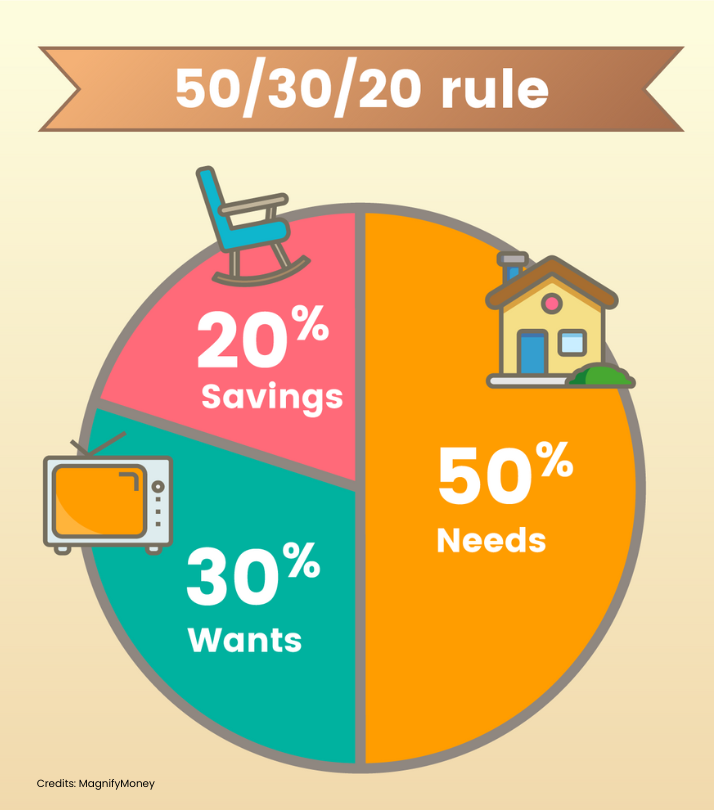
  • Start small: Begin by learning basic budgeting techniques like the 50/30/20 rule.
  • Track your spending for 30 days to understand where your money is going.
  • Celebrate small wins, like paying off a bill or sticking to a budget for a month.

Myth #2: “Budgeting is Restrictive”

Many people think of budgets as joy-killers, imagining a spreadsheet that forces them to cut out everything fun. This misconception often leads to avoiding budgeting altogether.

The Truth:

A budget is a tool for freedom, not restriction. It helps you take control of your money and ensures you’re spending on what truly matters to you.

How to Break Free:

  • Use a spending plan instead of calling it a “budget.” It feels less restrictive.
  • Include fun money in your plan so you don’t feel deprived.
  • Remember, budgeting is about prioritising, not punishing.

Free Download - Budgeting Spreadsheet

Myth #3: “Debt is Just a Part of Life”

Society normalises debt, from student loans to credit cards, convincing us that it’s an inevitable part of adulthood. While some debts, like a mortgage, can be strategic, many others can be avoided.

The Truth:

Not all debt is created equal. High-interest debt, like credit cards, can trap you in a cycle of repayments that feels endless. Living debt-free is achievable with the right approach.

How to Break Free:

  • Focus on paying off high-interest debt first using the avalanche method (paying off debts with the highest interest rates first).
  • Avoid taking on new debt unless absolutely necessary.
  • Build an emergency fund to prevent relying on credit cards for unexpected expenses.

Myth #4: “I’ll Start Saving When I Make More Money”

This myth assumes that saving is only possible if you earn a certain amount. The reality is, most people increase their spending as their income rises, a phenomenon known as lifestyle inflation.

The Truth:

Saving is a habit, not a number. Even small amounts saved regularly can grow significantly over time, thanks to compound interest.

How to Break Free:

  • Automate your savings so a portion of your income is transferred to a savings account before you even see it.
  • Start with as little as $10 a week if that’s all you can manage, it’s the habit that counts.
  • Set specific savings goals to stay motivated, like a holiday fund or emergency savings.

Myth #5: “Investing is Only For The Rich”

Investing can seem intimidating, with jargon and misconceptions making it feel like an exclusive club for the wealthy.

The Truth:

Anyone can start investing, even with small amounts of money. Platforms and tools now make it accessible for everyone, and starting early gives you a significant advantage.

How to Break Free:

  • Begin with low-risk investments, like index funds or exchange-traded funds (ETFs).
  • Educate yourself on the basics of investing, start with resources aimed at beginners.
  • Focus on long-term growth rather than short-term gains.
Begin with low-risk investments

Myth #6: “I Don’t Make Enough Money to Worry About Finances”

This myth suggests that financial planning is only necessary for people with substantial incomes, leaving those with modest earnings feeling excluded.

The Truth:

Regardless of your income, managing your finances is crucial. In fact, good financial habits are often more impactful for those with limited resources.

How to Break Free:

  • Create a simple budget to ensure you’re living within your means.
  • Look for ways to boost your income, like freelancing or selling unused items.
  • Prioritise needs over wants and build a small savings cushion.

Myth #7: “Financial Success is About Luck”

People often credit financial success to inheritance, lucky investments, or good timing. While these factors can play a role, most financial success comes from consistent effort and smart decision-making.

The Truth:

Success with money is about habits, not luck. Small, consistent actions, like saving regularly and avoiding unnecessary debt have a greater impact than any windfall.

How to Break Free:

  • Focus on what you can control, like reducing expenses and increasing savings.
  • Set clear financial goals and work toward them step by step.
  • Remember, slow and steady progress beats chasing “get rich quick” schemes.

How Breaking Free from Money Myths Can Change Your Life

When you stop believing these myths, you’ll gain:

  • Clarity: Understand where your money is going and how to make it work for you.
  • Confidence: Feel empowered to make decisions that align with your goals.
  • Control: Take charge of your financial future instead of feeling like a victim of circumstance.

A Program to Help You Bust These Myths

If you’re ready to break free from these limiting beliefs, programs like Master Your Money can provide the guidance you need. By combining education, tools, and support, you’ll learn how to manage your finances with confidence and ease.

Conclusion

The myths we believe about money often hold us back from achieving financial freedom. By challenging these misconceptions and adopting healthier financial habits, you can rewrite your money story and create the life you deserve.

Remember, it’s not about where you star it’s about the steps you take to move forward. Start today by identifying one money myth you’ve believed and replacing it with a truth. You’ll be amazed at how quickly your mindset and your finances begin to change.

The Master Your Money Program is for YOU if you are tired of financial stress and ready to transform your relationship with money. This is the same strategy that I followed to generate 6 figure income in just 3 months! Click the image below to learn more about this program.

The 90 Day Money Makeover