
Money Myths That Are Keeping You Broke & How to Break Free

Money Myths That Are Keeping You Broke & How to Break Free

Money is a topic surrounded by myths, misconceptions, and downright bad advice. These myths often creep into our minds, influencing our financial decisions and keeping us stuck in unhealthy patterns. Breaking free from these false beliefs is essential if you want to achieve financial success and peace of mind.

In this blog, we’ll bust some of the most common money myths that may be holding you back and provide practical steps to rewrite your money story for a brighter financial future.

How to Break Free From Money Myths - Piggy Bank

Myth #1: “I’m Just Bad With Money”

This myth is one of the most damaging because it creates a sense of helplessness. Believing you’re inherently bad with money can stop you from even trying to improve your financial situation.

The Truth:

Nobody is born knowing how to manage money. Financial literacy is a skill that can be learned and improved over time. Even if you’ve made mistakes in the past, you can turn things around with education and practice.

How to Break Free:

  • Start small: Begin by learning basic budgeting techniques like the 50/30/20 rule.
  • Track your spending for 30 days to understand where your money is going.
  • Celebrate small wins, like paying off a bill or sticking to a budget for a month.

Myth #2: “Budgeting is Restrictive”

Many people think of budgets as joy-killers, imagining a spreadsheet that forces them to cut out everything fun. This misconception often leads to avoiding budgeting altogether.

The Truth:

A budget is a tool for freedom, not restriction. It helps you take control of your money and ensures you’re spending on what truly matters to you.

How to Break Free:

  • Use a spending plan instead of calling it a “budget.” It feels less restrictive.
  • Include fun money in your plan so you don’t feel deprived.
  • Remember, budgeting is about prioritising, not punishing.
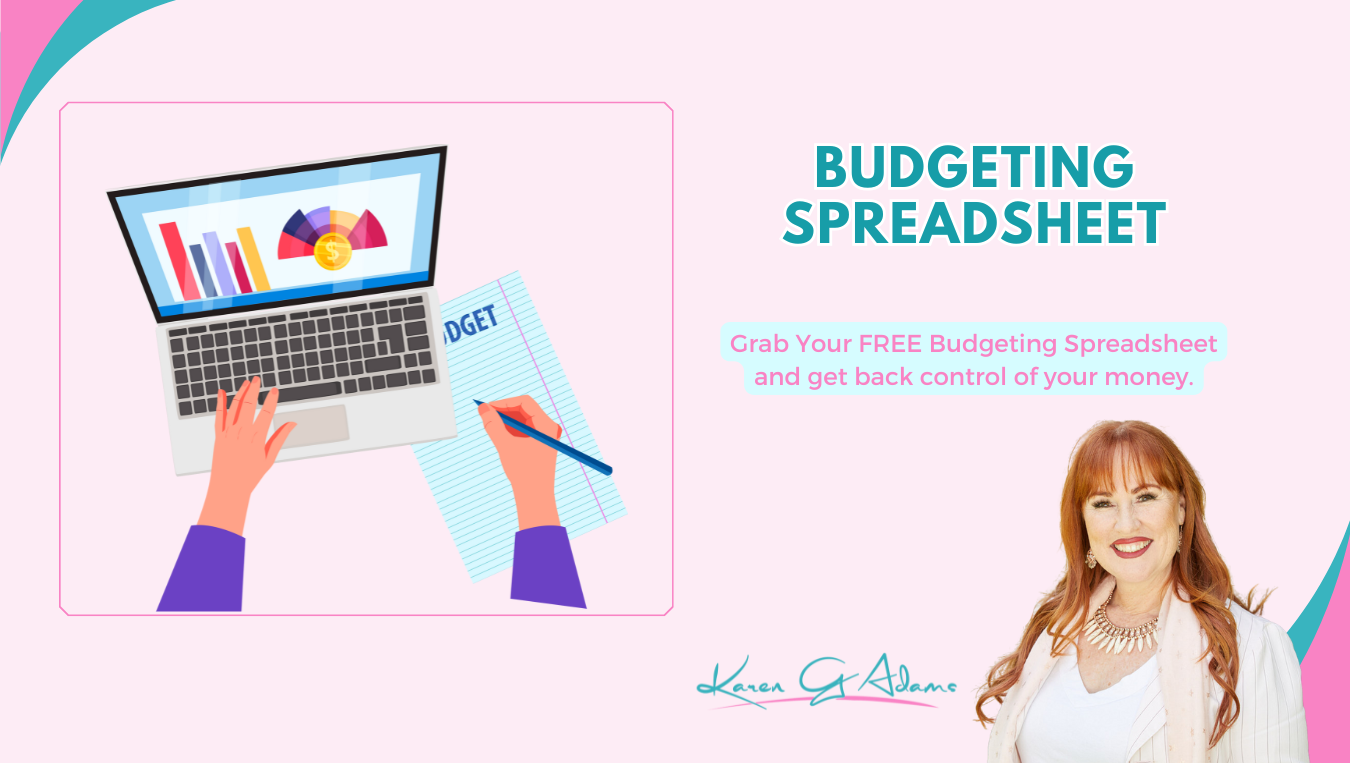
Free Download - Budgeting Spreadsheet

Myth #3: “Debt is Just a Part of Life”

Society normalises debt, from student loans to credit cards, convincing us that it’s an inevitable part of adulthood. While some debts, like a mortgage, can be strategic, many others can be avoided.

The Truth:

Not all debt is created equal. High-interest debt, like credit cards, can trap you in a cycle of repayments that feels endless. Living debt-free is achievable with the right approach.

How to Break Free:

  • Focus on paying off high-interest debt first using the avalanche method (paying off debts with the highest interest rates first).
  • Avoid taking on new debt unless absolutely necessary.
  • Build an emergency fund to prevent relying on credit cards for unexpected expenses.

Myth #4: “I’ll Start Saving When I Make More Money”

This myth assumes that saving is only possible if you earn a certain amount. The reality is, most people increase their spending as their income rises, a phenomenon known as lifestyle inflation.

The Truth:

Saving is a habit, not a number. Even small amounts saved regularly can grow significantly over time, thanks to compound interest.

How to Break Free:

  • Automate your savings so a portion of your income is transferred to a savings account before you even see it.
  • Start with as little as $10 a week if that’s all you can manage, it’s the habit that counts.
  • Set specific savings goals to stay motivated, like a holiday fund or emergency savings.

Myth #5: “Investing is Only For The Rich”

Investing can seem intimidating, with jargon and misconceptions making it feel like an exclusive club for the wealthy.

The Truth:

Anyone can start investing, even with small amounts of money. Platforms and tools now make it accessible for everyone, and starting early gives you a significant advantage.

How to Break Free:

  • Begin with low-risk investments, like index funds or exchange-traded funds (ETFs).
  • Educate yourself on the basics of investing, start with resources aimed at beginners.
  • Focus on long-term growth rather than short-term gains.

Begin with low-risk investments

Myth #6: “I Don’t Make Enough Money to Worry About Finances”

This myth suggests that financial planning is only necessary for people with substantial incomes, leaving those with modest earnings feeling excluded.

The Truth:

Regardless of your income, managing your finances is crucial. In fact, good financial habits are often more impactful for those with limited resources.

How to Break Free:

  • Create a simple budget to ensure you’re living within your means.
  • Look for ways to boost your income, like freelancing or selling unused items.
  • Prioritise needs over wants and build a small savings cushion.

Myth #7: “Financial Success is About Luck”

People often credit financial success to inheritance, lucky investments, or good timing. While these factors can play a role, most financial success comes from consistent effort and smart decision-making.

The Truth:

Success with money is about habits, not luck. Small, consistent actions, like saving regularly and avoiding unnecessary debt have a greater impact than any windfall.

How to Break Free:

  • Focus on what you can control, like reducing expenses and increasing savings.
  • Set clear financial goals and work toward them step by step.
  • Remember, slow and steady progress beats chasing “get rich quick” schemes.

How Breaking Free from Money Myths Can Change Your Life

When you stop believing these myths, you’ll gain:

  • Clarity: Understand where your money is going and how to make it work for you.
  • Confidence: Feel empowered to make decisions that align with your goals.
  • Control: Take charge of your financial future instead of feeling like a victim of circumstance.

A Program to Help You Bust These Myths

If you’re ready to break free from these limiting beliefs, programs like Master Your Money can provide the guidance you need. By combining education, tools, and support, you’ll learn how to manage your finances with confidence and ease.

Conclusion

The myths we believe about money often hold us back from achieving financial freedom. By challenging these misconceptions and adopting healthier financial habits, you can rewrite your money story and create the life you deserve.

Remember, it’s not about where you star it’s about the steps you take to move forward. Start today by identifying one money myth you’ve believed and replacing it with a truth. You’ll be amazed at how quickly your mindset and your finances begin to change.

The Master Your Money Program is for YOU if you are tired of financial stress and ready to transform your relationship with money. This is the same strategy that I followed to generate 6 figure income in just 3 months! Click the image below to learn more about this program.

The 90 Day Money Makeover
Year-End Financial Check-Up: 7 Key Steps to Close 2024 with Confidence

Year-End Financial Check-Up: 7 Key Steps to Close 2024 with Confidence

As the year wraps up, it’s time to give your finances a little TLC and prepare to start the new year strong! Think of this as your yearly financial check-up, a simple routine that sets you up for a financially fit future. Here are seven straightforward steps to help you close out 2024 with confidence.

1. Review Your Budget with Fresh Eyes

December is perfect for giving your budget a quick health check. Ask yourself:

    • Did you stick to your budget most months?
    • Are there categories where you regularly overspent?

If you find that certain areas of your budget were tough to stick to, don’t worry; you’re not alone! Make notes on what worked and what didn’t, and consider if those categories need adjusting. Next year’s budget will feel easier to manage if it aligns more closely with your actual spending patterns.

2. Evaluate Your Financial Goals for 2024

Reflect on the goals you set at the beginning of 2024. Did you aim to build an emergency fund, pay off a certain amount of debt, or save for a big purchase? Take a moment to celebrate any wins, big or small, you’ve earned it! If there were goals you couldn’t reach, try to pinpoint what might have held you back. Life happens, and sometimes, adjustments are necessary. Use these reflections to set realistic goals for 2025 that build on the progress you’ve made.

Audit Your Subscriptions and Recurring Expenses

3. Audit Your Subscriptions and Recurring Expenses

Subscriptions can sneak up on you! Take a look at all the services you’re subscribed to, streaming platforms, gym memberships, software, meal kits and decide if they’re still worth the monthly or annual fee. Ask yourself:

    • Do you use each service enough to justify the cost?
    • Are there better deals or bundles that could help you save?

Canceling or downgrading services you no longer use can free up cash you can redirect toward your savings or debt goals.

4. Set a Holiday Spending Plan

The holiday season can be a big budget-buster if you’re not careful. This December, approach holiday spending with a clear plan:

    • Set a total holiday budget and stick to it.
    • Focus on meaningful gifts within your budget and avoid last-minute splurges.
    • Consider experiences instead of material items, they often make more memorable gifts and can be cost-effective.

You’ll thank yourself in January when your credit card bills aren’t sky-high!

5. Check-in On Your Emergency Fund


Your emergency fund is your financial safety net, and December is a great time to assess its status. Ideally, you want enough to cover three to six months’ worth of essential expenses.

If your fund has been depleted due to unexpected expenses this year, make a plan to rebuild it. If it’s in good shape, well done!

Consider adding a little extra, even if it’s just a small amount each month, it’s always better to be prepared.

You want enough to cover three to six months’ worth of essential expenses on your emergency fund

5. Update Your Financial Goals for 2025

End the year by setting some intentional goals for 2025. These don’t have to be massive changes; small, achievable goals can have a big impact on your financial future. A few ideas:

    • Set a target for increasing your savings rate, even if it’s by a modest amount.
    • Commit to paying down a certain percentage of your debt.
    • Plan to invest in education or skills that could lead to higher income opportunities.

Whatever your financial goals, write them down and keep them visible. By starting now, you’ll be well-prepared to tackle them come January.

End the year by setting some intentional goals for 2025.

Final Thoughts

Closing out the year with a financial check-up is a powerful way to put yourself in the driver’s seat for 2025. These six steps are simple but effective and give you a clear view of your financial health. Here’s to closing out 2024 strong and stepping into 2025 with confidence!

Are you ready to make 2025 your breakthrough year?

MASTER YOUR MONEY is for YOU if you are tired of financial stress and ready to transform your relationship with money. Whether you’re managing a family, building your career, or chasing your dreams, this is your chance to gain the clarity, confidence, and habits you need to thrive.

This is more than a mindset shift—it’s a transformational program that puts you on the path to lasting financial success! ? Click the button below to book a call with Karen to see if this program is right for you!

Mastering Budget and Saving Techniques
Debt Detox: Tips for Paying Down Holiday Debt and Starting the New Year Strong

Debt Detox: Tips for Paying Down Holiday Debt and Starting the New Year Strong

The holidays are a season of joy, but they can also come with a hefty price tag. If you’ve spent a bit more than planned, don’t stress! January is the perfect time to tackle that holiday debt and set yourself up for a fresh financial start. Here’s a simple guide to help you detox your debt and enter the new year feeling financially strong.

1. Assess Your Total Holiday Debt

Start by getting a clear picture of what you owe. List all your holiday-related expenses, from credit card balances to any financing or store credit used for gifts, travel, or holiday activities. Knowing your total debt helps you avoid surprises and gives you a clear starting point.

Jot down each debt’s balance, interest rate, and minimum payment. This way, you’ll be prepared to choose the best strategy for paying it off efficiently.

Assess Your Total Holiday Debt

2. Choose a Debt Repayment Strategy

Once you know what you’re dealing with, pick a strategy that works for you. Here are two popular options:

      • The Snowball Method: Start by paying off your smallest debt first. Once it’s cleared, add that amount to the next smallest debt. This method builds momentum, as paying off smaller debts quickly can feel motivating.
      • The Avalanche Method: Start with the debt that has the highest interest rate, saving you more money in the long run. Once you clear it, move to the next highest interest rate.

Both methods work well; it just depends on what motivates you more – quick wins or long-term savings.

3. Cut Back (Temporarily) to Boost Repayments

To pay down holiday debt faster, look for small, temporary cutbacks in your budget. This could be as simple as cutting down on dining out, skipping a few subscription services, or holding off on new purchases for a month or two. Every bit you save can go toward chipping away at your debt.

Even a few small changes can make a big difference over time. For example, redirecting $50 a week toward debt could mean paying off $200 extra per month, speeding up your progress considerably.

4. Avoid Adding New Debt

While you’re focusing on paying down holiday debt, try to avoid taking on new debt. This might mean holding off on big purchases or saying no to smaller “treat yourself” items for now. The goal is to keep your focus on reducing what you owe so that you’re starting the new year in a stronger financial position.

It’s all about setting boundaries. Give yourself permission to pause on non-essential spending, knowing you’ll get back to it once you’re in a more comfortable spot with your debt.

Avoid Adding New Debt

5. Consider a Balance Transfer or Consolidation Loan

If your holiday debt is spread across multiple high-interest credit cards, look into options for consolidating or transferring the balance. A balance transfer card with a 0% introductory offer can give you a breather, allowing you to pay down the principal without additional interest for a limited time.

Alternatively, a low-interest personal loan can help you consolidate multiple debts into one manageable monthly payment. Just be sure to read the fine print and choose an option with favorable terms that genuinely help your situation.

6. Look for Extra Income Opportunities

Bringing in a little extra cash can speed up your debt payoff. You might consider picking up a side hustle, selling unused items around the house, or offering freelance services if you have skills others can use. Even a small boost in income can help you make extra payments and reduce your debt faster.

Use any additional income exclusively for debt payments until you’re in a more comfortable place financially. It’s a short-term effort with long-term benefits!

7. Set New Financial Goals to Stay Motivated

While paying down holiday debt is the priority, it’s important to stay focused on your broader financial goals. Once your debt is more manageable, shift your efforts toward building savings, contributing to your emergency fund, or working on other long-term goals.

Set one or two financial goals for the year, like “Build a $1,000 emergency fund by June” or “Pay down $2,000 in debt by year-end.” Having these goals can keep you motivated and give you something to look forward to once the holiday debt is under control.

Start Today for a Better Tomorrow!

Holiday debt doesn’t have to weigh you down for long. With a focused approach and small adjustments, you can knock out that debt and start the new year with confidence. Remember, every little effort counts, and you’ll feel empowered as you watch your debt shrink. Here’s to a fresh financial start and a strong, debt-free 2025!

Are you ready to take control of your finances and start your debt-free journey? In this empowering 30-day course, we’ll guide you through actionable steps to help you break free from debt and achieve financial stability. Join the Debt-Free Journey Challenge today!

Mastering Budget and Saving Techniques
Understanding Debt: The Good, the Bad, and the Ugly

Understanding Debt: The Good, the Bad, and the Ugly

Debt is a word that evokes a wide range of emotions – stress, confusion, maybe even shame. But as a financial coach, I want to help you look at debt through a clearer lens. Not all debt is created equal, and by understanding the types of debt and how they impact your financial health, you can make smarter decisions and take control of your money.


In this blog, we’ll dive into the three types of debt: the good, the bad, and the ugly. You’ll learn how to differentiate between them and how to navigate debt effectively to avoid financial stress.

THE GOOD — Productive Debt

Yes, you read that right. Not all debt is bad, some can actually help you build wealth when used strategically. Productive debt refers to borrowing money that helps you acquire something that appreciates in value or generates income. Here are some examples of good debt:

1. MORTGAGE

A mortgage is often considered good debt because you’re investing in an asset – your home that typically appreciates over time. By paying down your mortgage, you’re building equity, which can be a significant part of your net worth. Plus, homeownership can provide stability and a sense of security for you and your family.

However, it’s important to avoid over-extending yourself. A mortgage should fit within your budget without putting too much strain on your day-to-day living expenses. If the payments are manageable, your home can be one of your best investments.

2. STUDENT LOANS

Student loans fall into the category of good debt if they lead to higher earning potential. Education is an investment in yourself, and if a degree can significantly boost your income or open up better career opportunities, then the loan can pay off in the long run.

The key here is not to borrow more than necessary and to have a clear plan for repayment. It’s essential to research the expected salary for your chosen career field and weigh it against the cost of your education.

The key is not to borrow more than necessary and to have a clear repayment plan for your student loans.

3. BUSINESS LOANS

If you’re starting or expanding a business, taking on debt can be a smart move if done thoughtfully. Business loans can help you grow and increase revenue, eventually paying off the loan and improving your financial standing. However, business debt should be used carefully, with a clear plan for how the funds will lead to profit.

THE BAD — Unnecessary or Mismanaged Debt

Bad debt, on the other hand, is borrowing that doesn’t provide long-term value or doesn’t help you build wealth. It’s often used to purchase depreciating assets or to cover non-essential expenses. Let’s look at a few examples of bad debt:

1. CREDIT CARD DEBT

Credit cards can be useful tools for building credit, but they can easily turn into bad debt if mismanaged. The average interest rate on a credit card hovers around 15-20%, which means carrying a balance can quickly spiral out of control. When you only make minimum payments, most of your money goes toward interest, not reducing the actual debt.

Credit card debt is often incurred for things that don’t appreciate in value, like clothing, dining out, or vacations. While these expenses may be fun in the moment, they don’t contribute to your financial future and can burden you with high-interest payments.

2. CAR LOANS

A car is a necessity for many, but car loans can easily become bad debt. Vehicles lose value the moment they leave the lot, which means you’re paying for something that’s depreciating. If you finance a car you can’t afford or extend the loan term too long, you could end up paying much more than the car is worth.

If you need to finance a car, aim to keep the loan term as short as possible and choose a vehicle that fits your budget. Avoid the temptation to upgrade to a fancy model that comes with higher payments and long-term debt.

3. RETAIL FINANCING

We’ve all seen the “buy now, pay later” options that stores offer. While it might seem convenient to spread out payments, retail financing is often bad debt. These loans usually come with high interest rates, and they’re typically used for non-essential items like furniture or electronics. Before signing up for these payment plans, ask yourself if the purchase is truly necessary and if you can afford it without going into debt.

THE UGLY — Toxic Debt

Ugly debt is the kind of debt that can wreak havoc on your financial health, often leading to long-term financial hardship. This is typically high-interest, high-risk debt that is difficult to escape from once you’ve fallen into it.

1. PAYDAY LOANS

Payday loans are one of the ugliest forms of debt. These short-term, high-interest loans are marketed as quick fixes for immediate cash needs, but they come with astronomical interest rates—sometimes as high as 400%. The short repayment period often traps borrowers in a cycle of borrowing more just to pay off the original loan.

If you find yourself relying on payday loans, it’s crucial to explore other options, like negotiating with creditors, cutting expenses, or seeking help from a financial advisor. Payday loans can quickly turn a small financial issue into a long-term problem.

2. TITLE LOANS

Title loans are another form of predatory lending. In these cases, you use your car as collateral to secure a loan. The danger here is that if you fail to repay the loan, you could lose your vehicle—an asset that might be essential for getting to work or taking care of family responsibilities.

The interest rates on title loans are usually extremely high, and the repayment terms are often short, making it difficult for borrowers to catch up once they fall behind.

How To Tackle Debt

No matter what kind of debt you have, whether it’s good, bad, or ugly, having a plan to manage and reduce it is essential. Here are a few steps to take:

1. ASSESS YOUR DEBT

The first step in tackling debt is to get a clear picture of what you owe. List all of your debts, including the amounts, interest rates, and minimum payments. This will help you prioritise which debts to tackle first.

2. CREATE  A BUDGET

Having a solid budget is key to managing debt. Allocate a portion of your income specifically toward debt repayment, and be consistent with it. Even small additional payments can make a big difference over time.

3. FOCUS ON HIGH-INTEREST DEBTS

Start by paying down high-interest debt first, like credit cards or payday loans. This will save you money on interest and help you get out of debt faster.

4. CONSIDER CONSOLIDATION

If you’re overwhelmed by multiple debts, debt consolidation might be an option. This involves combining your debts into a single loan with a lower interest rate, making it easier to manage.

5. SEEK PROFESSSIONAL HELP

If debt feels unmanageable, don’t hesitate to seek help. As a financial coach, I can help you develop a personalised plan to reduce debt and improve your financial health.

FINAL THOUGHTS

Debt doesn’t have to be a four-letter word. By understanding the difference between good, bad, and ugly debt, you can make more informed decisions about borrowing and avoid the financial stress that comes from mismanaged debt. Remember, the goal is to use debt as a tool to build wealth and security, not as a burden that holds you back.

Are you ready to tackle your debt and create a stress-free financial future? Let’s work together to make a plan that works for you! The Learning Hub at Financial Management 101 promotes long-term financial stability, provides insights into wealth-building strategies, and equips you with the skills to adapt to economic changes.

Are you ready to take control of your finances and start your debt-free journey?

In this empowering 30-day course, we’ll guide you through actionable steps to help you break free from debt and achieve financial stability.

The Debt Detox: Eliminating Hidden Costs That Keep You in the Red

The Debt Detox: Eliminating Hidden Costs That Keep You in the Red

When it comes to managing debt, it’s often the unexpected expenses—the hidden costs—that sneak up and keep you from achieving financial freedom. These hidden costs aren’t always big, flashy expenses; instead, they quietly drain your finances month after month. In this post, we’ll uncover these sneaky costs and provide actionable steps to eliminate them from your life.

1. UNMASK THE SUBSCRIPTION TRAP

Subscriptions are one of the sneakiest ways money leaks out of our accounts. Streaming services, gym memberships, meal delivery kits—you name it. The problem is that they often go unnoticed because the individual costs seem minimal. However, they add up significantly over time, especially when we forget to cancel the ones we don’t use.

Action Step:
Go through your phone to review any subscriptions. If you’re with IOS this will be in your settings and you can cancel any of the services that you don’t use. Next review all your bank statements and list every subscription you’re currently paying for. Cancel any that you haven’t used in the last month or that you can live without.

2. EVALUATE YOUR UTILITY BILLS

Utilities are necessary, but are you paying more than you need to? Often, people stick with the same provider for years without realising there are better deals available. Electricity, gas, water, and even internet and mobile plans can usually be renegotiated or switched to a cheaper provider. 

Action Step:
Compare utility providers using online tools or comparison websites. Consider switching providers or negotiating with your current one to get a better rate.

3. INVESTIGATE INSURANCE OVERLAPS

You might be overinsured without even realising it. If you have multiple insurance policies (health, car, home, life), there could be overlaps in coverage. This redundancy leads to unnecessary costs. Additionally, insurance rates often fluctuate, and you could be eligible for better rates.

Action Step:
Review all your insurance policies and speak with your provider to eliminate any overlaps. Shop around for better rates annually.

4. AVOID THE “LATTE EFFECT”

The “Latte Effect” isn’t just about coffee; it’s about those small daily expenses that seem harmless individually but compound significantly over time. This includes buying lunch every day, snacks, or even those extra data charges on your mobile plan.

Action Step:
Track all your small daily expenses for one week. Identify items you can eliminate or reduce. Consider alternatives like making your coffee or preparing meals at home.

5. ANALYSE YOUR CREDIT CARD FEES

Credit cards can come with hidden fees, like annual fees, late payment fees, or foreign transaction fees. These fees can quietly add up and increase your debt if you’re not careful. Understanding your credit card’s terms can help you avoid these fees.

Action Step:
Review the terms and conditions of all your credit cards. Consider switching to a card with no annual fee or lower interest rates. Set up automatic payments to avoid late fees.

6. SPOT THE SNEAKY BANK CHARGES

Banks love to sneak in fees—monthly maintenance fees, overdraft fees, ATM fees, and even paper statement fees. These charges may seem small, but they can accumulate quickly, especially if you’re not vigilant.

Action Step:
Review your bank statements for any recurring fees. Contact your bank to negotiate waiving these fees or consider switching to a bank that offers fee-free accounts.

7. CUT DOWN ON CONVENIENCE COSTS

Convenience comes at a price. Takeout food, delivery services, and buying bottled water are all examples of convenience costs. These might save time but can drain your wallet quickly.

Action Step:
Set a goal to cut down on one convenience cost per week. Prepare meals in bulk, invest in a water filter, or limit your use of delivery services.

Cutting down on food convenience costs, examining car-related expenses,

and understanding health-related costs can help you save more money!

8. UNDERSTAND YOUR HEALTH-RELATED COSTS

Healthcare costs can be complex and deceptive. These include deductibles and out-of-pocket costs. You might be paying more for healthcare than necessary by not understanding your insurance policy or not taking advantage of preventative care options.

Action Step:
Review your health insurance policy to understand what is covered. Schedule preventative care visits, which are often covered at no additional cost, to avoid more significant health issues (and expenses) down the line.

9. KEEP AN EYE ON LOYALTY PROGRAMS AND COSTS

Many loyalty programs and credit card points schemes can lead to unnecessary spending. The promise of rewards often encourages spending more than needed, or you might forget to use the points you’ve accumulated, rendering the spending pointless.

Action Step:
Review your loyalty programs and points. Ensure you’re not overspending just to earn points. Use accumulated points strategically before they expire.

10. BE WARY OF ‘FREE TRIALS’ AND PROMOTIONS

Free trials and promotions are designed to hook you in. They often require credit card details and automatically convert to a paid subscription if not cancelled within a specific period. These can add unexpected costs to your finances if you’re not vigilant.

Action Step:
Keep a log of all free trials you sign up for. Set calendar reminders to cancel them before the trial period ends.

11. EXAMINE YOUR CAR COSTS

Owning a car can come with numerous hidden costs beyond just fuel—think maintenance, insurance, parking, and tolls. Regular servicing and good driving habits can help reduce these costs.

Action Step:
Review your car-related expenses over the last three months. Consider ways to reduce them, such as carpooling, using public transportation, or bundling errands to minimise fuel consumption.

12. AVOID PENALTIES AND FINES

Late fees on bills, parking tickets, and other fines like excessive speeding are avoidable costs that can delay your financial progress. These penalties are often due to forgetfulness, poor planning or as we like to say for speeding fines a “lead foot” :).

Action Step:
Set up automated reminders for bill payments and due dates. Make a habit of reviewing your calendar weekly to anticipate any payments due and ensure you leave enough time in your journey to avoid any speeding tickets.

Conclusion: Stay Ahead of the Game

Eliminating hidden costs is an essential part of becoming debt-free. By scrutinising every expense and making small, manageable changes, you can save hundreds – if not thousands of dollars each year.
Remember, the key is vigilance: regularly review your finances, stay informed, and make adjustments as needed. Your journey to debt freedom is not just about cutting big expenses but also about mindfully managing the small, sneaky ones.

Learn the fundamental concepts of how budgeting and saving are important to your financial well-being. Registration is now open for the course: Mastering Budget and Saving Techniques. This is a hands-on course with me guiding you on how to budget, track and look at managing your money like a pro.

Mastering Budget and Saving Techniques
Free Budgeting Spreadsheet

GRAB YOUR OWN COPY FOR FREE

YOUR MONEY eMagazine

Are you ready to take control of your finances and secure a brighter future?

Dive into “Your Money,” the premier e-magazine by Karen G Adams, the Founder of Financial Management 101.

Subscribe for FREE!