Jan 14, 2026 | Book of the Week, Building Emotional Muscle, Building Financial Muscle, Credit Score, Debt, Debt Payment, Debt Repayment, Educational Series, Estate Planning, Financial Education, Financial Freedom, Financial Health, Financial Management 101, Holiday Season, Holiday Spending, Mindset, Mortgage, Net Worth, Retirement, Saving Money, Self Development
New Year, Same Resolutions? Let’s Talk About It.
Ahhh January the month of green smoothies, gym selfies, and freshly purchased planners that are definitely going to change your life this time, right?
If you’re like most people, you’ve probably made a few New Year’s resolutions that sounded amazing on January 1st… but by February? They’re long forgotten, buried under Uber Eats receipts and good intentions.
And when it comes to money goals? Ohhh, this is where the guilt hits hard.
So let’s break it down: Why do New Year’s resolutions fail and what can you do instead to actually stick to your financial goals this year?
Spoiler: It’s not about willpower. It’s about building financial muscle and that’s what I help people do every day.
The Stats Don’t Lie – Most Resolutions Don’t Last
According to research:
- 43% of people expect to fail their resolutions by February
- Only 9% actually feel successful by the end of the year
- The most common failed resolutions? Diet, fitness… and yes — money
Why? Because most resolutions are made in the heat of a moment – not rooted in a system, a strategy, or support.
We say things like:
- “I’m going to save $5,000 this year!”
- “I’m cutting up ALL my credit cards!”
- “I’ll never spend money on takeout again!”
…but we don’t have a real plan behind it. Just hope, hype, and maybe a pretty notebook.
Why Financial Resolutions Fail: The Real Talk
Here’s what I’ve seen in my coaching practice over and over:
- The goal is too vague.
“Get better with money” isn’t a goal – it’s a wish. Your brain doesn’t know what to do with that.
- There’s no timeline.
Saving “someday” or “this year” doesn’t create urgency or clarity.
- You try to do too much, too fast.
Going from zero to “never spending a dollar unless it’s pre-budgeted” is like deciding to run a marathon when you haven’t walked around the block in months.
- No accountability.
When you’re the only one who knows your goals… it’s easy to quit. Life gets busy, bills pile up, and suddenly, your “big resolution” is a tab you closed weeks ago.
- Shame gets in the way.
One slip-up, and your inner critic screams, “See?! You always mess this up!” And so you give up again.
Sound familiar?
So What Actually Works? (This Is Where It Gets Fun)
Instead of setting rigid resolutions, try this instead:
✅ Set Clear Financial Intentions – Not Punishments
Financial intentions focus on who you want to become and how you want to feel – not just what you want to do.
For example:
- “I want to feel peaceful when I check my bank account.”
- “I want to be someone who saves consistently.”
- “I want to feel proud of my money decisions.”
From there, we build small, tangible goals that align with that intention. That’s the sweet spot.
✅ Build Micro Goals That Stack Into Momentum
Instead of “Save $5,000 this year,” try:
- “Transfer $100 every payday to my savings account.”
- “Do 1 no-spend weekend per month.”
- “Track my spending daily for 30 days.”
These small actions feel doable and when done consistently, they change everything.
✅ Have a System – Not Just a Goal
Anyone can write a goal. But what’s your system to get there?
Here’s a basic system I teach inside my Financial Muscle Coaching:
- Weekly money check-ins (10 minutes)
- Monthly budget reviews
- Track 1 habit at a time (like spending or debt payments)
- Celebrate progress every month.
Systems create structure and structure creates success. Don’t wait – join the membership now and start living your best life from today.
#WhyDoResolutionsFail #HowToStickToFinancialGoals #WhyCantIKeepNewYearGoals #NewYearMoneyResolutionHelp #HowToMakeMoneyGoalsThatLast #MoneyGoalsNotResolutions #HowToStayMotivatedWithMoney #BreakTheCycleWithMoney #SmartFinancialGoals2025 #BuildBetterMoneyHabits #NewYearsResolutionFail #MoneyGoals2025 #FinancialGoalsThatStick #BudgetGoals #MoneyHabits #ResolutionReset #MoneyCoaching #FinancialMuscle #GoalSettingTips #SmartMoneyMoves
Dec 31, 2025 | Book of the Week, Building Emotional Muscle, Building Financial Muscle, Credit Score, Debt Payment, Debt Repayment, Educational Series, Episodes, Financial Education, Financial Freedom, Financial Health, Financial Management 101, Holiday Season, Holiday Spending, Net Worth, Relationships, Saving Money, Self Development
There’s something magical about a fresh new year. It feels like a blank notebook just waiting to be filled – new hopes, new habits, and new opportunities. And when it comes to your finances, January is the perfect time to channel that energy into building momentum that lasts all year long.
Forget the overwhelming resolutions list. This year, it’s about starting small, starting strong, and building money confidence that fuels everything else in your life. Ready to step into 2026 with fresh energy? Here’s how.
? Step 1: Choose Your 2026 Money Theme
Instead of setting a dozen resolutions, pick a single theme to guide your financial decisions this year.
Examples:
- Growth: Focus on building savings or investments
- Freedom: Prioritise paying off debt
- Stability: Build your emergency fund
- Intentionality: Track spending and align with your values
Your theme becomes a compass. Whenever you face a financial choice, you can ask: Does this support my 2026 money theme?
? Step 2: Set One Clear Goal for January
Don’t wait until mid-year to make progress. Start now with one achievable goal this month. Ideas:
- Save $100 by cutting one expense (like takeaway coffees or subscriptions)
- Track every expense for 30 days
- Make an extra payment toward debt
- Open a new savings account for your emergency fund
When you achieve a quick win in January, you build confidence that sets the tone for the year.
? Step 3: Refresh Your Budget for the New Year
Your life has probably shifted since last January, so your budget should too. Take stock of:
- Your current income
- Your fixed expenses (rent, utilities, insurance)
- Your variable expenses (groceries, fun, travel)
- Your financial goals (savings, debt, investing)
Give every dollar a purpose. Remember, your budget isn’t about restriction – it’s a plan for freedom and choice.
? Step 4: Build Money Habits That Stick
The new year isn’t about overnight change – it’s about consistency.
Focus on simple, sustainable habits:
- Weekly money check-ins (15 minutes to review spending and update your budget)
- Automatic savings transfers on payday
- Meal planning to cut food waste and overspending
- Tracking your progress toward one goal each month
Habits create momentum. And momentum creates results.
✨ Step 5: Infuse Your Money Journey With Joy
Money confidence isn’t just about numbers – it’s about how you feel. This year, commit to making your financial journey something you enjoy.
Ideas:
- Celebrate small wins with non-spending rewards (like a relaxing night in or a walk in nature)
- Share your goals with a friend or accountability partner
- Create a money vision board for 2026
- Journal about what financial freedom looks and feels like for you
When you connect money with joy, you’ll find it easier to stick with your goals.
? Step 6: Create a Future-You Fund
Want to feel truly confident? Start building a little cushion for the future.
- Begin or boost your emergency fund
- Start a sinking fund for Christmas, travel, or birthdays
- Increase your superannuation contributions, even by 1%
Every dollar you set aside is a gift to your future self. And future-you will thank you for it.
? Final Thoughts: Step Into 2026 With Confidence
This new year isn’t about perfection. It’s about progress. It’s about taking small, intentional steps that align with your goals and values.
So choose your theme, set your January goal, refresh your budget, and commit to simple habits. Celebrate the wins along the way, and don’t forget to enjoy the journey.
Because 2026 is your story to write – and this year, you get to write it with confidence, clarity, and fresh money energy.
Dec 24, 2025 | Book of the Week, Building Emotional Muscle, Building Financial Muscle, Credit Score, Debt, Debt Payment, Debt Repayment, Educational Series, Financial Education, Financial Freedom, Financial Health, Financial Management 101, Holiday Season, Holiday Spending, Mindset, Relationships, Saving Money, Self Development
The Christmas decorations are packed away, the calendar is almost at its final page, and 2026 is knocking on the door. Before we rush ahead with resolutions and new goals, this is the perfect moment to pause, reset, and give your finances a fresh start.
Think of it as a deep clean for your money: clearing out the clutter, tying up loose ends, and laying down a solid foundation for the year ahead. You don’t need a complete financial overhaul – just a few intentional steps to get organised, centred, and ready for what’s next.
Here’s your Year-End Money Reset in 5 simple steps.
Step 1: Review the Year That Was
Start by taking an honest look at your 2025 money story:
- How much did you save?
- What debts did you pay down?
- Where did most of your money go?
- What financial habits worked well, and which ones didn’t?
Pull up your bank statements, budgeting app, or a notebook and jot down your reflections. This isn’t about judgement – it’s about awareness. You can’t reset what you don’t measure.
Step 2: Tidy Up Loose Ends
Before the year ends, clear out the financial “clutter” that weighs you down:
- Pay off small lingering balances if you can
- Cancel unused subscriptions or memberships
- Return any holiday items you overspent on and don’t really need
- Check expiry dates on gift cards (and use them!)
These little steps free up money and mental space, setting you up for a cleaner slate in 2026.
Step 3: Check Your Financial Health
Now’s the time to give yourself a quick financial check-up:
- Emergency fund: Do you have at least $500 – $1,000 set aside for surprises?
- Debt: What balances remain, and what’s your repayment plan?
- Credit score: Check it – it’s easier (and cheaper) to fix issues early
- Savings and investments: Review your pension contributions, ISAs, or other savings accounts
Think of this as your “financial MOT.” A little check-up now prevents breakdowns later.
Step 4: Set a Fresh Budget Blueprint
Don’t wait for January 1st – start shaping your new budget now.
Your 2026 budget should reflect:
- Your income (any changes for the new year?)
- Your fixed expenses (rent, mortgage, bills)
- Your goals (savings, debt repayment, travel plans)
- Your lifestyle values (fun, hobbies, giving)
Keep it simple: Give every dollar a job. Whether it’s for bills, savings, or fun, assign it with intention. Use a budgeting app, a spreadsheet, or even pen and paper – whatever works for you.
Step 5: Choose One Money Focus for 2026
Instead of overwhelming yourself with a list of 10 resolutions, choose one core financial focus for the new year. This helps you stay clear, consistent, and motivated.
Examples:
- Build a $1,000 emergency fund
- Pay off one credit card completely
- Increase monthly savings by $100
- Track every expense for 90 days
Your focus becomes your compass, guiding your decisions and reminding you why you’re saying yes – or no – in the moment.
✨ Final Thoughts: Reset, Refresh, and Move Forward
A year-end reset doesn’t have to be complicated. By reviewing your year, clearing financial clutter, checking your money health, setting a new budget, and choosing one core focus, you’ll walk into 2026 lighter, clearer, and ready to thrive.
This isn’t about being perfect. It’s about progress. And every small step you take now builds momentum for a stronger financial future.
So, give yourself the gift of a money reset. 2026 is your blank page – make it a story you’re proud to write.
Dec 10, 2025 | Book of the Week, Building Emotional Muscle, Building Financial Muscle, Credit Score, Debt, Debt Payment, Debt Repayment, Educational Series, Financial Education, Financial Freedom, Financial Health, Financial Management 101, Holiday Season, Holiday Spending, Saving Money, Self Development
The tree has come down, the last slice of Christmas pudding is gone, and you’re finally catching your breath after the festive whirlwind. But then it happens – you open your credit card statement, and suddenly that Christmas cheer feels like a distant memory. The dreaded post-Christmas credit card hangover has arrived.
The good news? You can absolutely enjoy Christmas without carrying financial regret into the new year. With a few mindful strategies, you can celebrate fully and start January feeling confident, not crushed by debt. Here’s how to make it happen.
Step 1: Set a Christmas Spending Limit (Before You Shop)
Your credit card limit is not your Christmas budget. Decide what you can comfortably spend this festive season without borrowing from your future self.
Ask yourself:
- How much cash do I realistically have available for Christmas?
- What regular bills and obligations still need to be covered?
- Can I set aside money weekly in December to spread out costs?
Write down a total number – this is your Christmas spending cap. Stick to it, even when those festive sales scream your name.
Step 2: Create a Cash-First Plan
One of the easiest ways to avoid a credit card hangover is to use as little credit as possible during Christmas.
- Pay with debit or cash where possible
- Set aside weekly envelopes for gifts, food, and fun
- Use prepaid cards to cap your spending
- If using credit online, track it immediately and set a repayment date
Pro tip: Leave your credit card at home when shopping in person. It’s much harder to overspend when you don’t have the option. Try using a visa debit card, which is actually your money and when you run out that’s it!
Step 3: Track Every Dollar (Yes, Every Single One)
In the Christmas chaos, it’s easy to lose track of spending – but that’s how the January shock sets in. Ways to stay on top:
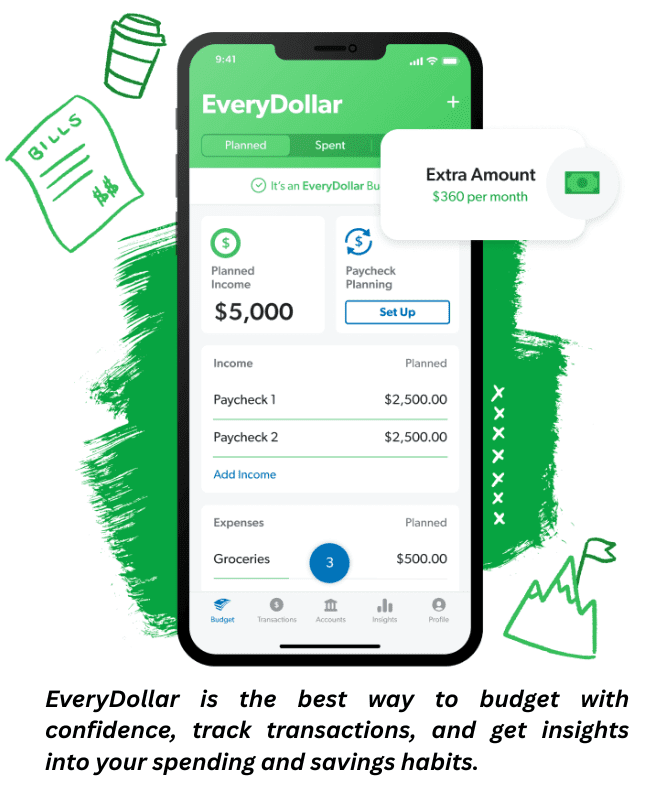
- Use budgeting apps like YNAB, EveryDollar, or Mint
- Keep a festive spending log in a notebook or phone note
-
- Do weekly money check-ins throughout December
Think of it as financial self-care. Awareness is your secret weapon.
Step 4: Be Strategic With Gifts
Gifts are often the biggest Christmas expense, but they don’t have to wreck your budget.
Tips for staying intentional:
- Make a list of who you’re buying for before you shop
- Set a per-person limit and stick to it
- Consider Secret Santa to cut the number of gifts
- Swap expensive items for homemade or experience-based gifts
- Remember: thoughtful beats flashy every time
No one worth celebrating wants you to go into debt for their gift.
Step 5: Plan for Food and Festivities
Christmas isn’t just about presents – the meals, parties, and little extras add up quickly. Save money by:
- Planning meals in advance
- Shopping early for non-perishables
- Hosting potluck-style dinners
- Saying no to extras that don’t truly add joy
When you prepare in advance, you avoid last-minute dashes (and expensive impulse buys).
Step 6: Watch Out for Emotional Spending Triggers
Christmas marketing is designed to play on your heartstrings. Nostalgia, urgency, and guilt can all push you to overspend. Ask yourself:
- Am I buying this because I want to – or because I feel pressured?
- Will this bring lasting joy, or just temporary excitement?
- Does this purchase align with my budget and values?
Your wallet deserves as much protection as your peace of mind.
Step 7: Practice Festive Financial Self-Care
Money stress can quickly steal your Christmas spirit. Make self-care part of your financial strategy:
- Take breaks from social media (comparison is a sneaky trigger)
- Remind yourself that Christmas isn’t a competition
- Journal your money intentions for the season
- Share your budget boundaries with loved ones
The more grounded you feel, the easier it is to resist overspending.
? Step 8: Create a January Recovery Plan
If you do use your credit card this Christmas, set a plan for repayment:
- Tally up what you’ve spent
- Divide it into weekly or monthly repayment goals
- Automate payments so you stay on track
Even better? Plan a “No-Spend January.” Cutting back in the new year can help you reset your budget and clear any lingering balances faster.
Bonus: Start a Christmas Sinking Fund for Next Year
Want to avoid the stress altogether next time? Build a sinking fund.
Example:
- Decide on for example a $3000 Christmas budget for 2025
- Divide by 12 months = $250/month
- Set up an automatic transfer to a separate savings account
Come December, you’ll be ready – no credit cards needed.
Final Thoughts: A Debt-Free Christmas Is the Best Gift
The magic of Christmas isn’t in the size of the presents or the amount spent – it’s in the moments, the laughter, and the love. Avoiding the post-Christmas credit card hangover means entering the new year lighter, freer, and more empowered.
So give yourself the gift of financial peace. Spend with intention, set boundaries, and remember: your presence is always more valuable than the presents under the tree.
Nov 26, 2025 | Book of the Week, Building Emotional Muscle, Building Financial Muscle, Credit Score, Debt, Debt Payment, Debt Repayment, Educational Series, Episodes, Estate Planning, Financial Education, Financial Freedom, Financial Health, Financial Management 101, Holiday Season, Holiday Spending, Home Loan, Mindset, Mortgage, Net Worth, Relationships, Retirement, Saving Money, Self Development
The holiday season is often painted with glitter and gold – literally and financially. Between decorations, gifts, food, travel, and events, it can feel like every December demands a sky-high budget. But here’s the truth: you can absolutely have a joyful, memorable holiday without draining your bank account or maxing out your credit cards.
Enter the Holiday Season Budget Blueprint: a practical, five-step guide to help you spend wisely, celebrate fully, and start the new year without a financial hangover. It’s not about saying “no” to the fun stuff – it’s about saying “yes” to the things that truly matter.
Let’s break it down.
Step 1: Define What Matters Most
Before you open your wallet, take a step back and ask: What do I want this holiday season to feel like?
Is it about quality time, rest, giving back, tradition, creativity, or connection? When you define your values first, it becomes easier to:
- Cut unnecessary spending
- Set clear priorities
- Say no to what doesn’t align with your goals
Remember: Your budget isn’t just a money tool – it’s a reflection of your values.
Step 2: Set a Realistic, All-Inclusive Budget
Next, figure out your total holiday spending limit. This number should come from your current financial reality, not wishful thinking or social pressure. Include:
- Gifts
- Food and drinks
- Travel and accommodations
- Decorations
- Wrapping supplies and cards
- Event tickets or outings
- Donations and giving
- Festive extras (e.g., matching pajamas, holiday movies, etc.)
Bonus: Build in a “buffer” of 10% for those inevitable last-minute expenses.
Pro tip: If you haven’t started a holiday sinking fund yet, this is your sign to plan one for next year. Even $20/month makes a big difference by December.
Step 3: Create a Budget Blueprint That Works for You
Once you have your total holiday budget, break it into categories that fit your life.
Example Blueprint (for a $600 budget):
- Gifts: $300
- Food/Entertainment: $100
- Travel: $75
- Decorations: $50
- Charitable Giving: $25
- Misc/Fun: $50
Now, get specific:
- List who you’re buying gifts for and set a per-person amount
- Plan your meals or parties and estimate costs
- Look up travel prices now to avoid inflated last-minute bookings
Don’t forget digital tools:
- Budgeting apps (EveryDollar, YNAB, Mint)
- Spreadsheets – my budget/spending plan
- Cash envelope system
The key is to track as you go. Awareness prevents overspending.
Step 4: Use Smart Saving and Spending Strategies
Now for the fun part: making your budget go further without cutting the joy.
Holiday Saving Hacks:
- Use cashback apps (Rakuten, Honey, Fetch)
- Stack coupons and loyalty points
- Shop early to spread out costs
- Buy in bulk or split bundles with others
- Thrift or upcycle decor and outfits
Joyful (But Budget-Friendly) Alternatives:
- Experiences over things: movie nights, game nights, or DIY spa days
- DIY gifts: baked goods, photo albums, handmade crafts
- Shared hosting: make events potluck-style to share food and fun
- Decor on a dime: nature-inspired decor, secondhand finds, or family DIY sessions
With a little creativity, you can keep the festive spirit alive and keep your spending aligned with your values.
Step 5: Celebrate With Intention, Not Obligation
This one’s big: don’t let expectations drive your spending. Just because “you always do it this way” doesn’t mean you have to this year.
Say no to:
- Oversized gift exchanges that cause stress
- Events that don’t bring joy or fit your budget
- Trying to match what others are doing on social media
Say yes to:
- Meaningful moments over material things
- New traditions that reflect your current season of life
- Giving from the heart, not the wallet
When you let go of obligation, you make space for a holiday that’s truly aligned with your values and your finances.
Final Thoughts: Make Your Holiday Budget Work For You
The best holiday memories often come from the simple things: laughter, traditions, and time spent with the people who matter most. When you take control of your money with a clear budget, you remove stress and open up space for genuine joy. Remember, the holidays aren’t about how much you spend, they’re about how fully you show up. With a blueprint in place, you can step into the season with confidence, celebrate with intention, and start the new year feeling empowered instead of overwhelmed.
Want more support in building healthy money habits all year round? Join my Monthly Coaching Program and let’s strengthen your financial muscle together!
Nov 19, 2025 | Credit Score, Debt, Debt Payment, Debt Repayment, Financial Education, Financial Freedom, Financial Management 101, Holiday Season, Holiday Spending, Home Loan, Mindset, Mortgage, Net Worth, Relationships, Retirement, Saving Money, Self Development
December is now just around the corner and while the holidays are meant to be joyful and magical, they can also bring a fair bit of financial pressure. Between gift shopping, party invites, travel plans, and festive food spreads, it’s easy to get overwhelmed.
But here’s the good news: you still have time to get financially prepared before the chaos fully kicks in. By taking action in November, you can hit December feeling calm, in control, and ready to actually enjoy the season. No panic required.
Let’s break down a simple, step-by-step countdown to Christmas that helps you stay on top of your money and make the most of the season – without going into debt or stressing out.
Step 1: Create Your Holiday Countdown Calendar
First things first, get a calendar (physical or digital) and mark off key holiday dates:
- Family events and parties
- School performances or community activities
- Gift exchanges and Secret Santas
- Travel days
- Shipping deadlines
Now add weekly financial check-ins leading up to Christmas. These can be short 15-minute sessions to:
- Review your spending
- Check your budget
- Adjust plans as needed
This turns your holiday prep into bite-sized, doable tasks instead of one big financial headache.
Step 2: Finalise Your Total Holiday Budget (Yes, Now)
If you haven’t done this yet, it’s time. Your total holiday budget should include:
- Gifts
- Travel
- Food (groceries, dining out, baking)
- Events and entertainment
- Decorations
- Wrapping supplies and cards
- Charitable giving
- Last-minute surprises (because there are always a few)
Decide what you can actually afford, without relying on credit cards or borrowing from your future self. Once you know your total, break it into weekly spending goals.
Example: If your total holiday budget is $600 and there are 4 weeks until Christmas, aim to spend no more than $150 per week.
Step 3: Organise Your Gift List Early
Now is the perfect time to get clear on your gift game plan. Make a list of:
- Everyone you want to buy for
- Gift ideas (with realistic price points)
- Spending limits per person
Bonus: Add a column to track when you’ve purchased or wrapped each gift.
This stops you from last-minute panic buying (aka overspending) and gives you time to shop sales or DIY something meaningful. And don’t forget:
- Suggest Secret Santa gift swaps
- Set expectations with extended family
- Consider non-material gifts (more on this below!)
Step 4: Shop Smarter, Not Harder
November is still prime time for scoring deals without the frenzy of last-minute shopping.
Here’s how to shop smart:
- Stick to your list and budget like glue
- Use cashback tools (like Honey or Rakuten)
- Compare prices online before heading out
- Stack coupons and use loyalty rewards
- Buy in bundles to save time and money (think gift packs split between people)
Also, leave a little wiggle room in your budget for unexpected finds. If you overspend in one area, adjust in another.
Step 5: Plan for Shipping Deadlines
Ordering gifts online? Mark down those final shipping dates now. Delayed packages = last-minute spending disasters.
Here’s what to do:
- Order by early December if possible
- Choose free shipping options to save money
- Consider digital gifts or subscriptions to skip shipping altogether
Pro tip: Avoid the expensive rush shipping fees by getting ahead now.
Step 6: Prep for Holiday Meals on a Budget
Holiday food is part of the fun, but it doesn’t have to wreck your finances.
Start meal planning:
- Choose dishes that are crowd-pleasers and budget-friendly
- Shop early for non-perishables and freeze what you can
- Host potlucks to share the load (and the cost!)
- Limit impulse snack and treat purchases
Want to cut down on December grocery bills? Start adding a few extra items to each weekly shop now.
Step 7: Say “No” to Financial FOMO
This time of year is full of pressure to say “yes” to everything:
- Every event
- Every outing
- Every gift exchange
- Every sale
But your time, energy, and wallet are limited resources. Be intentional. Practice saying:
- “That sounds fun, but it’s not in my budget right now.”
- “Let’s plan something low-key instead.”
- “I’m focusing on meaningful moments this year.”
You’ll be amazed how freeing it feels to stick to your holiday goals, not everyone else’s expectations.
Step 8: Create a “Festive Fun” Fund
Let’s be real, you still want to enjoy the season! Build in a little cushion for fun:
- Coffee catchups with friends
- Holiday movie nights
- Small treats for yourself
Put $10 – $20 per week aside for spontaneous seasonal joy. When it’s gone, it’s gone. No guilt, no overspending.
Final Thoughts: Plan Now, Celebrate Later
You don’t need a massive budget to have a magical holiday season. What you do need is a plan. One that prioritises your peace, your financial goals, and your version of holiday joy.
So use these final weeks of November wisely. Map it out. Budget it in. Say no when you need to. Say yes to what truly matters. And walk into December with clarity, confidence, and maybe even a little cash leftover.
You’ve got this – and Financial Management 101 is cheering you on every step of the way. ??