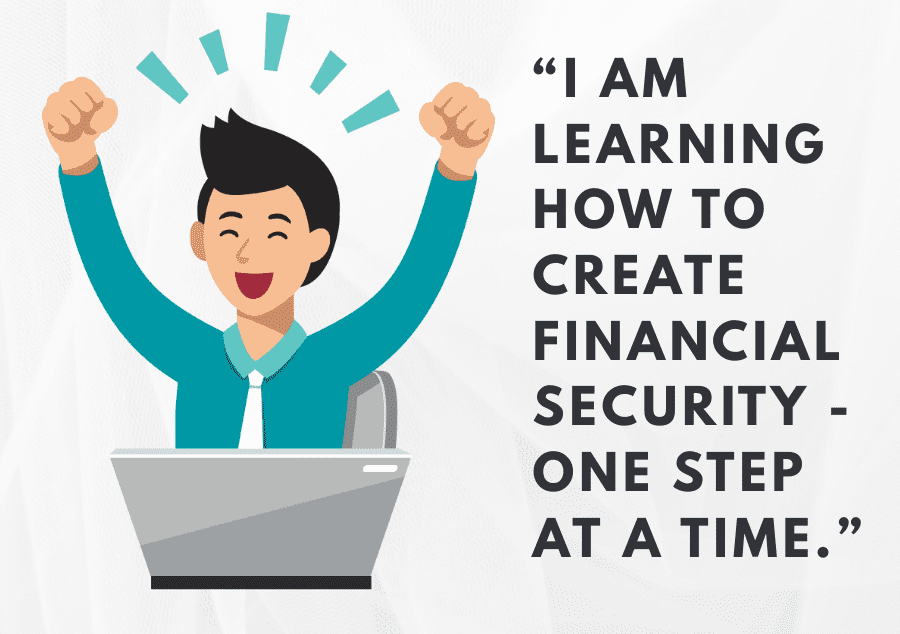
The #1 Money Habit That Changes Everything (And It’s Not What You Think!)

The #1 Money Habit That Changes Everything (And It’s Not What You Think!)

Let’s play a little game.

Quick – what’s the first thing that pops into your mind when you hear the words “financial makeover”? Is it…

Cutting up credit cards?

Pinching coins until your wallet cries?

Living on a “beans and rice” budget?

If you said yes to any of the above, take a deep breath.

Because I’ve got some really good news for you.

The real secret to transforming your finances isn’t about spreadsheets, budgeting apps, or even how much you make.

The secret is something you carry with you every single day.

It’s your money mindset.

And yep – that’s what this post is all about.

By the end of this article, you’ll see why the most important financial habit you’ll ever master has nothing to do with crunching numbers and everything to do with the way you think about money. Trust me, this one shift can change your life forever (and yes, your bank account too).

? Why Your Mindset Matters More Than Math

I know, I know… mindset talk can sound a little fluffy.

After all, what does thinking differently about money have to do with paying off your credit card or saving for that vacation you’ve been dreaming about?

Here’s the truth:

Your mindset drives every single financial decision you make.

It shapes:

  • How you spend
  • How you save
  • How you handle debt
  • How you invest

Even how much money you believe you’re capable of earning. Most people don’t have a money problem – they have a money mindset problem. Here’s what that looks like in the real world:

  • You set a budget… but keep overspending.
  • You say you want to save… but somehow the money disappears.
  • You try to pay down debt… but the balance never seems to go down.

Sound familiar?

That’s not a lack of discipline or intelligence. It’s a deep-seated pattern playing out from within.

? What Is Money Mindset, Really?

Let’s break this down simply.

Your money mindset is the collection of beliefs, thoughts, and emotions you have about money, most of which were shaped long before you started earning your first paycheck.

Here are some common money mindsets (see if any of these feel familiar):

1. Scarcity Mindset:
“There’s never enough money.”
“Money comes in, but it always goes right back out.”

2. Avoidance Mindset:

“I hate thinking about money – it stresses me out.”
“I’m just not good with numbers.”

3. Security Mindset:
“As long as I have enough to cover the basics, I’m fine.”
“Money isn’t that important.”

4. Abundance Mindset (Healthy & Empowered):
“Money is a tool that helps me live my best life.”
“I can learn how to grow and manage my money wisely.”

Here’s the kicker: Most people are operating on autopilot with their money beliefs, without even realising it.

? How Your Money Beliefs Keep You Stuck (Without You Noticing)

Let’s get real for a moment.

If you grew up in a household where money was tight, you may have absorbed the belief that:

  • Money is stressful.
  • Rich people are greedy.
  • It’s dangerous to want more.

On the flip side, maybe you heard phrases like:

  • “We can’t afford that.”
  • “Money doesn’t grow on trees.”
  • “You have to work hard for every penny.”

Even if those sayings were innocent, they may have planted deep-rooted beliefs that:

  • Money is hard to get.
  • You shouldn’t ask for more.
  • You don’t deserve financial ease.

And those beliefs? They’re running the show in your adult life.

? The #1 Money Habit You Need to Master: Awareness

Here it is. The one habit that changes everything: Awareness of your money mindset. That’s it.

When you begin noticing what you believe about money – without judgment – you unlock the ability to change your financial reality. Here’s how it works:

Step 1: Catch Your Thoughts

Next time you face a money decision, pause and notice your immediate reaction.

Example:

  • You see something you want to buy.
  • You automatically think, “I can’t afford it.”
  • Or maybe you think, “I deserve this, even if I can’t really pay for it.”

That’s your money mindset speaking.

Catch Your Thoughts<br />

Step 2: Question the Belief

Ask yourself:

  • “Is this really true?”
  • “Where did I learn this?”
  • “Is this belief helping or harming me?”

Step 3: Choose a New Thought

You don’t have to go from “I’m broke” to “I’m a millionaire” overnight. But you can shift gently, like:

  • “I’m learning to manage my money better every day.”
  • “I’m making choices that align with my goals.”

This habit of noticing and questioning your money thoughts is like turning on a light switch. Once it’s on, you can’t unsee the patterns anymore.

? How Money Mindset Shows Up in Real Life (3 Sneaky Examples)

Here are some common ways your money mindset might be running the show right now:

1. Budgeting Resistance

If you’ve ever thought, “Budgets feel too restrictive,” you might have a scarcity or rebellion-based money mindset.

Shifting your thought to:
“My budget is a permission slip to spend on what truly matters.”

…can make budgeting feel empowering instead of limiting.

Budgeting

2. Debt Denial

Avoiding your debt? That’s often rooted in avoidance or fear-based money beliefs.

Try this thought:

“Facing my debt is the first step toward my financial freedom.”

3. Under-Saving

If saving feels impossible or boring, your belief might be:

“I’ll never have enough to make a difference.”

Shift it to:

“Every dollar saved builds my future security and freedom.”

? Why Money Mindset Isn’t About Toxic Positivity

Let’s be clear—this isn’t about pretending everything is fine when it isn’t. If you’re dealing with debt, low income, or financial instability, you’re not expected to just “think happy thoughts.”

But here’s what does work:

  • Facing your financial reality with honesty.
  • Believing in your ability to improve it.
  • Taking small, consistent actions to build new habits.

Mindset work isn’t about ignoring reality. It’s about empowering yourself to change it.

? How This Mindset Work Connects to Your Money Goals

This is exactly why in my 90 Day Money Makeover program, we don’t just dive into budgeting and debt. We start with mindset, because if you don’t shift how you think, no amount of budgeting tools or savings hacks will stick.

Inside the program, we go deep into:

  • Uncovering your personal money story.
  • Rewriting limiting beliefs about money.
  • Learning to set goals that are emotionally connected to your values.

And yes, we also tackle budgeting, saving, debt, and even your will and estate planning—but all of that becomes easier once you’ve adjusted your financial lens.

✨ Ready to Start Shifting Your Mindset Right Now? (Mini Challenge!)

Let’s get you started with a quick, powerful exercise:

Money Mindset Reset Challenge:

  1. Write down 3 common thoughts you have about money.
  2. Circle any that feel negative or limiting.
  3. Rewrite each one into a more supportive, empowering statement.
  4. Say your new money affirmations out loud every morning this week.

Example:

  • Old Thought: “I’ll never get ahead financially.”
  • New Thought: “I’m learning to grow my finances one step at a time.”

This tiny habit can plant the seed for massive change.

? Final Thoughts: Your Money Mindset Is the Foundation for Everything

Here’s what I want you to remember:

Your money situation isn’t set in stone.

Your past does not define your future.

Your financial life can transform faster than you think—but it starts inside.

And if you’re ready to go deeper with this work (and finally create the lasting financial change you’ve been craving), get ready, because my Your Financial Freedom Breakthrough™ – 90 Day Money Makeover opens for enrollment on September 10th.

This isn’t just another budget bootcamp.

It’s a complete personal money transformation – from the inside out. Stay tuned… and get ready to make your next 90 days your most financially empowering yet.

Your Financial Freedom Breakthrough™ - 90 Day Money Makeover
Why This Financial Year is Your Year to Get Ahead

Why This Financial Year is Your Year to Get Ahead

New financial year. New mindset. New money moves. ?

There’s something incredibly powerful about the start of a new financial year. It’s like someone pressed the reset button and handed you a fresh shot at reaching your goals.

And this time? It’s personal. This is your year to get ahead – not just in your bank account, but in your mindset, your confidence, and your whole relationship with money.

Here’s how to make this year the one where you finally feel in control, empowered, and excited about your finances.

1. Own the Clean Slate (And Leave the Shame Behind)

We’ve all made money mistakes. Whether it was overspending, ignoring super, or living paycheck to paycheck, the past doesn’t define your future.

The new financial year is your opportunity to let that go and start fresh – no guilt required.

Try this:

  • Write down one lesson you learned last financial year
  • Then write down one intention you have for this year

Acknowledge it. Release it. Reset.

2. Create a Vision That Excites You (Not Just a Budget)

Most people avoid budgets because they feel like punishment. So let’s reframe it.

Instead of thinking “how do I cut back?” think: “how can I build a life I love through intentional spending?”

Visualise:

  • Where you want to be 12 months from now
  • What you want more of (freedom, travel, less stress?)
  • What needs to shift to make that happen

Pro tip: Make a vision board or write a “money mission statement” for the year. Put it somewhere you’ll see often.

3. Get Clear on Your Numbers (Clarity is Confidence)

You can’t get ahead if you’re in the dark about where you stand. It’s time to face the numbers with curiosity, not fear.

Check in on:

  • Your income sources
  • Your fixed expenses (bills, mortgage/rent, etc.)
  • Your variable spending (fun stuff, subscriptions, eating out)
  • Your debt (what you owe and to who)
  • Your savings and investments

Action step: Do a quick money audit this week. You don’t need to obsess, just get an honest snapshot.

Create a Simple Money Plan

4. Set One Bold Financial Goal (And Break It Down)

Big goals are inspiring. But if they feel too far away, you might give up before you start. Pick one bold, exciting goal for the year – something that lights a fire in your belly.

Examples:

  • Save $15,000 for a home deposit
  • Pay off a credit card
  • Start investing for the first time
  • Build a 3-month emergency fund

Then break it down:

  • What does that look like monthly?
  • What habits need to change?
  • What support or tools will help?

5. Build a System That Works on Autopilot

Motivation comes and goes. Systems stick. Use the new financial year to design your money flow:

  • Set up automatic transfers to savings and bills
  • Separate accounts for spending, bills, and fun
  • Review and reduce expenses where possible

Make it easy to win. That way, even on your off days, your money is still working for you.

6. Learn One New Money Skill Each Quarter

Financial growth isn’t just about earning more, it’s about knowing more. Commit to learning just one new skill every quarter. That could be:

How to invest in ETFs

How to negotiate your bills

How superannuation actually works

How to set up a side hustle

Try this: Choose a podcast, book, YouTube series, or online course. Block out one hour a week to learn. That’s it. I have plenty of these to help you get started, just head over my website and see what resources you can download. CLICK HERE.

7. Celebrate Every Win (Progress Over Perfection)

Too often we focus on what’s not working. But building confidence comes from celebrating small wins consistently.

  • Did you transfer $100 to savings? Win. Did you say no to something you didn’t really want to buy? Win.
  • Did you open your super statement for the first time ever? Win.

Progress creates momentum. And momentum creates results. Create a “money wins” list and add to it every month. You’ll be amazed how far you’ve come.

This is Your Year Because You Say So

You don’t need to wait for a pay rise, a partner, or perfect timing. You have everything you need right now to take the next step.

  • A fresh new year
  • A clean slate
  • A decision to back yourself

Whether your goal is to pay off debt, grow savings, or simply feel less anxious when you open your bank app, this year is yours to make it happen.

If you’re ready for a fresh plan and a financial coach in your corner, let’s chat. Book your free discovery session and let’s make this the year you finally get ahead – with clarity, confidence, and ease. You’ve got this. And I’ve got you.

Let’s make this financial year your best one yet.

Mastering Budgeting and Saving
The Vault
The Vault
Breaking the Chains: How to Escape the Cycle of Living Paycheck to Paycheck

Breaking the Chains: How to Escape the Cycle of Living Paycheck to Paycheck

Do you feel like your money disappears as soon as you get paid? Are you constantly counting the days until your next paycheck? If so, you’re not alone – millions of people find themselves trapped in the cycle of living paycheck to paycheck. But here’s the good news: escaping this cycle isn’t just possible, it’s within your control.

Let’s break the chains and create a life where money works for you, not the other way around.

Step 1: Shift from Survival Mode to Financial Strategy

Most people stuck in the paycheck-to-paycheck cycle don’t have a spending problem, they have a strategy problem. Instead of reacting to financial emergencies, it’s time to start planning proactively.

Ask yourself:

  • What would financial stability look like for me?
  • How much money do I need to feel secure between paychecks?
  • What’s stopping me from breaking free?

By shifting your focus from surviving to strategising, you take back control of your finances.

Shift from Survival Mode to Financial Strategy

Step 2: Find Your Financial Leaks (and Plug Them!)

Ever wonder where all your money goes? It’s time to find out. Track your spending for a month and identify the small, sneaky expenses draining your bank account. These could be:

  • Subscription services you forgot about
  • Daily coffee runs that add up to hundreds a month
  • Unused gym memberships
  • Frequent food delivery orders

Plugging these leaks doesn’t mean cutting out all enjoyment – it means being intentional about where your money goes.

Small, sneaky expenses might be draining your bank account

Step 3: Pay Yourself First – Even If It’s Just $10

The key to breaking the cycle is creating a buffer between you and financial stress. Start by setting aside a small amount from every paycheck – yes, even if it’s just $10. The act of saving builds momentum and rewires your brain for financial growth.

Open a separate savings account and automate deposits. Over time, you’ll build a financial cushion that prevents you from relying on the next paycheck.

Step 4: Increase Your Income Without Working More Hours

If your expenses leave you with nothing to save, it’s time to boost your income. But before you assume that means working more hours, consider these options:

  • Ask for a raise – most employees don’t, and employers often have room to negotiate.
  • Sell unused items – your clutter could be someone else’s treasure.
  • Offer freelance or side gigs – platforms like Fiverr, Upwork, and Etsy offer ways to monetise your skills.
  • Rent out assets – if you have an extra room, parking space, or equipment, consider renting it out.

Small income boosts can create big shifts in your financial freedom.

Step 5: Use Your Credit Wisely (Not Recklessly)

Credit can be a tool or a trap – it all depends on how you use it. Instead of relying on credit cards to cover gaps, use them strategically:

  • Pay off balances in full to avoid high-interest debt.
  • Use credit card rewards for cash back or travel perks.
  • Build your credit score to access lower rates on future loans.

Mastering your credit is key to long-term wealth-building.

Step 6: Create a 3-Month Escape Plan

Breaking free isn’t about overnight miracles, it’s about consistent steps in the right direction. Create a 3-month plan with small, achievable goals:

  • Month 1: Cut financial leaks and save at least $50.
  • Month 2: Increase income by $200 through side gigs or negotiations.
  • Month 3: Use extra income to build a financial cushion and pay off high-interest debt.

By the end of 90 days, you’ll have proof that escaping the paycheck-to-paycheck cycle is possible.

FINAL THOUGHTS

Financial freedom isn’t just for the lucky, it’s for those who take action. You have the power to rewrite your financial story and create a life where money works for you.

If you’re ready for a deeper transformation and a complete guide to managing your money, my Master Your Money Program will provide the step-by-step tools to take control once and for all.

You deserve financial peace – start your escape plan today!