
How to Stop Feeling Overwhelmed by Your Finances in 2025

How to Stop Feeling Overwhelmed by Your Finances in 2025

Does the thought of opening your bank app make your stomach drop? Are you constantly worried about bills, debt, or whether you’ll ever have enough to get ahead? You’re not alone. Financial overwhelm is incredibly common, especially with the rising cost of living and competing demands on your paycheck. But here’s the good news: you don’t have to stay stuck in this cycle.

In this blog, we’ll explore why financial overwhelm happens and, more importantly, how you can overcome it. By following these practical steps, you can regain control, reduce stress, and create a plan to manage your money with confidence.

Why Do We Feel Overwhelmed by Money?

1. Too Many Unknowns

When you’re not sure where your money is going or how much debt you owe, it’s easy to feel out of control. The unknown creates anxiety, and avoidance becomes a coping mechanism.

2. Unrealistic Expectations

Social media and society often paint an idealised picture of what financial success looks like – think flashy cars, designer clothes, and lavish holidays. Trying to measure up can make you feel like you’re failing, even if you’re doing fine.

3. Emotional Baggage

Money is rarely just about numbers. It’s tied to emotions, past experiences, and even our self-worth. Financial stress can feel personal, making it harder to address objectively.

Money is rarely just about numbers. It’s tied to emotions, past experiences, and even our self-worth.

How to Stop Feeling Overwhelmed?

Step 1: Acknowledge Your Feelings

The first step to overcoming financial overwhelm is to acknowledge it. Pretending you’re fine or ignoring the problem only makes things worse.

How To Do This?

      • Take a moment to name your emotions: Are you feeling stressed, ashamed, or frustrated?
      • Write down your worries in a journal. Sometimes, seeing them on paper helps put them into perspective.
      • Remind yourself that financial challenges are common and not a reflection of your worth.

Step 2: Understand Your Starting Point

You can’t fix what you don’t measure. It’s time to face the numbers, even if it feels uncomfortable. Knowledge is power, and understanding your financial situation is the first step to regaining control.

How To Do This?

      • List Your Debts: Write down every debt you owe, including balances, interest rates, and minimum payments.
      • Track Your Spending: For 30 days, track every expense. This helps you understand where your money is going.
      • Calculate Your Net Worth: Add up your assets (savings, investments, property) and subtract your liabilities (debts).

This process might feel daunting, but remember: it’s just data. The goal is to understand your starting point, not to judge yourself.

Write down every debt you owe, including balances, interest rates, and minimum payments.<br />

Step 3: Simplify Your Finances

Complex financial systems add to the sense of overwhelm. Simplify your money management by automating as much as possible and consolidating accounts when appropriate.

How To Do This?

      • Automate Bill Payments: Set up automatic payments for recurring expenses like utilities, rent, or mortgage.
      • Streamline Accounts: Consider consolidating multiple credit cards or savings accounts to reduce confusion.
      • Set Up Automatic Savings: Even a small, consistent transfer to savings builds momentum and reduces the stress of “finding” money to save.

Step 4: Break Goals Into Bite-sized Steps

Big financial goals can feel intimidating. Instead of trying to tackle everything at once, break your goals into smaller, actionable steps.

Example:

      • Instead of “Pay off $10,000 in debt,” focus on paying an extra $100 a month toward your highest-interest debt.
      • Instead of “Save for a home deposit,” aim to save $50 a week into a designated savings account.
      • Instead of “Fix my finances,” commit to reviewing your budget once a week.

These small wins build confidence and momentum, making the larger goal feel achievable.

Break Goals into Bite-Sized Steps

Step 5: Focus On What You Can Control

Financial overwhelm often comes from focusing on things outside your control, like unexpected expenses or economic conditions. Shift your energy to what you can influence.

What You Can Control:

      • How you spend your money
      • How you budget and save
      • How you approach debt repayment

When you focus on actionable steps, you’ll feel more empowered and less overwhelmed.

Step 6: Build A Support System

You don’t have to navigate your financial challenges alone. Whether it’s a friend, family member, or myself as your financial coach, having someone to talk to can make a world of difference.

Ways To Build Support:

      • Join a Community: Online groups or forums can connect you with people facing similar challenges.
      • Work with a Coach: Programs like Master Your Money provide step-by-step guidance and accountability.
      • Talk to Your Partner: If you share finances, make sure you’re working together toward shared goals.

Step 7: Shift Your Money Mindset

Sometimes, financial overwhelm is more about mindset than numbers. Reframing how you think about money can reduce stress and help you approach challenges with clarity.

Mindset Shifts To Try:

      • Replace “I’ll never get out of debt” with “I’m taking small steps every day to reduce my debt.”
      • Replace “I’m bad with money” with “I’m learning how to manage money better.”
      • Focus on progress, not perfection.

Step 8: Celebrate Your Wins

Overcoming financial overwhelm doesn’t happen overnight, but every step you take is progress worth celebrating. Recognising your achievements – big or small, keeps you motivated.

Ways to Celebrate:

      • Treat yourself to a small reward, like a coffee or a movie night, when you hit a milestone.
      • Keep a “win journal” where you document every positive financial step.
      • Share your success with someone who will cheer you on.
Keep a “win journal” where you document every positive financial step

Why 2025 Can Be The Year You Break Free

This year is your opportunity to turn things around. With a clear plan, a supportive community, and the right mindset, you can overcome financial overwhelm and take control of your money. Programs like Master Your Money are designed to help you break through the noise and focus on what matters most: your financial peace of mind.

Conclusion

Feeling overwhelmed by your finances is common, but it’s not permanent. By taking small, intentional steps and focusing on what you can control, you can move from chaos to clarity. Remember, progress is better than perfection, and every step forward is a step closer to financial freedom.

Start today by choosing one action, whether it’s tracking your spending, automating a bill, or simply acknowledging your financial stress. Your future self will thank you for it.

The Master Your Money Program is FOR YOU if:

?? You’re earning good income but still feel stuck in a cycle of stress or overspending.
?? You want to break free from limiting beliefs like “I’m bad with money” or “There’s never enough.”
?? You’re ready to build wealth without sacrificing the things you love.
?? You dream of financial freedom and need the tools and mindset to make it happen.

This is more than a mindset shift—it’s a transformation that puts you on the path to lasting financial success! ?

The 90 Day Money Makeover

Financial Resilience: Planning for Setbacks on Your Path to Debt Freedom

Financial Resilience: Planning for Setbacks on Your Path to Debt Freedom

Achieving a debt free life is a journey filled with highs and lows. While it’s great to stay optimistic, it’s equally important to be prepared for setbacks that might knock you off your progress. Unexpected expenses, job loss, medical bills, or even just plain old burnout can throw a spanner in your plans. The key to overcoming these challenges lies in building financial resilience. In this post, we’ll explore strategies to prepare for and bounce back from setbacks, ensuring you stay on track to becoming debt-free.

1. IDENTIFY YOUR MARKETABLE SKILLS

I bang on about this one all the time, why because an emergency fund is your financial safety net. It’s the cushion that helps absorb the shock of unexpected expenses without relying on credit cards or loans. A common rule of thumb is to have three to six months’ worth of living expenses saved.

Action Step:
Start by setting aside a small, manageable amount each week or month. Even $10 a week can add up. Automate your savings to ensure consistency and resist the temptation to dip into this fund for non-emergencies.

7. OFFER VIRTUAL SERVICES OR COACHING

Relying solely on one source of income can be risky. If you lose your job or face a reduction in hours, your finances can take a significant hit. Diversifying your income through side hustles, freelance work, or passive income streams can provide a buffer against such setbacks. I mentioned in a recent blog post tips and strategies on how “Using Your Talents to Accelerate Debt Repayment”. Go check this post out HERE.

Action Step:
Identify a side hustle or freelance opportunity that aligns with your skills. Set aside dedicated time each week to develop this secondary income stream.

3. CREATE A FINANCIAL CONTINGENCY PLAN

A contingency plan outlines what you’ll do in the face of financial setbacks. It could include steps like cutting back on non-essential expenses, using savings, or temporarily taking on additional work.

Action Step:
List potential setbacks and corresponding actions you would take to mitigate their impact. Keep this plan accessible and review it regularly.

4. PRACTICE CONSCIOUS SPENDING

Conscious spending involves being aware of where your money goes and making intentional choices. By being mindful of your spending, you’re better equipped to adjust your budget when faced with financial challenges.

Action Step:
Track all your spending for a month to identify where your money is going. Create a budget that prioritises essential expenses and allocates funds towards debt repayment and savings.

5. INVEST IN INSURANCE

Insurance is a vital component of financial resilience. Health insurance, home insurance, car insurance, and even disability insurance can protect you from significant financial setbacks. While it’s an added expense, the cost of not having adequate insurance can be much higher.

Action Step:
Review your current insurance policies and assess if you have adequate coverage. If not, consider adjusting your policies or shopping around for better rates.

6. PREPARE FOR IRREGULAR EXPENSES

Irregular expenses – like car repairs, home maintenance, or annual subscriptions can disrupt your debt repayment plan if not anticipated. Preparing for these expenses can prevent the need to rely on credit.

Action Step:
Review past expenses to identify irregular costs and create a separate savings fund for them. Allocate a small amount each month to this fund.

7. DEVELOP A DEBT REPAYMENT BUFFER

Instead of putting every last dollar towards debt, consider building a small buffer in your savings or checking account. This buffer can help cover unexpected expenses without halting your debt repayment plan.

Action Step:
Determine a comfortable buffer amount (e.g., $500) and gradually build it up by allocating a portion of your income each month.

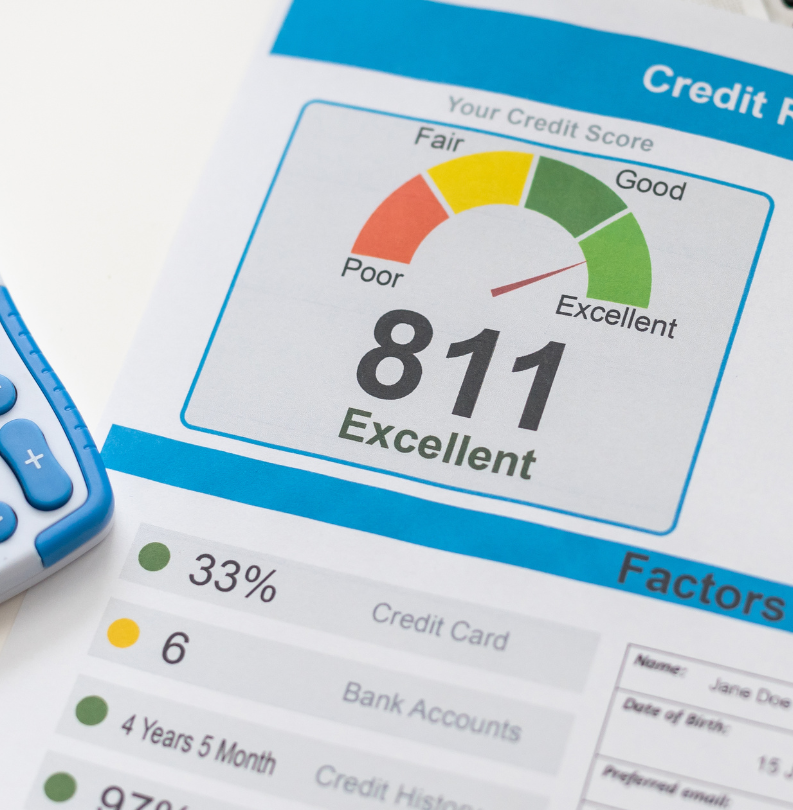
8. KEEP YOUR CREDIT IN GOOD STANDING

Maintaining a good credit score is crucial, even when you’re working to pay off debt. In the event of a financial emergency, having access to credit can provide a temporary solution without resorting to high-interest loans.

Action Step:
Regularly check your credit report for errors and keep credit card balances low. Make all payments on time, even if it’s just the minimum amount.

9. EMBRACE THE POWER OF NEGOTIATION

Unexpected expenses can often be negotiated or spread out. Medical bills, for instance, are notorious for being negotiable. Don’t hesitate to ask for a payment plan, a reduction in interest rates, or even a discount.

Action Step:
If faced with a large, unexpected bill, contact the service provider and enquire about payment options, discounts, or financial assistance programs.

10. FOSTER A RESILIENT MINDSET

Building financial resilience isn’t just about money—it’s also about mindset. Understand that setbacks are a part of life, and maintaining a positive outlook will help you navigate them more effectively.

Action Step:
Practice stress-management techniques such as mindfulness, meditation, or journaling. Develop a routine that helps you stay focused and calm during financial challenges.

11. BUILD A SUPPORT NETWORK

Having a support network of friends, family, or a financial advisor can provide emotional and practical support during challenging times. Surround yourself with people who understand your goals and can offer advice or encouragement.

Action Step:
Identify three people who can be part of your financial support network. Share your goals with them and ask for their support in staying accountable. 

12. PLAN FOR FUTURE SETBACKS

While it’s impossible to predict every setback, planning for potential scenarios can make them less overwhelming. Think about what could go wrong in your financial journey and devise strategies to deal with them.

Action Step:
Conduct a “financial fire drill.” Write down potential setbacks (e.g., job loss, major car repair) and create a response plan for each scenario.

13. REGULARLY REVIEW AND ADJUST YOUR FINANCIAL PLAN

Your financial situation and priorities can change over time. Regularly reviewing and adjusting your debt repayment plan ensures you stay on track and adapt to new circumstances.

Action Step:
Set a reminder to review your financial plan every quarter. Adjust your budget, debt repayment, and savings strategies based on your current situation.

CONCLUSION

Setbacks are inevitable on the path to becoming debt-free, but with the right preparation, they don’t have to derail your progress. By building financial resilience through strategic planning, conscious spending, and a positive mindset, you can bounce back stronger from any challenge. Remember, becoming debt-free is not a sprint; it’s a marathon. Stay focused, stay prepared, and keep moving forward. 

Take Control of Your Finances Today!

Are you tired of living paycheck to paycheck? Do you want to make smarter financial decisions but don’t know where to start? This monthly financial coaching program is designed to help you take control of your finances and achieve your financial goals.

As your financial coach, Karen will teach you how to build financial muscle, so that you have money working to your advantage and not to your bank or financial institution’s benefit. Click here to enrol!

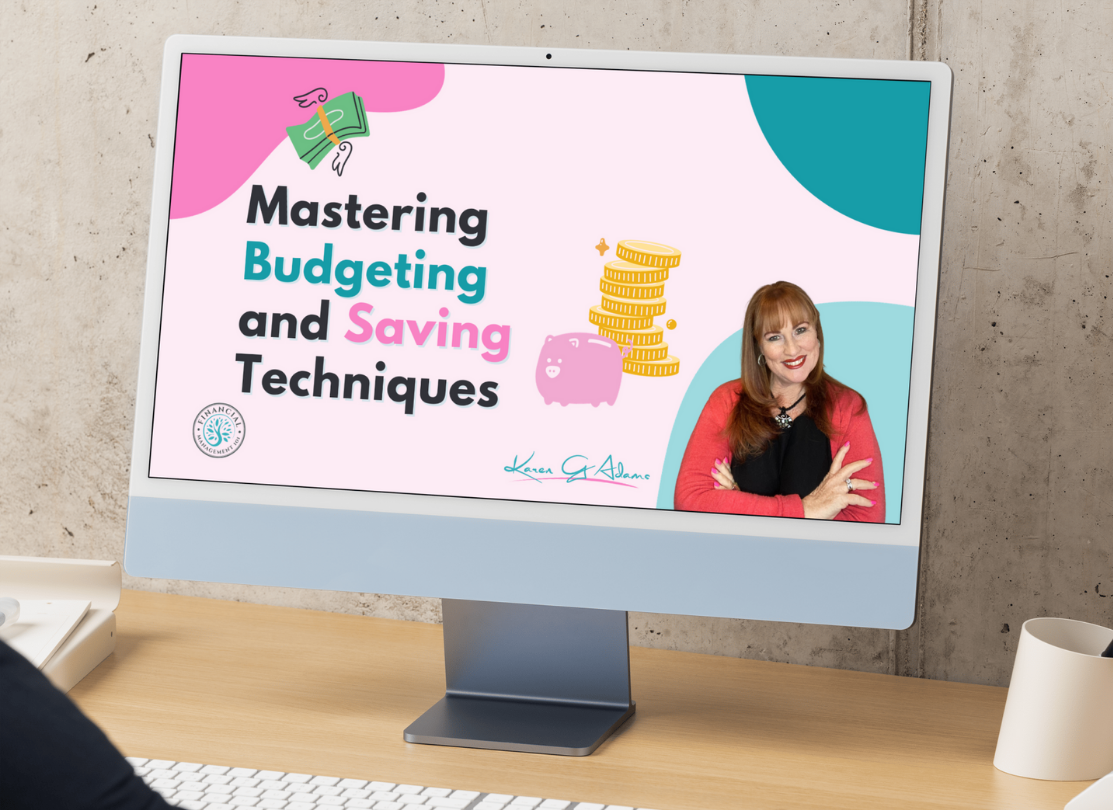
Mastering Budget and Saving Techniques

Are you ready to take control of your finances and start your debt-free journey?

In this empowering 30-day course, we’ll guide you through actionable steps to help you break free from debt and achieve financial stability.