
How to Stay Motivated When You Feel Trapped in Debt

How to Stay Motivated When You Feel Trapped in Debt

Debt is like a bad haircut – it feels like everyone notices, and it seems to last forever. But fear not, for even bad hair grows out, and so can your debt! When you feel trapped under a mountain of debt, staying motivated can be a challenge. But with the right strategies, you can keep pushing forward and eventually conquer your financial obstacles.

Understanding the Debt Trap

Debt can feel overwhelming, especially when it seems like there’s no end in sight. High interest rates, minimum payments, and everyday expenses can create a cycle that’s hard to break. The key is to remember that every step you take towards paying off debt, no matter how small, brings you closer to financial freedom.

STEP 1. VISUALISE FREEDOM

Visualisation is a powerful tool for staying motivated. By clearly seeing your goal, you can maintain focus and drive, even when the going gets tough.

Action Steps:

  1. Create a Vision Board: Find images and quotes that represent your debt-free future. This could include pictures of a dream vacation, a new home, or simply a big “zero” to represent being debt-free. Place your vision board somewhere you’ll see it daily.
  2. Daily Visualisation: Spend a few minutes each day imagining your life without debt. Visualise the relief, the freedom, and the possibilities that come with being debt-free.

Visualising your goal helps you stay focused on the end result and keeps your motivation high.
By clearly seeing your goal, you can maintain focus and drive, even when the going gets tough.<br />

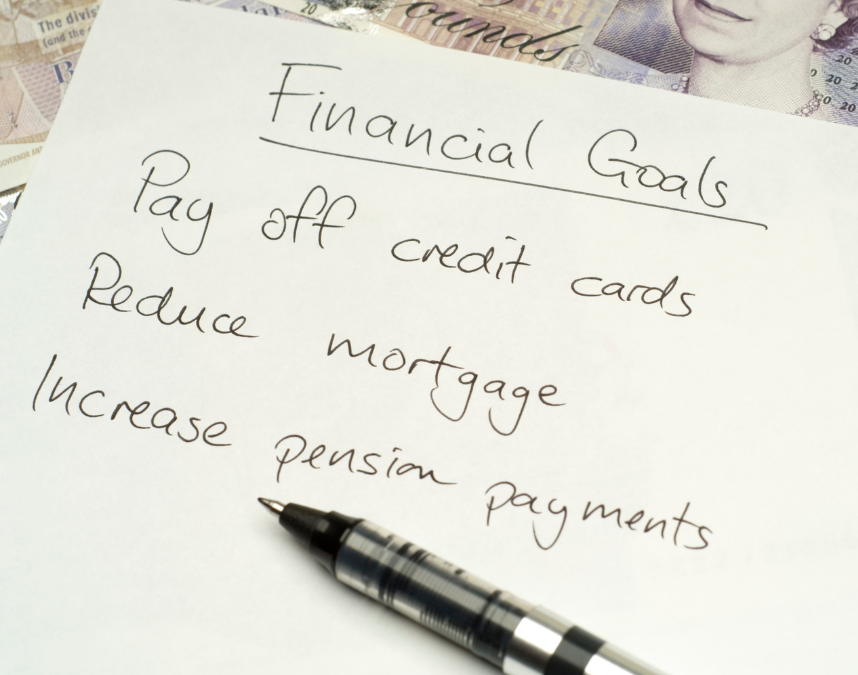
What are your goals?

By clearly seeing your goal, you can maintain focus and drive, even when the going gets tough.

STEP 2: BREAK DOWN YOUR DEBTS

When you look at your total debt amount, it can seem insurmountable. Breaking it down into smaller, more manageable chunks can make it feel more achievable.

Action Steps:

  1. List Your Debts: Write down all your debts, including the amounts, interest rates, and minimum payments. This gives you a clear picture of what you’re dealing with.
  2. Set Milestones: Break your total debt down into smaller goals. For example, focus on paying off $500 or $1,000 at a time. Each milestone you reach is a victory that keeps you motivated.

By breaking down your debt, you create a series of achievable goals that make the overall task less daunting.

STEP 3: CELEBRATE SMALL WINS

Celebrating your progress is crucial for maintaining motivation. Each small win brings you closer to your ultimate goal and deserves recognition.

Action Steps:

  1. Acknowledge Every Victory: Paid off a credit card? Reduced your total debt by 10%? Celebrate these achievements! Reward yourself with something small and enjoyable, like a favorite meal or a day off to relax.
  2. Create a Rewards System: Set up a system where you reward yourself for reaching specific milestones. For example, treat yourself to a movie night after paying off your smallest debt, or plan a weekend getaway after paying off a larger chunk.

Celebrating small wins keeps you motivated and makes the journey to becoming debt-free more enjoyable.

STEP 4: FIND A DEBT-BUSTING BUDDY

Going through the debt repayment process alone can be isolating. Finding a friend or family member who is also working towards financial freedom can provide support and motivation. Even joining my monthly coaching sessions, can help and provide you the accountability you may need.

Action Steps:

  1. Share Your Goals: Talk to your debt-busting buddy about your goals and progress. Share tips, strategies, and encouragement with each other.
  2. Accountability Check-ins: Schedule regular check-ins with your buddy to discuss your progress and any challenges you’re facing. Knowing that someone else is rooting for you can be incredibly motivating.

Having a support system makes the debt repayment process less lonely and more motivating.

STEP 5: FOCUS ON PROGRESS, NOT PERFECTION

It’s easy to get discouraged by setbacks or slow progress. Instead of aiming for perfection, focus on the progress you’re making.

Action Steps:

  1. Track Your Progress: Use a spreadsheet, app, or journal to track your debt repayment journey. Celebrate the progress you’ve made, no matter how small.
  2. Learn from Setbacks: If you have a setback, don’t beat yourself up. Analyse what went wrong, learn from it, and get back on track. Remember, progress is more important than perfection.

By focusing on progress, you can stay motivated and avoid getting discouraged by minor setbacks.

Reward Your Progress

STEP 6: REWARD YOUR PROGRESS

In addition to celebrating small wins, it’s important to reward your overall progress in non-monetary ways. This keeps you motivated without derailing your financial goals.

Action Steps:

  1. Plan Free or Low-cost Rewards: Treat yourself to activities that don’t cost much, like a hike, a movie night at home, or a day trip to a nearby park.
  2. Non-monetary Rewards: Focus on rewards that don’t involve spending money, such as taking a day off to relax, indulging in a favorite hobby, or spending time with loved ones.

Rewarding your progress helps you stay motivated and reinforces the positive steps you’re taking towards becoming debt-free.

STEP 7: EDUCATE YOURSELF

Knowledge is power, especially when it comes to managing debt. Educating yourself about personal finance can boost your confidence and motivation.

Action Steps:

  1. Read Books and Articles: Find books, blogs, and articles about personal finance and debt repayment. Learning from experts can provide new strategies and inspiration.
  2. Listen to Podcasts: There are many personal finance podcasts that offer tips, success stories, and motivation. Listen to them during your commute or while doing chores to stay inspired.

Educating yourself empowers you to make informed decisions and stay motivated on your debt repayment journey.

STEP 8: CREATE A DEBT REPAYMENT PLAN

Having a clear plan is essential for staying motivated and on track. A detailed plan helps you see the light at the end of the tunnel and keeps you focused on your goals.

Action Steps:

  1. Choose a Repayment Strategy: Decide on a repayment strategy that works for you, such as the debt avalanche or debt snowball method. Stick to it and track your progress.
  2. Set a Timeline: Establish a realistic timeline for paying off your debts. Having a clear end date can provide a sense of urgency and motivation.

A well-structured plan provides direction and keeps you focused on your debt repayment goals.

STEP 9: MAINTAIN A POSITIVE MINDSET

A positive mindset is crucial for staying motivated. Remind yourself that debt repayment is a journey, and every step you take brings you closer to your goal.

Action Steps:

  1. Practice Gratitude: Focus on the positive aspects of your life and your progress. Write down things you’re grateful for and reflect on them regularly.
  2. Stay Positive: Surround yourself with positive influences, whether it’s friends, family, or online communities. Avoid negativity and focus on the progress you’re making.

Maintaining a positive mindset helps you stay motivated and resilient throughout your debt repayment journey.

STEP 10: SEEK PROFESSIONAL HELP

If you’re struggling to stay motivated or manage your debt, consider seeking professional help. Financial advisors or credit counsellors can provide guidance and support.

Action Steps:

  1. Find a Credit Counselor: Look for reputable credit counseling agencies that can help you create a debt repayment plan and provide support.
  2. Consult a Financial Advisor: A financial advisor can offer personalised advice and strategies for managing your debt and building a strong financial future.

Professional help can provide the guidance and support you need to stay motivated and successfully manage your debt.

Conclusion

Staying motivated when you feel trapped in debt can be challenging, but it’s not impossible. By visualizing your goals, breaking down your debt, celebrating small wins, finding a debt-busting buddy, focusing on progress, rewarding yourself, educating yourself, creating a repayment plan, maintaining a positive mindset, and seeking professional help, you can stay motivated and make significant progress towards becoming debt-free. Remember, every small step you take brings you closer to financial freedom. Stay focused, stay positive, and keep pushing forward – you’ve got this!

Learn the fundamental concepts of how budgeting and saving are important to your financial well-being. Registration is now open for the course: Mastering Budget and Saving Techniques. This is a hands-on course with me guiding you on how to budget, track and look at managing your money like a pro.
Mastering Budget and Saving Techniques
Debt Elimination Worksheet

DEBT ELIMINATION WORKSHEET

Are you feeling overwhelmed by debt? Do you want a clear, actionable plan to help you pay off your debts and achieve financial freedom? This Debt Elimination Worksheet is here to guide you every step of the way.


The Importance of a Personalised Budgeting System

The Importance of a Personalised Budgeting System

Whether you’re saving for your first home, planning a big holiday, or just trying to ensure you don’t run out of cash before payday, a budget tailored to your needs can make all the difference.

What is a Personalised Budgeting System?

A personalised budgeting system is a financial plan designed to suit your unique income, expenses, lifestyle, and goals. Unlike generic budgeting methods, which often take a one-size-fits-all approach, a personalised budget takes into account your specific situation. This means it can help you manage your money more effectively and achieve your financial goals more efficiently.

Personalised Budgeting System

Why Is It Important?

1. CONTROL OVER YOUR FINANCES

A personalised budget gives you a clear picture of where your money is going. This control helps you make informed decisions about spending and saving. By knowing exactly how much you have and what you need to cover, you can avoid overspending and reduce financial stress.

2. TAILORED TO YOUR GOALS

Whether you’re saving for a down payment on a house in Perth, planning a trip across Europe, or building an emergency fund, a personalised budget helps you allocate funds towards your specific goals. This targeted approach means you can make steady progress without feeling deprived.

3. FLEXIBILITY

Life is unpredictable, and a personalised budget can adapt to changes in your circumstances. If you get a pay rise, change jobs, or face unexpected expenses, your budget can be adjusted to reflect your new reality. This flexibility ensures that your financial plan remains relevant and effective no matter what life throws at you.

4. BETTER SPENDING HABITS

By tracking your expenses, a personalised budget can help you identify and eliminate bad spending habits. You might be surprised at how much you spend on takeaway coffees or impulse buys. Recognising these patterns is the first step towards making more mindful choices.

5. PEACE OF MIND

Knowing you have a plan in place can significantly reduce financial anxiety. With a personalised budget, you can prepare for the future with confidence, knowing you have a roadmap to guide you. This peace of mind allows you to enjoy life more fully without constantly worrying about money.

With a personalised budget, you can prepare for the future with confidence.

Learn the fundamental concepts of how budgeting and saving are important to your financial well-being. Registration is now open for the course: Mastering Budget and Saving Techniques. This is a hands-on course with me guiding you on how to budget, track and look at managing your money like a pro.

ENTER THE CODE WORD: BUDGETING2024 to get $100 off this course.

Mastering Budget and Saving Techniques
What are Some Smart Ways to Handle Unexpected Financial Emergencies?

What are Some Smart Ways to Handle Unexpected Financial Emergencies?

Handling unexpected financial emergencies requires a mix of planning, resourcefulness, and informed decision-making. Here are some smart ways to manage such situations:

EMERGENCY FUND

The best strategy is to have an emergency fund. This should ideally cover 3-6 months of living expenses and be easily accessible.

BUDGET ADJUSTMENTS

Review and adjust your budget to cut non-essential expenses. Temporarily reducing discretionary spending can free up funds.

LIQUIDATE NON-ESSENTIAL ITEMS

Consider selling items you don’t need. This could include electronics, jewellery, or other valuables.

Emergency Fund

Emergency funds create a financial buffer that can keep you afloat in a time of need without having to rely on credit cards or high-interest loans.

USE OF CREDIT WISELY

If you have access to credit lines or credit cards, use them wisely. Ensure that you understand the terms and interest rates to avoid worsening your financial situation.

PAYMENT PLANS

Contact creditors or service providers to negotiate payment plans or extensions. Many are willing to work with you during hardships.

INSURANCE CLAIMS

If your emergency is due to events like accidents, natural disasters, or health issues, check if your insurance policies can provide financial relief.

GOVERNMENT ASSISTANCE AND COMMUNITY RESOURCES

Explore if you’re eligible for any government relief programs or community assistance during your crisis.

SIDE JOBS OR FREELANCING

Consider taking on temporary work or freelancing to generate additional income.

FAMILY AND FRIENDS

As a last resort, consider borrowing from family or friends. Be sure to treat it as a formal loan and communicate clearly about repayment terms.

FINANCIAL COUNSELLING

Seek advice from a financial counsellor or advisor. They can offer personalised advice and help you plan for the future.

INVEST IN EDUCATION AND SKILL DEVELOPMENT

In the long term, improving your skills can lead to better job opportunities and higher income, making you more resilient to financial emergencies.

REGULAR FINANCIAL REVIEWS

Regularly review your financial situation to adjust your savings and spending, keeping potential emergencies in mind.

Remember, personal finance is personal. Your priorities and goals will dictate how you manage your spending, so tailor these steps to fit your unique situation.

Invest in Education and Skill Development

Learn the fundamental concepts of how budgeting and saving are important to your financial well-being. Registration is now open for the course: Mastering Budget and Saving Techniques. This is a hands-on course with me guiding you on how to budget, track and look at managing your money like a pro.

ENTER THE CODE WORD: BUDGETING2024 to get $100 off this course.

Mastering Budget and Saving Techniques
How Do I Prioritise My Expenses and Manage My Spending?

How Do I Prioritise My Expenses and Manage My Spending?

Prioritising expenses and effectively managing your spending is critical for your mental health, financial stability, and future growth.

Here’s a step-by-step guide to assist you with this:

TRACK YOUR SPENDING

Before you can prioritise, you need to know where your money is going. Keep a record of all your expenses for a month or two. This can be done using budgeting apps, spreadsheets, or simply a notebook.

CREATE A BUDGET

Based on your tracking, categorise your expenses (like rent, groceries, entertainment, etc.) and allocate a specific amount to each category. Be realistic in your allocations.

Categorise your expenses

IDENTIFY NEEDS VS. WANTS

Separate essential expenses (needs) like rent, utilities, and groceries from non-essential (wants) like dining out, entertainment, etc. Prioritise your needs.

SET FINANCIAL GOALS

Define your short-term (like saving for a holiday) and long-term (like saving for retirement) financial goals. This will help you stay focused and motivated.

SAVE FIRST

Adopt a “pay yourself first” approach. Allocate a portion of your income to savings or investments before you start spending on non-essentials.

REDUCE UNNECESSARY EXPENSES

Look for areas where you can cut back. This might include dining out less, cancelling unused subscriptions, or opting for more affordable entertainment options.

EMERGENCY FUND

Build an emergency fund that can cover at least 3-6 months of living expenses. This should be a priority as it provides a financial cushion.

USE TOOLS AND RESOURCES

Utilise budgeting tools, financial planning apps, or consult with a financial advisor for personalised advice.

REVIEW AND ADJUST REGULARLY

Your budget is not set in stone. Review it regularly and make adjustments as your income, expenses, and financial goals evolve.

AVOID HIGH-INTEREST DEBTS

Try to minimise reliance on credit cards or high-interest loans. If you have existing debt, prioritise paying it off.

EDUCATE YOURSELF

Continuously learn about personal finance. Understanding concepts like compound interest, investment, and credit scores can significantly improve your financial decision-making.

MINDSET AND DISCIPLINE

Cultivating a mindset of financial discipline and delayed gratification is key. This includes resisting impulse purchases and making informed spending decisions.

Continuously learn about personal finance.

Remember, personal finance is personal. Your priorities and goals will dictate how you manage your spending, so tailor these steps to fit your unique situation.

Learn the fundamental concepts of how budgeting and saving are important to your financial well-being. Registration is now open for the course: Mastering Budget and Saving Techniques. This is a hands-on course with me guiding you on how to budget, track and look at managing your money like a pro.

ENTER THE CODE WORD: BUDGETING2024 to get $100 off this course.

Mastering Budget and Saving Techniques

How Can I Improve My Credit Score?

How Can I Improve My Credit Score?

Your credit report and score plays a huge role not only with future borrowing, but sometimes with future employment opportunities, if you’re applying for jobs that look at handling money and finances.

How Can I Improve My Credit Score?

Improving your credit score is an important step towards financial stability and can be achieved through several key practices:

PAY YOUR BILLS ON TIME

Late payments can significantly impact your credit score. Ensure that all your bills, including utilities, credit cards, and loans, are paid on time. Setting up automatic payments can be helpful to avoid missing due dates.

KEEP CREDIT CARD BALANCES LOW

High credit card balances can negatively affect your credit score. Aim to keep your credit utilisation ratio (the amount of credit you use compared to your credit limit) below 30%. Paying down existing balances is crucial to achieving this.

AVOID OPENING TOO MANY NEW ACCOUNTS AT ONCE

Each time you apply for credit, a hard inquiry is made, which can slightly lower your credit score. Opening several new accounts in a short period of time can compound this effect. It’s better to apply for new credit sparingly.

CHECK YOUR CREDIT REPORTS REGULARLY

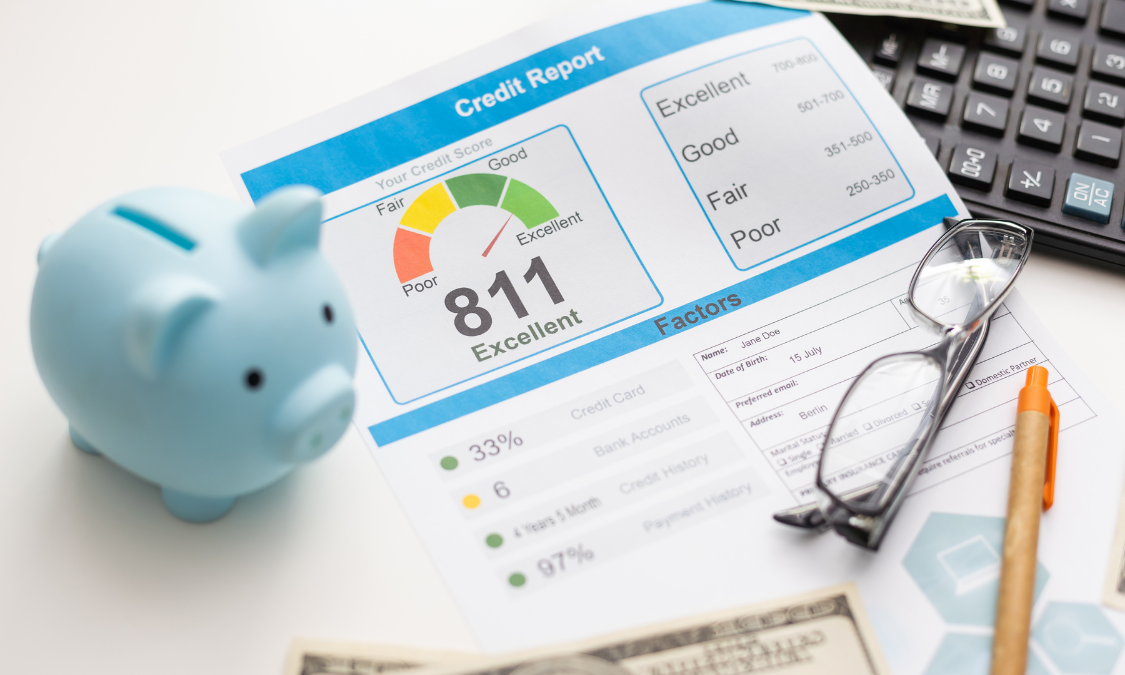
Errors on your credit report can harm your score. Regularly checking your credit reports allows you to spot and dispute any inaccuracies. You are entitled to a free credit report from each of the three major credit bureaus (Equifax, Experian, and TransUnion) every year.

MAINTAIN A MIX OF CREDIT TYPES

If possible, have a mix of different types of credit, such as revolving credit (like credit cards) and installment loans (like auto or student loans). This can positively impact your credit score, but only take on debt that you can manage.

Check Your Credit Reports Regularly

KEEP OLD ACCOUNTS OPEN

The length of your credit history affects your score. Keeping older accounts open, even if you don’t use them, can be beneficial. However, ensure they don’t have high fees.

LIMIT HARD INQUIRIES

When you apply for credit, a hard inquiry is recorded on your credit report, which can lower your score. Be cautious about applying for new credit unless necessary.

NEGOTIATE WITH CREDITORS 

If you’re struggling with debt, try negotiating with creditors. Some may offer solutions, like lower interest rates or payment plans.

SEEK PROFESSIONAL HELP IF NEEDED

If you’re overwhelmed, consider consulting a credit counselor. They can provide personalised advice and help you develop a plan to improve your credit.

Remember, improving your credit score is a gradual process. It requires consistent effort and financial discipline. Avoid quick-fix solutions, as they are often ineffective and can lead to further financial troubles.

Looking to get some knowledge and skills to effectively read, interpret, and manage your credit report? Join the course “Mastering Your Credit Report – A Comprehensive Guide,” FREE for a limited time. HURRY, slots are filling up fast!

Mastering Your Credit Report - A Comprehensive Guide