
Mind Over Money: How to Rewrite Your Financial Story & Build a Breakthrough Mindset

Mind Over Money: How to Rewrite Your Financial Story & Build a Breakthrough Mindset

Let’s start with the truth:

You can have the perfect budget, a great-paying job, even a savings plan, and still feel stuck financially.

Why? Because if your mindset doesn’t change, your money won’t either.

In this blog, we’re going to unpack:

  • The power of mindset in creating real financial change
  • How money stories are formed (and how to rewrite them)
  • Common mindset blocks that keep people stuck
  • Simple tools to build a breakthrough mindset
  • How this fits into your journey toward financial freedom

Let’s dive in!

? What Is a Money Mindset (and Why Should You Care)?

Your money mindset is your core belief system around money. It shapes how you:

  • Spend
  • Save
  • Earn
  • Invest
  • React in financial stress

It’s the voice in your head that says:

  • “I’m just not good with money.”
  • “Money always slips through my fingers.”
  • “I have to work hard to survive.”

Or, on the flip side:

  • “I’m in control of my finances.”
  • “I know how to make money work for me.”
  • “Wealth is available to me.”

The difference? Mindset.

This isn’t wishful thinking, this is neuroscience and behavioural psychology. What you believe impacts how you behave. And how you behave impacts your bank account.

? Where Do These Beliefs Come From?

Most of our money beliefs are formed before age 7.

You may have grown up hearing:

  • “Money doesn’t grow on trees.”
  • “We can’t afford that.”
  • “Rich people are greedy.”

Without realising it, those phrases became part of your internal money script – even if they don’t serve you now.

Other money stories come from:

  • Your parents’ relationship with money
  • Cultural or community influences
  • Early financial trauma (like debt, bankruptcy, poverty)

Good news? You can rewrite the script.

? Common Money Mindset Blocks (And How They Show Up)

If you’ve ever thought:

  • “As soon as I get ahead, something always knocks me back.”
  • “I don’t deserve to be wealthy.”
  • “I feel anxious just opening my banking app,”

…you’re not alone.

Here are 5 of the most common mindset blocks we see:

1. Scarcity Thinking

The belief that there’s never enough (time, money, opportunities). This leads to fear-based decisions and self-sabotage.

2. Imposter Syndrome

Feeling like you’re not smart or “good enough” to manage money well. You might under-earn or avoid taking risks.

3. Fear of Success

It sounds weird, but many fear what will change if they actually become successful.

4. Guilt Around Wealth

Especially common if you grew up in struggle or were taught that money = greed.

5. Money Avoidance

This shows up as procrastination, not checking accounts, or avoiding financial conversations.

Getting Out of Debt Starts in Your Mind

The Power of Rewriting Your Financial Story

Here’s the deal: your current money story isn’t your final chapter.

You can shift from:

  • “I’ll always be in debt” → “I’m learning how to manage and reduce my debt.”
  • “I’m terrible with money” → “I’m becoming more financially confident every day.”

Just like you wouldn’t expect physical results without working out, you can’t expect financial change without working on your mindset.

? Simple Tools to Strengthen Your Money Mindset

1. Awareness is Power

Start by journaling or reflecting on your early money memories. What did you hear, see, or feel growing up?

2. Affirmations That Stick

Affirmations are powerful when they’re practiced consistently. Try these:

  • “I am safe and in control of my finances.”
  • “Every dollar I spend and save has purpose.”
  • “I deserve financial abundance.”

3. Surround Yourself With Growth

Follow financial educators, podcasts, and communities that reinforce positive beliefs about money.

4. Set Micro-Goals

Progress builds confidence. Start with tiny, achievable wins – like tracking your expenses or saving $10/week.

5. Visualise the Outcome

Spend 2 minutes a day visualising what your financially free life looks like. Your brain responds powerfully to visualisation.

6. Join a Supportive Program

A structured environment with accountability and coaching helps speed up your mindset shift.

That’s exactly what we provide in the Financial Freedom Breakthrough Program, launching this September.

? The Role of Mindset in the Financial Freedom Diagram

Let’s circle back to the diagram from Financial Management 101.

If you’re stuck at the bottom (overwhelmed, struggling, surviving), it’s not just a numbers issue.

It’s a belief issue.

Mindset is the foundation that supports every other level:

  • Budgeting
  • Saving
  • Debt reduction
  • Credit health
  • Wealth building
  • Estate planning

With the right mindset, these tools feel doable. Without it, even the best strategy will collapse.

? Real Talk: You Are NOT Broken

Maybe you’ve made mistakes. Maybe you’ve felt stuck for years. Maybe you’re scared to even start.

That doesn’t make you broken – it makes you human.

Your past doesn’t define you. Your future is still yours to shape.

And the first step? Believing you can.

Working on your money mindset while paying off debt is so important.

? Ready to Rewrite Your Story?

Here’s how to begin:

  1. Download our Free Money Mindset Workbook (coming soon)
  2. Join the waitlist for the Financial Freedom Breakthrough Program
  3. Share this post with someone who needs to hear it today

    ? Final Thoughts

    Money mindset isn’t fluff, it’s the fuel behind every breakthrough.

    If you want a different result, you need a different belief.

    You’re not meant to just survive. You’re meant to thrive.

    Let’s start believing in that version of you, and take action to bring it to life.

    Your Financial Freedom Breakthrough™
    Debt Freedom: 3 Simple Shifts That Accelerate Your Payoff Plan (Without Losing Your Mind!)

    Debt Freedom: 3 Simple Shifts That Accelerate Your Payoff Plan (Without Losing Your Mind!)

    Let’s get honest for a second. Debt… it’s a heavy word, right? For many of us, just hearing it triggers:

    • A knot in the stomach.
    • A wave of shame or regret.
    • That overwhelming thought: “Will I ever get out of this?”

    If this sounds familiar, take a deep breath – you are not alone. Whether it’s credit cards, student loans, car payments, or that lingering medical bill, debt can feel like a mountain that just keeps growing. But here’s the truth most people won’t tell you:

    Debt freedom isn’t just about paying more toward your balances – it’s about shifting the way you think, act, and plan with your money.

    Today, I’m going to walk you through:

    • Why traditional debt payoff advice often backfires.
    • The three powerful mindset shifts that can accelerate your debt payoff (without sucking all the joy out of your life).
    • How your credit score, saving, and debt freedom are more connected than you think.
    • Simple steps you can take right now to start feeling empowered and in control.

    And yes, we’ll keep it light, fun, and inspiring, because you deserve to feel good about your money journey, even while tackling debt.

    ? The Problem with Traditional Debt Advice (Why It Doesn’t Work for Most People)

    Let’s start here. If you’ve ever Googled “how to pay off debt fast,” you’ve probably seen some version of this advice:

    • “Cut out all unnecessary spending.”
    • “Stop eating out.”
    • “Work a second (or third) job.”
    • “Sell everything you own.”

    And sure… some of these tips can help in extreme situations. But for most people, this kind of advice:

    • Feels impossible to stick with long-term.
    • Creates a cycle of guilt and burnout.
    • Ignores the emotional and psychological side of debt.

    Here’s the truth:

    Debt isn’t just a numbers problem, it’s a behavior and mindset problem, too. Yes, we need to talk about strategy, but if we skip the emotional side of debt, we’ll never create lasting results.

    Getting Out of Debt Starts in Your Mind

    Why Getting Out of Debt Starts in Your Mind (Not Just Your Wallet)

    Debt can feel like quicksand, but it’s often not just about the math. It’s about:

    • The stories you tell yourself about money.
    • The shame or guilt you carry from past mistakes.
    • The anxiety that makes you want to avoid looking at your accounts.

    Think about it:

    • How many times have you avoided checking your credit card balance?
    • How often do you think, “I’ll deal with this later,” when it comes to debt?
    • How many times have you paid off a balance, only to end up back in debt again later?

    This isn’t about being “bad” with money – it’s about being human.

    We live in a world that encourages overspending, instant gratification, and comparison. Debt happens. But freedom from it? That happens when you combine practical steps with internal shifts.

    ? The 3 Simple Shifts That Can Speed Up Your Debt Freedom Journey

    Let’s dive into the real magic. Here are the three powerful mindset shifts that can help you:

    • Pay off debt faster.
    • Stop the cycle of yo-yo debt.
    • Build financial confidence along the way.

    Shift #1: From Shame to Ownership

    Here’s the thing about debt: It thrives in secrecy.

    The more we hide from it, the more it grows, and the worse we feel. Shame sounds like:

    • “I should have known better.”
    • “I’m terrible with money.”
    • “I’ll never get ahead.”

    But here’s the truth:

    • Debt doesn’t define you.
    • Your past mistakes don’t determine your future.
    • You can learn new skills and create different results.

    The first step toward debt freedom isn’t cutting expenses, it’s cutting the shame.

    Action Step:

    • Write down your total debt, every dollar, every balance.
    • Look at it with neutrality – this is data, not a character flaw.

    Say this out loud:

    “This is where I am right now. It’s not permanent. I have the power to change it.” This simple shift from shame to ownership changes everything.

    Shift #2: From Scarcity to Empowered Planning

    Many people approach debt payoff from a place of fear:

    “I need to get rid of this ASAP or else!”

    “I have to sacrifice everything until I’m debt-free.”

    But here’s the problem:

    • Extreme approaches rarely last.
    • Scarcity leads to burnout and yo-yo spending.

    Instead, approach debt payoff from a place of empowerment: “I am intentionally choosing where my money goes each month.”

    This means:

    • Making a realistic debt payoff plan that fits your actual life.
    • Balancing progress with joy, you don’t have to cut everything you love.
    • Prioritising consistency over speed.

    Action Step: Choose a debt payoff method that feels good to you:

    • Debt Snowball: Pay off the smallest balance first for quick wins.
    • Debt Avalanche: Pay off the highest-interest debt first to save money long-term.

    Create a monthly payment plan that includes money for fun and savings. This way, you’ll stay motivated—and avoid slipping back into debt later.

    Create a monthly payment plan that includes money for fun and savings.

    Shift #3: From Avoidance to Proactive Credit Care

    Ah, credit scores, the mysterious numbers that somehow rule our financial lives. Many people either obsess over their credit or completely avoid it. But here’s the truth:

    • Your credit score isn’t your enemy, it’s just a tool.
    • You don’t need to obsess over it daily, but ignoring it won’t help either.

    Proactive credit care means:

    • Checking your credit report at least once a year (you can do this for free!).
    • Disputing any errors that could be dragging your score down.
    • Making consistent, on-time payments to build positive credit history.
    • Keeping credit utilization low (aim for under 30% of your limits).

    Action Step:

    • Go to equifax.com.au and pull your free credit report.
    • Check for errors or suspicious activity.
    • Set up automatic payments for at least the minimum on all debts to protect your score.

    When you face your credit head-on, it becomes a tool, not a threat.

    ? Debt Freedom & Saving: The Power Duo

    Here’s something most debt advice misses: Paying off debt without saving at the same time can backfire. Why? Because if you throw every dollar at debt but don’t have any savings, guess what happens the next time life throws a curveball? Yep – you end up right back in debt.

    Even while you’re paying off debt, it’s essential to:

    • Build a starter emergency fund (even just $500 to $1,000).
    • Save a little every month, even if it’s $10 or $25.

    This small cushion keeps you from relying on credit when unexpected expenses pop up, and they will.

    Action Step:

    • Open a separate savings account (nicknamed “Safety Net” if you like!).
    • Set up automatic transfers – even small ones.
    • Celebrate every deposit, no matter how small.

    This helps break the cycle of debt for good.

    ? Why Debt Freedom Is More Emotional Than You Think

    Here’s something I see all the time in my coaching work: People think paying off debt will automatically make them feel better.

    But here’s the secret:

    • Debt freedom feels amazing, but it also brings up unexpected emotions.
    • Many people feel a strange sense of loss when they finish paying off debt.
    • Others struggle with identity shifts – “Who am I without debt?”
    • And some even self-sabotage and fall back into debt again.

    This is why working on your money mindset while paying off debt is so important. It’s not just about the numbers, it’s about your emotional relationship with money, freedom, and self-worth.

    Working on your money mindset while paying off debt is so important.

    ? Your Debt-Free Future Starts with One Step (But It’s Not What You Think)

    If you’re feeling overwhelmed by your debt right now, here’s what I want you to know:

    You don’t need to:

    • Have a perfect plan.
    • Pay it all off overnight.
    • Deprive yourself to succeed.

    You just need to:

    • Get clear on your numbers.
    • Shift your mindset from shame to empowerment.
    • Take consistent, small actions.

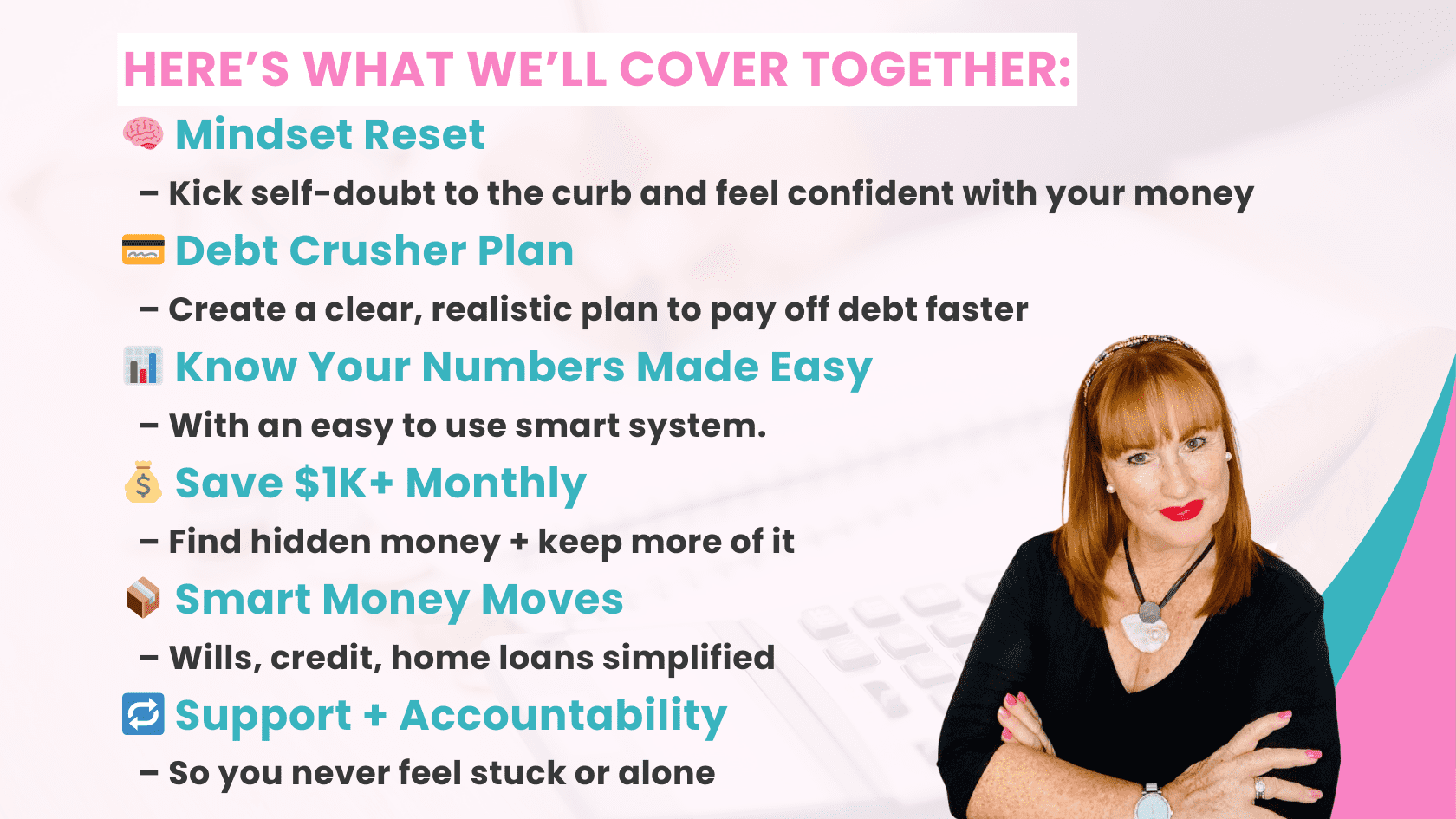
    And yes – this is exactly why inside my Your Financial Freedom Breakthrough™ – 90 Day Money Makeover program, we don’t just talk about debt payoff tactics. We go deep into:

    • Money mindset shifts that last.
    • Customised debt payoff strategies that work for your real life.
    • Credit confidence – so you’re empowered, not intimidated.
    • Saving alongside debt payoff to build true financial stability.

    It’s about creating a debt-free life you love – not one that feels like a punishment. 

    ? Ready to Take Action? (Mini Challenge!)

    Let’s finish this post with a quick action step to help you get started today.

    Debt Freedom Mini Challenge:

    1. Write down your current total debt balance – no judgment, just facts.
    2. Choose your preferred payoff method: Snowball (smallest balance first) or Avalanche (highest interest first).
    3. Set a realistic target date for your first major milestone – paying off ONE account.
    4. Automate your minimum payments, plus an extra small amount toward your top-priority debt.
    5. Start a tiny emergency fund – even just $10 this week – to protect your progress.

    Take one step at a time, and watch the momentum build.

    ? Final Thoughts: You’re Closer to Debt Freedom Than You Think

    Here’s what I want you to walk away with today: Debt freedom isn’t about punishment – it’s about empowerment. You don’t have to wait to feel good about your money – you can start now, even while in debt. Small, consistent shifts – both practical and emotional – are what create lasting change.

    And if you’re ready to take this work deeper – so you can finally break free from debt, grow your savings, and feel peaceful with your money? Your Financial Freedom Breakthrough™ – 90 Day Money Makeover program opens on September 10th. Inside, we’ll tackle:

    • Debt payoff (without shame or extreme restrictions).
    • Credit confidence (in plain English!).
    • Sustainable saving habits.
    • And the deep money mindset work that makes all the difference.

    This isn’t just another debt payoff plan, it’s a total transformation for your financial life. Get ready, friend – your next chapter starts soon.

    Your Financial Freedom Breakthrough™
    Your Financial Freedom Breakthrough™ - Scope
    EOFY is Over – Now What? How to Make the Most of Your Fresh Start

    EOFY is Over – Now What? How to Make the Most of Your Fresh Start

    The receipts are in, the spreadsheets are done, and you’ve (hopefully) high-fived your tax agent. The end of financial year (EOFY) is behind us – but what now?

    For many Australians, EOFY feels like the finish line. But what if I told you it’s actually the starting line for something bigger: your financial transformation?

    This fresh start isn’t just about filing taxes. It’s about taking back control, getting intentional, and building the kind of financial life that makes you feel calm, confident, and in charge.

    Here’s exactly how to use the post-EOFY energy to fuel your financial success in the new year.

    1. Reflect, Don’t Regret: Review Your Financial Year With Curiosity

    Before you launch into new goals, pause to reflect. What worked last year? What didn’t? Where did your money actually go?

    This isn’t about blame or shame. It’s about building awareness. If you don’t know your patterns, how can you shift them?

    Look at:

    • Income vs. spending: Were you living within your means?
    • Savings progress: Did you build or drain your emergency fund?
    • Debt: Did it grow, shrink, or stay the same?
    • Investments: Did you start, stop, or ignore them?

    Pro tip: Ask yourself: “What would I love to feel differently about my money this year?”

    2. Reset Your Financial Goals (Make Them Feel Exciting!)

    Generic goals like “save more money” or “spend less” don’t motivate anyone. Your goals should feel like a reward, not a punishment.

    Examples:

    • Old: Save $5,000
    • New: Save $5,000 to take the family on a Bali holiday

    Or:

    • Old: Pay off credit card
    • New: Clear my credit card so I can sleep better at night and finally stop stressing over bills

    The more emotionally connected you are to the why, the easier it is to stay focused.

    Try this:

    • Choose 1 short-term goal (within 6 months)
    • Choose 1 long-term goal (6+ months to 3 years)
    • Attach a reason and an emotion to each

    Reset Your Financial Goals

    3. Do a Budget Reset That Reflects the Life You Want

    Forget rigid old-school budgets. Let’s talk about a spending plan that reflects your values.
    Where do you want your money to go? Think beyond bills. Think joy, freedom, peace of mind. Start by:

    • Reviewing subscriptions: Are you using them all?
    • Updating your cost of living: Groceries, fuel, and utilities have changed – so should your plan
    • Adjusting categories: Maybe you’re spending more on wellness, less on takeaway

    Bonus idea: Create a “Fun Fund” for guilt-free spending on the things you love. Yes, really.

    4. Revisit (or Create) Your Emergency Fund

    This year has already shown us how unpredictable life can be. Having a financial buffer can be the difference between stress and peace of mind.

    Even $1,000 can give you breathing room. Ideally, aim for 3 months of expenses, but start small and build momentum.

    Hot tip: Keep your emergency fund in a high-interest savings account you don’t touch unless it’s a genuine emergency.

    5. Re-assess Your Super and Insurance

    Post-EOFY is the perfect time to check in on the financial foundations you often forget about.

    • Superannuation: Are your contributions on track? Is your fund performing? Are fees eating into your future?
    • Personal insurance: Are you covered for income protection, life, or trauma? Is it still aligned with your needs?

    Even a quick 20-minute review can help you spot easy wins or avoid future issues. Need help? A financial coach (like me) or adviser can guide you through these choices in plain English.

    Superannuation

    6. Start a New Habit (Small, Consistent Wins Add Up)

    Want to save more, spend better, or build wealth? It starts with habits. Pick one new habit that supports your bigger goal. For example:

    • Transfer $50 to savings every payday
    • Spend 5 minutes a week reviewing your money
    • Read or listen to one money podcast per month
    • Tiny habits build massive momentum.

    Try this: Schedule a 15-minute “money date” with yourself every week. Make it fun: coffee, music, candle, whatever makes it feel less like a chore.

    7. Get Support: Don’t go it alone!

    If the last financial year felt overwhelming, you don’t have to repeat that story.

    Whether it’s talking to a financial coach (yep, that’s me!), joining a money challenge, or signing up for a workshop, getting support can fast-track your progress and boost your confidence.

    You’re not behind. You’re not bad with money. You just haven’t had the right tools or team yet.

    EOFY is Done. Your Financial Comeback Starts Now.

    This new financial year is more than a date change, it’s an opportunity. You can choose to:

    • Set goals that actually excite you
    • Build a money plan that fits your real life
    • Create calm, clarity, and confidence in your finances

    Ready to stop winging it and start winning it? Book your free discovery session today and let’s create a plan you can stick to, without the stress.

    Your fresh start is waiting. Let’s make it count.

    You survived EOFY. Now let’s help your money thrive.

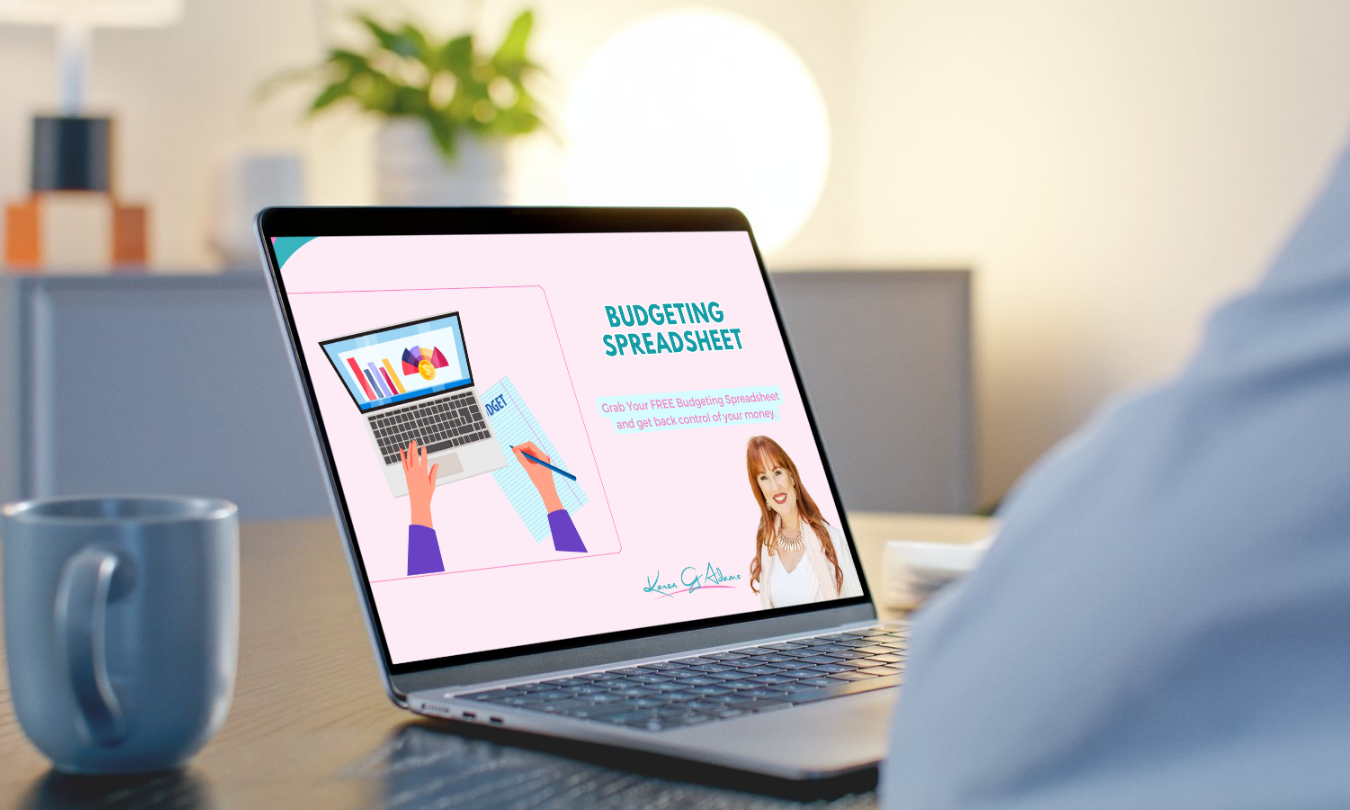
    Free Budgeting Spreadsheet
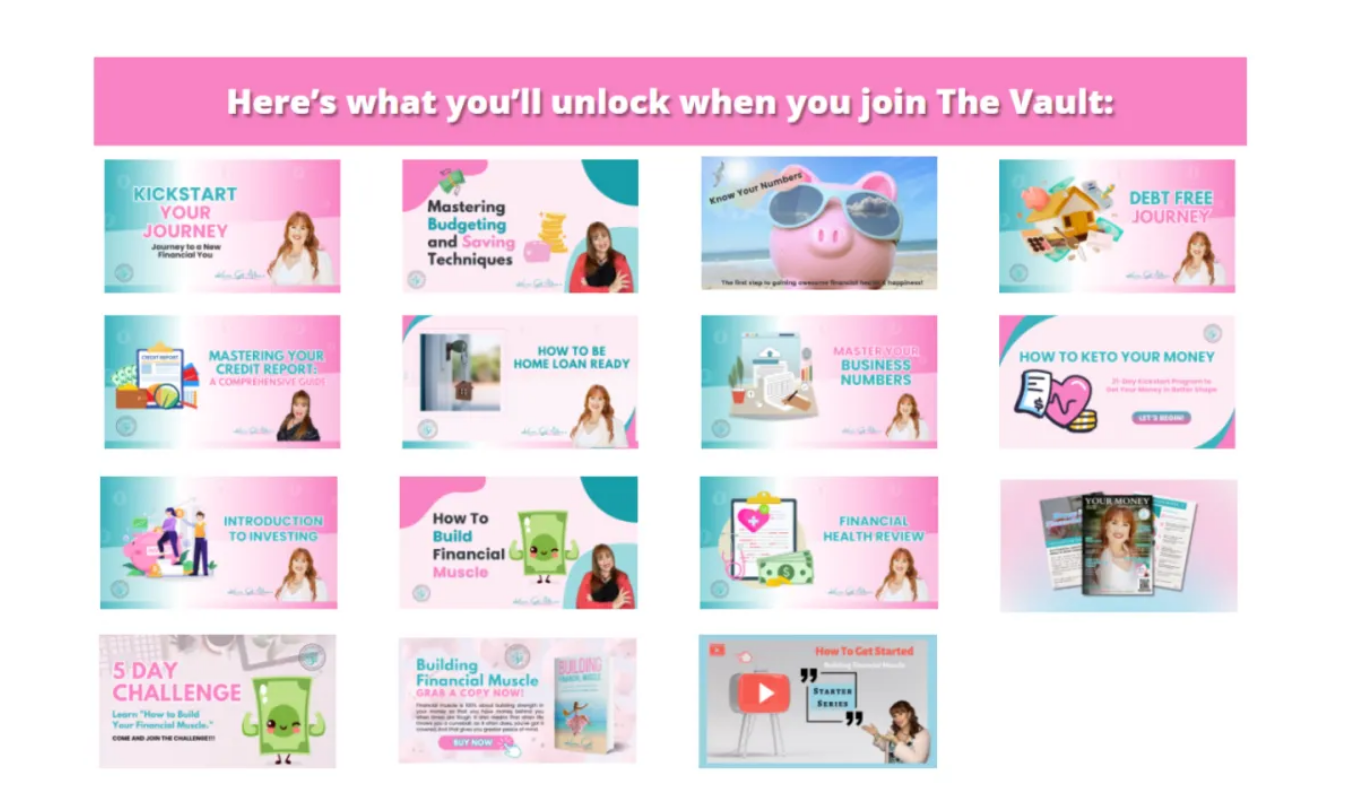
    The Vault
    The Financial Confidence Formula: How to Trust Yourself with Money Again

    The Financial Confidence Formula: How to Trust Yourself with Money Again

    We’ve all had those moments standing at the checkout, second-guessing a purchase, or staring at a bank statement, feeling a wave of regret. Maybe you’ve told yourself, “I’m just bad with money,” or, “I can’t trust myself to make good financial decisions.” If this sounds familiar, you’re not alone. But here’s the truth: you are not inherently bad with money. You just need to rebuild your financial confidence.

    Financial confidence isn’t about knowing every investment strategy or becoming a budgeting master overnight. It’s about trusting yourself to make empowered, intentional choices with your money without fear, guilt, or self-doubt.

    So how do you start trusting yourself with money again? Let’s dive into the formula that can help you regain control and move forward with confidence.

    STEP 1: Reframe Your Money Story

    The beliefs you have about money shape how you handle it. If you’ve experienced financial struggles in the past, it’s easy to assume that you’ll always struggle. But that’s not true you are constantly evolving, and your financial reality can evolve with you.

    Take a moment to reflect: What are the money stories you’ve been telling yourself? Do you believe money is hard to earn? Do you think you’re destined to be in debt? Once you identify these limiting beliefs, challenge them. Instead of saying, “I’m terrible with money,” try, “I am learning to manage my money with confidence.” Words matter, and so does your mindset.

    What are the money stories you’ve been telling yourself? Do you believe money is hard to earn?

    STEP 2: Small Wins Lead to Big Confidence

    Trust isn’t built overnight it’s created through consistent actions. If you’ve been avoiding your finances out of fear, start small. Set up a weekly “money date” with yourself to review your finances, even if it’s just for 15 minutes. Celebrate the small victories, like paying a bill on time or choosing to cook at home instead of eating out. These small wins add up, reinforcing the belief that you are capable of managing your money wisely.

    STEP 3: Shift from Fear to Curiosity

    Many people feel anxious when they look at their bank account, but what if you approached your finances with curiosity instead of fear? Instead of saying, “I don’t even want to look at my balance,” try asking yourself, “I wonder what I can learn from my spending habits this month?” By shifting your mindset, you turn financial management into a tool for empowerment rather than a source of stress.

    Align Your Spending with Your Values<br />

    STEP 4: Align Your Spending with Your Values

    One of the fastest ways to feel good about your money is to ensure your spending reflects what truly matters to you. If financial guilt is a recurring theme, it may be because you’re spending in ways that don’t align with your priorities.

    Ask yourself: What do I value most in life? If it’s family, are you investing in quality time with loved ones? If it’s health, are you prioritising your well-being over impulse purchases? When your spending aligns with your values, financial confidence follows naturally.

    STEP 5: Give Yourself Permission to Learn

    No one is born knowing how to manage money perfectly. Mistakes will happen, but they don’t define you. What matters is how you respond. Instead of beating yourself up over a financial misstep, treat it as a learning experience.

    Ask: “What can I do differently next time?” This shift in perspective turns every challenge into an opportunity for growth, reinforcing your ability to trust yourself.

    STEP 5: Give Yourself Permission to Learn

    Confidence grows in the right environment. If you’ve been struggling alone, it may be time to seek out support whether that’s a financial coach, a community of like-minded individuals, or access to the right financial education.

    That’s why I created my Monthly Coaching program, giving you access to The Vault a treasure trove of financial resources, courses, and guidance to help you build the skills and mindset necessary for long-term success. And if you’re ready to take full control of your finances, my Master Your Money program will guide you through everything you need to know to transform your financial future.

    Master Your Money Program

    Final Thoughts

    Rebuilding financial confidence isn’t about perfection it’s about progress. Every positive step you take strengthens your trust in yourself. You are fully capable of making empowered financial choices, and your journey starts today.

    Take the first step, celebrate your wins, and remember: you are not alone in this. With the right mindset, tools, and support, you can rewrite your financial story and step into a future filled with confidence and abundance.

    Are you ready to take control? Let’s do this together!

    The 90 Day Money Makeover