
Understanding How Money Works

Understanding How Money Works

Remember when we thought adults knew everything about money? Joke’s on us! But it’s never too late to learn. Here’s your crash course in Money 101.

Why Understanding Money Matters

Understanding money is essential because it influences every aspect of your life. From buying groceries to planning for retirement, money management skills can mean the difference between financial stability and stress. By learning how money works, you can make informed decisions that lead to a more secure and fulfilling life.

THE BASICS OF BUDGETING

Budgeting is the cornerstone of good money management. It helps you track income and expenses, ensuring you live within your means and save for future goals.

Action Steps:

  1. Track Your Income and Expenses: Write down all sources of income and all your monthly expenses. Use a spreadsheet, a budgeting app, or even a notebook to keep track.
  2. Categorise Your Spending: Divide your expenses into categories like housing, groceries, transportation, entertainment, and savings. This helps you see where your money is going.
  3. Set Budget Limits: Based on your income, set limits for each spending category. Be realistic but disciplined.
  4. Review and Adjust: At the end of each month, review your budget to see if you stayed within your limits. Adjust your budget as needed to better align with your financial goals.

Budgeting helps you control your spending, avoid debt, and save money. It’s the foundation of financial health.

Use Budgeting Apps

Categorise Your Spending

Categorise your expenses to see where your money is going.

THE POWER OF COMPOUND INTEREST

Compound interest is a magical concept that can either work for or against you. Understanding it is crucial for managing both savings and debt.

Action Steps:

  1. Learn the Formula: Compound interest is calculated using the formula A = P(1 + r/n)^(nt), where A is the amount of money accumulated, P is the principal amount, r is the annual interest rate, n is the number of times interest is compounded per year, and t is the time the money is invested for.
  2. Start Early: The earlier you start saving or investing, the more time compound interest has to work its magic. Even small contributions can grow significantly over time.
  3. Pay-off High-Interest Debts: Compound interest can also work against you when it comes to debt. High-interest debt, like credit card debt, can quickly spiral out of control due to compound interest. Focus on paying it off as soon as possible.

By harnessing the power of compound interest, you can grow your savings and investments exponentially over time.

CREDIT SCORES AND THEIR IMPORTANCE

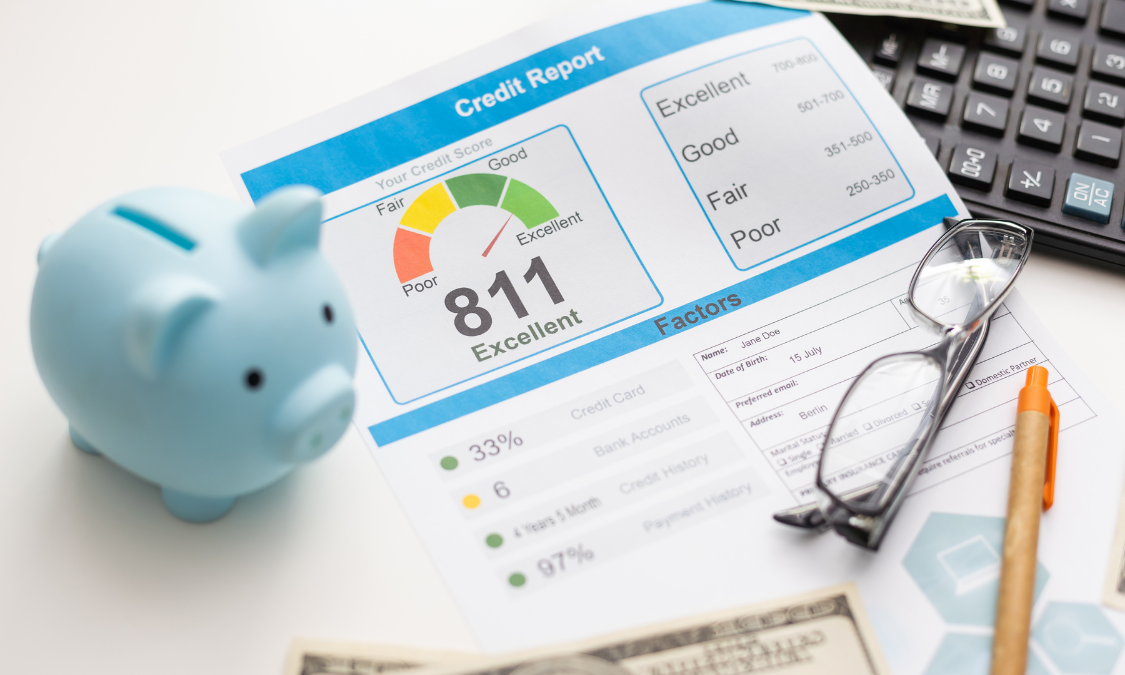
Your credit score is a numerical representation of your creditworthiness. It affects your ability to get loans, credit cards, and even rent an apartment. Maintaining a good credit score is essential for financial stability.

Action Steps:

  1. Understand the Factors: Your credit score is influenced by payment history (35%), amounts owed (30%), length of credit history (15%), new credit (10%), and credit mix (10%).
  2. Pay Bills on Time: Late payments can significantly damage your credit score. Set up automatic payments or reminders to ensure you never miss a due date.
  3. Keep Balances Low: Aim to use less than 30% of your available credit. High credit utilisation can negatively impact your score.
  4. Check Your Credit Report: Regularly review your credit report for errors and discrepancies. You can get a free report annually from each of the three major credit bureaus.

A good credit score opens doors to better loan terms, lower interest rates, and more financial opportunities.

Investing is a powerful way to grow your wealth over time.

The longer your money is invested, the more time it has to grow through compound interest, where your earnings generate additional earnings.

Long-term investments are assets that you plan to hold for an extended period, usually more than three years. They’re meant to grow in value over time and achieve your long-term financial goals, like retirement or for your child’s education. 

THE BASICS OF INVESTING

Investing is a powerful way to grow your wealth over time. By putting your money to work in various assets, you can build a substantial financial cushion for the future.

Action Steps:

  1. Understand Different Types of Investments: Common investment types include stocks, bonds, mutual funds, and real estate. Each has its own risk and return profile.
  2. Start with Retirement Accounts: Take advantage of tax-advantaged retirement accounts like superannuation funds, 401(k)s and IRAs. These accounts allow your investments to grow tax-free or tax-deferred.
  3. Diversify Your Portfolio: Don’t put all your eggs in one basket. Spread your investments across different asset classes to reduce risk.
  4. Learn About Risk and Return: Higher potential returns usually come with higher risk. Understand your risk tolerance and invest accordingly.

Investing wisely can help you build wealth and achieve long-term financial goals, such as retirement or buying a home.

EMERGENCY FUND: YOUR SAFETY FINANCIAL NET

An emergency fund is a crucial component of financial stability. It’s a savings buffer that protects you from unexpected expenses and financial shocks.

Action Steps:

  1. Determine Your Target Amount: Aim to save 3-6 months’ worth of living expenses. This amount provides a cushion for emergencies like job loss, medical bills, or major repairs.
  2. Start Small and Build Up: If saving several months’ worth of expenses seems daunting, start with a smaller goal, like $1,000. Gradually increase your savings over time.
  3. Keep It Accessible: Store your emergency fund in a high-yield savings account where it can earn interest but still be easily accessible in case of emergency.
  4. Use It Wisely: Only dip into your emergency fund for true emergencies. Avoid the temptation to use it for non-essential expenses.

Having an emergency fund gives you peace of mind and financial security, knowing you’re prepared for unexpected situations.

Smart Spending

SMART SPENDING: GETTING MORE BANG FOR YOUR BUCK

Being a smart spender means making informed choices that maximise the value of your money. It’s about prioritising needs over wants and finding ways to save on everyday expenses.

Action Steps:

  1. Differentiate Needs and Wants: Before making a purchase, ask yourself if it’s a necessity or a luxury. Prioritise spending on essentials and limit discretionary spending.
  2. Shop Smart: Look for sales, use coupons, and compare prices before making purchases. Online tools and apps can help you find the best deals.
  3. Plan Your Purchases: Avoid impulse buying by planning your purchases in advance. Make a shopping list and stick to it.
  4. Buy Quality, Not Quantity: Sometimes, spending a bit more on a high-quality item can save you money in the long run, as it lasts longer and performs better.

Smart spending helps you get the most value out of your money and prevents unnecessary debt.

THE IMPORTANCE OF FINANCIAL GOALS

Setting financial goals gives you direction and motivation. It helps you stay focused on what’s important and measure your progress over time.

Action Steps:

  1. Identify Your Goals: Think about what you want to achieve financially. This could include saving for a down payment on a house, paying off debt, or building an emergency fund.
  2. Set Specific and Measurable Goals: Make your goals specific and measurable. For example, “Save $10,000 for a down payment within two years” is more effective than “Save money.”
  3. Create a Plan: Outline the steps you need to take to achieve your goals. Break them down into manageable tasks and set deadlines.
  4. Review and Adjust: Regularly review your progress and adjust your plan as needed. Life changes, and your financial goals might need to change too.

Having clear financial goals keeps you motivated and provides a roadmap for achieving financial success.

Conclusion

Understanding how money works is crucial for achieving financial stability and success. By mastering the basics of budgeting, leveraging compound interest, maintaining a good credit score, investing wisely, building an emergency fund, spending smartly, and setting financial goals, you can take control of your finances and create a secure future. It’s never too late to start learning and making positive changes. So, dive in, educate yourself, and watch as your financial confidence and stability grow. You’ve got this!

Learn the fundamental concepts of how budgeting and saving are important to your financial well-being. Registration is now open for the course: Mastering Budget and Saving Techniques. This is a hands-on course with me guiding you on how to budget, track and look at managing your money like a pro.

Mastering Budget and Saving Techniques
Free Budgeting Spreadsheet

MONTHLY COACHING

Take Control of Your Finances Today!

Are you tired of living paycheck to paycheck? Do you want to make smarter financial decisions but don’t know where to start? This monthly financial coaching program is designed to help you take control of your finances and achieve your financial goals.
What are Some Smart Ways to Handle Unexpected Financial Emergencies?

What are Some Smart Ways to Handle Unexpected Financial Emergencies?

Handling unexpected financial emergencies requires a mix of planning, resourcefulness, and informed decision-making. Here are some smart ways to manage such situations:

EMERGENCY FUND

The best strategy is to have an emergency fund. This should ideally cover 3-6 months of living expenses and be easily accessible.

BUDGET ADJUSTMENTS

Review and adjust your budget to cut non-essential expenses. Temporarily reducing discretionary spending can free up funds.

LIQUIDATE NON-ESSENTIAL ITEMS

Consider selling items you don’t need. This could include electronics, jewellery, or other valuables.

Emergency Fund

Emergency funds create a financial buffer that can keep you afloat in a time of need without having to rely on credit cards or high-interest loans.

USE OF CREDIT WISELY

If you have access to credit lines or credit cards, use them wisely. Ensure that you understand the terms and interest rates to avoid worsening your financial situation.

PAYMENT PLANS

Contact creditors or service providers to negotiate payment plans or extensions. Many are willing to work with you during hardships.

INSURANCE CLAIMS

If your emergency is due to events like accidents, natural disasters, or health issues, check if your insurance policies can provide financial relief.

GOVERNMENT ASSISTANCE AND COMMUNITY RESOURCES

Explore if you’re eligible for any government relief programs or community assistance during your crisis.

SIDE JOBS OR FREELANCING

Consider taking on temporary work or freelancing to generate additional income.

FAMILY AND FRIENDS

As a last resort, consider borrowing from family or friends. Be sure to treat it as a formal loan and communicate clearly about repayment terms.

FINANCIAL COUNSELLING

Seek advice from a financial counsellor or advisor. They can offer personalised advice and help you plan for the future.

INVEST IN EDUCATION AND SKILL DEVELOPMENT

In the long term, improving your skills can lead to better job opportunities and higher income, making you more resilient to financial emergencies.

REGULAR FINANCIAL REVIEWS

Regularly review your financial situation to adjust your savings and spending, keeping potential emergencies in mind.

Remember, personal finance is personal. Your priorities and goals will dictate how you manage your spending, so tailor these steps to fit your unique situation.

Invest in Education and Skill Development

Learn the fundamental concepts of how budgeting and saving are important to your financial well-being. Registration is now open for the course: Mastering Budget and Saving Techniques. This is a hands-on course with me guiding you on how to budget, track and look at managing your money like a pro.
ENTER THE CODE WORD: BUDGETING2024 to get $100 off this course.

Mastering Budget and Saving Techniques
How Can I Reduce My Monthly Expenses?

How Can I Reduce My Monthly Expenses?

Reducing your monthly expenses involves a combination of identifying where you can cut costs and implementing habits that foster financial efficiency. Here are some strategies:

TRACK YOUR SPENDING

Start by tracking all your expenses for a month. This will give you a clear picture of where your money is going.

CREATE A BUDGET

Once you understand your spending patterns, create a budget. Allocate amounts for necessities like rent, groceries, utilities, and savings, and then see how much is left for other expenses.

CUT UNNECESSARY SUBSCRIPTIONS

Cancel any subscriptions you don’t use regularly, like streaming services, magazines, or gym memberships.

REDUCE UTILITY BILLS

Try to lower your electricity, water, and gas usage. This can be done by turning off lights when not in use, fixing leaks, and using energy-efficient appliances.

SAVE ON GROCERIES

Plan your meals, use coupons, buy in bulk, and choose store brands over name brands. Also, avoid eating out frequently.

LIMIT IMPULSE BUYS

Avoid making unplanned purchases. If you see something you want, wait a few days to decide if you really need it.

USE PUBLIC TRANSPORTATION

If possible, use public transportation, carpool, bike, or walk instead of driving. This can save money on gas, parking, and maintenance.

Save money on groceries

Focus on budget-friendly foods to save money on groceries.

NEGOTIATE BILLS

Call service providers for things like insurance, cell phone, and internet to see if you can get a better rate.

DIY WHEN POSSIBLE

Do tasks yourself instead of paying someone else, like home repairs, car washes, and landscaping.

SHOP SECOND-HAND

Buy used items when possible. This can include clothes, furniture, and electronics.

AUTOMATE SAVINGS

Set up an automatic transfer to your savings account each payday. This ensures you save before you have a chance to spend.

LOOK FOR FREE ENTERTAINMENT

Take advantage of free community events, parks, and libraries for entertainment instead of spending money on outings.

REVIEW INSURANCE POLICIES

Ensure you’re not over-insured and that you’re getting the best rate for your needs.

PAY DOWN HIGH-INTEREST DEBTS

Prioritise paying off high-interest debt, which can be a significant drain on your finances.

Take advantage of free community events, parks, and libraries for entertainment

BUY IN BULK

For items you use regularly, buying in bulk can offer significant savings.

By implementing these strategies, you can effectively reduce your monthly expenses and improve your overall financial health. Remember, small changes can add up to big savings over time.

Learn the fundamental concepts of how budgeting and saving are important to your financial well-being. Registration is now open for the course: Mastering Budget and Saving Techniques. This is a hands-on course with me guiding you on how to budget, track and look at managing your money like a pro.

ENTER THE CODE WORD: BUDGETING2024 to get $100 off this course.

Mastering Budget and Saving Techniques

How Do I Prioritise My Expenses and Manage My Spending?

How Do I Prioritise My Expenses and Manage My Spending?

Prioritising expenses and effectively managing your spending is critical for your mental health, financial stability, and future growth.

Here’s a step-by-step guide to assist you with this:

TRACK YOUR SPENDING

Before you can prioritise, you need to know where your money is going. Keep a record of all your expenses for a month or two. This can be done using budgeting apps, spreadsheets, or simply a notebook.

CREATE A BUDGET

Based on your tracking, categorise your expenses (like rent, groceries, entertainment, etc.) and allocate a specific amount to each category. Be realistic in your allocations.

Categorise your expenses

IDENTIFY NEEDS VS. WANTS

Separate essential expenses (needs) like rent, utilities, and groceries from non-essential (wants) like dining out, entertainment, etc. Prioritise your needs.

SET FINANCIAL GOALS

Define your short-term (like saving for a holiday) and long-term (like saving for retirement) financial goals. This will help you stay focused and motivated.

SAVE FIRST

Adopt a “pay yourself first” approach. Allocate a portion of your income to savings or investments before you start spending on non-essentials.

REDUCE UNNECESSARY EXPENSES

Look for areas where you can cut back. This might include dining out less, cancelling unused subscriptions, or opting for more affordable entertainment options.

EMERGENCY FUND

Build an emergency fund that can cover at least 3-6 months of living expenses. This should be a priority as it provides a financial cushion.

USE TOOLS AND RESOURCES

Utilise budgeting tools, financial planning apps, or consult with a financial advisor for personalised advice.

REVIEW AND ADJUST REGULARLY

Your budget is not set in stone. Review it regularly and make adjustments as your income, expenses, and financial goals evolve.

AVOID HIGH-INTEREST DEBTS

Try to minimise reliance on credit cards or high-interest loans. If you have existing debt, prioritise paying it off.

EDUCATE YOURSELF

Continuously learn about personal finance. Understanding concepts like compound interest, investment, and credit scores can significantly improve your financial decision-making.

MINDSET AND DISCIPLINE

Cultivating a mindset of financial discipline and delayed gratification is key. This includes resisting impulse purchases and making informed spending decisions.

Continuously learn about personal finance.

Remember, personal finance is personal. Your priorities and goals will dictate how you manage your spending, so tailor these steps to fit your unique situation.

Learn the fundamental concepts of how budgeting and saving are important to your financial well-being. Registration is now open for the course: Mastering Budget and Saving Techniques. This is a hands-on course with me guiding you on how to budget, track and look at managing your money like a pro.

ENTER THE CODE WORD: BUDGETING2024 to get $100 off this course.

Mastering Budget and Saving Techniques

How Can I Improve My Credit Score?

How Can I Improve My Credit Score?

Your credit report and score plays a huge role not only with future borrowing, but sometimes with future employment opportunities, if you’re applying for jobs that look at handling money and finances.

How Can I Improve My Credit Score?

Improving your credit score is an important step towards financial stability and can be achieved through several key practices:

PAY YOUR BILLS ON TIME

Late payments can significantly impact your credit score. Ensure that all your bills, including utilities, credit cards, and loans, are paid on time. Setting up automatic payments can be helpful to avoid missing due dates.

KEEP CREDIT CARD BALANCES LOW

High credit card balances can negatively affect your credit score. Aim to keep your credit utilisation ratio (the amount of credit you use compared to your credit limit) below 30%. Paying down existing balances is crucial to achieving this.

AVOID OPENING TOO MANY NEW ACCOUNTS AT ONCE

Each time you apply for credit, a hard inquiry is made, which can slightly lower your credit score. Opening several new accounts in a short period of time can compound this effect. It’s better to apply for new credit sparingly.

CHECK YOUR CREDIT REPORTS REGULARLY

Errors on your credit report can harm your score. Regularly checking your credit reports allows you to spot and dispute any inaccuracies. You are entitled to a free credit report from each of the three major credit bureaus (Equifax, Experian, and TransUnion) every year.

MAINTAIN A MIX OF CREDIT TYPES

If possible, have a mix of different types of credit, such as revolving credit (like credit cards) and installment loans (like auto or student loans). This can positively impact your credit score, but only take on debt that you can manage.

Check Your Credit Reports Regularly

KEEP OLD ACCOUNTS OPEN

The length of your credit history affects your score. Keeping older accounts open, even if you don’t use them, can be beneficial. However, ensure they don’t have high fees.

LIMIT HARD INQUIRIES

When you apply for credit, a hard inquiry is recorded on your credit report, which can lower your score. Be cautious about applying for new credit unless necessary.

NEGOTIATE WITH CREDITORS 

If you’re struggling with debt, try negotiating with creditors. Some may offer solutions, like lower interest rates or payment plans.

SEEK PROFESSIONAL HELP IF NEEDED

If you’re overwhelmed, consider consulting a credit counselor. They can provide personalised advice and help you develop a plan to improve your credit.

Remember, improving your credit score is a gradual process. It requires consistent effort and financial discipline. Avoid quick-fix solutions, as they are often ineffective and can lead to further financial troubles.

Looking to get some knowledge and skills to effectively read, interpret, and manage your credit report? Join the course “Mastering Your Credit Report – A Comprehensive Guide,” FREE for a limited time. HURRY, slots are filling up fast!

Mastering Your Credit Report - A Comprehensive Guide