What is the Best Way to Pay Off Debt?

What is the Best Way to Pay Off Debt?

If you’re feeling overwhelmed and just not sure how to make a start, I’ve got you covered in this blog. To pay off debt efficiently, you must employ a variety of strategies that are tailored to your specific financial situation. 

Here are some general steps to consider:

ASSESS YOUR DEBT

Start by listing all your debts, including credit cards, loans, and mortgages. Note the balance, interest rate, and minimum payment for each.

CREATE A BUDGET

Understand your monthly income and expenses. This helps in identifying how much extra you can allocate towards debt repayment.

EMERGENCY FUND

Before aggressively paying off debt, it’s wise to have a small emergency fund (like $1,000) to cover unexpected expenses without adding more debt.
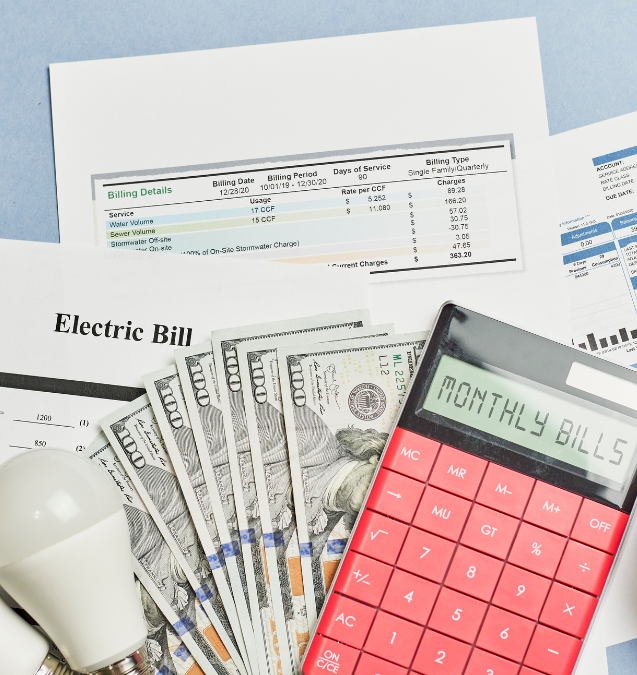
Understand Your Monthly Income and Expenses

CHOOSE A DEBT REPAYMENT STRATEGY:

  1. Debt Snowball Method: Pay off debts from smallest to largest balance, regardless of interest rate. This method can offer quick wins and motivation.


  2. Debt Avalanche Method: Focus on paying off debts with the highest interest rates first while maintaining minimum payments on others. This method saves money on interest over time.

MAKE EXTRA PAYMENTS

Whenever possible, make extra payments. Even small additional amounts can significantly reduce your total interest and repayment duration.

CUT EXPENSES

Review your budget for areas to reduce spending. Redirecting these savings toward your debt can accelerate repayment.

CONSIDER CONSOLIDATION OR REFINANCING 

If you have high-interest debt, consolidating into a lower-interest loan or refinancing can reduce the total interest paid.

AVOID NEW DEBT

While paying off existing debt, try to avoid taking on new debt, as this can derail your repayment plan.

INCREASE INCOME

Consider ways to boost your income, such as a side job or selling unused items, and use this extra income to pay down debt.

SEEK PROFESSIONAL ADVICE

If you’re overwhelmed, consider consulting a financial advisor or a credit counselor for personalised advice and possible debt management plans.

 

Consider ways to boost your income, such as a side job or selling unused items, and use this extra income to pay down debt.

Remember, the best method depends on your personal financial situation, your discipline, and your motivation. It’s important to choose a strategy that you can stick with until all your debts are paid off.

Grab a FREE COPY of my Budget Spending Plan to track your income and expenses. CLICK HERE!

Need help and accountability? The LEARNING HUB helps you gain more financial knowledge, while providing you with the support and help you and others need. Join now for only $79 USD per month.
Join the Learning Hub - Financial Management 101 by Karen G Adams
What are Some Effective Strategies for Saving Money?

What are Some Effective Strategies for Saving Money?

Saving money effectively involves a combination of smart financial planning, disciplined spending, and strategic saving.  It doesn’t have to be complicated, you just have to make a start and watch your money grow.   

There is no greater feeling than seeing money in the bank, instead of stressing that there is never enough money when you need it, especially in times of emergencies.

Here are some strategies that can help you save money effectively:

BUDGETING

Create a detailed budget to track your income and expenses. This helps you understand where your money goes and identify areas where you can cut back.

ELIMINATE UNNECESSARY EXPENSES

Review your spending habits and cut back on non-essential expenses like eating out, subscription services you don’t use often, or impulse purchases.

Eliminate Unnecessary Expenses

EMERGENCY FUND

Build an emergency fund to cover unexpected expenses. This prevents you from having to rely on credit cards or loans, which can lead to debt.

PAY YOURSELF FIRST

Treat savings as a non-negotiable expense. Set aside a portion of your income for savings immediately after you receive it, before you spend on anything else.

USE AUTOMATED SAVING TOOLS

Many banks offer automated transfers to savings accounts. Automating your savings can ensure you save regularly without having to think about it.

REDUCE HIGH-INTEREST DEBTS

Pay off high-interest debts like credit card balances as quickly as possible. This reduces the amount you pay in interest and frees up more money for savings.

SHOP SMART

Look for discounts, use coupons, and compare prices before making purchases. Buying items on sale or in bulk can also save money in the long run.

ENERGY EFFICIENCY

Reduce your utility bills by using energy-efficient appliances, turning off lights when not in use, and moderating heating and cooling.

INVEST WISELY

Consider investing in stocks, bonds, or mutual funds. Investments can offer higher returns than traditional savings accounts, though they come with risks.

REVIEW AND ADJUST REGULARLY

Regularly review your budget and savings goals. As your financial situation changes, adjust your strategies accordingly.

MEAL PLANNING

Plan meals in advance to avoid dining out frequently. Cooking at home is generally cheaper and healthier.

SECOND-HAND AND REFURBISHED ITEMS

Consider buying second-hand or refurbished items instead of new ones. This can be particularly cost-effective for electronics, furniture, and clothes.

Meal Planning
Cooking at home is generally cheaper and healthier.

USE PUBLIC TRANSPORTATION

If feasible, use public transportation instead of owning a car. This saves on gas, insurance, and maintenance costs.

AUTOMATE BILL PAYMENTS

Automate your bill payments to avoid late fees. This also helps in managing your cash flow more effectively.

EDUCATION AND SELF-IMPROVEMENT

Invest in learning new skills or improving existing ones. This can lead to better job opportunities and higher income in the future.

Remember, saving money is a gradual process, and it’s important to find a balance that works for your lifestyle and financial goals.

Start today and watch your money grow with every dollar you save.

Grab a FREE COPY of my Budget Spending Plan to track your income and expenses. CLICK HERE!

Want to learn more? The LEARNING HUB helps you gain more financial knowledge, while providing you with the support and help you and others need. Join now for only $79 USD per month.

Join the Learning Hub - Financial Management 101 by Karen G Adams