Mortgage Basics – Helping You Understand Your Home Loan Better

Mortgage Basics – Helping You Understand Your Home Loan Better

Hey, fellow financial mavericks, I want to share a quick bite-size piece of information about your home loan, or, if you’re looking to dive into the property market as a first home buyer, then here are some of the mortgage terminology to help you understand what you’re getting into.

Buying a home and financing your new home is one of the biggest purchases of your life and is both exciting and nerve-racking.  Firstly, it takes enormous amounts of your income to pay and smash down the home loan, however, it’s also one of the most rewarding things to see you owning your own home, whether it’s your first home or building an investment portfolio.

UNDERSTANDING MORTGAGES: THE BASICS

A mortgage is essentially a loan that helps you buy a property. When you take out a mortgage, you’re borrowing money from a lender (usually a bank or mortgage company) to purchase a home. The twist? The home itself serves as collateral for the loan. This means if you fail to make your payments, the lender has the right to take ownership of the property through a process known as foreclosure.

THE PLAYERS: LENDER AND BORROWER

In the mortgage world, the lender is the financial institution lending you the money. You, the homebuyer, are the borrower. Lenders evaluate your creditworthiness based on factors like your credit score, income, debts, and employment history. This evaluation helps determine how much they’re willing to lend you and at what interest rate.

YOUR MORTGAGE: THE KEY COMPONENTS

Let’s break down the basics of what a mortgage is, including terms like interest rates, principal, what amortisation means, and what it means when you look to refinancing. 

So let’s start with:

Principal: This is the amount of money you borrow to buy a home. For example, if you buy a house for $500,000 and make a down payment or deposit of $80,000, your principal would be $420,000.

Interest Rate: The lender charges you interest as a cost of borrowing money. Interest rates can be fixed (remaining the same throughout the term) or variable (changing with market conditions). The rate impacts your monthly payment and the total cost over the life of the loan.

Amortisation: This refers to the process of spreading out the loan payments over a set period, typically 20 to 30 years for mortgages. Each payment includes a portion that goes toward the principal and a portion that goes toward interest. In the early years, a larger part of each payment goes toward interest; later, more goes toward reducing the principal.

Lenders Mortgage Insurance (LMI): Insurance added onto a home loan where your deposit or down payment is less than 20%, which is there to protect the lender if you default on the loan.

Government & Property Taxes: Whenever you purchase a property in Australia, the government charges you stamp duty and other costs, which you can either pay the amount owing at time of settlement, or, you can add the govt costs into your home loan.

Refinancing: This is the process of replacing your existing mortgage with a new one, usually to take advantage of lower interest rates. Refinancing can reduce your monthly payments or shorten your loan term, but it may involve additional costs like settlement fees.

Monthly Payments: Your monthly mortgage payment typically includes:

        • Principal repayment: Reduces your outstanding loan amount.
        • Interest payment: The cost of borrowing the principal.

Long-term Costs: Over the life of the mortgage, you’ll pay back the principal plus the total interest accrued. A higher interest rate or a longer term means more money paid in interest. 

For instance, a $420,000 mortgage at 6% interest over 30 years will cost less in monthly mortgage repayments, however you will be paying more in total interest than the same mortgage at 6% interest over a 25 year period.  With a lower loan term, you will be paying higher monthly payments, but in total lower interest costs.

Generally a more extended loan term, helps make the repayment more manageable.

Successful Mortgage Management

THE MORTGAGE PROCESS: STEP-BY-STEP

    • Pre-Approval: Before house hunting, you may want to get pre-approved for a mortgage. This gives you a better idea of how much you can afford and shows sellers you’re serious.
    • Find a Home: Once pre-approved, you can shop for a home within your budget.
    • Apply for a Mortgage: After finding a home, apply for a mortgage. You’ll need to provide detailed information about your finances.
    • Underwriting/Assessment: The lender reviews your application, verifies your financial information, and assesses the property’s value.
    • Approval & Settlement: If the loan is approved, you’ll sign the loan documents, your solicitor or settlement agent will assist you in finalising the loan contract and then once settles, the home is yours!

TIPS FOR SUCCESSFUL MORTGAGE MANAGEMENT

    • Understand Your Budget: Know what you can afford monthly,, to avoid financial stress.
    • Improve Your Credit Score: A higher credit score can secure a better interest rate, saving you money in the long run.
    • Save for the Deposit/ Down Payment: The bigger your deposit payment, the less you have to borrow, and the less you pay in interest and possibly mortgage insurance.
    • Use a Mortgage Broker: Work with a mortgage broker research for you on who is going to offer you the best deal, based on your own personal financing position. Your mortgage broker will offer you a product comparison, highlighting a few lenders rates, terms and features and benefits.

Understanding these quick basics, helps in making informed decisions about buying a home and choosing the right mortgage. It’s essential to consider both the monthly affordability and the long-term financial implications when selecting a mortgage type and term.

CONCLUSION

Navigating the world of mortgages can feel overwhelming, but armed with the right information, you can make decisions with confidence. Remember, a mortgage is one of the biggest financial commitments you’ll make, so it pays to understand the basics and consider your options carefully. 

As your financial and mortgage coach, I’m here to guide you through this journey, ensuring you feel empowered and informed every step of the way.

Understanding your home loan is about more than just signing papers; it’s about taking control of your financial future and making the dream of homeownership a reality. 

If you want to know whether your home loan is working effectively for you and your personal finances contact me at karen@harkenfinance.com for a chat.

The Importance of Good Credit

The Importance of Good Credit

People often underestimate the importance of having a good credit score and report.
In this article, I am going to walk you through how credit can affect your money management now and in the future.

 If your credit score is high, you have a greater chance of getting approved for loans and credit cards from lenders and credit card companies.

Here are 5 reasons why a good credit score is important:

1. REDUCED INTEREST RATES ON BORROWED MONEY

Over time, you can save money by having lower interest rates on credit cards and loans, thanks to good credit.

2. GREATER CHANCES OF LOAN AND CREDIT CARD APPROVAL 

If your credit score is high, you have a greater chance of getting approved for loans and credit cards from lenders and credit card companies.

3. BETTER LOAN TERMS

Having good credit can result in better loan terms, such as higher borrowing limits, in addition to lower interest rates.

4. LOW OR NO SECURITY DEPOSIT REQUIREMENTS

Having good credit can result in better loan terms, such as higher borrowing limits, in addition to lower interest rates.

5. EMPLOYMENT OPPORTUNITIES

When hiring new employees, especially for jobs requiring financial responsibility, some employers run credit checks.

Building and Maintaining a High Credit Score

Here are some ways to maintain and build on your credit score to keep it healthy and high:

1. PAY YOUR BILLS ON TIME

Your credit score can suffer greatly from late payments. Make sure that all of your bills—including credit card and utility bills—are paid on time.

2. MAINTAIN LOW CREDIT CARD BALANCES 

Using a significant portion of your credit limit, or high credit utilisation, can have a bad effect on your credit score.

3. BUILD A LONG CREDIT HISTORY

Your credit score is influenced by the length of your credit history.

4. KEEP THE NUMBER OF NEW CREDIT INQUIRIES TO A MINIMUM 

If you make too many hard inquiries quickly, your score may suffer.

Understanding Your Credit Report

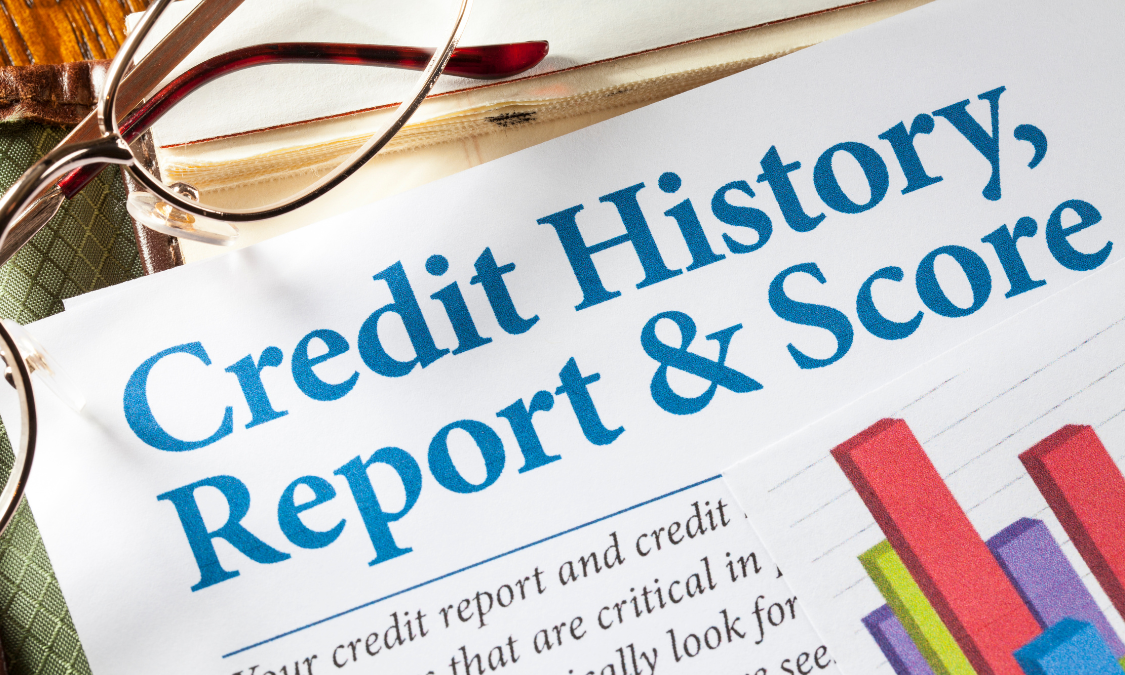
It’s important that you understand your report and what it contains. You can do free annual checks by many of the online credit reporting agencies, like; Equifax and Experian, to name just two. Order your report and take a look at how yours stacks up.
Your credit report will include your credit history; including account details, payment history, credit inquiries, and public records like bankruptcies.

Make sure to regularly check your credit report for errors, including false payment statuses, accounts that are not yours, and inaccurate personal information.

Building and Maintaining a High Credit Score

Impact of Credit on Loan Eligibility and Interest Rates

Credit scores are used by lenders to evaluate risk. A higher score translates into lower risk, which makes you a more desirable borrower.

Your interest rate is determined, in large part, by your credit score. Better scores usually result in cheaper rates, which means you will pay less money back over the course of the loan.

Certain insurance providers base their auto and home insurance rates on credit scores. 

Conclusion

Having good credit provides many financial opportunities. Understanding and managing your credit puts you in a better position to pursue favourable financial opportunities.

Regularly monitoring your credit report and score, developing responsible credit habits, and understanding how your financial behaviour affects your credit can result in significant savings and opportunities throughout your life.


The LEARNING HUB helps you gain more financial knowledge, while providing you with the support and help you and others need. Join now for only $79 USD per month.

Join the Learning Hub - Financial Management 101 by Karen G Adams
Eco-Friendly Savings: Going Green to Save Green

Eco-Friendly Savings: Going Green to Save Green

Finding ways to save money is always a priority, and what if you could do that while also being kind to the planet? Embracing eco-friendly practices at home and in your lifestyle not only benefits the environment but can also lead to significant savings. Let’s explore how going green can help you save green.

1. ENERGY EFFICIENCY AT HOME

Start by making your home more energy efficient. Simple changes such as switching to LED bulbs, using energy-efficient appliances, and improving home insulation can significantly reduce your energy bills.

2. SMART WATER USAGE

Water conservation is another area where you can save money. Fixing leaks, installing low-flow showerheads, and gardening with rainwater can all help you save money on water.

Fixing leaks can help in saving the planet

3. REDUCE, REUSE, RECYCLE

Embracing the principles of reducing, reusing, and recycling can result in cost savings. Buy less, use reusable products instead of disposable ones, and recycle whenever possible. This not only saves money but also reduces waste.

4. ECO-FRIENDLY TRANSPORTATION

Consider eco-friendly transportation options. Walking, biking, carpooling, or taking public transportation can help you save money on petrol and car maintenance, not to mention the environmental benefits.

5. GROW YOUR OWN

Starting a small vegetable garden can be rewarding and cost-effective. Growing your own food lowers the cost of fresh produce and provides you with organic and healthy options right at your doorstep.

Growing your own food lowers the cost of fresh produce and provides you with organic and healthy options right at your doorstep.

6. EMBRACE SECOND-HAND AND THRIFT

Shopping secondhand is not only cost-effective, but also environmentally friendly. Thrift stores, garage sales, and online marketplaces are excellent places to find high-quality items at a fraction of their retail price.

7. DIY NATURAL CLEANING PRODUCTS

Many commercial cleaning products are expensive and contain harmful chemicals. Making your own cleaning products from natural ingredients like vinegar and baking soda is less expensive and safer for both your home and the environment.

8. ENERGY-SMART LANDSCAPING

Consider landscaping that uses less energy. Planting trees for shade, using drought-resistant plants, and creating natural windbreaks can help in reducing heating and cooling costs.

9. CUT DOWN ON PAPER

To reduce the amount of paper used, go digital whenever possible. Choose electronic bills, receipts, and statements. This not only reduces waste but also helps to keep your home clutter-free.

10. EDUCATE AND INVOLVE THE FAMILY

Make eco-friendly living a family activity. Educate your children about the importance of conservation and get them involved in green practices. This not only saves money, but also instils responsible behaviour in the next generation.

Adopting eco-friendly practices is not only good for the environment; it is also a cost-effective way to save money. As you make small changes to a more sustainable lifestyle, you will notice that going green is not only good for the environment, but also good for your wallet.

Learning about money-saving techniques can give you the power to make smart financial decisions and reduce money-related stress over time. That’s where the LEARNING HUB helps you gain more financial knowledge, while providing you with the support and help you need.

Join the Learning Hub - Financial Management 101 by Karen G Adams
Debt Consolidation: A Midlife Financial Tune-Up

Debt Consolidation: A Midlife Financial Tune-Up

As we navigate our 30s, 40s, and early 50s, managing multiple debts can be like juggling with too many balls in the air. Whether it’s credit card debts, personal loans, or car payments, keeping track can be overwhelming. This is where debt consolidation comes in as a practical financial strategy, providing a much-needed tune-up for your finances.

1. UNDERSTANDING DEBT CONSOLIDATION

Debt consolidation is the process of combining multiple debts into a single loan with a lower interest rate. This simplifies payments and may save you money on interest, making debt management easier and less stressful.

2. ASSESS YOUR DEBTS

Begin by making a list of all your debts, including their balances, interest rates, and monthly payments. This exercise provides you with a clear picture of your overall debt, which is essential for effective debt consolidation.

3. FINDING THE RIGHT CONSOLIDATION LOAN

Look for a consolidation loan with a lower interest rate than the one you have now. Consider the loan term as well; a longer term may result in lower monthly payments but higher interest over time.

4. BEWARE OF HIDDEN COSTS

Keep an eye out for any fees associated with debt consolidation. Origination fees, balance transfer fees, and early repayment penalties can sometimes cancel out the benefits of a lower interest rate.

5. BUDGETING POST-CONSOLIDATION

It is critical to adjust your budget after consolidating. The goal is not only to effectively manage the new loan, but also to avoid incurring new debt.

6. BUILDING HEALTHY FINANCIAL HABITS

Debt consolidation is an excellent way to establish better financial habits. To avoid falling back into debt, commit to spending within your means and saving for emergencies.

It is critical to adjust your budget after consolidating. The goal is not only to effectively manage the new loan, but also to avoid incurring new debt.

7. CREDIT SCORE CONSIDERATIONS

Understand how debt consolidation may affect your credit score. Initially, it may cause a dip due to the hard inquiry from applying for a new loan. However, consistent payments can improve your credit score over time.

8. AVOIDING THE DEBT TRAP AGAIN

Consolidating debt should not be seen as a green light to rack up more debt. Avoid using credit cards or taking out new loans unless absolutely necessary.

9. SEEKING PROFESSIONAL ADVICE

Consult with a financial advisor to determine the best debt consolidation strategy for your unique situation and long-term financial goals.

10. CELEBRATIONG FINANCIAL MILESTONES

Track your progress and celebrate when you reach significant milestones in your debt repayment journey. This keeps you motivated and focused on your financial goals.

Debt consolidation, when done right, can be a game-changer in your financial journey. It’s not just about easing the burden of multiple debts but also about setting the stage for a more secure and stress-free financial future.

The LEARNING HUB at Financial Management 101 aims to help you gain more financial knowledge, while providing you with the support and help you need. Join the Learning Hub today for only $79 per month.

Join the Learning Hub - Financial Management 101 by Karen G Adams
How To Build An Emergency Savings Fund

How To Build An Emergency Savings Fund

Building an emergency savings fund is a crucial step in achieving financial security and peace of mind. 

Here are some strategies to assist with building an emergency savings fund:

1. SET CLEAR GOALS

Determine how much you want to save in your emergency fund. It is often recommended to have at least three to six months’ worth of living expenses, but you can start with a smaller goal and work your way up.

2. CREATE A BUDGET

Develop a detailed monthly budget to track your income and expenses. This will help you identify areas where you can cut back and allocate more money to savings.

3. PAY YOURSELF FIRST

Think of the money you save for an emergency fund as a must-have expense. Set up transfers from your regular account, where your pay goes, to your savings account when you get paid. This makes sure that you always save.

4. REDUCE UNNECESSARY COSTS

Review how you spend your money and see if there are any expenses you can temporarily cut back on or stop. Put the money you save into your emergency fund.

Reviewing your monthly subscriptions is a wise financial habit that can help you save money over time.

5. INCREASE YOUR INCOME

Look for opportunities to boost your income, such as taking on a part-time job, freelancing, or selling items you no longer need around your home. All and any extra income can then be put into your emergency fund.

6. USE BONUSES AND UNEXPECTED MONEY/WINDFALLS

Any unexpected windfalls, such as tax refunds, work bonuses, or cash gifts, can be a great way to jumpstart your emergency fund. Instead of spending this money, save it.

Remember that building an emergency savings fund takes time, and it is fine to start small. The key is to develop a consistent savings habit and stick to your plan over time.<br />

7. OPEN A SEPARATE SAVINGS ACCOUNT

Consider opening a separate savings account specifically for your emergency fund. Look for a savings account that offers a better interest rate than a regular savings account, allowing your money to grow faster.

8. BUILD GRADUALLY

Do not feel like you have to hit your savings goal right away. It takes time to build up an emergency fund. Celebrate small steps along the way to stay motivated.

9. AVOID USING THE FUND FOR NON-EMERGENCIES

Define what you think of as an emergency and promise to only use your emergency fund for real emergencies, like medical bills, car repairs you did not plan for, or losing your job.

10. REVIEW AND ADJUST

Check in on your budget and savings progress. Change your savings goals and how much you put in as your finances change.

11. CONSIDER THE WINDFALL STRATEGY

If you get a big bonus, like an inheritance or money from a legal settlement, you might want to put some of it in your emergency fund to save money faster.

12. SEEK PROFESSIONAL ADVICE AND HELP

If you’re struggling to save or need some help, consider consulting a financial advisor or financial educator who can help you create a savings plan tailored to your specific situation.

Check in on your budget and savings progress. Change your savings goals and how much you put in as your finances change.

Remember that building an emergency savings fund takes time, and it is fine to start small. The key is to develop a consistent savings habit and stick to your plan over time. 

Having an emergency fund can give you peace of mind and financial security when unplanned expenses come up.

Interested to learn more?  Then head over to the LEARNING HUB and take the 5 Day Challenge or the 21 Day Kick Start program to help you get on your way. 

Join the Learning Hub - Financial Management 101 by Karen G Adams