EOFY is Over – Now What? How to Make the Most of Your Fresh Start

EOFY is Over – Now What? How to Make the Most of Your Fresh Start

The receipts are in, the spreadsheets are done, and you’ve (hopefully) high-fived your tax agent. The end of financial year (EOFY) is behind us – but what now?

For many Australians, EOFY feels like the finish line. But what if I told you it’s actually the starting line for something bigger: your financial transformation?

This fresh start isn’t just about filing taxes. It’s about taking back control, getting intentional, and building the kind of financial life that makes you feel calm, confident, and in charge.

Here’s exactly how to use the post-EOFY energy to fuel your financial success in the new year.

1. Reflect, Don’t Regret: Review Your Financial Year With Curiosity

Before you launch into new goals, pause to reflect. What worked last year? What didn’t? Where did your money actually go?

This isn’t about blame or shame. It’s about building awareness. If you don’t know your patterns, how can you shift them?

Look at:

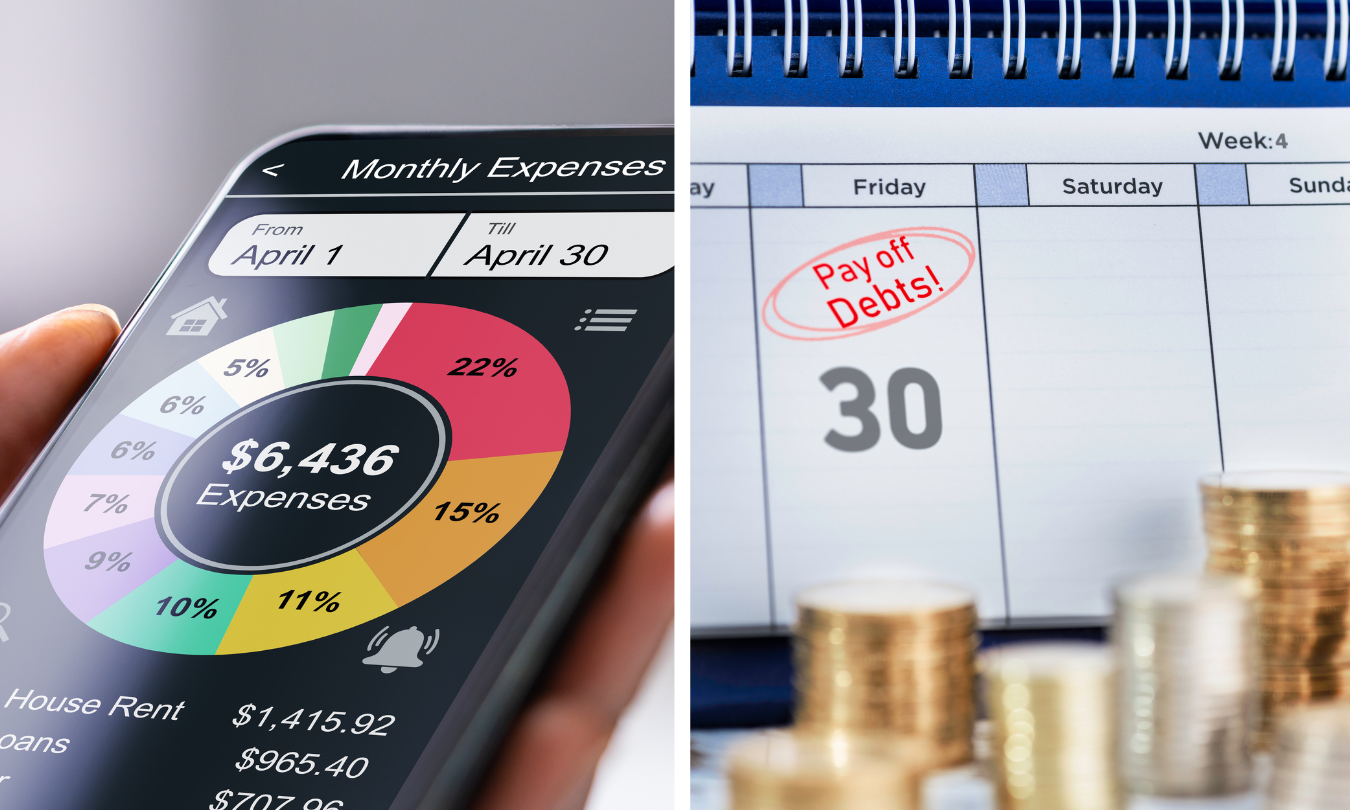
  • Income vs. spending: Were you living within your means?
  • Savings progress: Did you build or drain your emergency fund?
  • Debt: Did it grow, shrink, or stay the same?
  • Investments: Did you start, stop, or ignore them?

Pro tip: Ask yourself: “What would I love to feel differently about my money this year?”

2. Reset Your Financial Goals (Make Them Feel Exciting!)

Generic goals like “save more money” or “spend less” don’t motivate anyone. Your goals should feel like a reward, not a punishment.

Examples:

  • Old: Save $5,000
  • New: Save $5,000 to take the family on a Bali holiday

Or:

  • Old: Pay off credit card
  • New: Clear my credit card so I can sleep better at night and finally stop stressing over bills

The more emotionally connected you are to the why, the easier it is to stay focused.

Try this:

  • Choose 1 short-term goal (within 6 months)
  • Choose 1 long-term goal (6+ months to 3 years)
  • Attach a reason and an emotion to each

Reset Your Financial Goals

3. Do a Budget Reset That Reflects the Life You Want

Forget rigid old-school budgets. Let’s talk about a spending plan that reflects your values.
Where do you want your money to go? Think beyond bills. Think joy, freedom, peace of mind. Start by:

  • Reviewing subscriptions: Are you using them all?
  • Updating your cost of living: Groceries, fuel, and utilities have changed – so should your plan
  • Adjusting categories: Maybe you’re spending more on wellness, less on takeaway

Bonus idea: Create a “Fun Fund” for guilt-free spending on the things you love. Yes, really.

4. Revisit (or Create) Your Emergency Fund

This year has already shown us how unpredictable life can be. Having a financial buffer can be the difference between stress and peace of mind.

Even $1,000 can give you breathing room. Ideally, aim for 3 months of expenses, but start small and build momentum.

Hot tip: Keep your emergency fund in a high-interest savings account you don’t touch unless it’s a genuine emergency.

5. Re-assess Your Super and Insurance

Post-EOFY is the perfect time to check in on the financial foundations you often forget about.

  • Superannuation: Are your contributions on track? Is your fund performing? Are fees eating into your future?
  • Personal insurance: Are you covered for income protection, life, or trauma? Is it still aligned with your needs?

Even a quick 20-minute review can help you spot easy wins or avoid future issues. Need help? A financial coach (like me) or adviser can guide you through these choices in plain English.

Superannuation

6. Start a New Habit (Small, Consistent Wins Add Up)

Want to save more, spend better, or build wealth? It starts with habits. Pick one new habit that supports your bigger goal. For example:

  • Transfer $50 to savings every payday
  • Spend 5 minutes a week reviewing your money
  • Read or listen to one money podcast per month
  • Tiny habits build massive momentum.

Try this: Schedule a 15-minute “money date” with yourself every week. Make it fun: coffee, music, candle, whatever makes it feel less like a chore.

7. Get Support: Don’t go it alone!

If the last financial year felt overwhelming, you don’t have to repeat that story.

Whether it’s talking to a financial coach (yep, that’s me!), joining a money challenge, or signing up for a workshop, getting support can fast-track your progress and boost your confidence.

You’re not behind. You’re not bad with money. You just haven’t had the right tools or team yet.

EOFY is Done. Your Financial Comeback Starts Now.

This new financial year is more than a date change, it’s an opportunity. You can choose to:

  • Set goals that actually excite you
  • Build a money plan that fits your real life
  • Create calm, clarity, and confidence in your finances

Ready to stop winging it and start winning it? Book your free discovery session today and let’s create a plan you can stick to, without the stress.

Your fresh start is waiting. Let’s make it count.

You survived EOFY. Now let’s help your money thrive.

Free Budgeting Spreadsheet
The Vault
What are Some Effective Strategies for Saving Money?

What are Some Effective Strategies for Saving Money?

Saving money effectively involves a combination of smart financial planning, disciplined spending, and strategic saving.  It doesn’t have to be complicated, you just have to make a start and watch your money grow.   

There is no greater feeling than seeing money in the bank, instead of stressing that there is never enough money when you need it, especially in times of emergencies.

Here are some strategies that can help you save money effectively:

BUDGETING

Create a detailed budget to track your income and expenses. This helps you understand where your money goes and identify areas where you can cut back.

ELIMINATE UNNECESSARY EXPENSES

Review your spending habits and cut back on non-essential expenses like eating out, subscription services you don’t use often, or impulse purchases.

Eliminate Unnecessary Expenses

EMERGENCY FUND

Build an emergency fund to cover unexpected expenses. This prevents you from having to rely on credit cards or loans, which can lead to debt.

PAY YOURSELF FIRST

Treat savings as a non-negotiable expense. Set aside a portion of your income for savings immediately after you receive it, before you spend on anything else.

USE AUTOMATED SAVING TOOLS

Many banks offer automated transfers to savings accounts. Automating your savings can ensure you save regularly without having to think about it.

REDUCE HIGH-INTEREST DEBTS

Pay off high-interest debts like credit card balances as quickly as possible. This reduces the amount you pay in interest and frees up more money for savings.

SHOP SMART

Look for discounts, use coupons, and compare prices before making purchases. Buying items on sale or in bulk can also save money in the long run.

ENERGY EFFICIENCY

Reduce your utility bills by using energy-efficient appliances, turning off lights when not in use, and moderating heating and cooling.

INVEST WISELY

Consider investing in stocks, bonds, or mutual funds. Investments can offer higher returns than traditional savings accounts, though they come with risks.

REVIEW AND ADJUST REGULARLY

Regularly review your budget and savings goals. As your financial situation changes, adjust your strategies accordingly.

MEAL PLANNING

Plan meals in advance to avoid dining out frequently. Cooking at home is generally cheaper and healthier.

SECOND-HAND AND REFURBISHED ITEMS

Consider buying second-hand or refurbished items instead of new ones. This can be particularly cost-effective for electronics, furniture, and clothes.

Meal Planning
Cooking at home is generally cheaper and healthier.

USE PUBLIC TRANSPORTATION

If feasible, use public transportation instead of owning a car. This saves on gas, insurance, and maintenance costs.

AUTOMATE BILL PAYMENTS

Automate your bill payments to avoid late fees. This also helps in managing your cash flow more effectively.

EDUCATION AND SELF-IMPROVEMENT

Invest in learning new skills or improving existing ones. This can lead to better job opportunities and higher income in the future.

Remember, saving money is a gradual process, and it’s important to find a balance that works for your lifestyle and financial goals.

Start today and watch your money grow with every dollar you save.

Grab a FREE COPY of my Budget Spending Plan to track your income and expenses. CLICK HERE!

Want to learn more? The LEARNING HUB helps you gain more financial knowledge, while providing you with the support and help you and others need. Join now for only $79 USD per month.

Join the Learning Hub - Financial Management 101 by Karen G Adams
Fixed vs. Variable: Navigating Mortgage Interest Types for Homebuyers

Fixed vs. Variable: Navigating Mortgage Interest Types for Homebuyers

Hello, aspiring homeowners and financial adventurers! As your trusty financial coach and savvy mortgage broker, I’m here to guide you through the thrilling yet often perplexing world of mortgage interest types. 

Picture this: you’re embarking on a quest to find the perfect home, but there’s a fork in the road. Do you take the path of fixed interest rates or venture down the trail of variable rates? Let’s unpack these options together, with a sprinkle of fun and a dash of wisdom, to ensure you make the best decision for your financial future.

The Tale of Two Rates: Setting the Scene

Imagine two characters in our story: Fiona Fixed and Victor Variable. Fiona enjoys predictability in her life. She loves knowing exactly how much her payments will be each month, providing her with a sense of security and peace of mind. Victor, on the other hand, is a bit more daring. He’s willing to ride the waves of the market, betting that interest rates will go in his favour, potentially saving him money in the long run. 

Steady Ship vs. Sailboat

The Fixed Rate: A Steady Ship in Stormy Seas

Fixed-rate mortgages are like a sturdy ship that can weather any storm. They offer the same interest rate for the entire term of the loan, whether it’s 15, 20, or 30 years. This means your monthly mortgage payments remain unchanged, making budgeting as easy as pie. It’s perfect for those who, like Fiona, prefer stability over surprises.

Pros:

    • Predictability: You’ll sleep soundly knowing your payments won’t change.
    • Simplicity: Easy to understand, especially for first-time homebuyers.
    • Protection: You’re shielded from sudden spikes in interest rates.

Cons:

    • Higher Initial Rates: Fixed rates are usually higher than the initial variable rates.
    • Less Flexibility: If interest rates fall, you’re stuck with your rate unless you refinance.

The Variable Rate: Sailing the Winds of Chance

On the flip side, variable-rate mortgages are like a nimble sailboat that adjusts its sails with the winds of the market. The interest rate can fluctuate based on market conditions, meaning your monthly payments could increase or decrease. This is where Victor finds his thrill, in the potential for lower overall costs when rates favour the borrower.

Pros:

    • Lower Initial Rates: Start with a lower rate compared to fixed-rate mortgages.
    • Potential Savings: Benefit from paying less interest when rates decrease.
    • Flexibility: Often includes options to lock in a fixed rate if the winds change.

Cons:

    • Uncertainty: Your monthly payment could change, making budgeting a challenge.
    • Risk: If interest rates soar, so do your payments.

Navigating Through the Fog: How to Choose

Now, how do you choose between these two? Consider your financial situation, lifestyle, and risk tolerance. Here are a few lanterns to help illuminate your path:

Financial Stability: If you’re in a stable financial position and can handle potential increases in your payments, Victor’s variable rate might be your calling. However, if you prefer the safety of a predictable budget, follow Fiona’s lead with a fixed rate.

Market Trends: Keep an ear to the ground on market trends. If rates are historically low, locking in a fixed rate might be wise. But if you’re feeling optimistic about where rates are headed, the variable rate could be your treasure.

Term Length: Consider how long you plan to stay in your home. If it’s a short-term stay, a variable rate might offer lower initial payments. For a long haul, a fixed rate could offer long-term stability.

Ask the Experts: Consult with me, your financial coach and mortgage broker. I love helping heroes of homeownership chart their course to the perfect mortgage.

The Adventure Awaits

Remember, choosing between fixed and variable interest rates isn’t just about crunching numbers; it’s about aligning your mortgage with your life’s voyage. Whether you’re a Fiona Fixed, preferring the calm seas of predictability, or a Victor Variable, ready to sail the fluctuating financial tides, the right choice is out there.

As your financial navigator, I’m here to help you explore the possibilities and make an informed decision. So, gather your maps and set your sights on the horizon; your dream home awaits, and the perfect mortgage is your key to unlocking the door. Happy house hunting, brave explorers.

Whether you’re dipping your toes into the home-buying waters for the first time, eyeing a smarter refinancing strategy, coming off a fixed interest rate, or expanding your portfolio with another investment property, Karen’s 20-minute discovery call, is your first step towards mortgage mastery! Let’s dive into your financing needs, explore your options, and perform a FREE mortgage health check to ensure your plans aren’t just dreams but achievable realities.  

Karen Adams of Financial Management 101
Strategies for Relief When Facing Financial Stress

Strategies for Relief When Facing Financial Stress

In today’s fast-paced world, financial burdens can be overwhelming. Whether dealing with debt, managing daily expenses, or saving for the future, these challenges can be extremely stressful. However, with the right strategies, it is possible to overcome these obstacles and achieve financial stability. Here, we will look at practical ways to manage and alleviate financial stress.

1. CREATE A BUDGET AND STICK TO IT

The cornerstone of financial health is a well-planned budget. Start by tracking your income and expenses to understand where your money is going. This will help you identify unnecessary expenditures and areas where you can cut back. A budget gives you control over your finances and prevents overspending.

2. BUILD AN EMERGENCY FUND 

One of the best ways to buffer against financial stress is by having an emergency fund. Aim to save enough to cover at least three to six months of living expenses. This fund can be a lifesaver in unexpected situations like job loss or medical emergencies, preventing the need for high-interest loans.

Create a budget and pay-off high-interest debts

3. TACKLE HIGH-INTEREST DEBTS

High-interest debts, such as credit card balances, can quickly spiral out of control. Prioritise paying off these debts by focusing on the ones with the highest interest rates first. Consider debt consolidation or refinancing options if they can lower your interest rates and make payments more manageable.

4. INCREASE YOUR INCOME 

Sometimes, cutting expenses isn’t enough. In such cases, look for ways to increase your income. This could mean asking for a raise, taking on a part-time job, or turning a hobby into a source of income.

5. SEEK PROFESSIONAL ADVICE

If you’re struggling to manage your finances, don’t hesitate to seek help from a financial advisor. They can provide personalised advice suited to your financial situation and help you develop a plan to overcome your financial burdens.

6. EMBRACE A MINIMALIST LIFESTYLE 

Taking a minimalist approach can help to reduce financial stress. This doesn’t mean living without essentials, but rather focusing on what you truly need and value. It can lead to significant savings and a less materialistic, more fulfilling life.

Conclusion

Overcoming financial challenges necessitates a combination of practical strategies and a mental shift. By implementing these strategies, you can lead a financially secure and stress-free life. Remember that small steps can lead to big results, so start today and take control of your financial future.


The LEARNING HUB helps you gain more financial knowledge, while providing you with the support and help you and others need. Join now for only $79 USD per month.

The Importance of Good Credit

The Importance of Good Credit

People often underestimate the importance of having a good credit score and report.
In this article, I am going to walk you through how credit can affect your money management now and in the future.

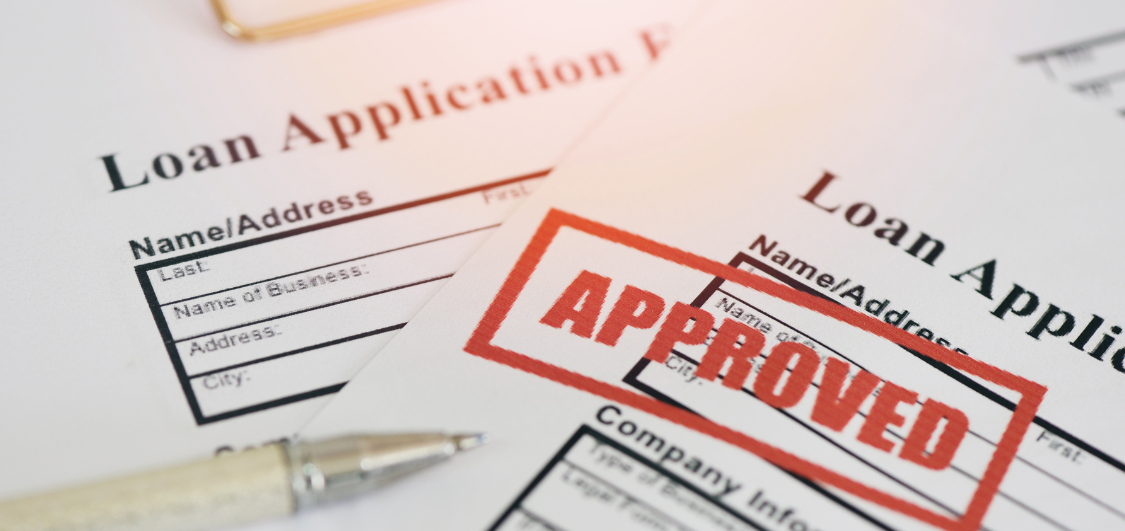
 If your credit score is high, you have a greater chance of getting approved for loans and credit cards from lenders and credit card companies.

Here are 5 reasons why a good credit score is important:

1. REDUCED INTEREST RATES ON BORROWED MONEY

Over time, you can save money by having lower interest rates on credit cards and loans, thanks to good credit.

2. GREATER CHANCES OF LOAN AND CREDIT CARD APPROVAL 

If your credit score is high, you have a greater chance of getting approved for loans and credit cards from lenders and credit card companies.

3. BETTER LOAN TERMS

Having good credit can result in better loan terms, such as higher borrowing limits, in addition to lower interest rates.

4. LOW OR NO SECURITY DEPOSIT REQUIREMENTS

Having good credit can result in better loan terms, such as higher borrowing limits, in addition to lower interest rates.

5. EMPLOYMENT OPPORTUNITIES

When hiring new employees, especially for jobs requiring financial responsibility, some employers run credit checks.

Building and Maintaining a High Credit Score

Here are some ways to maintain and build on your credit score to keep it healthy and high:

1. PAY YOUR BILLS ON TIME

Your credit score can suffer greatly from late payments. Make sure that all of your bills—including credit card and utility bills—are paid on time.

2. MAINTAIN LOW CREDIT CARD BALANCES 

Using a significant portion of your credit limit, or high credit utilisation, can have a bad effect on your credit score.

3. BUILD A LONG CREDIT HISTORY

Your credit score is influenced by the length of your credit history.

4. KEEP THE NUMBER OF NEW CREDIT INQUIRIES TO A MINIMUM 

If you make too many hard inquiries quickly, your score may suffer.

Understanding Your Credit Report

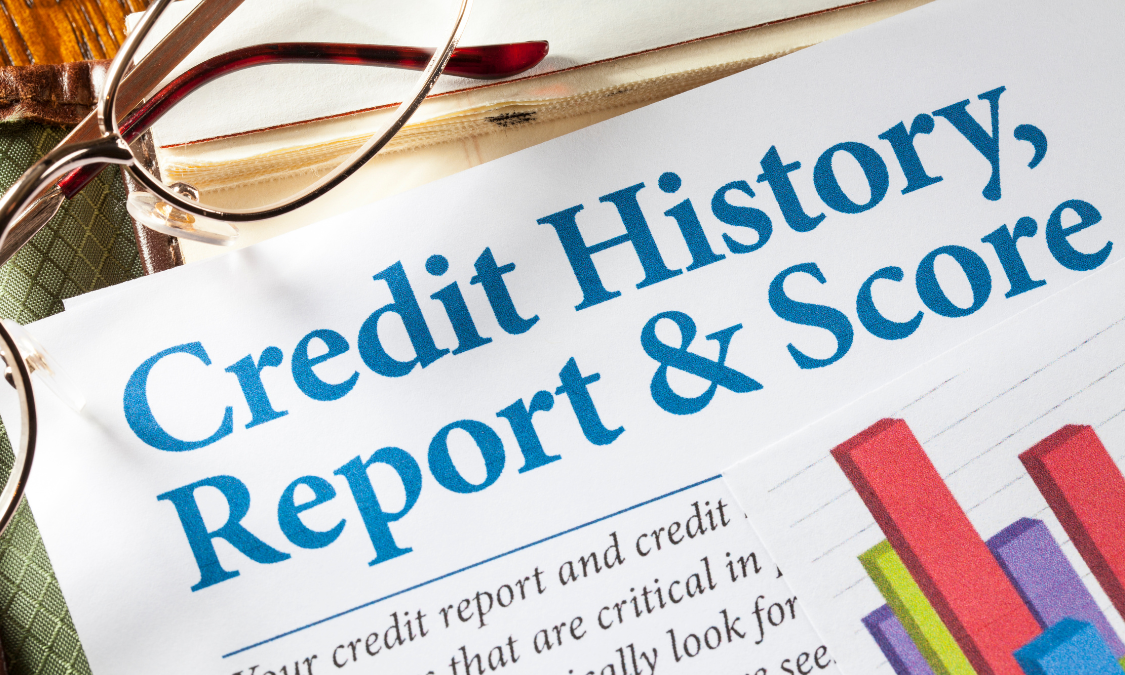
It’s important that you understand your report and what it contains. You can do free annual checks by many of the online credit reporting agencies, like; Equifax and Experian, to name just two. Order your report and take a look at how yours stacks up.
Your credit report will include your credit history; including account details, payment history, credit inquiries, and public records like bankruptcies.

Make sure to regularly check your credit report for errors, including false payment statuses, accounts that are not yours, and inaccurate personal information.

Building and Maintaining a High Credit Score

Impact of Credit on Loan Eligibility and Interest Rates

Credit scores are used by lenders to evaluate risk. A higher score translates into lower risk, which makes you a more desirable borrower.

Your interest rate is determined, in large part, by your credit score. Better scores usually result in cheaper rates, which means you will pay less money back over the course of the loan.

Certain insurance providers base their auto and home insurance rates on credit scores. 

Conclusion

Having good credit provides many financial opportunities. Understanding and managing your credit puts you in a better position to pursue favourable financial opportunities.

Regularly monitoring your credit report and score, developing responsible credit habits, and understanding how your financial behaviour affects your credit can result in significant savings and opportunities throughout your life.


The LEARNING HUB helps you gain more financial knowledge, while providing you with the support and help you and others need. Join now for only $79 USD per month.

Join the Learning Hub - Financial Management 101 by Karen G Adams