
Mind Over Money: How to Rewrite Your Financial Story & Build a Breakthrough Mindset

Mind Over Money: How to Rewrite Your Financial Story & Build a Breakthrough Mindset

Let’s start with the truth:

You can have the perfect budget, a great-paying job, even a savings plan, and still feel stuck financially.

Why? Because if your mindset doesn’t change, your money won’t either.

In this blog, we’re going to unpack:

  • The power of mindset in creating real financial change
  • How money stories are formed (and how to rewrite them)
  • Common mindset blocks that keep people stuck
  • Simple tools to build a breakthrough mindset
  • How this fits into your journey toward financial freedom

Let’s dive in!

? What Is a Money Mindset (and Why Should You Care)?

Your money mindset is your core belief system around money. It shapes how you:

  • Spend
  • Save
  • Earn
  • Invest
  • React in financial stress

It’s the voice in your head that says:

  • “I’m just not good with money.”
  • “Money always slips through my fingers.”
  • “I have to work hard to survive.”

Or, on the flip side:

  • “I’m in control of my finances.”
  • “I know how to make money work for me.”
  • “Wealth is available to me.”

The difference? Mindset.

This isn’t wishful thinking, this is neuroscience and behavioural psychology. What you believe impacts how you behave. And how you behave impacts your bank account.

? Where Do These Beliefs Come From?

Most of our money beliefs are formed before age 7.

You may have grown up hearing:

  • “Money doesn’t grow on trees.”
  • “We can’t afford that.”
  • “Rich people are greedy.”

Without realising it, those phrases became part of your internal money script – even if they don’t serve you now.

Other money stories come from:

  • Your parents’ relationship with money
  • Cultural or community influences
  • Early financial trauma (like debt, bankruptcy, poverty)

Good news? You can rewrite the script.

? Common Money Mindset Blocks (And How They Show Up)

If you’ve ever thought:

  • “As soon as I get ahead, something always knocks me back.”
  • “I don’t deserve to be wealthy.”
  • “I feel anxious just opening my banking app,”

…you’re not alone.

Here are 5 of the most common mindset blocks we see:

1. Scarcity Thinking

The belief that there’s never enough (time, money, opportunities). This leads to fear-based decisions and self-sabotage.

2. Imposter Syndrome

Feeling like you’re not smart or “good enough” to manage money well. You might under-earn or avoid taking risks.

3. Fear of Success

It sounds weird, but many fear what will change if they actually become successful.

4. Guilt Around Wealth

Especially common if you grew up in struggle or were taught that money = greed.

5. Money Avoidance

This shows up as procrastination, not checking accounts, or avoiding financial conversations.

Getting Out of Debt Starts in Your Mind

The Power of Rewriting Your Financial Story

Here’s the deal: your current money story isn’t your final chapter.

You can shift from:

  • “I’ll always be in debt” → “I’m learning how to manage and reduce my debt.”
  • “I’m terrible with money” → “I’m becoming more financially confident every day.”

Just like you wouldn’t expect physical results without working out, you can’t expect financial change without working on your mindset.

? Simple Tools to Strengthen Your Money Mindset

1. Awareness is Power

Start by journaling or reflecting on your early money memories. What did you hear, see, or feel growing up?

2. Affirmations That Stick

Affirmations are powerful when they’re practiced consistently. Try these:

  • “I am safe and in control of my finances.”
  • “Every dollar I spend and save has purpose.”
  • “I deserve financial abundance.”

3. Surround Yourself With Growth

Follow financial educators, podcasts, and communities that reinforce positive beliefs about money.

4. Set Micro-Goals

Progress builds confidence. Start with tiny, achievable wins – like tracking your expenses or saving $10/week.

5. Visualise the Outcome

Spend 2 minutes a day visualising what your financially free life looks like. Your brain responds powerfully to visualisation.

6. Join a Supportive Program

A structured environment with accountability and coaching helps speed up your mindset shift.

That’s exactly what we provide in the Financial Freedom Breakthrough Program, launching this September.

? The Role of Mindset in the Financial Freedom Diagram

Let’s circle back to the diagram from Financial Management 101.

If you’re stuck at the bottom (overwhelmed, struggling, surviving), it’s not just a numbers issue.

It’s a belief issue.

Mindset is the foundation that supports every other level:

  • Budgeting
  • Saving
  • Debt reduction
  • Credit health
  • Wealth building
  • Estate planning

With the right mindset, these tools feel doable. Without it, even the best strategy will collapse.

? Real Talk: You Are NOT Broken

Maybe you’ve made mistakes. Maybe you’ve felt stuck for years. Maybe you’re scared to even start.

That doesn’t make you broken – it makes you human.

Your past doesn’t define you. Your future is still yours to shape.

And the first step? Believing you can.

Working on your money mindset while paying off debt is so important.

? Ready to Rewrite Your Story?

Here’s how to begin:

  1. Download our Free Money Mindset Workbook (coming soon)
  2. Join the waitlist for the Financial Freedom Breakthrough Program
  3. Share this post with someone who needs to hear it today

    ? Final Thoughts

    Money mindset isn’t fluff, it’s the fuel behind every breakthrough.

    If you want a different result, you need a different belief.

    You’re not meant to just survive. You’re meant to thrive.

    Let’s start believing in that version of you, and take action to bring it to life.

    Your Financial Freedom Breakthrough™
    Why Every Small Business Owner Needs a Financial Coach in Their Corner

    Why Every Small Business Owner Needs a Financial Coach in Their Corner

    Running a small business is no joke. You wear all the hats – CEO, marketer, customer service rep, bookkeeper, and sometimes even janitor. The freedom and flexibility of entrepreneurship are amazing, but let’s be real: it can also feel like you’re juggling flaming swords while riding a unicycle on a tightrope. And when it comes to managing money? That tightrope can feel extra wobbly.


    Enter the financial coach.


    While accountants and bookkeepers keep track of the numbers, a financial coach helps you understand what those numbers mean for your goals, mindset, and long-term business strategy. They’re not just here to look at your past, they’re here to help you shape your future.
    Let’s break down exactly why working with a financial coach can be a total game-changer for small business owners.

    1. Clarity is Power

    So many business owners hustle day in and day out without a clear picture of where their money is going or how much they’re really making. A financial coach helps you:

    • Understand your cash flow
    • Track your expenses
    • Price your products/services strategically
    • Set income goals that align with your vision

    When you know your numbers, you can make smarter decisions with more confidence. No more crossing your fingers and hoping there’s enough to cover next month.

    Understand your cash flow

    2. Mindset Matters More Than You Think

    Money mindset is one of the most overlooked aspects of running a business. If you’ve got a hidden belief that you’re not “good with money” or that it’s wrong to want to be profitable, it will impact your business.

    A financial coach helps you identify and rewrite those limiting beliefs so you can:

    • Raise your prices without guilt
    • Pay yourself consistently
    • Invest in growth with confidence
    • Stop playing small with your money goals

    You don’t just need spreadsheets – you need support for the emotional and psychological side of money, too.

    3. From Reactive to Proactive

    Too many small business owners operate in reaction mode: paying bills as they come, scrambling during tax season, and constantly putting out financial fires. A financial coach helps you shift from reactive to proactive.

    That means:

    • Planning for taxes year-round
    • Setting aside money for slow seasons
    • Creating a strategy to build consistent income
    • Mapping out your financial goals and the steps to get there

    This isn’t just about staying afloat. It’s about building a solid, scalable foundation that supports long-term success.

    4. Ditch the DIY Trap

    There’s a lot of pressure on small business owners to figure everything out themselves. Google, YouTube, and online courses can only take you so far. But just like you wouldn’t expect your clients to solve all their problems without your help, you shouldn’t expect yourself to master business finances without support.

    A financial coach gives you:

    • Accountability
    • Expert insights tailored to your business
    • A safe space to ask the “dumb” questions (spoiler alert: they’re never dumb)
    • A partner who’s as invested in your success as you are

    5. You Deserve to be Paid Well for Your Work

    Too many small business owners put themselves last on the payroll. They reinvest everything back into the business, believing that one day, it will all pay off. But guess what? You don’t have to wait to be profitable.

    A financial coach helps you:

    • Create a plan to pay yourself regularly
    • Separate personal and business finances
    • Build profitability into your pricing and systems
    • Stop undercharging and undervaluing your genius

    Because you didn’t start your business to just survive. You started it to thrive.

    Create a plan to pay yourself regularly

    6. Create a Business That Supports Your Life

    Your business is a part of your life – not the other way around. A great financial coach will always bring the focus back to what you want:

    • More time with your family?
    • Travel?
    • Buying a home?
    • Debt freedom?

    Whatever your version of success looks like, your financial plan should support it. A coach helps you design a business model and money strategy that aligns with your lifestyle goals.

    Final Thoughts: Your Business Deserves a Financial Wingwoman (or Wingman)

    You don’t have to have it all figured out. You just need the right support.

    A financial coach isn’t just for people who are struggling. It’s for anyone who wants to grow with intention, take control of their finances, and build a business that actually feels good to run.

    At Financial Management 101, that’s exactly what we’re here for. Whether you join our Monthly Coaching program and unlock The Vault, or dive deep into transformation through The EDGE, you’ll get the tools, clarity, and mindset shifts you need to run your business with confidence.

    The Edge - 2 Hour Workshop

    Let’s build your business into the financial success story it’s meant to be – one intentional step at a time.

    Introducing THE EDGE. This 2-Hour Power Session is a fast-paced, simplified version of my full 6-week coaching program for self employed business owners. Click the image below to know more about what you’ll be learning in this power session.

    The Vault
    THE EDGE
    Year-End Financial Check-Up: 7 Key Steps to Close 2024 with Confidence

    Year-End Financial Check-Up: 7 Key Steps to Close 2024 with Confidence

    As the year wraps up, it’s time to give your finances a little TLC and prepare to start the new year strong! Think of this as your yearly financial check-up, a simple routine that sets you up for a financially fit future. Here are seven straightforward steps to help you close out 2024 with confidence.

    1. Review Your Budget with Fresh Eyes

    December is perfect for giving your budget a quick health check. Ask yourself:

      • Did you stick to your budget most months?
      • Are there categories where you regularly overspent?

    If you find that certain areas of your budget were tough to stick to, don’t worry; you’re not alone! Make notes on what worked and what didn’t, and consider if those categories need adjusting. Next year’s budget will feel easier to manage if it aligns more closely with your actual spending patterns.

    2. Evaluate Your Financial Goals for 2024

    Reflect on the goals you set at the beginning of 2024. Did you aim to build an emergency fund, pay off a certain amount of debt, or save for a big purchase? Take a moment to celebrate any wins, big or small, you’ve earned it! If there were goals you couldn’t reach, try to pinpoint what might have held you back. Life happens, and sometimes, adjustments are necessary. Use these reflections to set realistic goals for 2025 that build on the progress you’ve made.

    Audit Your Subscriptions and Recurring Expenses

    3. Audit Your Subscriptions and Recurring Expenses

    Subscriptions can sneak up on you! Take a look at all the services you’re subscribed to, streaming platforms, gym memberships, software, meal kits and decide if they’re still worth the monthly or annual fee. Ask yourself:

      • Do you use each service enough to justify the cost?
      • Are there better deals or bundles that could help you save?

    Canceling or downgrading services you no longer use can free up cash you can redirect toward your savings or debt goals.

    4. Set a Holiday Spending Plan

    The holiday season can be a big budget-buster if you’re not careful. This December, approach holiday spending with a clear plan:

      • Set a total holiday budget and stick to it.
      • Focus on meaningful gifts within your budget and avoid last-minute splurges.
      • Consider experiences instead of material items, they often make more memorable gifts and can be cost-effective.

    You’ll thank yourself in January when your credit card bills aren’t sky-high!

    5. Check-in On Your Emergency Fund


    Your emergency fund is your financial safety net, and December is a great time to assess its status. Ideally, you want enough to cover three to six months’ worth of essential expenses.

    If your fund has been depleted due to unexpected expenses this year, make a plan to rebuild it. If it’s in good shape, well done!

    Consider adding a little extra, even if it’s just a small amount each month, it’s always better to be prepared.

    You want enough to cover three to six months’ worth of essential expenses on your emergency fund

    5. Update Your Financial Goals for 2025

    End the year by setting some intentional goals for 2025. These don’t have to be massive changes; small, achievable goals can have a big impact on your financial future. A few ideas:

      • Set a target for increasing your savings rate, even if it’s by a modest amount.
      • Commit to paying down a certain percentage of your debt.
      • Plan to invest in education or skills that could lead to higher income opportunities.

    Whatever your financial goals, write them down and keep them visible. By starting now, you’ll be well-prepared to tackle them come January.

    End the year by setting some intentional goals for 2025.

    Final Thoughts

    Closing out the year with a financial check-up is a powerful way to put yourself in the driver’s seat for 2025. These six steps are simple but effective and give you a clear view of your financial health. Here’s to closing out 2024 strong and stepping into 2025 with confidence!

    Are you ready to make 2025 your breakthrough year?

    MASTER YOUR MONEY is for YOU if you are tired of financial stress and ready to transform your relationship with money. Whether you’re managing a family, building your career, or chasing your dreams, this is your chance to gain the clarity, confidence, and habits you need to thrive.

    This is more than a mindset shift—it’s a transformational program that puts you on the path to lasting financial success! ? Click the button below to book a call with Karen to see if this program is right for you!

    Mastering Budget and Saving Techniques
    Breaking Free: Your Journey to Financial Freedom

    Breaking Free: Your Journey to Financial Freedom

    Hello, finance enthusiasts! Are you ready to turn the page and start a new chapter called “Financial Freedom”? If you’re between the ages of 30 and 55, you’re at a prime time in your life to make some transformative moves. Whether you’re climbing the career ladder, juggling family responsibilities, or planning for retirement, financial freedom is a goal we all share. Today, I’m here to walk you through some fun and engaging steps to achieve that sweet state of economic bliss!

    STEP 1: DEFINE WHAT FINANCIAL FREEDOM MEANS TO YOU

    Before we dive into the how, let’s talk about the what. Financial freedom looks different for everyone. For some, it’s about being debt-free; for others, it’s accumulating enough savings to travel the world or retire comfortably. Take a moment to really picture what financial freedom looks like for you. Is it quitting your 9 to 5 job? Is it having the resources to pursue your passions? Define it, so you can own it!

    STEP 2: ASSESS YOUR CURRENT FINANCIAL SITUATION

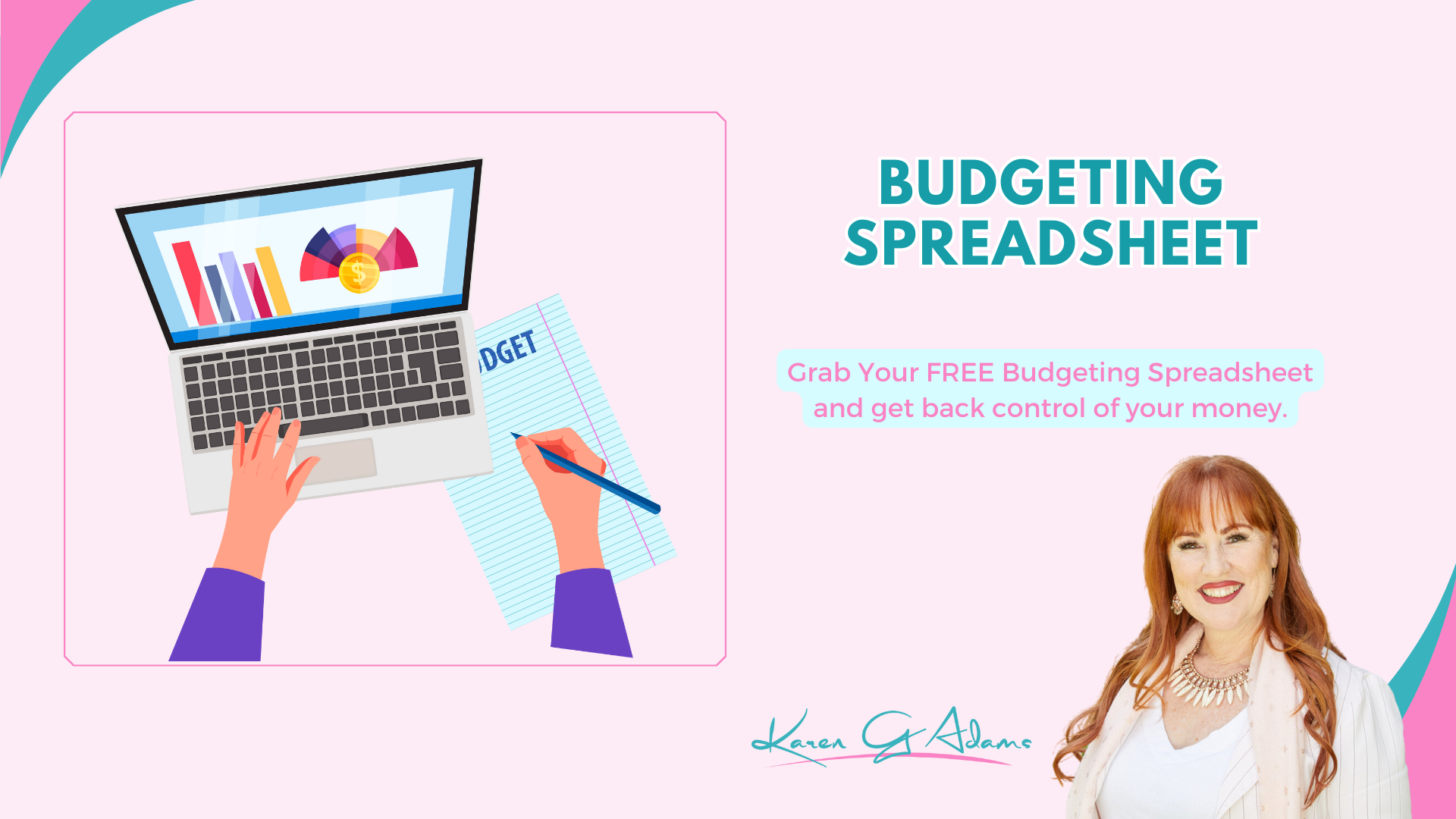
    It’s time for a little reality check (but make it fun!). Grab your favourite drink, sit down, and crunch some numbers. Look at your income, debts, savings, and expenses. Understanding where you stand financially is crucial to setting realistic goals. Use apps or spreadsheets to track your finances—seeing everything on one screen can make managing money more engaging and less daunting. I have a FREE budgeting spreadsheet that you can download, which makes it easy and quick to get a snapshot of your financial position.  Download the spreadsheet HERE. 

    STEP 3: SET SMART FINANCIAL GOALS

    Specific, Measurable, Achievable, Relevant, and Time-bound – these are the golden rules for goal-setting. Break your financial freedom dream into smaller, achievable milestones. Maybe you want to pay off your credit card debt in two years or save for a deposit and down payment on a home in five years. Whatever those goals may be, write them down and commit to them.

    STEP 4. CREATE A BULLETPROOF BUDGET

    Now, let’s craft a budget that’s as vibrant and dynamic as you are. Your budget is your blueprint to financial freedom. It should allocate funds for your necessities, savings, debts, and a little fun money too—because what’s life without a little spice? Use budgeting tools or apps to keep you on track and make adjustments as your financial situation evolves.  As mentioned earlier in this blog, you can download the spreadsheet HERE.

    STEP 5: BUILD AN EMERGENCY FUND

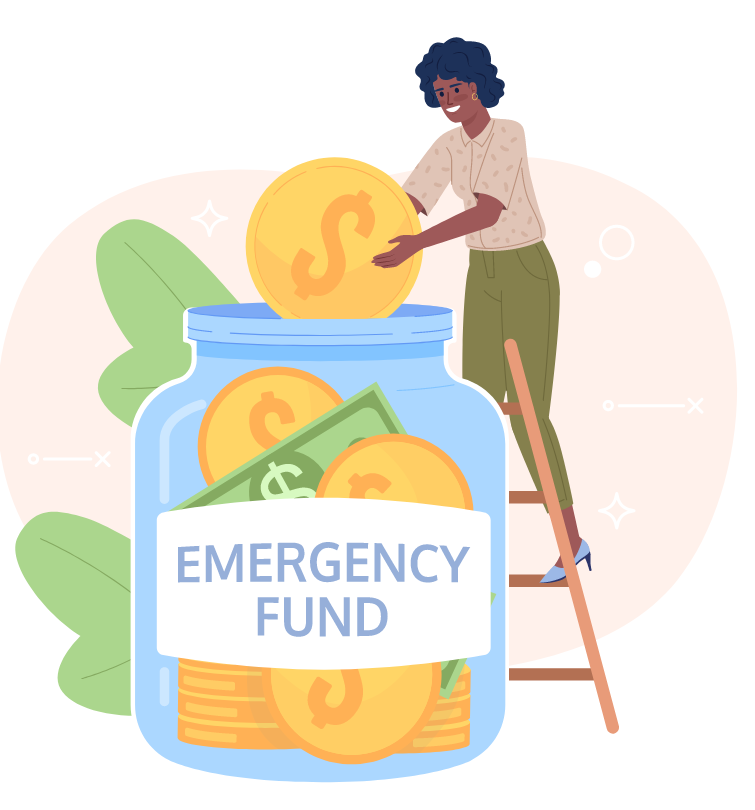
    Life loves to throw curveballs, and sometimes they hit us right in the wallet. An emergency fund acts as a financial safety net. Start by saving enough to cover at least three to six months’ worth of living expenses. This fund will protect you from unforeseen circumstances like medical emergencies, urgent home repairs, or unexpected job loss. 

    STEP 6: ELIMINATE AND MANAGE DEBT

    Debt can be a heavy chain holding you back from your freedom. Focus on paying off high-interest debts first, such as credit card balances or personal loans. Consider strategies like the debt snowball or avalanche methods. Remember, every payment is a step closer to your financial liberation.

    Life’s unexpected financial challenges can catch us off guard. Having an emergency fund can provide a safety net to help cover these unforeseen costs without the need to go into debt or disrupt long-term financial goals.

    STEP 7: INCREASE YOUR INCOME

    Sometimes cutting expenses isn’t enough to achieve your financial goals quickly. Look for ways to boost your income. Could you ask for a raise, change jobs for a higher salary, or start a side hustle? Maybe now’s the time to turn your hobby into a profit-making venture!

    STEP 8: INVEST IN YOUR FUTURE

    Investing can be a game-changer in your journey to financial freedom. Research different investment options like stocks, bonds, mutual funds, or real estate. Consider speaking with a financial advisor first before investing to tailor an investment strategy that suits your risk tolerance and financial goals.

    STEP 9: STAY EDUCATED AND ADAPT

    The financial world is always evolving, and so should your strategies. Keep learning, read books, attend workshops, follow my blogs, and join my community of like-minded individuals via the Learning Hub or Monthly Coaching. The more you know, the better equipped you’ll be to make informed financial decisions.

    STEP 10: CELEBRATE YOUR PROGRESS

    Don’t forget to celebrate your victories, big or small. Achieving financial freedom is a journey, not a sprint. Set up little rewards for yourself as you hit milestones. This not only makes the process enjoyable but also keeps you motivated.

    CONCLUSION

    Remember, financial freedom isn’t about having lots of money; it’s about having choices. It’s about living your life on your terms. So, let’s raise our glasses (of budget-friendly wine, of course!) to a brighter, financially free future. 

    Here’s to making smart choices, being strategic, and having fun along the way. You’ve got this!

    Take Control of Your Finances Today!

    Are you tired of living paycheck to paycheck? Do you want to make smarter financial decisions but don’t know where to start? This monthly financial coaching program is designed to help you take control of your finances and achieve your financial goals.

    Mastering Budget and Saving Techniques
    Mastering Budget and Saving Techniques