EOFY is Over – Now What? How to Make the Most of Your Fresh Start

EOFY is Over – Now What? How to Make the Most of Your Fresh Start

The receipts are in, the spreadsheets are done, and you’ve (hopefully) high-fived your tax agent. The end of financial year (EOFY) is behind us – but what now?

For many Australians, EOFY feels like the finish line. But what if I told you it’s actually the starting line for something bigger: your financial transformation?

This fresh start isn’t just about filing taxes. It’s about taking back control, getting intentional, and building the kind of financial life that makes you feel calm, confident, and in charge.

Here’s exactly how to use the post-EOFY energy to fuel your financial success in the new year.

1. Reflect, Don’t Regret: Review Your Financial Year With Curiosity

Before you launch into new goals, pause to reflect. What worked last year? What didn’t? Where did your money actually go?

This isn’t about blame or shame. It’s about building awareness. If you don’t know your patterns, how can you shift them?

Look at:

  • Income vs. spending: Were you living within your means?
  • Savings progress: Did you build or drain your emergency fund?
  • Debt: Did it grow, shrink, or stay the same?
  • Investments: Did you start, stop, or ignore them?

Pro tip: Ask yourself: “What would I love to feel differently about my money this year?”

2. Reset Your Financial Goals (Make Them Feel Exciting!)

Generic goals like “save more money” or “spend less” don’t motivate anyone. Your goals should feel like a reward, not a punishment.

Examples:

  • Old: Save $5,000
  • New: Save $5,000 to take the family on a Bali holiday

Or:

  • Old: Pay off credit card
  • New: Clear my credit card so I can sleep better at night and finally stop stressing over bills

The more emotionally connected you are to the why, the easier it is to stay focused.

Try this:

  • Choose 1 short-term goal (within 6 months)
  • Choose 1 long-term goal (6+ months to 3 years)
  • Attach a reason and an emotion to each

Reset Your Financial Goals

3. Do a Budget Reset That Reflects the Life You Want

Forget rigid old-school budgets. Let’s talk about a spending plan that reflects your values.
Where do you want your money to go? Think beyond bills. Think joy, freedom, peace of mind. Start by:

  • Reviewing subscriptions: Are you using them all?
  • Updating your cost of living: Groceries, fuel, and utilities have changed – so should your plan
  • Adjusting categories: Maybe you’re spending more on wellness, less on takeaway

Bonus idea: Create a “Fun Fund” for guilt-free spending on the things you love. Yes, really.

4. Revisit (or Create) Your Emergency Fund

This year has already shown us how unpredictable life can be. Having a financial buffer can be the difference between stress and peace of mind.

Even $1,000 can give you breathing room. Ideally, aim for 3 months of expenses, but start small and build momentum.

Hot tip: Keep your emergency fund in a high-interest savings account you don’t touch unless it’s a genuine emergency.

5. Re-assess Your Super and Insurance

Post-EOFY is the perfect time to check in on the financial foundations you often forget about.

  • Superannuation: Are your contributions on track? Is your fund performing? Are fees eating into your future?
  • Personal insurance: Are you covered for income protection, life, or trauma? Is it still aligned with your needs?

Even a quick 20-minute review can help you spot easy wins or avoid future issues. Need help? A financial coach (like me) or adviser can guide you through these choices in plain English.

Superannuation

6. Start a New Habit (Small, Consistent Wins Add Up)

Want to save more, spend better, or build wealth? It starts with habits. Pick one new habit that supports your bigger goal. For example:

  • Transfer $50 to savings every payday
  • Spend 5 minutes a week reviewing your money
  • Read or listen to one money podcast per month
  • Tiny habits build massive momentum.

Try this: Schedule a 15-minute “money date” with yourself every week. Make it fun: coffee, music, candle, whatever makes it feel less like a chore.

7. Get Support: Don’t go it alone!

If the last financial year felt overwhelming, you don’t have to repeat that story.

Whether it’s talking to a financial coach (yep, that’s me!), joining a money challenge, or signing up for a workshop, getting support can fast-track your progress and boost your confidence.

You’re not behind. You’re not bad with money. You just haven’t had the right tools or team yet.

EOFY is Done. Your Financial Comeback Starts Now.

This new financial year is more than a date change, it’s an opportunity. You can choose to:

  • Set goals that actually excite you
  • Build a money plan that fits your real life
  • Create calm, clarity, and confidence in your finances

Ready to stop winging it and start winning it? Book your free discovery session today and let’s create a plan you can stick to, without the stress.

Your fresh start is waiting. Let’s make it count.

You survived EOFY. Now let’s help your money thrive.
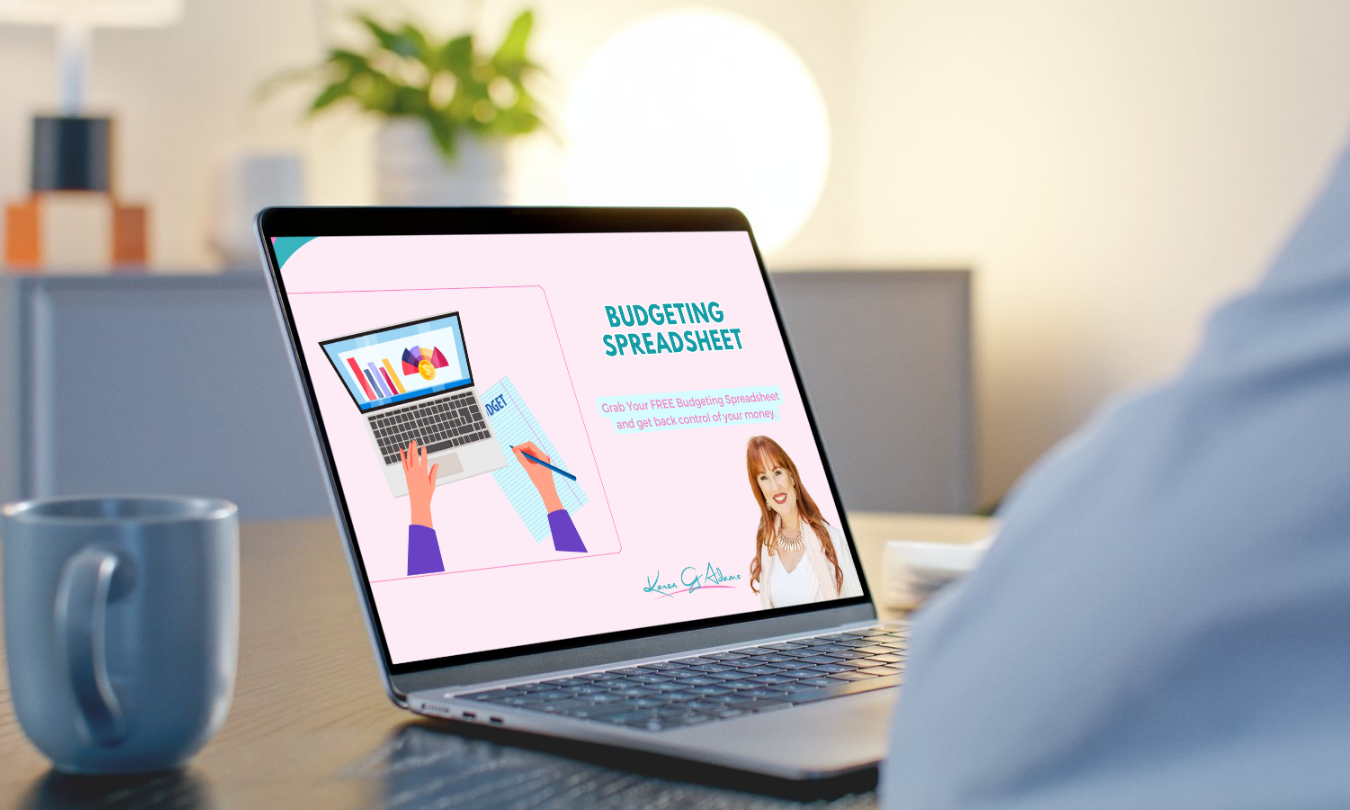
Free Budgeting Spreadsheet
The Vault
The Big Picture: Why Net Position Matters More Than Budgeting

The Big Picture: Why Net Position Matters More Than Budgeting

When people think about managing their finances, budgeting is often the first thing that comes to mind. While budgeting is an essential tool, it’s only one piece of the puzzle. To truly take control of your financial life, you need to understand your net position. This bigger-picture view is the cornerstone of long-term financial success. In this blog, we’ll dive into what net position is, why it matters, and how it can transform your approach to money management.

What is Net Position?

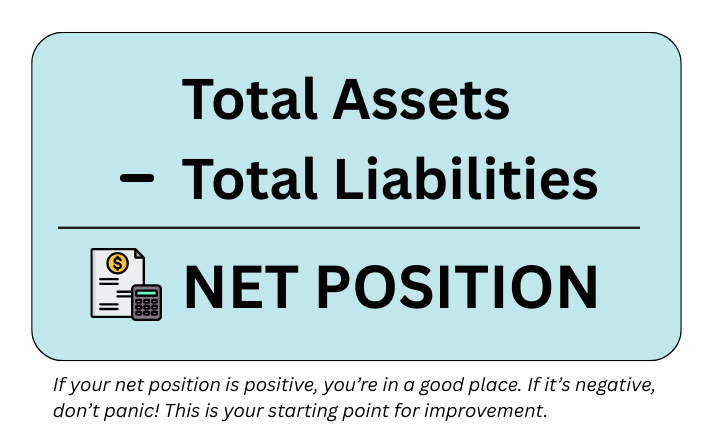
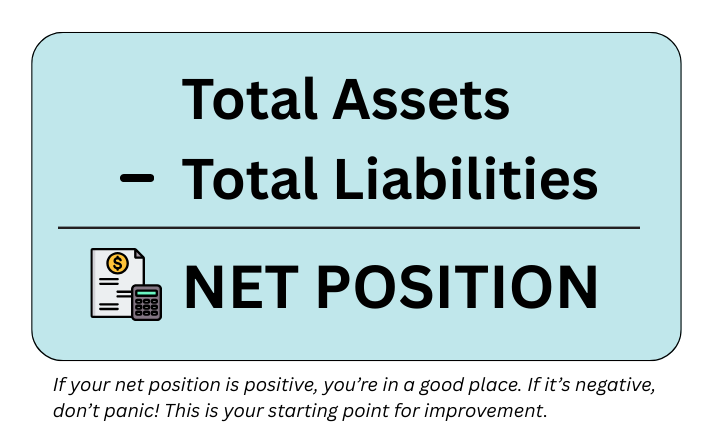
Your net position is the difference between what you own (your assets) and what you owe (your liabilities). It’s essentially your financial scorecard, giving you a snapshot of your overall financial health. Here’s a simple formula:

Net Position

Assets include things like your home, car, savings, and investments. Liabilities include mortgages, credit card debt, personal loans, and other financial obligations. Knowing your net position helps you understand whether you’re building wealth or accumulating debt.

Why Net Position Matters More Than Budgeting

Budgeting is about managing your monthly cash flow, how much money comes in and goes out. While this is important, it doesn’t give you a complete picture of your financial health. Here’s why focusing on your net position is a game-changer:

1. PROVIDES A HOLISTIC VIEW

      • Budgeting focuses on short-term goals, like paying bills or saving for a vacation. Net position shows your long-term financial standing, including the value of your assets and the weight of your debts.

2. HELPS SET REALISTIC GOALS

      • Understanding your net position allows you to set achievable financial goals, whether it’s buying a home, retiring early, or becoming debt-free.

3. REVEALS FINANCIAL TRENDS

      • Tracking your net position over time helps you see whether your financial health is improving or deteriorating.

4. GUIDES BETTER DECISION-MAKING

      • Knowing your net position helps you make informed decisions about spending, saving, and investing.

Common Misconceptions About Net Position

Budgeting is about managing your monthly cash flow, how much money comes in and goes out. While this is important, it doesn’t give you a complete picture of your financial health. Here’s why focusing on your net position is a game-changer:

1. “Only Wealthy People Need to Track Their Net Position”

      • False! Everyone, regardless of income level, can benefit from understanding their net position. It’s about knowing where you stand and where you’re headed.

2. “Budgeting Alone is Enough”

      • While budgeting is crucial for managing day-to-day expenses, it doesn’t address your overall financial health.

3. “It’s Too Complicated”

      • Tracking your net position can be as simple as listing your assets and liabilities in a spreadsheet or using a financial app.

Steps to Improve Your Net Position

1. ELIMINATE HIGH-INTEREST DEBT

      • Focus on paying off credit cards and personal loans first. These often carry the highest interest rates and can significantly impact your financial health.

2. INCREASE YOUR SAVINGS

      • Build an emergency fund with at least three to six months’ worth of living expenses. This provides a financial safety net and reduces the need for high-interest debt during emergencies.

3. INVEST WISELY

      • Grow your assets by investing in a diversified portfolio. Consider long-term investments like retirement accounts or real estate.

4. REDUCE LIABILITIES

      • Pay down loans and avoid taking on new debt unless it’s for a strategic purpose, like buying a home.

5. TRACK YOUR PROGRESS

      • Revisit your net position quarterly or annually to measure your progress and adjust your financial plan as needed.

How Our “Know Your Numbers” Course Can Help

Our “Know Your Numbers” course is designed to take the guesswork out of understanding your net position. Here’s what you’ll learn:

1. HOW TO CALCULATE YOUR NET POSITION 

      • Step-by-step guidance on listing your assets and liabilities.

2. TOOLS AND TEMPLATES

      • Access user-friendly calculators and spreadsheets to track your progress.

3. STRATEGIES FOR IMPROVEMENT

      • Learn actionable steps to grow your assets, reduce your liabilities, and increase your net worth.

4. REAL-LIFE EXAMPLES 

      • See how others have transformed their financial health by focusing on their net position.

Success Stories

1. JOAN’S TRANSFORMATION

Joan discovered her net position was negative due to high credit card debt. Using strategies from the course, she paid off her debt in two years and now has a positive net worth of $20,000.

2. PETER’S JOURNEY

Peter thought he was doing well because he had a high income. After calculating his net position, he realised his debt outweighed his assets. He’s since restructured his finances and is on track to achieve financial independence.

Know Your Numbers

Conclusion

Understanding your net position is the key to unlocking financial freedom. It’s not just about how much you earn or spend; it’s about the bigger picture of what you own versus what you owe. By focusing on your net position, you can make smarter financial decisions, set realistic goals, and build a secure future. Ready to take control? Join our “Know Your Numbers” course today and start your journey toward financial clarity and success.

The Vault
Mastering Money with Ease: The Secrets to Financial Flow

Mastering Money with Ease: The Secrets to Financial Flow

What if managing money felt effortless instead of stressful? What if financial decisions felt natural rather than overwhelming? Welcome to the concept of financial flow – where money moves in and out of your life with ease, and you feel confident and in control every step of the way.

Financial flow isn’t about luck, nor is it reserved for the wealthy. It’s about aligning your mindset, habits, and systems so that money becomes a source of empowerment rather than anxiety. Let’s dive into the secrets of mastering money with ease.

Secret #1: Trust That Money Flows to and Through You

One of the biggest money struggles people face is the feeling of scarcity – thinking there’s never enough. But here’s a powerful reframe: Money is energy. It moves, circulates, and returns when managed intentionally.

Rather than clinging tightly to every dollar out of fear, shift your perspective:

    • Trust that more opportunities to earn will come.
    • Believe that when you spend intentionally, money will return in other ways.
    • Recognise that wealth grows when you let money work for you through smart investments and aligned spending.

The key is to create a flow where money moves through your life in a way that serves you, rather than feeling stuck or stagnant.

Secret #2: Design a Financial System That Works for You

Many people resist financial planning because they think it’s restrictive. But the truth is, having a system actually frees you. A good financial system automates the boring stuff so you can focus on what matters. A simple, effective system includes:

    • A Spending Plan (not a strict budget, but a flexible plan for where your money should go each month)
    • Automatic Transfers to savings and investments so they grow without you overthinking it
    • A Guilt-Free Fun Fund so you can enjoy your money without worry
    • A Weekly Money Check-In to keep things on track without stress

When your system is designed for ease, managing money stops being a chore and starts feeling like second nature.

Design a Financial System That Works for You

Secret #3: Align Your Money with Your Joy

Ever notice how some purchases feel amazing while others leave you with regret? That’s because true financial satisfaction comes from spending in alignment with your values and priorities.

Take a look at your expenses and ask:

    • Does this purchase bring me joy, security, or opportunity?
    • Am I spending out of habit, pressure, or impulse?
    • How can I redirect my money toward things that truly enrich my life?

When money is spent intentionally on things that light you up rather than weigh you down, you feel at ease with your financial decisions.

Secret #4: Remove the Money Blocks Keeping You Stuck

Sometimes, it’s not just financial strategies that hold people back – it’s emotional and mental blocks. Thoughts like:

    • “I’ll never get ahead.”
    • “Money is stressful.”
    • “I don’t deserve to be wealthy.”

These hidden money blocks create resistance, keeping you stuck in the same cycles. The key is to identify them, challenge them, and replace them with beliefs that support financial ease.

Instead of “Money is stressful,” try “I am learning to manage money with confidence.” Small shifts in mindset create massive shifts in financial reality.

Secret #5: Surround Yourself with Financial Flow Energy

Just like anything in life, who and what you surround yourself with influences your financial experience. If your circle is always complaining about money or reinforcing scarcity thinking, it’s harder to break free.

Instead, seek out:

    • Books and podcasts that expand your financial knowledge
    • Mentors or communities that uplift and encourage abundance
    • Coaching or courses that provide actionable steps toward financial confidence

This is exactly why I created my Monthly Coaching program, giving you access to THE VAULT – a collection of resources to help you create lasting financial flow. And if you’re ready to take full control of your financial journey, the Master Your Money program will guide you every step of the way.

THE VAULT and Master Your Money Program

Final Thoughts: Financial Flow is a Choice

Mastering money with ease isn’t about earning more, it’s about creating a relationship with money that feels natural and empowering. When you remove resistance, align your money with your joy, and put systems in place, you create a life where money works for you, not against you.


So ask yourself: What’s one step you can take today to step into financial flow? Your money journey is yours to design, and you have everything it takes to make it happen and effortless.

The 90 Day Money Makeover