What are Some Effective Strategies for Saving Money?

What are Some Effective Strategies for Saving Money?

Saving money effectively involves a combination of smart financial planning, disciplined spending, and strategic saving.  It doesn’t have to be complicated, you just have to make a start and watch your money grow.   

There is no greater feeling than seeing money in the bank, instead of stressing that there is never enough money when you need it, especially in times of emergencies.

Here are some strategies that can help you save money effectively:

BUDGETING

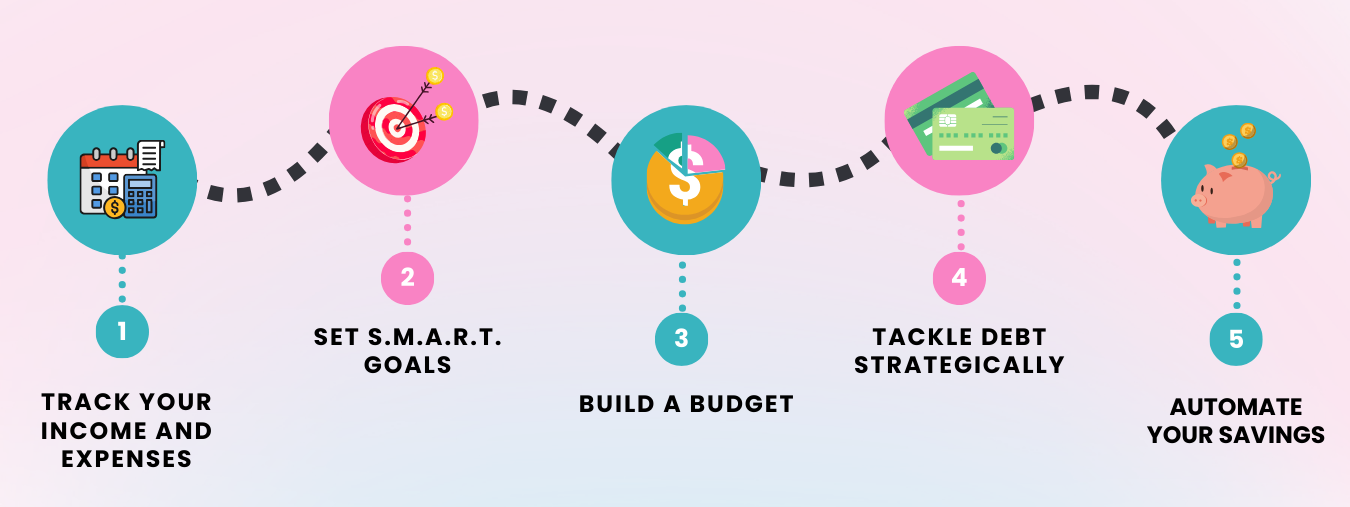
Create a detailed budget to track your income and expenses. This helps you understand where your money goes and identify areas where you can cut back.

ELIMINATE UNNECESSARY EXPENSES

Review your spending habits and cut back on non-essential expenses like eating out, subscription services you don’t use often, or impulse purchases.

Eliminate Unnecessary Expenses

EMERGENCY FUND

Build an emergency fund to cover unexpected expenses. This prevents you from having to rely on credit cards or loans, which can lead to debt.

PAY YOURSELF FIRST

Treat savings as a non-negotiable expense. Set aside a portion of your income for savings immediately after you receive it, before you spend on anything else.

USE AUTOMATED SAVING TOOLS

Many banks offer automated transfers to savings accounts. Automating your savings can ensure you save regularly without having to think about it.

REDUCE HIGH-INTEREST DEBTS

Pay off high-interest debts like credit card balances as quickly as possible. This reduces the amount you pay in interest and frees up more money for savings.

SHOP SMART

Look for discounts, use coupons, and compare prices before making purchases. Buying items on sale or in bulk can also save money in the long run.

ENERGY EFFICIENCY

Reduce your utility bills by using energy-efficient appliances, turning off lights when not in use, and moderating heating and cooling.

INVEST WISELY

Consider investing in stocks, bonds, or mutual funds. Investments can offer higher returns than traditional savings accounts, though they come with risks.

REVIEW AND ADJUST REGULARLY

Regularly review your budget and savings goals. As your financial situation changes, adjust your strategies accordingly.

MEAL PLANNING

Plan meals in advance to avoid dining out frequently. Cooking at home is generally cheaper and healthier.

SECOND-HAND AND REFURBISHED ITEMS

Consider buying second-hand or refurbished items instead of new ones. This can be particularly cost-effective for electronics, furniture, and clothes.

Meal Planning
Cooking at home is generally cheaper and healthier.

USE PUBLIC TRANSPORTATION

If feasible, use public transportation instead of owning a car. This saves on gas, insurance, and maintenance costs.

AUTOMATE BILL PAYMENTS

Automate your bill payments to avoid late fees. This also helps in managing your cash flow more effectively.

EDUCATION AND SELF-IMPROVEMENT

Invest in learning new skills or improving existing ones. This can lead to better job opportunities and higher income in the future.

Remember, saving money is a gradual process, and it’s important to find a balance that works for your lifestyle and financial goals.

Start today and watch your money grow with every dollar you save.

Grab a FREE COPY of my Budget Spending Plan to track your income and expenses. CLICK HERE!

Want to learn more? The LEARNING HUB helps you gain more financial knowledge, while providing you with the support and help you and others need. Join now for only $79 USD per month.

Join the Learning Hub - Financial Management 101 by Karen G Adams
Strategies for Relief When Facing Financial Stress

Strategies for Relief When Facing Financial Stress

In today’s fast-paced world, financial burdens can be overwhelming. Whether dealing with debt, managing daily expenses, or saving for the future, these challenges can be extremely stressful. However, with the right strategies, it is possible to overcome these obstacles and achieve financial stability. Here, we will look at practical ways to manage and alleviate financial stress.

1. CREATE A BUDGET AND STICK TO IT

The cornerstone of financial health is a well-planned budget. Start by tracking your income and expenses to understand where your money is going. This will help you identify unnecessary expenditures and areas where you can cut back. A budget gives you control over your finances and prevents overspending.

2. BUILD AN EMERGENCY FUND 

One of the best ways to buffer against financial stress is by having an emergency fund. Aim to save enough to cover at least three to six months of living expenses. This fund can be a lifesaver in unexpected situations like job loss or medical emergencies, preventing the need for high-interest loans.

Create a budget and pay-off high-interest debts

3. TACKLE HIGH-INTEREST DEBTS

High-interest debts, such as credit card balances, can quickly spiral out of control. Prioritise paying off these debts by focusing on the ones with the highest interest rates first. Consider debt consolidation or refinancing options if they can lower your interest rates and make payments more manageable.

4. INCREASE YOUR INCOME 

Sometimes, cutting expenses isn’t enough. In such cases, look for ways to increase your income. This could mean asking for a raise, taking on a part-time job, or turning a hobby into a source of income.

5. SEEK PROFESSIONAL ADVICE

If you’re struggling to manage your finances, don’t hesitate to seek help from a financial advisor. They can provide personalised advice suited to your financial situation and help you develop a plan to overcome your financial burdens.

6. EMBRACE A MINIMALIST LIFESTYLE 

Taking a minimalist approach can help to reduce financial stress. This doesn’t mean living without essentials, but rather focusing on what you truly need and value. It can lead to significant savings and a less materialistic, more fulfilling life.

Conclusion

Overcoming financial challenges necessitates a combination of practical strategies and a mental shift. By implementing these strategies, you can lead a financially secure and stress-free life. Remember that small steps can lead to big results, so start today and take control of your financial future.


The LEARNING HUB helps you gain more financial knowledge, while providing you with the support and help you and others need. Join now for only $79 USD per month.

Debt Consolidation: A Midlife Financial Tune-Up

Debt Consolidation: A Midlife Financial Tune-Up

As we navigate our 30s, 40s, and early 50s, managing multiple debts can be like juggling with too many balls in the air. Whether it’s credit card debts, personal loans, or car payments, keeping track can be overwhelming. This is where debt consolidation comes in as a practical financial strategy, providing a much-needed tune-up for your finances.

1. UNDERSTANDING DEBT CONSOLIDATION

Debt consolidation is the process of combining multiple debts into a single loan with a lower interest rate. This simplifies payments and may save you money on interest, making debt management easier and less stressful.

2. ASSESS YOUR DEBTS

Begin by making a list of all your debts, including their balances, interest rates, and monthly payments. This exercise provides you with a clear picture of your overall debt, which is essential for effective debt consolidation.

3. FINDING THE RIGHT CONSOLIDATION LOAN

Look for a consolidation loan with a lower interest rate than the one you have now. Consider the loan term as well; a longer term may result in lower monthly payments but higher interest over time.

4. BEWARE OF HIDDEN COSTS

Keep an eye out for any fees associated with debt consolidation. Origination fees, balance transfer fees, and early repayment penalties can sometimes cancel out the benefits of a lower interest rate.

5. BUDGETING POST-CONSOLIDATION

It is critical to adjust your budget after consolidating. The goal is not only to effectively manage the new loan, but also to avoid incurring new debt.

6. BUILDING HEALTHY FINANCIAL HABITS

Debt consolidation is an excellent way to establish better financial habits. To avoid falling back into debt, commit to spending within your means and saving for emergencies.

It is critical to adjust your budget after consolidating. The goal is not only to effectively manage the new loan, but also to avoid incurring new debt.

7. CREDIT SCORE CONSIDERATIONS

Understand how debt consolidation may affect your credit score. Initially, it may cause a dip due to the hard inquiry from applying for a new loan. However, consistent payments can improve your credit score over time.

8. AVOIDING THE DEBT TRAP AGAIN

Consolidating debt should not be seen as a green light to rack up more debt. Avoid using credit cards or taking out new loans unless absolutely necessary.

9. SEEKING PROFESSIONAL ADVICE

Consult with a financial advisor to determine the best debt consolidation strategy for your unique situation and long-term financial goals.

10. CELEBRATIONG FINANCIAL MILESTONES

Track your progress and celebrate when you reach significant milestones in your debt repayment journey. This keeps you motivated and focused on your financial goals.

Debt consolidation, when done right, can be a game-changer in your financial journey. It’s not just about easing the burden of multiple debts but also about setting the stage for a more secure and stress-free financial future.

The LEARNING HUB at Financial Management 101 aims to help you gain more financial knowledge, while providing you with the support and help you need. Join the Learning Hub today for only $79 per month.

Join the Learning Hub - Financial Management 101 by Karen G Adams
How to Avoid a Tax Debt at the End of the Financial Year

How to Avoid a Tax Debt at the End of the Financial Year

What business owners must do to ensure they don’t have a tax debt at the end of the financial year.

As a business owner, there are several steps you can take to manage your money effectively and minimise the risk of having a tax debt at the end of the financial year. 

Here are some tips on how to do this:

1. MAINTAIN ACCURATE FINANCIAL RECORDS

Keep detailed records of all your business transactions, including sales, expenses, invoices, receipts, and bank statements. Accurate record-keeping is crucial for preparing your tax returns correctly and minimising errors.

2. SEPARATE PERSONAL AND BUSINESS FINANCES

Establish separate bank accounts for your personal and business finances. This separation will help you track your business income and expenses more effectively, making it easier to calculate your tax obligations accurately.

3. TRACK AND CATEGORISE EXPENSES

Categorise your business expenses properly to ensure you claim all eligible deductions. Common expense categories include office supplies, rent, utilities, travel, marketing, and employee salaries. Consider using accounting software or tools to streamline expense tracking and categorisation.

4. PLAN FOR ESTIMATED TAX PAYMENTS

Depending on your jurisdiction, you may be required to make estimated tax payments throughout the year. Estimate your tax liability and make timely payments to avoid penalties and interest charges. Consult with a tax professional or accountant to determine the appropriate amount to set aside for estimated taxes.

5. UNDERSTAND DEDUCTIBLE EXPENSES

Familiarise yourself with the tax deductions and credits available to your business. Deductible expenses can include equipment purchases, professional services fees, training costs, and business-related travel expenses. Keep receipts and documentation to support your deductions.

avoid a tax debt

6. SEEK PROFESSIONAL ADVICE

Consult with a tax professional or accountant who specialises in small business taxation. They can help you understand the tax laws specific to your industry and provide guidance on maximising deductions while staying compliant.

7. USE TAX PLANNING STRATEGIES

Explore tax planning strategies that can help you minimise your tax liability. For example, you may consider deferring income or accelerating expenses into the current financial year, where appropriate. Again, it’s essential to work with a tax professional to ensure you’re utilising these strategies correctly and legally.

8. BUDGET AND SAVE FOR TAXES

Create a budget that includes setting aside funds specifically for taxes. By saving for taxes throughout the year, you’ll have the necessary funds available when it’s time to make payments, reducing the risk of a tax debt.

Business Woman

Remember, while these steps can help you manage your money and minimise tax debt, it’s crucial to consult with a qualified tax professional who can provide personalised advice based on your specific circumstances and the tax laws applicable to your jurisdiction.

At Financial Management 101 – we are committed to providing YOU with excellent financial education, training and support so that you can live the life you truly desire.  Join our LEARNING HUB today!