From Chaos to Clarity: How to Create a Money Plan That Actually Works

From Chaos to Clarity: How to Create a Money Plan That Actually Works

Ever feel like your money is running you instead of the other way around? Like no matter how much you earn, there’s always more month than money?

If you nodded (or sighed), you’re not alone. The good news? You don’t need a finance degree, a six-figure income, or a strict budget to take control. You just need a money plan that works for you.

In this blog, we’ll ditch the overwhelm and walk through exactly how to create a simple, empowering money plan that gives you clarity, confidence, and real momentum.

Let’s go from chaos to clarity – starting today.

1. Start With Your “Why”: Anchor Your Money to What Matters

Before we dive into numbers, let’s get clear on your why. Because unless your money plan connects to something meaningful, it won’t stick.

Ask yourself:

  • What would feeling in control of my money allow me to do?
  • What does financial peace look like to me?
  • What am I working toward?

Your answers might include:

  • Paying off debt to sleep better at night
  • Saving for a dream trip or home deposit
  • Creating options so you can work less or start a business

Write your top 2 – 3 motivations down. These are your compass when the budget feels boring or things go off track.

2. Know Your Numbers (Without the Shame Spiral)

You can’t improve what you don’t measure. So let’s get honest, not harsh. Gather the basics:

  • Your income (all sources)
  • Your recurring bills
  • Your debt repayments
  • Your spending patterns (groceries, eating out, transport, etc.)
  • Your current savings and investments

Pro tip: Use the last 2–3 months of bank statements to see where your money actually went. You might be surprised (hello, Uber Eats). This isn’t about judgment. It’s about clarity.

3. Create a Simple Money Plan (The 70/20/10 Rule)

Forget complicated budgets with 47 categories. Here’s a simple, flexible formula you can actually stick to:

  • 70% for living: rent/mortgage, groceries, transport, lifestyle
  • 20% for financial goals: savings, debt repayments, investments
  • 10% for the future: extra super, long-term wealth building

The percentages aren’t set in stone. Adjust based on your situation. The key is having a structure that makes sure you’re not spending 100% of your income with nothing left to show for it.

Action step: Plug your own numbers into this formula and see where you land. If you’re off track, that’s your roadmap for change.

Create a Simple Money Plan

4. Automate Your Money Flow (And Take the Stress Out)

Once you know where your money should go, make it happen on autopilot.
Set up automatic transfers:

  • To a separate savings account (nickname it for motivation: “Italy 2026” or “Debt-Free Me”)
  • To cover bills and direct debits
  • To long-term savings or investment accounts

When you automate, you eliminate the willpower game. You’ll save without thinking and avoid last-minute money panic.

Bonus tip: Use a separate account for discretionary spending (like a digital “cash envelope”). When it’s empty, it’s empty.

5. Create an Emergency Buffer (For Life’s “Oh No!” Moments)

Life is full of surprises. Your washing machine breaks, your car needs fixing, or your job suddenly changes.

Having even $1,000 in a buffer fund means you don’t have to reach for the credit card every time life happens.

Aim for 1 month of essential expenses first, then build to 3. But start where you are, every $50 counts. Keep it in a separate high-interest savings account you can access in a true emergency (not Friday night online shopping).

6. Track Progress Without Obsessing

You don’t need to check your bank app five times a day. But regular check-ins keep you engaged and help you spot problems early.

Ideas to stay on track:

  • Weekly money date: review transactions, check balances, update goals
  • Monthly review: celebrate wins, adjust if needed

Use a simple app or spreadsheet to track goals

The goal isn’t perfection. It’s progress.

7. Keep Learning and Stay Inspired

Your relationship with money is lifelong. The more you understand it, the more confident you’ll feel. Try:

  • Reading a finance book this quarter
  • Listening to a weekly money podcast
  • Following finance educators on socials
  • Booking a session with a financial coach to personalise your plan

There’s no shame in not knowing something – only in staying stuck.

Clarity = Confidence = Momentum

When your money feels chaotic, it can affect everything: your stress levels, your sleep, your relationships, and your ability to plan ahead. But creating a money plan that actually works isn’t about spreadsheets or sacrifice. It’s about:

  • Getting clear on what matters to you
  • Creating a simple, sustainable system
  • Building habits that support your goals

And the best part? You can start today. One step. One decision. One plan.

If you’re ready to get out of the fog and into financial clarity, let’s talk. Book your free discovery call and let’s map out your next steps – with zero jargon, zero judgment, and 100% support.

Because you can feel good about your money. You just need a plan that fits your life.

No more chaos. It’s your time for clarity. Let’s make it happen.

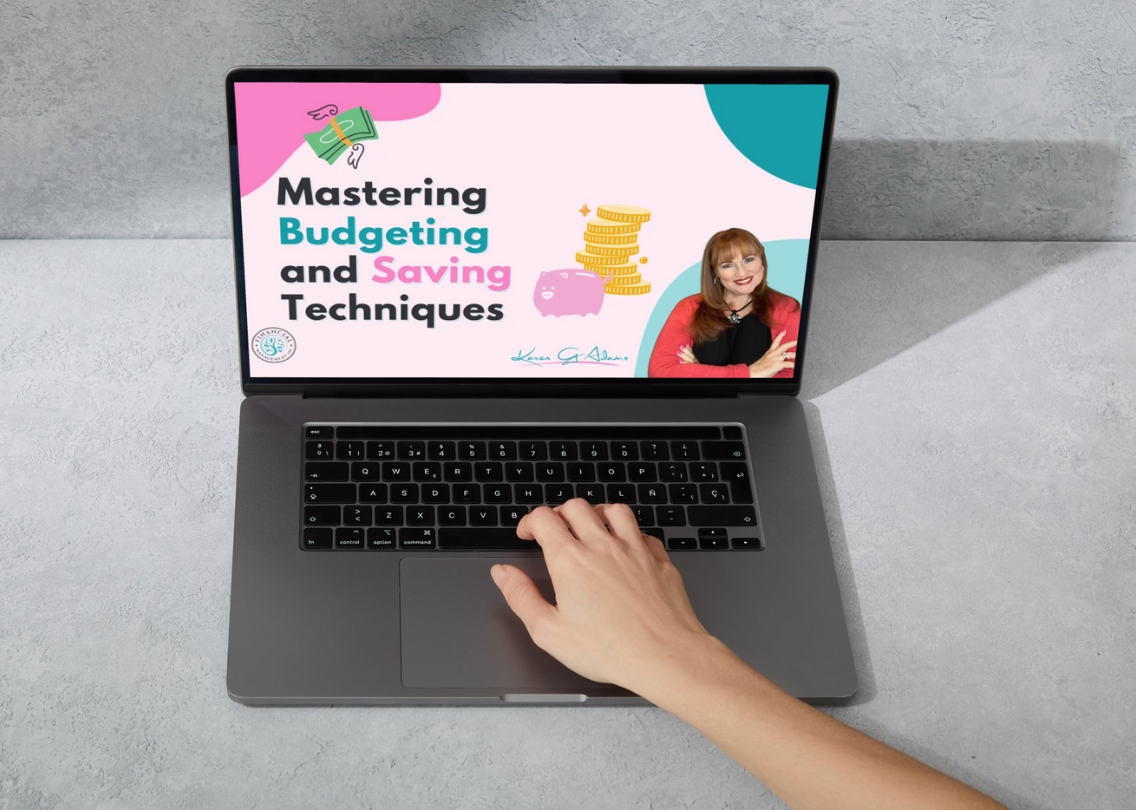
Mastering Budgeting and Saving
The Vault
Breaking the Chains: How to Escape the Cycle of Living Paycheck to Paycheck

Breaking the Chains: How to Escape the Cycle of Living Paycheck to Paycheck

Do you feel like your money disappears as soon as you get paid? Are you constantly counting the days until your next paycheck? If so, you’re not alone – millions of people find themselves trapped in the cycle of living paycheck to paycheck. But here’s the good news: escaping this cycle isn’t just possible, it’s within your control.

Let’s break the chains and create a life where money works for you, not the other way around.

Step 1: Shift from Survival Mode to Financial Strategy

Most people stuck in the paycheck-to-paycheck cycle don’t have a spending problem, they have a strategy problem. Instead of reacting to financial emergencies, it’s time to start planning proactively.

Ask yourself:

  • What would financial stability look like for me?
  • How much money do I need to feel secure between paychecks?
  • What’s stopping me from breaking free?

By shifting your focus from surviving to strategising, you take back control of your finances.

Shift from Survival Mode to Financial Strategy

Step 2: Find Your Financial Leaks (and Plug Them!)

Ever wonder where all your money goes? It’s time to find out. Track your spending for a month and identify the small, sneaky expenses draining your bank account. These could be:

  • Subscription services you forgot about
  • Daily coffee runs that add up to hundreds a month
  • Unused gym memberships
  • Frequent food delivery orders

Plugging these leaks doesn’t mean cutting out all enjoyment – it means being intentional about where your money goes.

Small, sneaky expenses might be draining your bank account

Step 3: Pay Yourself First – Even If It’s Just $10

The key to breaking the cycle is creating a buffer between you and financial stress. Start by setting aside a small amount from every paycheck – yes, even if it’s just $10. The act of saving builds momentum and rewires your brain for financial growth.

Open a separate savings account and automate deposits. Over time, you’ll build a financial cushion that prevents you from relying on the next paycheck.

Step 4: Increase Your Income Without Working More Hours

If your expenses leave you with nothing to save, it’s time to boost your income. But before you assume that means working more hours, consider these options:

  • Ask for a raise – most employees don’t, and employers often have room to negotiate.
  • Sell unused items – your clutter could be someone else’s treasure.
  • Offer freelance or side gigs – platforms like Fiverr, Upwork, and Etsy offer ways to monetise your skills.
  • Rent out assets – if you have an extra room, parking space, or equipment, consider renting it out.

Small income boosts can create big shifts in your financial freedom.

Step 5: Use Your Credit Wisely (Not Recklessly)

Credit can be a tool or a trap – it all depends on how you use it. Instead of relying on credit cards to cover gaps, use them strategically:

  • Pay off balances in full to avoid high-interest debt.
  • Use credit card rewards for cash back or travel perks.
  • Build your credit score to access lower rates on future loans.

Mastering your credit is key to long-term wealth-building.

Step 6: Create a 3-Month Escape Plan

Breaking free isn’t about overnight miracles, it’s about consistent steps in the right direction. Create a 3-month plan with small, achievable goals:

  • Month 1: Cut financial leaks and save at least $50.
  • Month 2: Increase income by $200 through side gigs or negotiations.
  • Month 3: Use extra income to build a financial cushion and pay off high-interest debt.

By the end of 90 days, you’ll have proof that escaping the paycheck-to-paycheck cycle is possible.

FINAL THOUGHTS

Financial freedom isn’t just for the lucky, it’s for those who take action. You have the power to rewrite your financial story and create a life where money works for you.

If you’re ready for a deeper transformation and a complete guide to managing your money, my Master Your Money Program will provide the step-by-step tools to take control once and for all.

You deserve financial peace – start your escape plan today!

Cash Flow is King: Why Every Small Business Owner  Needs a Financial Plan (Not Just More Work)

Cash Flow is King: Why Every Small Business Owner  Needs a Financial Plan (Not Just More Work)

If you’re a tradie, Franchisee or small business owner, chances are you’ve said this before:

“I just need more work.”
“If I can land that next big job, I’ll be sweet.”
“Once I get through this month, I’ll finally get on top of things.”

Sound familiar?

We’ve been sold this idea that working more hours or taking on more jobs is the key to financial stability.

But here’s the truth…

More work won’t fix your money problems if your financial plan is broken.

Let me say that again: More work won’t fix broken cash flow.

In fact, working harder without a system can actually worsen your money stress – leading to burnout, resentment, and a business that runs you, instead of the other way around.

In this blog, I’ll break down why cash flow is king, how small business owners end up in the trap of “more jobs = more chaos”, and what you can do to take control of your money (without working yourself into the ground).

The Myth of “More Work = More Money”

Let’s say you take on 3 new clients this month as a tradie. Awesome, right?
But then:

  • You buy more materials
  • You spend more hours on-site
  • You hire a subbie to help out
  • You juggle more admin
  • You forget to invoice someone
  • And suddenly – you’re busier than ever… but your bank account doesn’t show it

That’s because revenue doesn’t equal profit, and being busy doesn’t equal being financially fit.
You can be flat-out all month and still feel broke.

That’s the trap, and I see it every week with tradies, franchisees and business owners who are absolutely brilliant at what they do… but never learned how to manage the money side of things.

So What’s the Real Problem?

It comes down to one powerful truth:

Cash flow – not just income – is what makes or breaks your business.

Cash flow is the movement of money in and out of your business.

Not just how much you make, but:

  • When you get paid
  • How consistently money comes in
  • What goes out each week
  • Whether you’re left with a profit (or just scraping by)

If you don’t have control over your cash flow, you’re always reacting. You’re playing catch-up. And that stress leaks into everything – your health, your relationships, and even the quality of your work.

Here’s What Cash Flow Chaos Looks Like

If you’ve ever experienced any of these, you’re in a cash flow crunch:

  • You avoid checking your account because you’re afraid of what you’ll see
  • You wait until BAS is due to realise you owe thousands
  • You struggle to pay your own wage regularly
  • You’re always chasing late invoices
  • You can’t take time off because you’re constantly hustling to “keep up”
  • You’ve had to dip into your personal savings more than once

Sound familiar? You’re not alone. But the good news is – it’s fixable.

The Solution: A Simple, Small Business – Friendly Financial Plan

You don’t need a finance degree or a fancy accountant to get this sorted. You just need a clear plan for how money flows through your business. Here’s how to start building one.

1. KNOW YOUR BREAK-EVEN POINT

This is the minimum amount of money you need to earn each month to cover:

  • Business expenses (tools, fuel, phone, materials, subs, etc.)
  • Your personal wage
  • Tax and super
  • Any loan or debt repayments

Without knowing your break-even, you’re guessing. You’re flying blind. Once you’ve nailed this number, everything becomes clearer.

Now, you can set targets based on facts – not hope.

2. PAY YOURSELF A WAGE – YES, YOU!

This is the game changer. Every time income hits your account, it should be split into different buckets. That way, you’re not tempted to spend what should’ve gone to tax, bills, or your own pay.

Here’s a simple version that works great for small business owners:

✅ Income Account
Where all your payments land. This is your holding zone.

✅ Owner’s Pay Account
Your regular wage. Non-negotiable. You work hard, you deserve to be paid consistently.

✅ Expenses Account
Materials, suppliers, fuel, subscriptions, etc.

✅ Tax & BAS Account
Put aside 25 – 30% of every payment for Tax plus the GST portion. No more panic come BAS time.

✅ Profit Account
Even just 5% of each job. This is for rainy days, growth, or peace of mind.

You can set this up in 30 minutes through online banking. Once you do? You’ll sleep better knowing your money is finally working for you.

3. TRACK YOUR MONEY CASH FLOW

Once a week, check in on your numbers. This doesn’t need to be a 2-hour admin marathon. I’m talking 20–30 minutes to:

  • See what came in
  • Check what went out
  • Update your numbers
  • Chase unpaid invoices
  • Move money into your buckets

Make this a weekly ritual (I call it a Money Date) and watch your confidence skyrocket. Because the more you look at your money, the less power it holds over you.

4. TRACK YOUR MONEY CASH FLOW

You can have all the work in the world, but if your prices don’t reflect the true cost of running your business – you’ll never get ahead.

Too many small business owners undercharge because they’re afraid of losing the work.

But if you’re not charging for:

  • Admin time
  • Quote prep
  • Travel
  • Time off tools
  • Overheads
  • Profit margin

…then you’re not building a business. You’re building a time bomb.

You should be pricing with confidence, knowing that it covers everything – not hoping for the best.
Inside The Edge, I teach you a simple pricing calculator so you know exactly what to charge and why.

5. BUILD A BUFFER FUND

We all know some work can be seasonal or unpredictable.

A job gets delayed. A client pays late. You get sick. And suddenly your cash flow takes a hit. That’s why a buffer fund is crucial.

Aim to build up 1–3 months’ worth of business expenses in a separate account. This gives you breathing space and avoids making panic-driven decisions like slashing prices or taking on crappy jobs just for quick cash.

Start small – $50 a week adds up. Automate it. Make it part of your money system. 

Build a Buffer Fund

The Truth? You Don’t Need More Work. You Need a Better Money Plan.

You don’t need to hustle harder. You don’t need to take every job that comes your way. You need to manage your money better so the work you’re already doing actually pays off. Imagine this:

  • Getting paid consistently – even in quiet months
  • No more panicked BAS seasons
  • Knowing exactly what your business needs to earn each week
  • Saying YES to time off without financial stress
  • Watching your bank account grow, not shrink

That’s what happens when cash flow becomes your king, and your systems support you, not sabotage you.

And That’s Exactly What We Do Inside THE EDGE

THE EDGE is a 6-week coaching program for tradies, franchisees and small business owners who are ready to stop guessing and start owning their business money. We’ll help you:

✅ Set up a cash flow system
✅ Price for profit
✅ Get your BAS and tax sorted
✅ Pay yourself consistently
✅ Build a buffer
✅ Plan for growth (without working more hours)

It’s simple, structured, and built for people who are great at their trade, not spreadsheets.

Final Thoughts: Work Smarter. Get Paid Properly. Stress Less.

You didn’t go into business to work 24/7 and still worry about money.

You started your business for freedom, flexibility, and a better life. And the path to that life isn’t more work. It’s better cash flow.

So if you’re ready to take the pressure off and finally feel in control of your business money…

Join THE EDGE: 6-Week Coaching Program

Your business doesn’t need to change, it just needs a plan. Let’s build it together.

THE EDGE - 6-WEEK PROGRAM