How to Save When You Have Debt and the Cost of Living is High

How to Save When You Have Debt and the Cost of Living is High

Feeling like a hamster on a wheel, running fast but getting nowhere? High debt and living costs can do that. But fear not, because even a hamster can break free with a plan! Let’s explore how you can save money even when debt and high living costs are dragging you down.

The Debt Dillema

Debt is like an unwelcome guest who overstays their welcome, eating away at your peace of mind and your wallet. High living costs add fuel to this fire, making it seem impossible to save. But just as there’s a way out of every maze, there’s a path to financial freedom for you too.

STEP 1. TRACK EVERY DOLLAR

The first step to saving is knowing where your money is going. You might think you have a good handle on your spending, but tracking every dollar can reveal surprising patterns and money leaks you didn’t know existed.

Action Steps:

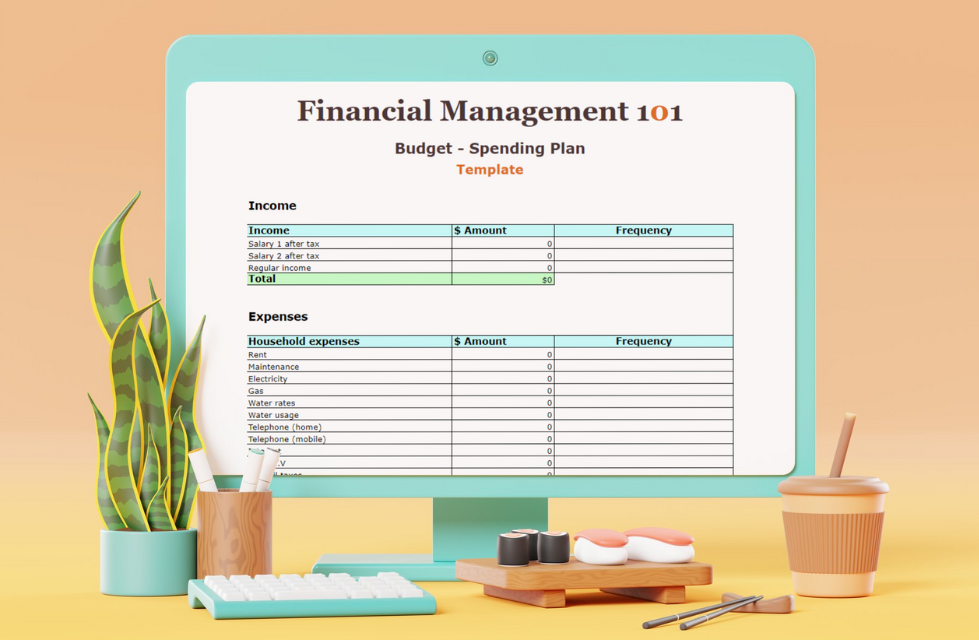
  1. Use Budgeting Apps: They can help you track your spending in real-time. They categorise your expenses and show you where your money goes. I have a budgeting spreadsheet that you can download and use, it’s free so check the link below.
  2. Manual Tracking: If you prefer, use an excel spreadsheet or a good old notebook. Write down every expense, no matter how small. This manual process can make you more mindful of your spending.

By tracking your expenses, you gain awareness of your spending habits, which is the first step to making changes.

Use Budgeting Apps

Use Budgeting Apps

They can help you track your spending in real-time.

STEP 2: PRIORITISE YOUR DEBTS

Not all debts are created equal. High-interest debts like credit card balances can quickly spiral out of control. By prioritising these, you can reduce the amount of interest you pay, freeing up money for savings.

Action Steps:

  1. List Your Debts: Write down all your debts, including interest rates and minimum payments. This gives you a clear picture of what you’re dealing with.
  2. Debt Avalanche Method: Focus on paying off the debt with the highest interest rate first while making minimum payments on others. Once the highest interest debt is paid off,move one to the next highest. This method saves you the most money in interest.
  3. Debt Snowball Method: Alternatively, pay off the smallest debt first to gain a psychological win. This boosts your confidence and motivation to tackle larger debts.

Prioritising your debts helps you tackle them systematically, reducing your overall financial burden.

STEP 3: NEGOTIATE YOUR BILLS

You’d be surprised at how often you can negotiate better terms on your bills. From credit card interest rates to cable bills, a simple phone call can result in significant savings.

Action Steps:

  1. Credit Card Rates: Call your credit card companies and ask for a lower interest rate. Explain your situation and your history as a good customer. You might be surprised at their willingness to help.
  2. Utility Bills: Check your monthly utility bills for any errors or unnecessary services. Contact your providers and negotiate lower rates or switch to a cheaper plan.
  3. Subscriptions and Services: Review your subscriptions (like cable, internet, gym memberships) and see if you can negotiate a lower rate or cancel unused services

Negotiating your bills can free up extra cash to put towards savings or debt repayment.

Review your subscriptions (like cable, internet, gym memberships) and see if you can negotiate a lower rate or cancel unused services.

Review your subscriptions (like cable, internet, gym memberships) and see if you can negotiate a lower rate or cancel unused services.

STEP 4: BOOST YOUR INCOME WITH SIDE HUSTLES

Increasing your income can make a significant difference when you’re trying to save and pay off debt. A side hustle can provide the extra cash you need to get ahead.

Action Steps:

  1. Identify Your Skills: What skills do you have that others might pay for? Freelancing, tutoring, pet sitting, or even selling crafts online can be great side gigs.
  2. Explore Gig Economy Jobs: Consider gig economy jobs like driving for Uber or Lyft, delivering groceries with Instacart, or doing tasks on TaskRabbit. These flexible jobs can fit into your schedule and provide additional income.
  3. Sell Unused Items: Declutter your home and sell items you no longer need on platforms like eBay, Craigslist, or Facebook Marketplace.

A side hustle can provide the financial boost you need to start saving and pay off debt faster.

STEP 5: CUT COSTS CLEVERLY

When living costs are high, cutting expenses might seem impossible. But with some creativity, you can find ways to reduce your spending without sacrificing too much.

Action Steps:

  1. Meal Planning and Cooking at Home: Eating out can drain your budget quickly. Plan your meals, buy groceries in bulk, and cook at home to save money. Consider batch cooking and freezing meals to save time.
  2. DIY and Repair: Before buying something new, see if you can repair or repurpose what you already have. YouTube is a great resource for DIY repair tutorials.
  3. Shop Smart: Use coupons, cashback apps, and shop during sales to save on groceries and household items. Compare prices online before making purchases.
  4. Energy Efficiency: Save on utility bills by making your home more energy-efficient. Use LED bulbs, unplug electronics when not in use, and adjust your thermostat to save on heating and cooling costs.

Cutting costs doesn’t mean you have to live a frugal, joyless life. It’s about making smarter choices that align with your financial goals.

Cut Costs Cleverly

Meal planning, doing your own house repairs, and using discount coupons and cashback apps can help you cut costs and save some bucks!

STEP 6: BUILD A SAVINGS HABIT

Even when money is tight, it’s important to build the habit of saving. Start small and gradually increase your savings as you pay off debt and free up more income.

Action Steps:

  1. Automate Your Savings: Set up automatic transfers to your savings account. Start with a small amount, like $5 or $10 a week, and increase it over time.
  2. Save Windfalls: Whenever you receive unexpected money (like a tax refund, bonus, or gift), put a portion of it into savings. This can give your savings a significant boost.
  3. Create a Savings Challenge: Challenge yourself to save a specific amount each month. Track your progress and reward yourself when you hit your targets.

Building a savings habit, even with small amounts, sets the foundation for long-term financial security.

STEP 7: STAY MOTIVATED AND FOCUSED

Paying off debt and saving money can be a long journey, but staying motivated is key to your success.

Action Steps:

  1. Set Clear Goals: Define your savings and debt repayment goals. Write them down and review them regularly to keep yourself focused.
  2. Celebrate Milestones: Celebrate your progress along the way. Whether it’s paying off a debt or reaching a savings milestone, acknowledge your achievements.
  3. Stay Positive: It’s easy to get discouraged when progress is slow. Surround yourself with positive influences, whether it’s friends, family, or online communities focused on financial goals.

Remember, every small step you take brings you closer to financial freedom. Stay focused, stay motivated, and keep pushing forward.

Conclusion

Saving money when you have debt and the cost of living is high might seem like a daunting task, but it’s not impossible. By tracking your expenses, prioritising your debts, negotiating your bills, boosting your income, cutting costs cleverly, building a savings habit, and staying motivated, you can make significant progress toward your financial goals. Remember, it’s not about making huge changes overnight, but about taking small, consistent steps that add up over time. So, start today and watch as your financial situation gradually improves, one penny at a time.

Learn the fundamental concepts of how budgeting and saving are important to your financial well-being. Registration is now open for the course: Mastering Budget and Saving Techniques. This is a hands-on course with me guiding you on how to budget, track and look at managing your money like a pro.
Mastering Budget and Saving Techniques
The Importance of a Personalised Budgeting System

The Importance of a Personalised Budgeting System

Whether you’re saving for your first home, planning a big holiday, or just trying to ensure you don’t run out of cash before payday, a budget tailored to your needs can make all the difference.

What is a Personalised Budgeting System?

A personalised budgeting system is a financial plan designed to suit your unique income, expenses, lifestyle, and goals. Unlike generic budgeting methods, which often take a one-size-fits-all approach, a personalised budget takes into account your specific situation. This means it can help you manage your money more effectively and achieve your financial goals more efficiently.

Personalised Budgeting System

Why Is It Important?

1. CONTROL OVER YOUR FINANCES

A personalised budget gives you a clear picture of where your money is going. This control helps you make informed decisions about spending and saving. By knowing exactly how much you have and what you need to cover, you can avoid overspending and reduce financial stress.

2. TAILORED TO YOUR GOALS

Whether you’re saving for a down payment on a house in Perth, planning a trip across Europe, or building an emergency fund, a personalised budget helps you allocate funds towards your specific goals. This targeted approach means you can make steady progress without feeling deprived.

3. FLEXIBILITY

Life is unpredictable, and a personalised budget can adapt to changes in your circumstances. If you get a pay rise, change jobs, or face unexpected expenses, your budget can be adjusted to reflect your new reality. This flexibility ensures that your financial plan remains relevant and effective no matter what life throws at you.

4. BETTER SPENDING HABITS

By tracking your expenses, a personalised budget can help you identify and eliminate bad spending habits. You might be surprised at how much you spend on takeaway coffees or impulse buys. Recognising these patterns is the first step towards making more mindful choices.

5. PEACE OF MIND

Knowing you have a plan in place can significantly reduce financial anxiety. With a personalised budget, you can prepare for the future with confidence, knowing you have a roadmap to guide you. This peace of mind allows you to enjoy life more fully without constantly worrying about money.

With a personalised budget, you can prepare for the future with confidence.

Learn the fundamental concepts of how budgeting and saving are important to your financial well-being. Registration is now open for the course: Mastering Budget and Saving Techniques. This is a hands-on course with me guiding you on how to budget, track and look at managing your money like a pro.

ENTER THE CODE WORD: BUDGETING2024 to get $100 off this course.

Mastering Budget and Saving Techniques
Eco-Friendly Savings: Going Green to Save Green

Eco-Friendly Savings: Going Green to Save Green

Finding ways to save money is always a priority, and what if you could do that while also being kind to the planet? Embracing eco-friendly practices at home and in your lifestyle not only benefits the environment but can also lead to significant savings. Let’s explore how going green can help you save green.

1. ENERGY EFFICIENCY AT HOME

Start by making your home more energy efficient. Simple changes such as switching to LED bulbs, using energy-efficient appliances, and improving home insulation can significantly reduce your energy bills.

2. SMART WATER USAGE

Water conservation is another area where you can save money. Fixing leaks, installing low-flow showerheads, and gardening with rainwater can all help you save money on water.

Fixing leaks can help in saving the planet

3. REDUCE, REUSE, RECYCLE

Embracing the principles of reducing, reusing, and recycling can result in cost savings. Buy less, use reusable products instead of disposable ones, and recycle whenever possible. This not only saves money but also reduces waste.

4. ECO-FRIENDLY TRANSPORTATION

Consider eco-friendly transportation options. Walking, biking, carpooling, or taking public transportation can help you save money on petrol and car maintenance, not to mention the environmental benefits.

5. GROW YOUR OWN

Starting a small vegetable garden can be rewarding and cost-effective. Growing your own food lowers the cost of fresh produce and provides you with organic and healthy options right at your doorstep.

Growing your own food lowers the cost of fresh produce and provides you with organic and healthy options right at your doorstep.

6. EMBRACE SECOND-HAND AND THRIFT

Shopping secondhand is not only cost-effective, but also environmentally friendly. Thrift stores, garage sales, and online marketplaces are excellent places to find high-quality items at a fraction of their retail price.

7. DIY NATURAL CLEANING PRODUCTS

Many commercial cleaning products are expensive and contain harmful chemicals. Making your own cleaning products from natural ingredients like vinegar and baking soda is less expensive and safer for both your home and the environment.

8. ENERGY-SMART LANDSCAPING

Consider landscaping that uses less energy. Planting trees for shade, using drought-resistant plants, and creating natural windbreaks can help in reducing heating and cooling costs.

9. CUT DOWN ON PAPER

To reduce the amount of paper used, go digital whenever possible. Choose electronic bills, receipts, and statements. This not only reduces waste but also helps to keep your home clutter-free.

10. EDUCATE AND INVOLVE THE FAMILY

Make eco-friendly living a family activity. Educate your children about the importance of conservation and get them involved in green practices. This not only saves money, but also instils responsible behaviour in the next generation.

Adopting eco-friendly practices is not only good for the environment; it is also a cost-effective way to save money. As you make small changes to a more sustainable lifestyle, you will notice that going green is not only good for the environment, but also good for your wallet.

Learning about money-saving techniques can give you the power to make smart financial decisions and reduce money-related stress over time. That’s where the LEARNING HUB helps you gain more financial knowledge, while providing you with the support and help you need.

Join the Learning Hub - Financial Management 101 by Karen G Adams
How To Build An Emergency Savings Fund

How To Build An Emergency Savings Fund

Building an emergency savings fund is a crucial step in achieving financial security and peace of mind. 

Here are some strategies to assist with building an emergency savings fund:

1. SET CLEAR GOALS

Determine how much you want to save in your emergency fund. It is often recommended to have at least three to six months’ worth of living expenses, but you can start with a smaller goal and work your way up.

2. CREATE A BUDGET

Develop a detailed monthly budget to track your income and expenses. This will help you identify areas where you can cut back and allocate more money to savings.

3. PAY YOURSELF FIRST

Think of the money you save for an emergency fund as a must-have expense. Set up transfers from your regular account, where your pay goes, to your savings account when you get paid. This makes sure that you always save.

4. REDUCE UNNECESSARY COSTS

Review how you spend your money and see if there are any expenses you can temporarily cut back on or stop. Put the money you save into your emergency fund.

Reviewing your monthly subscriptions is a wise financial habit that can help you save money over time.

5. INCREASE YOUR INCOME

Look for opportunities to boost your income, such as taking on a part-time job, freelancing, or selling items you no longer need around your home. All and any extra income can then be put into your emergency fund.

6. USE BONUSES AND UNEXPECTED MONEY/WINDFALLS

Any unexpected windfalls, such as tax refunds, work bonuses, or cash gifts, can be a great way to jumpstart your emergency fund. Instead of spending this money, save it.

Remember that building an emergency savings fund takes time, and it is fine to start small. The key is to develop a consistent savings habit and stick to your plan over time.<br />

7. OPEN A SEPARATE SAVINGS ACCOUNT

Consider opening a separate savings account specifically for your emergency fund. Look for a savings account that offers a better interest rate than a regular savings account, allowing your money to grow faster.

8. BUILD GRADUALLY

Do not feel like you have to hit your savings goal right away. It takes time to build up an emergency fund. Celebrate small steps along the way to stay motivated.

9. AVOID USING THE FUND FOR NON-EMERGENCIES

Define what you think of as an emergency and promise to only use your emergency fund for real emergencies, like medical bills, car repairs you did not plan for, or losing your job.

10. REVIEW AND ADJUST

Check in on your budget and savings progress. Change your savings goals and how much you put in as your finances change.

11. CONSIDER THE WINDFALL STRATEGY

If you get a big bonus, like an inheritance or money from a legal settlement, you might want to put some of it in your emergency fund to save money faster.

12. SEEK PROFESSIONAL ADVICE AND HELP

If you’re struggling to save or need some help, consider consulting a financial advisor or financial educator who can help you create a savings plan tailored to your specific situation.

Check in on your budget and savings progress. Change your savings goals and how much you put in as your finances change.

Remember that building an emergency savings fund takes time, and it is fine to start small. The key is to develop a consistent savings habit and stick to your plan over time. 

Having an emergency fund can give you peace of mind and financial security when unplanned expenses come up.

Interested to learn more?  Then head over to the LEARNING HUB and take the 5 Day Challenge or the 21 Day Kick Start program to help you get on your way. 

Join the Learning Hub - Financial Management 101 by Karen G Adams

Financial Survival Guide During COVID-19_010

If you’ve recently lost your job or you feel you’re about to, here are some things you can do right now to make sure you survive during the uncertain weeks or months ahead.

Okay so you need cash and you need to earn it fast.

There are 3 basic things you need to make sure you have secured during this rough uncertain and unpredictable time and that is:

  1. Make sure you have food on the table for you and your family.
  2. You have shelter.  A roof over your head to weather out this nasty health disaster.
  3. Protect your mental health and wellbeing.

Listen to this podcast as I share with you 5 ways to make sure you’re going to survive;

For more support and help in during this uncertain time join my private FB GROUP where you will be supported and receive more financial and mindset education to help get you through this.

Other resources available to you is to join the:

The Learning Hub

Right-click here and save as to download this episode to your computer.