Financial Stress at Work Is Real: How Employers Can Support Staff Through Uncertain Times

Financial Stress at Work Is Real: How Employers Can Support Staff Through Uncertain Times

Let’s talk about the thing many workplaces feel but few talk about openly.

Financial stress.

Right now, many employees are carrying a heavy mental load. Rising living costs, debt pressure, interest rate worries, and the emotional weight of trying to “hold it all together” can quietly affect how people show up at work.

The tricky part?
A lot of struggling employees do not look like they are struggling.

They still show up.
They still smile in meetings.
They still get the work done.

But underneath the surface, they may be losing sleep, feeling distracted, or wondering how they are going to stay on top of everyday life.

This is not just a personal issue. It is a workplace issue too.

The hidden impact of financial pressure

When an employee is stressed about money, it rarely stays neatly at home.
It follows them into the workday.

Financial stress can affect:

  • concentration
  • confidence
  • energy levels
  • productivity
  • decision-making
  • mental wellbeing
  • workplace engagement

And when it goes unaddressed for too long, people often do not just want more money.
They want relief.
They want stability.
They want support.

Sometimes, that means they leave.

When an employee is stressed about money, it rarely stays neatly at home.
It follows them into the workday.

Why a pay rise is not always the answer

This is where many employers get caught off guard.

They assume financial stress is only about income, so they respond with a pay rise when possible. While higher income can help, it does not automatically solve poor money habits, lack of structure, debt overwhelm, or financial anxiety.

Because financial wellbeing is not just about how much people earn.
It is also about how confidently they manage what they have.

That is why some employees can get a raise and still feel overwhelmed.
And why some workplaces offer perks, rewards, and recognition but still experience turnover, burnout, or disengagement.

People do not always leave for a bigger paycheck.
Sometimes they leave because they are chasing less stress.

What employees really need

In uncertain times, employees need more than surface-level support.
They need practical help that builds real confidence.

That can look like:

  • education that makes money feel less overwhelming
  • simple systems to manage spending and bills
  • tools to reduce financial chaos
  • strategies to tackle debt with a plan
  • guidance that helps them feel more in control
  • a safe, shame-free space to get support

When people feel financially stronger, they often feel emotionally stronger too.
And that changes how they show up in every area of life, including work.
The role employers can play

The role employers can play

Employers do not need to become financial advisers.
But they can become part of the support system.

A workplace that genuinely cares about financial wellbeing sends a powerful message:

“We see the pressure. We care about the person, not just the performance.”

That kind of support builds trust.
It strengthens loyalty.
And it helps create a workplace culture where people feel valued in a real way.

Simple ways employers can help include:

  • offering financial wellbeing education
  • normalising money conversations without stigma
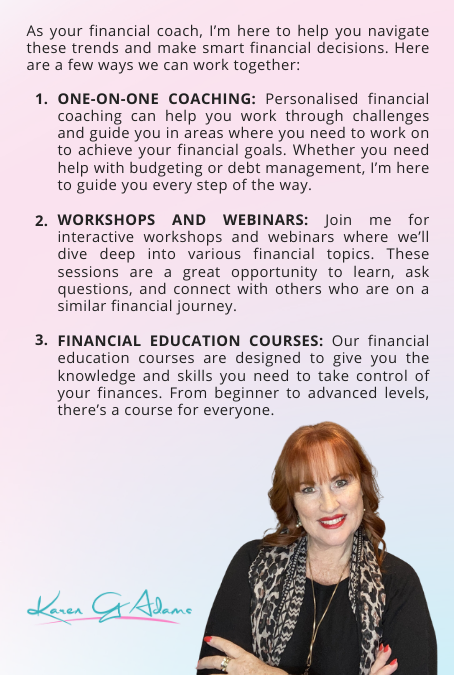
  • providing access to coaching or structured support
  • recognising the connection between financial stress and performance
  • focusing on prevention, not just crisis response

Why this matters for business outcomes too

Supporting employee financial wellbeing is not just kind. It is smart.

When employees feel less stressed about money, businesses often benefit from:

  • improved focus
  • better productivity
  • lower turnover
  • stronger morale
  • healthier workplace culture
  • more trust between staff and leadership

When employees feel less stressed about money, businesses often benefit

In other words, supporting financial wellbeing is not a “soft” benefit.
It is a practical one.

And in times of uncertainty, practical support is exactly what people remember.

Comfort matters too

There is one more piece that deserves attention.

People do not just need solutions. They need reassurance.

Many employees are currently feeling shame about money. They may feel embarrassed that they are stressed. They may think they “should” have it sorted. They may stay silent because they would rather not look incapable.

That is why comfort matters.

It helps to remind people:

  • they are not alone
  • financial pressure is affecting many households
  • struggling does not mean failing
  • support is available
  • change is possible with the right tools and guidance

Sometimes the most powerful first step is simply helping someone feel seen.

Creating a more supportive workplace

If you are an employer, leader, or HR decision-maker, this is your opportunity to think bigger about what support really means.

Financial wellbeing is no longer a “nice to have”.
It is one of the most practical and human ways to support your team.

And it does not require overcomplicating things. It starts with awareness.

Then it moves into education, tools, and support that help people take back a sense of control.

A better path forward

The world feels heavy for many people right now. That is real. But so is the opportunity to respond differently.

Instead of waiting for burnout, disengagement, or unexpected resignations, employers can choose to act earlier.


They can offer support that helps employees feel steadier, calmer, and more capable. And when that happens, everybody wins.

If you want to support your team in a practical, meaningful way, my Financial Wellbeing Program helps employees build confidence, reduce money stress, and create healthier financial habits with real tools and support.

Because sometimes the best staff benefit is not another perk.
It is helping your people feel safer, stronger, and more in control of their lives.

Financial Wellbeing Program

#HowToResetMyMoneyMindset #WhyDoIFeelOutOfControlWithMoney #HowToFeelInControlOfFinances #ResetMoneyMindset2025 #NewYearFinancialMindset #HowToStartFreshWithMoney  emergency fund australia, money management, family savings 

 

Why It’s Time to Get Your Money Sorted

Why It’s Time to Get Your Money Sorted

It’s time to get real about your finances. Maybe you’ve been putting it off, hoping that things would magically improve, or that a sudden windfall might solve your problems. But deep down, you know that waiting won’t make things better. If you’re tired of feeling stressed about money, uncertain about your future, or like you’re not in control, then it’s time to take action.

Sorting out your finances is the best gift you can give yourself and your family. It might feel overwhelming at first, but with the right approach, you can take back control of your money, create a more stable financial future, and finally find the peace of mind that you deserve. So, let’s dive into why and how you should get your money sorted right now.

Why It’s Time To Get Your Money Sorted

1. Regain Control and Reduce Stress

Financial stress can impact every aspect of your life. It’s hard to sleep when you’re worried about how to pay your bills. It’s tough to enjoy your weekends when you’re constantly thinking about mounting debt or unexpected expenses. Money worries can even strain relationships and affect your overall mental health.

But imagine if you knew exactly where every dollar was going and felt confident about your financial decisions. Getting your money sorted means creating a budget that works, setting up a savings plan, and having a strategy for paying down debt. The peace of mind that comes from knowing your finances are under control is truly life-changing.

2. Achieve Your Financial Goals

Whether it’s saving for a house, planning a dream vacation, or simply building an emergency fund, financial goals are what keep us motivated. But without a clear plan, it’s easy for these goals to remain just that—dreams.

By getting your money sorted, you’ll be able to create a roadmap that takes you from where you are now to where you want to be. It’s not just about cutting back on lattes; it’s about setting realistic goals, tracking your progress, and making adjustments as needed. With a solid financial plan in place, those dreams start to feel within reach.

Don’t let your dream vacation remain to be “in your dreams.” Get your money sorted and achieve your financial goals one at a time!

3. Prepare for Life’s Uncertainties

Life has a way of throwing curveballs when you least expect them – job loss, medical emergencies, car repairs, you name it. Without a financial safety net, these unexpected events can send you spiraling into debt and financial uncertainty.

Building an emergency fund and establishing good money habits now means that you’ll be prepared when life doesn’t go according to plan. It’s about creating a buffer that protects you and your family when things get tough, so you don’t have to rely on credit cards or loans to get through a rough patch.

Life has a way of throwing curveballs when you least expect them - job loss, medical emergencies, car repairs, you name it.

4. Break the Cycle of Living Paycheck to Paycheck

Are you constantly counting down the days until your next paycheck? You’re not alone. Millions of people find themselves in a cycle of living paycheck to paycheck, with little to no savings and the constant pressure of making ends meet.

Sorting out your finances is the first step toward breaking this cycle. By understanding where your money goes each month and making intentional changes, you can start to build a cushion between paychecks. It’s not just about earning more; it’s about managing what you already have in a way that creates breathing room and financial stability.

How To Get Your Money Sorted

Now that you know why it’s so important to get your money sorted, let’s talk about how you can do it. The process might seem intimidating at first, but with a few simple steps, you can take control of your finances and start seeing progress.

1. Start With a Financial Snapshot

Before you can make improvements, you need to know where you stand. Start by creating a financial snapshot. Write down your income, expenses, debts, and savings. Be honest with yourself—this is your starting point. Understanding your current situation will help you identify areas where you need to make changes.

2. Create a Budget That Works for You

Budgeting isn’t about depriving yourself; it’s about making sure that your money is working toward the things that matter most to you. List out all of your monthly expenses, including fixed costs like rent or mortgage payments, utilities, and groceries, as well as discretionary spending like dining out or entertainment.

From there, set limits for each category based on your income and financial goals. The key is to find a balance that allows you to cover your needs, save for the future, and enjoy a few treats along the way. A budget should be flexible enough to adapt to your lifestyle but firm enough to keep you on track.

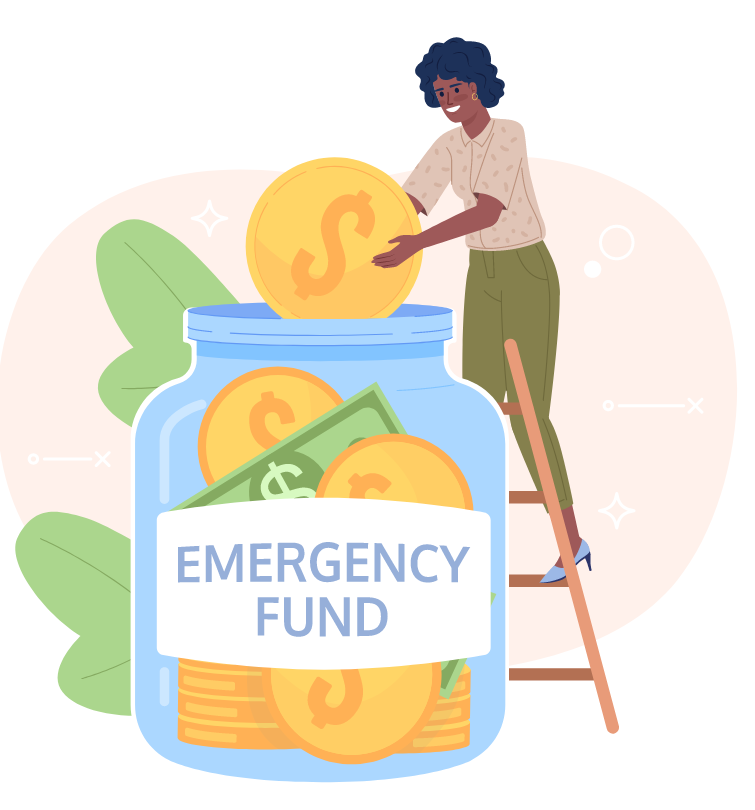
3. Build an Emergency Fund

Life is unpredictable, and an emergency fund is your financial safety net. Aim to save at least three to six months’ worth of living expenses in a separate account that’s easy to access but not too tempting to dip into. Start small—$1,000 is a great initial goal—and then work toward building up that cushion over time.

Having this fund in place will prevent you from resorting to high-interest debt when unexpected expenses arise, giving you peace of mind knowing that you have a financial backup plan.

4. Tackle Your Debt Strategically

Debt can feel like a heavy weight dragging you down, but it doesn’t have to be that way. List out all of your debts, including the interest rates and minimum payments. Focus on paying down high-interest debts first while making minimum payments on the others.

Once you’ve knocked out those high-interest debts, redirect those payments toward your remaining debts. This method, known as the debt avalanche, helps you save on interest and pay off your debts faster. Alternatively, if you find it more motivating, you can use the debt snowball method, starting with the smallest balances first for quick wins.

5. Automate Savings and Bills

The less time you spend managing your money, the easier it is to stick to your plan. Set up automatic transfers to your savings account each month, and automate your bill payments to avoid late fees and missed payments. This way, you’re prioritizing savings before you even have a chance to spend, making it easier to reach your goals.

Automate Payments and Savings

6. Review and Adjust Regularly

Your financial situation will change over time, so it’s important to review your budget, goals, and progress regularly. Set aside time each month to go over your finances, adjust your budget if necessary, and make sure you’re on track with your goals.

This monthly check-in will keep you accountable and help you catch any issues before they become bigger problems. It’s a simple habit that can make a huge difference in your long-term success.

7. Consider Working With a Financial Coach

Sometimes, having an expert in your corner makes all the difference. A financial coach can provide personalized advice, help you navigate complex situations, and keep you accountable as you work toward your goals. With a coach’s guidance, you’ll be better equipped to make smart financial decisions, overcome challenges, and stay motivated on your journey.

Start Today for a Better Tomorrow!

It’s time to take control of your financial future. Getting your money sorted may seem like a big task, but remember, you don’t have to do it all at once. Start with small steps, focus on progress rather than perfection, and don’t be afraid to ask for help when you need it.

By taking action today, you’re investing in a future where money is a source of confidence, not stress. A future where you can enjoy life without worrying about every dollar. So, what are you waiting for? It’s time to get your money sorted and take that first step toward financial freedom.

Are you ready to take control of your money? Mastering Budgeting and Saving Techniques is a program designed to empower you to understand the importance of both budgeting and saving. 

We will explore and work through mindset shifts to empower and equip you with the tools necessary for a stress free life. This is a hands-on program with me guiding you on how to budget, track and look at managing your money like a pro.

Mastering Budget and Saving Techniques
Financial Resilience: Planning for Setbacks on Your Path to Debt Freedom

Financial Resilience: Planning for Setbacks on Your Path to Debt Freedom

Achieving a debt free life is a journey filled with highs and lows. While it’s great to stay optimistic, it’s equally important to be prepared for setbacks that might knock you off your progress. Unexpected expenses, job loss, medical bills, or even just plain old burnout can throw a spanner in your plans. The key to overcoming these challenges lies in building financial resilience. In this post, we’ll explore strategies to prepare for and bounce back from setbacks, ensuring you stay on track to becoming debt-free.

1. IDENTIFY YOUR MARKETABLE SKILLS

I bang on about this one all the time, why because an emergency fund is your financial safety net. It’s the cushion that helps absorb the shock of unexpected expenses without relying on credit cards or loans. A common rule of thumb is to have three to six months’ worth of living expenses saved.

Action Step:
Start by setting aside a small, manageable amount each week or month. Even $10 a week can add up. Automate your savings to ensure consistency and resist the temptation to dip into this fund for non-emergencies.

7. OFFER VIRTUAL SERVICES OR COACHING

Relying solely on one source of income can be risky. If you lose your job or face a reduction in hours, your finances can take a significant hit. Diversifying your income through side hustles, freelance work, or passive income streams can provide a buffer against such setbacks. I mentioned in a recent blog post tips and strategies on how “Using Your Talents to Accelerate Debt Repayment”. Go check this post out HERE.

Action Step:
Identify a side hustle or freelance opportunity that aligns with your skills. Set aside dedicated time each week to develop this secondary income stream.

3. CREATE A FINANCIAL CONTINGENCY PLAN

A contingency plan outlines what you’ll do in the face of financial setbacks. It could include steps like cutting back on non-essential expenses, using savings, or temporarily taking on additional work.

Action Step:
List potential setbacks and corresponding actions you would take to mitigate their impact. Keep this plan accessible and review it regularly.

4. PRACTICE CONSCIOUS SPENDING

Conscious spending involves being aware of where your money goes and making intentional choices. By being mindful of your spending, you’re better equipped to adjust your budget when faced with financial challenges.

Action Step:
Track all your spending for a month to identify where your money is going. Create a budget that prioritises essential expenses and allocates funds towards debt repayment and savings.

5. INVEST IN INSURANCE

Insurance is a vital component of financial resilience. Health insurance, home insurance, car insurance, and even disability insurance can protect you from significant financial setbacks. While it’s an added expense, the cost of not having adequate insurance can be much higher.

Action Step:
Review your current insurance policies and assess if you have adequate coverage. If not, consider adjusting your policies or shopping around for better rates.

6. PREPARE FOR IRREGULAR EXPENSES

Irregular expenses – like car repairs, home maintenance, or annual subscriptions can disrupt your debt repayment plan if not anticipated. Preparing for these expenses can prevent the need to rely on credit.

Action Step:
Review past expenses to identify irregular costs and create a separate savings fund for them. Allocate a small amount each month to this fund.

7. DEVELOP A DEBT REPAYMENT BUFFER

Instead of putting every last dollar towards debt, consider building a small buffer in your savings or checking account. This buffer can help cover unexpected expenses without halting your debt repayment plan.

Action Step:
Determine a comfortable buffer amount (e.g., $500) and gradually build it up by allocating a portion of your income each month.

8. KEEP YOUR CREDIT IN GOOD STANDING

Maintaining a good credit score is crucial, even when you’re working to pay off debt. In the event of a financial emergency, having access to credit can provide a temporary solution without resorting to high-interest loans.

Action Step:
Regularly check your credit report for errors and keep credit card balances low. Make all payments on time, even if it’s just the minimum amount.

9. EMBRACE THE POWER OF NEGOTIATION

Unexpected expenses can often be negotiated or spread out. Medical bills, for instance, are notorious for being negotiable. Don’t hesitate to ask for a payment plan, a reduction in interest rates, or even a discount.

Action Step:
If faced with a large, unexpected bill, contact the service provider and enquire about payment options, discounts, or financial assistance programs.

10. FOSTER A RESILIENT MINDSET

Building financial resilience isn’t just about money—it’s also about mindset. Understand that setbacks are a part of life, and maintaining a positive outlook will help you navigate them more effectively.

Action Step:
Practice stress-management techniques such as mindfulness, meditation, or journaling. Develop a routine that helps you stay focused and calm during financial challenges.

11. BUILD A SUPPORT NETWORK

Having a support network of friends, family, or a financial advisor can provide emotional and practical support during challenging times. Surround yourself with people who understand your goals and can offer advice or encouragement.

Action Step:
Identify three people who can be part of your financial support network. Share your goals with them and ask for their support in staying accountable. 

12. PLAN FOR FUTURE SETBACKS

While it’s impossible to predict every setback, planning for potential scenarios can make them less overwhelming. Think about what could go wrong in your financial journey and devise strategies to deal with them.

Action Step:
Conduct a “financial fire drill.” Write down potential setbacks (e.g., job loss, major car repair) and create a response plan for each scenario.

13. REGULARLY REVIEW AND ADJUST YOUR FINANCIAL PLAN

Your financial situation and priorities can change over time. Regularly reviewing and adjusting your debt repayment plan ensures you stay on track and adapt to new circumstances.

Action Step:
Set a reminder to review your financial plan every quarter. Adjust your budget, debt repayment, and savings strategies based on your current situation.

CONCLUSION

Setbacks are inevitable on the path to becoming debt-free, but with the right preparation, they don’t have to derail your progress. By building financial resilience through strategic planning, conscious spending, and a positive mindset, you can bounce back stronger from any challenge. Remember, becoming debt-free is not a sprint; it’s a marathon. Stay focused, stay prepared, and keep moving forward. 

Take Control of Your Finances Today!

Are you tired of living paycheck to paycheck? Do you want to make smarter financial decisions but don’t know where to start? This monthly financial coaching program is designed to help you take control of your finances and achieve your financial goals.

As your financial coach, Karen will teach you how to build financial muscle, so that you have money working to your advantage and not to your bank or financial institution’s benefit. Click here to enrol!

Mastering Budget and Saving Techniques

Are you ready to take control of your finances and start your debt-free journey?

In this empowering 30-day course, we’ll guide you through actionable steps to help you break free from debt and achieve financial stability.

Breaking Free: Your Journey to Financial Freedom

Breaking Free: Your Journey to Financial Freedom

Hello, finance enthusiasts! Are you ready to turn the page and start a new chapter called “Financial Freedom”? If you’re between the ages of 30 and 55, you’re at a prime time in your life to make some transformative moves. Whether you’re climbing the career ladder, juggling family responsibilities, or planning for retirement, financial freedom is a goal we all share. Today, I’m here to walk you through some fun and engaging steps to achieve that sweet state of economic bliss!

STEP 1: DEFINE WHAT FINANCIAL FREEDOM MEANS TO YOU

Before we dive into the how, let’s talk about the what. Financial freedom looks different for everyone. For some, it’s about being debt-free; for others, it’s accumulating enough savings to travel the world or retire comfortably. Take a moment to really picture what financial freedom looks like for you. Is it quitting your 9 to 5 job? Is it having the resources to pursue your passions? Define it, so you can own it!

STEP 2: ASSESS YOUR CURRENT FINANCIAL SITUATION

It’s time for a little reality check (but make it fun!). Grab your favourite drink, sit down, and crunch some numbers. Look at your income, debts, savings, and expenses. Understanding where you stand financially is crucial to setting realistic goals. Use apps or spreadsheets to track your finances—seeing everything on one screen can make managing money more engaging and less daunting. I have a FREE budgeting spreadsheet that you can download, which makes it easy and quick to get a snapshot of your financial position.  Download the spreadsheet HERE. 

STEP 3: SET SMART FINANCIAL GOALS

Specific, Measurable, Achievable, Relevant, and Time-bound – these are the golden rules for goal-setting. Break your financial freedom dream into smaller, achievable milestones. Maybe you want to pay off your credit card debt in two years or save for a deposit and down payment on a home in five years. Whatever those goals may be, write them down and commit to them.

STEP 4. CREATE A BULLETPROOF BUDGET

Now, let’s craft a budget that’s as vibrant and dynamic as you are. Your budget is your blueprint to financial freedom. It should allocate funds for your necessities, savings, debts, and a little fun money too—because what’s life without a little spice? Use budgeting tools or apps to keep you on track and make adjustments as your financial situation evolves.  As mentioned earlier in this blog, you can download the spreadsheet HERE.

STEP 5: BUILD AN EMERGENCY FUND

Life loves to throw curveballs, and sometimes they hit us right in the wallet. An emergency fund acts as a financial safety net. Start by saving enough to cover at least three to six months’ worth of living expenses. This fund will protect you from unforeseen circumstances like medical emergencies, urgent home repairs, or unexpected job loss. 

STEP 6: ELIMINATE AND MANAGE DEBT

Debt can be a heavy chain holding you back from your freedom. Focus on paying off high-interest debts first, such as credit card balances or personal loans. Consider strategies like the debt snowball or avalanche methods. Remember, every payment is a step closer to your financial liberation.

Life’s unexpected financial challenges can catch us off guard. Having an emergency fund can provide a safety net to help cover these unforeseen costs without the need to go into debt or disrupt long-term financial goals.

STEP 7: INCREASE YOUR INCOME

Sometimes cutting expenses isn’t enough to achieve your financial goals quickly. Look for ways to boost your income. Could you ask for a raise, change jobs for a higher salary, or start a side hustle? Maybe now’s the time to turn your hobby into a profit-making venture!

STEP 8: INVEST IN YOUR FUTURE

Investing can be a game-changer in your journey to financial freedom. Research different investment options like stocks, bonds, mutual funds, or real estate. Consider speaking with a financial advisor first before investing to tailor an investment strategy that suits your risk tolerance and financial goals.

STEP 9: STAY EDUCATED AND ADAPT

The financial world is always evolving, and so should your strategies. Keep learning, read books, attend workshops, follow my blogs, and join my community of like-minded individuals via the Learning Hub or Monthly Coaching. The more you know, the better equipped you’ll be to make informed financial decisions.

STEP 10: CELEBRATE YOUR PROGRESS

Don’t forget to celebrate your victories, big or small. Achieving financial freedom is a journey, not a sprint. Set up little rewards for yourself as you hit milestones. This not only makes the process enjoyable but also keeps you motivated.

CONCLUSION

Remember, financial freedom isn’t about having lots of money; it’s about having choices. It’s about living your life on your terms. So, let’s raise our glasses (of budget-friendly wine, of course!) to a brighter, financially free future. 

Here’s to making smart choices, being strategic, and having fun along the way. You’ve got this!

Take Control of Your Finances Today!

Are you tired of living paycheck to paycheck? Do you want to make smarter financial decisions but don’t know where to start? This monthly financial coaching program is designed to help you take control of your finances and achieve your financial goals.

Mastering Budget and Saving Techniques
How to Become Debt-Free: A Step-by-Step Guide to Financial Freedom

How to Become Debt-Free: A Step-by-Step Guide to Financial Freedom

Are you tired of feeling trapped by debt? You’re not alone. Debt can feel like a heavy burden, but the good news is that it doesn’t have to be a lifelong sentence. With the right mindset and strategies, you can break free from debt and start building a more secure financial future. Let’s dive into the steps to becoming debt-free and reclaiming control over your finances!

1. UNDERSTAND YOUR DEBT SITUATION

Before you can tackle your debt, you need to have a clear understanding of what you’re dealing with. Start by making a list of all your debts, including:

  • Credit cards
  • Student loans
  • Personal loans
  • Car loans
  • Mortgage

For each debt, write down the total amount owed, the interest rate, and the minimum monthly payment. This will give you a comprehensive view of your debt landscape and help you prioritise which debts to focus on first.  If you need a little hand with getting this down, you can download my FREE debt repayment spreadsheet by clicking HERE.

2. CREATE A BUDGET AND STICK TO IT

Creating a budget is an important step towards debt freedom. A budget helps you track your income and expenses, ensuring you’re not spending more than you earn. Here’s how to create an effective budget:

  • Calculate your monthly income: Include all sources of income, such as your salary, side gigs, and any other earnings.
  • List your monthly expenses: Categorise your expenses into essentials (like rent, utilities, groceries) and non-essentials (like dining out, entertainment).
  • Allocate funds for debt repayment: After covering your essentials, allocate a portion of your income specifically for debt repayment.

Sticking to your budget requires discipline, but it’s essential if you want to make significant progress towards becoming debt-free.

Want some help creating your budget then download my FREE budget spreadsheet where I make it easier to workout what’s happening with your money. Click HERE.

3. CUT UNNECESSARY EXPENSES

One of the quickest ways to free up money for debt repayment is by cutting unnecessary expenses. Review your budget and identify areas where you can reduce spending. Here are some common areas where people tend to overspend:

  • Dining out: Try cooking at home more often.
  • Subscription services: Cancel subscriptions you don’t use regularly.
  • Impulse purchases: Avoid buying items you don’t need by implementing a 24-hour rule before making non-essential purchases.

Remember, every dollar saved is a dollar that can go towards paying off your debt faster!

4. CHOOSE A DEBT REPAYMENT STRATEGY

There are several strategies for repaying debt, but two of the most popular are the Debt Snowball and Debt Avalanche methods:

  • Debt Snowball Method: Focus on paying off your smallest debt first while making minimum payments on all others. Once the smallest debt is paid off, move on to the next smallest. This method gives you quick wins and boosts motivation.
  • Debt Avalanche Method: Focus on paying off the debt with the highest interest rate first while making minimum payments on all others. This method saves you the most money in interest over time.

Choose the method that resonates most with you and start chipping away at your debt!

5. INCREASE YOUR INCOME

If cutting expenses isn’t enough, consider ways to increase your income. This additional income can be used entirely for debt repayment. Here are a few ideas to boost your income:

  • Take on a side hustle: Consider freelancing, tutoring, or driving for a ride-share service.
  • Sell unused items: Declutter your home and sell items you no longer need.
  • Ask for a raise or promotion: If you’ve been excelling at work, now might be the time to ask for a raise.

Every bit of extra income helps in accelerating your journey to becoming debt-free.

6. BUILD AN EMERGENCY FUND 

While it might seem counterintuitive to save money when you’re trying to pay off debt, having an emergency fund is crucial. An emergency fund acts as a financial safety net, preventing you from going deeper into debt when unexpected expenses arise. Aim to save at least $1,000 initially and gradually build it to cover 3-6 months’ worth of expenses.

7. NEGOTIATE LOWER INTEREST RATES

High-interest rates can significantly increase the amount you owe over time. Don’t be afraid to negotiate with your creditors to lower your interest rates. Here’s how:

  • Call your creditors: Explain your financial situation and request a lower interest rate.
  • Consider transferring your balance: Some credit cards offer 0% interest on balance transfers for a limited period. This can help reduce interest costs and pay off debt faster.
  • Refinance loans: Refinancing can lower your interest rate and reduce monthly payments.

Lowering your interest rates means more of your payments go towards reducing the principal amount, helping you get out of debt faster.

8. AVOID NEW DEBT

While you’re working to become debt-free, it’s essential to avoid accumulating new debt. Resist the temptation to use credit cards or take out new loans. If necessary, consider freezing your credit to prevent taking on new debt until you’re back on solid financial footing.

9. TRACK YOUR PROGRESS AND CELEBRATE MILESTONES

Tracking your progress is vital to staying motivated. Use a debt repayment tracker or app to monitor your journey. Celebrate each milestone you reach, whether it’s paying off a specific amount or clearing a particular debt. Celebrating these wins keeps you motivated and committed to your goal.

10. SEEK PROFESSIONAL HELP IF NEEDED

If your debt feels overwhelming, or if you’re struggling to create a repayment plan, consider seeking help from me as your financial coach. As a financial coach, I can provide personalised advice and strategies tailored to your situation, helping you navigate your way out of debt more effectively.

11. STAY COMMITTED TO THE JOURNEY

Becoming debt-free is a marathon, not a sprint. It requires time, effort, and unwavering commitment. There will be challenges along the way, but staying focused on your goal will make the journey worth it. Remember, the freedom and peace of mind that come with being debt-free are invaluable.


CONCLUSION: EMBRACE YOUR FINANCIAL FREEDOM

Becoming debt-free is one of the most empowering steps you can take for your financial future. It opens up a world of possibilities, from building wealth to achieving your financial dreams. By understanding your debt, creating a budget, cutting expenses, increasing your income, and sticking to a debt repayment strategy, you’re well on your way to financial freedom.

Start today—your debt-free future awaits!

By following these steps and staying committed, you’ll not only become debt-free but also build a strong foundation for a financially secure future. Remember, every step you take towards eliminating debt brings you closer to the life you desire.

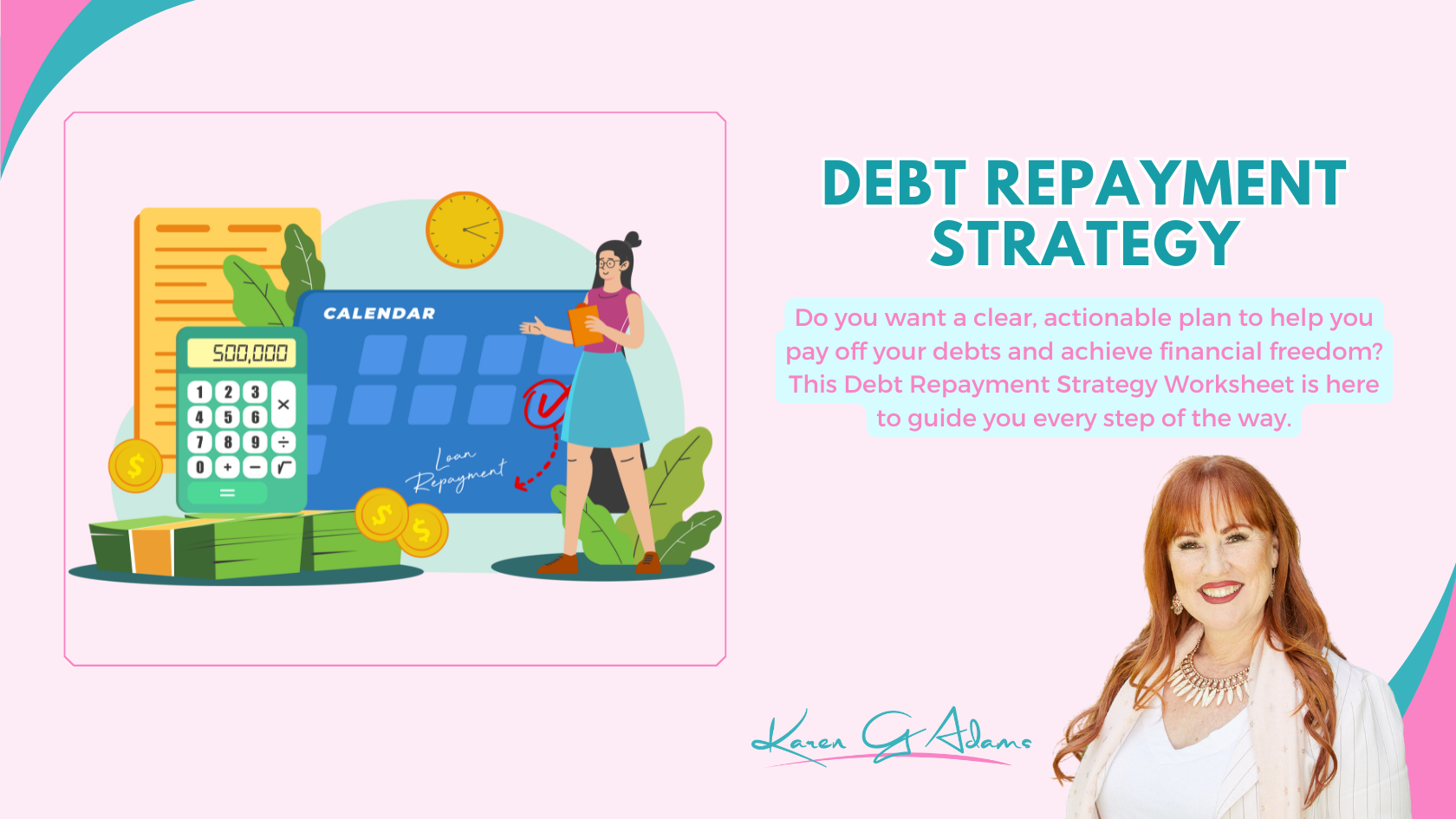
Are you feeling overwhelmed by debt? Do you want a clear, actionable plan to help you pay off your debts and achieve financial freedom? This Debt Repayment Strategy Worksheet is here to guide you every step of the way.

Mastering Budget and Saving Techniques
Free Budgeting Spreadsheet

GRAB YOUR OWN COPY FOR FREE

YOUR MONEY eMagazine

Are you ready to take control of your finances and secure a brighter future?

Dive into “Your Money,” the premier e-magazine by Karen G Adams, the Founder of Financial Management 101.

Subscribe for FREE!