Let’s be honest for a second. The word “budget” has the same vibe as:
- “We need to talk…”
- “Your call is being transferred…”
- “Please see the attached invoice…”
It makes people tense. Defensive. Slightly sweaty. 😅
And here’s the irony: most people don’t hate having a plan. They hate the way budgeting has been sold to them – like it’s punishment for daring to enjoy life.
So today, I’m giving you a different approach.
Not a strict budget.
Not a spreadsheet that needs a PhD to operate.
Not a system that makes you feel like you have to track every piece of gum you’ve ever purchased.
This is Money Mapping – the method I use with clients who want to feel in control, not controlled.
Because your money doesn’t need a prison.
It needs a plan. A plan that fits your actual life. Not the version of you who meal preps on Sundays and never impulse buys at Kmart.
(If that version of you exists, I’d like to meet her. She sounds organised and slightly intimidating.)
Why Traditional Budgets Fail (and why it’s not your fault)
Most budgets fail for three reasons:
1) They’re too restrictive
People try to cut everything at once: coffees, fun, birthdays, little treats, takeaway, holidays… and then wonder why they rebound like a rubber band.
If a budget feels like suffering, you won’t stick to it.
Your brain will treat it like a threat.
And humans don’t do “threat” long-term.
2) They’re too complicated
Forty-seven categories. Daily tracking. Constant adjustments.
You miss one thing and suddenly you feel like you’ve “failed.”
A budget that requires constant maintenance becomes another job.
And nobody needs a second job that doesn’t pay.
3) They’re built on guilt, not goals
Many budgets are basically: “Stop spending money on things that make you happy.”
No thanks.
Money mapping works because it’s:
- simple
- flexible
- based on priorities
- designed for consistency, not perfection
What is a Money Map?
A Money Map is a simple plan that tells your money where to go before life grabs it.
It answers these questions:
- What must be paid? (essentials + bills)
- What matters to you? (your priorities)
- What are we building? (savings, emergency fund, investing, debt reduction)
- How do we keep your life enjoyable while still making progress? (yes, fun stays)
A money map is not about tracking every dollar.
It’s about creating a flow.
And when your money flows with intention, financial stress drops fast
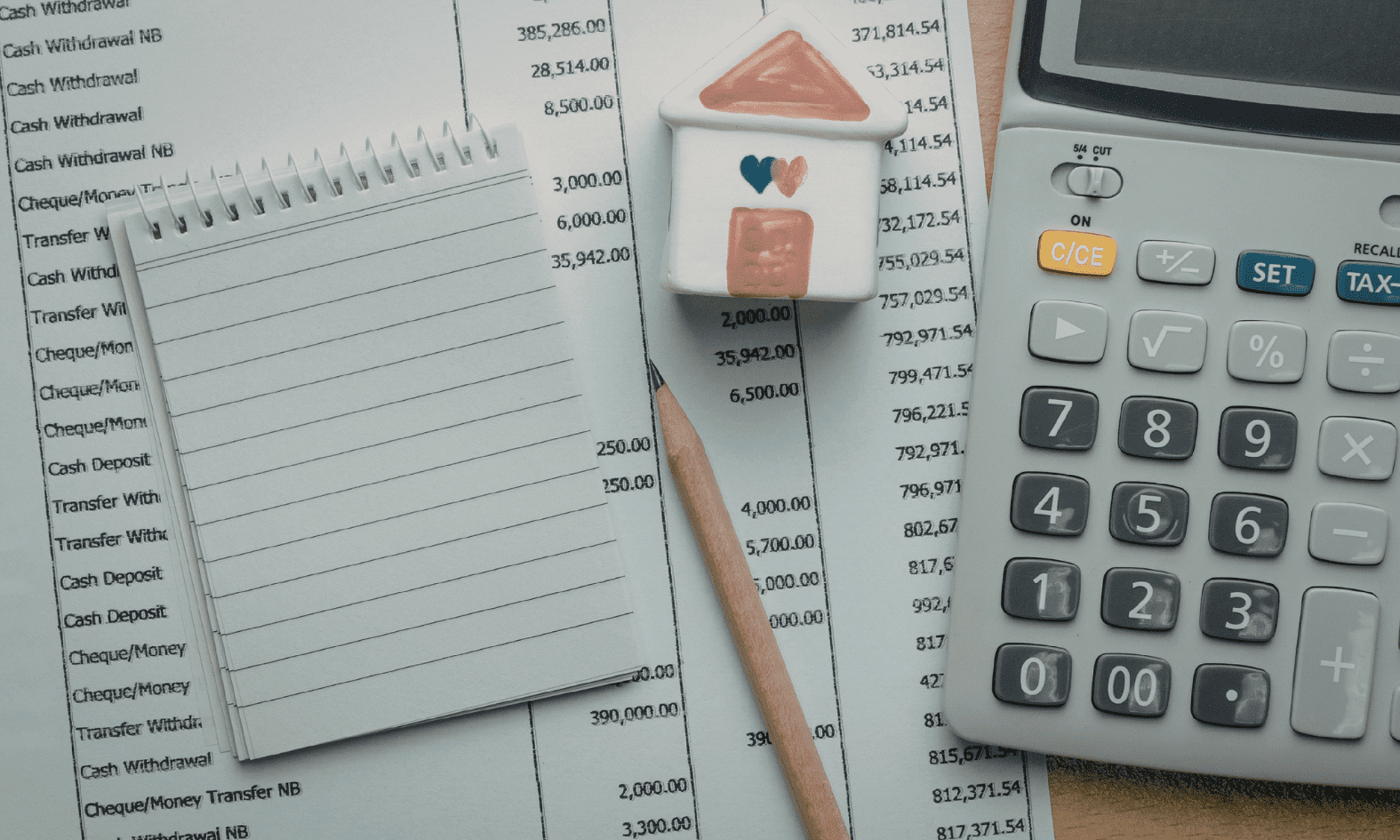
The Big Mindset Shift: A Budget Isn’t Restriction – It’s Permission
I want you to reframe this:
A budget isn’t a list of things you can’t do.
It’s a permission slip that says:
✅ “Yes, you can spend money on what you love.”
✅ “Yes, you can have fun.”
✅ “Yes, you can enjoy your life.”
… and also
✅ “Yes, you can build wealth and feel safe.”
That’s the goal: enjoying today while protecting tomorrow.
The Money Map Framework (Simple, Powerful, Real-Life Friendly)
Here’s the structure I recommend. It’s clean and easy:
Category 1: Essentials (Must Pays)
These are the costs of keeping your life running:
- mortgage/rent
- utilities
- groceries
- fuel/transport
- insurance
- minimum debt repayments
- childcare/school essentials
- basic medical
These are your “keep the lights on” expenses.
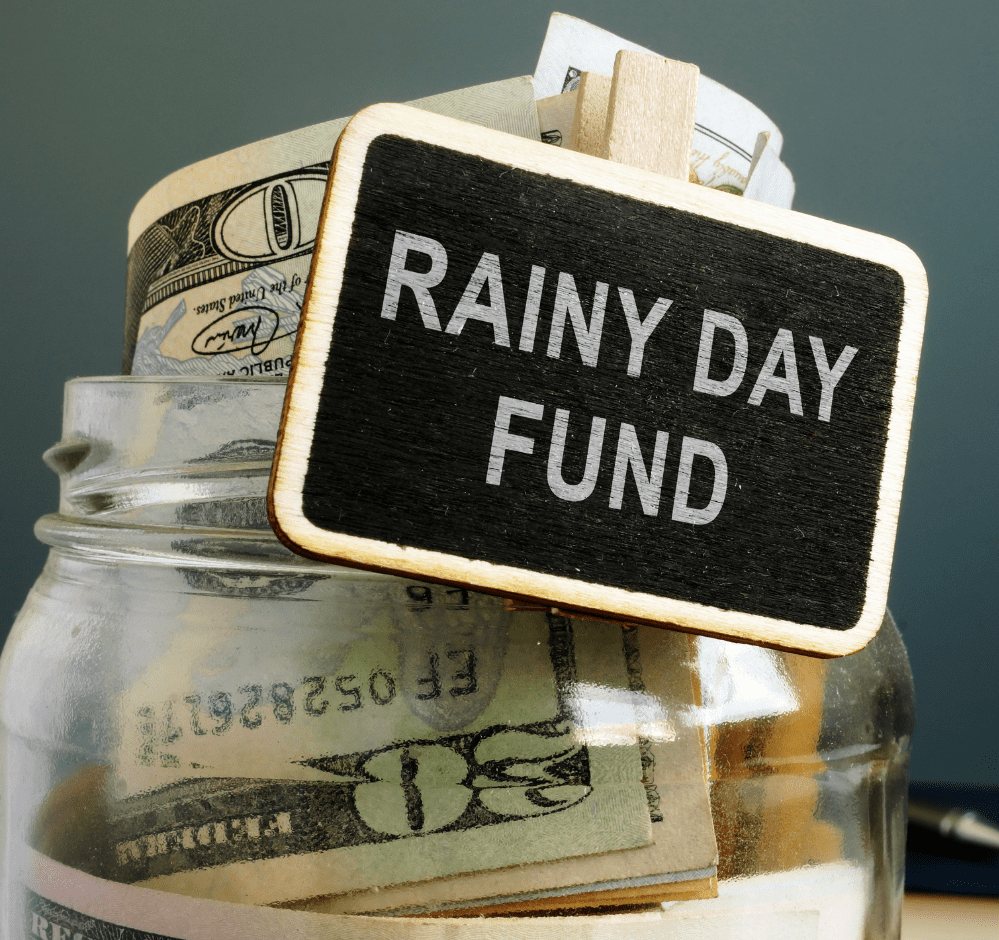
Category 2: Future You (Your Financial Muscle)
This is where you build safety and wealth:
- emergency fund
- sinking funds (car rego, Christmas, school costs, rates, holidays)
- extra debt repayments
- investing/super top-ups (where appropriate)
Future You deserves funding. Not “whatever’s left.”
Category 3: Fun & Freedom (Guilt-Free Spending)
This is the category that keeps you sane:
- coffees
- dinners out
- entertainment
- hobbies
- shopping (within reason, Karen… within reason 😄)
- little treats
The reason most budgets fail is because this category is either missing or unrealistically small.
We’re not doing that here.
Step-by-Step: How to Build Your Money Map in Under an Hour
Grab a pen, notes app, or whatever you use when you’re feeling productive for five minutes.
Step 1: Find your baseline numbers
Look at the last 4–8 weeks of spending (not because we love pain, but because data helps).
Write down:
- total income (after tax)
- total essentials
- average weekly spending (groceries, fuel, eating out, shopping)
- debt minimums
- any annual bills that sneak up (rego, insurance, school, rates)
You’re not judging. You’re observing.
Step 2: Choose your “Money Map style”
There are two main styles:
- A) Weekly Flow Map (best for people paid weekly/fortnightly)
- Allocate money each pay into Essentials / Future You / Fun
- B) Monthly Map (best for salaried monthly pay)
- Set amounts for each category and automate them
If you’ve tried budgeting before and it didn’t stick, weekly is usually easier because it gives faster feedback.
Step 3: Set up separate accounts (this is where the magic happens)
I’m going to say this lovingly:
If all your money sits in one account, your brain will treat it like it’s all available.
That’s not a discipline problem. That’s a human brain problem.
A simple setup is:
- Bills account (Essentials)
- Spending account (groceries/fuel/fun)
- Future You account (emergency + sinking funds)
Automation is your best friend. Because you’re busy.
And your money system should run even when you’re tired.
Step 4: Decide your “non-negotiables”
These are your priorities — the things you want your money to reflect.
Examples:
- “I want to stop feeling anxious about bills.”
- “I want an emergency fund.”
- “I want to pay off this debt.”
- “I want to travel without putting it on a credit card.”
- “I want to stop fighting with my partner about money.”
Your money map should support your real goals — not someone else’s idea of financial success.
Step 5: Allocate your numbers (start simple)
Here’s a starting point many people can relate to:
- Essentials: 60–75%
- Future You: 10–20% (even 5% is a start if money is tight)
- Fun & Freedom: 10–20%
If your essentials are currently higher than 75% — you’re not alone. Cost of living has been doing the most.
This is where strategy matters: we might need to reduce leaks, renegotiate bills, or adjust the debt plan to create breathing room.
Step 6: Create one weekly “Money Date” (10 minutes)
Once a week:
- check what’s coming out
- check what’s coming in
- make sure bills are covered
- adjust your spending category if needed
No drama. No self-lectures. Just a quick check-in.
Think of it like brushing your teeth. You don’t do it once and call it done forever.
The “I Hate Tracking” Version: The 3-Number Method
If you’re someone who rebels against tracking (I see you), do this instead:
Pick three numbers each week:
- Your weekly spending limit (food + fuel + fun)
- Your weekly Future You transfer
- Your “buffer amount” you want to keep in your spending account
Then the rule is simple:
When spending hits the limit… you stop spending until next week.
No guilt. Just boundaries.
This is the system many of my clients love because it’s:
- quick
- clear
- low-maintenance
- effective
Money Map in Real Life: What This Looks Like (Example)
Let’s say your household brings in $2,500 a week after tax.
You might map it like this:
- $1,700 Essentials (bills, groceries, fuel, minimum debt)
- $400 Future You (emergency fund + sinking funds + extra debt)
- $400 Fun & Freedom (eating out, treats, spending money)
Then you automate:
- $1,700 goes straight into Bills account
- $400 into Future You account
- $400 stays in Spending account
Now you’re not trying to “budget” daily.
You’re simply spending from the right place.
And when your Spending account runs low, it gives you a clear signal:
“That’s it for this week.”
No spreadsheet required.
What If There’s Not Enough Money to Map?
This is the part where I get very real with you:
If you feel like there’s never enough, it doesn’t mean you’re failing.
It means your map needs to include leak-plugging and breathing space first.
Here’s what I do with clients when money is tight:
- tighten obvious leaks (subscriptions, lazy renewals, bank fees)
- build a tiny emergency buffer (even $500 can change your stress levels)
- stabilise bills and reduce panic spending
- create sinking funds for predictable expenses
- then build momentum
You don’t jump from stressed to thriving in one week.
But you can absolutely move from chaos to calm with the right steps.
The Most Important Part: Your Money Map Must Match Your Personality
Some people need structure.
Some need flexibility.
Some need boundaries.
Some need permission.
So here are a few personality-based tweaks:
If you’re an overspender:
- reduce “available money” in your spending account
- use separate “fun” cash or a dedicated card
- increase automation
If you’re an underspender/anxious saver:
- allocate guilt-free fun money and actually spend it
- focus on safety targets (emergency fund)
- build confidence with small consistent steps
If you’re a “set and forget” person:
- automate everything
- schedule the weekly money check-in
- keep categories very simple
If you’re a couple/family:
- do a shared Money Map + personal spending allowances
- agree on the weekly “household number”
- remove judgement from the conversation
Money mapping isn’t one-size-fits-all.
It’s “your life, your values, your plan.”
If You Want This to Stick, Join the Membership
Now, if you’re reading this thinking:
“Okay… this makes sense. But I need help setting it up properly.” or “I’ve tried before and I fall off the wagon.” or “I want a system that actually fits my life.”
That’s exactly what my Membership is for.
Because here’s the truth:
Most people don’t need more information. They need support, structure, and someone to keep them consistent.
Inside the Membership, we don’t just talk about budgeting. We:
✅ build your personal Money Map (based on your real numbers)
✅ set up accounts and automation so it runs without willpower
✅ create sinking funds so life stops surprising you
✅ learn how to manage spending without guilt
✅ build financial muscle with ongoing guidance and community
You’re not meant to do this alone.
If you’re ready to stop winging it and start feeling calm and in control, join the Membership.
Let’s build your Money Map together — and get your financial house in order the smart way.
budgeting without spreadsheets, simple budget method, cash flow planning, how to budget in Australia, reduce financial stress, personal finance tips, money management system, budgeting for beginners, weekly money check-in, sinking funds, financial management 101, Karen G Adams, financial coaching