
Midlife Crisis or Opportunity? Finding Financial Zen in Your 40s and 50s

Midlife Crisis or Opportunity? Finding Financial Zen in Your 40s and 50s

So, if you listened to and read my previous blog and podcast, you would have heard some advice for those in the financial sandwich age 35 to 50.
So, let us talk about people in their mid-40s and 50s. This is the stage where you are old enough to have gained some wisdom but young enough to wonder if you have made all the right financial decisions. If you feel like you are on the verge of a midlife financial crisis, take a deep breath. Your trusted financial coach is here to turn that crisis into an opportunity, with a dash of humour to keep things light.

1. THE MIDLIFE FINANCIAL CHECK-UP

Do not skip your financial checkup any more than you would your annual physical. Take a hard look at your finances. Review your budget, debt, savings, and investments. Are you on track to achieve your goals? If not, it is time to make adjustments. Think of it as a financial tune-up. You would not drive your car with the check engine light on indefinitely, so do not neglect your finances.

2. DEBT DETOX: TIME TO CLEAN THE HOUSE

Debt is like that guest who overstays their welcome. It’s time to show it the door. Start by listing all your debts: credit cards, student loans, car loans, and any other liabilities. Tackle high-interest de bt first using the avalanche method or start small with the snowball method. Whatever strategy you choose, the key is to be consistent in your payments. Celebrate small victories along the way—each paid-off debt is a step closer to financial freedom.

3. REVIEW YOUR RETIREMENT GOALS

By now, you probably have some retirement savings, but is it enough? Use retirement calculators to estimate how much you’ll need. Adjust your contributions if necessary. Do not be concerned if you are falling behind. If you are over 50, consider maxing out your retirement accounts or looking into catch-up contributions. And remember that every little bit helps. Even small increases in your contributions can make a big difference over time.

4. HEALTH SAVINGS ACCOUNT (HSA): THE TRIPLE TAX BENEFIT

If you have a high-deductible health plan, an HSA is your new best friend. Contributions are tax deductible, funds grow tax-free, and withdrawals for qualified medical expenses are tax-free. It’s like a financial hat trick. Plus, after age 65, you can use HSA funds for non-medical expenses without a penalty (though you’ll pay regular income tax). It’s a win-win.

5. SIDE HUSTLES: NOT JUST FOR MILLENIALS

Who says side hustles are only for the younger generation? Your 40s and 50s are ideal times to investigate new income streams. A side hustle, whether it is freelancing, consulting, or turning a hobby into a business, can help you earn more money while also providing you with creative opportunities. It is also an excellent way to test the waters if you are thinking about changing careers or staying active in retirement.

6. PROTECT YOUR ASSETS: INSURANCE AND ESTATE PLANNING

Life insurance, disability insurance, and long-term care insurance may not be the most exciting topics, but they are critical for safeguarding your assets and ensuring your family’s financial stability. Review your policies and make sure they align with your current needs. And don’t forget estate planning. A will, power of attorney, and healthcare directive are all important documents that can save your loved ones a lot of stress and heartache.

Estate Planning ensures that your assets are distributed according to your wishes. Without a plan, state laws will dictate the distribution, which may not align with your desires.

7. INVEST IN EXPERIENCES, NOT JUST THINGS

As you get older, you realise that memories are worth more than material possessions. Prioritise spending on experiences that will improve your life. Travel, hobbies, and quality time with loved ones all contribute to your happiness and well-being. Plus, they don’t depreciate like that fancy car or gadget.

8. KEEP LEARNING: FINANCIAL EDUCATION NEVER STOPS

The financial world is constantly changing, and staying informed is essential. Keep your financial knowledge up to date by reading books, attending seminars, or taking online courses. Consider working with a financial advisor to help you navigate complex decisions and stay on track. Remember: knowledge is power, and it is never too late to learn something new.

Take these suggestions with a sense of humour and an open mind. Your 40s and 50s can be a time of financial growth and opportunity. So, dust off those financial cobwebs, make a plan, and move forward with confidence. You’ve got this!

Learn the fundamental concepts of how budgeting and saving are important to your financial well-being. Registration is now open for the course: Mastering Budget and Saving Techniques. This is a hands-on course with me guiding you on how to budget, track and look at managing your money like a pro.

Mastering Budget and Saving Techniques
Free Budgeting Spreadsheet

MONTHLY COACHING

Take Control of Your Finances Today!

Are you tired of living paycheck to paycheck? Do you want to make smarter financial decisions but don’t know where to start? This monthly financial coaching program is designed to help you take control of your finances and achieve your financial goals.
Understanding How Money Works

Understanding How Money Works

Remember when we thought adults knew everything about money? Joke’s on us! But it’s never too late to learn. Here’s your crash course in Money 101.

Why Understanding Money Matters

Understanding money is essential because it influences every aspect of your life. From buying groceries to planning for retirement, money management skills can mean the difference between financial stability and stress. By learning how money works, you can make informed decisions that lead to a more secure and fulfilling life.

THE BASICS OF BUDGETING

Budgeting is the cornerstone of good money management. It helps you track income and expenses, ensuring you live within your means and save for future goals.

Action Steps:

  1. Track Your Income and Expenses: Write down all sources of income and all your monthly expenses. Use a spreadsheet, a budgeting app, or even a notebook to keep track.
  2. Categorise Your Spending: Divide your expenses into categories like housing, groceries, transportation, entertainment, and savings. This helps you see where your money is going.
  3. Set Budget Limits: Based on your income, set limits for each spending category. Be realistic but disciplined.
  4. Review and Adjust: At the end of each month, review your budget to see if you stayed within your limits. Adjust your budget as needed to better align with your financial goals.

Budgeting helps you control your spending, avoid debt, and save money. It’s the foundation of financial health.

Use Budgeting Apps

Categorise Your Spending

Categorise your expenses to see where your money is going.

THE POWER OF COMPOUND INTEREST

Compound interest is a magical concept that can either work for or against you. Understanding it is crucial for managing both savings and debt.

Action Steps:

  1. Learn the Formula: Compound interest is calculated using the formula A = P(1 + r/n)^(nt), where A is the amount of money accumulated, P is the principal amount, r is the annual interest rate, n is the number of times interest is compounded per year, and t is the time the money is invested for.
  2. Start Early: The earlier you start saving or investing, the more time compound interest has to work its magic. Even small contributions can grow significantly over time.
  3. Pay-off High-Interest Debts: Compound interest can also work against you when it comes to debt. High-interest debt, like credit card debt, can quickly spiral out of control due to compound interest. Focus on paying it off as soon as possible.

By harnessing the power of compound interest, you can grow your savings and investments exponentially over time.

CREDIT SCORES AND THEIR IMPORTANCE

Your credit score is a numerical representation of your creditworthiness. It affects your ability to get loans, credit cards, and even rent an apartment. Maintaining a good credit score is essential for financial stability.

Action Steps:

  1. Understand the Factors: Your credit score is influenced by payment history (35%), amounts owed (30%), length of credit history (15%), new credit (10%), and credit mix (10%).
  2. Pay Bills on Time: Late payments can significantly damage your credit score. Set up automatic payments or reminders to ensure you never miss a due date.
  3. Keep Balances Low: Aim to use less than 30% of your available credit. High credit utilisation can negatively impact your score.
  4. Check Your Credit Report: Regularly review your credit report for errors and discrepancies. You can get a free report annually from each of the three major credit bureaus.

A good credit score opens doors to better loan terms, lower interest rates, and more financial opportunities.

Investing is a powerful way to grow your wealth over time.

The longer your money is invested, the more time it has to grow through compound interest, where your earnings generate additional earnings.

Long-term investments are assets that you plan to hold for an extended period, usually more than three years. They’re meant to grow in value over time and achieve your long-term financial goals, like retirement or for your child’s education. 

THE BASICS OF INVESTING

Investing is a powerful way to grow your wealth over time. By putting your money to work in various assets, you can build a substantial financial cushion for the future.

Action Steps:

  1. Understand Different Types of Investments: Common investment types include stocks, bonds, mutual funds, and real estate. Each has its own risk and return profile.
  2. Start with Retirement Accounts: Take advantage of tax-advantaged retirement accounts like superannuation funds, 401(k)s and IRAs. These accounts allow your investments to grow tax-free or tax-deferred.
  3. Diversify Your Portfolio: Don’t put all your eggs in one basket. Spread your investments across different asset classes to reduce risk.
  4. Learn About Risk and Return: Higher potential returns usually come with higher risk. Understand your risk tolerance and invest accordingly.

Investing wisely can help you build wealth and achieve long-term financial goals, such as retirement or buying a home.

EMERGENCY FUND: YOUR SAFETY FINANCIAL NET

An emergency fund is a crucial component of financial stability. It’s a savings buffer that protects you from unexpected expenses and financial shocks.

Action Steps:

  1. Determine Your Target Amount: Aim to save 3-6 months’ worth of living expenses. This amount provides a cushion for emergencies like job loss, medical bills, or major repairs.
  2. Start Small and Build Up: If saving several months’ worth of expenses seems daunting, start with a smaller goal, like $1,000. Gradually increase your savings over time.
  3. Keep It Accessible: Store your emergency fund in a high-yield savings account where it can earn interest but still be easily accessible in case of emergency.
  4. Use It Wisely: Only dip into your emergency fund for true emergencies. Avoid the temptation to use it for non-essential expenses.

Having an emergency fund gives you peace of mind and financial security, knowing you’re prepared for unexpected situations.

Smart Spending

SMART SPENDING: GETTING MORE BANG FOR YOUR BUCK

Being a smart spender means making informed choices that maximise the value of your money. It’s about prioritising needs over wants and finding ways to save on everyday expenses.

Action Steps:

  1. Differentiate Needs and Wants: Before making a purchase, ask yourself if it’s a necessity or a luxury. Prioritise spending on essentials and limit discretionary spending.
  2. Shop Smart: Look for sales, use coupons, and compare prices before making purchases. Online tools and apps can help you find the best deals.
  3. Plan Your Purchases: Avoid impulse buying by planning your purchases in advance. Make a shopping list and stick to it.
  4. Buy Quality, Not Quantity: Sometimes, spending a bit more on a high-quality item can save you money in the long run, as it lasts longer and performs better.

Smart spending helps you get the most value out of your money and prevents unnecessary debt.

THE IMPORTANCE OF FINANCIAL GOALS

Setting financial goals gives you direction and motivation. It helps you stay focused on what’s important and measure your progress over time.

Action Steps:

  1. Identify Your Goals: Think about what you want to achieve financially. This could include saving for a down payment on a house, paying off debt, or building an emergency fund.
  2. Set Specific and Measurable Goals: Make your goals specific and measurable. For example, “Save $10,000 for a down payment within two years” is more effective than “Save money.”
  3. Create a Plan: Outline the steps you need to take to achieve your goals. Break them down into manageable tasks and set deadlines.
  4. Review and Adjust: Regularly review your progress and adjust your plan as needed. Life changes, and your financial goals might need to change too.

Having clear financial goals keeps you motivated and provides a roadmap for achieving financial success.

Conclusion

Understanding how money works is crucial for achieving financial stability and success. By mastering the basics of budgeting, leveraging compound interest, maintaining a good credit score, investing wisely, building an emergency fund, spending smartly, and setting financial goals, you can take control of your finances and create a secure future. It’s never too late to start learning and making positive changes. So, dive in, educate yourself, and watch as your financial confidence and stability grow. You’ve got this!

Learn the fundamental concepts of how budgeting and saving are important to your financial well-being. Registration is now open for the course: Mastering Budget and Saving Techniques. This is a hands-on course with me guiding you on how to budget, track and look at managing your money like a pro.

Mastering Budget and Saving Techniques
Free Budgeting Spreadsheet

MONTHLY COACHING

Take Control of Your Finances Today!

Are you tired of living paycheck to paycheck? Do you want to make smarter financial decisions but don’t know where to start? This monthly financial coaching program is designed to help you take control of your finances and achieve your financial goals.

How Can I Reduce My Monthly Expenses?

How Can I Reduce My Monthly Expenses?

Reducing your monthly expenses involves a combination of identifying where you can cut costs and implementing habits that foster financial efficiency. Here are some strategies:

TRACK YOUR SPENDING

Start by tracking all your expenses for a month. This will give you a clear picture of where your money is going.

CREATE A BUDGET

Once you understand your spending patterns, create a budget. Allocate amounts for necessities like rent, groceries, utilities, and savings, and then see how much is left for other expenses.

CUT UNNECESSARY SUBSCRIPTIONS

Cancel any subscriptions you don’t use regularly, like streaming services, magazines, or gym memberships.

REDUCE UTILITY BILLS

Try to lower your electricity, water, and gas usage. This can be done by turning off lights when not in use, fixing leaks, and using energy-efficient appliances.

SAVE ON GROCERIES

Plan your meals, use coupons, buy in bulk, and choose store brands over name brands. Also, avoid eating out frequently.

LIMIT IMPULSE BUYS

Avoid making unplanned purchases. If you see something you want, wait a few days to decide if you really need it.

USE PUBLIC TRANSPORTATION

If possible, use public transportation, carpool, bike, or walk instead of driving. This can save money on gas, parking, and maintenance.

Save money on groceries

Focus on budget-friendly foods to save money on groceries.

NEGOTIATE BILLS

Call service providers for things like insurance, cell phone, and internet to see if you can get a better rate.

DIY WHEN POSSIBLE

Do tasks yourself instead of paying someone else, like home repairs, car washes, and landscaping.

SHOP SECOND-HAND

Buy used items when possible. This can include clothes, furniture, and electronics.

AUTOMATE SAVINGS

Set up an automatic transfer to your savings account each payday. This ensures you save before you have a chance to spend.

LOOK FOR FREE ENTERTAINMENT

Take advantage of free community events, parks, and libraries for entertainment instead of spending money on outings.

REVIEW INSURANCE POLICIES

Ensure you’re not over-insured and that you’re getting the best rate for your needs.

PAY DOWN HIGH-INTEREST DEBTS

Prioritise paying off high-interest debt, which can be a significant drain on your finances.

Take advantage of free community events, parks, and libraries for entertainment

BUY IN BULK

For items you use regularly, buying in bulk can offer significant savings.

By implementing these strategies, you can effectively reduce your monthly expenses and improve your overall financial health. Remember, small changes can add up to big savings over time.

Learn the fundamental concepts of how budgeting and saving are important to your financial well-being. Registration is now open for the course: Mastering Budget and Saving Techniques. This is a hands-on course with me guiding you on how to budget, track and look at managing your money like a pro.

ENTER THE CODE WORD: BUDGETING2024 to get $100 off this course.

Mastering Budget and Saving Techniques

The Importance of Good Credit

The Importance of Good Credit

People often underestimate the importance of having a good credit score and report.
In this article, I am going to walk you through how credit can affect your money management now and in the future.

 If your credit score is high, you have a greater chance of getting approved for loans and credit cards from lenders and credit card companies.

Here are 5 reasons why a good credit score is important:

1. REDUCED INTEREST RATES ON BORROWED MONEY

Over time, you can save money by having lower interest rates on credit cards and loans, thanks to good credit.

2. GREATER CHANCES OF LOAN AND CREDIT CARD APPROVAL 

If your credit score is high, you have a greater chance of getting approved for loans and credit cards from lenders and credit card companies.

3. BETTER LOAN TERMS

Having good credit can result in better loan terms, such as higher borrowing limits, in addition to lower interest rates.

4. LOW OR NO SECURITY DEPOSIT REQUIREMENTS

Having good credit can result in better loan terms, such as higher borrowing limits, in addition to lower interest rates.

5. EMPLOYMENT OPPORTUNITIES

When hiring new employees, especially for jobs requiring financial responsibility, some employers run credit checks.

Building and Maintaining a High Credit Score

Here are some ways to maintain and build on your credit score to keep it healthy and high:

1. PAY YOUR BILLS ON TIME

Your credit score can suffer greatly from late payments. Make sure that all of your bills—including credit card and utility bills—are paid on time.

2. MAINTAIN LOW CREDIT CARD BALANCES 

Using a significant portion of your credit limit, or high credit utilisation, can have a bad effect on your credit score.

3. BUILD A LONG CREDIT HISTORY

Your credit score is influenced by the length of your credit history.

4. KEEP THE NUMBER OF NEW CREDIT INQUIRIES TO A MINIMUM 

If you make too many hard inquiries quickly, your score may suffer.

Understanding Your Credit Report

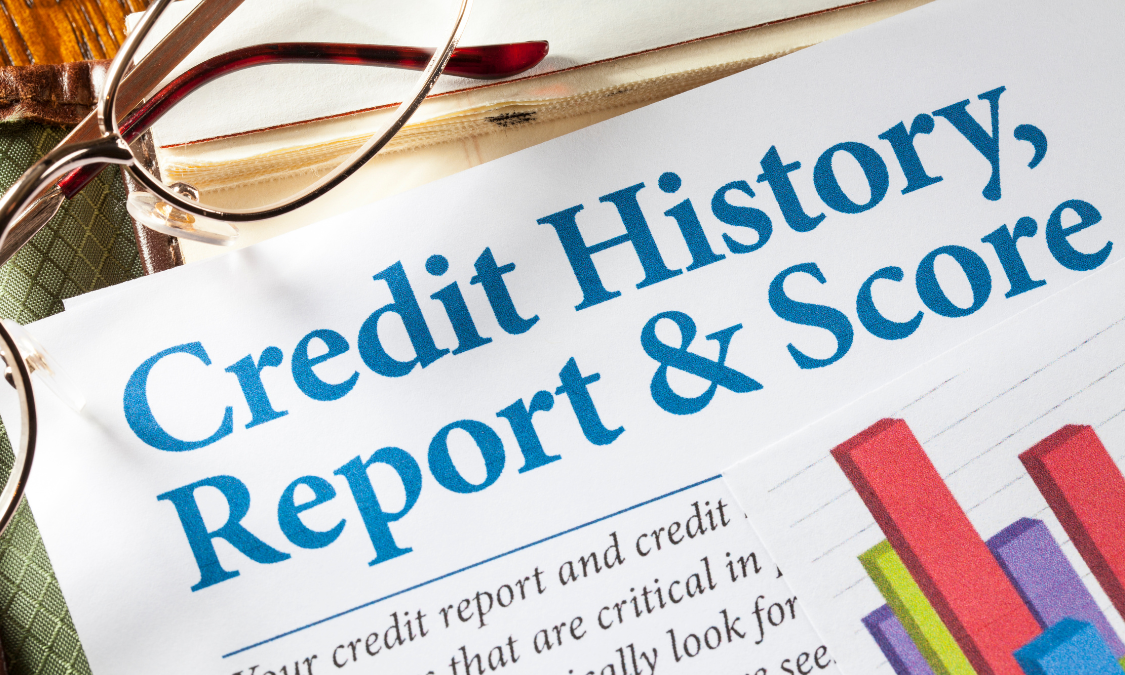
It’s important that you understand your report and what it contains. You can do free annual checks by many of the online credit reporting agencies, like; Equifax and Experian, to name just two. Order your report and take a look at how yours stacks up.
Your credit report will include your credit history; including account details, payment history, credit inquiries, and public records like bankruptcies.

Make sure to regularly check your credit report for errors, including false payment statuses, accounts that are not yours, and inaccurate personal information.

Building and Maintaining a High Credit Score

Impact of Credit on Loan Eligibility and Interest Rates

Credit scores are used by lenders to evaluate risk. A higher score translates into lower risk, which makes you a more desirable borrower.

Your interest rate is determined, in large part, by your credit score. Better scores usually result in cheaper rates, which means you will pay less money back over the course of the loan.

Certain insurance providers base their auto and home insurance rates on credit scores. 

Conclusion

Having good credit provides many financial opportunities. Understanding and managing your credit puts you in a better position to pursue favourable financial opportunities.

Regularly monitoring your credit report and score, developing responsible credit habits, and understanding how your financial behaviour affects your credit can result in significant savings and opportunities throughout your life.


The LEARNING HUB helps you gain more financial knowledge, while providing you with the support and help you and others need. Join now for only $79 USD per month.

Join the Learning Hub - Financial Management 101 by Karen G Adams
Eco-Friendly Savings: Going Green to Save Green

Eco-Friendly Savings: Going Green to Save Green

Finding ways to save money is always a priority, and what if you could do that while also being kind to the planet? Embracing eco-friendly practices at home and in your lifestyle not only benefits the environment but can also lead to significant savings. Let’s explore how going green can help you save green.

1. ENERGY EFFICIENCY AT HOME

Start by making your home more energy efficient. Simple changes such as switching to LED bulbs, using energy-efficient appliances, and improving home insulation can significantly reduce your energy bills.

2. SMART WATER USAGE

Water conservation is another area where you can save money. Fixing leaks, installing low-flow showerheads, and gardening with rainwater can all help you save money on water.

Fixing leaks can help in saving the planet

3. REDUCE, REUSE, RECYCLE

Embracing the principles of reducing, reusing, and recycling can result in cost savings. Buy less, use reusable products instead of disposable ones, and recycle whenever possible. This not only saves money but also reduces waste.

4. ECO-FRIENDLY TRANSPORTATION

Consider eco-friendly transportation options. Walking, biking, carpooling, or taking public transportation can help you save money on petrol and car maintenance, not to mention the environmental benefits.

5. GROW YOUR OWN

Starting a small vegetable garden can be rewarding and cost-effective. Growing your own food lowers the cost of fresh produce and provides you with organic and healthy options right at your doorstep.

Growing your own food lowers the cost of fresh produce and provides you with organic and healthy options right at your doorstep.

6. EMBRACE SECOND-HAND AND THRIFT

Shopping secondhand is not only cost-effective, but also environmentally friendly. Thrift stores, garage sales, and online marketplaces are excellent places to find high-quality items at a fraction of their retail price.

7. DIY NATURAL CLEANING PRODUCTS

Many commercial cleaning products are expensive and contain harmful chemicals. Making your own cleaning products from natural ingredients like vinegar and baking soda is less expensive and safer for both your home and the environment.

8. ENERGY-SMART LANDSCAPING

Consider landscaping that uses less energy. Planting trees for shade, using drought-resistant plants, and creating natural windbreaks can help in reducing heating and cooling costs.

9. CUT DOWN ON PAPER

To reduce the amount of paper used, go digital whenever possible. Choose electronic bills, receipts, and statements. This not only reduces waste but also helps to keep your home clutter-free.

10. EDUCATE AND INVOLVE THE FAMILY

Make eco-friendly living a family activity. Educate your children about the importance of conservation and get them involved in green practices. This not only saves money, but also instils responsible behaviour in the next generation.

Adopting eco-friendly practices is not only good for the environment; it is also a cost-effective way to save money. As you make small changes to a more sustainable lifestyle, you will notice that going green is not only good for the environment, but also good for your wallet.

Learning about money-saving techniques can give you the power to make smart financial decisions and reduce money-related stress over time. That’s where the LEARNING HUB helps you gain more financial knowledge, while providing you with the support and help you need.

Join the Learning Hub - Financial Management 101 by Karen G Adams