
Understanding How Money Works

Understanding How Money Works

Remember when we thought adults knew everything about money? Joke’s on us! But it’s never too late to learn. Here’s your crash course in Money 101.

Why Understanding Money Matters

Understanding money is essential because it influences every aspect of your life. From buying groceries to planning for retirement, money management skills can mean the difference between financial stability and stress. By learning how money works, you can make informed decisions that lead to a more secure and fulfilling life.

THE BASICS OF BUDGETING

Budgeting is the cornerstone of good money management. It helps you track income and expenses, ensuring you live within your means and save for future goals.

Action Steps:

  1. Track Your Income and Expenses: Write down all sources of income and all your monthly expenses. Use a spreadsheet, a budgeting app, or even a notebook to keep track.
  2. Categorise Your Spending: Divide your expenses into categories like housing, groceries, transportation, entertainment, and savings. This helps you see where your money is going.
  3. Set Budget Limits: Based on your income, set limits for each spending category. Be realistic but disciplined.
  4. Review and Adjust: At the end of each month, review your budget to see if you stayed within your limits. Adjust your budget as needed to better align with your financial goals.

Budgeting helps you control your spending, avoid debt, and save money. It’s the foundation of financial health.

Use Budgeting Apps

Categorise Your Spending

Categorise your expenses to see where your money is going.

THE POWER OF COMPOUND INTEREST

Compound interest is a magical concept that can either work for or against you. Understanding it is crucial for managing both savings and debt.

Action Steps:

  1. Learn the Formula: Compound interest is calculated using the formula A = P(1 + r/n)^(nt), where A is the amount of money accumulated, P is the principal amount, r is the annual interest rate, n is the number of times interest is compounded per year, and t is the time the money is invested for.
  2. Start Early: The earlier you start saving or investing, the more time compound interest has to work its magic. Even small contributions can grow significantly over time.
  3. Pay-off High-Interest Debts: Compound interest can also work against you when it comes to debt. High-interest debt, like credit card debt, can quickly spiral out of control due to compound interest. Focus on paying it off as soon as possible.

By harnessing the power of compound interest, you can grow your savings and investments exponentially over time.

CREDIT SCORES AND THEIR IMPORTANCE

Your credit score is a numerical representation of your creditworthiness. It affects your ability to get loans, credit cards, and even rent an apartment. Maintaining a good credit score is essential for financial stability.

Action Steps:

  1. Understand the Factors: Your credit score is influenced by payment history (35%), amounts owed (30%), length of credit history (15%), new credit (10%), and credit mix (10%).
  2. Pay Bills on Time: Late payments can significantly damage your credit score. Set up automatic payments or reminders to ensure you never miss a due date.
  3. Keep Balances Low: Aim to use less than 30% of your available credit. High credit utilisation can negatively impact your score.
  4. Check Your Credit Report: Regularly review your credit report for errors and discrepancies. You can get a free report annually from each of the three major credit bureaus.

A good credit score opens doors to better loan terms, lower interest rates, and more financial opportunities.

Investing is a powerful way to grow your wealth over time.

The longer your money is invested, the more time it has to grow through compound interest, where your earnings generate additional earnings.

Long-term investments are assets that you plan to hold for an extended period, usually more than three years. They’re meant to grow in value over time and achieve your long-term financial goals, like retirement or for your child’s education. 

THE BASICS OF INVESTING

Investing is a powerful way to grow your wealth over time. By putting your money to work in various assets, you can build a substantial financial cushion for the future.

Action Steps:

  1. Understand Different Types of Investments: Common investment types include stocks, bonds, mutual funds, and real estate. Each has its own risk and return profile.
  2. Start with Retirement Accounts: Take advantage of tax-advantaged retirement accounts like superannuation funds, 401(k)s and IRAs. These accounts allow your investments to grow tax-free or tax-deferred.
  3. Diversify Your Portfolio: Don’t put all your eggs in one basket. Spread your investments across different asset classes to reduce risk.
  4. Learn About Risk and Return: Higher potential returns usually come with higher risk. Understand your risk tolerance and invest accordingly.

Investing wisely can help you build wealth and achieve long-term financial goals, such as retirement or buying a home.

EMERGENCY FUND: YOUR SAFETY FINANCIAL NET

An emergency fund is a crucial component of financial stability. It’s a savings buffer that protects you from unexpected expenses and financial shocks.

Action Steps:

  1. Determine Your Target Amount: Aim to save 3-6 months’ worth of living expenses. This amount provides a cushion for emergencies like job loss, medical bills, or major repairs.
  2. Start Small and Build Up: If saving several months’ worth of expenses seems daunting, start with a smaller goal, like $1,000. Gradually increase your savings over time.
  3. Keep It Accessible: Store your emergency fund in a high-yield savings account where it can earn interest but still be easily accessible in case of emergency.
  4. Use It Wisely: Only dip into your emergency fund for true emergencies. Avoid the temptation to use it for non-essential expenses.

Having an emergency fund gives you peace of mind and financial security, knowing you’re prepared for unexpected situations.

Smart Spending

SMART SPENDING: GETTING MORE BANG FOR YOUR BUCK

Being a smart spender means making informed choices that maximise the value of your money. It’s about prioritising needs over wants and finding ways to save on everyday expenses.

Action Steps:

  1. Differentiate Needs and Wants: Before making a purchase, ask yourself if it’s a necessity or a luxury. Prioritise spending on essentials and limit discretionary spending.
  2. Shop Smart: Look for sales, use coupons, and compare prices before making purchases. Online tools and apps can help you find the best deals.
  3. Plan Your Purchases: Avoid impulse buying by planning your purchases in advance. Make a shopping list and stick to it.
  4. Buy Quality, Not Quantity: Sometimes, spending a bit more on a high-quality item can save you money in the long run, as it lasts longer and performs better.

Smart spending helps you get the most value out of your money and prevents unnecessary debt.

THE IMPORTANCE OF FINANCIAL GOALS

Setting financial goals gives you direction and motivation. It helps you stay focused on what’s important and measure your progress over time.

Action Steps:

  1. Identify Your Goals: Think about what you want to achieve financially. This could include saving for a down payment on a house, paying off debt, or building an emergency fund.
  2. Set Specific and Measurable Goals: Make your goals specific and measurable. For example, “Save $10,000 for a down payment within two years” is more effective than “Save money.”
  3. Create a Plan: Outline the steps you need to take to achieve your goals. Break them down into manageable tasks and set deadlines.
  4. Review and Adjust: Regularly review your progress and adjust your plan as needed. Life changes, and your financial goals might need to change too.

Having clear financial goals keeps you motivated and provides a roadmap for achieving financial success.

Conclusion

Understanding how money works is crucial for achieving financial stability and success. By mastering the basics of budgeting, leveraging compound interest, maintaining a good credit score, investing wisely, building an emergency fund, spending smartly, and setting financial goals, you can take control of your finances and create a secure future. It’s never too late to start learning and making positive changes. So, dive in, educate yourself, and watch as your financial confidence and stability grow. You’ve got this!

Learn the fundamental concepts of how budgeting and saving are important to your financial well-being. Registration is now open for the course: Mastering Budget and Saving Techniques. This is a hands-on course with me guiding you on how to budget, track and look at managing your money like a pro.

Mastering Budget and Saving Techniques
Free Budgeting Spreadsheet

MONTHLY COACHING

Take Control of Your Finances Today!

Are you tired of living paycheck to paycheck? Do you want to make smarter financial decisions but don’t know where to start? This monthly financial coaching program is designed to help you take control of your finances and achieve your financial goals.
How Can I Reduce My Monthly Expenses?

How Can I Reduce My Monthly Expenses?

Reducing your monthly expenses involves a combination of identifying where you can cut costs and implementing habits that foster financial efficiency. Here are some strategies:

TRACK YOUR SPENDING

Start by tracking all your expenses for a month. This will give you a clear picture of where your money is going.

CREATE A BUDGET

Once you understand your spending patterns, create a budget. Allocate amounts for necessities like rent, groceries, utilities, and savings, and then see how much is left for other expenses.

CUT UNNECESSARY SUBSCRIPTIONS

Cancel any subscriptions you don’t use regularly, like streaming services, magazines, or gym memberships.

REDUCE UTILITY BILLS

Try to lower your electricity, water, and gas usage. This can be done by turning off lights when not in use, fixing leaks, and using energy-efficient appliances.

SAVE ON GROCERIES

Plan your meals, use coupons, buy in bulk, and choose store brands over name brands. Also, avoid eating out frequently.

LIMIT IMPULSE BUYS

Avoid making unplanned purchases. If you see something you want, wait a few days to decide if you really need it.

USE PUBLIC TRANSPORTATION

If possible, use public transportation, carpool, bike, or walk instead of driving. This can save money on gas, parking, and maintenance.

Save money on groceries

Focus on budget-friendly foods to save money on groceries.

NEGOTIATE BILLS

Call service providers for things like insurance, cell phone, and internet to see if you can get a better rate.

DIY WHEN POSSIBLE

Do tasks yourself instead of paying someone else, like home repairs, car washes, and landscaping.

SHOP SECOND-HAND

Buy used items when possible. This can include clothes, furniture, and electronics.

AUTOMATE SAVINGS

Set up an automatic transfer to your savings account each payday. This ensures you save before you have a chance to spend.

LOOK FOR FREE ENTERTAINMENT

Take advantage of free community events, parks, and libraries for entertainment instead of spending money on outings.

REVIEW INSURANCE POLICIES

Ensure you’re not over-insured and that you’re getting the best rate for your needs.

PAY DOWN HIGH-INTEREST DEBTS

Prioritise paying off high-interest debt, which can be a significant drain on your finances.

Take advantage of free community events, parks, and libraries for entertainment

BUY IN BULK

For items you use regularly, buying in bulk can offer significant savings.

By implementing these strategies, you can effectively reduce your monthly expenses and improve your overall financial health. Remember, small changes can add up to big savings over time.

Learn the fundamental concepts of how budgeting and saving are important to your financial well-being. Registration is now open for the course: Mastering Budget and Saving Techniques. This is a hands-on course with me guiding you on how to budget, track and look at managing your money like a pro.
ENTER THE CODE WORD: BUDGETING2024 to get $100 off this course.

Mastering Budget and Saving Techniques
How Do I Prioritise My Expenses and Manage My Spending?

How Do I Prioritise My Expenses and Manage My Spending?

Prioritising expenses and effectively managing your spending is critical for your mental health, financial stability, and future growth.

Here’s a step-by-step guide to assist you with this:

TRACK YOUR SPENDING

Before you can prioritise, you need to know where your money is going. Keep a record of all your expenses for a month or two. This can be done using budgeting apps, spreadsheets, or simply a notebook.

CREATE A BUDGET

Based on your tracking, categorise your expenses (like rent, groceries, entertainment, etc.) and allocate a specific amount to each category. Be realistic in your allocations.

Categorise your expenses

IDENTIFY NEEDS VS. WANTS

Separate essential expenses (needs) like rent, utilities, and groceries from non-essential (wants) like dining out, entertainment, etc. Prioritise your needs.

SET FINANCIAL GOALS

Define your short-term (like saving for a holiday) and long-term (like saving for retirement) financial goals. This will help you stay focused and motivated.

SAVE FIRST

Adopt a “pay yourself first” approach. Allocate a portion of your income to savings or investments before you start spending on non-essentials.

REDUCE UNNECESSARY EXPENSES

Look for areas where you can cut back. This might include dining out less, cancelling unused subscriptions, or opting for more affordable entertainment options.

EMERGENCY FUND

Build an emergency fund that can cover at least 3-6 months of living expenses. This should be a priority as it provides a financial cushion.

USE TOOLS AND RESOURCES

Utilise budgeting tools, financial planning apps, or consult with a financial advisor for personalised advice.

REVIEW AND ADJUST REGULARLY

Your budget is not set in stone. Review it regularly and make adjustments as your income, expenses, and financial goals evolve.

AVOID HIGH-INTEREST DEBTS

Try to minimise reliance on credit cards or high-interest loans. If you have existing debt, prioritise paying it off.

EDUCATE YOURSELF

Continuously learn about personal finance. Understanding concepts like compound interest, investment, and credit scores can significantly improve your financial decision-making.

MINDSET AND DISCIPLINE

Cultivating a mindset of financial discipline and delayed gratification is key. This includes resisting impulse purchases and making informed spending decisions.

Continuously learn about personal finance.

Remember, personal finance is personal. Your priorities and goals will dictate how you manage your spending, so tailor these steps to fit your unique situation.

Learn the fundamental concepts of how budgeting and saving are important to your financial well-being. Registration is now open for the course: Mastering Budget and Saving Techniques. This is a hands-on course with me guiding you on how to budget, track and look at managing your money like a pro.

ENTER THE CODE WORD: BUDGETING2024 to get $100 off this course.

Mastering Budget and Saving Techniques
Why Understanding Insurance is Key to Your Family’s Financial Security

Why Understanding Insurance is Key to Your Family’s Financial Security

Hey there, amazing people!

As your financial coach and mortgage broker, I’m here with a warm cup of advice that’s as comforting as your morning coffee.

Today, we’re diving into a topic that might seem as complex as grandma’s secret recipe but is equally essential for your family’s well-being: Understanding Insurance. 

Stick with me, and I promise to make it as fun and digestible as your favourite weekend brunch!

The “Why” Behind Insurance

Imagine for a moment that life is a board game. You’re moving along, collecting milestones like they’re monopoly money – a new job, a house, maybe a little one (or two) joining your journey. Suddenly, a roll of the dice sends you a few spaces back: an unexpected event, an illness, or even a natural disaster. Here’s where insurance comes into play, acting like that magical “Get Out of Jail Free” card, ensuring these setbacks don’t derail your family’s financial future.

The Safety Net You Didn’t Know You Needed

In its simplest form, insurance is a safety net. It’s there to catch you and your loved ones when life’s unpredictabilities threaten your financial stability. From health insurance safeguarding against medical bills to life insurance ensuring your family’s future is secure even in your absence, each type serves a purpose, knitting a tighter safety net.

Insurance is a safety net. It’s there to catch you and your loved ones when life’s unpredictabilities threaten your financial stability.

Decoding the Insurance Puzzle

I get it, though! The world of insurance can feel like trying to solve a Rubik’s cube blindfolded. Terms like premiums, deductibles, and coverage options can be baffling. But here’s the secret – understanding insurance doesn’t require a finance degree. It’s about knowing you’re paying a small price today (premiums) to avoid a potentially catastrophic expense tomorrow. It’s betting on certainty in a world of uncertainty.

Life Insurance: The Guardian Angel

Let’s chat about life insurance – it’s like having a financial guardian angel for your family. In the event of the unthinkable, it ensures that mortgages can still be paid, dreams can be pursued, and your family’s lifestyle can be maintained. Think of it as your legacy, ensuring that your loved ones are taken care of, come what may.

Health Insurance: Your Health, Your Wealth

Health insurance is your shield on the battlefield of life. It protects you from the financial blow of medical treatments, which, let’s be honest, can cost an arm and a leg (sometimes, quite literally). Investing in health insurance means investing in peace of mind, knowing that a health hiccup won’t drain your savings.

Property and Car Insurance: Guarding Your Castle

Your home is your castle, and your vehicle, perhaps, is your trusty steed. Property and casualty insurance protect these precious assets from the fire-breathing dragons of life – theft, natural disasters, and accidents. It’s about making sure that your safe haven and your means of adventure are always ready for you, no matter what life throws their way.

Navigating Through the Insurance Maze

Now, I know what you’re thinking – “This sounds great, but how do I navigate through the maze of insurance options?” Here’s where your trusty financial coach (yours truly!) comes in. It’s about:

    • Assessing Your Needs: Each family is unique, and so are their insurance needs. It’s about figuring out what coverage is essential for you and what might be an unnecessary add-on.
    • Comparison Shopping: Just like you wouldn’t buy the first car you test drive, don’t settle on the first insurance policy you come across. Shop around, compare quotes, and read the fine print.
    • Asking Questions: No question is too small or silly. Whether it’s clarifying terms or understanding coverage options, ask away! Knowledge is power, especially when it comes to insurance.

Each family is unique, and so are their insurance needs.

The Bottom Line

Understanding insurance is akin to learning a new language – it might seem intimidating at first, but once you get the hang of it, it’s incredibly empowering. It’s about ensuring that no matter the twists and turns life throws at you, your family’s financial security is unshakable. And remember, as your financial coach and mortgage broker, I’m here to guide you through every step, decode every term, and help you build that financial safety net your family deserves.

So, let’s raise our coffee cups to making informed decisions, securing our family’s future, and tackling the insurance puzzle together. Your financial security isn’t just a goal; it’s a journey we’re on together. Cheers to making it as smooth and secure as possible!

Remember, in the grand game of life, insurance is not just a precaution; it’s a strategy for enduring prosperity and peace of mind.  

If you want more help understanding your insurance, then reach out to your financial planner or insurance specialist and get the clarity you need to ensure you’re covered where you need to be and not paying for stuff you don’t necessarily need.

The Learning Hub at Financial Management 101 is all about getting the financial education you need to make informed decisions about your financial life and future. Join today for only $79 per month and get immediate access to all courses and books including ongoing financial and mindset monthly coaching now.

The Importance of Good Credit

The Importance of Good Credit

People often underestimate the importance of having a good credit score and report.
In this article, I am going to walk you through how credit can affect your money management now and in the future.

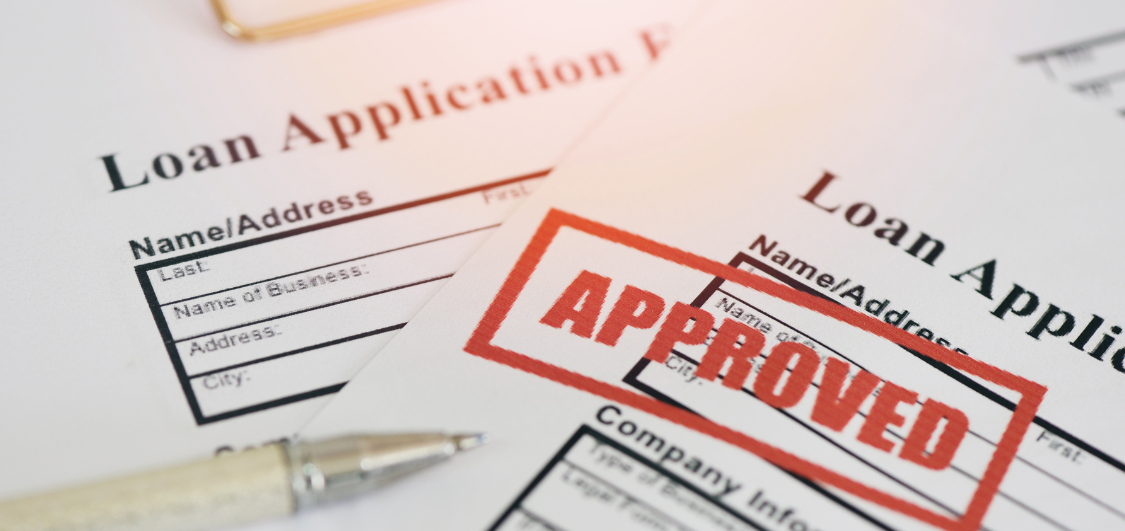
 If your credit score is high, you have a greater chance of getting approved for loans and credit cards from lenders and credit card companies.

Here are 5 reasons why a good credit score is important:

1. REDUCED INTEREST RATES ON BORROWED MONEY

Over time, you can save money by having lower interest rates on credit cards and loans, thanks to good credit.

2. GREATER CHANCES OF LOAN AND CREDIT CARD APPROVAL 

If your credit score is high, you have a greater chance of getting approved for loans and credit cards from lenders and credit card companies.

3. BETTER LOAN TERMS

Having good credit can result in better loan terms, such as higher borrowing limits, in addition to lower interest rates.

4. LOW OR NO SECURITY DEPOSIT REQUIREMENTS

Having good credit can result in better loan terms, such as higher borrowing limits, in addition to lower interest rates.

5. EMPLOYMENT OPPORTUNITIES

When hiring new employees, especially for jobs requiring financial responsibility, some employers run credit checks.

Building and Maintaining a High Credit Score

Here are some ways to maintain and build on your credit score to keep it healthy and high:

1. PAY YOUR BILLS ON TIME

Your credit score can suffer greatly from late payments. Make sure that all of your bills—including credit card and utility bills—are paid on time.

2. MAINTAIN LOW CREDIT CARD BALANCES 

Using a significant portion of your credit limit, or high credit utilisation, can have a bad effect on your credit score.

3. BUILD A LONG CREDIT HISTORY

Your credit score is influenced by the length of your credit history.

4. KEEP THE NUMBER OF NEW CREDIT INQUIRIES TO A MINIMUM 

If you make too many hard inquiries quickly, your score may suffer.

Understanding Your Credit Report

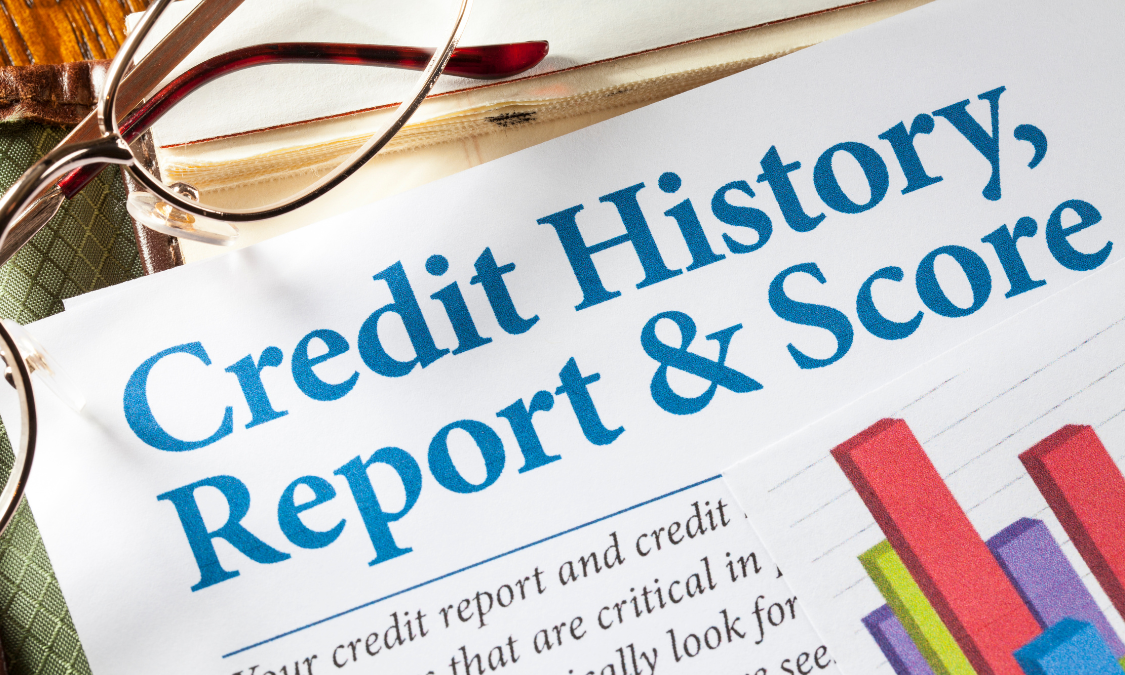
It’s important that you understand your report and what it contains. You can do free annual checks by many of the online credit reporting agencies, like; Equifax and Experian, to name just two. Order your report and take a look at how yours stacks up.
Your credit report will include your credit history; including account details, payment history, credit inquiries, and public records like bankruptcies.

Make sure to regularly check your credit report for errors, including false payment statuses, accounts that are not yours, and inaccurate personal information.

Building and Maintaining a High Credit Score

Impact of Credit on Loan Eligibility and Interest Rates

Credit scores are used by lenders to evaluate risk. A higher score translates into lower risk, which makes you a more desirable borrower.

Your interest rate is determined, in large part, by your credit score. Better scores usually result in cheaper rates, which means you will pay less money back over the course of the loan.

Certain insurance providers base their auto and home insurance rates on credit scores. 

Conclusion

Having good credit provides many financial opportunities. Understanding and managing your credit puts you in a better position to pursue favourable financial opportunities.

Regularly monitoring your credit report and score, developing responsible credit habits, and understanding how your financial behaviour affects your credit can result in significant savings and opportunities throughout your life.


The LEARNING HUB helps you gain more financial knowledge, while providing you with the support and help you and others need. Join now for only $79 USD per month.

Join the Learning Hub - Financial Management 101 by Karen G Adams