
The Great Balancing Act: Juggling Financial Goals and Family Life in Your 40s and 50s

The Great Balancing Act: Juggling Financial Goals and Family Life in Your 40s and 50s

Welcome to the circus, where you star in the world’s greatest balancing act! Between raising kids, saving for college, and planning for retirement, it’s easy to feel like you’re juggling flaming torches while riding a unicycle. Do not worry, my friend. Your financial coach is here to help you master the art of balance (with no singed brows).

1. PRIORITISE LIKE A PRO

When you’re juggling multiple financial goals, prioritisation is key. Start by listing all your financial goals—short-term, medium-term, and long-term. Then, rank them by importance and urgency. Focus on the top priorities first. For most people, this includes building an emergency fund, paying off high-interest debt, and contributing to retirement accounts. Once the essentials are covered, you can allocate funds to other goals like college savings or that dream vacation.

Use Budgeting Apps

Family Budget Meetings

Budget meetings do not have to be boring. Make them fun and engaging for the entire family. By involving the whole family, you’ll teach your kids valuable money management skills and ensure everyone is on the same page.

2. FAMILY BUDGET MEETINGS: THE FUN VERSION

Budget meetings do not have to be boring. Make them fun and engaging for the entire family. Set aside a regular time each month to review your budget, track progress towards goals, and discuss any changes. Get everyone involved. Use charts, graphs, and even stickers to make it more interactive. Do not forget the snacks; everything is better with them. By involving the whole family, you’ll teach your kids valuable money management skills and ensure everyone is on the same page.

3. COLLEGE SAVINGS: DON’T BREAK THE BANK

Saving for college can feel like a daunting task, but it doesn’t have to break the bank. Start by exploring funds, which offer tax advantages for education savings. Set up automatic contributions to make saving easier. If you’re getting a late start, don’t panic. Encourage your kids to apply for scholarships, grants, and work-study programs. And remember, there’s no shame in starting at a community college or attending a state school. The goal is to get an education without a mountain of debt.

4. RETIREMENT SAVINGS: THE LONG GAME

It can be difficult to balance college savings and retirement plans, but keep in mind that there are no retirement scholarships. Prioritise your retirement savings first. If you are falling behind, consider increasing your contributions, delaying retirement, or looking into part-time work in retirement. The key is to remain adaptable and focused on the long-term goal. And, if you end up working a little longer, consider it extra time to improve your golf game or finally finish that novel.

5. SMART SPENDING: THE ART OF SAYING NO

With kids, there’s always something new to spend money on—gadgets, sports, extracurricular activities, you name it. Learning to say no (or at least “not right now”) is essential. Teach your kids the value of money by involving them in budget decisions. Show them how saving for a big goal means making sacrifices in the short term. And lead by example. If they see you making smart spending choices, they’re more likely to follow suit.

Smart Spending

6. FAMILY FUN ON A BUDGET

Quality family time doesn’t have to come with a hefty price tag. Look for free or low-cost activities in your community. Parks, hiking trails, and local events can provide endless entertainment without breaking the bank. Get creative at home with game nights, DIY projects, or cooking together. The goal is to create memories, not rack up credit card debt.

7. SELF-CARE IS NOT SELFISH

Remember to take care of yourself amidst all the financial juggling. Self-care isn’t selfish—it’s necessary. Set aside time and money for activities that recharge your batteries, whether it’s a hobby, exercise, or a weekend getaway. A well-rested, happy you is better able to cope with the financial and emotional demands of family life. Plus, it sets a great example for your kids about the importance of self-care.

8. GET PROFESSIONAL HELP WHEN NEEDED

There is no shame in seeking professional assistance with your finances. A financial advisor and coach, like myself, can offer valuable insights, assist you in developing a comprehensive plan, and keep you on track. Look for an advisor who acts in your best interest. Sometimes an outside perspective is all you need to see the big picture and make sound decisions.

Balancing financial goals and family life is no easy task, but with a little planning, smart choices, and a healthy dose of humour, you can master the great balancing act. Now, go out and conquer that budget—your financial circus awaits!

Learn the fundamental concepts of how budgeting and saving are important to your financial well-being. Registration is now open for the course: Mastering Budget and Saving Techniques. This is a hands-on course with me guiding you on how to budget, track and look at managing your money like a pro.

Mastering Budget and Saving Techniques
Free Budgeting Spreadsheet

MONTHLY COACHING

Take Control of Your Finances Today!

Are you tired of living paycheck to paycheck? Do you want to make smarter financial decisions but don’t know where to start? This monthly financial coaching program is designed to help you take control of your finances and achieve your financial goals.
Why Savings is Important – And No, It’s Not Just for Squirrels

Why Savings is Important – And No, It’s Not Just for Squirrels

Ever seen a squirrel in a panic? Me neither. That’s because they save their acorns for winter. Now, unless you’re planning on a diet of nuts, let’s talk about why saving money is your ticket to a stress-free life.

Why Savings is Important

Saving money might not seem like the most exciting thing, but it’s one of the smartest moves you can make. Here’s why:

1. EMERGENCIES HAPPEN

Life has a funny way of throwing curveballs. Whether it’s a medical emergency, car trouble, or an unexpected job loss, having a savings cushion can turn a potential crisis into a manageable inconvenience. Think of it as your personal financial airbag.

2. OPPORTUNITIES KNOCK

Ever dreamt of starting your own business, going back to school, or taking a sabbatical to travel the world? Savings make these dreams achievable. When opportunities arise, you want to be ready to seize them without financial hesitation.

Starting your own business or going back to school is possible if you have enough savings!

3. PEACE OF MIND

Knowing you have money set aside reduces stress and helps you sleep better at night. It’s about having control over your future and being prepared for whatever comes your way.

4. AVOID DEBT

When you have savings, you’re less likely to rely on credit cards or loans for unexpected expenses. This means you avoid the interest and fees that come with borrowing money, keeping more of your hard-earned cash in your pocket.

5. FINANCIAL FREEDOM

Saving money is the foundation of financial independence. It’s the stepping stone to investing, growing your wealth, and eventually having the freedom to live life on your own terms.

The Psychology of Saving

Saving money isn’t just a financial act; it’s a psychological one. Here’s how to make it work for you:

1. VISUALISE YOUR GOALS

Imagine what your life would look like with a solid savings account. What dreams can you achieve? What stressors disappear? Visualisation can be a powerful motivator.

2. CREATE A SAVINGS RITUAL

Make saving a regular habit. Whether it’s every payday or every week, set a specific time to transfer money into your savings account. Treat it as non-negotiable as paying your rent or mortgage.

3. TRACK YOUR PROGRESS

Use a spreadsheet, an app, or a good old-fashioned journal to track your savings growth. Seeing your progress can be incredibly motivating and reinforce your commitment to saving.

Create a Savings Ritual

4. REWARD YOURSELF

Give yourself small rewards when you hit savings milestones. This doesn’t mean spending a fortune – even a small treat can reinforce positive behavior.

Practical Steps to Start Saving

Now that you understand the importance and psychology of saving, let’s dive into some practical steps to help you get started:

1. START SMALL, DREAM BIG

Begin by saving just $1 a day. It might not seem like much, but over time, it adds up. By the end of the year, you’ll have $365. This can cover a small emergency or give you a sense of accomplishment that motivates you to save even more.

  • Action Step: Set a daily reminder on your phone to transfer $1 to your savings account. Make it a game to see how many days in a row you can keep the streak going.

2. AUTOMATE YOUR SAVINGS

Automation is your best friend when it comes to saving money. Set up automatic transfers from your checking account to your savings account. This way, you’re saving without even thinking about it.

  • Action Step: Log into your online banking and set up a recurring transfer. Start with a small amount that won’t disrupt your budget and gradually increase it as you get more comfortable.

3. NAME YOUR GOALS

Give your savings accounts specific names based on your goals. Whether it’s “Vacation Fund,” “Emergency Cushion,” or “New Car Fund,” naming your accounts makes your goals tangible and exciting.

  • Action Step: Rename your savings accounts in your online banking or create new ones with your chosen names. Visualise each deposit bringing you closer to your goal.

4. CUT UNNECESSARY EXPENSES

Review your monthly expenses and identify areas where you can cut back. Do you really need that premium cable package or daily coffee shop latte? Redirect those funds to your savings instead.

  • Action Step: Take a month to track all your spending. Highlight non-essential expenses and challenge yourself to eliminate or reduce them. Channel the saved money into your savings account.

5. MAKE SAVING FUN

Turn saving into a game. Challenge yourself to save a specific amount each week or month and track your progress. Reward yourself for hitting your targets.

  • Action Step: Create a savings challenge with a friend or family member. Set a goal and see who can save the most by a certain date. The winner gets a small, fun prize.

Overcoming Common Savings Obstacles

Saving money can be challenging, especially when life gets in the way. Here’s how to overcome common obstacles:

1. LIVING PAYCHECK TO PAYCHECK

If you’re barely making ends meet, saving can feel impossible. Start with small amounts and gradually increase them as you find ways to cut costs or increase your income.

  • Action Step: Commit to saving even a small amount each month. Look for ways to boost your income, such as a side gig or selling unused items.

2. DEBT

If you have high-interest debt, focus on paying it off first. However, still set aside a small amount for savings to build the habit and provide a buffer for emergencies.

  • Action Step: Allocate a portion of your budget to debt repayment and a smaller portion to savings. As your debt decreases, increase your savings contributions.

Commit to saving even a small amount each month.

Teaching kids about saving money with a piggy bank can be a fun and educational experience. Teach them how to create a simple budget, allocating money for saving, spending, and giving. When they’re ready, help them open a savings account at a bank to teach them about banking and earning interest.

3. INCONSISTENT INCOME

If your income varies month to month, saving can be tricky. Create a budget based on your lowest monthly income and save more during high-income months.

  • Action Step: Calculate your average monthly income and expenses. Save any surplus during high-income months to cover shortfalls during leaner times.

4. LACK OF MOTIVATION

If saving feels like a chore, find ways to make it more engaging. Set short-term goals and celebrate your progress along the way. 

  • Action Step: Create a vision board with images and quotes that represent your savings goals. Place it somewhere you’ll see it daily to stay motivated.

The Long-Term Benefits of Saving

Saving money isn’t just about covering emergencies or achieving short-term goals. It’s about creating a foundation for long-term financial stability and freedom. Here’s what you can look forward to:

1. RETIREMENT SECURITY

The earlier you start saving for retirement, the more time your money has to grow. Compound interest works its magic over the years, helping you build a substantial nest egg.

2. FINANCIAL INDEPENDENCE

Saving and investing wisely can lead to financial independence, where you have enough assets to cover your living expenses without relying on a traditional job. This opens up opportunities to pursue passions, travel, or even retire early.

3. GENERATIONAL WEALTH

Building savings and wealth allows you to support your family and create a legacy for future generations. You can provide for your children’s education, help them buy their first home, or leave an inheritance.

4. FREEDOM TO TAKE RISKS

With a healthy savings cushion, you have the freedom to take calculated risks, such as starting a business, switching careers, or pursuing further education. You’re not tied down by financial constraints. 

Generational Wealth

Generational Wealth

Building savings and wealth allows you to support your family and create a legacy for future generations.

Conclusion

Saving money isn’t just about covering emergencies or achieving short-term goals. It’s about creating a foundation for long-term financial stability and freedom. Here

Learn the fundamental concepts of how budgeting and saving are important to your financial well-being. Registration is now open for the course: Mastering Budget and Saving Techniques. This is a hands-on course with me guiding you on how to budget, track and look at managing your money like a pro.

Mastering Budget and Saving Techniques

What are Some Smart Ways to Handle Unexpected Financial Emergencies?

What are Some Smart Ways to Handle Unexpected Financial Emergencies?

Handling unexpected financial emergencies requires a mix of planning, resourcefulness, and informed decision-making. Here are some smart ways to manage such situations:

EMERGENCY FUND

The best strategy is to have an emergency fund. This should ideally cover 3-6 months of living expenses and be easily accessible.

BUDGET ADJUSTMENTS

Review and adjust your budget to cut non-essential expenses. Temporarily reducing discretionary spending can free up funds.

LIQUIDATE NON-ESSENTIAL ITEMS

Consider selling items you don’t need. This could include electronics, jewellery, or other valuables.

Emergency Fund

Emergency funds create a financial buffer that can keep you afloat in a time of need without having to rely on credit cards or high-interest loans.

USE OF CREDIT WISELY

If you have access to credit lines or credit cards, use them wisely. Ensure that you understand the terms and interest rates to avoid worsening your financial situation.

PAYMENT PLANS

Contact creditors or service providers to negotiate payment plans or extensions. Many are willing to work with you during hardships.

INSURANCE CLAIMS

If your emergency is due to events like accidents, natural disasters, or health issues, check if your insurance policies can provide financial relief.

GOVERNMENT ASSISTANCE AND COMMUNITY RESOURCES

Explore if you’re eligible for any government relief programs or community assistance during your crisis.

SIDE JOBS OR FREELANCING

Consider taking on temporary work or freelancing to generate additional income.

FAMILY AND FRIENDS

As a last resort, consider borrowing from family or friends. Be sure to treat it as a formal loan and communicate clearly about repayment terms.

FINANCIAL COUNSELLING

Seek advice from a financial counsellor or advisor. They can offer personalised advice and help you plan for the future.

INVEST IN EDUCATION AND SKILL DEVELOPMENT

In the long term, improving your skills can lead to better job opportunities and higher income, making you more resilient to financial emergencies.

REGULAR FINANCIAL REVIEWS

Regularly review your financial situation to adjust your savings and spending, keeping potential emergencies in mind.

Remember, personal finance is personal. Your priorities and goals will dictate how you manage your spending, so tailor these steps to fit your unique situation.

Invest in Education and Skill Development

Learn the fundamental concepts of how budgeting and saving are important to your financial well-being. Registration is now open for the course: Mastering Budget and Saving Techniques. This is a hands-on course with me guiding you on how to budget, track and look at managing your money like a pro.

ENTER THE CODE WORD: BUDGETING2024 to get $100 off this course.

Mastering Budget and Saving Techniques
How Do I Prioritise My Expenses and Manage My Spending?

How Do I Prioritise My Expenses and Manage My Spending?

Prioritising expenses and effectively managing your spending is critical for your mental health, financial stability, and future growth.

Here’s a step-by-step guide to assist you with this:

TRACK YOUR SPENDING

Before you can prioritise, you need to know where your money is going. Keep a record of all your expenses for a month or two. This can be done using budgeting apps, spreadsheets, or simply a notebook.

CREATE A BUDGET

Based on your tracking, categorise your expenses (like rent, groceries, entertainment, etc.) and allocate a specific amount to each category. Be realistic in your allocations.

Categorise your expenses

IDENTIFY NEEDS VS. WANTS

Separate essential expenses (needs) like rent, utilities, and groceries from non-essential (wants) like dining out, entertainment, etc. Prioritise your needs.

SET FINANCIAL GOALS

Define your short-term (like saving for a holiday) and long-term (like saving for retirement) financial goals. This will help you stay focused and motivated.

SAVE FIRST

Adopt a “pay yourself first” approach. Allocate a portion of your income to savings or investments before you start spending on non-essentials.

REDUCE UNNECESSARY EXPENSES

Look for areas where you can cut back. This might include dining out less, cancelling unused subscriptions, or opting for more affordable entertainment options.

EMERGENCY FUND

Build an emergency fund that can cover at least 3-6 months of living expenses. This should be a priority as it provides a financial cushion.

USE TOOLS AND RESOURCES

Utilise budgeting tools, financial planning apps, or consult with a financial advisor for personalised advice.

REVIEW AND ADJUST REGULARLY

Your budget is not set in stone. Review it regularly and make adjustments as your income, expenses, and financial goals evolve.

AVOID HIGH-INTEREST DEBTS

Try to minimise reliance on credit cards or high-interest loans. If you have existing debt, prioritise paying it off.

EDUCATE YOURSELF

Continuously learn about personal finance. Understanding concepts like compound interest, investment, and credit scores can significantly improve your financial decision-making.

MINDSET AND DISCIPLINE

Cultivating a mindset of financial discipline and delayed gratification is key. This includes resisting impulse purchases and making informed spending decisions.

Continuously learn about personal finance.

Remember, personal finance is personal. Your priorities and goals will dictate how you manage your spending, so tailor these steps to fit your unique situation.

Learn the fundamental concepts of how budgeting and saving are important to your financial well-being. Registration is now open for the course: Mastering Budget and Saving Techniques. This is a hands-on course with me guiding you on how to budget, track and look at managing your money like a pro.

ENTER THE CODE WORD: BUDGETING2024 to get $100 off this course.

Mastering Budget and Saving Techniques

How Can I Improve My Credit Score?

How Can I Improve My Credit Score?

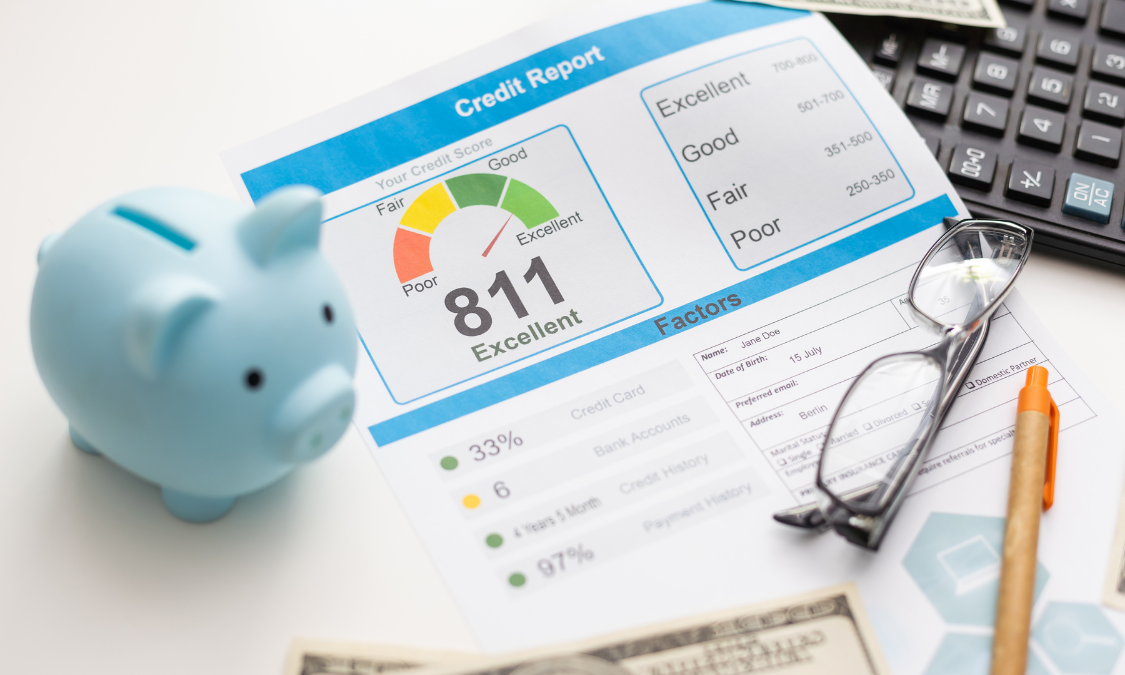
Your credit report and score plays a huge role not only with future borrowing, but sometimes with future employment opportunities, if you’re applying for jobs that look at handling money and finances.

How Can I Improve My Credit Score?

Improving your credit score is an important step towards financial stability and can be achieved through several key practices:

PAY YOUR BILLS ON TIME

Late payments can significantly impact your credit score. Ensure that all your bills, including utilities, credit cards, and loans, are paid on time. Setting up automatic payments can be helpful to avoid missing due dates.

KEEP CREDIT CARD BALANCES LOW

High credit card balances can negatively affect your credit score. Aim to keep your credit utilisation ratio (the amount of credit you use compared to your credit limit) below 30%. Paying down existing balances is crucial to achieving this.

AVOID OPENING TOO MANY NEW ACCOUNTS AT ONCE

Each time you apply for credit, a hard inquiry is made, which can slightly lower your credit score. Opening several new accounts in a short period of time can compound this effect. It’s better to apply for new credit sparingly.

CHECK YOUR CREDIT REPORTS REGULARLY

Errors on your credit report can harm your score. Regularly checking your credit reports allows you to spot and dispute any inaccuracies. You are entitled to a free credit report from each of the three major credit bureaus (Equifax, Experian, and TransUnion) every year.

MAINTAIN A MIX OF CREDIT TYPES

If possible, have a mix of different types of credit, such as revolving credit (like credit cards) and installment loans (like auto or student loans). This can positively impact your credit score, but only take on debt that you can manage.

Check Your Credit Reports Regularly

KEEP OLD ACCOUNTS OPEN

The length of your credit history affects your score. Keeping older accounts open, even if you don’t use them, can be beneficial. However, ensure they don’t have high fees.

LIMIT HARD INQUIRIES

When you apply for credit, a hard inquiry is recorded on your credit report, which can lower your score. Be cautious about applying for new credit unless necessary.

NEGOTIATE WITH CREDITORS 

If you’re struggling with debt, try negotiating with creditors. Some may offer solutions, like lower interest rates or payment plans.

SEEK PROFESSIONAL HELP IF NEEDED

If you’re overwhelmed, consider consulting a credit counselor. They can provide personalised advice and help you develop a plan to improve your credit.

Remember, improving your credit score is a gradual process. It requires consistent effort and financial discipline. Avoid quick-fix solutions, as they are often ineffective and can lead to further financial troubles.

Looking to get some knowledge and skills to effectively read, interpret, and manage your credit report? Join the course “Mastering Your Credit Report – A Comprehensive Guide,” FREE for a limited time. HURRY, slots are filling up fast!

Mastering Your Credit Report - A Comprehensive Guide