
Financial Resilience: Planning for Setbacks on Your Path to Debt Freedom

Financial Resilience: Planning for Setbacks on Your Path to Debt Freedom

Achieving a debt free life is a journey filled with highs and lows. While it’s great to stay optimistic, it’s equally important to be prepared for setbacks that might knock you off your progress. Unexpected expenses, job loss, medical bills, or even just plain old burnout can throw a spanner in your plans. The key to overcoming these challenges lies in building financial resilience. In this post, we’ll explore strategies to prepare for and bounce back from setbacks, ensuring you stay on track to becoming debt-free.

1. IDENTIFY YOUR MARKETABLE SKILLS

I bang on about this one all the time, why because an emergency fund is your financial safety net. It’s the cushion that helps absorb the shock of unexpected expenses without relying on credit cards or loans. A common rule of thumb is to have three to six months’ worth of living expenses saved.

Action Step:
Start by setting aside a small, manageable amount each week or month. Even $10 a week can add up. Automate your savings to ensure consistency and resist the temptation to dip into this fund for non-emergencies.

7. OFFER VIRTUAL SERVICES OR COACHING

Relying solely on one source of income can be risky. If you lose your job or face a reduction in hours, your finances can take a significant hit. Diversifying your income through side hustles, freelance work, or passive income streams can provide a buffer against such setbacks. I mentioned in a recent blog post tips and strategies on how “Using Your Talents to Accelerate Debt Repayment”. Go check this post out HERE.

Action Step:
Identify a side hustle or freelance opportunity that aligns with your skills. Set aside dedicated time each week to develop this secondary income stream.

3. CREATE A FINANCIAL CONTINGENCY PLAN

A contingency plan outlines what you’ll do in the face of financial setbacks. It could include steps like cutting back on non-essential expenses, using savings, or temporarily taking on additional work.

Action Step:
List potential setbacks and corresponding actions you would take to mitigate their impact. Keep this plan accessible and review it regularly.

4. PRACTICE CONSCIOUS SPENDING

Conscious spending involves being aware of where your money goes and making intentional choices. By being mindful of your spending, you’re better equipped to adjust your budget when faced with financial challenges.

Action Step:
Track all your spending for a month to identify where your money is going. Create a budget that prioritises essential expenses and allocates funds towards debt repayment and savings.

5. INVEST IN INSURANCE

Insurance is a vital component of financial resilience. Health insurance, home insurance, car insurance, and even disability insurance can protect you from significant financial setbacks. While it’s an added expense, the cost of not having adequate insurance can be much higher.

Action Step:
Review your current insurance policies and assess if you have adequate coverage. If not, consider adjusting your policies or shopping around for better rates.

6. PREPARE FOR IRREGULAR EXPENSES

Irregular expenses – like car repairs, home maintenance, or annual subscriptions can disrupt your debt repayment plan if not anticipated. Preparing for these expenses can prevent the need to rely on credit.

Action Step:
Review past expenses to identify irregular costs and create a separate savings fund for them. Allocate a small amount each month to this fund.

7. DEVELOP A DEBT REPAYMENT BUFFER

Instead of putting every last dollar towards debt, consider building a small buffer in your savings or checking account. This buffer can help cover unexpected expenses without halting your debt repayment plan.

Action Step:
Determine a comfortable buffer amount (e.g., $500) and gradually build it up by allocating a portion of your income each month.

8. KEEP YOUR CREDIT IN GOOD STANDING

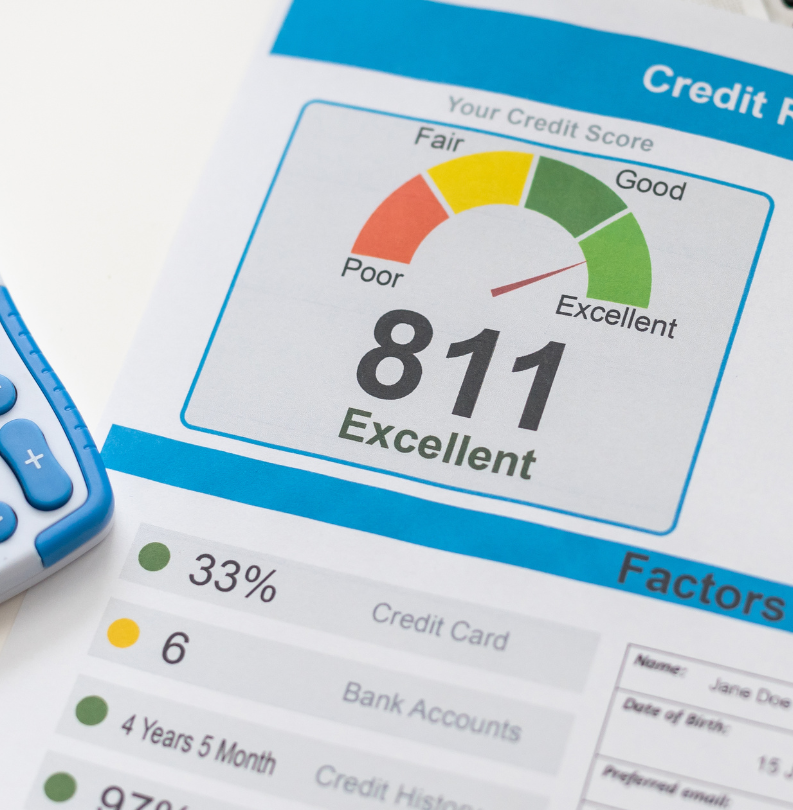
Maintaining a good credit score is crucial, even when you’re working to pay off debt. In the event of a financial emergency, having access to credit can provide a temporary solution without resorting to high-interest loans.

Action Step:
Regularly check your credit report for errors and keep credit card balances low. Make all payments on time, even if it’s just the minimum amount.
9. EMBRACE THE POWER OF NEGOTIATION

Unexpected expenses can often be negotiated or spread out. Medical bills, for instance, are notorious for being negotiable. Don’t hesitate to ask for a payment plan, a reduction in interest rates, or even a discount.

Action Step:
If faced with a large, unexpected bill, contact the service provider and enquire about payment options, discounts, or financial assistance programs.

10. FOSTER A RESILIENT MINDSET

Building financial resilience isn’t just about money—it’s also about mindset. Understand that setbacks are a part of life, and maintaining a positive outlook will help you navigate them more effectively.

Action Step:
Practice stress-management techniques such as mindfulness, meditation, or journaling. Develop a routine that helps you stay focused and calm during financial challenges.

11. BUILD A SUPPORT NETWORK

Having a support network of friends, family, or a financial advisor can provide emotional and practical support during challenging times. Surround yourself with people who understand your goals and can offer advice or encouragement.

Action Step:
Identify three people who can be part of your financial support network. Share your goals with them and ask for their support in staying accountable. 

12. PLAN FOR FUTURE SETBACKS

While it’s impossible to predict every setback, planning for potential scenarios can make them less overwhelming. Think about what could go wrong in your financial journey and devise strategies to deal with them.

Action Step:
Conduct a “financial fire drill.” Write down potential setbacks (e.g., job loss, major car repair) and create a response plan for each scenario.

13. REGULARLY REVIEW AND ADJUST YOUR FINANCIAL PLAN

Your financial situation and priorities can change over time. Regularly reviewing and adjusting your debt repayment plan ensures you stay on track and adapt to new circumstances.

Action Step:
Set a reminder to review your financial plan every quarter. Adjust your budget, debt repayment, and savings strategies based on your current situation.

CONCLUSION

Setbacks are inevitable on the path to becoming debt-free, but with the right preparation, they don’t have to derail your progress. By building financial resilience through strategic planning, conscious spending, and a positive mindset, you can bounce back stronger from any challenge. Remember, becoming debt-free is not a sprint; it’s a marathon. Stay focused, stay prepared, and keep moving forward. 

Take Control of Your Finances Today!

Are you tired of living paycheck to paycheck? Do you want to make smarter financial decisions but don’t know where to start? This monthly financial coaching program is designed to help you take control of your finances and achieve your financial goals.

As your financial coach, Karen will teach you how to build financial muscle, so that you have money working to your advantage and not to your bank or financial institution’s benefit. Click here to enrol!

Mastering Budget and Saving Techniques

Are you ready to take control of your finances and start your debt-free journey?

In this empowering 30-day course, we’ll guide you through actionable steps to help you break free from debt and achieve financial stability.


The Debt Detox: Eliminating Hidden Costs That Keep You in the Red

The Debt Detox: Eliminating Hidden Costs That Keep You in the Red

When it comes to managing debt, it’s often the unexpected expenses—the hidden costs—that sneak up and keep you from achieving financial freedom. These hidden costs aren’t always big, flashy expenses; instead, they quietly drain your finances month after month. In this post, we’ll uncover these sneaky costs and provide actionable steps to eliminate them from your life.

1. UNMASK THE SUBSCRIPTION TRAP

Subscriptions are one of the sneakiest ways money leaks out of our accounts. Streaming services, gym memberships, meal delivery kits—you name it. The problem is that they often go unnoticed because the individual costs seem minimal. However, they add up significantly over time, especially when we forget to cancel the ones we don’t use.

Action Step:
Go through your phone to review any subscriptions. If you’re with IOS this will be in your settings and you can cancel any of the services that you don’t use. Next review all your bank statements and list every subscription you’re currently paying for. Cancel any that you haven’t used in the last month or that you can live without.

2. EVALUATE YOUR UTILITY BILLS

Utilities are necessary, but are you paying more than you need to? Often, people stick with the same provider for years without realising there are better deals available. Electricity, gas, water, and even internet and mobile plans can usually be renegotiated or switched to a cheaper provider. 

Action Step:
Compare utility providers using online tools or comparison websites. Consider switching providers or negotiating with your current one to get a better rate.

3. INVESTIGATE INSURANCE OVERLAPS

You might be overinsured without even realising it. If you have multiple insurance policies (health, car, home, life), there could be overlaps in coverage. This redundancy leads to unnecessary costs. Additionally, insurance rates often fluctuate, and you could be eligible for better rates.

Action Step:
Review all your insurance policies and speak with your provider to eliminate any overlaps. Shop around for better rates annually.

4. AVOID THE “LATTE EFFECT”

The “Latte Effect” isn’t just about coffee; it’s about those small daily expenses that seem harmless individually but compound significantly over time. This includes buying lunch every day, snacks, or even those extra data charges on your mobile plan.

Action Step:
Track all your small daily expenses for one week. Identify items you can eliminate or reduce. Consider alternatives like making your coffee or preparing meals at home.

5. ANALYSE YOUR CREDIT CARD FEES

Credit cards can come with hidden fees, like annual fees, late payment fees, or foreign transaction fees. These fees can quietly add up and increase your debt if you’re not careful. Understanding your credit card’s terms can help you avoid these fees.

Action Step:
Review the terms and conditions of all your credit cards. Consider switching to a card with no annual fee or lower interest rates. Set up automatic payments to avoid late fees.

6. SPOT THE SNEAKY BANK CHARGES

Banks love to sneak in fees—monthly maintenance fees, overdraft fees, ATM fees, and even paper statement fees. These charges may seem small, but they can accumulate quickly, especially if you’re not vigilant.

Action Step:
Review your bank statements for any recurring fees. Contact your bank to negotiate waiving these fees or consider switching to a bank that offers fee-free accounts.

7. CUT DOWN ON CONVENIENCE COSTS

Convenience comes at a price. Takeout food, delivery services, and buying bottled water are all examples of convenience costs. These might save time but can drain your wallet quickly.

Action Step:
Set a goal to cut down on one convenience cost per week. Prepare meals in bulk, invest in a water filter, or limit your use of delivery services.

Cutting down on food convenience costs, examining car-related expenses,

and understanding health-related costs can help you save more money!

8. UNDERSTAND YOUR HEALTH-RELATED COSTS

Healthcare costs can be complex and deceptive. These include deductibles and out-of-pocket costs. You might be paying more for healthcare than necessary by not understanding your insurance policy or not taking advantage of preventative care options.

Action Step:
Review your health insurance policy to understand what is covered. Schedule preventative care visits, which are often covered at no additional cost, to avoid more significant health issues (and expenses) down the line.

9. KEEP AN EYE ON LOYALTY PROGRAMS AND COSTS

Many loyalty programs and credit card points schemes can lead to unnecessary spending. The promise of rewards often encourages spending more than needed, or you might forget to use the points you’ve accumulated, rendering the spending pointless.

Action Step:
Review your loyalty programs and points. Ensure you’re not overspending just to earn points. Use accumulated points strategically before they expire.

10. BE WARY OF ‘FREE TRIALS’ AND PROMOTIONS

Free trials and promotions are designed to hook you in. They often require credit card details and automatically convert to a paid subscription if not cancelled within a specific period. These can add unexpected costs to your finances if you’re not vigilant.

Action Step:
Keep a log of all free trials you sign up for. Set calendar reminders to cancel them before the trial period ends.

11. EXAMINE YOUR CAR COSTS

Owning a car can come with numerous hidden costs beyond just fuel—think maintenance, insurance, parking, and tolls. Regular servicing and good driving habits can help reduce these costs.

Action Step:
Review your car-related expenses over the last three months. Consider ways to reduce them, such as carpooling, using public transportation, or bundling errands to minimise fuel consumption.

12. AVOID PENALTIES AND FINES

Late fees on bills, parking tickets, and other fines like excessive speeding are avoidable costs that can delay your financial progress. These penalties are often due to forgetfulness, poor planning or as we like to say for speeding fines a “lead foot” :).

Action Step:
Set up automated reminders for bill payments and due dates. Make a habit of reviewing your calendar weekly to anticipate any payments due and ensure you leave enough time in your journey to avoid any speeding tickets.

Conclusion: Stay Ahead of the Game

Eliminating hidden costs is an essential part of becoming debt-free. By scrutinising every expense and making small, manageable changes, you can save hundreds – if not thousands of dollars each year.
Remember, the key is vigilance: regularly review your finances, stay informed, and make adjustments as needed. Your journey to debt freedom is not just about cutting big expenses but also about mindfully managing the small, sneaky ones.

Learn the fundamental concepts of how budgeting and saving are important to your financial well-being. Registration is now open for the course: Mastering Budget and Saving Techniques. This is a hands-on course with me guiding you on how to budget, track and look at managing your money like a pro.

Mastering Budget and Saving Techniques
Free Budgeting Spreadsheet

GRAB YOUR OWN COPY FOR FREE

YOUR MONEY eMagazine

Are you ready to take control of your finances and secure a brighter future?

Dive into “Your Money,” the premier e-magazine by Karen G Adams, the Founder of Financial Management 101.

Subscribe for FREE!

The Debt-Free Mindset: How to Train Your Brain for Financial Freedom

The Debt-Free Mindset: How to Train Your Brain for Financial Freedom

Becoming debt-free isn’t just about paying off balances; it’s about reshaping your mindset to align with financial freedom. Many people get trapped in a cycle of debt because their mindset is stuck in a place of scarcity or fear. Let us look at some actionable steps for developing a debt-free mindset.

1. UNDERSTAND YOUR DEBT SITUATION

Every financial decision you make is influenced by your beliefs about money, often shaped by your experiences. Reflect on your “debt story”—the events, habits, and emotions that led you to where you are now. Write it down. Understanding your history with money is the first step to rewriting your financial future.

ACTION STEP:
Journal about your first memory of money, your feelings towards debt, and how that might have shaped your current situation.

2. REFRAME YOUR THOUGHTS ABOUT MONEY

Instead of viewing debt as a burden, see it as a challenge to overcome. Change your language from “I’m in debt” to “I am working towards financial freedom.” Positive affirmations can help you stay motivated and focused on your goal.

ACTION STEP:
Create a list of positive money affirmations, such as “I am capable of managing my finances,” and repeat them daily.

3. VISUALISE DEBT FREEDOM

Visualisation is a powerful tool. Imagine how your life will look and feel once you’re debt-free. Picture the freedom, the opportunities, and the peace of mind that comes with it. The more vivid your vision, the more motivated you’ll be to achieve it.

ACTION STEP:
Spend 5 minutes every morning visualising your debt-free life. Write down what you see and feel.

4. SURROUND YOURSELF WITH FINANCIAL POSITIVITY 

Your environment influences your mindset. If you’re surrounded by people who are also striving to be debt-free, or who have achieved it, their energy can motivate you. Join a debt-free community or follow influencers who share your financial goals.

ACTION STEP:
Join my monthly coaching program where you will feel supported and be part of a community all working towards helping you achieve your financial independence and goals. CLICK HERE for more information.

5. CHALLENGE YOUR LIMITING BELIEFS

Many of us have limiting beliefs about money—like thinking we’ll always be in debt or that financial freedom is only for the wealthy. Challenge these beliefs by seeking evidence to the contrary and reprogramming your mind with empowering thoughts.

ACTION STEP:
Write down three limiting beliefs you have about money and challenge them with factual statements or examples.

6. PRACTICE GRATITUDE FOR WHAT YOU HAVE

Shifting your focus from what you lack to what you have can create a more abundant mindset. When you’re grateful for your current resources, you’re more likely to use them wisely and attract more.

ACTION STEP:
Start a gratitude journal and list three things you’re grateful for each day, focusing on non-material aspects of your life.

7. SET REALISTIC AND ACHIEVABLE GOALS

Setting small, achievable goals can help build momentum. Instead of focusing solely on the end goal of being debt-free, set smaller milestones. Celebrate each win, no matter how small.

ACTION STEP:
Break down your debt into smaller, manageable chunks and create a reward system for achieving each milestone.

Only purchase essentials and document the impact on your finances and mindset.

8. EMBRACE MINIMALISM IN SPENDING

Adopting a minimalist approach to spending helps shift the focus from consuming to saving and investing in experiences rather than things. This mindset shift can significantly contribute to becoming debt-free.

ACTION STEP:
For one month, only purchase essentials and document the impact on your finances and mindset.

9. LEARN FROM YOUR MISTAKES WITHOUT GUILT

Everyone makes financial mistakes, but dwelling on them with guilt can keep you stuck. Instead, view them as learning opportunities. Reflect on what went wrong and how you can prevent it from happening again.

ACTION STEP:
List past financial mistakes and write down the lessons you’ve learned from each. 

10. COMMIT TO LIFELONG LEARNING ABOUT MONEY

Developing a debt-free mindset is an ongoing process. Make a commitment to continue learning about money management, investing, and wealth-building. This growth mindset will keep you motivated and informed.

ACTION STEP:
Choose one financial book or one of my online courses and programs to complete each month.

CONCLUSION

Becoming debt-free starts with transforming your mindset. By understanding your debt story, reframing your thoughts about money, and setting realistic goals, you can begin the journey towards financial freedom with a clear and positive outlook. Remember, the path to being debt-free is not just about the numbers but also about your mindset.

Take Control of Your Finances Today!

Are you tired of living paycheck to paycheck? Do you want to make smarter financial decisions but don’t know where to start? This monthly financial coaching program is designed to help you take control of your finances and achieve your financial goals.

Mastering Budget and Saving Techniques
Free Budgeting Spreadsheet

GRAB YOUR OWN COPY FOR FREE

YOUR MONEY eMagazine

Are you ready to take control of your finances and secure a brighter future?

Dive into “Your Money,” the premier e-magazine by Karen G Adams, the Founder of Financial Management 101.

Subscribe for FREE!