
The Financial Squeeze: Why 93% of Your Income is Gone Before You Know It and How to Take Back Control

The Financial Squeeze: Why 93% of Your Income is Gone Before You Know It and How to Take Back Control

In today’s economic landscape, many families, particularly in cities like Perth, are finding it harder to get ahead. With the cost of living rising, mortgage repayments climbing, and essential expenses consuming most of the household income, it’s no surprise that families feel financially stuck. In fact, for the average family earning around $100,000 a year in Perth, up to 93% of their income is being spent on basic living expenses and mortgage repayments. That leaves a mere 7% for everything else, whether it’s saving for an emergency, investing for the future, or even enjoying life.

So, what’s driving this financial squeeze? And more importantly, how can you start taking back control of your money, reduce financial stress, and build a path toward a more secure future? Let’s dive in.

THE BREAKDOWN — Where Does The Money Go?

If you feel like your income disappears before you even have the chance to save or plan, you’re not imagining things. For the average Perth family, a substantial portion of their income is consumed by just a few major categories.

1. MORTGAGE PAYMENTS (39.7%)

With the average house price in Perth sitting at around $690,000, a family making regular mortgage repayments is typically spending about 40% of their income just to keep a roof over their head. That’s a huge chunk of money tied up in home ownership, leaving little flexibility for other financial priorities.

2. LIVING EXPENSES (52.8%)

Next comes everyday living expenses: utilities, groceries, transportation, insurance, and other necessities. For the average family, these costs take up more than half of their monthly income. With rising prices in everything from food to fuel, these essential expenses are only getting harder to manage.

3. WHAT’S LEFT? (7.5%)

After paying for housing and general living expenses, families are left with just 7.5% of their income to cover everything else. This includes savings, emergencies, vacations, entertainment, education, and more. It’s no wonder that many people feel overwhelmed by the prospect of building an emergency fund, paying off debt, or even saving for the future.

For the average family, the costs of living expenses take up more than half of their monthly income.

Inflation directly drives up the prices of essential goods and services, from food to housing to what it costs to fill your tank so you can drive to work or put clothes on your back.

THE IMPACT — Stress, Debt, and Delayed Life Goals

This financial squeeze has significant consequences for families. When most of your income is tied up in living expenses, it’s incredibly difficult to make progress on long-term financial goals, like saving for retirement, paying off debt, or even taking that well-deserved vacation.

1. INCREASED FINANCIAL STRESS

With such a small buffer between income and expenses, any unexpected cost—a car repair, medical bill, or household emergency—can throw your entire budget off course. The constant worry about money takes a toll on mental health, relationships, and overall well-being.

2. MOUNTING DEBT

When you don’t have enough income left over for emergencies, you’re more likely to rely on credit cards or loans to cover the gaps. This can lead to a vicious cycle of debt, where interest payments eat into what little income is left, making it harder to get ahead.

Financial Stress - The constant worry about money takes a toll on mental health, relationships, and overall well-being.

3. DELAYED LIFE GOALS

Many families are forced to delay or forgo important life goals, such as buying a home, starting a family, or even saving for their children’s education. The focus is on surviving month-to-month, leaving little room for long-term planning.

HOW TO TAKE BACK CONTROL OF YOUR FINANCES

So, how can families break free from this cycle? While it may seem overwhelming, the good news is that there are concrete steps you can take to regain control of your financial situation. By being proactive and strategic, you can start to reduce financial stress, create breathing room in your budget, and move toward financial security.

1. CREATE A DETAILED BUDGET AND TRACK EVERY DOLLAR

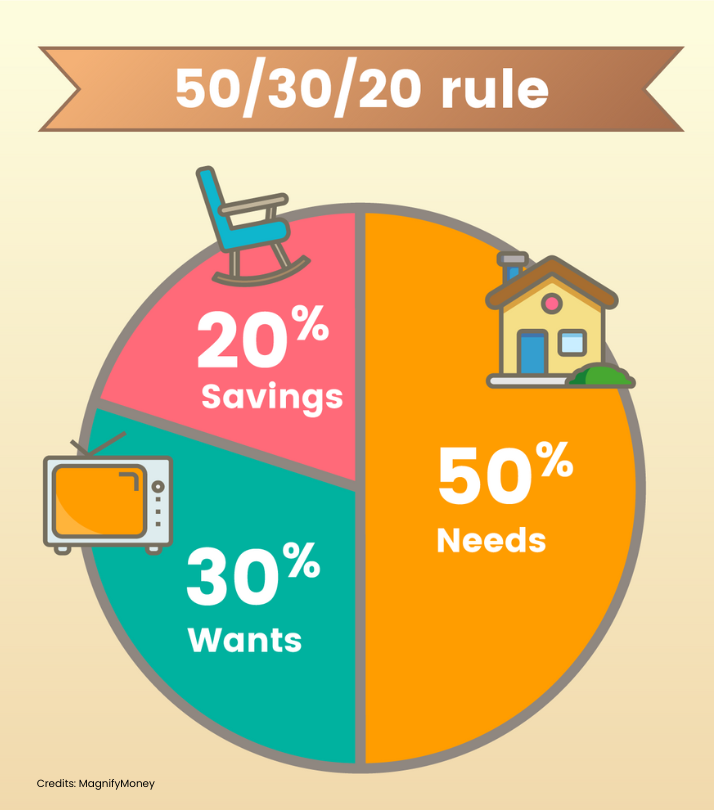
The first step to taking control of your finances is understanding exactly where your money is going. Start by creating a detailed budget that accounts for all your expenses—both fixed (like your mortgage and utilities) and variable (like groceries and entertainment). Track every dollar to see where you might be overspending or where small changes can make a big impact.

Use budgeting apps or even a simple spreadsheet to keep track of income and expenses. Once you have a clear picture of your finances, you can start making informed decisions about where to cut back or redirect funds.

Create a Detailed Budget and Track Every Dollar

2. CUT BACK ON NON-ESSENTIALS

In today’s consumer-driven world, it’s easy to get caught up in unnecessary spending. Start by evaluating your discretionary expenses—things like dining out, streaming subscriptions, and impulse purchases. While it’s important to enjoy life, small sacrifices in these areas can free up extra cash for savings or debt repayment.

Even cutting back on small expenses, like making coffee at home instead of buying it, can add up over time and create more room in your budget for the essentials.

3. REFINANCE OR RENEGOTIATE YOUR MORTGAGE

If a significant portion of your income is going toward mortgage repayments, refinancing your home loan could be a game-changer. Interest rates fluctuate, and even a small reduction in your mortgage rate can lead to significant savings over the life of the loan. Talk to your lender about refinancing options or shop around for better rates.

4. BUILD AN EMERGENCY FUND

While saving may seem impossible when so much of your income is tied up in expenses, building an emergency fund is crucial to financial security. Start small aim to save at least three to six months’ worth of living expenses. This will help you avoid relying on credit cards or loans when unexpected costs arise.

Even putting aside a small amount each month can add up over time and provide a much-needed safety net in case of emergencies.

5. INCREASE YOUR INCOME

If your current income isn’t enough to cover your expenses, it might be time to look for ways to increase it. This could mean asking for a raise at your current job, taking on a side hustle, or even exploring part-time work in a field that aligns with your skills. There are many opportunities today to monetise your talents online, whether through freelance work, selling products, or offering services.

6. PRIORITISE DEBT REPAYMENT

High-interest debt can be a major drain on your income. Focus on paying off debts with the highest interest rates first, this will save you money in the long run and free up more of your income for savings or other goals. Consider using the debt avalanche or debt snowball method to stay motivated and track your progress.

READY TO TAKE CONTROL OF YOUR FINANCES?

If you’re feeling the financial pressure, now is the time to take action. Don’t let another month go by where you feel stuck, stressed, and overwhelmed by your finances. I’m here to help you create a clear, actionable plan to take control of your money and start building a better financial future.

Join my Monthly Coaching Program, where I work one-on-one with clients to help them develop personalised budgeting strategies, eliminate debt, and build sustainable savings plans. Plus, check out my course Mastering Budgeting and Saving Techniques where I’ll teach you how to create a realistic budget that works for your family, find savings opportunities, and finally achieve financial peace of mind.
You don’t have to go through this alone together, we can turn your financial situation around. Click here to sign up for the coaching program or learn more about the course, and let’s get started on your path to financial freedom today!

By following these steps, you can start making meaningful changes in your financial life and work towards a future where you have more control, less stress, and more opportunities to get ahead. Let’s take this journey together!

Mastering Budget and Saving Techniques

Mastering Budgeting and Saving Techniques is a program designed to empower you to understand the importance of both budgeting and saving.

In this program, you will learn the fundamental concepts of how budgeting and saving is important for your financial well being.

We will explore and work through mindset shifts to empower and equip you with the tools necessary for a stress free life.

This is a hands-on program with me guiding you on how to budget, track and look at managing your money like a pro.

Breaking Free: Your Journey to Financial Freedom

Breaking Free: Your Journey to Financial Freedom

Hello, finance enthusiasts! Are you ready to turn the page and start a new chapter called “Financial Freedom”? If you’re between the ages of 30 and 55, you’re at a prime time in your life to make some transformative moves. Whether you’re climbing the career ladder, juggling family responsibilities, or planning for retirement, financial freedom is a goal we all share. Today, I’m here to walk you through some fun and engaging steps to achieve that sweet state of economic bliss!

STEP 1: DEFINE WHAT FINANCIAL FREEDOM MEANS TO YOU

Before we dive into the how, let’s talk about the what. Financial freedom looks different for everyone. For some, it’s about being debt-free; for others, it’s accumulating enough savings to travel the world or retire comfortably. Take a moment to really picture what financial freedom looks like for you. Is it quitting your 9 to 5 job? Is it having the resources to pursue your passions? Define it, so you can own it!

STEP 2: ASSESS YOUR CURRENT FINANCIAL SITUATION

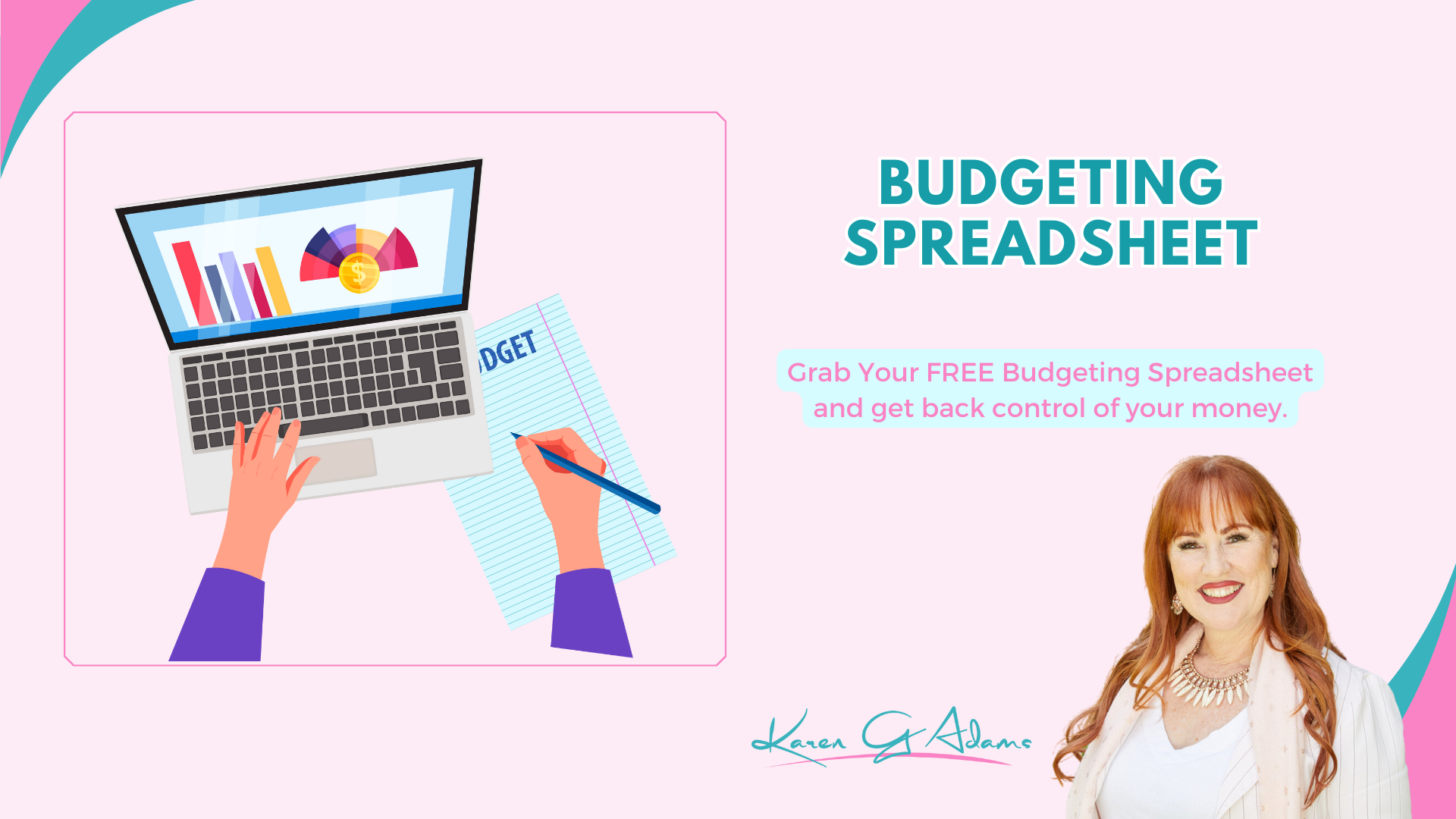
It’s time for a little reality check (but make it fun!). Grab your favourite drink, sit down, and crunch some numbers. Look at your income, debts, savings, and expenses. Understanding where you stand financially is crucial to setting realistic goals. Use apps or spreadsheets to track your finances—seeing everything on one screen can make managing money more engaging and less daunting. I have a FREE budgeting spreadsheet that you can download, which makes it easy and quick to get a snapshot of your financial position.  Download the spreadsheet HERE. 

STEP 3: SET SMART FINANCIAL GOALS

Specific, Measurable, Achievable, Relevant, and Time-bound – these are the golden rules for goal-setting. Break your financial freedom dream into smaller, achievable milestones. Maybe you want to pay off your credit card debt in two years or save for a deposit and down payment on a home in five years. Whatever those goals may be, write them down and commit to them.

STEP 4. CREATE A BULLETPROOF BUDGET

Now, let’s craft a budget that’s as vibrant and dynamic as you are. Your budget is your blueprint to financial freedom. It should allocate funds for your necessities, savings, debts, and a little fun money too—because what’s life without a little spice? Use budgeting tools or apps to keep you on track and make adjustments as your financial situation evolves.  As mentioned earlier in this blog, you can download the spreadsheet HERE.

STEP 5: BUILD AN EMERGENCY FUND

Life loves to throw curveballs, and sometimes they hit us right in the wallet. An emergency fund acts as a financial safety net. Start by saving enough to cover at least three to six months’ worth of living expenses. This fund will protect you from unforeseen circumstances like medical emergencies, urgent home repairs, or unexpected job loss. 

STEP 6: ELIMINATE AND MANAGE DEBT

Debt can be a heavy chain holding you back from your freedom. Focus on paying off high-interest debts first, such as credit card balances or personal loans. Consider strategies like the debt snowball or avalanche methods. Remember, every payment is a step closer to your financial liberation.

Life’s unexpected financial challenges can catch us off guard. Having an emergency fund can provide a safety net to help cover these unforeseen costs without the need to go into debt or disrupt long-term financial goals.

STEP 7: INCREASE YOUR INCOME

Sometimes cutting expenses isn’t enough to achieve your financial goals quickly. Look for ways to boost your income. Could you ask for a raise, change jobs for a higher salary, or start a side hustle? Maybe now’s the time to turn your hobby into a profit-making venture!

STEP 8: INVEST IN YOUR FUTURE

Investing can be a game-changer in your journey to financial freedom. Research different investment options like stocks, bonds, mutual funds, or real estate. Consider speaking with a financial advisor first before investing to tailor an investment strategy that suits your risk tolerance and financial goals.

STEP 9: STAY EDUCATED AND ADAPT

The financial world is always evolving, and so should your strategies. Keep learning, read books, attend workshops, follow my blogs, and join my community of like-minded individuals via the Learning Hub or Monthly Coaching. The more you know, the better equipped you’ll be to make informed financial decisions.

STEP 10: CELEBRATE YOUR PROGRESS

Don’t forget to celebrate your victories, big or small. Achieving financial freedom is a journey, not a sprint. Set up little rewards for yourself as you hit milestones. This not only makes the process enjoyable but also keeps you motivated.

CONCLUSION

Remember, financial freedom isn’t about having lots of money; it’s about having choices. It’s about living your life on your terms. So, let’s raise our glasses (of budget-friendly wine, of course!) to a brighter, financially free future. 

Here’s to making smart choices, being strategic, and having fun along the way. You’ve got this!

Take Control of Your Finances Today!

Are you tired of living paycheck to paycheck? Do you want to make smarter financial decisions but don’t know where to start? This monthly financial coaching program is designed to help you take control of your finances and achieve your financial goals.

Mastering Budget and Saving Techniques
Empty Nest, Full Wallet: How to Thrive Financially When the Kids Leave Home

Empty Nest, Full Wallet: How to Thrive Financially When the Kids Leave Home

Ah, the empty nest—a time of mixed emotions. On one hand, you’re sad to see your kids go; on the other hand, you’re secretly excited about the extra closet space and lower grocery bills. But what about your finances? With the kids out of the house, it’s the perfect time to reassess your financial situation and set yourself up for a thriving future. Let us get started, with a healthy dose of humour to keep things light.


However, a side note: if you’ve still got your adult kids at home, then this may still be relevant, especially if your kids are working and earning an income, which can now contribute to the household to help out with the bills and groceries.

1. CELEBRATE YOUR FINANCIAL FREEDOM

First things first, take a moment to celebrate. You’ve raised your kids and launched them into the world—no small feat! Now, it’s time to focus on you. Review your budget and make adjustments to reflect changes in your household. With fewer expenses, you may find more money to put towards your financial goals. Give yourself a small reward for all your hard work. You’ve earned it!

2. TURBOCHARGE YOUR RETIREMENT SAVINGS

With the kids out of the house, if not, it is still time to ramp up your retirement savings. Increase your contributions to your retirement accounts. If you’re over 50, take advantage of catch-up contributions. Review your investment portfolio and ensure it aligns with your retirement goals. Consider consulting with a financial advisor to optimise your strategy. Remember, the goal is to ensure a comfortable and secure retirement.

3. DOWNSIZE OR RIGHT-SIZE YOUR HOME

If you are lucky and the kids have left, you might find your house feels a little too big. Consider downsizing into a smaller, more manageable home. This can free up equity, cut maintenance costs, and lower utility bills. If downsizing is not an option, consider right-sizing—making changes to your current home to better meet your needs. Whether it’s converting a bedroom into a home office or creating a cosy guest room, the goal is to make your home work for you.

Consider downsizing into a smaller, more manageable home. This can free up equity, cut maintenance costs, and lower utility bills.

4. PAY OFF DEBTS: THE EMPTY NEST ADVANTAGE

Use this time to pay off any remaining debt. With fewer expenses, you can allocate more funds towards debt repayment. Focus on high-interest debt first, then tackle other liabilities. Becoming debt-free is a huge milestone that can provide financial peace of mind. Plus, it frees up resources to enjoy your newfound freedom and pursue your passions.

5. TRAVEL AND EXPLORE: THE WORLD IS YOUR OYSTER

With fewer responsibilities at home, now is an ideal time to travel and explore. Make a travel budget and plan trips to suit your financial situation. Look for deals and discounts, and consider travelling during off-peak hours to save money. Travelling, whether for a weekend getaway or a dream vacation, can enrich your life and leave you with lasting memories. Just remember to budget for it; no one wants to come home to a pile of credit card bills.

6. PURSUE NEW HOBBIES AND INTERESTS 

With more time on your hands, why not explore new hobbies and interests? Whether it’s gardening, painting, or learning a new language, investing in yourself can be incredibly rewarding. Budget for your hobbies and look into low-cost options. Many communities offer free or low-cost classes and events. Plus, engaging in activities you love can boost your happiness and overall well-being.

7. REVISIT YOUR INSURANCE NEEDS 

Your insurance needs may have changed now that the kids are gone. Review your life, health, and home insurance policies. Ensure you have enough coverage without overpaying. Consider increasing your health insurance coverage as you age, and look into long-term care insurance options. The goal is to protect yourself without unnecessary expenses.

8. ESTATE PLANNING: SECURE YOUR LEGACY 

Now is a great time to review your estate planning. Ensure your will, power of attorney, and healthcare directive are up-to-date. Consider creating a trust to protect your assets and provide for your loved ones. Discuss your plans with your family to avoid any surprises. Working with an estate planning attorney can give you peace of mind and ensure that your wishes are followed.

9. VOLUNTEER AND GIVE BACK

With more free time, think about giving back to your community. Volunteering can bring a sense of purpose and fulfilment. Look for opportunities that match your interests and skills. Giving back, whether through mentoring young professionals, volunteering at a local charity, or participating in community events, can enrich your life and have a positive impact.

10. STAY CONNECTED WITH YOUR KIDS (WITHOUT BANKROLLING THEM)

Just because the kids are out of the house doesn’t mean they’re off the payroll. Set clear guidelines and expectations for financial assistance. Encourage your children to develop financial independence while still providing guidance and support. Stay in touch through regular communication and visits, but avoid becoming their personal ATM. Teaching them financial responsibility is one of the most valuable gifts you can give.

Congratulations on achieving the empty nest stage! You can thrive financially and enjoy this exciting new chapter by celebrating your financial freedom, increasing your retirement savings, downsizing, paying off debt, travelling, pursuing new hobbies, reviewing your insurance needs, securing your estate, giving back, and staying connected with your children. Now, enjoy your empty nest—you have earned it!

Are your kids still at home? Do you struggle to create and stick to a budget, consistently overspends, or live paycheck-to-paycheck? Do you have existing debts from multiple sources or high-interest loans? Or do you have little to no savings and hasn’t established an emergency fund? Then, I got you!

The Learning Hub at Financial Management 101 can help you address these problems so that you can live a happy and satisfying life without financial struggles! The Learning Hub at Financial Management 101 promotes long-term financial stability, provides insights into wealth-building strategies, and equips you with the skills to adapt to economic changes.

Join the Learning Hub - Financial Management 101 by Karen G Adams