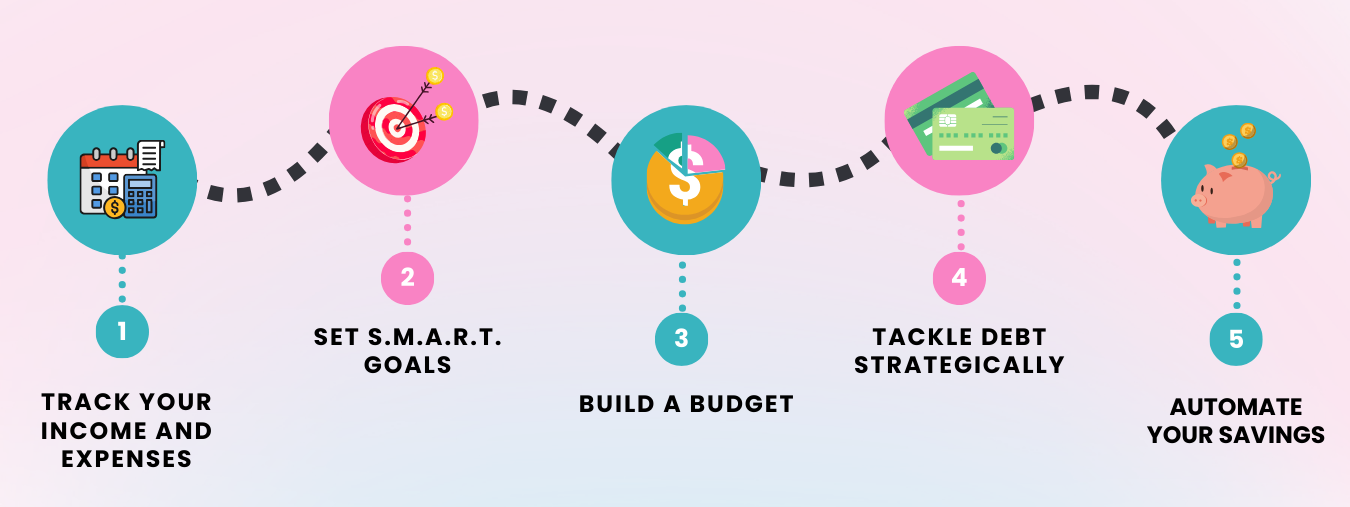

From Chaos to Clarity: How to Create a Money Plan That Actually Works

From Chaos to Clarity: How to Create a Money Plan That Actually Works

Ever feel like your money is running you instead of the other way around? Like no matter how much you earn, there’s always more month than money?

If you nodded (or sighed), you’re not alone. The good news? You don’t need a finance degree, a six-figure income, or a strict budget to take control. You just need a money plan that works for you.

In this blog, we’ll ditch the overwhelm and walk through exactly how to create a simple, empowering money plan that gives you clarity, confidence, and real momentum.

Let’s go from chaos to clarity – starting today.

1. Start With Your “Why”: Anchor Your Money to What Matters

Before we dive into numbers, let’s get clear on your why. Because unless your money plan connects to something meaningful, it won’t stick.

Ask yourself:

  • What would feeling in control of my money allow me to do?
  • What does financial peace look like to me?
  • What am I working toward?

Your answers might include:

  • Paying off debt to sleep better at night
  • Saving for a dream trip or home deposit
  • Creating options so you can work less or start a business

Write your top 2 – 3 motivations down. These are your compass when the budget feels boring or things go off track.

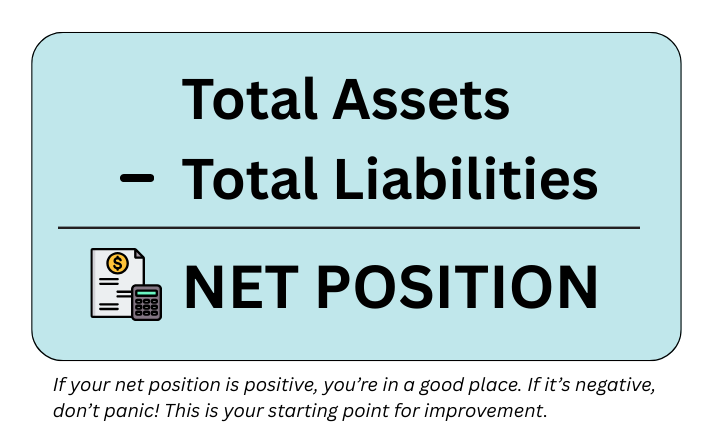
2. Know Your Numbers (Without the Shame Spiral)

You can’t improve what you don’t measure. So let’s get honest, not harsh. Gather the basics:

  • Your income (all sources)
  • Your recurring bills
  • Your debt repayments
  • Your spending patterns (groceries, eating out, transport, etc.)
  • Your current savings and investments

Pro tip: Use the last 2–3 months of bank statements to see where your money actually went. You might be surprised (hello, Uber Eats). This isn’t about judgment. It’s about clarity.

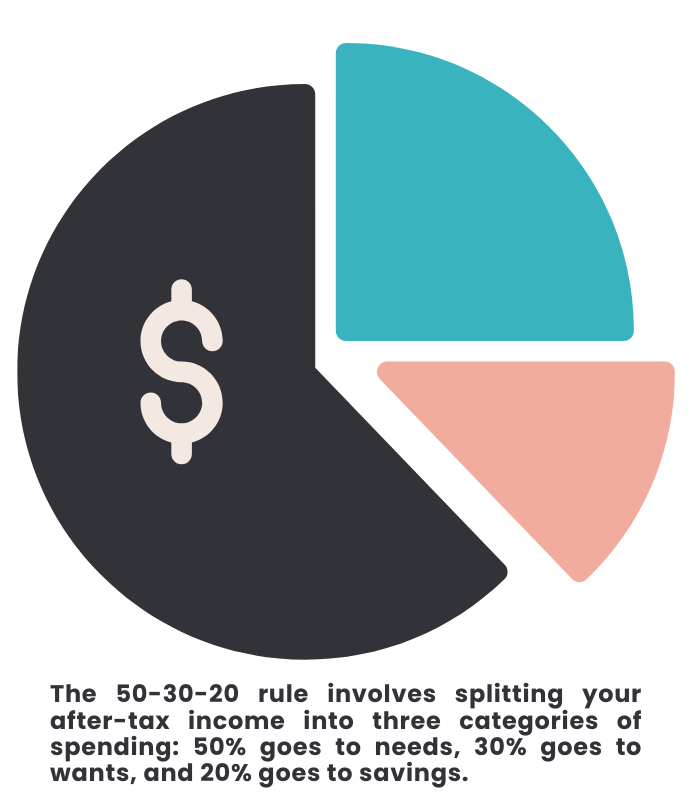
3. Create a Simple Money Plan (The 70/20/10 Rule)

Forget complicated budgets with 47 categories. Here’s a simple, flexible formula you can actually stick to:

  • 70% for living: rent/mortgage, groceries, transport, lifestyle
  • 20% for financial goals: savings, debt repayments, investments
  • 10% for the future: extra super, long-term wealth building

The percentages aren’t set in stone. Adjust based on your situation. The key is having a structure that makes sure you’re not spending 100% of your income with nothing left to show for it.

Action step: Plug your own numbers into this formula and see where you land. If you’re off track, that’s your roadmap for change.

Create a Simple Money Plan

4. Automate Your Money Flow (And Take the Stress Out)

Once you know where your money should go, make it happen on autopilot.
Set up automatic transfers:

  • To a separate savings account (nickname it for motivation: “Italy 2026” or “Debt-Free Me”)
  • To cover bills and direct debits
  • To long-term savings or investment accounts

When you automate, you eliminate the willpower game. You’ll save without thinking and avoid last-minute money panic.

Bonus tip: Use a separate account for discretionary spending (like a digital “cash envelope”). When it’s empty, it’s empty.
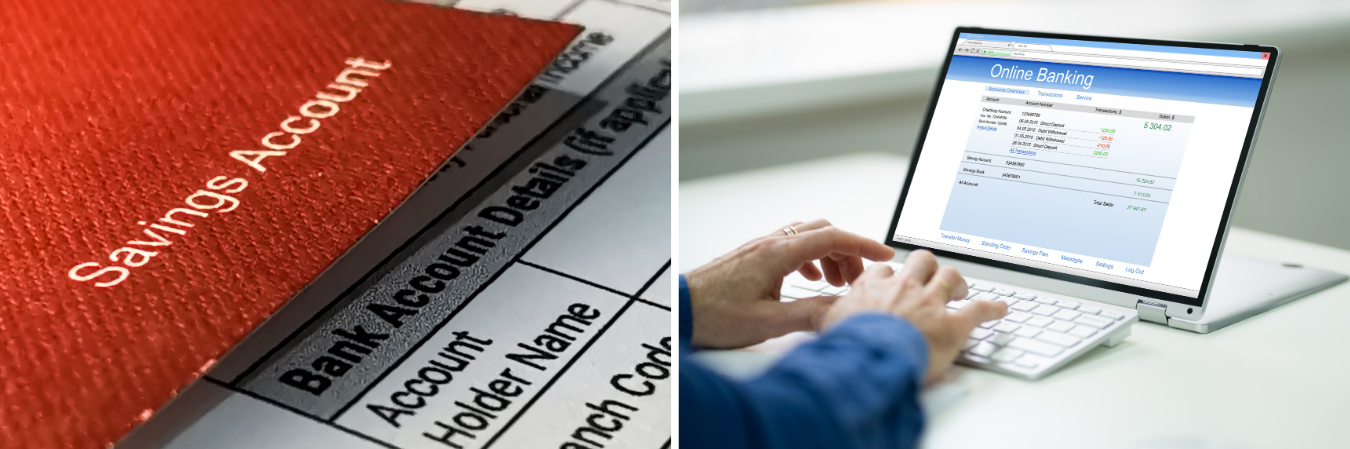
5. Create an Emergency Buffer (For Life’s “Oh No!” Moments)

Life is full of surprises. Your washing machine breaks, your car needs fixing, or your job suddenly changes.

Having even $1,000 in a buffer fund means you don’t have to reach for the credit card every time life happens.

Aim for 1 month of essential expenses first, then build to 3. But start where you are, every $50 counts. Keep it in a separate high-interest savings account you can access in a true emergency (not Friday night online shopping).

6. Track Progress Without Obsessing

You don’t need to check your bank app five times a day. But regular check-ins keep you engaged and help you spot problems early.

Ideas to stay on track:

  • Weekly money date: review transactions, check balances, update goals
  • Monthly review: celebrate wins, adjust if needed

Use a simple app or spreadsheet to track goals

The goal isn’t perfection. It’s progress.

7. Keep Learning and Stay Inspired

Your relationship with money is lifelong. The more you understand it, the more confident you’ll feel. Try:

  • Reading a finance book this quarter
  • Listening to a weekly money podcast
  • Following finance educators on socials
  • Booking a session with a financial coach to personalise your plan

There’s no shame in not knowing something – only in staying stuck.

Clarity = Confidence = Momentum

When your money feels chaotic, it can affect everything: your stress levels, your sleep, your relationships, and your ability to plan ahead. But creating a money plan that actually works isn’t about spreadsheets or sacrifice. It’s about:

  • Getting clear on what matters to you
  • Creating a simple, sustainable system
  • Building habits that support your goals

And the best part? You can start today. One step. One decision. One plan.

If you’re ready to get out of the fog and into financial clarity, let’s talk. Book your free discovery call and let’s map out your next steps – with zero jargon, zero judgment, and 100% support.

Because you can feel good about your money. You just need a plan that fits your life.

No more chaos. It’s your time for clarity. Let’s make it happen.
Mastering Budgeting and Saving
The Vault
How to Save for a House Deposit Faster (with Tips on Australian Government Grants for First Home Buyers)

How to Save for a House Deposit Faster (with Tips on Australian Government Grants for First Home Buyers)

Saving for a house deposit can feel like an uphill battle, especially with property prices rising across Australia. But with the right strategies and some government assistance, you can speed up the process and make homeownership a reality sooner than you think.

In this guide, I’ll share some actionable tips on how to save for your house deposit faster, and I’ll also highlight key Australian government grants and schemes designed to support first-time homebuyers.

Let’s dive in!

1. Set a Clear Goal and Budget

The first step in saving for a house deposit is knowing how much you’ll need. In Australia, the general rule is that you need a 20% deposit to avoid lenders’ mortgage insurance (LMI). But many lenders will accept a deposit as low as 5%, though you’ll need to pay LMI if you’re below the 20% threshold.

Here’s an example: If you’re looking to buy a house worth $500,000, a 20% deposit would be $100,000. But if you’re going for a 5% deposit, you’d only need $25,000 upfront, though LMI will apply. Set your deposit target based on the property market in your area and your financial situation.

Next, create a budget to work toward your goal. Break down your deposit target into smaller, manageable chunks. For instance, if you’re aiming to save $50,000 in three years, that’s about $1,400 per month. Once you have a budget in place, you’ll be more aware of your spending habits and can start cutting unnecessary expenses.

In Australia, the general rule is that you need a 20% deposit to avoid lenders’ mortgage insurance (LMI). But many lenders will accept a deposit as low as 5%, though you’ll need to pay LMI if you’re below the 20% threshold.

2. Automate Your Savings

One of the best ways to save consistently is by automating your savings. Set up an automatic transfer from your everyday account into a high-interest savings account. Make this transfer every payday, so you’re consistently saving without thinking about it.

The key here is to treat your savings like a bill that has to be paid. Automating the process removes the temptation to spend the money elsewhere. You could even consider setting up a dedicated account specifically for your house deposit, this can give you a clear view of how close you’re getting to your goal without the risk of dipping into the funds.

Additionally, consider using a high-interest savings account or a term deposit to make your money work harder for you. While interest rates aren’t sky-high right now, every little bit helps when you’re saving for a big goal like a house deposit.

3. Boost Your Income

Increasing your income is another great way to speed up your house deposit savings. Here are a few options to explore:

  • Side Hustles: Whether it’s freelancing, tutoring, selling products online, or driving for rideshare services, side hustles can give you extra cash to put towards your deposit.
  • Overtime or Extra Hours: If your current job offers overtime or the opportunity to pick up extra shifts, take advantage of that extra income.
  • Sell Unused Items: Decluttering your home and selling things you no longer need – like electronics, clothes, or furniture—can give you a quick cash boost.

Boosting your income isn’t always easy, but every dollar earned and saved brings you closer to your dream home.

Whether it’s freelancing, tutoring, selling products online, or driving for rideshare services, side hustles can give you extra cash to put towards your deposit.

4. Take Advantage of Australian Government Grants and Schemes for First Home Buyers

The Australian government offers several programs to help first-time homebuyers get into the property market sooner. If you’re eligible, these programs can reduce the amount you need for a deposit or provide significant financial support.

First Home Owner Grant (FHOG)

The First Home Owner Grant is a one-off payment to first-time buyers purchasing a new or substantially renovated property. The grant amount varies by state or territory. For instance:

      • In Western Australia, you can receive up to $10,000 designed to assist eligible first-time homebuyers in purchasing or building a new residential property for use as their principal place of residence. The total value of the home and land must not exceed $750,000 if located south of the 26th parallel (which includes all Perth metropolitan areas) or $1,000,000 if located north of the 26th parallel.
      • In Queensland, you can receive up to $15,000 for a new home valued up to $750,000.
      • In Victoria, the grant is $10,000 for homes up to $750,000, or $20,000 if you’re building or buying in a regional area.

This grant can make a big difference to your savings, so check your state or territory’s specific eligibility requirements and grant amounts.

First Home Guarantee Scheme

Under the First Home Guarantee Scheme, eligible first-home buyers can purchase a property with a deposit as low as 5%, with the government guaranteeing up to 15% of the loan. This helps you avoid lenders’ mortgage insurance (LMI), which can otherwise add thousands to your costs.

This scheme has annual limits on the number of guarantees available, so it’s essential to check availability and eligibility as part of your planning.

First Home Super Saver Scheme (FHSS)

The First Home Super Saver Scheme allows you to make voluntary contributions to your superannuation fund and then withdraw those contributions, plus earnings, to use for a house deposit. You can contribute up to $15,000 per financial year, with a total limit of $50,000 (or $100,000 for couples).

The advantage of this scheme is that the contributions you make to super are taxed at a lower rate than your regular income, allowing you to save more efficiently.

Stamp Duty Concessions or Exemptions

Many states and territories offer stamp duty concessions or exemptions for first-home buyers. For example:

In Perth:

      • Full Exemption: If you’re a first home buyer in Perth purchasing a property valued up to $450,000, you are exempt from paying stamp duty. This provides a saving of up to $15,390.
      • Concessional Rates: For properties valued between $450,001 and $600,000 in Perth, a concessional rate applies. The duty payable is calculated at $15.01 for every $100 (or part thereof) over $450,000.

In New South Wales, if your first home is valued up to $800,000, you may be exempt from stamp duty.

In Victoria, first-time buyers are exempt from paying stamp duty for properties up to $600,000, and there are concessions for homes valued up to $750,000.

This can save you thousands, so make sure to check out your state’s specific policies.

5. Cut Expenses and Stay Focused 

Cutting back on unnecessary spending is essential when you’re saving for a big goal like a house deposit. Here are some simple ways to trim your expenses:

Review Subscriptions

Cancel subscriptions you don’t use or need, such as streaming services, magazines, or gym memberships.

Eat Out Less

Limit takeout and dining out, and focus on home-cooked meals, which are often much cheaper.

Review Subscriptions

Cancel subscriptions you don’t use or need, such as streaming services, magazines, or gym memberships.

It’s also important to stay motivated throughout the savings journey. Set short-term milestones and celebrate small wins to keep yourself on track.

FINAL THOUGHTS

Saving for a house deposit might seem challenging, but with careful planning, smart saving strategies, and government assistance, it’s achievable. Set a clear savings goal, automate your deposits, boost your income where you can, and make sure to take full advantage of the grants and schemes available to first-home buyers in Australia.

By combining these strategies, you’ll be on the fast track to saving for your house deposit and unlocking the door to your first home sooner than you think.

Buying your first home is a big and important step in your life. This guide is here to help you navigate through the process, making it easier and less overwhelming.

We understand that buying a home might feel like a maze of unfamiliar terms and decisions. That’s why this guide is designed to break down each step into simple and easy-to-follow instructions. Whether you’re a first-time buyer or need a refresher, this guide is here to support you in making informed choices.

Remember, buying a home is a journey, and just like any journey, it starts with a single step. So, dive in and learn how to turn your dream of homeownership into a reality!

Get your free copy today!

Step-by-Step Guide to Buying Your First Home