
Year-End Financial Check-Up: 7 Key Steps to Close 2024 with Confidence

Year-End Financial Check-Up: 7 Key Steps to Close 2024 with Confidence

As the year wraps up, it’s time to give your finances a little TLC and prepare to start the new year strong! Think of this as your yearly financial check-up, a simple routine that sets you up for a financially fit future. Here are seven straightforward steps to help you close out 2024 with confidence.

1. Review Your Budget with Fresh Eyes

December is perfect for giving your budget a quick health check. Ask yourself:

    • Did you stick to your budget most months?
    • Are there categories where you regularly overspent?

If you find that certain areas of your budget were tough to stick to, don’t worry; you’re not alone! Make notes on what worked and what didn’t, and consider if those categories need adjusting. Next year’s budget will feel easier to manage if it aligns more closely with your actual spending patterns.

2. Evaluate Your Financial Goals for 2024

Reflect on the goals you set at the beginning of 2024. Did you aim to build an emergency fund, pay off a certain amount of debt, or save for a big purchase? Take a moment to celebrate any wins, big or small, you’ve earned it! If there were goals you couldn’t reach, try to pinpoint what might have held you back. Life happens, and sometimes, adjustments are necessary. Use these reflections to set realistic goals for 2025 that build on the progress you’ve made.

Audit Your Subscriptions and Recurring Expenses

3. Audit Your Subscriptions and Recurring Expenses

Subscriptions can sneak up on you! Take a look at all the services you’re subscribed to, streaming platforms, gym memberships, software, meal kits and decide if they’re still worth the monthly or annual fee. Ask yourself:

    • Do you use each service enough to justify the cost?
    • Are there better deals or bundles that could help you save?

Canceling or downgrading services you no longer use can free up cash you can redirect toward your savings or debt goals.

4. Set a Holiday Spending Plan

The holiday season can be a big budget-buster if you’re not careful. This December, approach holiday spending with a clear plan:

    • Set a total holiday budget and stick to it.
    • Focus on meaningful gifts within your budget and avoid last-minute splurges.
    • Consider experiences instead of material items, they often make more memorable gifts and can be cost-effective.

You’ll thank yourself in January when your credit card bills aren’t sky-high!

5. Check-in On Your Emergency Fund


Your emergency fund is your financial safety net, and December is a great time to assess its status. Ideally, you want enough to cover three to six months’ worth of essential expenses.

If your fund has been depleted due to unexpected expenses this year, make a plan to rebuild it. If it’s in good shape, well done!

Consider adding a little extra, even if it’s just a small amount each month, it’s always better to be prepared.
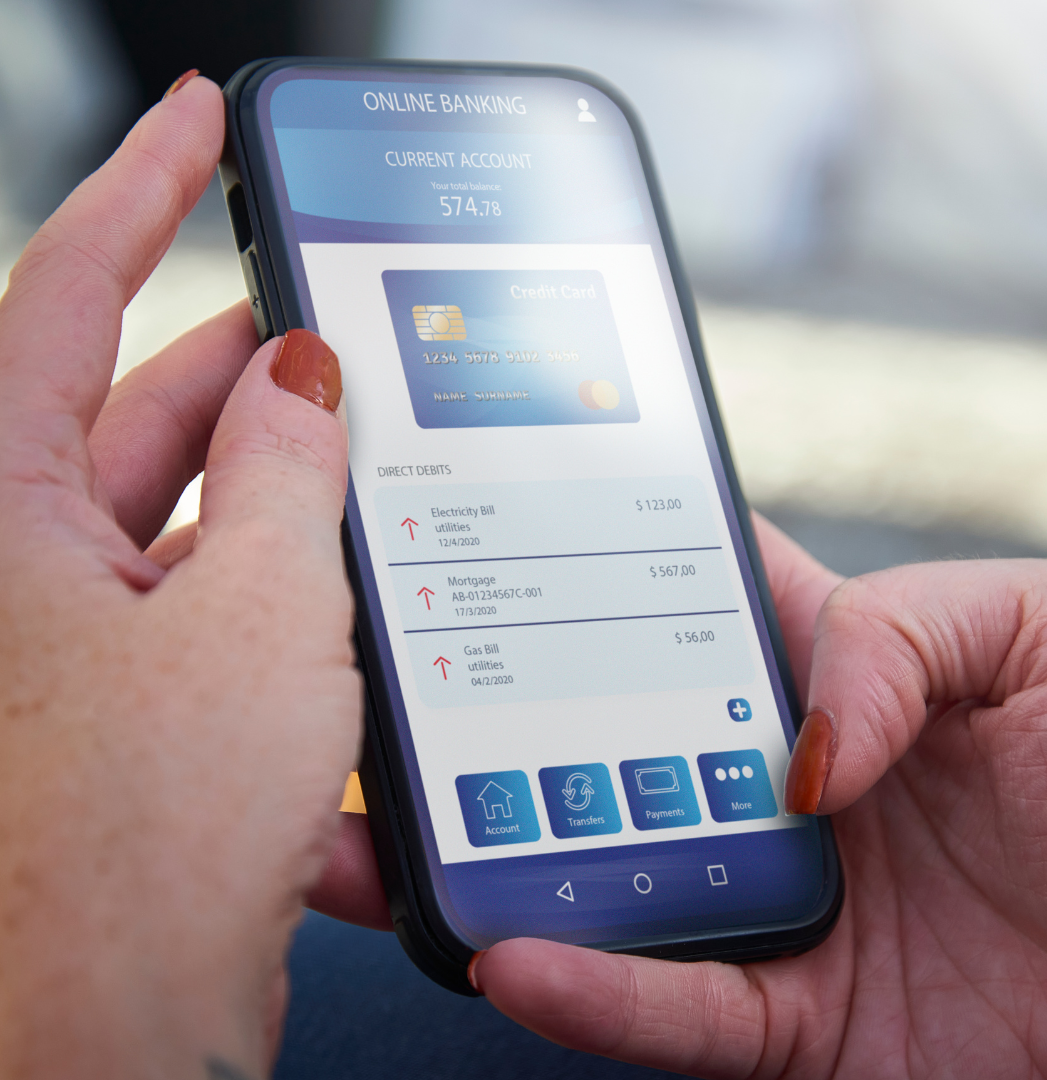
You want enough to cover three to six months’ worth of essential expenses on your emergency fund

5. Update Your Financial Goals for 2025

End the year by setting some intentional goals for 2025. These don’t have to be massive changes; small, achievable goals can have a big impact on your financial future. A few ideas:

    • Set a target for increasing your savings rate, even if it’s by a modest amount.
    • Commit to paying down a certain percentage of your debt.
    • Plan to invest in education or skills that could lead to higher income opportunities.

Whatever your financial goals, write them down and keep them visible. By starting now, you’ll be well-prepared to tackle them come January.

End the year by setting some intentional goals for 2025.

Final Thoughts

Closing out the year with a financial check-up is a powerful way to put yourself in the driver’s seat for 2025. These six steps are simple but effective and give you a clear view of your financial health. Here’s to closing out 2024 strong and stepping into 2025 with confidence!

Are you ready to make 2025 your breakthrough year?

MASTER YOUR MONEY is for YOU if you are tired of financial stress and ready to transform your relationship with money. Whether you’re managing a family, building your career, or chasing your dreams, this is your chance to gain the clarity, confidence, and habits you need to thrive.

This is more than a mindset shift—it’s a transformational program that puts you on the path to lasting financial success! ? Click the button below to book a call with Karen to see if this program is right for you!


Mastering Budget and Saving Techniques
How to Save for a House Deposit Faster (with Tips on Australian Government Grants for First Home Buyers)

How to Save for a House Deposit Faster (with Tips on Australian Government Grants for First Home Buyers)

Saving for a house deposit can feel like an uphill battle, especially with property prices rising across Australia. But with the right strategies and some government assistance, you can speed up the process and make homeownership a reality sooner than you think.

In this guide, I’ll share some actionable tips on how to save for your house deposit faster, and I’ll also highlight key Australian government grants and schemes designed to support first-time homebuyers.

Let’s dive in!

1. Set a Clear Goal and Budget

The first step in saving for a house deposit is knowing how much you’ll need. In Australia, the general rule is that you need a 20% deposit to avoid lenders’ mortgage insurance (LMI). But many lenders will accept a deposit as low as 5%, though you’ll need to pay LMI if you’re below the 20% threshold.

Here’s an example: If you’re looking to buy a house worth $500,000, a 20% deposit would be $100,000. But if you’re going for a 5% deposit, you’d only need $25,000 upfront, though LMI will apply. Set your deposit target based on the property market in your area and your financial situation.

Next, create a budget to work toward your goal. Break down your deposit target into smaller, manageable chunks. For instance, if you’re aiming to save $50,000 in three years, that’s about $1,400 per month. Once you have a budget in place, you’ll be more aware of your spending habits and can start cutting unnecessary expenses.

In Australia, the general rule is that you need a 20% deposit to avoid lenders’ mortgage insurance (LMI). But many lenders will accept a deposit as low as 5%, though you’ll need to pay LMI if you’re below the 20% threshold.

2. Automate Your Savings

One of the best ways to save consistently is by automating your savings. Set up an automatic transfer from your everyday account into a high-interest savings account. Make this transfer every payday, so you’re consistently saving without thinking about it.

The key here is to treat your savings like a bill that has to be paid. Automating the process removes the temptation to spend the money elsewhere. You could even consider setting up a dedicated account specifically for your house deposit, this can give you a clear view of how close you’re getting to your goal without the risk of dipping into the funds.

Additionally, consider using a high-interest savings account or a term deposit to make your money work harder for you. While interest rates aren’t sky-high right now, every little bit helps when you’re saving for a big goal like a house deposit.

3. Boost Your Income

Increasing your income is another great way to speed up your house deposit savings. Here are a few options to explore:

  • Side Hustles: Whether it’s freelancing, tutoring, selling products online, or driving for rideshare services, side hustles can give you extra cash to put towards your deposit.
  • Overtime or Extra Hours: If your current job offers overtime or the opportunity to pick up extra shifts, take advantage of that extra income.
  • Sell Unused Items: Decluttering your home and selling things you no longer need – like electronics, clothes, or furniture—can give you a quick cash boost.

Boosting your income isn’t always easy, but every dollar earned and saved brings you closer to your dream home.

Whether it’s freelancing, tutoring, selling products online, or driving for rideshare services, side hustles can give you extra cash to put towards your deposit.

4. Take Advantage of Australian Government Grants and Schemes for First Home Buyers

The Australian government offers several programs to help first-time homebuyers get into the property market sooner. If you’re eligible, these programs can reduce the amount you need for a deposit or provide significant financial support.

First Home Owner Grant (FHOG)

The First Home Owner Grant is a one-off payment to first-time buyers purchasing a new or substantially renovated property. The grant amount varies by state or territory. For instance:

      • In Western Australia, you can receive up to $10,000 designed to assist eligible first-time homebuyers in purchasing or building a new residential property for use as their principal place of residence. The total value of the home and land must not exceed $750,000 if located south of the 26th parallel (which includes all Perth metropolitan areas) or $1,000,000 if located north of the 26th parallel.
      • In Queensland, you can receive up to $15,000 for a new home valued up to $750,000.
      • In Victoria, the grant is $10,000 for homes up to $750,000, or $20,000 if you’re building or buying in a regional area.

This grant can make a big difference to your savings, so check your state or territory’s specific eligibility requirements and grant amounts.

First Home Guarantee Scheme

Under the First Home Guarantee Scheme, eligible first-home buyers can purchase a property with a deposit as low as 5%, with the government guaranteeing up to 15% of the loan. This helps you avoid lenders’ mortgage insurance (LMI), which can otherwise add thousands to your costs.

This scheme has annual limits on the number of guarantees available, so it’s essential to check availability and eligibility as part of your planning.

First Home Super Saver Scheme (FHSS)

The First Home Super Saver Scheme allows you to make voluntary contributions to your superannuation fund and then withdraw those contributions, plus earnings, to use for a house deposit. You can contribute up to $15,000 per financial year, with a total limit of $50,000 (or $100,000 for couples).

The advantage of this scheme is that the contributions you make to super are taxed at a lower rate than your regular income, allowing you to save more efficiently.

Stamp Duty Concessions or Exemptions

Many states and territories offer stamp duty concessions or exemptions for first-home buyers. For example:

In Perth:

      • Full Exemption: If you’re a first home buyer in Perth purchasing a property valued up to $450,000, you are exempt from paying stamp duty. This provides a saving of up to $15,390.
      • Concessional Rates: For properties valued between $450,001 and $600,000 in Perth, a concessional rate applies. The duty payable is calculated at $15.01 for every $100 (or part thereof) over $450,000.

In New South Wales, if your first home is valued up to $800,000, you may be exempt from stamp duty.

In Victoria, first-time buyers are exempt from paying stamp duty for properties up to $600,000, and there are concessions for homes valued up to $750,000.

This can save you thousands, so make sure to check out your state’s specific policies.

5. Cut Expenses and Stay Focused 

Cutting back on unnecessary spending is essential when you’re saving for a big goal like a house deposit. Here are some simple ways to trim your expenses:

Review Subscriptions

Cancel subscriptions you don’t use or need, such as streaming services, magazines, or gym memberships.

Eat Out Less

Limit takeout and dining out, and focus on home-cooked meals, which are often much cheaper.

Review Subscriptions

Cancel subscriptions you don’t use or need, such as streaming services, magazines, or gym memberships.

It’s also important to stay motivated throughout the savings journey. Set short-term milestones and celebrate small wins to keep yourself on track.

FINAL THOUGHTS

Saving for a house deposit might seem challenging, but with careful planning, smart saving strategies, and government assistance, it’s achievable. Set a clear savings goal, automate your deposits, boost your income where you can, and make sure to take full advantage of the grants and schemes available to first-home buyers in Australia.

By combining these strategies, you’ll be on the fast track to saving for your house deposit and unlocking the door to your first home sooner than you think.

Buying your first home is a big and important step in your life. This guide is here to help you navigate through the process, making it easier and less overwhelming.

We understand that buying a home might feel like a maze of unfamiliar terms and decisions. That’s why this guide is designed to break down each step into simple and easy-to-follow instructions. Whether you’re a first-time buyer or need a refresher, this guide is here to support you in making informed choices.

Remember, buying a home is a journey, and just like any journey, it starts with a single step. So, dive in and learn how to turn your dream of homeownership into a reality!

Get your free copy today!

Step-by-Step Guide to Buying Your First Home