
Year-End Financial Check-Up: 7 Key Steps to Close 2024 with Confidence

Year-End Financial Check-Up: 7 Key Steps to Close 2024 with Confidence

As the year wraps up, it’s time to give your finances a little TLC and prepare to start the new year strong! Think of this as your yearly financial check-up, a simple routine that sets you up for a financially fit future. Here are seven straightforward steps to help you close out 2024 with confidence.

1. Review Your Budget with Fresh Eyes

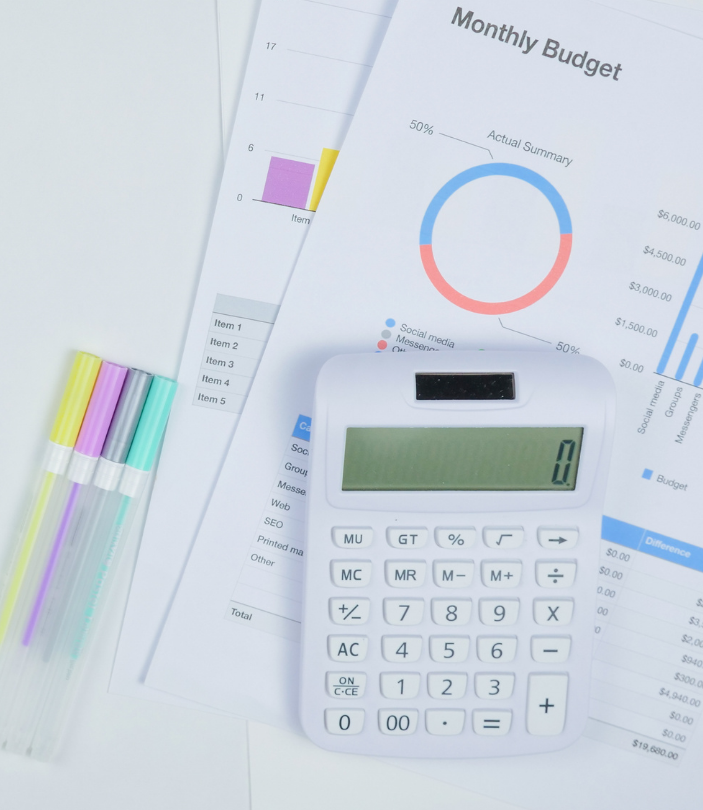
December is perfect for giving your budget a quick health check. Ask yourself:

    • Did you stick to your budget most months?
    • Are there categories where you regularly overspent?

If you find that certain areas of your budget were tough to stick to, don’t worry; you’re not alone! Make notes on what worked and what didn’t, and consider if those categories need adjusting. Next year’s budget will feel easier to manage if it aligns more closely with your actual spending patterns.

2. Evaluate Your Financial Goals for 2024

Reflect on the goals you set at the beginning of 2024. Did you aim to build an emergency fund, pay off a certain amount of debt, or save for a big purchase? Take a moment to celebrate any wins, big or small, you’ve earned it! If there were goals you couldn’t reach, try to pinpoint what might have held you back. Life happens, and sometimes, adjustments are necessary. Use these reflections to set realistic goals for 2025 that build on the progress you’ve made.

Audit Your Subscriptions and Recurring Expenses

3. Audit Your Subscriptions and Recurring Expenses

Subscriptions can sneak up on you! Take a look at all the services you’re subscribed to, streaming platforms, gym memberships, software, meal kits and decide if they’re still worth the monthly or annual fee. Ask yourself:

    • Do you use each service enough to justify the cost?
    • Are there better deals or bundles that could help you save?

Canceling or downgrading services you no longer use can free up cash you can redirect toward your savings or debt goals.

4. Set a Holiday Spending Plan

The holiday season can be a big budget-buster if you’re not careful. This December, approach holiday spending with a clear plan:

    • Set a total holiday budget and stick to it.
    • Focus on meaningful gifts within your budget and avoid last-minute splurges.
    • Consider experiences instead of material items, they often make more memorable gifts and can be cost-effective.

You’ll thank yourself in January when your credit card bills aren’t sky-high!

5. Check-in On Your Emergency Fund


Your emergency fund is your financial safety net, and December is a great time to assess its status. Ideally, you want enough to cover three to six months’ worth of essential expenses.

If your fund has been depleted due to unexpected expenses this year, make a plan to rebuild it. If it’s in good shape, well done!

Consider adding a little extra, even if it’s just a small amount each month, it’s always better to be prepared.
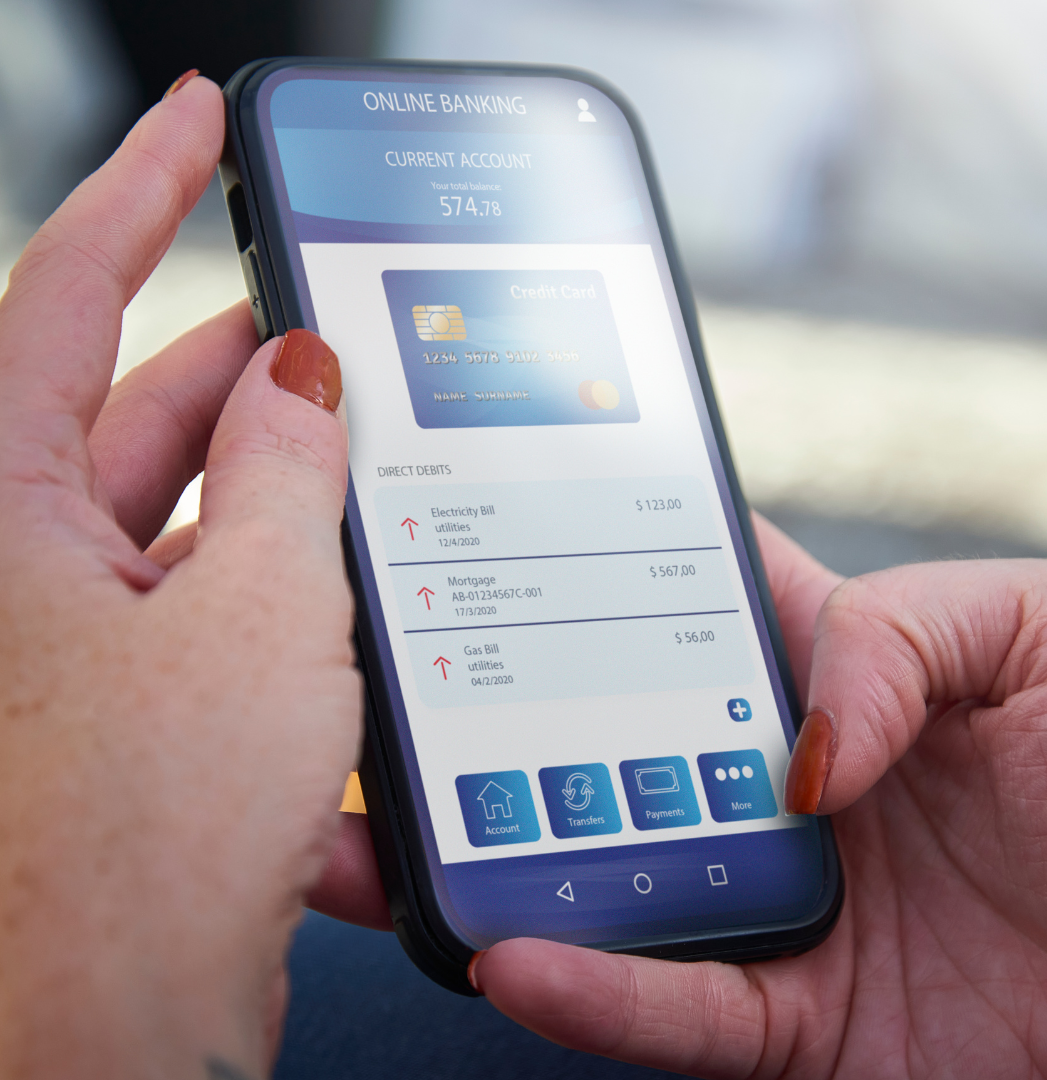
You want enough to cover three to six months’ worth of essential expenses on your emergency fund

5. Update Your Financial Goals for 2025

End the year by setting some intentional goals for 2025. These don’t have to be massive changes; small, achievable goals can have a big impact on your financial future. A few ideas:

    • Set a target for increasing your savings rate, even if it’s by a modest amount.
    • Commit to paying down a certain percentage of your debt.
    • Plan to invest in education or skills that could lead to higher income opportunities.

Whatever your financial goals, write them down and keep them visible. By starting now, you’ll be well-prepared to tackle them come January.

End the year by setting some intentional goals for 2025.

Final Thoughts

Closing out the year with a financial check-up is a powerful way to put yourself in the driver’s seat for 2025. These six steps are simple but effective and give you a clear view of your financial health. Here’s to closing out 2024 strong and stepping into 2025 with confidence!

Are you ready to make 2025 your breakthrough year?

MASTER YOUR MONEY is for YOU if you are tired of financial stress and ready to transform your relationship with money. Whether you’re managing a family, building your career, or chasing your dreams, this is your chance to gain the clarity, confidence, and habits you need to thrive.

This is more than a mindset shift—it’s a transformational program that puts you on the path to lasting financial success! ? Click the button below to book a call with Karen to see if this program is right for you!


Mastering Budget and Saving Techniques
The Financial Squeeze: Why 93% of Your Income is Gone Before You Know It and How to Take Back Control

The Financial Squeeze: Why 93% of Your Income is Gone Before You Know It and How to Take Back Control

In today’s economic landscape, many families, particularly in cities like Perth, are finding it harder to get ahead. With the cost of living rising, mortgage repayments climbing, and essential expenses consuming most of the household income, it’s no surprise that families feel financially stuck. In fact, for the average family earning around $100,000 a year in Perth, up to 93% of their income is being spent on basic living expenses and mortgage repayments. That leaves a mere 7% for everything else, whether it’s saving for an emergency, investing for the future, or even enjoying life.

So, what’s driving this financial squeeze? And more importantly, how can you start taking back control of your money, reduce financial stress, and build a path toward a more secure future? Let’s dive in.

THE BREAKDOWN — Where Does The Money Go?

If you feel like your income disappears before you even have the chance to save or plan, you’re not imagining things. For the average Perth family, a substantial portion of their income is consumed by just a few major categories.

1. MORTGAGE PAYMENTS (39.7%)

With the average house price in Perth sitting at around $690,000, a family making regular mortgage repayments is typically spending about 40% of their income just to keep a roof over their head. That’s a huge chunk of money tied up in home ownership, leaving little flexibility for other financial priorities.

2. LIVING EXPENSES (52.8%)

Next comes everyday living expenses: utilities, groceries, transportation, insurance, and other necessities. For the average family, these costs take up more than half of their monthly income. With rising prices in everything from food to fuel, these essential expenses are only getting harder to manage.

3. WHAT’S LEFT? (7.5%)

After paying for housing and general living expenses, families are left with just 7.5% of their income to cover everything else. This includes savings, emergencies, vacations, entertainment, education, and more. It’s no wonder that many people feel overwhelmed by the prospect of building an emergency fund, paying off debt, or even saving for the future.

For the average family, the costs of living expenses take up more than half of their monthly income.

Inflation directly drives up the prices of essential goods and services, from food to housing to what it costs to fill your tank so you can drive to work or put clothes on your back.

THE IMPACT — Stress, Debt, and Delayed Life Goals

This financial squeeze has significant consequences for families. When most of your income is tied up in living expenses, it’s incredibly difficult to make progress on long-term financial goals, like saving for retirement, paying off debt, or even taking that well-deserved vacation.

1. INCREASED FINANCIAL STRESS

With such a small buffer between income and expenses, any unexpected cost—a car repair, medical bill, or household emergency—can throw your entire budget off course. The constant worry about money takes a toll on mental health, relationships, and overall well-being.

2. MOUNTING DEBT

When you don’t have enough income left over for emergencies, you’re more likely to rely on credit cards or loans to cover the gaps. This can lead to a vicious cycle of debt, where interest payments eat into what little income is left, making it harder to get ahead.

Financial Stress - The constant worry about money takes a toll on mental health, relationships, and overall well-being.

3. DELAYED LIFE GOALS

Many families are forced to delay or forgo important life goals, such as buying a home, starting a family, or even saving for their children’s education. The focus is on surviving month-to-month, leaving little room for long-term planning.

HOW TO TAKE BACK CONTROL OF YOUR FINANCES

So, how can families break free from this cycle? While it may seem overwhelming, the good news is that there are concrete steps you can take to regain control of your financial situation. By being proactive and strategic, you can start to reduce financial stress, create breathing room in your budget, and move toward financial security.

1. CREATE A DETAILED BUDGET AND TRACK EVERY DOLLAR

The first step to taking control of your finances is understanding exactly where your money is going. Start by creating a detailed budget that accounts for all your expenses—both fixed (like your mortgage and utilities) and variable (like groceries and entertainment). Track every dollar to see where you might be overspending or where small changes can make a big impact.

Use budgeting apps or even a simple spreadsheet to keep track of income and expenses. Once you have a clear picture of your finances, you can start making informed decisions about where to cut back or redirect funds.

Create a Detailed Budget and Track Every Dollar

2. CUT BACK ON NON-ESSENTIALS

In today’s consumer-driven world, it’s easy to get caught up in unnecessary spending. Start by evaluating your discretionary expenses—things like dining out, streaming subscriptions, and impulse purchases. While it’s important to enjoy life, small sacrifices in these areas can free up extra cash for savings or debt repayment.

Even cutting back on small expenses, like making coffee at home instead of buying it, can add up over time and create more room in your budget for the essentials.

3. REFINANCE OR RENEGOTIATE YOUR MORTGAGE

If a significant portion of your income is going toward mortgage repayments, refinancing your home loan could be a game-changer. Interest rates fluctuate, and even a small reduction in your mortgage rate can lead to significant savings over the life of the loan. Talk to your lender about refinancing options or shop around for better rates.

4. BUILD AN EMERGENCY FUND

While saving may seem impossible when so much of your income is tied up in expenses, building an emergency fund is crucial to financial security. Start small aim to save at least three to six months’ worth of living expenses. This will help you avoid relying on credit cards or loans when unexpected costs arise.

Even putting aside a small amount each month can add up over time and provide a much-needed safety net in case of emergencies.

5. INCREASE YOUR INCOME

If your current income isn’t enough to cover your expenses, it might be time to look for ways to increase it. This could mean asking for a raise at your current job, taking on a side hustle, or even exploring part-time work in a field that aligns with your skills. There are many opportunities today to monetise your talents online, whether through freelance work, selling products, or offering services.

6. PRIORITISE DEBT REPAYMENT

High-interest debt can be a major drain on your income. Focus on paying off debts with the highest interest rates first, this will save you money in the long run and free up more of your income for savings or other goals. Consider using the debt avalanche or debt snowball method to stay motivated and track your progress.

READY TO TAKE CONTROL OF YOUR FINANCES?

If you’re feeling the financial pressure, now is the time to take action. Don’t let another month go by where you feel stuck, stressed, and overwhelmed by your finances. I’m here to help you create a clear, actionable plan to take control of your money and start building a better financial future.

Join my Monthly Coaching Program, where I work one-on-one with clients to help them develop personalised budgeting strategies, eliminate debt, and build sustainable savings plans. Plus, check out my course Mastering Budgeting and Saving Techniques where I’ll teach you how to create a realistic budget that works for your family, find savings opportunities, and finally achieve financial peace of mind.
You don’t have to go through this alone together, we can turn your financial situation around. Click here to sign up for the coaching program or learn more about the course, and let’s get started on your path to financial freedom today!

By following these steps, you can start making meaningful changes in your financial life and work towards a future where you have more control, less stress, and more opportunities to get ahead. Let’s take this journey together!

Mastering Budget and Saving Techniques

Mastering Budgeting and Saving Techniques is a program designed to empower you to understand the importance of both budgeting and saving.

In this program, you will learn the fundamental concepts of how budgeting and saving is important for your financial well being.

We will explore and work through mindset shifts to empower and equip you with the tools necessary for a stress free life.

This is a hands-on program with me guiding you on how to budget, track and look at managing your money like a pro.

The Power of Small Steps: Daily Habits That Make a Big Impact on Your Debt

The Power of Small Steps: Daily Habits That Make a Big Impact on Your Debt

When people consider getting out of debt, they often focus on large-scale strategies such as reducing major expenses, refinancing, or changing their lifestyle. While these are important, the real power lies in the small, consistent actions you take every day. Micro-actions may seem insignificant on their own, but when combined over time, they can have a massive impact on reducing debt. Let’s explore how to harness the power of micro-actions to accelerate your journey to financial freedom.

1. THE RATIONALE BEHIND MICRO ACTIONS

Micro-actions are small, manageable tasks that require minimal effort but can lead to substantial results when performed consistently. They’re based on the idea of breaking down larger goals into bite-sized steps. The beauty of micro-actions is their simplicity and ease of execution, which aids in overcoming procrastination and developing positive habits.

ACTION STEP:
Identify one debt-related goal (like paying off a credit card). Break this goal down into daily micro-actions (e.g., saving $5 a day, making an extra $10 payment weekly).

2. AUTOMATE SMALL PAYMENTS TO YOUR DEBT

One of the easiest micro-actions is setting up automated payments. Even a small daily or weekly payment towards your debt can reduce your balance over time and save you on interest.

ACTION STEP:
Set up an automatic transfer from your checking account to your debt account. Even $1 a day adds up to $30 a month—more than $360 a year!

3. ROUND UP PURCHASES AND APPLY THE DIFFERENCE TO DEBT

Many banks and apps offer a feature to round up your purchases to the nearest dollar and save the difference. Instead of saving it, direct those round-up amounts towards paying off your debt. It’s a painless way to chip away at what you owe.

ACTION STEP:
Enable the roundup feature on your bank account or download an app that provides this service. Ensure the rounded-up savings are directed towards debt repayment.

TIP: Set up an automatic transfer from your checking account to your debt account. A dollar per day adds up to $30 a month— that’s more than $360 a year!

4. DECLUTTER AND SELL UNUSED ITEMS 

Spend a few minutes each day decluttering a specific area of your home. Collect items you no longer use and sell them online. The process of decluttering not only helps simplify your life but also creates an additional income stream that can go directly to debt repayment.

ACTION STEP:
Dedicate 10 minutes a day to identifying one item to sell. Use platforms like eBay, Facebook Marketplace, or local selling groups to offload items and generate extra cash.

5. PRACTISE THE 30-SECOND PAUSE BEFORE EVERY PURCHASE

Impulse buying can delay your financial goals quickly. A simple yet powerful micro-action is to practice a 30-second pause before making any purchase, asking yourself if the item is a need or a want.

ACTION STEP:
For every non-essential purchase, pause for 30 seconds and consider if it aligns with your financial goals and if you really want it. If it doesn’t and you don’t really want it then, put it back.

6. USE SPARE CHANGE AND CASH BACK REWARDS FOR DEBT PAYMENTS

If you accumulate spare change or cash-back rewards from credit cards or apps, redirect these small amounts towards debt payments. It’s a small effort with potentially significant results over time.

ACTION STEP:
Collect your spare change and cash-back rewards monthly and apply them as extra payments to your debt.

7. INCORPORATE A “NO SPEND” DAY EACH WEEK

Designate one day a week as a ‘no spend’ day where you commit to not spending any money. This small habit can quickly add up to substantial savings.

ACTION STEP:
Choose one day a week (like Monday or Friday) as your ‘no spend’ day. Plan meals, activities, and errands around this day to avoid any expenses.

8. LIMIT YOUR VISITS TO TEMPTATION ZONES

Avoid places that encourage unnecessary spending, like shopping malls or online marketplaces. This doesn’t mean cutting them out entirely, but being mindful of how often you expose yourself to spending triggers.

ACTION STEP:
Identify your spending triggers and reduce your exposure to them. For example, limit browsing shopping websites to once a week instead of daily.

9. APPLY FOUND MONEY TO DEBT

Found money includes unexpected cash like gifts, tax refunds, rebates, or even loose change found in your couch cushions. While this one is harder with an increasingly cashless society, there may be some small change lying around. Instead of spending this money, apply it directly to your debt.

ACTION STEP:
Create a “found money” jar or savings account and commit to using any found money exclusively for debt repayment.

10. CREATE A DAILY GRATITUDE JOURNAL FOCUSED ON FINANCIAL WINS

Focusing on financial gratitude can improve your mindset and keep you motivated. Each day, write down one small financial win, such as avoiding a purchase or finding a way to save money.

ACTION STEP:
Start a daily gratitude journal. Each day, write down one thing you did that moved you closer to being debt-free.

11. OPT FOR FREE OR LOW COST ACTIVITIES

Entertainment can be a significant expense, but many free or low-cost options exist. Instead of spending on movies, dining out, or other paid activities, explore alternatives like free community events, library resources, or nature hikes.

ACTION STEP:
Research and list 10 free or low-cost activities you enjoy. Incorporate one into your weekly routine to replace a paid activity.

12. MAKE USE OF PRICE-TRACKING TOOLS

Use price-tracking tools and browser extensions to monitor the prices of products you’re interested in. This helps avoid impulse purchases and ensures you’re getting the best price when you need to buy something.

ACTION STEP:
Install a price-tracking tool or extension on your browser. Check it before purchasing any item over a set threshold (e.g., $50).

13. REVIEW AND CANCEL UNUSED SERVICES REGULARLY

Services like cable, magazine subscriptions, or premium software memberships can often go unused. Regularly reviewing your service subscriptions and cancelling those you no longer need is an easy way to save money.

ACTION STEP:
Schedule a monthly review of your subscriptions. Cancel or downgrade any services that are no longer necessary.

14. CREATE AND FOLLOW A “MICRO-BUDGET”

A micro-budget is a highly detailed budget that tracks even the smallest expenses. The goal is to understand exactly where every penny goes and find areas to cut back.

ACTION STEP:
Start a micro-budget by tracking all expenses for one month, including minor ones like coffee or snacks. Analyse the information to identify unnecessary spending.

CONCLUSION

The power of micro-actions stems from their simplicity and consistency. By incorporating these small daily habits into your routine, you can make a significant dent in your debt over time without feeling overwhelmed. Remember, becoming debt-free is not always about making massive sacrifices but about consistently making small, smart choices that add up.

Take Control of Your Finances Today!

Are you tired of living paycheck to paycheck? Do you want to make smarter financial decisions but don’t know where to start? This monthly financial coaching program is designed to help you take control of your finances and achieve your financial goals.

Mastering Budget and Saving Techniques

Are you ready to take control of your finances and start your debt-free journey?

In this empowering 30-day course, we’ll guide you through actionable steps to help you break free from debt and achieve financial stability.

Mastering Budget and Saving Techniques