
Breaking Free: Your Journey to Financial Freedom

Breaking Free: Your Journey to Financial Freedom

Hello, finance enthusiasts! Are you ready to turn the page and start a new chapter called “Financial Freedom”? If you’re between the ages of 30 and 55, you’re at a prime time in your life to make some transformative moves. Whether you’re climbing the career ladder, juggling family responsibilities, or planning for retirement, financial freedom is a goal we all share. Today, I’m here to walk you through some fun and engaging steps to achieve that sweet state of economic bliss!

STEP 1: DEFINE WHAT FINANCIAL FREEDOM MEANS TO YOU

Before we dive into the how, let’s talk about the what. Financial freedom looks different for everyone. For some, it’s about being debt-free; for others, it’s accumulating enough savings to travel the world or retire comfortably. Take a moment to really picture what financial freedom looks like for you. Is it quitting your 9 to 5 job? Is it having the resources to pursue your passions? Define it, so you can own it!

STEP 2: ASSESS YOUR CURRENT FINANCIAL SITUATION

It’s time for a little reality check (but make it fun!). Grab your favourite drink, sit down, and crunch some numbers. Look at your income, debts, savings, and expenses. Understanding where you stand financially is crucial to setting realistic goals. Use apps or spreadsheets to track your finances—seeing everything on one screen can make managing money more engaging and less daunting. I have a FREE budgeting spreadsheet that you can download, which makes it easy and quick to get a snapshot of your financial position.  Download the spreadsheet HERE. 

STEP 3: SET SMART FINANCIAL GOALS

Specific, Measurable, Achievable, Relevant, and Time-bound – these are the golden rules for goal-setting. Break your financial freedom dream into smaller, achievable milestones. Maybe you want to pay off your credit card debt in two years or save for a deposit and down payment on a home in five years. Whatever those goals may be, write them down and commit to them.

STEP 4. CREATE A BULLETPROOF BUDGET

Now, let’s craft a budget that’s as vibrant and dynamic as you are. Your budget is your blueprint to financial freedom. It should allocate funds for your necessities, savings, debts, and a little fun money too—because what’s life without a little spice? Use budgeting tools or apps to keep you on track and make adjustments as your financial situation evolves.  As mentioned earlier in this blog, you can download the spreadsheet HERE.
STEP 5: BUILD AN EMERGENCY FUND

Life loves to throw curveballs, and sometimes they hit us right in the wallet. An emergency fund acts as a financial safety net. Start by saving enough to cover at least three to six months’ worth of living expenses. This fund will protect you from unforeseen circumstances like medical emergencies, urgent home repairs, or unexpected job loss. 

STEP 6: ELIMINATE AND MANAGE DEBT

Debt can be a heavy chain holding you back from your freedom. Focus on paying off high-interest debts first, such as credit card balances or personal loans. Consider strategies like the debt snowball or avalanche methods. Remember, every payment is a step closer to your financial liberation.
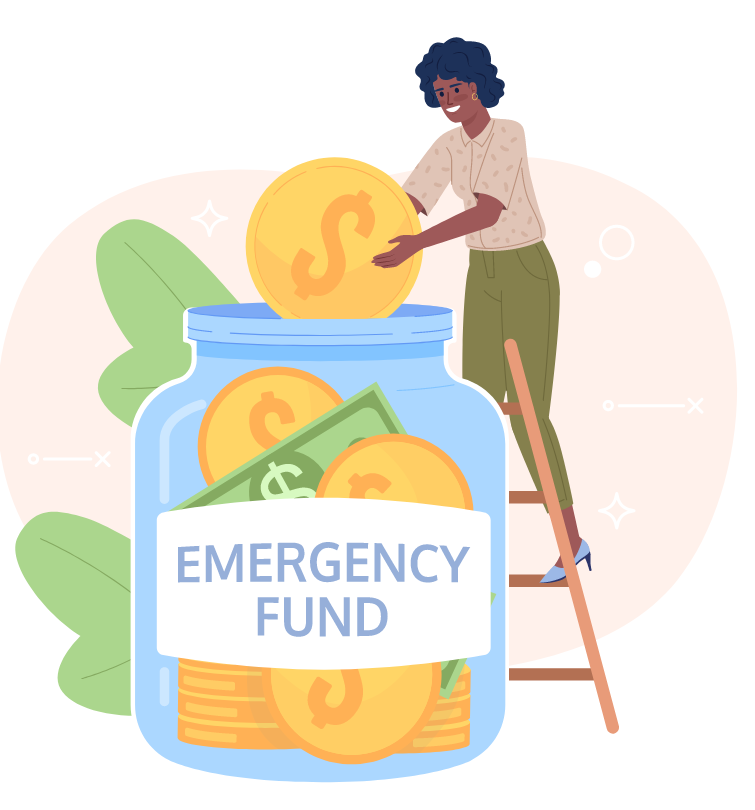
Life’s unexpected financial challenges can catch us off guard. Having an emergency fund can provide a safety net to help cover these unforeseen costs without the need to go into debt or disrupt long-term financial goals.

STEP 7: INCREASE YOUR INCOME

Sometimes cutting expenses isn’t enough to achieve your financial goals quickly. Look for ways to boost your income. Could you ask for a raise, change jobs for a higher salary, or start a side hustle? Maybe now’s the time to turn your hobby into a profit-making venture!

STEP 8: INVEST IN YOUR FUTURE

Investing can be a game-changer in your journey to financial freedom. Research different investment options like stocks, bonds, mutual funds, or real estate. Consider speaking with a financial advisor first before investing to tailor an investment strategy that suits your risk tolerance and financial goals.

STEP 9: STAY EDUCATED AND ADAPT

The financial world is always evolving, and so should your strategies. Keep learning, read books, attend workshops, follow my blogs, and join my community of like-minded individuals via the Learning Hub or Monthly Coaching. The more you know, the better equipped you’ll be to make informed financial decisions.

STEP 10: CELEBRATE YOUR PROGRESS

Don’t forget to celebrate your victories, big or small. Achieving financial freedom is a journey, not a sprint. Set up little rewards for yourself as you hit milestones. This not only makes the process enjoyable but also keeps you motivated.

CONCLUSION

Remember, financial freedom isn’t about having lots of money; it’s about having choices. It’s about living your life on your terms. So, let’s raise our glasses (of budget-friendly wine, of course!) to a brighter, financially free future. 

Here’s to making smart choices, being strategic, and having fun along the way. You’ve got this!

Take Control of Your Finances Today!

Are you tired of living paycheck to paycheck? Do you want to make smarter financial decisions but don’t know where to start? This monthly financial coaching program is designed to help you take control of your finances and achieve your financial goals.

Mastering Budget and Saving Techniques
The Debt Detox: Eliminating Hidden Costs That Keep You in the Red

The Debt Detox: Eliminating Hidden Costs That Keep You in the Red

When it comes to managing debt, it’s often the unexpected expenses—the hidden costs—that sneak up and keep you from achieving financial freedom. These hidden costs aren’t always big, flashy expenses; instead, they quietly drain your finances month after month. In this post, we’ll uncover these sneaky costs and provide actionable steps to eliminate them from your life.

1. UNMASK THE SUBSCRIPTION TRAP

Subscriptions are one of the sneakiest ways money leaks out of our accounts. Streaming services, gym memberships, meal delivery kits—you name it. The problem is that they often go unnoticed because the individual costs seem minimal. However, they add up significantly over time, especially when we forget to cancel the ones we don’t use.

Action Step:
Go through your phone to review any subscriptions. If you’re with IOS this will be in your settings and you can cancel any of the services that you don’t use. Next review all your bank statements and list every subscription you’re currently paying for. Cancel any that you haven’t used in the last month or that you can live without.

2. EVALUATE YOUR UTILITY BILLS

Utilities are necessary, but are you paying more than you need to? Often, people stick with the same provider for years without realising there are better deals available. Electricity, gas, water, and even internet and mobile plans can usually be renegotiated or switched to a cheaper provider. 

Action Step:
Compare utility providers using online tools or comparison websites. Consider switching providers or negotiating with your current one to get a better rate.

3. INVESTIGATE INSURANCE OVERLAPS

You might be overinsured without even realising it. If you have multiple insurance policies (health, car, home, life), there could be overlaps in coverage. This redundancy leads to unnecessary costs. Additionally, insurance rates often fluctuate, and you could be eligible for better rates.

Action Step:
Review all your insurance policies and speak with your provider to eliminate any overlaps. Shop around for better rates annually.

4. AVOID THE “LATTE EFFECT”

The “Latte Effect” isn’t just about coffee; it’s about those small daily expenses that seem harmless individually but compound significantly over time. This includes buying lunch every day, snacks, or even those extra data charges on your mobile plan.

Action Step:
Track all your small daily expenses for one week. Identify items you can eliminate or reduce. Consider alternatives like making your coffee or preparing meals at home.

5. ANALYSE YOUR CREDIT CARD FEES

Credit cards can come with hidden fees, like annual fees, late payment fees, or foreign transaction fees. These fees can quietly add up and increase your debt if you’re not careful. Understanding your credit card’s terms can help you avoid these fees.

Action Step:
Review the terms and conditions of all your credit cards. Consider switching to a card with no annual fee or lower interest rates. Set up automatic payments to avoid late fees.

6. SPOT THE SNEAKY BANK CHARGES

Banks love to sneak in fees—monthly maintenance fees, overdraft fees, ATM fees, and even paper statement fees. These charges may seem small, but they can accumulate quickly, especially if you’re not vigilant.

Action Step:
Review your bank statements for any recurring fees. Contact your bank to negotiate waiving these fees or consider switching to a bank that offers fee-free accounts.

7. CUT DOWN ON CONVENIENCE COSTS

Convenience comes at a price. Takeout food, delivery services, and buying bottled water are all examples of convenience costs. These might save time but can drain your wallet quickly.

Action Step:
Set a goal to cut down on one convenience cost per week. Prepare meals in bulk, invest in a water filter, or limit your use of delivery services.

Cutting down on food convenience costs, examining car-related expenses,

and understanding health-related costs can help you save more money!

8. UNDERSTAND YOUR HEALTH-RELATED COSTS

Healthcare costs can be complex and deceptive. These include deductibles and out-of-pocket costs. You might be paying more for healthcare than necessary by not understanding your insurance policy or not taking advantage of preventative care options.

Action Step:
Review your health insurance policy to understand what is covered. Schedule preventative care visits, which are often covered at no additional cost, to avoid more significant health issues (and expenses) down the line.

9. KEEP AN EYE ON LOYALTY PROGRAMS AND COSTS

Many loyalty programs and credit card points schemes can lead to unnecessary spending. The promise of rewards often encourages spending more than needed, or you might forget to use the points you’ve accumulated, rendering the spending pointless.

Action Step:
Review your loyalty programs and points. Ensure you’re not overspending just to earn points. Use accumulated points strategically before they expire.

10. BE WARY OF ‘FREE TRIALS’ AND PROMOTIONS

Free trials and promotions are designed to hook you in. They often require credit card details and automatically convert to a paid subscription if not cancelled within a specific period. These can add unexpected costs to your finances if you’re not vigilant.

Action Step:
Keep a log of all free trials you sign up for. Set calendar reminders to cancel them before the trial period ends.

11. EXAMINE YOUR CAR COSTS

Owning a car can come with numerous hidden costs beyond just fuel—think maintenance, insurance, parking, and tolls. Regular servicing and good driving habits can help reduce these costs.

Action Step:
Review your car-related expenses over the last three months. Consider ways to reduce them, such as carpooling, using public transportation, or bundling errands to minimise fuel consumption.

12. AVOID PENALTIES AND FINES

Late fees on bills, parking tickets, and other fines like excessive speeding are avoidable costs that can delay your financial progress. These penalties are often due to forgetfulness, poor planning or as we like to say for speeding fines a “lead foot” :).

Action Step:
Set up automated reminders for bill payments and due dates. Make a habit of reviewing your calendar weekly to anticipate any payments due and ensure you leave enough time in your journey to avoid any speeding tickets.

Conclusion: Stay Ahead of the Game

Eliminating hidden costs is an essential part of becoming debt-free. By scrutinising every expense and making small, manageable changes, you can save hundreds – if not thousands of dollars each year.
Remember, the key is vigilance: regularly review your finances, stay informed, and make adjustments as needed. Your journey to debt freedom is not just about cutting big expenses but also about mindfully managing the small, sneaky ones.

Learn the fundamental concepts of how budgeting and saving are important to your financial well-being. Registration is now open for the course: Mastering Budget and Saving Techniques. This is a hands-on course with me guiding you on how to budget, track and look at managing your money like a pro.

Mastering Budget and Saving Techniques
Free Budgeting Spreadsheet

GRAB YOUR OWN COPY FOR FREE

YOUR MONEY eMagazine

Are you ready to take control of your finances and secure a brighter future?

Dive into “Your Money,” the premier e-magazine by Karen G Adams, the Founder of Financial Management 101.

Subscribe for FREE!