Year-End Financial Check-Up: 7 Key Steps to Close 2024 with Confidence

Year-End Financial Check-Up: 7 Key Steps to Close 2024 with Confidence

As the year wraps up, it’s time to give your finances a little TLC and prepare to start the new year strong! Think of this as your yearly financial check-up, a simple routine that sets you up for a financially fit future. Here are seven straightforward steps to help you close out 2024 with confidence.

1. Review Your Budget with Fresh Eyes

December is perfect for giving your budget a quick health check. Ask yourself:

    • Did you stick to your budget most months?
    • Are there categories where you regularly overspent?

If you find that certain areas of your budget were tough to stick to, don’t worry; you’re not alone! Make notes on what worked and what didn’t, and consider if those categories need adjusting. Next year’s budget will feel easier to manage if it aligns more closely with your actual spending patterns.

2. Evaluate Your Financial Goals for 2024

Reflect on the goals you set at the beginning of 2024. Did you aim to build an emergency fund, pay off a certain amount of debt, or save for a big purchase? Take a moment to celebrate any wins, big or small, you’ve earned it! If there were goals you couldn’t reach, try to pinpoint what might have held you back. Life happens, and sometimes, adjustments are necessary. Use these reflections to set realistic goals for 2025 that build on the progress you’ve made.

Audit Your Subscriptions and Recurring Expenses

3. Audit Your Subscriptions and Recurring Expenses

Subscriptions can sneak up on you! Take a look at all the services you’re subscribed to, streaming platforms, gym memberships, software, meal kits and decide if they’re still worth the monthly or annual fee. Ask yourself:

    • Do you use each service enough to justify the cost?
    • Are there better deals or bundles that could help you save?

Canceling or downgrading services you no longer use can free up cash you can redirect toward your savings or debt goals.

4. Set a Holiday Spending Plan

The holiday season can be a big budget-buster if you’re not careful. This December, approach holiday spending with a clear plan:

    • Set a total holiday budget and stick to it.
    • Focus on meaningful gifts within your budget and avoid last-minute splurges.
    • Consider experiences instead of material items, they often make more memorable gifts and can be cost-effective.

You’ll thank yourself in January when your credit card bills aren’t sky-high!

5. Check-in On Your Emergency Fund


Your emergency fund is your financial safety net, and December is a great time to assess its status. Ideally, you want enough to cover three to six months’ worth of essential expenses.

If your fund has been depleted due to unexpected expenses this year, make a plan to rebuild it. If it’s in good shape, well done!

Consider adding a little extra, even if it’s just a small amount each month, it’s always better to be prepared.
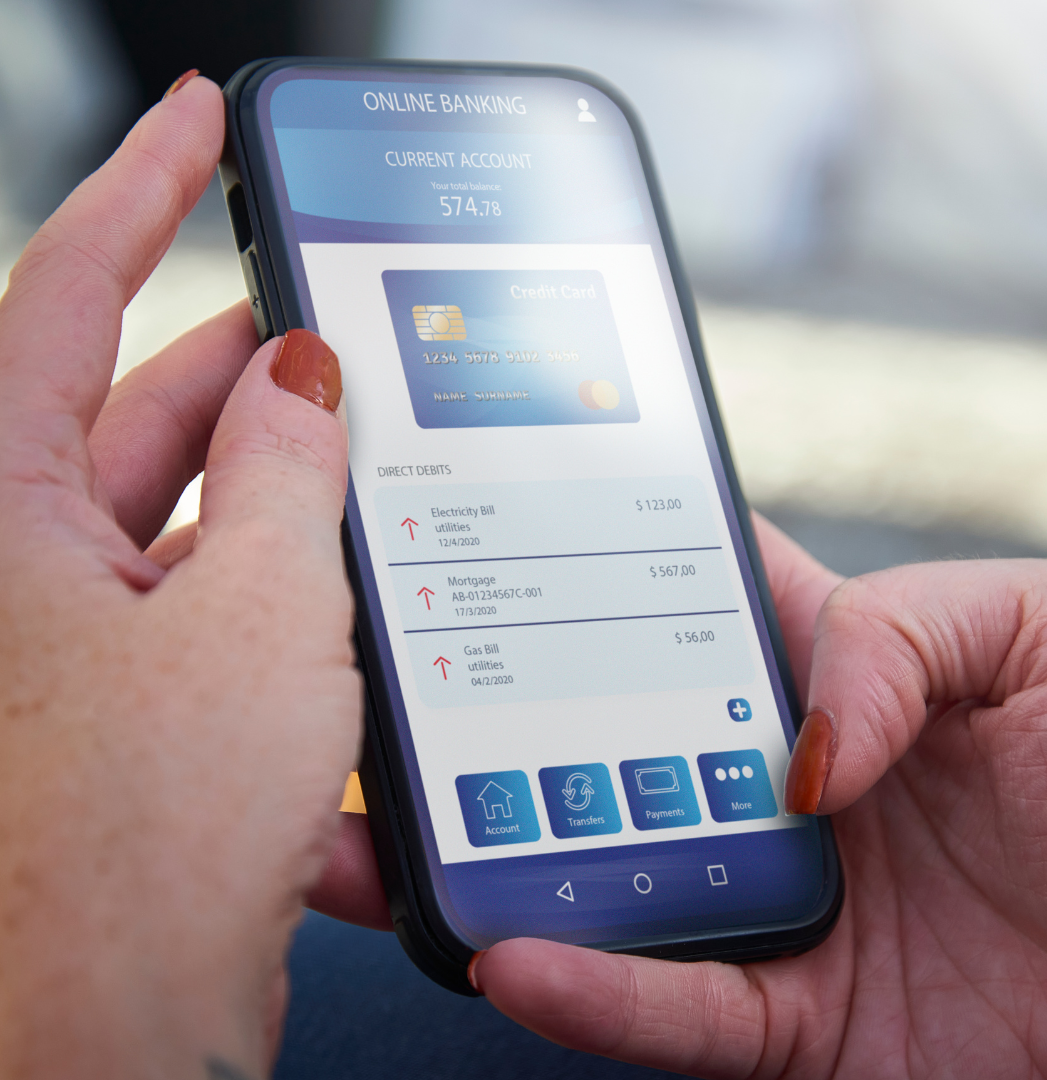
You want enough to cover three to six months’ worth of essential expenses on your emergency fund

5. Update Your Financial Goals for 2025

End the year by setting some intentional goals for 2025. These don’t have to be massive changes; small, achievable goals can have a big impact on your financial future. A few ideas:

    • Set a target for increasing your savings rate, even if it’s by a modest amount.
    • Commit to paying down a certain percentage of your debt.
    • Plan to invest in education or skills that could lead to higher income opportunities.

Whatever your financial goals, write them down and keep them visible. By starting now, you’ll be well-prepared to tackle them come January.

End the year by setting some intentional goals for 2025.

Final Thoughts

Closing out the year with a financial check-up is a powerful way to put yourself in the driver’s seat for 2025. These six steps are simple but effective and give you a clear view of your financial health. Here’s to closing out 2024 strong and stepping into 2025 with confidence!

Are you ready to make 2025 your breakthrough year?

MASTER YOUR MONEY is for YOU if you are tired of financial stress and ready to transform your relationship with money. Whether you’re managing a family, building your career, or chasing your dreams, this is your chance to gain the clarity, confidence, and habits you need to thrive.

This is more than a mindset shift—it’s a transformational program that puts you on the path to lasting financial success! ? Click the button below to book a call with Karen to see if this program is right for you!


Mastering Budget and Saving Techniques
Top 5 Money Habits to Start Now for a Prosperous New Year

Top 5 Money Habits to Start Now for a Prosperous New Year

As we look toward the new year, it’s the perfect time to set ourselves up for financial success. Building smart money habits now can lead to big rewards down the road. Here are five simple yet powerful habits you can start today to help you achieve a prosperous 2025.

1. Automate Your Savings

One of the easiest ways to build savings consistently is through automation. By setting up automatic transfers to your savings account each payday, you’re making saving effortless. Start with a small percentage, even if it’s just 5-10% of your income, and increase it gradually over time.

Automating your savings does two things: it keeps you consistent, and it makes saving painless since you won’t even have to think about it. Over time, these regular contributions add up, helping you build a strong financial cushion.

2. Track Your Spending to Spot Leaks

Most of us have small spending habits that quietly add up, whether it’s daily coffees, app subscriptions, or impulse buys. Take a few minutes to review your spending patterns over the past month and identify any recurring purchases that might be eating into your budget.

Use a simple app or spreadsheet to track your spending daily. This habit helps you become more mindful about where your money goes, making it easier to spot areas for improvement. By eliminating or reducing unnecessary expenses, you can redirect those funds toward more important goals, like saving or debt reduction.

Track Your Spending to Spot Leaks

Reviewing your spending allows you to see if you’re nearing or exceeding your budget, enabling you to adjust future purchases and transactions.

3. Set Clear and Realistic Financial Goals

Setting goals gives you something to work toward and helps keep you motivated. But goals need to be both realistic and specific. Instead of saying, “I want to save more,” try “I want to save $5,000 by the end of next year.” Breaking down a large goal into monthly or weekly targets can make it more achievable.

Take a few minutes to write down one or two financial goals for 2025. Think about what matters most to you, whether it’s paying off debt, saving for a vacation, or building an emergency fund. The clearer your goals are, the easier it will be to stay focused and committed.

4. Pay Yourself First

This habit goes hand-in-hand with automating your savings. The concept of “paying yourself first” means treating your savings like any other essential bill, making it a non-negotiable part of your budget. Rather than saving what’s left at the end of the month, prioritize your savings at the start.

Set a specific amount to save each month, and make sure it’s the first transaction after your paycheck arrives. This approach not only ensures that you’re saving consistently but also helps build a mindset where saving is a priority, not an afterthought.

5. Practice a Monthly Financial Review

A monthly financial review can be incredibly empowering. This doesn’t have to be a long or complicated process—it’s simply a quick check-in on your finances to see how you’re progressing. Use this time to:

  • Review your spending.
  • Assess your savings progress.
  • Identify any upcoming expenses or adjustments needed.

By doing a regular financial review, you’ll catch any issues before they become problems and stay motivated as you watch your progress. It’s a habit that creates accountability and gives you the opportunity to celebrate small wins along the way.

A gift list is a holiday essential!

FINAL THOUGHTS

Building these five habits doesn’t require a lot of time or drastic lifestyle changes, but the impact can be significant. Start now, and you’ll be amazed at how much progress you can make by the end of next year. Here’s to stepping into the new year with smart money habits and a renewed commitment to financial health!

Join the program Mastering Budgeting and Saving Techniques and learn how to budget, track and look at managing your money like a pro.

Mastering Budget and Saving Techniques