
Are You Ignoring Your Financial Safety Net? Why Wills & Estate Planning Matter (Even If You’re Young!)

Are You Ignoring Your Financial Safety Net? Why Wills & Estate Planning Matter (Even If You’re Young!)

Alright, friend… it’s time we talk about something that everyone needs, but almost no one wants to deal with.

Wills. Estate Planning. Life insurance.

Did your eyes just glaze over?

Did you suddenly feel an overwhelming urge to click away or scroll to the fun stuff on Instagram?
Stay with me, because this may just be one of the most important money conversations you’ll ever have. Here’s the hard truth:

If you’re ignoring estate planning because you think it’s “only for rich people” or “something I can figure out later,” you’re playing a dangerous game with your financial future, and the people you love most.
In this post, I’m going to:

  • Bust the biggest myths about wills and estate planning.
  • Show you why everyone (yes, even you!) needs a plan.
  • Break down exactly what you need to do – without confusing legal jargon.
  • Help you take simple, meaningful action to protect your future.

And don’t worry, this isn’t going to be dry or boring.

We’re going to make this approachable, empowering, and (dare I say?) a little fun. Because protecting your future should feel like an act of love and self-respect, not something you dread.

? Myth #1: “Estate Planning Is Only for Rich People”

Let’s start here, because this myth is everywhere. When most people hear the phrase “estate planning,” they picture wealthy people with sprawling mansions, yachts, and family fortunes that need protecting. But here’s the truth: If you own anything – even a car, a bank account, or a pet – you have an estate.

Estate planning isn’t just for millionaires. It’s for:

  • The young professional with a growing savings account.
  • The parent who wants to protect their kids.
  • The small business owner with assets tied to their company.
  • The renter with a car loan and a retirement fund.

If you have money, possessions, dependents, or even digital assets – estate planning applies to you.

If you own anything - even a car, a bank account, or a pet - you have an estate.

? Why Avoiding Estate Planning Could Cost You (Big Time)

I get it – thinking about wills, death, and “what ifs” isn’t exactly a fun Friday night activity. But here’s the thing… Avoiding estate planning doesn’t make it go away. It just creates more chaos for the people you care about most. Without a will or estate plan in place:

  • The courts decide who gets your assets – and it may not align with your wishes.
  • Your loved ones could be tied up in legal battles for months (or even years).
  • Minor children could end up with a guardian chosen by the court – not you.
  • Your hard-earned money could get eaten up by legal fees, taxes, or other costs.

In short, not planning can create stress, delays, and heartache at the worst possible time.

But when you take just a little time to set up your financial safety net? You give your loved ones clarity, protection, and peace of mind.

? “But I’m Too Young for a Will!”

Another common myth? Thinking you’re too young to need a will. Here’s a little truth bomb:

Wills aren’t about age – they’re about responsibility.

You may not think you need one yet, but ask yourself:

  • Do you have savings, retirement accounts, or life insurance?
  • Do you have pets who rely on you?
  • Do you own a car, home, or business?
  • Do you have people who depend on your income?
  • Do you have strong opinions about where your money should go if something happens to you?

If you answered yes to any of those, it’s time to start planning. Remember—estate planning isn’t about expecting the worst. It’s about being prepared for whatever life throws your way.

✨ Estate Planning: It’s Not Just About Death – It’s About Life, Too!

One of the most overlooked parts of estate planning? It’s not just about what happens after you’re gone. It also protects you while you’re alive, especially if you ever:

  • Become seriously ill.
  • Get injured and can’t manage your finances or healthcare decisions.

Your estate plan can include documents like:

  • Power of Attorney: Designating someone you trust to manage your finances if you can’t.
  • Healthcare Directive: Outlining your wishes for medical treatment and end-of-life care.
  • Guardianship Designations: Naming who will care for your minor children if you’re unable to.

These documents ensure your voice is heard – no matter what.

? What’s Actually Included in a Basic Estate Plan?

Let’s strip away the legal jargon and break this down simply. Here’s what most people need in their estate plan:

1. A Will

This legal document spells out:

  • Who will inherit your assets (money, property, belongings, etc.).
  • Who will take care of your children or dependents (if applicable).
  • Who will manage your estate (called an executor)

What To Include in A Basic Estate Plan

2. Power of Attorney (POA)

This gives someone legal authority to:

  • Handle your finances if you’re incapacitated.
  • Make decisions on your behalf if you can’t.

3. Healthcare Directive (Living Will)

This outlines your medical wishes if you’re unable to communicate them.

4. Beneficiary Designations

Certain accounts (like life insurance, retirement accounts, and some bank accounts) allow you to name a beneficiary directly. These override your will, so it’s crucial to keep them updated.

5. Guardianship Designations (If Applicable)

If you have minor children, this document names who you want to raise them if you’re unable to.

Bonus: Trusts (Optional for Some)

While not necessary for everyone, trusts can:

  • Help avoid probate (the legal process of validating a will).
  • Provide additional control over how and when assets are distributed.
  • Offer potential tax benefits.

? How to Get Started with Estate Planning (Without Feeling Overwhelmed)

Deep breath – this doesn’t have to be complicated! Here’s how to start, step by step:

Step 1: Take Inventory

List all your:

  • Bank accounts
  • Retirement accounts
  • Investments
  • Properties
  • Vehicles
  • Insurance policies
  • Personal belongings of high value
  • Digital assets (crypto, social media, etc.)

Step 2: Clarify Your Wishes

Think about:

  • Who should inherit your assets?
  • Who do you trust to handle your finances and healthcare if needed?
  • Who would you want to care for your kids or pets?
  • Are there any charitable causes you’d like to support?

Step 3: Get Legal Help (If Needed)

While you can create simple wills online for a low cost, it’s often wise to consult an estate attorney, especially if:

  • You have significant assets.
  • You own a business.
  • You have a blended family or complex situation.

Step 4: Communicate Your Plan

This is the step most people skip, but it’s essential! Let your loved ones know:

  • That you’ve created an estate plan.
  • Where they can find the documents.
  • Who has been designated for certain roles.

Transparency now avoids confusion later.

Step 5: Review & Update Regularly

Life changes – your estate plan should too. Revisit your documents anytime you:

  • Get married or divorced.
  • Have children.
  • Move to a new state (laws vary).
  • Experience major financial changes.

? But What If You Don’t Have Much to Leave Behind?

Here’s a powerful truth: Estate planning isn’t just about leaving behind money – it’s about leaving behind clarity. Even if your financial picture feels “small” right now, your loved ones will still need to:

  • Handle your debts and bills.
  • Access your accounts.
  • Close out your digital presence.
  • Make healthcare decisions if needed.

Having a clear plan ensures they can do so smoothly. Plus, it sends a strong message: “I respect myself and the people I care about enough to plan ahead.”

? Estate Planning = Empowerment, Not Fear

I get it – this can all feel heavy. But here’s how I want you to reframe it:

Estate planning isn’t about preparing for doom and gloom.

It’s about:

  • Taking ownership of your life.
  • Protecting your family.
  • Making your wishes known.
  • Creating peace of mind, for you and for those you love.

It’s one of the most profound acts of love and responsibility you can make.

? How This Connects to Your Financial Breakthrough

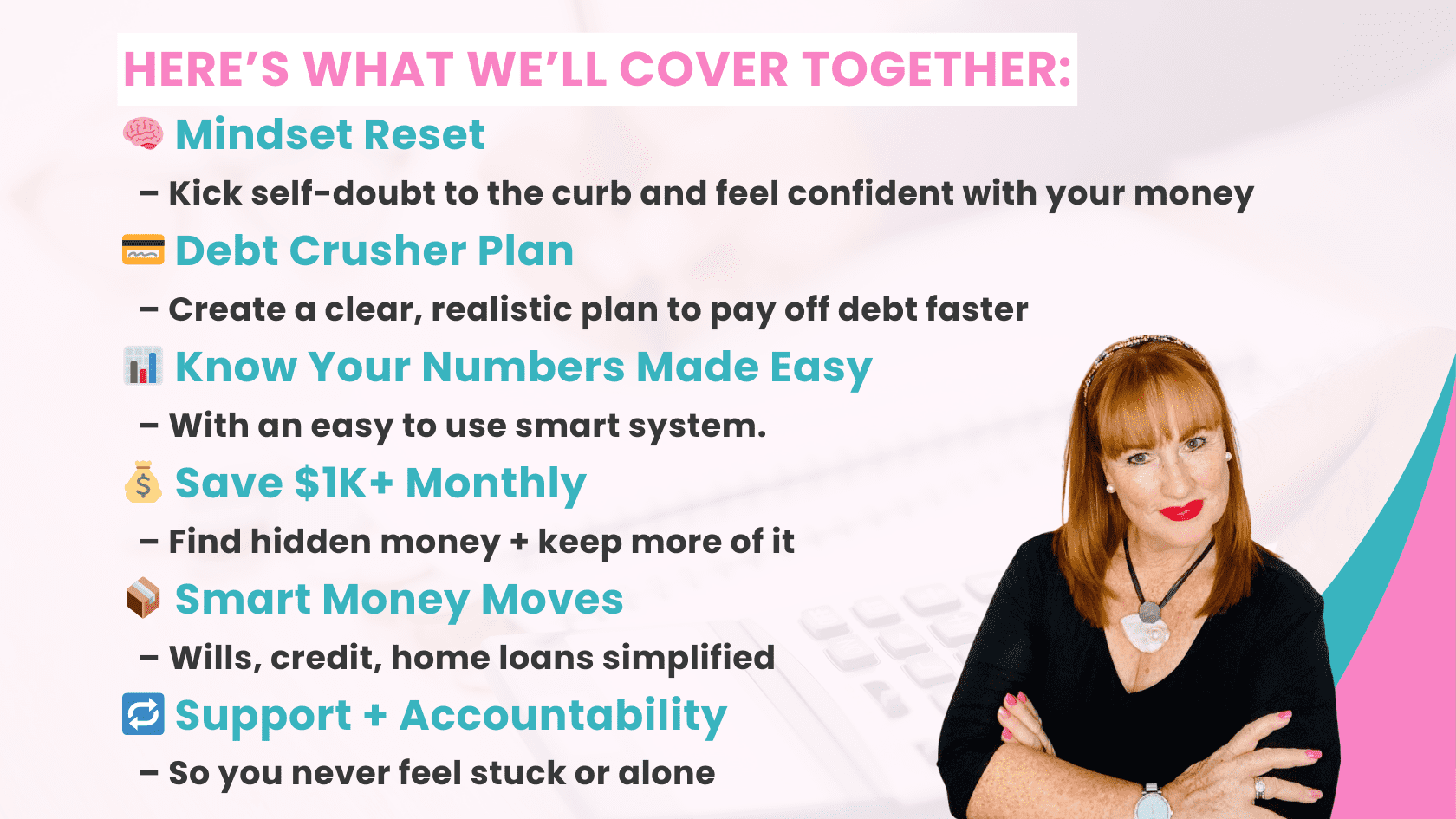
In my Your Financial Freedom Breakthrough™ – 90 Day Money Makeover program, we don’t just focus on day-to-day money tasks like budgeting and debt. We go deeper, because true financial empowerment covers everything. That includes:

  • Building your savings.
  • Tackling your debt.
  • Creating an intentional spending plan.
  • AND making sure your financial house is in order with estate planning.

Most programs skip this step, but I refuse to. Why? Because I’ve seen firsthand how having a financial safety net changes lives.

In the program, you’ll:

  • Learn exactly what legal documents you need.
  • Get simple checklists to help you start (even if you’re a total beginner).
  • Be guided through tough but important questions with compassion and clarity.

It’s all about making this process approachable, doable, and even empowering.

? Ready to Take Action? (Mini Challenge!)

Let’s get you started today with a bite-sized action step.

Estate Planning Mini Challenge:

Make a list of ALL your current accounts and assets. Check the beneficiaries on your bank accounts and retirement funds. Update them if needed.

Choose ONE document to tackle this month:

  • Will
  • Power of Attorney
  • Healthcare Directive

Start with the easiest one for you. This tiny step will start creating massive peace of mind, and it’s easier than you think.

? Final Thoughts: Your Legacy Starts Now

Here’s what I want you to remember: Estate planning isn’t just for “older” or “wealthy” people – it’s for everyone who wants to protect their future.

You don’t need to do it all at once, but starting somewhere is powerful. This isn’t about fear – it’s about empowerment, peace of mind, and love.

And if you’re ready to take this even further to finally build a money plan that covers everything from budgeting to wills and beyond, get ready. My Your Financial Freedom Breakthrough™ – 90 Day Money Makeover opens on September 10th, and it’s designed to help you:

  • Create lasting financial change.
  • Build a money system that works for your life.
  • Feel empowered, organised, and confident with your finances – once and for all.

You’ve got this, and I’m cheering you on every step of the way.

Your Financial Freedom Breakthrough™
Your Financial Freedom Breakthrough™ - Scope
Which Budgeting Method is Right for You? Exploring 3 Proven Strategies

Which Budgeting Method is Right for You? Exploring 3 Proven Strategies

If you have ever wondered how to work a budget and which method is best for you, this blog post will go over three of the most popular budgeting methods that you can implement and make work for you today, allowing you to get ahead and see where your money is going.

There are three popular and proven budgeting strategies you should consider:

  1. The 50/30/20 Rule
  2. Zero Based Budgeting, and
  3. The Envelope Method

I will walk you through each of them so you can see which one is best for you and your specific financial situation.

BUDGETING METHOD – 50/30/20 RULE

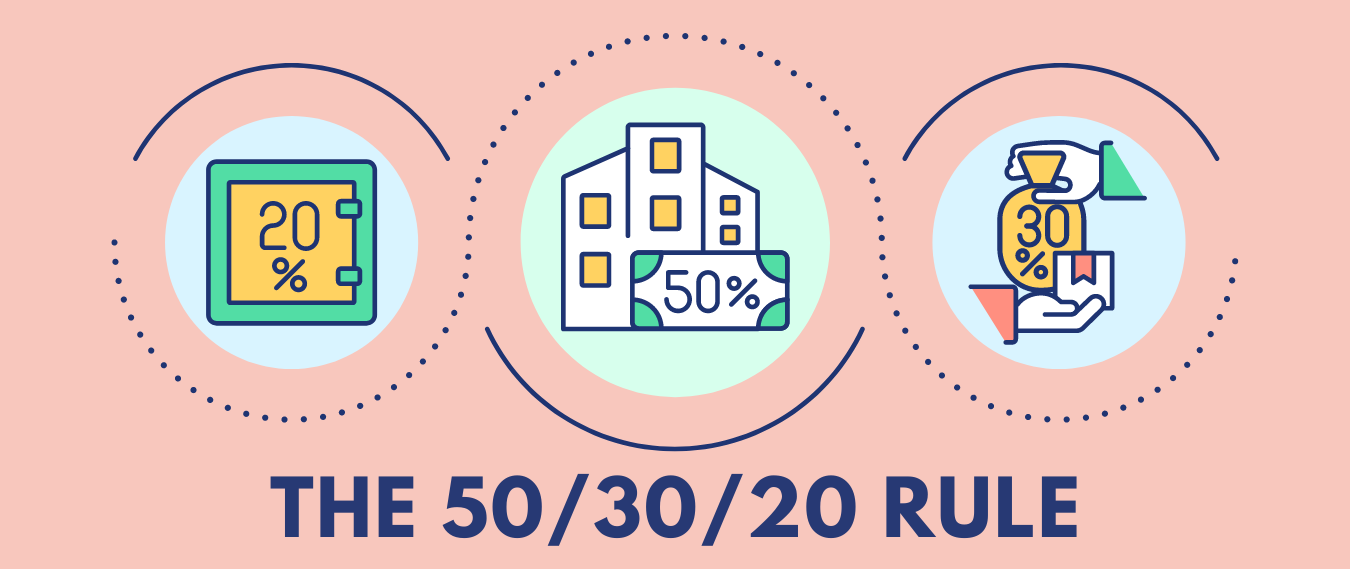
The 50/30/20 rule is a popular budgeting method that can help you allocate your income to various spending categories. It’s a straightforward and flexible guideline for managing your finances. Here’s how it works:

The 50/30/20 rule is a popular budgeting method that can help you allocate your income to various spending categories. It’s a straightforward and flexible guideline for managing your finances. Here’s how it works:

50% FOR NEEDS:

This category includes essential expenses that you must pay regularly. It covers things like housing (rent or mortgage payments), utilities (electricity, water, gas, etc.), groceries, transportation (such as car payments, insurance, and gas), minimum debt payments (like credit card minimums or student loan payments), and healthcare.

The “Needs” category should encompass no more than 50% of your after-tax income. These are the expenses that are necessary for daily living and financial stability.

30% FOR WANTS:

This category is for non-essential or discretionary spending. It includes things like dining out, entertainment, hobbies, travel, and other items or experiences that enhance your quality of life but aren’t mandatory.

The “Wants” category gives you some flexibility to enjoy life and spend on things you desire. However, it’s crucial to stay within this 30% limit to avoid overspending and maintain control over your finances.

20% FOR SAVINGS AND DEBT REPAYMENT:

The remaining 20% of your income is allocated to savings and debt repayment. This category includes savings for various financial goals like an emergency fund, retirement, a down payment on a home, or other long-term objectives. It also covers extra debt payments beyond the minimum required.

Savings are a vital part of this budgeting method. Allocating 20% of your income to savings helps you build financial security and work towards your future goals. If you have high-interest debts, consider allocating a significant portion of this 20% to debt repayment until those debts are under control.

Remember, the 50/30/20 rule is a guideline. Your actual percentages might vary depending on your unique financial situation, goals, and priorities. The key is to ensure that your spending aligns with your financial objectives and that you have a balance between covering essential expenses, enjoying life, and saving for the future.

BUDGETING METHOD – ZERO BASED BUDGETING

Zero-based budgeting is a budgeting method where you allocate your income down to zero, giving every dollar a specific purpose within your budget. In other words, you start from scratch with each budgeting period and assign every dollar you earn to an expense, savings, or debt repayment category. The goal is to ensure that your income minus your expenses equals zero. Here’s how zero-based budgeting works:

DETERMINE YOUR INCOME:

Begin by calculating your total monthly income. This includes your salary, side income, and any other sources of revenue.

LIST ALL EXPENSES:

Make a comprehensive list of all your monthly expenses. This includes both fixed expenses (like rent or mortgage, utilities, insurance, and loan payments) and variable expenses (such as groceries, transportation, dining out, and entertainment).

ALLOCATE YOUR INCOME:

Now, allocate your entire income to cover these expenses. Start with the most critical expenses, like housing, utilities, and groceries. Gradually move down the list, allocating money to each category until you’ve assigned every dollar.

TRACK YOUR SPENDING:

Throughout the month, diligently track your spending to ensure that you’re sticking to your budget. Use budgeting tools or apps to help you stay on top of your expenditures.

ADJUST AS NECESSARY:

If you find that you’ve overspent in a particular category, you’ll need to adjust your budget to cover the overage. To maintain a zero balance, you may need to reduce spending in another category.

Zero-based budgeting has several advantages:

EVERY DOLLAR HAS A PURPOSE:

This method ensures that you’re using your income efficiently and purposefully, directing your money where it matters most.

REDUCE IMPULSE BUYING:

Because every dollar must be allocated, you’re less likely to spend impulsively or frivolously.

ENCOURAGES SAVINGS AND DEBT REPAYMENT:

By including savings and debt repayment as budget categories, ZBB reinforces the importance of these financial goals.

FINANCIAL CLARITY:

It provides a clear, organised overview of your finances, making it easier to see where your money is going.

However, Zero based budgeting may not be suitable for everyone. It requires careful tracking and frequent adjustments, which can be time-consuming. Some people might prefer less detailed budgeting methods. Ultimately, the best budgeting method is the one that works for your unique financial situation and helps you reach your financial goals. Zero-based budgeting is a particularly useful tool if you want to maintain strict control over your spending and ensure that your income is allocated efficiently.

BUDGETING METHOD – THE ENVELOPE BUDGETING

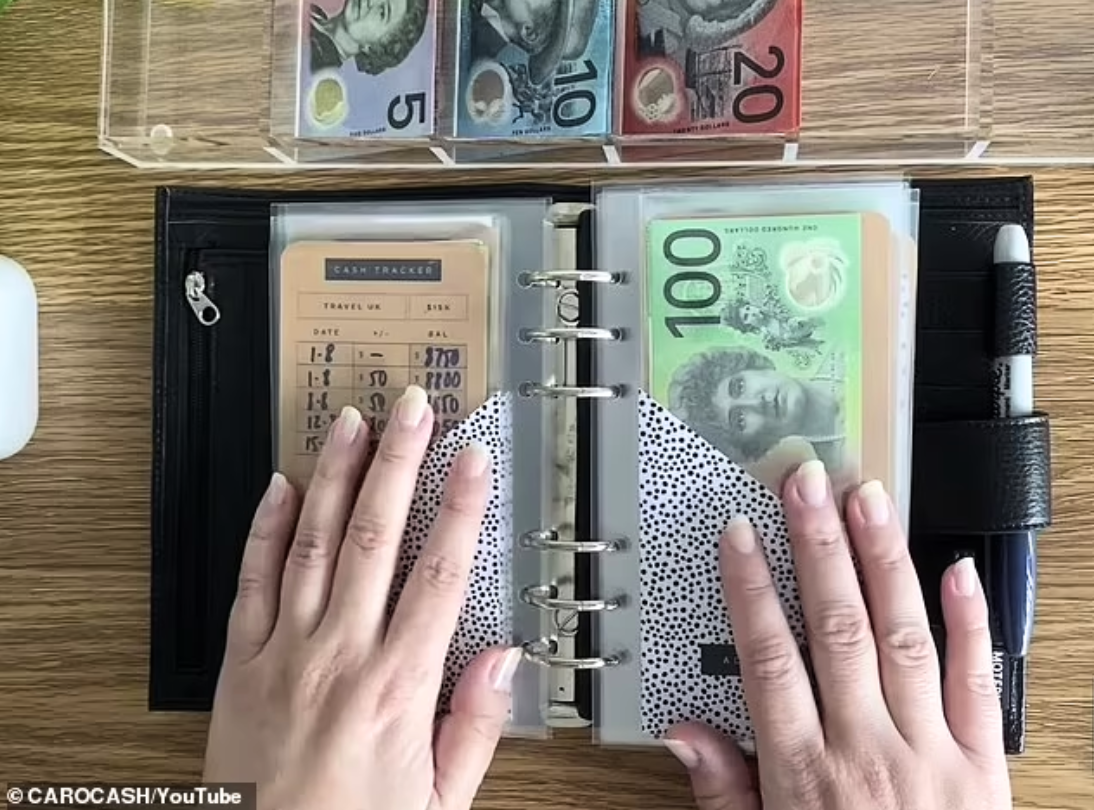
The envelope budgeting method is a cash-based budgeting system that helps you control your spending by allocating physical cash to specific categories or “envelopes” for various expenses. It’s a highly effective way to manage your finances and stay on track with your budgeting goals. However, as we’re becoming more and more a cashless society, there are ways you can still use this method via online banking and I am going to share how if you’re struggling to use cash today. Here’s how it works:

IDENTIFY YOUR SPENDING CATEGORIES:

To begin, identify the main spending categories in your budget. These categories could include groceries, dining out, entertainment, transportation, utilities, and more. Each category will have its own envelope.

DETERMINE YOUR BUDGET LIMITS:

Set a budget limit for each spending category. This is the maximum amount of cash you’ll allow yourself to spend on that category for the month. Be realistic when setting these limits to ensure they align with your overall financial goals.

CREATE PHYSICAL ENVELOPES OR USE ONLINE BANKING 

Get envelopes for each spending category. You can use actual envelopes, small pouches, or even create digital envelopes if you prefer to manage this system electronically. Label each envelope with the category name and the budgeted amount.

If you are going to use online banking, then consider using accounts like ubank or other banks that offer free transactions and multiple savings accounts that link up with a visa debit card. How this works is that the envelope category now becomes the savings account and is named as per what your paper envelope would be. Then when you need to pay for bills, you transfer the amount you need to pay into your visa debit and pay for your groceries or bills that you’ve allocated towards the envelope category. There is a video on this, so head over YouTube to see how this method is explained more clearly. Click here to WATCH THE VIDEO.

ALLOCATE CASH:

At the start of the budgeting period (usually a month), take the budgeted amount in cash for each category and place it in the respective envelope. For example, if you’ve budgeted $200 for dining out, put $200 in cash into the “Dining Out” envelope.

SPEND ONLY FROM ENVELOPES:

Throughout the month, spend only the cash from the designated envelopes for each expense category. When the cash in an envelope is depleted, that’s your signal to stop spending in that category until the next budgeting period. This physical limitation helps you avoid overspending.

RECORD YOUR TRANSACTIONS:

Keep track of your spending. Each time you spend from an envelope, make a note of the amount and the transaction in a ledger or on the envelope itself. This helps you stay accountable and provides a record of your spending. If you’re using your online banking for this, then you can clearly see and track your spending.

ROLLOVER OR ADJUST AS NEEDED:

If you have cash left in an envelope at the end of the month, you can choose to either roll it over to the next month’s budget (for that category) or use it for other financial goals, like savings or debt repayment. If you consistently have cash left over in a category, you might consider adjusting the budgeted amount for the following month.

Envelope budgeting can be particularly useful if you’re trying to curb overspending in specific categories or if you find it challenging to stick to a budget. It forces you to live within your means and prioritise your spending.

Next Step:

Choose the best budgeting method for your needs from the three options listed above.

Creating and sticking to a personal budget is an important step in effectively managing your finances. Budgeting requires discipline and commitment. Stick to your budget as closely as possible, and remember that it is a tool to help you achieve your financial goals and financial independence.

Learn the fundamental concepts of how budgeting and saving are important to your financial well-being. Registration is now open for the course: Mastering Budget and Saving Techniques. This is a hands-on course with me guiding you on how to budget, track and look at managing your money like a pro.

Mastering Budget and Saving Techniques

Mastering Budgeting and Saving Techniques is a program designed to empower you to understand the importance of both budgeting and saving.

In this program, you will learn the fundamental concepts of how budgeting and saving is important for your financial well being.

We will explore and work through mindset shifts to empower and equip you with the tools necessary for a stress free life.

This is a hands-on program with me guiding you on how to budget, track and look at managing your money like a pro.

Are you ready to take control of your finances and start your debt-free journey?

In this empowering 30-day course, we’ll guide you through actionable steps to help you break free from debt and achieve financial stability.