Why Most Resolutions Fail (And How to Succeed with Your Finances This Year)

Why Most Resolutions Fail (And How to Succeed with Your Finances This Year)

Every January, millions of people make resolutions, vowing to lose weight, save money, or finally organise their lives. Yet, by February, most of those resolutions are a distant memory. When it comes to finances, the stakes are even higher, failed resolutions can lead to continued debt, stress, and a lack of progress toward your goals. But why do so many resolutions fail? More importantly, how can you set yourself up for success, especially with your financial goals?

This year, let’s break the cycle. Here’s why most resolutions don’t stick and how you can set realistic, actionable financial goals that actually work.

New Year's Resolutions and Goals

The Problem with Resolutions

1. They’re Too Vague
A resolution like “save more money” or “spend less” sounds great in theory, but without specifics, it’s destined to fail. What does “save more” mean? How much? By when? Without clarity, it’s easy to lose focus.

2. No Plan, Just Hope
Many resolutions rely on sheer willpower. While motivation can get you started, it won’t sustain you for the long haul. A solid plan is essential for turning intentions into results.

3. All-or-Nothing Thinking
Ever decided to “cut all unnecessary spending” and then given up after one unplanned purchase? All-or-nothing approaches set you up for failure because they don’t allow for flexibility.

4. No Accountability
When no one knows about your goals, it’s easy to let them slide. Having someone to cheer you on, or nudge you when you’re slipping makes a huge difference.

Why Financial Intentions Are Different

Financial goals often come with emotional baggage. Many of us have habits or mindsets about money that were shaped long before we started earning. Whether it’s fear of budgeting, guilt about past mistakes, or simply feeling overwhelmed, these emotions can sabotage even the best intentions.

The good news? Financial habits are learnable. With the right mindset, tools, and support, you can rewrite your financial story.

How to Succeed with Your Financial Goals This Year

1. Get Specific About Your Goals
Instead of “save more money,” try something like:

        • “Save $1,000 for an emergency fund by March 31.”
        • “Pay an extra $200 per month toward my credit card debt.”
        • “Spend no more than $400 a month on dining out.”

Specific goals give you a clear target to aim for. Break them down into smaller, actionable steps, and you’ll feel a sense of accomplishment with every milestone.

2. Create a 90-Day Action Plan
While it’s tempting to set year-long goals, short-term plans are more effective. That’s why 90 days is the perfect timeframe—it’s long enough to make meaningful progress but short enough to stay motivated.
For example:

        • Month 1: Assess your financial situation. Track all your expenses and create a realistic budget.
        • Month 2: Implement your budget and identify areas to cut back. Start small, like reducing subscription services or packing lunches for work.
        • Month 3: Focus on building momentum. Add any savings or debt reduction progress to your plan.
While it’s tempting to set year-long goals, short-term plans are more effective.

3. Reframe Your Money Mindset
Your mindset plays a massive role in your financial success. If you believe “I’m just bad with money” or “I’ll never get out of debt,” those beliefs will hold you back. Instead, practice positive affirmations like:

        • “I am capable of learning new money skills.”
        • “Every small step I take brings me closer to financial freedom.”

Even better, pair these affirmations with concrete actions. Every time you stick to your budget or save a little extra, you’re proving to yourself that change is possible.

4. Start Small But Stay Consistent
Big changes often fail because they’re overwhelming. Start with small, manageable habits that build over time.

        • Save $5 a day by skipping a coffee run.
        • Commit to a weekly money check-in where you review your budget and spending.
        • Set up automatic transfers to your savings account—even if it’s just $10 a week.

These small wins add up and help build confidence and momentum.

5. Track Your Progress
It’s easy to lose motivation when you don’t see results. That’s why tracking is so important. Whether it’s a spreadsheet, an app, or even a notebook, record every step of your financial journey.

        • Watch your savings grow each week.
        • Celebrate when you pay off a credit card.
        • Note the changes in your spending habits.

Seeing progress, no matter how small, reinforces your commitment to your goals.

6. Find Your Why
Why do you want to improve your finances? Maybe it’s to take your family on a dream vacation, eliminate the stress of living paycheck to paycheck, or finally buy a home.

Your “why” is your motivation. Write it down, visualize it, and keep it front and center. When the going gets tough, reminding yourself of your deeper purpose will help you stay on track.

7. Get Support
Accountability is a game-changer. Whether it’s a friend, partner, or coach, having someone to share your goals with can make all the difference. Programs like the 90-Day Money Makeover offer a built-in support system, with resources, community, and guidance to keep you on track.

Common Pitfalls and How to Avoid Them

1. Expecting Perfection
You will slip up and that’s okay. What matters is how you recover. Instead of giving up after a mistake, ask yourself: “What can I learn from this?”

2. Overloading Yourself
Don’t try to tackle everything at once. Focus on one or two key goals at a time. Once you’ve mastered them, move on to the next.

3. Comparing Yourself to Others
Your financial journey is unique. Comparing your progress to others will only discourage you. Stay focused on your own goals and celebrate your wins.

Conclusion

This year, break the cycle of failed resolutions and make 2025 the year you take control of your finances. By setting clear goals, creating a plan, and staying consistent, you’ll build habits that last a lifetime.

Remember: small steps lead to big changes. Start with one goal today, and by next January, you’ll be amazed at how far you’ve come. If you’re ready to supercharge your progress, join the LEARNING HUB and get immediate access to all courses and books including ongoing financial and mindset monthly coaching now.

Financial Resolutions

Your financial future is in your hands — let’s make it a great one! Click the button below to join the LEARNING HUB at FINANCIAL MANAGEMENT 101. It promotes long-term financial stability, provides insights into wealth-building strategies, and equips you with the skills to adapt to economic changes.

The 90 Day Money Makeover
The Power of Small Steps: Daily Habits That Make a Big Impact on Your Debt

The Power of Small Steps: Daily Habits That Make a Big Impact on Your Debt

When people consider getting out of debt, they often focus on large-scale strategies such as reducing major expenses, refinancing, or changing their lifestyle. While these are important, the real power lies in the small, consistent actions you take every day. Micro-actions may seem insignificant on their own, but when combined over time, they can have a massive impact on reducing debt. Let’s explore how to harness the power of micro-actions to accelerate your journey to financial freedom.

1. THE RATIONALE BEHIND MICRO ACTIONS

Micro-actions are small, manageable tasks that require minimal effort but can lead to substantial results when performed consistently. They’re based on the idea of breaking down larger goals into bite-sized steps. The beauty of micro-actions is their simplicity and ease of execution, which aids in overcoming procrastination and developing positive habits.

ACTION STEP:
Identify one debt-related goal (like paying off a credit card). Break this goal down into daily micro-actions (e.g., saving $5 a day, making an extra $10 payment weekly).

2. AUTOMATE SMALL PAYMENTS TO YOUR DEBT

One of the easiest micro-actions is setting up automated payments. Even a small daily or weekly payment towards your debt can reduce your balance over time and save you on interest.

ACTION STEP:
Set up an automatic transfer from your checking account to your debt account. Even $1 a day adds up to $30 a month—more than $360 a year!

3. ROUND UP PURCHASES AND APPLY THE DIFFERENCE TO DEBT

Many banks and apps offer a feature to round up your purchases to the nearest dollar and save the difference. Instead of saving it, direct those round-up amounts towards paying off your debt. It’s a painless way to chip away at what you owe.

ACTION STEP:
Enable the roundup feature on your bank account or download an app that provides this service. Ensure the rounded-up savings are directed towards debt repayment.

TIP: Set up an automatic transfer from your checking account to your debt account. A dollar per day adds up to $30 a month— that’s more than $360 a year!

4. DECLUTTER AND SELL UNUSED ITEMS 

Spend a few minutes each day decluttering a specific area of your home. Collect items you no longer use and sell them online. The process of decluttering not only helps simplify your life but also creates an additional income stream that can go directly to debt repayment.

ACTION STEP:
Dedicate 10 minutes a day to identifying one item to sell. Use platforms like eBay, Facebook Marketplace, or local selling groups to offload items and generate extra cash.

5. PRACTISE THE 30-SECOND PAUSE BEFORE EVERY PURCHASE

Impulse buying can delay your financial goals quickly. A simple yet powerful micro-action is to practice a 30-second pause before making any purchase, asking yourself if the item is a need or a want.

ACTION STEP:
For every non-essential purchase, pause for 30 seconds and consider if it aligns with your financial goals and if you really want it. If it doesn’t and you don’t really want it then, put it back.

6. USE SPARE CHANGE AND CASH BACK REWARDS FOR DEBT PAYMENTS

If you accumulate spare change or cash-back rewards from credit cards or apps, redirect these small amounts towards debt payments. It’s a small effort with potentially significant results over time.

ACTION STEP:
Collect your spare change and cash-back rewards monthly and apply them as extra payments to your debt.

7. INCORPORATE A “NO SPEND” DAY EACH WEEK

Designate one day a week as a ‘no spend’ day where you commit to not spending any money. This small habit can quickly add up to substantial savings.

ACTION STEP:
Choose one day a week (like Monday or Friday) as your ‘no spend’ day. Plan meals, activities, and errands around this day to avoid any expenses.

8. LIMIT YOUR VISITS TO TEMPTATION ZONES

Avoid places that encourage unnecessary spending, like shopping malls or online marketplaces. This doesn’t mean cutting them out entirely, but being mindful of how often you expose yourself to spending triggers.

ACTION STEP:
Identify your spending triggers and reduce your exposure to them. For example, limit browsing shopping websites to once a week instead of daily.

9. APPLY FOUND MONEY TO DEBT

Found money includes unexpected cash like gifts, tax refunds, rebates, or even loose change found in your couch cushions. While this one is harder with an increasingly cashless society, there may be some small change lying around. Instead of spending this money, apply it directly to your debt.

ACTION STEP:
Create a “found money” jar or savings account and commit to using any found money exclusively for debt repayment.

10. CREATE A DAILY GRATITUDE JOURNAL FOCUSED ON FINANCIAL WINS

Focusing on financial gratitude can improve your mindset and keep you motivated. Each day, write down one small financial win, such as avoiding a purchase or finding a way to save money.

ACTION STEP:
Start a daily gratitude journal. Each day, write down one thing you did that moved you closer to being debt-free.

11. OPT FOR FREE OR LOW COST ACTIVITIES

Entertainment can be a significant expense, but many free or low-cost options exist. Instead of spending on movies, dining out, or other paid activities, explore alternatives like free community events, library resources, or nature hikes.

ACTION STEP:
Research and list 10 free or low-cost activities you enjoy. Incorporate one into your weekly routine to replace a paid activity.

12. MAKE USE OF PRICE-TRACKING TOOLS

Use price-tracking tools and browser extensions to monitor the prices of products you’re interested in. This helps avoid impulse purchases and ensures you’re getting the best price when you need to buy something.

ACTION STEP:
Install a price-tracking tool or extension on your browser. Check it before purchasing any item over a set threshold (e.g., $50).

13. REVIEW AND CANCEL UNUSED SERVICES REGULARLY

Services like cable, magazine subscriptions, or premium software memberships can often go unused. Regularly reviewing your service subscriptions and cancelling those you no longer need is an easy way to save money.

ACTION STEP:
Schedule a monthly review of your subscriptions. Cancel or downgrade any services that are no longer necessary.

14. CREATE AND FOLLOW A “MICRO-BUDGET”

A micro-budget is a highly detailed budget that tracks even the smallest expenses. The goal is to understand exactly where every penny goes and find areas to cut back.

ACTION STEP:
Start a micro-budget by tracking all expenses for one month, including minor ones like coffee or snacks. Analyse the information to identify unnecessary spending.

CONCLUSION

The power of micro-actions stems from their simplicity and consistency. By incorporating these small daily habits into your routine, you can make a significant dent in your debt over time without feeling overwhelmed. Remember, becoming debt-free is not always about making massive sacrifices but about consistently making small, smart choices that add up.

Take Control of Your Finances Today!

Are you tired of living paycheck to paycheck? Do you want to make smarter financial decisions but don’t know where to start? This monthly financial coaching program is designed to help you take control of your finances and achieve your financial goals.

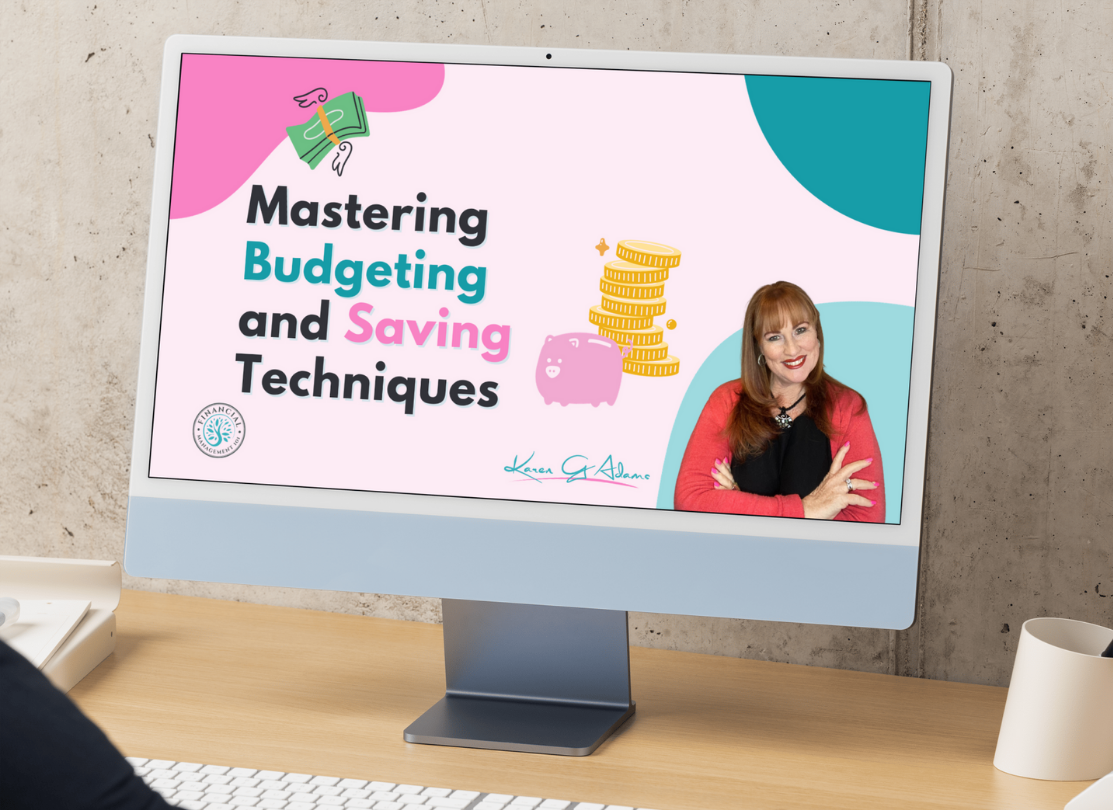
Mastering Budget and Saving Techniques

Are you ready to take control of your finances and start your debt-free journey?

In this empowering 30-day course, we’ll guide you through actionable steps to help you break free from debt and achieve financial stability.

Mastering Budget and Saving Techniques