
The Importance of a Personalised Budgeting System

The Importance of a Personalised Budgeting System

Whether you’re saving for your first home, planning a big holiday, or just trying to ensure you don’t run out of cash before payday, a budget tailored to your needs can make all the difference.

What is a Personalised Budgeting System?

A personalised budgeting system is a financial plan designed to suit your unique income, expenses, lifestyle, and goals. Unlike generic budgeting methods, which often take a one-size-fits-all approach, a personalised budget takes into account your specific situation. This means it can help you manage your money more effectively and achieve your financial goals more efficiently.

Personalised Budgeting System

Why Is It Important?

1. CONTROL OVER YOUR FINANCES

A personalised budget gives you a clear picture of where your money is going. This control helps you make informed decisions about spending and saving. By knowing exactly how much you have and what you need to cover, you can avoid overspending and reduce financial stress.

2. TAILORED TO YOUR GOALS

Whether you’re saving for a down payment on a house in Perth, planning a trip across Europe, or building an emergency fund, a personalised budget helps you allocate funds towards your specific goals. This targeted approach means you can make steady progress without feeling deprived.

3. FLEXIBILITY

Life is unpredictable, and a personalised budget can adapt to changes in your circumstances. If you get a pay rise, change jobs, or face unexpected expenses, your budget can be adjusted to reflect your new reality. This flexibility ensures that your financial plan remains relevant and effective no matter what life throws at you.

4. BETTER SPENDING HABITS

By tracking your expenses, a personalised budget can help you identify and eliminate bad spending habits. You might be surprised at how much you spend on takeaway coffees or impulse buys. Recognising these patterns is the first step towards making more mindful choices.

5. PEACE OF MIND

Knowing you have a plan in place can significantly reduce financial anxiety. With a personalised budget, you can prepare for the future with confidence, knowing you have a roadmap to guide you. This peace of mind allows you to enjoy life more fully without constantly worrying about money.

With a personalised budget, you can prepare for the future with confidence.

Learn the fundamental concepts of how budgeting and saving are important to your financial well-being. Registration is now open for the course: Mastering Budget and Saving Techniques. This is a hands-on course with me guiding you on how to budget, track and look at managing your money like a pro.

ENTER THE CODE WORD: BUDGETING2024 to get $100 off this course.

Mastering Budget and Saving Techniques
How To Create A Budget or Spending Plan

How To Create A Budget or Spending Plan

For many people, this is where they get stuck with the first step in managing their money.  When they hear the word budget they think it means cutting back or going without and they could not be further from the truth.

A budget doesn’t have to be a cumbersome task and it’s something I like to call a spending plan instead of a budget.  By calling it a spending plan, it means you manage your money so that you have money for the fun stuff, as well as the ongoing regular stuff that comes out every month.

Creating your own spending plan involves several steps that help you manage your finances and money more effectively. Here’s a guideline to get you started:

ASSESS YOUR FINANCIAL SITUATION

  • Income: Calculate your total monthly income, including salaries, bonuses, and any other sources.
  • Expenses: List all your monthly expenses. This includes rent/mortgage, utilities, groceries, transportation, insurance, debts, and entertainment.

CATEGORISE YOUR EXPENSES

  • Fixed Expenses: These are regular, predictable costs like rent, loan payments, or insurance.
  • Variable Expenses: These costs can vary, such as groceries, dining out, and entertainment.

Assess Your Financial Situation

TRACK YOUR SPENDING

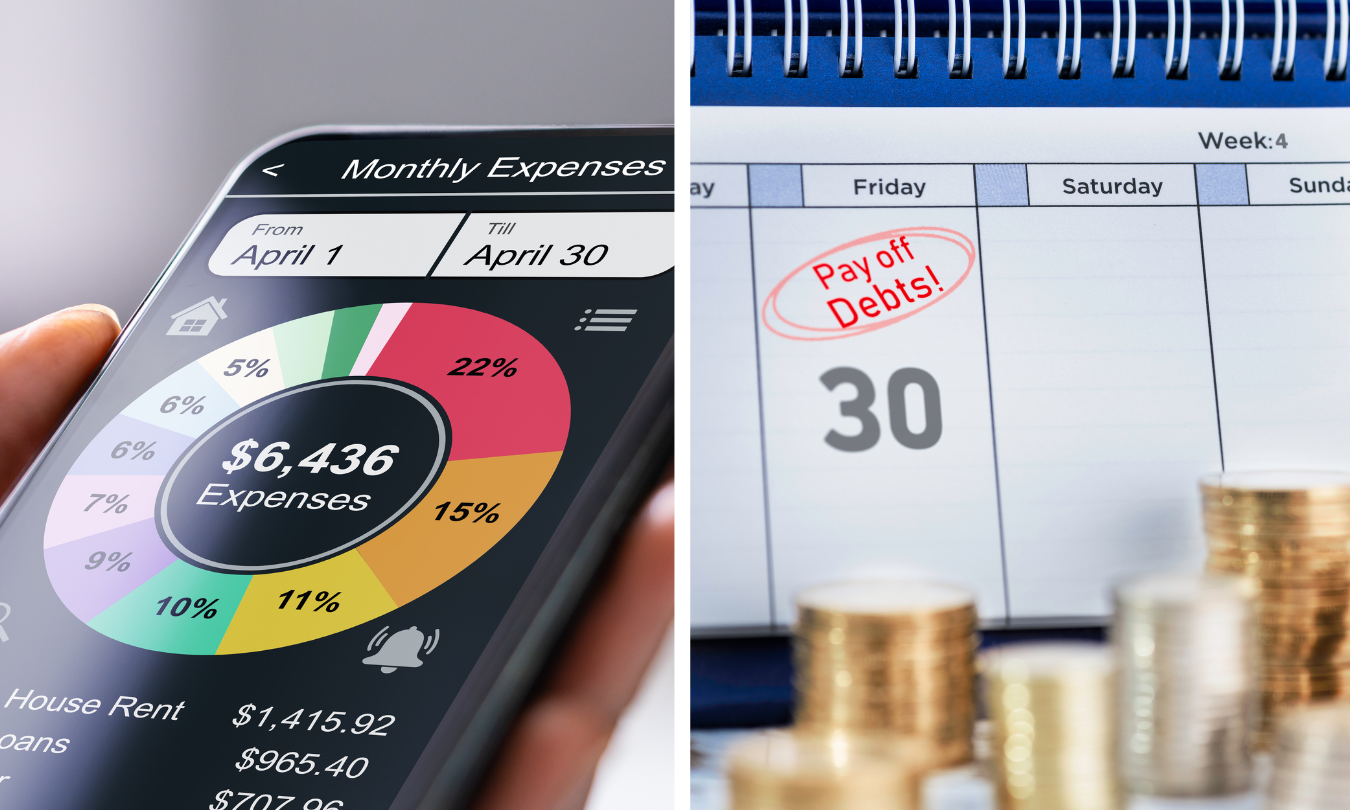
  • Use a spreadsheet, a budgeting app, or a simple notebook to track where your money goes. This will help you identify areas where you might be overspending.

SET FINANCIAL GOALS

  • Short-term goals might include saving for a vacation or paying off a small debt.
  • Long-term goals could be saving for retirement, a home down payment, or paying off a significant debt.

CREATE THE SPENDING PLAN

  • Allocate specific amounts to each expense category based on your income and financial goals.
  • Ensure your expenses do not exceed your income.

PLAN FOR SAVINGS AND EMERGENCIES

  • Aim to set aside a portion of your income for savings and an emergency fund.

REVIEW AND ADJUST REGULARLY

  • Regularly review your budget, preferably monthly, to adjust for any changes in income or expenses.
  • Be flexible and realistic with your spending plan to make it sustainable.

UTILISE TOOLS AND RESOUCES

  • Consider using budgeting tools or apps to make the process easier and more efficient.

REDUCE UNNECESSARY EXPENSES

  • Look for ways to cut back, such as reducing dining out, unsubscribing from unused services, or shopping for better deals on recurring expenses.

Consider using budgeting tools or apps to make the process easier and more efficient.

Using budgeting tools or apps is helpful if you want to make your spending plan easier and more efficient.

STAY COMMITTED

  • Stick to your spending plan as closely as possible, but allow for occasional indulgences to keep it realistic and manageable.

Remember, the key to a successful spending plan is consistency and willingness to adapt as your financial situation changes.

The LEARNING HUB helps you gain more financial knowledge, while providing you with the support and help you and others need. Join now for only $79 USD per month.

Join the Learning Hub - Financial Management 101 by Karen G Adams

Strategies for Relief When Facing Financial Stress

Strategies for Relief When Facing Financial Stress

In today’s fast-paced world, financial burdens can be overwhelming. Whether dealing with debt, managing daily expenses, or saving for the future, these challenges can be extremely stressful. However, with the right strategies, it is possible to overcome these obstacles and achieve financial stability. Here, we will look at practical ways to manage and alleviate financial stress.

1. CREATE A BUDGET AND STICK TO IT

The cornerstone of financial health is a well-planned budget. Start by tracking your income and expenses to understand where your money is going. This will help you identify unnecessary expenditures and areas where you can cut back. A budget gives you control over your finances and prevents overspending.

2. BUILD AN EMERGENCY FUND 

One of the best ways to buffer against financial stress is by having an emergency fund. Aim to save enough to cover at least three to six months of living expenses. This fund can be a lifesaver in unexpected situations like job loss or medical emergencies, preventing the need for high-interest loans.

Create a budget and pay-off high-interest debts

3. TACKLE HIGH-INTEREST DEBTS

High-interest debts, such as credit card balances, can quickly spiral out of control. Prioritise paying off these debts by focusing on the ones with the highest interest rates first. Consider debt consolidation or refinancing options if they can lower your interest rates and make payments more manageable.

4. INCREASE YOUR INCOME 

Sometimes, cutting expenses isn’t enough. In such cases, look for ways to increase your income. This could mean asking for a raise, taking on a part-time job, or turning a hobby into a source of income.

5. SEEK PROFESSIONAL ADVICE

If you’re struggling to manage your finances, don’t hesitate to seek help from a financial advisor. They can provide personalised advice suited to your financial situation and help you develop a plan to overcome your financial burdens.

6. EMBRACE A MINIMALIST LIFESTYLE 

Taking a minimalist approach can help to reduce financial stress. This doesn’t mean living without essentials, but rather focusing on what you truly need and value. It can lead to significant savings and a less materialistic, more fulfilling life.

Conclusion

Overcoming financial challenges necessitates a combination of practical strategies and a mental shift. By implementing these strategies, you can lead a financially secure and stress-free life. Remember that small steps can lead to big results, so start today and take control of your financial future.


The LEARNING HUB helps you gain more financial knowledge, while providing you with the support and help you and others need. Join now for only $79 USD per month.

The Importance of Good Credit

The Importance of Good Credit

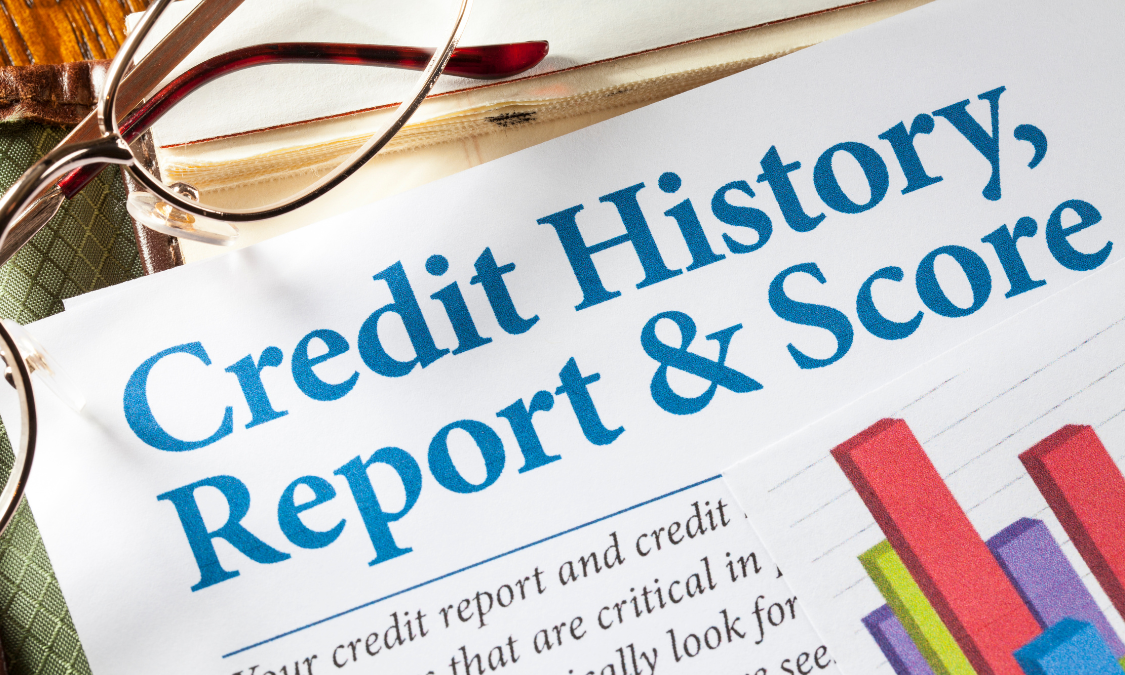
People often underestimate the importance of having a good credit score and report.
In this article, I am going to walk you through how credit can affect your money management now and in the future.

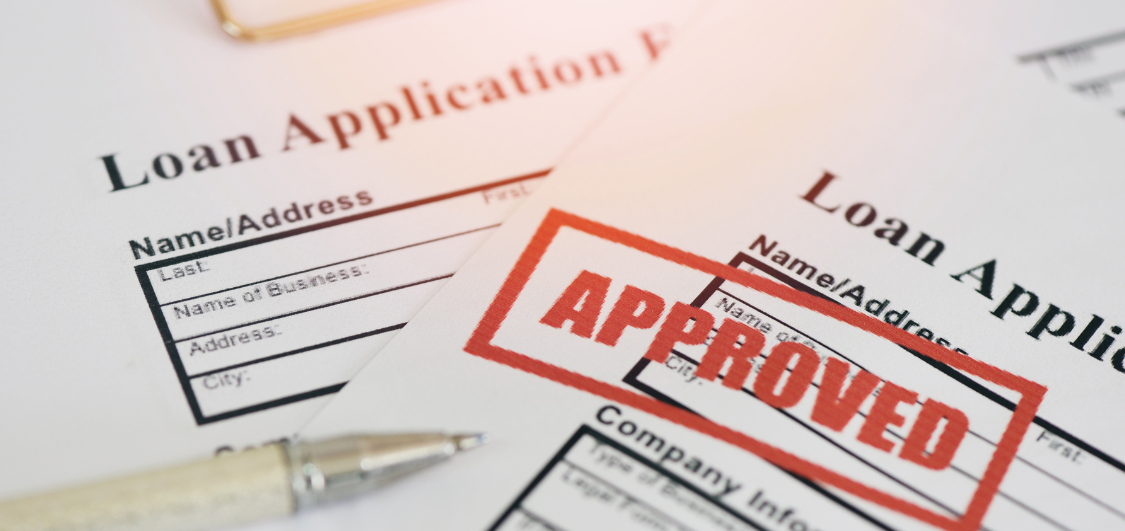
 If your credit score is high, you have a greater chance of getting approved for loans and credit cards from lenders and credit card companies.

Here are 5 reasons why a good credit score is important:

1. REDUCED INTEREST RATES ON BORROWED MONEY

Over time, you can save money by having lower interest rates on credit cards and loans, thanks to good credit.

2. GREATER CHANCES OF LOAN AND CREDIT CARD APPROVAL 

If your credit score is high, you have a greater chance of getting approved for loans and credit cards from lenders and credit card companies.

3. BETTER LOAN TERMS

Having good credit can result in better loan terms, such as higher borrowing limits, in addition to lower interest rates.

4. LOW OR NO SECURITY DEPOSIT REQUIREMENTS

Having good credit can result in better loan terms, such as higher borrowing limits, in addition to lower interest rates.

5. EMPLOYMENT OPPORTUNITIES

When hiring new employees, especially for jobs requiring financial responsibility, some employers run credit checks.

Building and Maintaining a High Credit Score

Here are some ways to maintain and build on your credit score to keep it healthy and high:

1. PAY YOUR BILLS ON TIME

Your credit score can suffer greatly from late payments. Make sure that all of your bills—including credit card and utility bills—are paid on time.

2. MAINTAIN LOW CREDIT CARD BALANCES 

Using a significant portion of your credit limit, or high credit utilisation, can have a bad effect on your credit score.

3. BUILD A LONG CREDIT HISTORY

Your credit score is influenced by the length of your credit history.

4. KEEP THE NUMBER OF NEW CREDIT INQUIRIES TO A MINIMUM 

If you make too many hard inquiries quickly, your score may suffer.

Understanding Your Credit Report

It’s important that you understand your report and what it contains. You can do free annual checks by many of the online credit reporting agencies, like; Equifax and Experian, to name just two. Order your report and take a look at how yours stacks up.
Your credit report will include your credit history; including account details, payment history, credit inquiries, and public records like bankruptcies.

Make sure to regularly check your credit report for errors, including false payment statuses, accounts that are not yours, and inaccurate personal information.

Building and Maintaining a High Credit Score

Impact of Credit on Loan Eligibility and Interest Rates

Credit scores are used by lenders to evaluate risk. A higher score translates into lower risk, which makes you a more desirable borrower.

Your interest rate is determined, in large part, by your credit score. Better scores usually result in cheaper rates, which means you will pay less money back over the course of the loan.

Certain insurance providers base their auto and home insurance rates on credit scores. 

Conclusion

Having good credit provides many financial opportunities. Understanding and managing your credit puts you in a better position to pursue favourable financial opportunities.

Regularly monitoring your credit report and score, developing responsible credit habits, and understanding how your financial behaviour affects your credit can result in significant savings and opportunities throughout your life.


The LEARNING HUB helps you gain more financial knowledge, while providing you with the support and help you and others need. Join now for only $79 USD per month.

Join the Learning Hub - Financial Management 101 by Karen G Adams