Year-End Financial Check-Up: 7 Key Steps to Close 2024 with Confidence

Year-End Financial Check-Up: 7 Key Steps to Close 2024 with Confidence

As the year wraps up, it’s time to give your finances a little TLC and prepare to start the new year strong! Think of this as your yearly financial check-up, a simple routine that sets you up for a financially fit future. Here are seven straightforward steps to help you close out 2024 with confidence.

1. Review Your Budget with Fresh Eyes

December is perfect for giving your budget a quick health check. Ask yourself:

    • Did you stick to your budget most months?
    • Are there categories where you regularly overspent?

If you find that certain areas of your budget were tough to stick to, don’t worry; you’re not alone! Make notes on what worked and what didn’t, and consider if those categories need adjusting. Next year’s budget will feel easier to manage if it aligns more closely with your actual spending patterns.

2. Evaluate Your Financial Goals for 2024

Reflect on the goals you set at the beginning of 2024. Did you aim to build an emergency fund, pay off a certain amount of debt, or save for a big purchase? Take a moment to celebrate any wins, big or small, you’ve earned it! If there were goals you couldn’t reach, try to pinpoint what might have held you back. Life happens, and sometimes, adjustments are necessary. Use these reflections to set realistic goals for 2025 that build on the progress you’ve made.

Audit Your Subscriptions and Recurring Expenses

3. Audit Your Subscriptions and Recurring Expenses

Subscriptions can sneak up on you! Take a look at all the services you’re subscribed to, streaming platforms, gym memberships, software, meal kits and decide if they’re still worth the monthly or annual fee. Ask yourself:

    • Do you use each service enough to justify the cost?
    • Are there better deals or bundles that could help you save?

Canceling or downgrading services you no longer use can free up cash you can redirect toward your savings or debt goals.

4. Set a Holiday Spending Plan

The holiday season can be a big budget-buster if you’re not careful. This December, approach holiday spending with a clear plan:

    • Set a total holiday budget and stick to it.
    • Focus on meaningful gifts within your budget and avoid last-minute splurges.
    • Consider experiences instead of material items, they often make more memorable gifts and can be cost-effective.

You’ll thank yourself in January when your credit card bills aren’t sky-high!

5. Check-in On Your Emergency Fund


Your emergency fund is your financial safety net, and December is a great time to assess its status. Ideally, you want enough to cover three to six months’ worth of essential expenses.

If your fund has been depleted due to unexpected expenses this year, make a plan to rebuild it. If it’s in good shape, well done!

Consider adding a little extra, even if it’s just a small amount each month, it’s always better to be prepared.

You want enough to cover three to six months’ worth of essential expenses on your emergency fund

5. Update Your Financial Goals for 2025

End the year by setting some intentional goals for 2025. These don’t have to be massive changes; small, achievable goals can have a big impact on your financial future. A few ideas:

    • Set a target for increasing your savings rate, even if it’s by a modest amount.
    • Commit to paying down a certain percentage of your debt.
    • Plan to invest in education or skills that could lead to higher income opportunities.

Whatever your financial goals, write them down and keep them visible. By starting now, you’ll be well-prepared to tackle them come January.

End the year by setting some intentional goals for 2025.

Final Thoughts

Closing out the year with a financial check-up is a powerful way to put yourself in the driver’s seat for 2025. These six steps are simple but effective and give you a clear view of your financial health. Here’s to closing out 2024 strong and stepping into 2025 with confidence!

Are you ready to make 2025 your breakthrough year?

MASTER YOUR MONEY is for YOU if you are tired of financial stress and ready to transform your relationship with money. Whether you’re managing a family, building your career, or chasing your dreams, this is your chance to gain the clarity, confidence, and habits you need to thrive.

This is more than a mindset shift—it’s a transformational program that puts you on the path to lasting financial success! ? Click the button below to book a call with Karen to see if this program is right for you!

Mastering Budget and Saving Techniques
How Can I Reduce My Monthly Expenses?

How Can I Reduce My Monthly Expenses?

Reducing your monthly expenses involves a combination of identifying where you can cut costs and implementing habits that foster financial efficiency. Here are some strategies:

TRACK YOUR SPENDING

Start by tracking all your expenses for a month. This will give you a clear picture of where your money is going.

CREATE A BUDGET

Once you understand your spending patterns, create a budget. Allocate amounts for necessities like rent, groceries, utilities, and savings, and then see how much is left for other expenses.

CUT UNNECESSARY SUBSCRIPTIONS

Cancel any subscriptions you don’t use regularly, like streaming services, magazines, or gym memberships.

REDUCE UTILITY BILLS

Try to lower your electricity, water, and gas usage. This can be done by turning off lights when not in use, fixing leaks, and using energy-efficient appliances.

SAVE ON GROCERIES

Plan your meals, use coupons, buy in bulk, and choose store brands over name brands. Also, avoid eating out frequently.

LIMIT IMPULSE BUYS

Avoid making unplanned purchases. If you see something you want, wait a few days to decide if you really need it.

USE PUBLIC TRANSPORTATION

If possible, use public transportation, carpool, bike, or walk instead of driving. This can save money on gas, parking, and maintenance.

Save money on groceries

Focus on budget-friendly foods to save money on groceries.

NEGOTIATE BILLS

Call service providers for things like insurance, cell phone, and internet to see if you can get a better rate.

DIY WHEN POSSIBLE

Do tasks yourself instead of paying someone else, like home repairs, car washes, and landscaping.

SHOP SECOND-HAND

Buy used items when possible. This can include clothes, furniture, and electronics.

AUTOMATE SAVINGS

Set up an automatic transfer to your savings account each payday. This ensures you save before you have a chance to spend.

LOOK FOR FREE ENTERTAINMENT

Take advantage of free community events, parks, and libraries for entertainment instead of spending money on outings.

REVIEW INSURANCE POLICIES

Ensure you’re not over-insured and that you’re getting the best rate for your needs.

PAY DOWN HIGH-INTEREST DEBTS

Prioritise paying off high-interest debt, which can be a significant drain on your finances.

Take advantage of free community events, parks, and libraries for entertainment

BUY IN BULK

For items you use regularly, buying in bulk can offer significant savings.

By implementing these strategies, you can effectively reduce your monthly expenses and improve your overall financial health. Remember, small changes can add up to big savings over time.

Learn the fundamental concepts of how budgeting and saving are important to your financial well-being. Registration is now open for the course: Mastering Budget and Saving Techniques. This is a hands-on course with me guiding you on how to budget, track and look at managing your money like a pro.

ENTER THE CODE WORD: BUDGETING2024 to get $100 off this course.

Mastering Budget and Saving Techniques

How Can I Improve My Credit Score?

How Can I Improve My Credit Score?

Your credit report and score plays a huge role not only with future borrowing, but sometimes with future employment opportunities, if you’re applying for jobs that look at handling money and finances.

How Can I Improve My Credit Score?

Improving your credit score is an important step towards financial stability and can be achieved through several key practices:

PAY YOUR BILLS ON TIME

Late payments can significantly impact your credit score. Ensure that all your bills, including utilities, credit cards, and loans, are paid on time. Setting up automatic payments can be helpful to avoid missing due dates.

KEEP CREDIT CARD BALANCES LOW

High credit card balances can negatively affect your credit score. Aim to keep your credit utilisation ratio (the amount of credit you use compared to your credit limit) below 30%. Paying down existing balances is crucial to achieving this.

AVOID OPENING TOO MANY NEW ACCOUNTS AT ONCE

Each time you apply for credit, a hard inquiry is made, which can slightly lower your credit score. Opening several new accounts in a short period of time can compound this effect. It’s better to apply for new credit sparingly.

CHECK YOUR CREDIT REPORTS REGULARLY

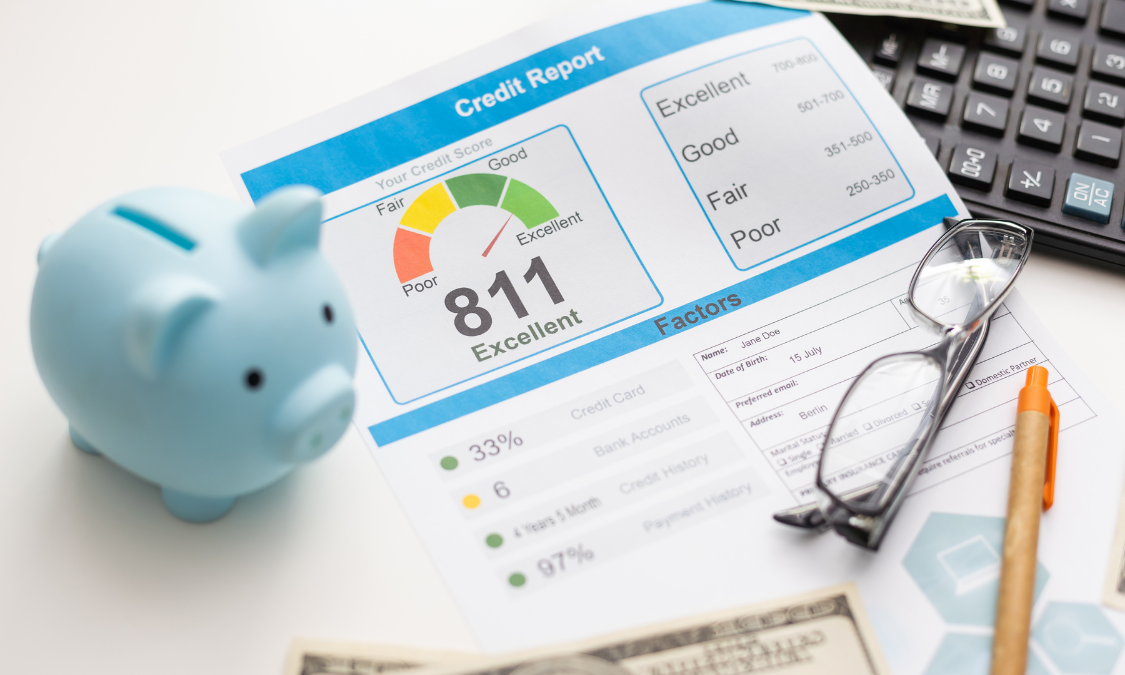
Errors on your credit report can harm your score. Regularly checking your credit reports allows you to spot and dispute any inaccuracies. You are entitled to a free credit report from each of the three major credit bureaus (Equifax, Experian, and TransUnion) every year.

MAINTAIN A MIX OF CREDIT TYPES

If possible, have a mix of different types of credit, such as revolving credit (like credit cards) and installment loans (like auto or student loans). This can positively impact your credit score, but only take on debt that you can manage.

Check Your Credit Reports Regularly

KEEP OLD ACCOUNTS OPEN

The length of your credit history affects your score. Keeping older accounts open, even if you don’t use them, can be beneficial. However, ensure they don’t have high fees.

LIMIT HARD INQUIRIES

When you apply for credit, a hard inquiry is recorded on your credit report, which can lower your score. Be cautious about applying for new credit unless necessary.

NEGOTIATE WITH CREDITORS 

If you’re struggling with debt, try negotiating with creditors. Some may offer solutions, like lower interest rates or payment plans.

SEEK PROFESSIONAL HELP IF NEEDED

If you’re overwhelmed, consider consulting a credit counselor. They can provide personalised advice and help you develop a plan to improve your credit.

Remember, improving your credit score is a gradual process. It requires consistent effort and financial discipline. Avoid quick-fix solutions, as they are often ineffective and can lead to further financial troubles.

Looking to get some knowledge and skills to effectively read, interpret, and manage your credit report? Join the course “Mastering Your Credit Report – A Comprehensive Guide,” FREE for a limited time. HURRY, slots are filling up fast!

Mastering Your Credit Report - A Comprehensive Guide
How To Create A Budget or Spending Plan

How To Create A Budget or Spending Plan

For many people, this is where they get stuck with the first step in managing their money.  When they hear the word budget they think it means cutting back or going without and they could not be further from the truth.

A budget doesn’t have to be a cumbersome task and it’s something I like to call a spending plan instead of a budget.  By calling it a spending plan, it means you manage your money so that you have money for the fun stuff, as well as the ongoing regular stuff that comes out every month.

Creating your own spending plan involves several steps that help you manage your finances and money more effectively. Here’s a guideline to get you started:

ASSESS YOUR FINANCIAL SITUATION

  • Income: Calculate your total monthly income, including salaries, bonuses, and any other sources.
  • Expenses: List all your monthly expenses. This includes rent/mortgage, utilities, groceries, transportation, insurance, debts, and entertainment.

CATEGORISE YOUR EXPENSES

  • Fixed Expenses: These are regular, predictable costs like rent, loan payments, or insurance.
  • Variable Expenses: These costs can vary, such as groceries, dining out, and entertainment.

Assess Your Financial Situation

TRACK YOUR SPENDING

  • Use a spreadsheet, a budgeting app, or a simple notebook to track where your money goes. This will help you identify areas where you might be overspending.

SET FINANCIAL GOALS

  • Short-term goals might include saving for a vacation or paying off a small debt.
  • Long-term goals could be saving for retirement, a home down payment, or paying off a significant debt.

CREATE THE SPENDING PLAN

  • Allocate specific amounts to each expense category based on your income and financial goals.
  • Ensure your expenses do not exceed your income.

PLAN FOR SAVINGS AND EMERGENCIES

  • Aim to set aside a portion of your income for savings and an emergency fund.

REVIEW AND ADJUST REGULARLY

  • Regularly review your budget, preferably monthly, to adjust for any changes in income or expenses.
  • Be flexible and realistic with your spending plan to make it sustainable.

UTILISE TOOLS AND RESOUCES

  • Consider using budgeting tools or apps to make the process easier and more efficient.

REDUCE UNNECESSARY EXPENSES

  • Look for ways to cut back, such as reducing dining out, unsubscribing from unused services, or shopping for better deals on recurring expenses.

Consider using budgeting tools or apps to make the process easier and more efficient.

Using budgeting tools or apps is helpful if you want to make your spending plan easier and more efficient.

STAY COMMITTED

  • Stick to your spending plan as closely as possible, but allow for occasional indulgences to keep it realistic and manageable.

Remember, the key to a successful spending plan is consistency and willingness to adapt as your financial situation changes.

The LEARNING HUB helps you gain more financial knowledge, while providing you with the support and help you and others need. Join now for only $79 USD per month.

Join the Learning Hub - Financial Management 101 by Karen G Adams

Why Understanding Insurance is Key to Your Family’s Financial Security

Why Understanding Insurance is Key to Your Family’s Financial Security

Hey there, amazing people!

As your financial coach and mortgage broker, I’m here with a warm cup of advice that’s as comforting as your morning coffee.

Today, we’re diving into a topic that might seem as complex as grandma’s secret recipe but is equally essential for your family’s well-being: Understanding Insurance. 

Stick with me, and I promise to make it as fun and digestible as your favourite weekend brunch!

The “Why” Behind Insurance

Imagine for a moment that life is a board game. You’re moving along, collecting milestones like they’re monopoly money – a new job, a house, maybe a little one (or two) joining your journey. Suddenly, a roll of the dice sends you a few spaces back: an unexpected event, an illness, or even a natural disaster. Here’s where insurance comes into play, acting like that magical “Get Out of Jail Free” card, ensuring these setbacks don’t derail your family’s financial future.

The Safety Net You Didn’t Know You Needed

In its simplest form, insurance is a safety net. It’s there to catch you and your loved ones when life’s unpredictabilities threaten your financial stability. From health insurance safeguarding against medical bills to life insurance ensuring your family’s future is secure even in your absence, each type serves a purpose, knitting a tighter safety net.

Insurance is a safety net. It’s there to catch you and your loved ones when life’s unpredictabilities threaten your financial stability.

Decoding the Insurance Puzzle

I get it, though! The world of insurance can feel like trying to solve a Rubik’s cube blindfolded. Terms like premiums, deductibles, and coverage options can be baffling. But here’s the secret – understanding insurance doesn’t require a finance degree. It’s about knowing you’re paying a small price today (premiums) to avoid a potentially catastrophic expense tomorrow. It’s betting on certainty in a world of uncertainty.

Life Insurance: The Guardian Angel

Let’s chat about life insurance – it’s like having a financial guardian angel for your family. In the event of the unthinkable, it ensures that mortgages can still be paid, dreams can be pursued, and your family’s lifestyle can be maintained. Think of it as your legacy, ensuring that your loved ones are taken care of, come what may.

Health Insurance: Your Health, Your Wealth

Health insurance is your shield on the battlefield of life. It protects you from the financial blow of medical treatments, which, let’s be honest, can cost an arm and a leg (sometimes, quite literally). Investing in health insurance means investing in peace of mind, knowing that a health hiccup won’t drain your savings.

Property and Car Insurance: Guarding Your Castle

Your home is your castle, and your vehicle, perhaps, is your trusty steed. Property and casualty insurance protect these precious assets from the fire-breathing dragons of life – theft, natural disasters, and accidents. It’s about making sure that your safe haven and your means of adventure are always ready for you, no matter what life throws their way.

Navigating Through the Insurance Maze

Now, I know what you’re thinking – “This sounds great, but how do I navigate through the maze of insurance options?” Here’s where your trusty financial coach (yours truly!) comes in. It’s about:

    • Assessing Your Needs: Each family is unique, and so are their insurance needs. It’s about figuring out what coverage is essential for you and what might be an unnecessary add-on.
    • Comparison Shopping: Just like you wouldn’t buy the first car you test drive, don’t settle on the first insurance policy you come across. Shop around, compare quotes, and read the fine print.
    • Asking Questions: No question is too small or silly. Whether it’s clarifying terms or understanding coverage options, ask away! Knowledge is power, especially when it comes to insurance.

Each family is unique, and so are their insurance needs.

The Bottom Line

Understanding insurance is akin to learning a new language – it might seem intimidating at first, but once you get the hang of it, it’s incredibly empowering. It’s about ensuring that no matter the twists and turns life throws at you, your family’s financial security is unshakable. And remember, as your financial coach and mortgage broker, I’m here to guide you through every step, decode every term, and help you build that financial safety net your family deserves.

So, let’s raise our coffee cups to making informed decisions, securing our family’s future, and tackling the insurance puzzle together. Your financial security isn’t just a goal; it’s a journey we’re on together. Cheers to making it as smooth and secure as possible!

Remember, in the grand game of life, insurance is not just a precaution; it’s a strategy for enduring prosperity and peace of mind.  

If you want more help understanding your insurance, then reach out to your financial planner or insurance specialist and get the clarity you need to ensure you’re covered where you need to be and not paying for stuff you don’t necessarily need.

The Learning Hub at Financial Management 101 is all about getting the financial education you need to make informed decisions about your financial life and future. Join today for only $79 per month and get immediate access to all courses and books including ongoing financial and mindset monthly coaching now.