How Do I Recover From Holiday Overspending and Start Fresh With My Money in the New Year?

How Do I Recover From Holiday Overspending and Start Fresh With My Money in the New Year?

The holiday lights have dimmed, the decorations are packed away, and the credit card bill has landed in your inbox. January can feel like a financial hangover – but it doesn’t have to stay that way. The new year is the perfect time for a fresh start with your money. Let’s turn those post-holiday regrets into real financial progress.

Step 1: Acknowledge the Overspend – Without Shame

Let’s be real. You probably didn’t mean to go overboard, but the season has a way of loosening our wallets. Flash sales, peer pressure, holiday cheer – it’s a perfect storm of spending. Here’s the deal: You’re not bad with money. You’re human.

The first thing I tell my clients: “You can’t change what you won’t face.” So open those credit card statements, take a breath, and look at the total. It’s just data and now you’re in the driver’s seat.

Step 2: Have a “Money Review Day”

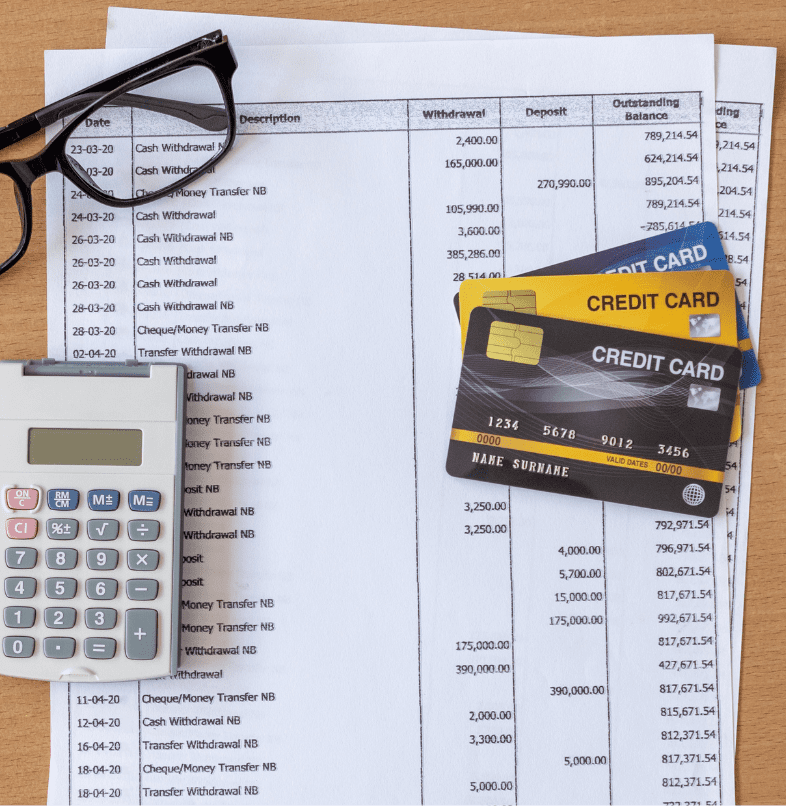
Set aside one focused hour this week for your personal “Money Review Day – grab a coffee, and get into CEO mode:

 ? Print or pull up your December statements
? List your total credit card balances
? Note the interest rates and minimum payments
✂️ Highlight 3 spending categories to cut back this month

This is about clarity, not judgment. Think of it as gathering puzzle pieces before you start putting them together.
 Have a “Money Review Day”

Step 3: Set a Short-Term Payoff Goal

Massive goals feel good in theory, but small wins are what keep you going. Look at your balances and pick ONE target:

  • Your smallest balance to clear quickly (Snowball method)
  • Your highest-interest card to save money (Avalanche method)

Example: If you owe $3,000 across 3 cards, focus on paying off the $500 one first. That win builds confidence and momentum.

Step 4: Build a Realistic January Budget

Post-holiday budgeting is all about breathing room. Not punishment. Build a one-month “recovery budget” that helps you regain control:

✅ Cover essentials first: Rent/mortgage, food, utilities, transport
❌ Cut or pause: Subscriptions, takeout, impulse buys
? Redirect: Any leftover funds go straight to your debt goal

Even an extra $50 a week toward debt adds up. And if money is tight? See if you can generate a little extra (selling unused items, picking up a side hustle, cashback apps, etc.).

Step 5: Create a “Holiday Payback Plan”

If you overspent by $1,200 in December, divide that into 6 monthly chunks: $200/month. Add it to your budget now and automate it.

This isn’t about guilt – it’s about taking control on your terms. When you have a plan, the weight of the debt gets lighter.

Step 6: Replace Shame with Strategy

Negative self-talk like “I’m terrible with money” only reinforces stuck patterns. Flip the script:

❌ “I can’t believe I did this again.”
✅ “I’m learning new habits that support my goals.”

Money is emotional and mindset matters. Be your own biggest ally, not your harshest critic.

Step 7: Future-Proof Next Year with a Holiday Fund

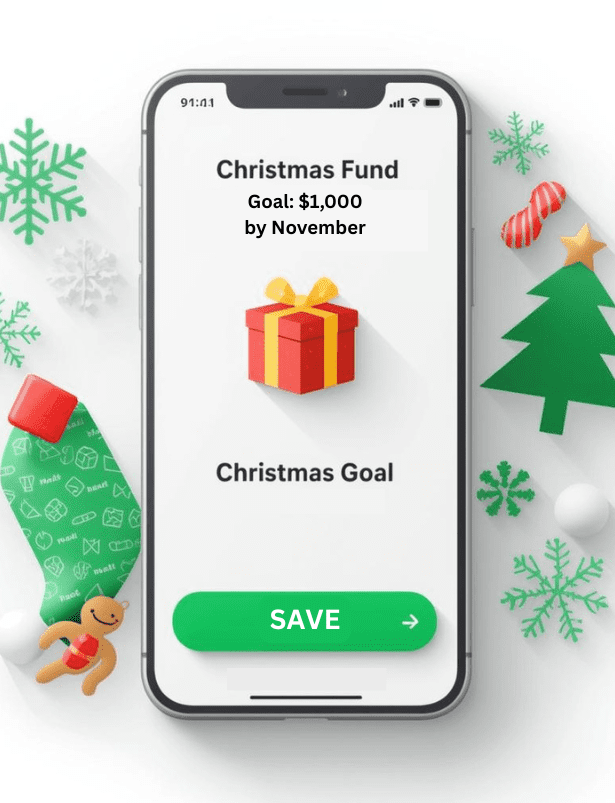
Want to avoid this January stress next time? Start now with a holiday sinking fund:

  • Name it: “Holiday Joy Fund”
  • Set a goal: $1,000 by November
  • Break it down: $42/month or $21/paycheck

Automate it. When next December hits, you’ll be ready, and proud of yourself.
 Future-Proof Next Year with a Holiday Fund

Step 8: Find a Support System

This journey is easier (and more fun) when you don’t do it alone. Whether it’s a money buddy, group, or coach – accountability is the secret sauce. That’s where my “Financial Muscle Coaching Membership” helps keep you accountable and gives you to the tools and knowledge to update your financial future.

Most people don’t need more information. They need support, structure, and a system.

Final Thoughts

You don’t have to fix everything overnight. But you do have to start. And now is the perfect time. Your financial reset starts with one decision, one action, and one new mindset: You’re in control now.

Ready to stop feeling stuck and finally build real financial momentum? Join Financial Muscle Coaching – this is a membership designed to help you rebuild, reset, and grow stronger with your money. It’s time to train your financial muscles and feel powerful about your money choices.

Let’s make this your best money year yet. ??
Join Financial Muscle Coaching Now

#HowToRecoverFromOverspending #HolidayDebtHelp2025 #PostHolidayMoneyStress #GetBackOnTrackFinancially #HowToResetMoneyAfterTheHolidays #OverspentAtChristmasNowWhat #NewYearFinancialReset #HowToFixMyFinancesAfterHolidays #MoneyRecoveryPlan #CreditCardHangoverHelp


How to Save When You Have Debt and the Cost of Living is High

How to Save When You Have Debt and the Cost of Living is High

Feeling like a hamster on a wheel, running fast but getting nowhere? High debt and living costs can do that. But fear not, because even a hamster can break free with a plan! Let’s explore how you can save money even when debt and high living costs are dragging you down.

The Debt Dillema

Debt is like an unwelcome guest who overstays their welcome, eating away at your peace of mind and your wallet. High living costs add fuel to this fire, making it seem impossible to save. But just as there’s a way out of every maze, there’s a path to financial freedom for you too.

STEP 1. TRACK EVERY DOLLAR

The first step to saving is knowing where your money is going. You might think you have a good handle on your spending, but tracking every dollar can reveal surprising patterns and money leaks you didn’t know existed.

Action Steps:

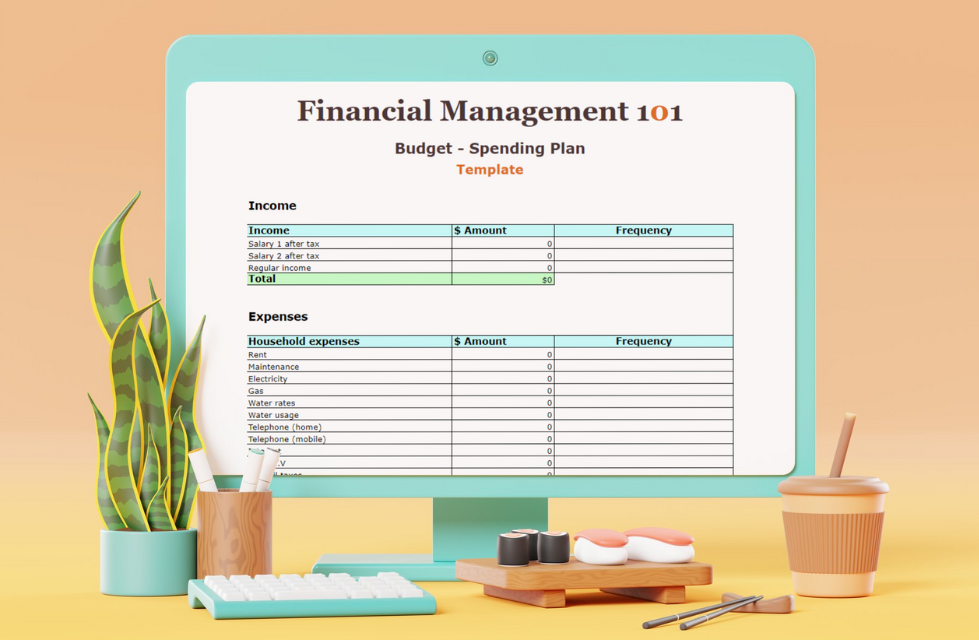
  1. Use Budgeting Apps: They can help you track your spending in real-time. They categorise your expenses and show you where your money goes. I have a budgeting spreadsheet that you can download and use, it’s free so check the link below.
  2. Manual Tracking: If you prefer, use an excel spreadsheet or a good old notebook. Write down every expense, no matter how small. This manual process can make you more mindful of your spending.

By tracking your expenses, you gain awareness of your spending habits, which is the first step to making changes.

Use Budgeting Apps

Use Budgeting Apps

They can help you track your spending in real-time.

STEP 2: PRIORITISE YOUR DEBTS

Not all debts are created equal. High-interest debts like credit card balances can quickly spiral out of control. By prioritising these, you can reduce the amount of interest you pay, freeing up money for savings.

Action Steps:

  1. List Your Debts: Write down all your debts, including interest rates and minimum payments. This gives you a clear picture of what you’re dealing with.
  2. Debt Avalanche Method: Focus on paying off the debt with the highest interest rate first while making minimum payments on others. Once the highest interest debt is paid off,move one to the next highest. This method saves you the most money in interest.
  3. Debt Snowball Method: Alternatively, pay off the smallest debt first to gain a psychological win. This boosts your confidence and motivation to tackle larger debts.

Prioritising your debts helps you tackle them systematically, reducing your overall financial burden.

STEP 3: NEGOTIATE YOUR BILLS

You’d be surprised at how often you can negotiate better terms on your bills. From credit card interest rates to cable bills, a simple phone call can result in significant savings.

Action Steps:

  1. Credit Card Rates: Call your credit card companies and ask for a lower interest rate. Explain your situation and your history as a good customer. You might be surprised at their willingness to help.
  2. Utility Bills: Check your monthly utility bills for any errors or unnecessary services. Contact your providers and negotiate lower rates or switch to a cheaper plan.
  3. Subscriptions and Services: Review your subscriptions (like cable, internet, gym memberships) and see if you can negotiate a lower rate or cancel unused services

Negotiating your bills can free up extra cash to put towards savings or debt repayment.

Review your subscriptions (like cable, internet, gym memberships) and see if you can negotiate a lower rate or cancel unused services.

Review your subscriptions (like cable, internet, gym memberships) and see if you can negotiate a lower rate or cancel unused services.

STEP 4: BOOST YOUR INCOME WITH SIDE HUSTLES

Increasing your income can make a significant difference when you’re trying to save and pay off debt. A side hustle can provide the extra cash you need to get ahead.

Action Steps:

  1. Identify Your Skills: What skills do you have that others might pay for? Freelancing, tutoring, pet sitting, or even selling crafts online can be great side gigs.
  2. Explore Gig Economy Jobs: Consider gig economy jobs like driving for Uber or Lyft, delivering groceries with Instacart, or doing tasks on TaskRabbit. These flexible jobs can fit into your schedule and provide additional income.
  3. Sell Unused Items: Declutter your home and sell items you no longer need on platforms like eBay, Craigslist, or Facebook Marketplace.

A side hustle can provide the financial boost you need to start saving and pay off debt faster.

STEP 5: CUT COSTS CLEVERLY

When living costs are high, cutting expenses might seem impossible. But with some creativity, you can find ways to reduce your spending without sacrificing too much.

Action Steps:

  1. Meal Planning and Cooking at Home: Eating out can drain your budget quickly. Plan your meals, buy groceries in bulk, and cook at home to save money. Consider batch cooking and freezing meals to save time.
  2. DIY and Repair: Before buying something new, see if you can repair or repurpose what you already have. YouTube is a great resource for DIY repair tutorials.
  3. Shop Smart: Use coupons, cashback apps, and shop during sales to save on groceries and household items. Compare prices online before making purchases.
  4. Energy Efficiency: Save on utility bills by making your home more energy-efficient. Use LED bulbs, unplug electronics when not in use, and adjust your thermostat to save on heating and cooling costs.

Cutting costs doesn’t mean you have to live a frugal, joyless life. It’s about making smarter choices that align with your financial goals.

Cut Costs Cleverly

Meal planning, doing your own house repairs, and using discount coupons and cashback apps can help you cut costs and save some bucks!

STEP 6: BUILD A SAVINGS HABIT

Even when money is tight, it’s important to build the habit of saving. Start small and gradually increase your savings as you pay off debt and free up more income.

Action Steps:

  1. Automate Your Savings: Set up automatic transfers to your savings account. Start with a small amount, like $5 or $10 a week, and increase it over time.
  2. Save Windfalls: Whenever you receive unexpected money (like a tax refund, bonus, or gift), put a portion of it into savings. This can give your savings a significant boost.
  3. Create a Savings Challenge: Challenge yourself to save a specific amount each month. Track your progress and reward yourself when you hit your targets.

Building a savings habit, even with small amounts, sets the foundation for long-term financial security.

STEP 7: STAY MOTIVATED AND FOCUSED

Paying off debt and saving money can be a long journey, but staying motivated is key to your success.

Action Steps:

  1. Set Clear Goals: Define your savings and debt repayment goals. Write them down and review them regularly to keep yourself focused.
  2. Celebrate Milestones: Celebrate your progress along the way. Whether it’s paying off a debt or reaching a savings milestone, acknowledge your achievements.
  3. Stay Positive: It’s easy to get discouraged when progress is slow. Surround yourself with positive influences, whether it’s friends, family, or online communities focused on financial goals.

Remember, every small step you take brings you closer to financial freedom. Stay focused, stay motivated, and keep pushing forward.

Conclusion

Saving money when you have debt and the cost of living is high might seem like a daunting task, but it’s not impossible. By tracking your expenses, prioritising your debts, negotiating your bills, boosting your income, cutting costs cleverly, building a savings habit, and staying motivated, you can make significant progress toward your financial goals. Remember, it’s not about making huge changes overnight, but about taking small, consistent steps that add up over time. So, start today and watch as your financial situation gradually improves, one penny at a time.

Learn the fundamental concepts of how budgeting and saving are important to your financial well-being. Registration is now open for the course: Mastering Budget and Saving Techniques. This is a hands-on course with me guiding you on how to budget, track and look at managing your money like a pro.

Mastering Budget and Saving Techniques
How Do I Prioritise My Expenses and Manage My Spending?

How Do I Prioritise My Expenses and Manage My Spending?

Prioritising expenses and effectively managing your spending is critical for your mental health, financial stability, and future growth.

Here’s a step-by-step guide to assist you with this:

TRACK YOUR SPENDING

Before you can prioritise, you need to know where your money is going. Keep a record of all your expenses for a month or two. This can be done using budgeting apps, spreadsheets, or simply a notebook.

CREATE A BUDGET

Based on your tracking, categorise your expenses (like rent, groceries, entertainment, etc.) and allocate a specific amount to each category. Be realistic in your allocations.

Categorise your expenses

IDENTIFY NEEDS VS. WANTS

Separate essential expenses (needs) like rent, utilities, and groceries from non-essential (wants) like dining out, entertainment, etc. Prioritise your needs.

SET FINANCIAL GOALS

Define your short-term (like saving for a holiday) and long-term (like saving for retirement) financial goals. This will help you stay focused and motivated.

SAVE FIRST

Adopt a “pay yourself first” approach. Allocate a portion of your income to savings or investments before you start spending on non-essentials.

REDUCE UNNECESSARY EXPENSES

Look for areas where you can cut back. This might include dining out less, cancelling unused subscriptions, or opting for more affordable entertainment options.

EMERGENCY FUND

Build an emergency fund that can cover at least 3-6 months of living expenses. This should be a priority as it provides a financial cushion.

USE TOOLS AND RESOURCES

Utilise budgeting tools, financial planning apps, or consult with a financial advisor for personalised advice.

REVIEW AND ADJUST REGULARLY

Your budget is not set in stone. Review it regularly and make adjustments as your income, expenses, and financial goals evolve.

AVOID HIGH-INTEREST DEBTS

Try to minimise reliance on credit cards or high-interest loans. If you have existing debt, prioritise paying it off.

EDUCATE YOURSELF

Continuously learn about personal finance. Understanding concepts like compound interest, investment, and credit scores can significantly improve your financial decision-making.

MINDSET AND DISCIPLINE

Cultivating a mindset of financial discipline and delayed gratification is key. This includes resisting impulse purchases and making informed spending decisions.

Continuously learn about personal finance.

Remember, personal finance is personal. Your priorities and goals will dictate how you manage your spending, so tailor these steps to fit your unique situation.

Learn the fundamental concepts of how budgeting and saving are important to your financial well-being. Registration is now open for the course: Mastering Budget and Saving Techniques. This is a hands-on course with me guiding you on how to budget, track and look at managing your money like a pro.

ENTER THE CODE WORD: BUDGETING2024 to get $100 off this course.

Mastering Budget and Saving Techniques

What are Some Effective Strategies for Saving Money?

What are Some Effective Strategies for Saving Money?

Saving money effectively involves a combination of smart financial planning, disciplined spending, and strategic saving.  It doesn’t have to be complicated, you just have to make a start and watch your money grow.   

There is no greater feeling than seeing money in the bank, instead of stressing that there is never enough money when you need it, especially in times of emergencies.

Here are some strategies that can help you save money effectively:

BUDGETING

Create a detailed budget to track your income and expenses. This helps you understand where your money goes and identify areas where you can cut back.

ELIMINATE UNNECESSARY EXPENSES

Review your spending habits and cut back on non-essential expenses like eating out, subscription services you don’t use often, or impulse purchases.

Eliminate Unnecessary Expenses

EMERGENCY FUND

Build an emergency fund to cover unexpected expenses. This prevents you from having to rely on credit cards or loans, which can lead to debt.

PAY YOURSELF FIRST

Treat savings as a non-negotiable expense. Set aside a portion of your income for savings immediately after you receive it, before you spend on anything else.

USE AUTOMATED SAVING TOOLS

Many banks offer automated transfers to savings accounts. Automating your savings can ensure you save regularly without having to think about it.

REDUCE HIGH-INTEREST DEBTS

Pay off high-interest debts like credit card balances as quickly as possible. This reduces the amount you pay in interest and frees up more money for savings.

SHOP SMART

Look for discounts, use coupons, and compare prices before making purchases. Buying items on sale or in bulk can also save money in the long run.

ENERGY EFFICIENCY

Reduce your utility bills by using energy-efficient appliances, turning off lights when not in use, and moderating heating and cooling.

INVEST WISELY

Consider investing in stocks, bonds, or mutual funds. Investments can offer higher returns than traditional savings accounts, though they come with risks.

REVIEW AND ADJUST REGULARLY

Regularly review your budget and savings goals. As your financial situation changes, adjust your strategies accordingly.

MEAL PLANNING

Plan meals in advance to avoid dining out frequently. Cooking at home is generally cheaper and healthier.

SECOND-HAND AND REFURBISHED ITEMS

Consider buying second-hand or refurbished items instead of new ones. This can be particularly cost-effective for electronics, furniture, and clothes.

Meal Planning
Cooking at home is generally cheaper and healthier.

USE PUBLIC TRANSPORTATION

If feasible, use public transportation instead of owning a car. This saves on gas, insurance, and maintenance costs.

AUTOMATE BILL PAYMENTS

Automate your bill payments to avoid late fees. This also helps in managing your cash flow more effectively.

EDUCATION AND SELF-IMPROVEMENT

Invest in learning new skills or improving existing ones. This can lead to better job opportunities and higher income in the future.

Remember, saving money is a gradual process, and it’s important to find a balance that works for your lifestyle and financial goals.

Start today and watch your money grow with every dollar you save.

Grab a FREE COPY of my Budget Spending Plan to track your income and expenses. CLICK HERE!

Want to learn more? The LEARNING HUB helps you gain more financial knowledge, while providing you with the support and help you and others need. Join now for only $79 USD per month.

Join the Learning Hub - Financial Management 101 by Karen G Adams