
Year-End Financial Check-Up: 7 Key Steps to Close 2024 with Confidence

Year-End Financial Check-Up: 7 Key Steps to Close 2024 with Confidence

As the year wraps up, it’s time to give your finances a little TLC and prepare to start the new year strong! Think of this as your yearly financial check-up, a simple routine that sets you up for a financially fit future. Here are seven straightforward steps to help you close out 2024 with confidence.

1. Review Your Budget with Fresh Eyes

December is perfect for giving your budget a quick health check. Ask yourself:

    • Did you stick to your budget most months?
    • Are there categories where you regularly overspent?

If you find that certain areas of your budget were tough to stick to, don’t worry; you’re not alone! Make notes on what worked and what didn’t, and consider if those categories need adjusting. Next year’s budget will feel easier to manage if it aligns more closely with your actual spending patterns.

2. Evaluate Your Financial Goals for 2024

Reflect on the goals you set at the beginning of 2024. Did you aim to build an emergency fund, pay off a certain amount of debt, or save for a big purchase? Take a moment to celebrate any wins, big or small, you’ve earned it! If there were goals you couldn’t reach, try to pinpoint what might have held you back. Life happens, and sometimes, adjustments are necessary. Use these reflections to set realistic goals for 2025 that build on the progress you’ve made.

Audit Your Subscriptions and Recurring Expenses

3. Audit Your Subscriptions and Recurring Expenses

Subscriptions can sneak up on you! Take a look at all the services you’re subscribed to, streaming platforms, gym memberships, software, meal kits and decide if they’re still worth the monthly or annual fee. Ask yourself:

    • Do you use each service enough to justify the cost?
    • Are there better deals or bundles that could help you save?

Canceling or downgrading services you no longer use can free up cash you can redirect toward your savings or debt goals.

4. Set a Holiday Spending Plan

The holiday season can be a big budget-buster if you’re not careful. This December, approach holiday spending with a clear plan:

    • Set a total holiday budget and stick to it.
    • Focus on meaningful gifts within your budget and avoid last-minute splurges.
    • Consider experiences instead of material items, they often make more memorable gifts and can be cost-effective.

You’ll thank yourself in January when your credit card bills aren’t sky-high!

5. Check-in On Your Emergency Fund


Your emergency fund is your financial safety net, and December is a great time to assess its status. Ideally, you want enough to cover three to six months’ worth of essential expenses.

If your fund has been depleted due to unexpected expenses this year, make a plan to rebuild it. If it’s in good shape, well done!

Consider adding a little extra, even if it’s just a small amount each month, it’s always better to be prepared.
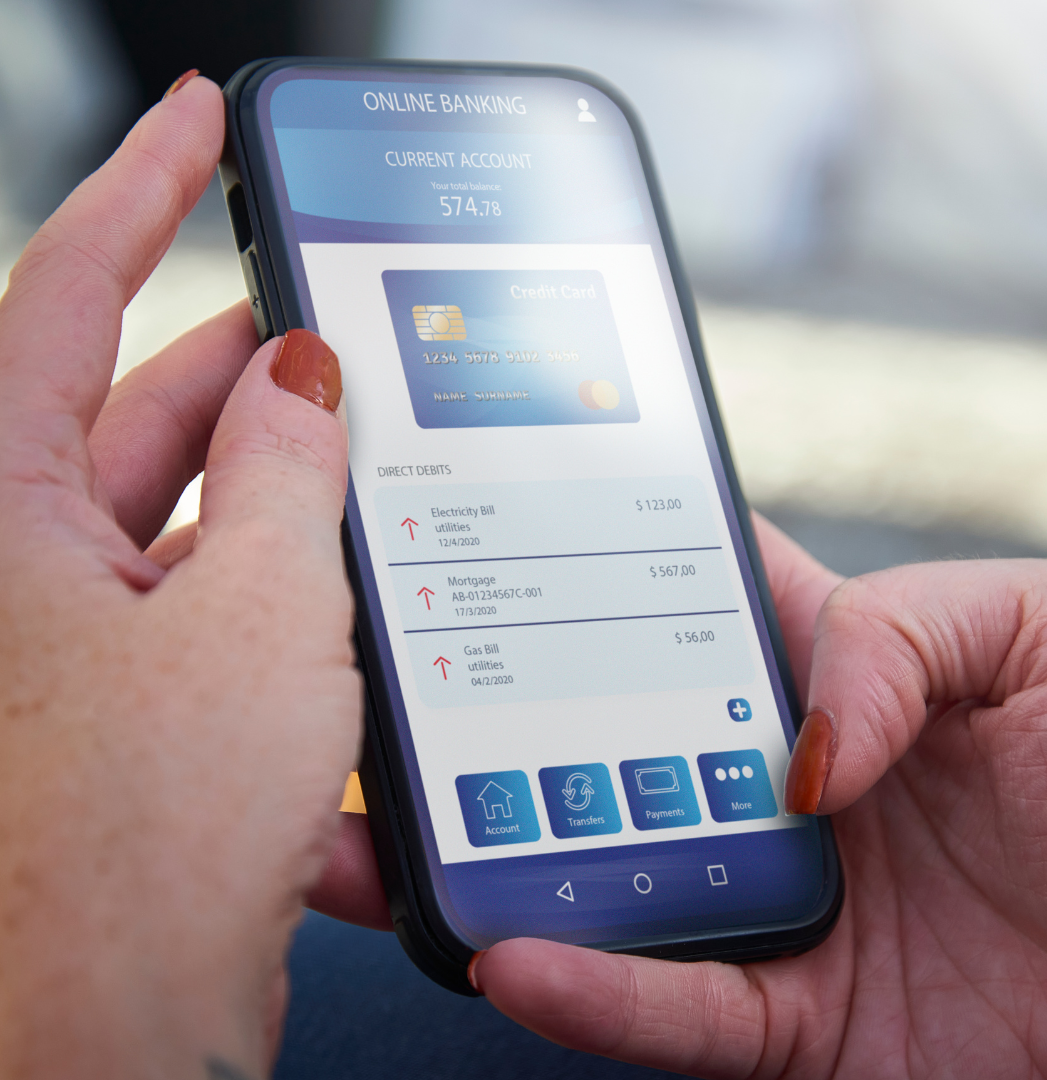
You want enough to cover three to six months’ worth of essential expenses on your emergency fund

5. Update Your Financial Goals for 2025

End the year by setting some intentional goals for 2025. These don’t have to be massive changes; small, achievable goals can have a big impact on your financial future. A few ideas:

    • Set a target for increasing your savings rate, even if it’s by a modest amount.
    • Commit to paying down a certain percentage of your debt.
    • Plan to invest in education or skills that could lead to higher income opportunities.

Whatever your financial goals, write them down and keep them visible. By starting now, you’ll be well-prepared to tackle them come January.

End the year by setting some intentional goals for 2025.

Final Thoughts

Closing out the year with a financial check-up is a powerful way to put yourself in the driver’s seat for 2025. These six steps are simple but effective and give you a clear view of your financial health. Here’s to closing out 2024 strong and stepping into 2025 with confidence!

Are you ready to make 2025 your breakthrough year?

MASTER YOUR MONEY is for YOU if you are tired of financial stress and ready to transform your relationship with money. Whether you’re managing a family, building your career, or chasing your dreams, this is your chance to gain the clarity, confidence, and habits you need to thrive.

This is more than a mindset shift—it’s a transformational program that puts you on the path to lasting financial success! ? Click the button below to book a call with Karen to see if this program is right for you!


Mastering Budget and Saving Techniques
Debt Detox: Tips for Paying Down Holiday Debt and Starting the New Year Strong

Debt Detox: Tips for Paying Down Holiday Debt and Starting the New Year Strong

The holidays are a season of joy, but they can also come with a hefty price tag. If you’ve spent a bit more than planned, don’t stress! January is the perfect time to tackle that holiday debt and set yourself up for a fresh financial start. Here’s a simple guide to help you detox your debt and enter the new year feeling financially strong.

1. Assess Your Total Holiday Debt

Start by getting a clear picture of what you owe. List all your holiday-related expenses, from credit card balances to any financing or store credit used for gifts, travel, or holiday activities. Knowing your total debt helps you avoid surprises and gives you a clear starting point.

Jot down each debt’s balance, interest rate, and minimum payment. This way, you’ll be prepared to choose the best strategy for paying it off efficiently.

Assess Your Total Holiday Debt

2. Choose a Debt Repayment Strategy

Once you know what you’re dealing with, pick a strategy that works for you. Here are two popular options:

      • The Snowball Method: Start by paying off your smallest debt first. Once it’s cleared, add that amount to the next smallest debt. This method builds momentum, as paying off smaller debts quickly can feel motivating.
      • The Avalanche Method: Start with the debt that has the highest interest rate, saving you more money in the long run. Once you clear it, move to the next highest interest rate.

Both methods work well; it just depends on what motivates you more – quick wins or long-term savings.

3. Cut Back (Temporarily) to Boost Repayments

To pay down holiday debt faster, look for small, temporary cutbacks in your budget. This could be as simple as cutting down on dining out, skipping a few subscription services, or holding off on new purchases for a month or two. Every bit you save can go toward chipping away at your debt.

Even a few small changes can make a big difference over time. For example, redirecting $50 a week toward debt could mean paying off $200 extra per month, speeding up your progress considerably.

4. Avoid Adding New Debt

While you’re focusing on paying down holiday debt, try to avoid taking on new debt. This might mean holding off on big purchases or saying no to smaller “treat yourself” items for now. The goal is to keep your focus on reducing what you owe so that you’re starting the new year in a stronger financial position.

It’s all about setting boundaries. Give yourself permission to pause on non-essential spending, knowing you’ll get back to it once you’re in a more comfortable spot with your debt.

Avoid Adding New Debt

5. Consider a Balance Transfer or Consolidation Loan

If your holiday debt is spread across multiple high-interest credit cards, look into options for consolidating or transferring the balance. A balance transfer card with a 0% introductory offer can give you a breather, allowing you to pay down the principal without additional interest for a limited time.

Alternatively, a low-interest personal loan can help you consolidate multiple debts into one manageable monthly payment. Just be sure to read the fine print and choose an option with favorable terms that genuinely help your situation.

6. Look for Extra Income Opportunities

Bringing in a little extra cash can speed up your debt payoff. You might consider picking up a side hustle, selling unused items around the house, or offering freelance services if you have skills others can use. Even a small boost in income can help you make extra payments and reduce your debt faster.

Use any additional income exclusively for debt payments until you’re in a more comfortable place financially. It’s a short-term effort with long-term benefits!

7. Set New Financial Goals to Stay Motivated

While paying down holiday debt is the priority, it’s important to stay focused on your broader financial goals. Once your debt is more manageable, shift your efforts toward building savings, contributing to your emergency fund, or working on other long-term goals.

Set one or two financial goals for the year, like “Build a $1,000 emergency fund by June” or “Pay down $2,000 in debt by year-end.” Having these goals can keep you motivated and give you something to look forward to once the holiday debt is under control.

Start Today for a Better Tomorrow!

Holiday debt doesn’t have to weigh you down for long. With a focused approach and small adjustments, you can knock out that debt and start the new year with confidence. Remember, every little effort counts, and you’ll feel empowered as you watch your debt shrink. Here’s to a fresh financial start and a strong, debt-free 2025!

Are you ready to take control of your finances and start your debt-free journey? In this empowering 30-day course, we’ll guide you through actionable steps to help you break free from debt and achieve financial stability. Join the Debt-Free Journey Challenge today!

Mastering Budget and Saving Techniques
Holiday Spending Survival Guide: How to Enjoy the Festive Season Without Breaking the Bank

Holiday Spending Survival Guide: How to Enjoy the Festive Season Without Breaking the Bank

The holiday season is here, and with it comes the urge to celebrate, give generously, and create beautiful memories with loved ones. But let’s be honest, the holidays can also bring financial stress if we’re not careful! Here’s a survival guide to help you enjoy the season without breaking the bank, keeping your finances on track as you head into the new year.

1. Set a Holiday Budget Before Spending

Before you dive into holiday shopping, set a total budget for the season. Think of this as your overall spending cap – a number that includes gifts, decorations, travel, and any other holiday-related expenses. Write this number down and commit to sticking with it. Having a clear limit makes it easier to say “no” to last-minute splurges that can quickly derail your budget.

2. Make a List and (and Check It Twice)

A gift list is a holiday essential! Write down each person you plan to buy for, along with a spending limit for each. Then, brainstorm gift ideas that fit within your set budget for each person. This approach helps keep your spending intentional and reduces the chances of overbuying or going overboard on any one gift. Plus, you’ll likely avoid those frantic, last-minute purchases that always seem to cost more.

A gift list is a holiday essential!

3. Focus on Meaningful Over Material

Holiday shopping is often about finding that “perfect” gift, but the best gifts aren’t always the most expensive ones. Consider giving experiences, homemade gifts, or personalised items. Here are a few budget-friendly ideas:

  • Experiences: Tickets to a show, cooking a meal together, or a picnic outing.
  • DIY Gifts: Bake cookies, make a photo album, or create a handmade card.
  • Quality Time: A heartfelt letter or spending a day together can mean a lot.

These gifts often leave a lasting impression, and they won’t hurt your wallet.

4. Avoid Financing Your Holidays with Debt

Credit card debt can sneak up on you, especially during the holidays. If possible, stick to cash or a debit card for holiday purchases. This way, you’re only spending money you actually have, avoiding any dreaded January credit card surprises. If you must use a credit card, try setting a hard limit and commit to paying off the balance immediately after the holidays to avoid high-interest charges.

5. Take Advantage of Sales and Discounts (But Be Smart About It)

Many retailers offer holiday sales, which can be a great opportunity if you’re strategic. Check for online discounts, use coupon codes, and compare prices before buying. However, resist the temptation to buy things just because they’re “on sale.” Stick to your list and buy only what you need. A great deal is only worth it if it aligns with your budget and your holiday gift plan.

A gift list is a holiday essential!

6. Consider a “Secret Santa” for Larger Groups 

If you’re buying for a big group – like extended family or friends, consider suggesting a Secret Santa or gift exchange. This way, each person only buys one gift, which saves everyone money. You can set a budget limit and focus on one thoughtful gift instead of buying for everyone. Plus, it makes gift-giving fun and more meaningful without the financial stress.

7. Don’t Forget Hidden Holiday Costs 

Holiday expenses go beyond just gifts. Food, decorations, travel, and even extra utility costs can all add up. Budget a little extra for these “hidden” holiday expenses to avoid dipping into savings or putting them on credit. If you’re hosting, consider making it a potluck so that everyone can pitch in and share the costs.

8. Plan for Next Year’s Holidays 

One of the best ways to manage holiday spending is to start planning now for next year. After the holidays, consider setting aside a small amount each month toward a “holiday fund.” This way, when the season rolls around again, you’ll already have money set aside, and you won’t need to scramble or rely on credit cards. It’s a great strategy for breaking the cycle of holiday debt and ensuring you’re financially prepared.

9. Prioritise Self-Care Over Stressful Spending

Finally, remember that the holiday season is about connection, gratitude, and joy. It’s easy to get swept up in the pressures of gift-giving, but focus on the experiences and people who matter most. Practice self-care, and don’t feel obligated to overspend just to make others happy. The memories you create with loved ones are often worth far more than anything you could buy.

FINAL THOUGHTS

The holidays don’t have to leave you financially stressed. By setting a budget, focusing on meaningful gifts, and avoiding unnecessary debt, you can enjoy the season without compromising your financial goals. Here’s to celebrating a joyful, financially stress-free holiday season and to starting the new year on solid ground!

Join the program Mastering Budgeting and Saving Techniques and learn how to budget, track and look at managing your money like a pro.

Mastering Budget and Saving Techniques